
The Influence of Indian Gemstones on Global Jewelry Trends Through History

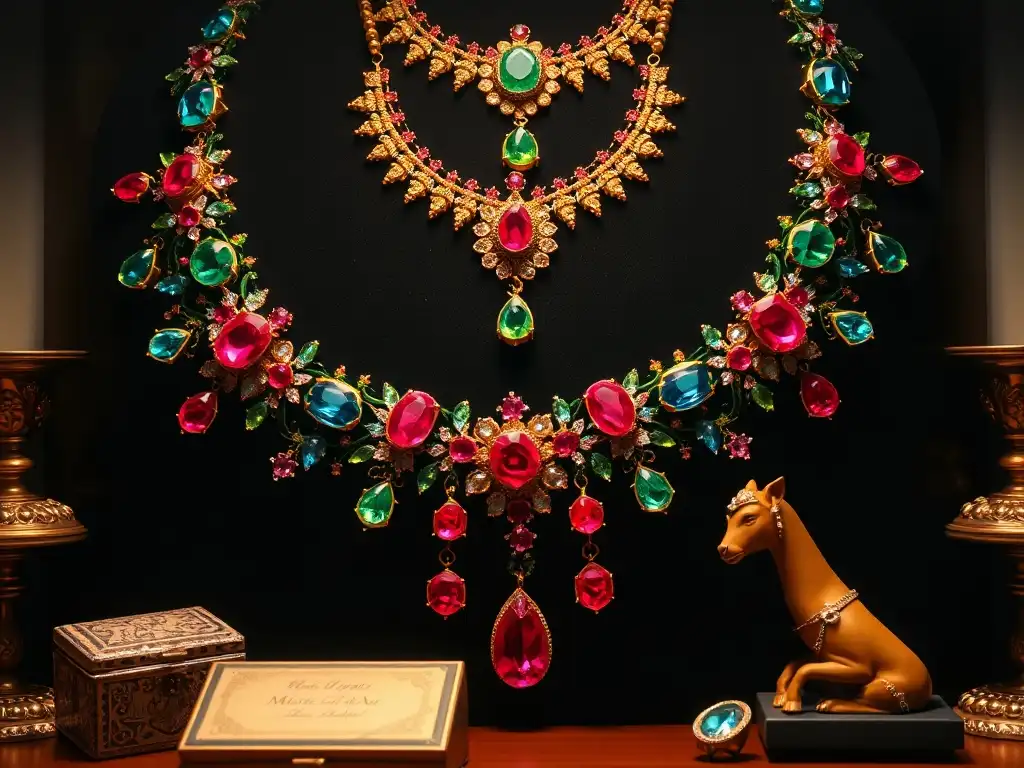
Welcome to Ancient India History, where we embark on a journey through time to uncover the rich tapestry of civilizations that have shaped the subcontinent. Our latest exploration focuses on "Indian gemstones in global jewelry," revealing how these exquisite treasures have influenced trends and styles across the world. From the sparkling allure of the Indus Valley to the opulence of the Gupta Empire, join us as we delve into the enchanting story of these precious stones and their enduring legacy.
What secrets do they hold? Read on to uncover the dazzling impact of Indian gemstones on global jewelry trends throughout history!
Introduction to Indian Gemstones in Global Jewelry
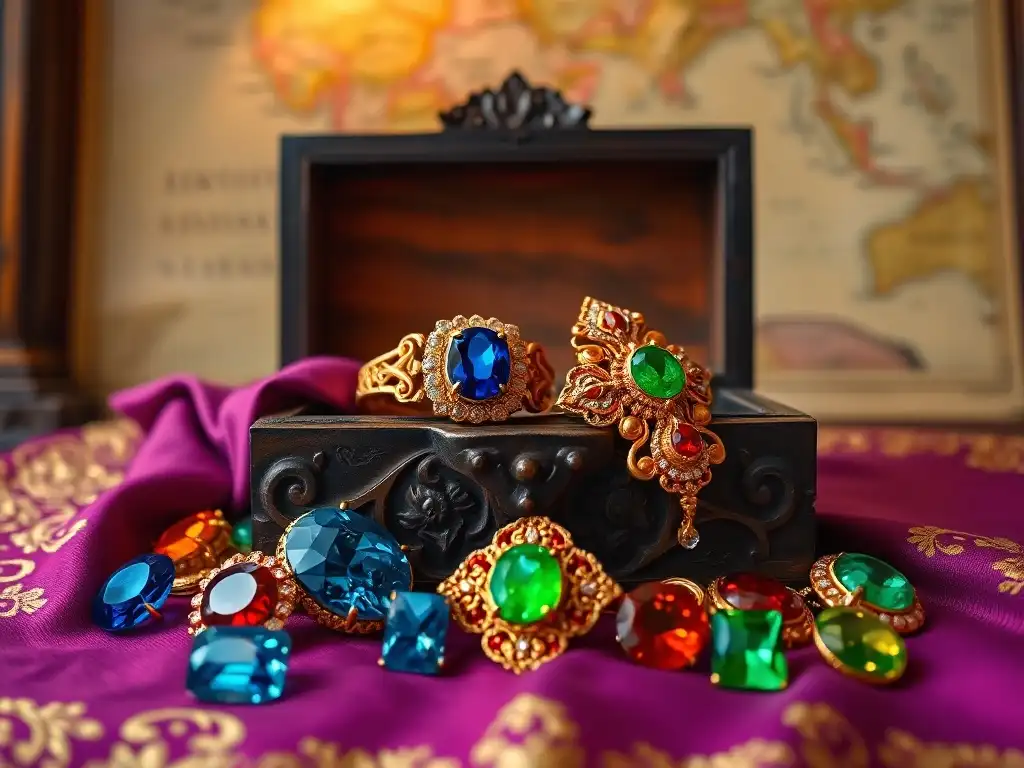
The allure of Indian gemstones has captivated civilizations across the globe for centuries, shaping not only the aesthetic appeal of jewelry but also influencing cultural practices and trade routes. From the dazzling diamonds of Golconda to the vibrant sapphires and emeralds sourced from the depths of the Indian subcontinent, these precious stones have played a pivotal role in defining the identity of jewelry throughout history.
Indian gemstones are not merely decorative items; they are steeped in rich history, symbolism, and craftsmanship. Their journey from the mines of India to the opulent courts of Europe and beyond illustrates the interconnectedness of cultures and economies over time. As we delve into the influence of these gemstones on global jewelry trends, it is essential to recognize their significance in various epochs and the ways in which they have transcended geographic boundaries to shape styles and preferences in adornment.
Throughout history, Indian gemstones have been sought after not only for their beauty but also for their spiritual and healing properties, making them highly valuable commodities. The impact of these stones can be seen in the luxurious pieces favored by royalty and the elaborate designs that continue to inspire contemporary jewelry makers worldwide. This exploration will uncover the profound ways in which Indian gemstones have left an indelible mark on global jewelry trends, contributing to a legacy that endures to this day.
Join us as we traverse this fascinating journey through time, examining the historical significance, trade dynamics, and evolving trends associated with Indian gemstones in global jewelry.
- What are the major Indian gemstones that influenced global jewelry trends?
- How did ancient Indian civilizations contribute to the gemstone trade?
- What role did Indian gemstones play in royal and ceremonial jewelry?
- How have Indian gemstones evolved in their use in modern jewelry?
- Why are Indian gemstones still relevant in today's jewelry industry?
Historical Significance of Indian Gemstones
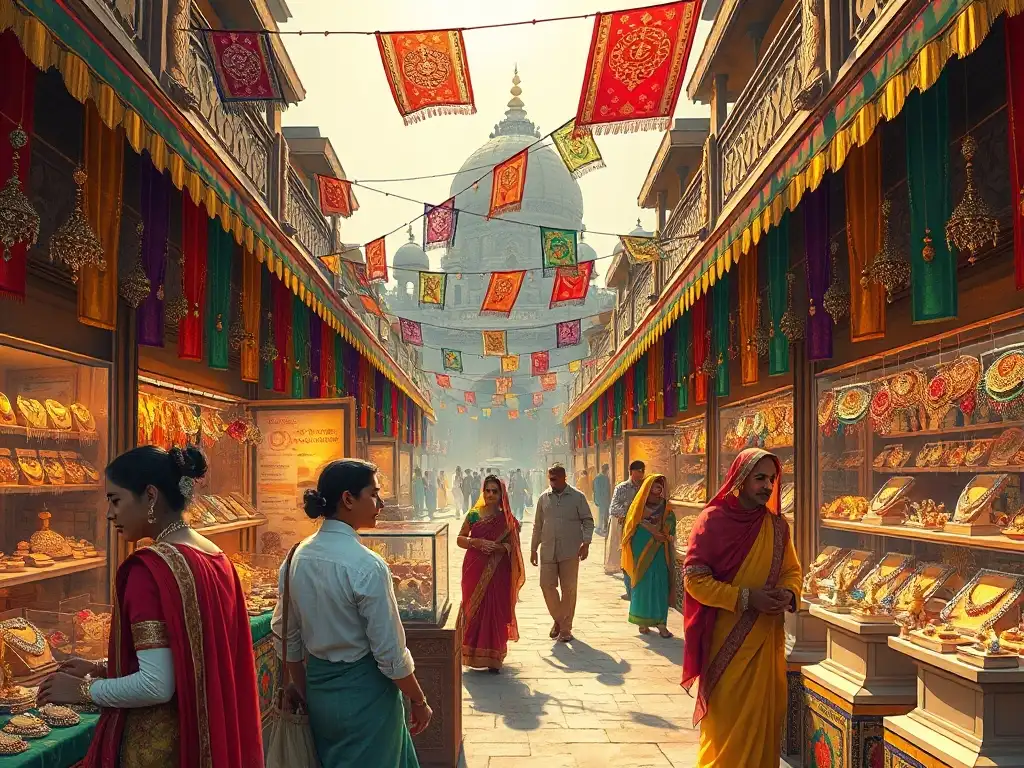
The historical significance of Indian gemstones extends far beyond their aesthetic appeal and is deeply intertwined with the cultural and economic fabric of ancient Indian society. Renowned for their brilliance and rarity, Indian gemstones such as diamonds, rubies, emeralds, and sapphires have not only adorned royalty but have also played a pivotal role in trade, craftsmanship, and the ceremonial practices of ancient civilizations. Their influence on global jewelry trends can be traced back to ancient times, establishing India as a key player in the gemstone market.
The Origins of Gemstone Mining in India
The origins of gemstone mining in India can be traced back to several ancient civilizations, with the Indus Valley Civilization (approximately 3300–1300 BCE) being one of the earliest known contributors. Archaeological excavations in regions like Gujarat have revealed evidence of gemstone processing, highlighting the advanced skills of artisans who crafted intricate jewelry from local stones.
- Geographical Regions:
- Madhya Pradesh: Known for its diamond mines, particularly near the city of Panna.
- Karnataka: Famous for its rubies and emeralds, sourced from the hills of the Western Ghats.
- Andhra Pradesh: Renowned for its sparkling diamonds and the Golconda mines, which were historically significant in the diamond trade.
The techniques of mining and gemstone preparation were sophisticated, involving the use of simple tools and methods, such as panning and water-washing to extract gems from riverbeds. The craftsmanship involved in shaping and polishing these stones laid the foundation for Indian artistry in jewelry, setting standards that would influence global practices.
Symbolism and Cultural Importance of Gemstones in Ancient India
In ancient Indian culture, gemstones were not merely decorative items; they held profound symbolism and were believed to possess spiritual and healing properties. The ancient texts, including the Vedas and Puranas, discussed the significance of various gemstones and their association with planetary influences.
- Astrological Beliefs:
- Each gemstone was linked to a specific planet and was believed to harness cosmic energy. For instance:
- Ruby: Associated with the Sun, symbolizing vitality and prosperity.
- Emerald: Linked to Mercury, representing intellect and communication.
- Diamond: Connected to Venus, embodying love and luxury.
- Each gemstone was linked to a specific planet and was believed to harness cosmic energy. For instance:
- Ceremonial Use:
- Gemstones played a critical role in rituals and ceremonies. They were often embedded in crowns, necklaces, and sacred artifacts used by priests and royalty during important religious ceremonies.
- Status Symbols:
- The possession of gemstones was a marker of social status and wealth. Kings and emperors adorned themselves with lavish jewelry made from the finest gemstones, reflecting their power and prestige.
The cultural importance of gemstones in ancient India established a legacy that resonated through time, influencing not just local traditions but also global jewelry trends. The exquisite craftsmanship, combined with the rich symbolism of gemstones, laid the groundwork for India's enduring reputation in the world of jewelry and gemstones.
Key Indian Gemstones and Their Global Impact
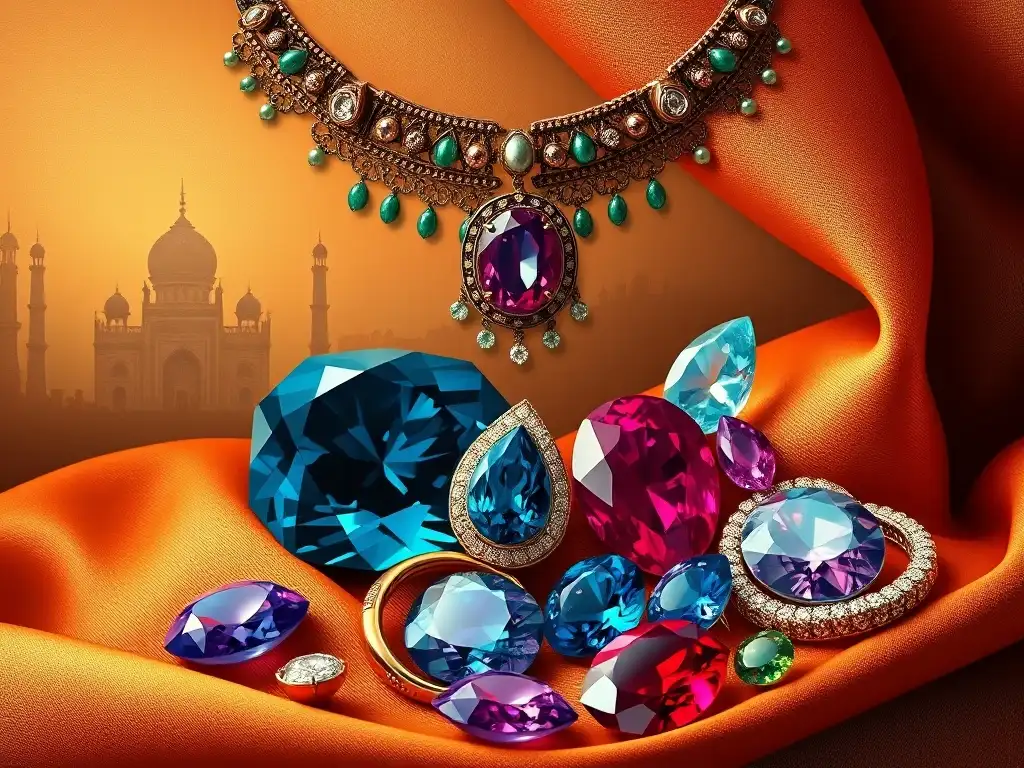
The history of Indian gemstones is intertwined with the evolution of jewelry trends across the globe. Indian gemstones have not only enriched local adornments but have also profoundly influenced global jewelry styles. This section explores the key Indian gemstones that have played a significant role in shaping jewelry trends worldwide.
Diamonds: The Regal Influence of Indian Diamonds
Diamonds, often referred to as "a girl’s best friend," have a storied legacy in India, with roots tracing back to ancient times. The famed Golconda mines in India were once the primary source of diamonds, producing some of the most celebrated stones in history.
- Historical Significance: Indian diamonds such as the Koh-i-Noor and the Hope Diamond have graced the crowns of kings and queens, symbolizing power and prestige. The allure of these diamonds has inspired countless imitations and adaptations in global jewelry.
- Cultural Influence: The unique cutting techniques developed in India, particularly the rose cut, have influenced diamond cuts worldwide. The rose cut's flat bottom and domed top allow for a softer sparkle, making it a popular choice in vintage and modern jewelry alike.
- Market Trends: The Indian diamond industry has also affected market trends, with Indian craftsmanship setting benchmarks for quality and design. The rise of ethical sourcing has further propelled Indian diamonds into the global spotlight, as consumers seek responsibly sourced gemstones.
Rubies: The Rich Heritage of Indian Rubies
Rubies have long been considered the "king of gemstones," and India's historical significance in ruby mining is substantial. The vibrant red hue of Indian rubies has captivated jewelers and collectors around the world.
- Legendary Stones: Indian rubies, like the famous Burmese rubies, have been cherished for their color and quality. The famed Mogok rubies, often referred to as "blood-red," have been a source of inspiration for jewelers globally.
- Cultural Symbolism: In Indian culture, rubies symbolize passion, protection, and prosperity. This cultural significance has translated into global jewelry trends, where rubies are often used in engagement rings and ceremonial pieces, reflecting love and commitment.
- Design Evolution: The incorporation of rubies into intricate jewelry designs has influenced global styles. Artisans worldwide have adopted Indian-inspired motifs, utilizing rubies to create stunning pieces that blend tradition with modern aesthetics.
Sapphires and Emeralds: The Colorful Legacy
Sapphires and emeralds have also made significant contributions to the global jewelry landscape, showcasing India's rich gemstone heritage.
- Sapphires: Indian sapphires, particularly the blue variety, have been esteemed for their clarity and depth of color. The historical demand for sapphires in royal jewelry has led to their widespread use in contemporary designs.
- Global Trends: The resurgence of colored gemstones in modern jewelry has seen sapphires gain popularity, often used in engagement rings as a vibrant alternative to traditional diamonds.
- Emeralds: India’s connection with emeralds dates back to ancient times, with the country being known for its exquisite craftsmanship and unique designs. The lush green hue of Indian emeralds has made them a favored choice in royal and ceremonial jewelry.
- Influence on Design: The intricate use of emeralds in Mughal jewelry has inspired global jewelers to incorporate similar techniques, blending Indian artistry with modern styles.
The legacy of Indian gemstones in global jewelry trends is profound. The historical and cultural significance of diamonds, rubies, sapphires, and emeralds has not only enriched the jewelry industry but has also fostered a deeper appreciation for craftsmanship and design across diverse cultures.
The Evolution of Jewelry Designs Influenced by Indian Gemstones
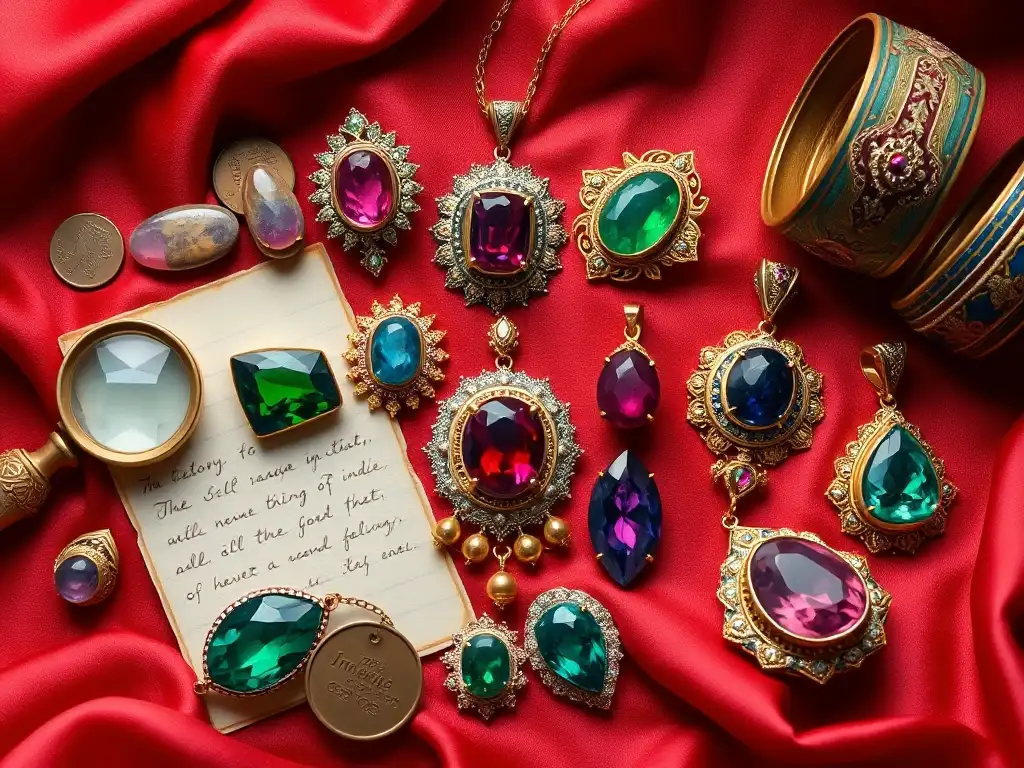
Fusion of Indian Designs with Western Jewelry Styles
The fusion of Indian designs with Western jewelry styles has been a significant trend since the colonial era. The introduction of Indian gemstones to Western markets played a pivotal role in shaping jewelry aesthetics across continents. Notably, the vibrant colors and intricate craftsmanship of Indian gemstones such as rubies, emeralds, and sapphires caught the attention of Western jewelers, leading to a creative synergy that blended cultural motifs.
- Influential Historical Connections: The British colonization of India during the 18th and 19th centuries facilitated the export of exquisite Indian gemstones to Europe. This era saw the rise of Indian-inspired jewelry, characterized by elaborate settings and detailed engravings that mirrored traditional Indian artistry.
- New Techniques and Materials: Western jewelers began incorporating Indian gemstones into their designs, utilizing techniques like filigree and kundan settings that were hallmark features of Indian craftsmanship. This not only enriched the aesthetic appeal but also introduced new methods of gemstone setting in Western jewelry.
- Fashion Icons and Cultural Exchange: Prominent figures, such as Queen Victoria, embraced Indian gemstones, which further popularized their use in Western jewelry. The Maharaja and Maharani styles of adornment began influencing Western fashion, leading to a mutual exchange of ideas and techniques.
Contemporary Trends: Indian Gemstones in Modern Jewelry
In contemporary times, Indian gemstones have firmly established themselves in the global jewelry market, influencing modern design trends and consumer preferences. The resurgence of interest in sustainable and ethically sourced materials has also spotlighted Indian gemstones for their rich heritage and craftsmanship.
- Ethical Sourcing and Sustainability: Many consumers today prioritize ethically sourced gemstones, and Indian gemstones often meet these criteria. This growing demand has encouraged jewelers to highlight the origins and ethical practices behind gemstone sourcing, thereby enhancing their appeal in modern markets.
- Innovative Design Collaborations: Contemporary designers are increasingly collaborating with artisans from India to create unique pieces that celebrate the heritage of Indian gemstones. These collaborations often blend traditional techniques with modern aesthetics, resulting in innovative designs that resonate with global audiences.
- Popularity in Statement Pieces: Indian gemstones are increasingly featured in statement jewelry pieces, such as bold necklaces, oversized earrings, and intricate bangles, which capture a sense of opulence and cultural significance. The vibrant colors and unique cuts of Indian gemstones lend themselves well to contemporary styles, making them desirable choices for fashion-forward consumers.
Through these evolving trends, it is clear that Indian gemstones in global jewelry continue to inspire and shape the industry, reflecting a rich history and cultural significance that resonates with audiences worldwide.
Challenges and Opportunities in the Global Market for Indian Gemstones
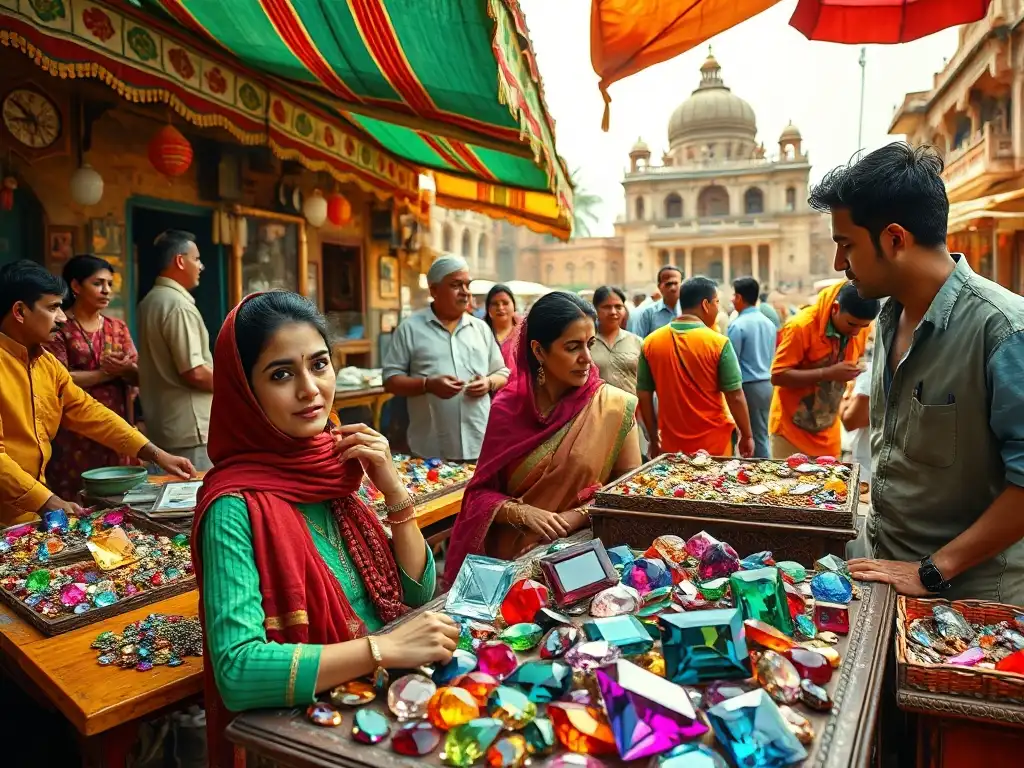
The global market for Indian gemstones is a complex landscape characterized by both challenges and opportunities. As the demand for these precious stones continues to grow, especially in luxury markets, Indian gemstones have found a significant place in global jewelry trends. However, navigating this market requires an understanding of various dynamics affecting trade and sourcing practices.
Trade Dynamics and Ethical Sourcing
The trade dynamics of Indian gemstones are influenced by several factors, including international demand, pricing, and regulatory frameworks. Indian gemstones, renowned for their quality and diversity, are often exported to countries like the United States, the United Kingdom, and the Middle East. This international appeal creates opportunities for Indian artisans and traders to showcase their craftsmanship on a global scale.
However, the ethical sourcing of gemstones has emerged as a crucial concern. Issues surrounding conflict stones, labor practices, and environmental sustainability are at the forefront of discussions among consumers and industry stakeholders. The rise of conscious consumerism has led to increased scrutiny of supply chains, pushing businesses to adopt more transparent and responsible sourcing practices.
To address these challenges, many Indian gemstone traders are now implementing ethical sourcing initiatives. These include:
- Certification Programs: Obtaining certifications from recognized organizations that guarantee ethical practices.
- Traceability: Developing systems that allow consumers to trace the origin of gemstones back to their source.
- Fair Trade Practices: Ensuring that workers involved in the mining and production processes receive fair wages and work in safe conditions.
This shift towards ethical sourcing not only enhances the reputation of Indian gemstones in the global market but also aligns with the values of a growing segment of consumers who prioritize sustainability and social responsibility in their purchasing decisions.
Future Predictions: The Role of Technology and Design
Looking ahead, the integration of technology and innovative design is expected to play a pivotal role in shaping the future of Indian gemstones in global jewelry. As the market evolves, several trends are emerging that could redefine how gemstones are perceived and utilized.
- Technological Advancements: The application of technology in gemstone cutting and treatment has led to enhanced quality and precision. Techniques such as laser cutting and 3D modeling are allowing artisans to create intricate designs that were previously unattainable. This level of craftsmanship can elevate the status of Indian gemstones in the luxury market.
- E-commerce Growth: The rise of e-commerce platforms has opened new avenues for the global distribution of Indian gemstones. Online marketplaces allow artisans to reach a broader audience, providing consumers with direct access to unique and high-quality stones. This trend is expected to continue as digital platforms gain popularity among consumers who prefer shopping from the comfort of their homes.
- Customization and Personalization: Today's consumers are increasingly seeking personalized jewelry that reflects their individual styles. Indian gemstone artisans are responding to this demand by offering bespoke services that allow customers to select specific stones and designs. This trend not only enhances customer satisfaction but also fosters a deeper connection between the consumer and the craftsmanship involved.
- Sustainable Practices: As the focus on sustainability intensifies, Indian gemstone producers are likely to adopt more eco-friendly practices. This includes using renewable resources and minimizing environmental impact during mining and production. The emphasis on sustainability will further enhance the appeal of Indian gemstones in the global market.
While challenges such as ethical sourcing and market competition exist, the future of Indian gemstones in global jewelry trends appears promising. By leveraging technology, embracing sustainability, and focusing on design innovation, the Indian gemstone industry can continue to thrive and maintain its revered status on the world stage.
Conclusion: The Lasting Legacy of Indian Gemstones on Global Jewelry Trends
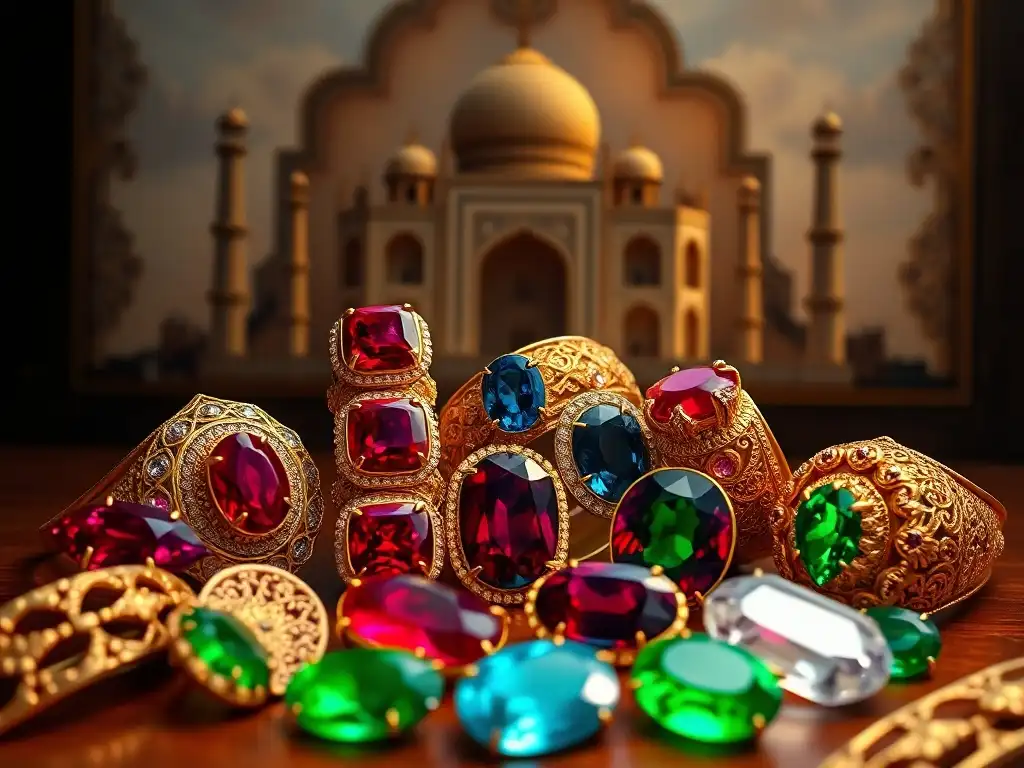
The journey of Indian gemstones through history is a fascinating narrative of cultural exchange, craftsmanship, and innovation. From the earliest days of the Indus Valley Civilization, where lapidary skills flourished, to the opulent courts of the Mughal Empire, Indian gemstones have left an indelible mark on global jewelry trends.
Historical Significance
Indian gemstones, such as diamonds, rubies, emeralds, and sapphires, have been coveted not only for their beauty but also for their perceived mystical properties. The Koh-i-Noor and the Hope Diamond are just two examples of how these precious stones have shaped royal adornments and influenced jewelry styles worldwide. The craftsmanship involved in shaping these stones has also set a benchmark for jewelers globally.
Cultural Exchange
With trade routes connecting India to the Mediterranean and beyond, Indian gemstones made their way into the hands of artisans and jewelers across various cultures. The influence of Indian gemstones can be seen in the intricate designs of Persian, European, and even African jewelry, reflecting a blend of styles and techniques that enriched global aesthetics.
Modern Impact
In contemporary times, the resurgence of interest in vintage and antique jewelry has reignited the global fascination with Indian gemstones. Designers are now increasingly incorporating these stones into modern jewelry, merging traditional techniques with contemporary designs. This trend not only showcases the enduring appeal of Indian gemstones but also emphasizes their role in sustainable fashion, as many of these stones can be sourced ethically.
Indian gemstones continue to symbolize luxury and elegance, influencing styles from art deco to bohemian aesthetics. Their lasting legacy is evident in the way they inspire jewelers and collectors alike, creating a bridge between ancient craftsmanship and modern creativity.
Call to Action: Explore More about Indian Gemstones
Delve deeper into the vibrant world of Indian gemstones and their influence on global jewelry trends. Uncover the stories behind each gemstone and their role in shaping cultures through history.
- Discover the historical context of iconic gemstones.
- Learn about the craftsmanship techniques that define Indian jewelry.
- Explore how modern designers are reinterpreting traditional Indian styles.
Take the next step in your exploration of Indian gemstones and their unparalleled impact on the jewelry industry!
Frequently Asked Questions
What are the major Indian gemstones that influenced global jewelry trends?
Indian gemstones such as diamonds, rubies, and emeralds have played a significant role in shaping global jewelry trends due to their rich colors and historical significance.
How did ancient Indian civilizations contribute to the gemstone trade?
Ancient Indian civilizations, particularly during the Indus Valley and Gupta Empire, established trade routes and craftsmanship that made Indian gemstones highly sought after in the global market.
What role did Indian gemstones play in royal and ceremonial jewelry?
Indian gemstones were often used in royal adornments and ceremonial jewelry, symbolizing wealth and power, and influencing styles across various cultures throughout history.
How have Indian gemstones evolved in their use in modern jewelry?
Today, Indian gemstones are not only valued for their beauty but also for their cultural heritage. They continue to inspire innovative designs in contemporary global jewelry markets.
Why are Indian gemstones still relevant in today's jewelry industry?
With their timeless appeal, cultural significance, and unique qualities, Indian gemstones remain a popular choice among jewelers and collectors, influencing trends in the global jewelry industry.
Final Reflection: The Timeless Allure of Indian Gemstones in Global Jewelry
The influence of Indian gemstones on global jewelry trends is not just a historical footnote; it is a vibrant narrative that continues to shape the aesthetics and values of contemporary adornment. As we explore the intricate tapestry woven by these gemstones, we uncover a legacy that transcends borders and cultures, reminding us that beauty is a universal language. The enduring appeal of Indian gemstones lies in their ability to connect us to our past while simultaneously influencing modern design and consumer preferences.
The impact of Indian gemstones on the cultural and social landscape of jewelry is profound and far-reaching. From the opulent royal courts of India to the bustling markets of today, these gemstones have inspired artisans and designers worldwide, fostering a rich exchange of ideas and styles. The resonance of this influence can be encapsulated in the words of renowned gemologist Richard Hughes: Gemstones are not just beautiful objects; they are the embodiment of history, culture, and human emotion.
This sentiment underscores the importance of recognizing the stories behind these gemstones and their role in shaping our collective identity.
As we reflect on the significance of Indian gemstones in global jewelry, I invite you to consider how you can incorporate this rich heritage into your own life. Embrace the beauty of these gemstones, not just as adornments but as symbols of cultural connection and artistic expression. Whether you choose to wear them, gift them, or simply appreciate their historical significance, let the allure of Indian gemstones inspire you to explore the deeper meanings of beauty and craftsmanship in your own journey.
Unveil the Timeless Allure of Indian Gemstones!
Thank you for diving into the captivating world of Indian gemstones and their rich influence on global jewelry trends! By exploring this vibrant history, you've discovered how these exquisite stones have shaped fashion and culture across centuries. Now, let's channel that intrigue into action!
- Start your gemstone journey by researching and identifying a unique Indian gemstone that resonates with you. Learn about its history and significance!
- Share your newfound knowledge with friends or on social media—who knows, you might inspire someone to incorporate these stunning gems into their collection!
- Join a local jewelry-making class where you can create your own piece inspired by Indian gemstones, combining creativity with cultural appreciation.
Which gemstone captivates you the most, and in what ways would you love to see it showcased in contemporary jewelry designs?