
The Art of Stupas: Architectural Innovations of Ancient India


Welcome to Ancient India History, where we delve into the rich tapestry of civilizations that shaped the Indian subcontinent. In our featured article, “The Art of Stupas: Architectural Innovations of Ancient India,” we explore the architectural features of ancient stupas, revealing how these magnificent structures not only served as spiritual symbols but also exemplified the technological prowess of their time. Curious about the intricate designs and the stories they tell? Join us on this journey through time, and uncover the remarkable innovations that defined an era!

Introduction to Ancient Stupas
The stupas of ancient India stand as magnificent testaments to the architectural ingenuity and spiritual depth of early Indian civilizations. These dome-shaped structures served not only as significant religious monuments but also as symbols of the cultural and artistic achievements of their time.
The study of the architectural features of ancient stupas reveals a rich tapestry of engineering techniques and design principles that reflect the societal values and religious beliefs of the period. From the intricate carvings that adorn their surfaces to the meticulous layout of their grounds, stupas encapsulate the ethos of ancient Indian life, bridging the gap between the earthly and the divine.
Definition and Purpose of Stupas
Stupas are defined as mound-like structures that house relics, typically associated with Buddhist teachings and important spiritual figures. The primary purpose of a stupa is to serve as a place of meditation and worship, enabling devotees to engage with the teachings of Buddhism. As a result, stupas became focal points for pilgrims, who would travel vast distances to pay their respects.
Their design is deeply symbolic, representing the path to enlightenment. The structure itself often embodies the cosmos, with the dome symbolizing the universe and the square base representing the earthly realm. Through their design, stupas encapsulate profound spiritual meanings, making them not just architectural feats but also vessels of faith.
Historical Context of Stupa Construction
The construction of stupas dates back to the 3rd century BCE, with the earliest examples attributed to Emperor Ashoka, a prominent patron of Buddhism. His reign marked the beginning of widespread stupa construction across the Indian subcontinent, as he sought to spread the teachings of Buddhism.
Over the centuries, different regions developed their own unique styles and features in stupa architecture, influenced by local traditions and the evolving needs of the Buddhist community. For instance, the Great Stupa at Sanchi and the Dhamek Stupa at Sarnath showcase distinct architectural characteristics that reflect regional artistry and innovation.
Key Architectural Features of Ancient Stupas
The architectural features of ancient stupas are a fascinating blend of aesthetic beauty and structural integrity. These elements not only serve functional purposes but also enhance the spiritual experience of those who visit.
Design Elements of Stupas
The design of a stupa often includes several key elements, such as:
- Dome (Anda): The hemispherical dome represents the universe and the ultimate state of enlightenment.
- Harmika: A square railing atop the dome symbolizes the presence of the divine.
- Chhatra: The umbrella-like structure above the harmika signifies the protection and honor bestowed upon the Buddha.
- Path (Pradakshina): The circumambulatory path allows devotees to walk around the stupa in a meditative manner, fostering a deeper connection to the teachings.
These elements illustrate the aesthetic principles and spiritual significance embedded in stupa design, making each structure a unique representation of the values of ancient Indian society.
Material Used in Stupa Construction
The materials used in stupa construction varied greatly depending on the region and availability. Commonly used materials included:
- Brick: Many stupas, such as the Great Stupa at Sanchi, were primarily constructed using fired bricks, providing durability and strength.
- Stone: In areas rich in stone resources, such as the Deccan plateau, stupas were often carved from solid rock, showcasing the artistry of stone masonry.
- Earth and Mud: Some early stupas were made from earth or mud, reflecting the simplicity and accessibility of materials in rural areas.
This diversity in materials not only highlights the technological advancements of the time but also emphasizes the creativity and resourcefulness of ancient builders.
Through the exploration of these architectural features, one can appreciate the sophistication of ancient Indian engineering and its lasting impact on subsequent architectural practices.
Innovations in Stupa Engineering
The architectural features of ancient stupas reflect a significant evolution in engineering and construction techniques in ancient India. Stupas were primarily built as reliquaries, housing sacred relics, and their design was a manifestation of both spiritual symbolism and architectural ingenuity. Over time, these structures saw advancements in materials, construction methods, and aesthetic features that enhanced their durability and visual appeal.
One of the most notable innovations was the use of brick and stone in stupa construction, allowing for larger and more stable structures. The early stupas were primarily constructed from mud and clay, which proved less durable. As artisans honed their skills, they began to incorporate more robust materials like sandstone and later, granite. This transition not only improved the longevity of the stupas but also allowed for intricate carvings and detailed decorative elements that reflected the artistry of the time.
Structural Innovations in Stupa Design
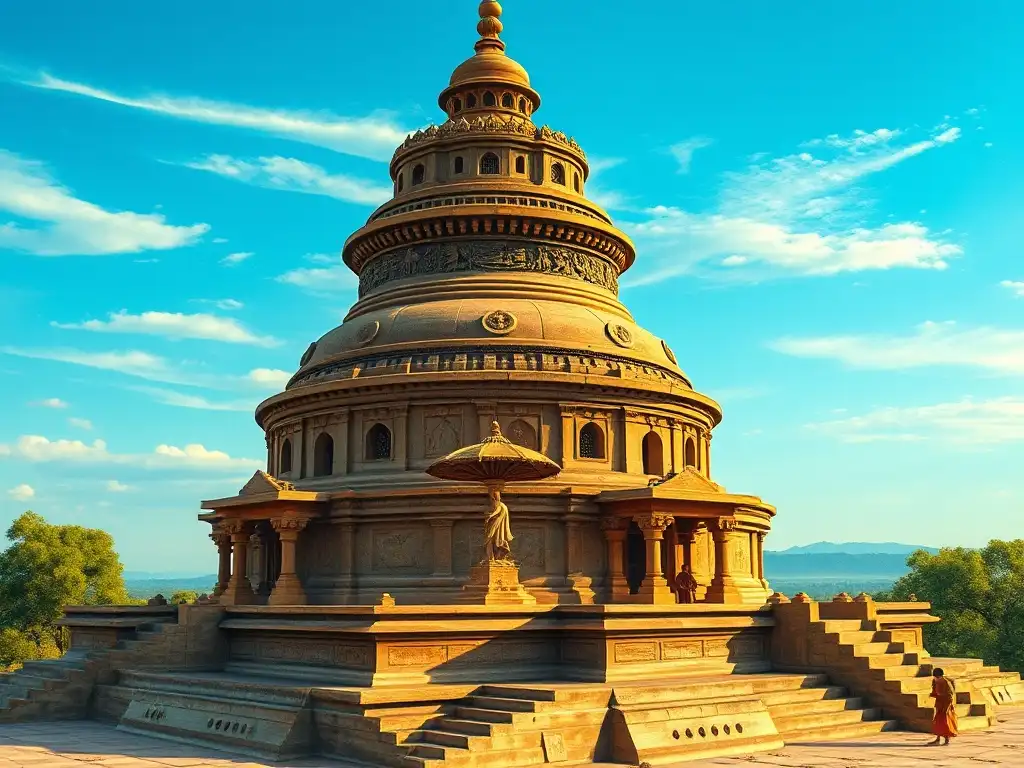
Structural innovations in stupa design are evident in the development of the hemispherical dome and the incorporation of the harmika, a square railing structure at the top. The dome symbolizes the universe and is crucial in representing the spiritual aspect of stupas. The viharas, or monastic complexes, surrounding stupas were also engineered with innovative techniques, allowing for communal living spaces for monks.
Additionally, the introduction of the chatra, a multi-tiered umbrella, not only served a decorative purpose but also signified the importance of the stupa in Buddhist culture. The placement of the chatra atop the stupa indicates the presence of the Buddha and symbolizes the protection of the relics within.
The construction of stupas also utilized advanced techniques such as arch and vault technology. While traditional Indian architecture relied on post-and-beam systems, stupas began incorporating arches to distribute weight more efficiently, thereby enhancing the stability of larger structures. These engineering feats laid the groundwork for future architectural advancements in the region.
Decorative Features and Artistic Innovations
The decorative features of ancient stupas are a testament to the artistic innovations that flourished during the period. The stupas were adorned with intricate carvings, reliefs, and sculptures that depicted various scenes from the life of the Buddha, Jataka tales, and symbolic motifs. These artistic elements were not merely ornamental; they served an educational purpose, conveying Buddhist teachings and stories to the largely illiterate populace.
The introduction of toranas, or ceremonial gates, at the entrances of stupas, exemplifies the fusion of structural innovation and decorative artistry. These gates were often elaborately carved, showcasing the craftsmanship of artisans and providing a visual narrative that enhanced the overall experience of visiting the stupa. The toranas also functioned as transitional spaces, guiding worshippers from the mundane world into the sacred realm of the stupa.
Moreover, the use of frescoes and murals within the viharas and adjacent structures added another layer of artistic expression. These vibrant artworks not only depicted religious themes but also reflected the cultural and social life of the time, offering insights into the daily lives of the people who inhabited these spaces.
Regional Variations in Stupa Architecture
The architectural features of ancient stupas also exhibited significant regional variations, influenced by local traditions, materials, and cultural practices. Each region developed its distinctive style, reflecting the diversity of ancient Indian civilization.
The Great Stupa at Sanchi
The Great Stupa at Sanchi, built during the reign of Emperor Ashoka in the 3rd century BCE, is one of the oldest stone structures in India. Its hemispherical dome is surrounded by a circular railing, symbolizing the cosmos. The stupa is adorned with four elaborately carved toranas, each depicting scenes from the life of the Buddha and Buddhist mythology. The harmonious proportions and intricate details of the Sanchi Stupa exemplify the architectural prowess of ancient Indian builders and their deep spiritual significance.
The Dhamek Stupa in Sarnath
The Dhamek Stupa, located in Sarnath, marks the site where Buddha delivered his first sermon. Built in the 5th century CE, this stupa is characterized by its massive cylindrical form and a beautifully carved base. The brick structure is a blend of both brick and stone, showcasing the transition in materials used in stupa construction. Its intricate floral motifs and reliefs illustrate the artistic innovations of the Gupta period, reflecting the flourishing of Buddhist art and architecture during this era.
The Ajanta Caves and Their Stupas
The Ajanta Caves, a UNESCO World Heritage Site, showcase another unique aspect of stupa architecture through the rock-cut stupas embedded within the caves. Dating back to the 2nd century BCE to the 6th century CE, these stupas exhibit a blend of architectural and artistic techniques. The stupas in Ajanta are often integrated into the monastic complexes, serving as focal points for worship. The exquisite murals and sculptures within these caves, depicting the life of the Buddha and various Jataka tales, highlight the interconnection between architecture and art in ancient Indian stupas.
The Role of Stupas in Ancient Indian Society

Stupas played a pivotal role in ancient Indian society, serving not only as architectural marvels but also as focal points for religious and communal activities. These structures were integral to Buddhist practices, symbolizing the enlightened mind of the Buddha and serving as repositories for relics. The design and significance of stupas were deeply entwined with the cultural and spiritual fabric of the time.
Stupas as Centers of Worship and Pilgrimage
Stupas functioned as significant centers of worship, drawing pilgrims from various regions. Devotees would visit these sacred sites to pay homage to the Buddha and to engage in rituals such as circumambulation, prayer, and meditation. The architectural features of ancient stupas, including their grand scale and intricate carvings, were designed to inspire reverence and reflection. For many, visiting a stupa was not merely a physical journey but a spiritual pilgrimage, reinforcing their connection to the teachings of Buddhism.
Community Involvement in Stupa Construction
The construction of stupas was often a communal endeavor, reflecting the collective identity and dedication of local populations. Villagers, artisans, and monks would come together, pooling resources and labor to erect these monumental structures. This collaboration not only fostered a sense of community but also created a shared sense of purpose. The involvement of various skill sets, from masonry to artistry, ensured that each stupa was a unique expression of local culture while adhering to broader architectural principles.
Preservation of Cultural Heritage through Stupas
Stupas served as important custodians of cultural heritage, encapsulating the religious and historical narratives of ancient India. Many stupas housed relics of significant Buddhist figures, thereby preserving their teachings and memory for future generations. The continued reverence for these monuments has ensured their survival through centuries, allowing them to stand as testaments to the architectural ingenuity and spiritual depth of ancient Indian civilizations. Their presence in the landscape today provides insights into past beliefs, practices, and artistic expressions.
Conclusion: The Legacy of Stupa Architecture
The architectural innovations of stupas left a profound legacy that continues to influence various aspects of design and spirituality in India and beyond. Their unique forms and intricate details are not only reflections of ancient engineering prowess but also serve as enduring symbols of enlightenment and community.
Lasting Impact on Indian Architecture
The architectural features of ancient stupas have significantly influenced subsequent Indian architecture. The principles of symmetry, proportion, and the use of sacred geometry found in stupa design can be seen echoed in later temple constructions and urban planning. The stupa's iconic dome and the emphasis on verticality inspired the design of many subsequent structures, emphasizing a harmonious relationship between architecture and spirituality.
Influence on Modern Architectural Practices
In contemporary architecture, the legacy of stupa design continues to inspire architects and urban planners. The principles of creating spaces that facilitate community engagement and spiritual reflection are evident in modern designs that draw from ancient practices. Additionally, the sustainable building techniques and use of local materials seen in stupa construction resonate with today’s focus on environmentally conscious design. The enduring significance of stupas highlights the timeless nature of these architectural innovations, bridging the ancient with the modern.
References and Further Reading
Exploring the architectural features of ancient stupas provides rich insights into the cultural and technological advancements of ancient India. Below are some suggested books, articles, and online resources that delve deeper into the subject, allowing for a more comprehensive understanding of stupa architecture and its significance.
Suggested Books and Articles on Stupa Architecture
-
The Stupa: Its Form and Meaning by John S. Strong
This book discusses the evolution of the stupa form and its significance in Buddhist practice, offering detailed analyses of various stupas across India and their architectural features.
-
Buddhist Architecture by Robert E. Fisher
Fisher provides an extensive overview of Buddhist architectural styles, including stupas, monasteries, and temples, while highlighting their cultural context and structural innovations.
-
Stupas: An Overview of Their Architectural and Symbolic Significance by A. L. Basham
This article examines the symbolic meanings attributed to stupas, alongside a detailed look at architectural elements that define their structure.
-
The Great Stupa at Sanchi: A Monument of Indian Architecture by Richard S. Weiss
Weiss offers a detailed architectural analysis of the Great Stupa at Sanchi, one of the most celebrated examples of stupa design, discussing its construction techniques and artistic embellishments.
-
Indian Architecture: Buddhist and Hindu Periods by James Fergusson
Fergusson’s classic work provides a historical perspective on Indian architecture, focusing on the Buddhist stupas and their architectural innovations during ancient times.
Online Resources for Ancient Indian Engineering Techniques
-
Archaeological Survey of India
This official website offers a wealth of information regarding historical monuments, including stupas, with detailed descriptions of architectural features and restoration efforts.
-
Digital South Asia Library
A digital repository that includes historical texts, maps, and images related to ancient Indian architecture, including studies specifically focused on stupas and their construction techniques.
-
National Museum of India - Virtual Tour
Explore exhibitions that showcase artifacts and architectural models of ancient stupas and learn about their construction methods and cultural significance.
-
Google Arts & Culture: Stupas of India
This online platform features virtual exhibitions and articles discussing various stupas, their architectural styles, and their role in ancient Indian society.
-
The British Museum: Ancient India
The British Museum's website includes resources and articles on the architectural innovations of ancient India, with a focus on stupas and their engineering marvels.
By engaging with these resources, readers can gain a more profound appreciation for the architectural features of ancient stupas and their lasting impact on Indian cultural heritage.
- Introduction to Ancient Stupas
- Key Architectural Features of Ancient Stupas
- Innovations in Stupa Engineering
- Structural Innovations in Stupa Design
- Decorative Features and Artistic Innovations
- Regional Variations in Stupa Architecture
- The Role of Stupas in Ancient Indian Society
- Conclusion: The Legacy of Stupa Architecture
- References and Further Reading
Frequently Asked Questions
What are stupas in ancient Indian architecture?
Stupas are domed structures that were built to house relics and serve as a place of meditation for Buddhists. They symbolize the Buddha's presence and enlightenment.
What architectural features are common in ancient stupas?
Ancient stupas typically include features such as a circular base, a dome, a harmika (a square railing), and a spire that represents the path to nirvana. These elements reflect symbolic meanings in Buddhism.
How did stupas evolve over time in ancient India?
The design of stupas evolved from simple mound-like structures to more elaborate forms with intricate carvings and gateways, particularly during the Mauryan and Gupta periods, showcasing advancements in architectural techniques.
What role did stupas play in ancient Indian society?
Stupas served as important religious centers and community gathering spots, fostering a sense of spiritual identity among followers of Buddhism and contributing to the spread of Buddhist teachings.
Can you name some famous stupas from ancient India?
Notable stupas include the Sanchi Stupa, known for its intricate gateways, and the Boudhanath Stupa in Nepal, which is one of the largest stupas in the world, reflecting the rich architectural heritage of ancient India.
Final Reflection: Embracing the Legacy of Ancient Stupas
The architectural features of ancient stupas resonate profoundly in today's world, reminding us of the enduring power of design to convey spiritual and cultural narratives. As we explore the intricate details and innovations of these remarkable structures, we uncover a legacy that not only shaped the landscape of ancient India but continues to inspire modern architecture and spiritual practices. The stupas stand as a testament to human creativity and the quest for meaning, urging us to reflect on how architecture can transcend time and space.
The influence of ancient stupas extends far beyond their physical form; they embody a rich tapestry of cultural significance and communal identity. The way these structures were designed to facilitate meditation and reflection speaks to a deeper understanding of human experience. As we navigate our fast-paced lives today, we can draw inspiration from the wisdom embedded in these architectural marvels. Architecture is the learned game, correct and magnificent, of forms assembled in the light.
– Le Corbusier. This quote encapsulates the essence of how ancient stupas were not merely buildings, but profound expressions of art and spirituality that continue to shape our cultural landscape.
As we conclude our exploration of the art of stupas, I invite you to reflect on how the lessons from these ancient structures can be applied in your own life. Consider how you can create spaces—both physical and mental—that foster connection, contemplation, and community. Let the innovations of the past inspire you to build a future where architecture serves not only as shelter but as a bridge to deeper understanding and shared experiences. Embrace the legacy of ancient stupas and allow their wisdom to guide your journey toward a more meaningful existence.
Unveil the Wonders of Stupa Architecture
Thank you for diving into the captivating world of stupa architecture with us! We hope you gained a deeper understanding of these ancient marvels and their significance in Indian history. Now, it’s time to put that knowledge into action and explore further!
- Visit a local museum with exhibits on Indian art and culture to truly appreciate the craftsmanship of stupas and similar structures.
- Share your newfound knowledge with friends or on social media—consider starting a discussion about how architecture influences cultural identity!
- Join a community or online forum dedicated to ancient architecture to connect with fellow history enthusiasts and continue your learning journey.
What aspect of stupa architecture fascinates you the most, and how do you think it reflects the values of that era? Share your thoughts in the comments below!