
Understanding the Labor Force Behind Ancient Indian Construction Projects

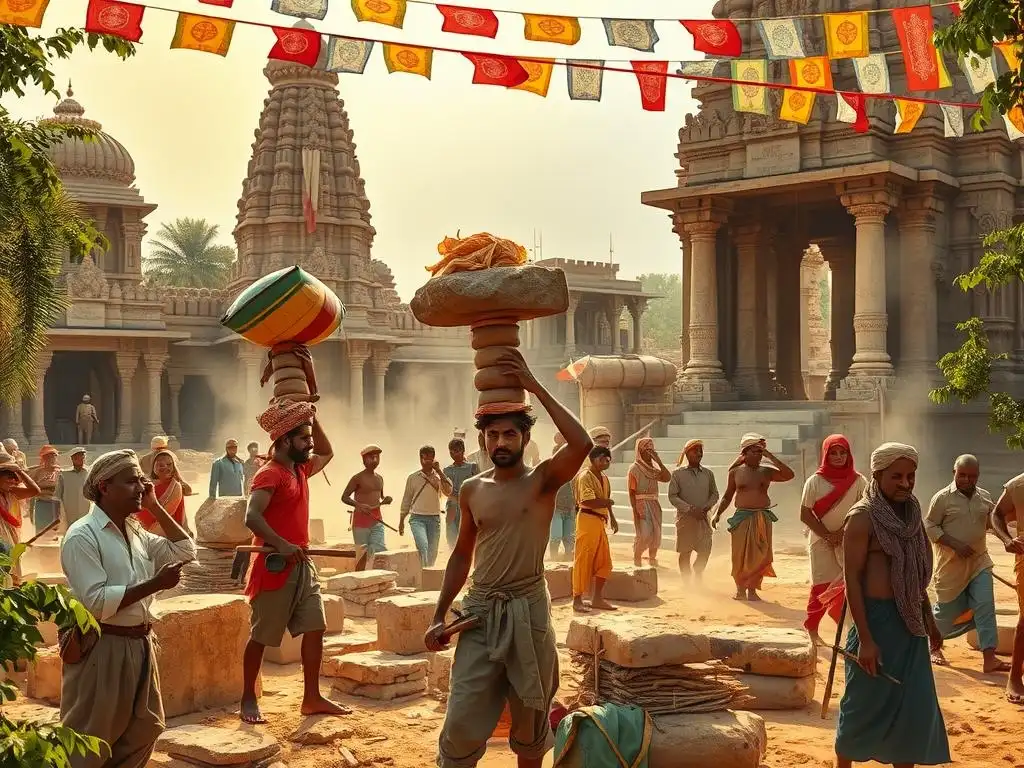
Welcome to Ancient India History, where we embark on a fascinating journey through the vibrant tapestry of civilization that once flourished on the Indian subcontinent. In our feature article, Understanding the Labor Force Behind Ancient Indian Construction Projects, we delve into the intricacies of the ancient Indian construction labor force, revealing the remarkable skills and innovations that shaped monumental structures from the Indus Valley to the Gupta Empire.
Join us as we uncover the stories of the artisans, engineers, and laborers whose collective efforts laid the foundations of a culture that continues to inspire awe and admiration today. Prepare to be intrigued and enlightened as you explore the rich history that awaits you!
Introduction to Ancient Indian Construction Labor Force
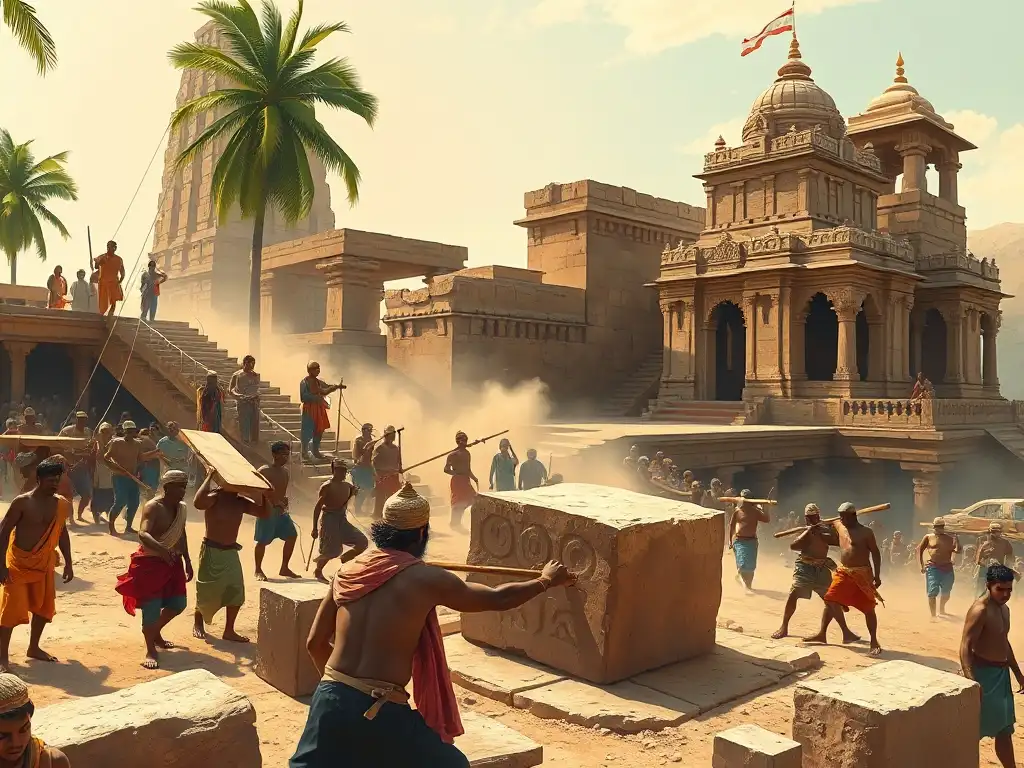
The labor force behind ancient Indian construction projects played a pivotal role in shaping the architectural landscape of the subcontinent. From the intricately planned cities of the Indus Valley Civilization to the grand temples of the Gupta Empire, the contributions of skilled laborers, artisans, and craftsmen were essential in realizing the ambitious designs and engineering feats of the time. Understanding the dynamics of this labor force reveals not only the techniques and materials used in construction but also the societal organization, economic conditions, and cultural values that influenced these monumental projects.
The ancient Indian construction labor force was characterized by a diverse range of skilled trades, including stone masons, carpenters, metalworkers, and laborers who worked collaboratively on various construction sites. This article aims to delve deeper into the intricacies of this labor force, exploring the methods, significance, and historical context of construction in ancient India.
Overview of Ancient Indian Construction Techniques
Ancient Indian construction techniques were a blend of local materials, environmental considerations, and indigenous knowledge. Key techniques included:
- Masonry and Brickwork: The use of fired bricks and stone blocks was prominent, especially in urban centers like Mohenjo-Daro and Harappa.
- Wooden Structures: Timber was extensively used for roofing and supports, showcasing the craftsmanship of ancient carpenters.
- Carving and Sculpting: Temples and monuments were often adorned with intricate carvings, highlighting the skills of stone sculptors.
These techniques not only reflect the technological innovations of the time but also the aesthetic sensibilities of ancient Indian society.
Importance of the Labor Force in Construction Projects
The labor force was instrumental in the success of ancient construction projects for several reasons:
- Skill Diversity: The presence of various skilled workers allowed for specialization, leading to higher quality construction.
- Economic Impact: Construction projects provided employment opportunities, boosting local economies and fostering trade.
- Cultural Expression: The labor force contributed to the cultural heritage, with their work often embodying the religious and social values of the time.
Historical Context of Construction in Ancient India
To fully appreciate the labor force behind ancient Indian construction, it's essential to understand the historical context in which these projects were realized. Various periods marked significant advancements in construction and engineering, each contributing uniquely to the architectural legacy of India.
Key Periods in Ancient Indian Construction
- Indus Valley Civilization (c. 3300–1300 BCE): Known for its urban planning and drainage systems, this period laid the groundwork for future construction practices.
- Maurya Empire (c. 322–185 BCE): The construction of grand structures like the Ashoka Pillars demonstrated advanced engineering and state-sponsored labor.
- Gupta Empire (c. 320–550 CE): This period is noted for the development of temple architecture and the flourishing of arts, with a well-organized labor force.
Major Construction Projects and Their Significance
Several monumental projects from ancient India exemplify the capabilities of the labor force:
- The Great Bath of Mohenjo-Daro: A marvel of engineering, showcasing advanced water management techniques.
- The Ashoka Pillars: These intricately carved stone pillars not only served as edicts but also reflected the artistic skills of the laborers.
- Khajuraho Temples: Renowned for their architectural complexity and exquisite sculptures, these temples illustrate the peak of ancient Indian craftsmanship.
The labor force behind ancient Indian construction projects was not just a group of workers; it was a vital component that contributed to the technological, economic, and cultural advancements of ancient Indian civilization. Understanding their role allows for a deeper appreciation of the architectural heritage that continues to influence modern India.
Composition of the Ancient Indian Labor Force
The labor force behind ancient Indian construction projects was incredibly diverse and comprised various groups of people, each contributing unique skills and expertise. This multilevel workforce included skilled artisans, laborers, and overseers, all of whom played a crucial role in the successful execution of monumental projects such as temples, palaces, and city infrastructures.
Typically, the composition of the labor force could be categorized into three main groups:
- Skilled Artisans: These included stone masons, carpenters, metalworkers, and sculptors, who were often trained through apprenticeships. Their expertise was vital for creating intricate designs and ensuring structural integrity.
- Unskilled Laborers: This group was primarily responsible for manual labor, such as transporting materials, mixing mortar, and performing basic construction tasks. They were often hired on a temporary basis and could come from various social backgrounds.
- Supervisors and Foremen: Often drawn from higher social strata, these individuals were responsible for overseeing construction work, managing laborers, and ensuring that projects adhered to city planning and religious guidelines.
The labor force was not only composed of local workers but also included artisans and laborers from different regions, showcasing the extensive trade networks and cultural exchanges that existed in ancient India.
Types of Laborers Involved in Construction
The types of laborers involved in ancient Indian construction projects can be divided into specialized categories, each contributing specific skills vital for the completion of complex structures.
- Stone Masons: Essential for quarrying and shaping stones, these skilled workers employed various techniques to carve intricate designs, often reflecting religious and cultural motifs.
- Carpenters: They played a vital role in constructing wooden structures, creating scaffolding, and crafting intricate wooden elements for temples and palaces.
- Metalworkers: Responsible for producing tools and decorative elements, metalworkers utilized bronze, iron, and other materials to enhance both functionality and aesthetics.
- Laborers: Typically unskilled, these workers performed essential tasks such as carrying materials, digging foundations, and mixing construction materials like lime and mortar.
- Architects and Planners: Although not laborers in the traditional sense, architects and planners were instrumental in the design and layout of construction projects, ensuring that they aligned with both practical and religious considerations.
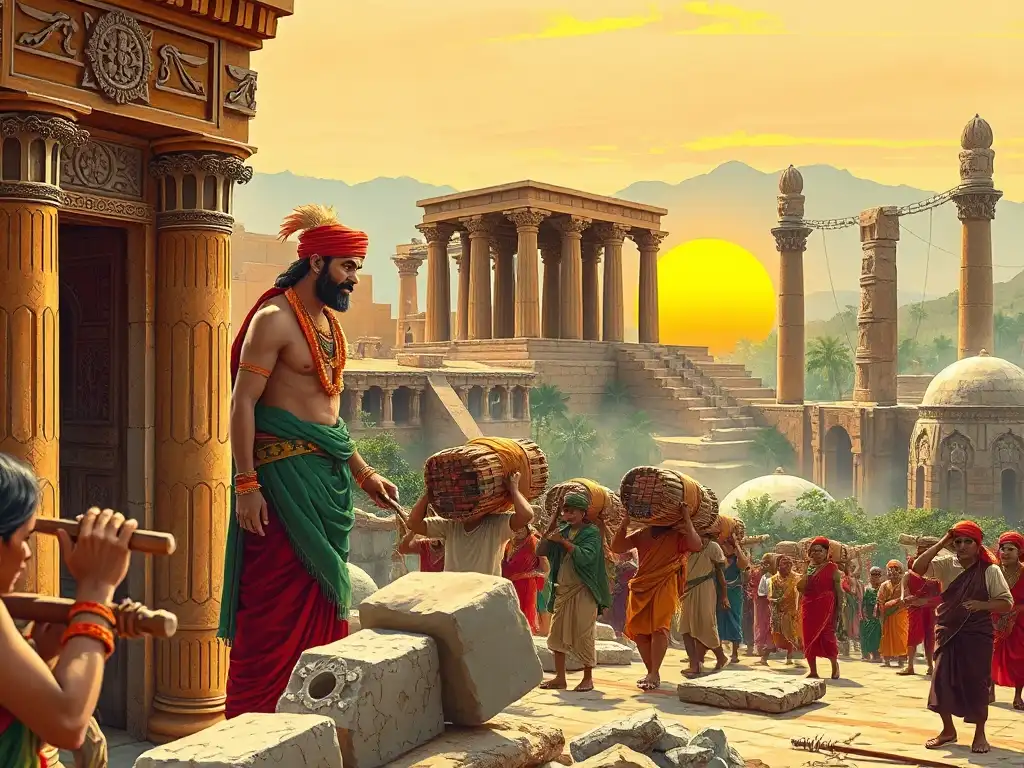
Social hierarchy played a significant role in determining the labor force's structure and operation in ancient India. The caste system influenced the types of work individuals could undertake, with certain castes traditionally associated with specific trades and crafts.
- Brahmins and Kshatriyas: These higher castes often served as architects and overseers, lending their knowledge of scriptures and royal mandates to construction projects.
- Vaishyas: Engaged in trade and agriculture, this caste sometimes provided financial backing for construction projects and contributed labor.
- Shudras: Typically comprising the majority of the labor force, this caste included unskilled workers who performed the heavy lifting and manual tasks essential for construction.
Despite the rigid caste framework, there was some fluidity in labor roles, especially in urban centers where skilled artisans could earn respect and recognition based on their expertise rather than solely their birth.
Techniques and Tools Used by the Labor Force
The labor force in ancient India utilized a variety of techniques and tools that enabled them to undertake ambitious construction projects. These methodologies were influenced by regional practices, available resources, and the specific requirements of the projects.
Traditional Tools in Ancient Indian Construction
The tools used in ancient Indian construction were primarily made from materials such as wood, stone, and metal. Some of the traditional tools included:
- Chisels and Hammers: Essential for stone carving, these tools allowed craftsmen to shape and finish stones with precision.
- Adzes and Axes: Used by carpenters, these tools helped in shaping wood and clearing materials from construction sites.
- Pulleys and Levers: Ingenious methods were employed to lift heavy stones and materials, showcasing a deep understanding of physics and engineering principles.
- Mortar and Pestles: Used for mixing and grinding materials, these tools were crucial for preparing compounds for construction.
These tools reflect the ingenuity of ancient Indian builders and their ability to adapt to the materials and technologies available to them.
Methods of Transportation and Material Handling
Transportation of materials was a critical aspect of ancient Indian construction, requiring well-developed methods to move heavy stones, timber, and other resources.
- Animal-Pulled Carts: Oxen and horses were commonly used to transport materials. Carts equipped with wooden wheels facilitated the movement of heavy loads over long distances.
- Rafts and Boats: For projects near rivers or coastal areas, rafts and boats were employed to carry materials across water bodies, demonstrating a sophisticated understanding of local geography.
- Manual Labor: Groups of laborers often worked together to carry smaller loads or assist in the positioning of heavy materials, utilizing their collective strength and coordination.
- Rollers and Sledges: To move large stones, laborers would use logs or other cylindrical objects as rollers, reducing friction and allowing for easier transport across uneven terrain.
These methods highlight the resourcefulness of the ancient Indian labor force and their ability to innovate within the constraints of their environment.
Organization and Management of Labor in Construction Projects
The organization and management of labor in ancient Indian construction projects were crucial for the successful execution of monumental works. These projects often required a diverse workforce, meticulously organized to enhance efficiency and productivity. Taskmasters or foremen played a vital role in overseeing daily operations, managing laborers, and ensuring adherence to timelines and quality standards.
Labor was typically organized into teams, each assigned specific tasks based on their skills and expertise. This hierarchical structure facilitated smooth communication and task allocation, allowing for effective management of large-scale projects such as temples, palaces, and city fortifications.
Moreover, ancient Indian societies often employed a system of guilds or shrenis, which were associations of craftsmen and laborers. These guilds not only provided a support network for workers but also played a significant role in the recruitment and training of new laborers, ensuring a steady influx of skilled individuals to meet the demands of ongoing construction projects.
Labor Recruitment and Training Practices
Labor recruitment in ancient India was primarily based on community ties and familial connections. Many laborers were recruited from local populations, often relying on networks of extended families and friends. This practice ensured that workers were familiar with the land and its resources, contributing to a more efficient project execution.
Training for laborers varied depending on their roles. Skilled artisans and craftsmen underwent extensive training, often starting as apprentices under experienced masters. This process was vital for passing down techniques and knowledge, especially in specialized fields such as masonry, carpentry, and metallurgy. Additionally, informal training occurred through participation in projects, where laborers learned on the job as they contributed to construction efforts.
Division of Labor and Specialization
The division of labor was a hallmark of ancient Indian construction practices, allowing for greater efficiency and specialization. Different tasks were assigned to various groups, including quarrying, transport of materials, and assembly of structures. This specialization meant that workers became proficient in their respective domains, enhancing the overall quality of construction.
For example, stone masons focused solely on shaping and finishing stones, while laborers responsible for transporting materials developed techniques for efficiently moving heavy loads. Such specialization not only improved productivity but also fostered a sense of craftsmanship, as artisans took pride in their skills and the final product.
Moreover, the division of labor extended beyond mere task allocation. Social stratification also influenced the roles individuals played in construction projects, with certain crafts and skills being highly esteemed, leading to a complex interplay of social dynamics within the workforce.
Working Conditions and Labor Rights
Working conditions for laborers in ancient India varied greatly depending on the project and the socio-economic context. While many laborers enjoyed a degree of autonomy and could negotiate terms for their work, others, particularly those who were part of the lower caste or engaged in less skilled labor, faced harsher conditions.
Laborers typically worked long hours under physically demanding conditions. However, evidence suggests that some projects provided basic provisions, such as food and shelter, especially for large undertakings that required a sustained labor force over extended periods. The presence of communal living arrangements indicates an understanding of the need for worker welfare, albeit limited by the times.
Labor rights in ancient India were not codified as they are today, but social norms and community practices provided some protection. Workers often relied on collective bargaining through their guilds, allowing them to voice grievances and negotiate for better conditions. While the extent of these rights varied widely, they reflect a rudimentary awareness of labor dynamics in ancient societies.
Case Studies of Notable Ancient Indian Construction Projects
The Indus Valley Civilization: Urban Planning and Labor Utilization
The Indus Valley Civilization (circa 3300-1300 BCE) is renowned for its advanced urban planning and construction techniques. The cities of Harappa and Mohenjo-Daro exemplified meticulous grid layouts, sophisticated drainage systems, and standardized brick sizes, indicating a well-organized labor force.
Labor in these cities was likely organized through a centralized authority, which coordinated the construction of public buildings, residential areas, and infrastructure. Archaeological findings suggest that workers were involved in various tasks, from brick-making to plumbing, showcasing a diverse and specialized labor force that could adapt to the complexities of urban construction.
The Mauryan Empire: Stone Cutting and Construction Techniques
During the Mauryan Empire (circa 322-185 BCE), monumental architecture flourished, characterized by massive stone structures and intricate carvings. The construction of the great Ashoka Pillars exemplifies the advanced stone-cutting techniques and skilled labor required for such ambitious projects.
Skilled artisans and laborers played a crucial role in the quarrying, transporting, and sculpting of stone. The organization of labor was likely hierarchical, with master craftsmen overseeing teams of workers, ensuring that the pillars' construction adhered to both aesthetic and structural standards. This era highlights the importance of craftsmanship and specialized labor in achieving architectural grandeur.
The Gupta Empire: Architectural Innovations and Workforce
The Gupta Empire (circa 320-550 CE) is often regarded as a golden age of Indian culture and art, particularly in architecture. The construction of temples, such as the famous Dashavatara Temple in Deogarh, demonstrates an evolution in architectural style, incorporating intricate carvings and innovative structural designs.
The workforce during this period was a blend of skilled artisans and laborers, organized into specialized guilds that facilitated training and ensured quality craftsmanship. This system allowed for a flourishing of artistic expression, as workers were not only builders but also artists who contributed to the aesthetic and spiritual dimensions of construction projects. The Gupta period stands as a testament to the synergy between labor specialization and architectural innovation in ancient India.
Contribution of the Labor Force to Ancient Indian Culture
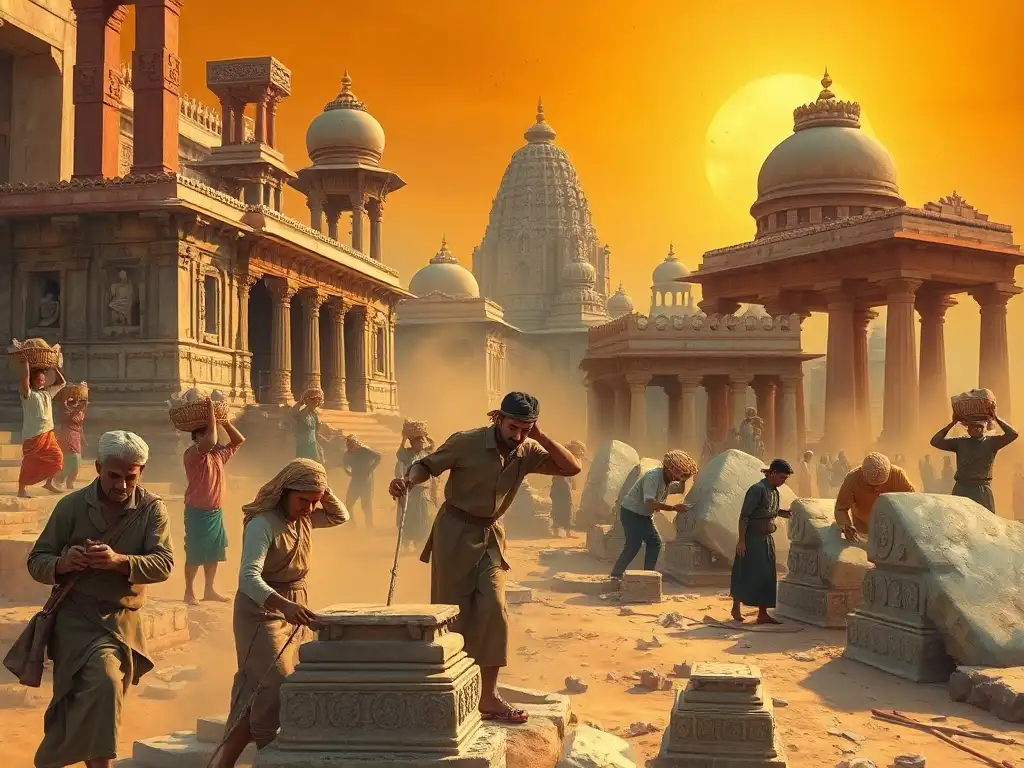
The labor force behind ancient Indian construction projects played a fundamental role in shaping not just the physical landscape but also the cultural and artistic expressions of the time. From monumental temples to intricate palaces, the contributions of laborers, artisans, and skilled craftsmen were pivotal in realizing the architectural ambitions of various dynasties. Their work was not merely functional; it was imbued with cultural significance that reflected the values, beliefs, and artistic sensibilities of ancient Indian society.
Artistic Expressions and Cultural Significance
The artisans who formed the backbone of the ancient Indian construction labor force were skilled in various crafts, including stone carving, metalwork, and fresco painting. These craftsmen often belonged to specific guilds that passed down their techniques through generations, ensuring that traditional methods were preserved. Each structure they built was often adorned with intricate carvings that depicted mythological narratives, religious symbols, and daily life, making the buildings themselves a canvas for artistic expression.
The cultural significance of their work extended beyond aesthetics. For instance, temples were not only places of worship but also represented the socio-political power of the ruling class. Structures like the Brihadeeswarar Temple exemplify how labor and art combined to create a space that was both sacred and a testament to the engineering prowess of the time. The labor force's contribution in such projects fostered a collective identity, bridging communities through shared beliefs and practices.
Legacy of Ancient Construction Labor in Modern India
The legacy of the ancient Indian construction labor force is evident in modern India, where many traditional building techniques and styles continue to influence contemporary architecture. Techniques such as the use of locally sourced materials and sustainable practices can be traced back to ancient methods, demonstrating a deep-rooted understanding of the environment and resources.
Furthermore, the artistic motifs and architectural styles developed by ancient laborers have inspired modern artisans and architects. For instance, the intricate jali work (lattice screens) seen in Mughal architecture has roots in earlier Indian designs, showcasing a continuity of craftsmanship. In many regions, festivals celebrating traditional crafts and skills highlight the enduring impact of these ancient labor forces, preserving their techniques and stories for future generations.
Conclusion
Recap of the Ancient Indian Construction Labor Force
The ancient Indian construction labor force was integral to the development of some of the most iconic structures in the country, encompassing a diverse group of workers, including laborers, artisans, and skilled craftsmen. Their collaborative efforts led to the creation of architectural marvels that reflected the socio-cultural dynamics of their time. Through their labor, they not only built physical structures but also contributed to the rich tapestry of Indian heritage.
The Impact of Labor on Ancient Indian Engineering and Architecture
The impact of labor on ancient Indian engineering and architecture is profound. The ingenuity of the labor force enabled the realization of ambitious projects such as the stepwells of Gujarat and the rock-cut caves of Ajanta and Ellora, which exemplify advanced engineering techniques. The precision in construction and the aesthetic consideration in design underscore the laborers' profound understanding of both functionality and beauty.
Ultimately, the ancient Indian construction labor force laid the groundwork for modern architectural practices, leaving behind a legacy that is celebrated and studied today. The stories and techniques of these laborers continue to inspire and influence contemporary construction, ensuring that their contributions to India's architectural heritage are never forgotten.
References
Key Sources for Further Reading on Ancient Indian Construction Labor Force
-
"The Indus Valley Civilization: An Interdisciplinary Approach" by Gregory L. Possehl
This comprehensive study delves into the construction techniques of one of the earliest urban societies in ancient India. It covers aspects of labor organization, materials used, and the socio-political context that influenced construction methods.
-
"Ancient Indian Architecture and Art" by Michael Brand
This book provides an in-depth look at the architectural marvels of ancient India, examining how labor forces contributed to these impressive structures. It also explores regional variations in construction practices.
-
"The Great Temple of Brihadeeswarar: The Architectural Marvel of the Chola Dynasty" by S. R. Rao
This resource focuses on the construction of one of India’s most iconic temples, detailing the workforce involved, their skills, and the technological innovations that facilitated such grand projects.
-
"Society and Culture in Ancient India" by R. S. Sharma
This text discusses the societal structure of ancient Indian civilizations and how it influenced labor dynamics in construction. It highlights the roles of different social classes in large-scale construction efforts.
-
"Construction Techniques in Ancient India" by R. K. Sharma
A focused study on various construction techniques employed in ancient India, this book provides insights into the tools, materials, and labor organization that defined the labor force behind significant construction projects.
-
"The Harappan Civilization: A Comprehensive Study" by Suman Sharma
This work investigates the urban planning and construction methodologies of the Harappan civilization, emphasizing the labor force's role in creating advanced urban infrastructure.
-
"The Gupta Empire and Its Architecture" by A. K. Majumdar
This text examines architectural achievements during the Gupta period, providing details on the labor force's composition, skills, and the social implications of large-scale construction projects.
These resources offer valuable insights into the labor force behind ancient Indian construction, revealing the technological, social, and cultural contexts that shaped their contributions to the architecture and engineering of the time.
- Introduction to Ancient Indian Construction Labor Force
- Historical Context of Construction in Ancient India
- Composition of the Ancient Indian Labor Force
- Types of Laborers Involved in Construction
- Social Hierarchies and Labor Roles
- Techniques and Tools Used by the Labor Force
- Organization and Management of Labor in Construction Projects
- Case Studies of Notable Ancient Indian Construction Projects
- Contribution of the Labor Force to Ancient Indian Culture
- Conclusion
- References
- What was the labor force like in ancient Indian construction projects?
- How did the Indus Valley Civilization contribute to ancient construction methods?
- What role did social structure play in organizing the labor force?
- Were there any infrastructural projects that highlighted the skills of the labor force?
- How did the Gupta Empire influence ancient construction techniques?
Frequently Asked Questions
What was the labor force like in ancient Indian construction projects?
The labor force in ancient India was primarily composed of skilled artisans and laborers who specialized in various trades necessary for construction, such as stone carving, masonry, and metalwork.
How did the Indus Valley Civilization contribute to ancient construction methods?
The Indus Valley Civilization showcased advanced urban planning and engineering techniques, including the use of drainage systems and standardized brick sizes, which influenced future construction practices in India.
The social structure in ancient India often dictated roles within the labor force, with castes determining the types of work individuals could do, which impacted the organization and efficiency of construction projects.
Were there any infrastructural projects that highlighted the skills of the labor force?
Yes, numerous infrastructural projects, such as the construction of temples, palaces, and forts, exemplified the skills of the labor force, showcasing their expertise in architecture and engineering.
How did the Gupta Empire influence ancient construction techniques?
The Gupta Empire marked a period of cultural renaissance and advancements in construction techniques, including the use of intricate carvings and innovative architectural designs, which were supported by a well-organized labor force.
Final Reflection: The Enduring Legacy of Ancient Indian Construction Labor
Understanding the labor force behind ancient Indian construction projects is not just an exploration of history; it is a testament to the ingenuity and resilience of human effort. Today, as we navigate the complexities of modern construction and labor dynamics, the lessons from ancient practices remind us of the importance of collaboration, skill, and dedication in creating monumental works. The remarkable achievements of ancient Indian builders serve as a striking reminder of what can be accomplished when communities come together with a shared vision.
Culture and society are deeply intertwined with the labor that builds our world, and the ancient Indian construction labor force exemplifies this connection. The intricate craftsmanship and innovative techniques employed by these laborers not only shaped the architectural landscape of their time but also laid the foundation for future generations to build upon. As we reflect on this legacy, we recognize that “the strength of a nation derives from the integrity of the home,” a sentiment echoed by Confucius, which underscores the vital role of every individual in contributing to the greater good.
As we move forward, I invite you to reflect on the lessons learned from the ancient Indian construction labor force and consider how you can apply these principles in your own life. Whether it’s through collaboration in your workplace, dedication to your craft, or a commitment to community projects, remember that every effort counts. Embrace the spirit of perseverance and innovation that defined those ancient builders, and let it inspire you to create your own legacy in the world around you.
Unveil the Secrets of Ancient Indian Builders!
Thank you for joining us on this fascinating exploration of the labor force that shaped ancient Indian construction projects. We hope you gained invaluable insights into the lives and skills of those who built our magnificent heritage. Now, it's time to take your newfound knowledge further.
Here are some exciting actions you can take right now:
- Dive deeper into the world of ancient architecture by visiting a local museum or historic site to experience similar construction techniques firsthand.
- Share your thoughts and insights with others—engage in discussions about the impact of labor methods in ancient societies on social media or among friends.
- Join a community group or online forum focused on ancient history to connect with others who share your passion.
What aspect of ancient Indian construction most surprised you, and how do you think it influences modern architectural practices?