
The Legacy of Ancient Indian Education Systems in Today's World

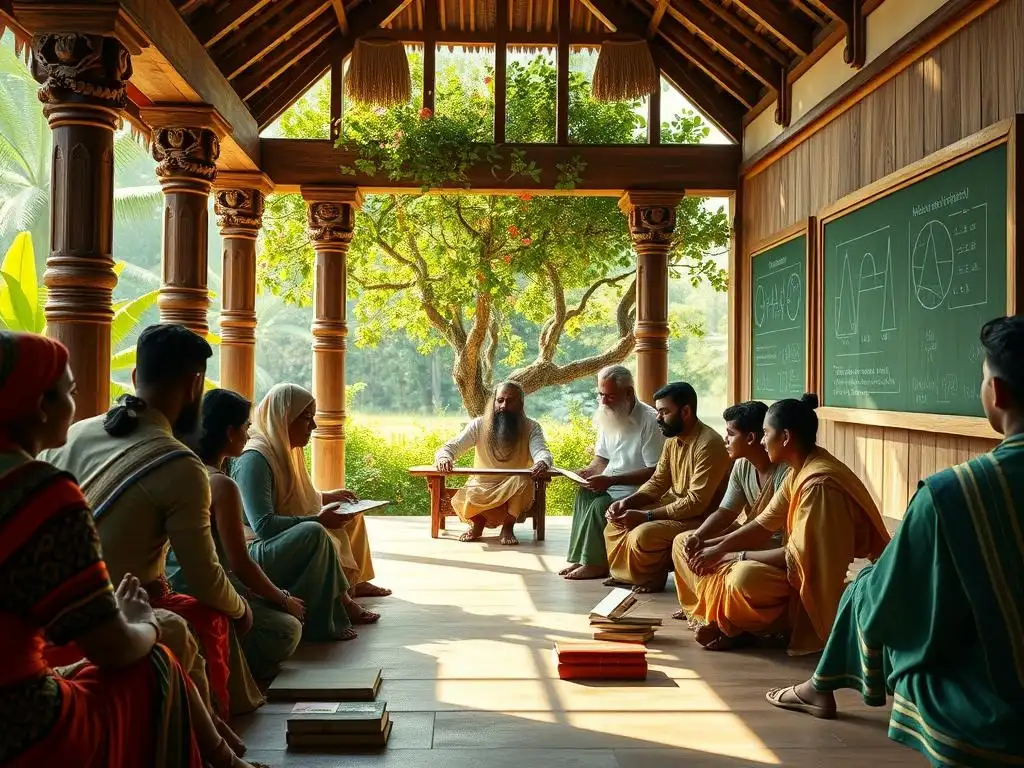
Welcome to Ancient India History, where we delve deep into the tapestry of time that shaped one of the world's most fascinating civilizations. As we explore the legacy of ancient Indian education systems, prepare to uncover how these early frameworks not only influenced generations but also laid the groundwork for modern educational practices. What secrets lie within the teachings of the past? Join us on this enlightening journey to discover how the wisdom of ancient scholars continues to resonate in today's world. Dive in, and let your curiosity guide you through the remarkable contributions of ancient Indian civilizations!
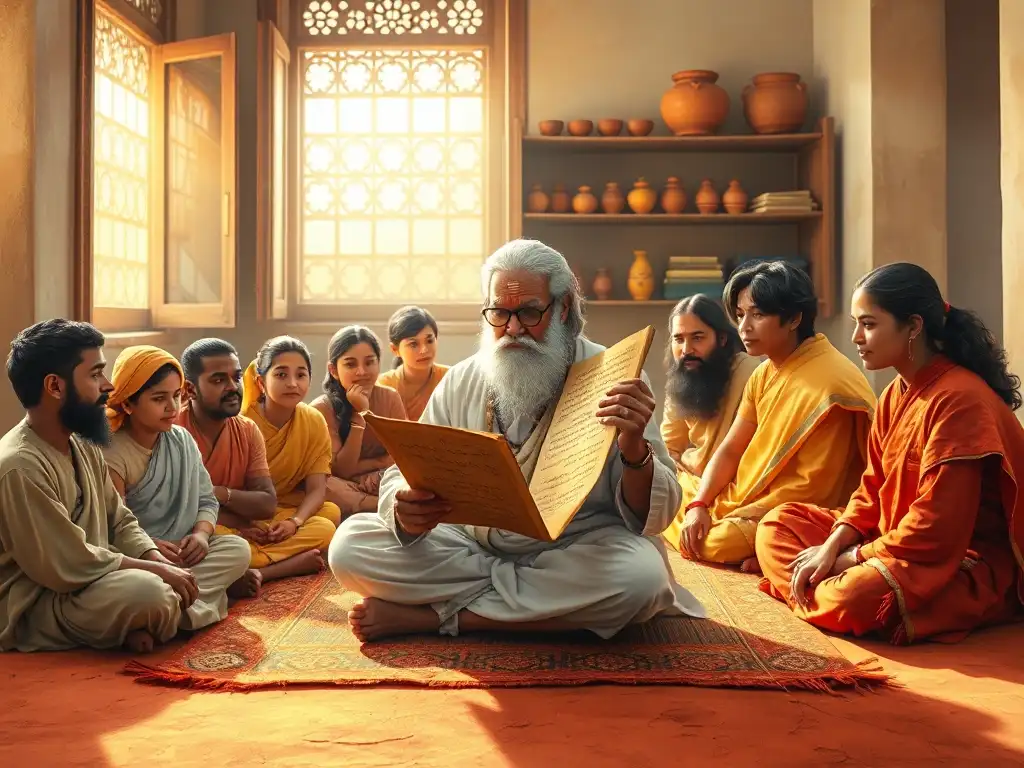
Introduction to Ancient Indian Education Systems
The educational systems of ancient India have profoundly influenced not only the subcontinent but also the world at large. The legacy of ancient Indian education systems is rich and diverse, showcasing a unique blend of methodologies, philosophies, and institutional frameworks that have shaped the intellectual landscape for centuries.
From the early Vedic traditions to the renowned universities like Nalanda and Takshashila, ancient Indian education was characterized by a holistic approach to learning, emphasizing both spiritual and practical knowledge. This article delves into how these systems have paved the way for modern education, highlighting their relevance and contributions in today's educational frameworks.
Overview of Ancient Indian Education
Ancient Indian education was multi-faceted, focusing on various disciplines such as philosophy, mathematics, astronomy, medicine, and the arts. It was deeply intertwined with the spiritual and ethical teachings of the time, reflecting the values of society. Education was primarily conducted in Gurukuls, where students lived with their teachers (gurus) and learned through a direct, interactive method. The curriculum was comprehensive, encompassing:
- Vedic Studies: Textual studies of the Vedas and Upanishads.
- Practical Sciences: Mathematics, astronomy, and medicine.
- Arts and Philosophy: Music, dance, and philosophical debates.
This diverse curriculum fostered a culture of inquiry and critical thinking, laying a strong foundation for future generations.
Significance of Education in Ancient India
Education in ancient India was not merely a means to acquire knowledge; it was a fundamental aspect of societal development. It played a crucial role in:
- Cultural Preservation: Education helped in preserving ancient texts and traditions, ensuring the continuity of Indian culture.
- Social Mobility: It provided opportunities for individuals from various backgrounds to gain knowledge and improve their social standing.
- Economic Development: With a focus on practical skills, education contributed to various economic activities, enhancing trade and commerce.
The emphasis on holistic education fostered moral integrity and social responsibility, traits that are still valued in contemporary educational practices.
Historical Context of Ancient Indian Education Systems
To understand the legacy of ancient Indian education systems, it is essential to explore their historical context. The evolution of these systems reflects the dynamic socio-political landscape of ancient India.
The Emergence of Educational Institutions
The establishment of formal educational institutions began around the 5th century BCE, with the founding of universities like Takshashila and Nalanda. These institutions attracted scholars from far and wide, becoming hubs of knowledge exchange. Key developments included:
- Nalanda University: Founded in the 5th century CE, it is one of the world's first residential universities, offering courses in various subjects and attracting thousands of students.
- Takshashila: Known for its diverse curriculum, it was a center for trade, arts, and science, influencing education across Asia.
These institutions played a vital role in the dissemination of knowledge, establishing ancient India as a beacon of learning in the ancient world.
Key Features of Ancient Indian Universities
Ancient Indian universities were characterized by several distinctive features that contributed to their success:
- Curriculum Diversity: A wide array of subjects was taught, catering to various interests and professions.
- Interdisciplinary Approach: The blending of different fields of study encouraged comprehensive learning.
- Cultural Exchange: Students from different regions and cultures interacted, fostering a rich exchange of ideas.
The robust educational framework established by these universities laid the groundwork for future educational systems, emphasizing the importance of a well-rounded education that continues to resonate in contemporary practices.
As we explore the continuing influence of these ancient systems on modern education, we will uncover the principles and practices that remain relevant today, illuminating the enduring legacy of ancient Indian education.
Major Ancient Indian Universities and Their Contributions
Ancient India was home to several prestigious universities that played a pivotal role in shaping education, philosophy, and culture in the region and beyond. These institutions were not merely centers of academic learning; they were vibrant hubs of intellectual discourse and cultural exchange. They attracted scholars from various parts of the world, contributing to a rich tapestry of knowledge that has influenced educational practices throughout history.
The universities of Nalanda, Takshashila, and Vikramshila stand out for their significant contributions to various fields, including philosophy, medicine, mathematics, astronomy, and literature. Each university had its unique characteristics and areas of specialization, but collectively they laid the foundation for a robust educational system that prioritized critical thinking, debate, and the pursuit of knowledge.
Nalanda University: A Beacon of Learning
Nalanda University, established in the 5th century CE, is often regarded as one of the first residential universities in the world. With its sprawling campus, it housed thousands of students and faculty from diverse backgrounds. Nalanda offered a comprehensive curriculum that included subjects such as philosophy, medicine, mathematics, and grammar.
One of its most notable features was the emphasis on rigorous debate and discussion, which encouraged students to engage critically with their subjects. This dialectical approach fostered an environment of intellectual inquiry, allowing scholars like Nagarjuna and Aryabhata to thrive. Nalanda's influence extended beyond India; scholars from China, Tibet, Korea, and Japan traveled there to learn. The university's legacy continues to resonate, inspiring modern education systems that value collaborative learning and holistic development.
Takshashila: The First University of the World
Takshashila, or Taxila, is often celebrated as the world's first university, dating back to the 6th century BCE. This ancient center of learning was known for its diverse curriculum, which included subjects such as politics, military science, medicine, and astrology. Takshashila attracted students from all over the ancient world, including notable figures like Chanakya, who would later become an influential scholar and advisor.
The university's modular system allowed students to choose their areas of study and move between different disciplines, promoting a multifaceted approach to education. The emphasis on practical knowledge and the integration of various fields were revolutionary for its time, laying the groundwork for specialized education that is prevalent in modern universities today.
Vikramshila University: A Center of Buddhist Learning
Founded during the reign of the Pala dynasty in the 8th century CE, Vikramshila University was another significant institution of higher learning in ancient India, particularly renowned for its focus on Buddhist studies. Under the guidance of scholars like Atisha, Vikramshila became a pivotal center for the dissemination of Buddhist philosophy and teachings.
The university attracted students from various regions, including Tibet and Central Asia, and was instrumental in the revival and propagation of Mahayana Buddhism. Its curriculum encompassed a wide range of subjects, including logic, metaphysics, and ethics, fostering a comprehensive understanding of Buddhist teachings. The legacy of Vikramshila is evident in the continued study and practice of Buddhism, as well as in the emphasis on critical inquiry and ethical living in educational systems today.
Philosophical Foundations of Ancient Indian Education
The philosophical underpinnings of ancient Indian education systems were deeply rooted in the cultural and spiritual context of the time. Education was viewed not merely as a means to acquire knowledge but as a holistic process that shaped the individual's character and contributed to societal development. The emphasis on ethics, morality, and personal growth was central to the educational ethos.
Gurukul System: The Teacher-Student Relationship
The Gurukul system was a traditional form of education in ancient India where students lived with their teachers in a communal setting. This intimate relationship fostered a deep bond between the guru (teacher) and shishya (student), facilitating personalized learning. Education in the Gurukul was comprehensive, covering various subjects including scriptures, arts, and sciences, while also emphasizing moral and ethical values.
The guru played a crucial role in shaping the character of the students, guiding them not only in their academic pursuits but also in their personal development. This system underscored the importance of mentorship and the transmission of knowledge through personal interaction, a principle that continues to be relevant in modern educational practices.
Vedic Education: Knowledge Transmission and Its Importance
Vedic education was characterized by a strong emphasis on oral tradition, where knowledge was transmitted through chanting and memorization of sacred texts. The Vedas, which are the foundational texts of Hindu philosophy, served as the core curriculum, providing insights into various aspects of life, including spirituality, ethics, and social duty.
The methodology of Vedic education promoted critical thinking and intellectual inquiry, as students were encouraged to engage with the texts and explore their meanings. This approach instilled a sense of respect for knowledge and learning, which continues to be a hallmark of educational systems worldwide. The enduring legacy of Vedic education is evident in the ongoing relevance of its principles in contemporary discussions about knowledge acquisition and ethical education.
The Influence of Ancient Indian Education on Modern Educational Practices
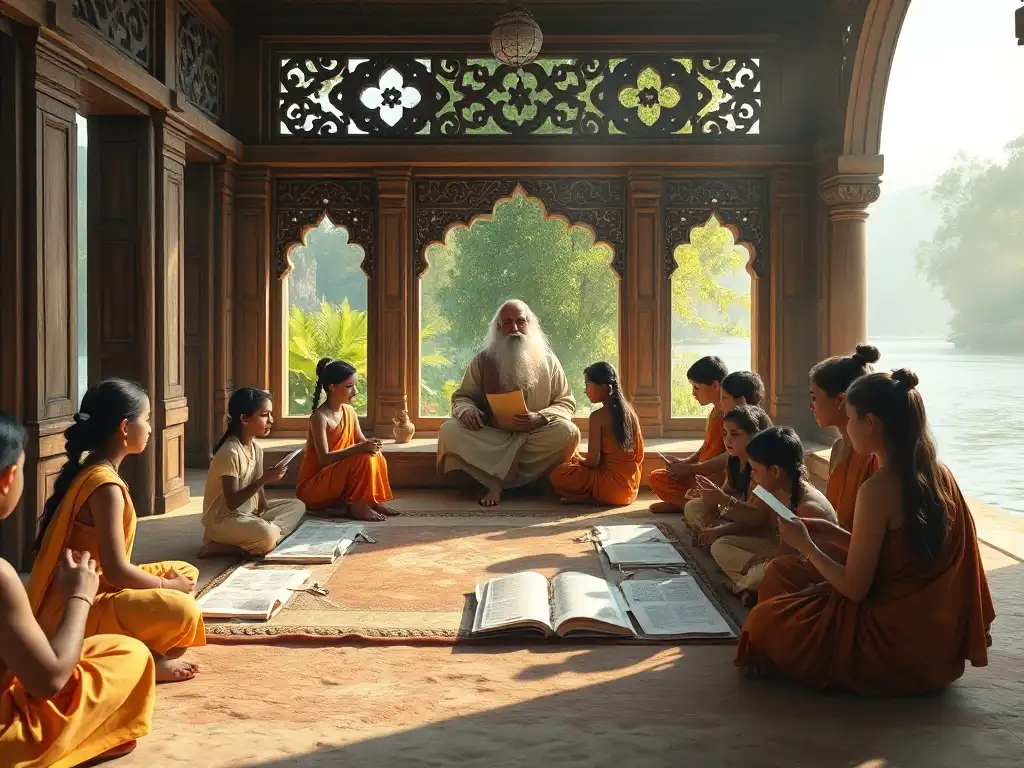
The ancient Indian education systems, particularly those exemplified by institutions like Nalanda and Takshashila, have left a profound impact on contemporary educational practices around the globe. These systems emphasized not only knowledge acquisition but also the overall development of individuals, which continues to resonate in today's educational philosophies. As we delve into the specifics, we see that the legacy of ancient Indian education manifests in various ways, influencing modern learning environments, pedagogical strategies, and the overall framework of education.
Adoption of Holistic Learning Approaches
One of the most significant contributions of ancient Indian education systems is the emphasis on holistic learning. This approach integrates cognitive, emotional, and physical development, advocating for a balanced education that nurtures all aspects of a student. Modern educational institutions are increasingly recognizing the importance of this holistic model, integrating practices such as mindfulness, emotional intelligence training, and physical education into their curricula.
For instance, many contemporary schools now adopt project-based learning, which mirrors the interactive and experiential learning methods prevalent in ancient Indian universities. This method encourages students to engage with their environment and collaborate with peers, fostering critical thinking and problem-solving skills. Moreover, the ancient Indian philosophy of learning as a communal activity is reflected in modern group work and collaborative learning environments, promoting teamwork and social skills.
Integration of Spiritual and Ethical Education
The ancient Indian education systems placed a significant emphasis on the spiritual and ethical dimensions of learning. Subjects like philosophy, ethics, and spirituality were integral to the curriculum, helping students develop a sense of moral responsibility and self-awareness. In today's world, there is a growing recognition of the need to incorporate these elements into education, leading to the rise of programs focused on values-based education.
Many schools and universities now offer courses that explore ethical dilemmas, social responsibilities, and the importance of spiritual well-being. This integration helps cultivate responsible citizens who are not only academically proficient but also equipped with the moral compass necessary to navigate complex societal challenges. The revival of interest in mindfulness and meditation practices, which have roots in ancient Indian traditions, further underscores this shift toward a more holistic educational approach.
Impact on Curriculum Development
Ancient Indian education systems were characterized by a diverse and comprehensive curriculum that included subjects ranging from mathematics and astronomy to arts and literature. This interdisciplinary approach is increasingly relevant in modern education, where there is a push for curriculum development that transcends traditional subject boundaries.
Today's educators are inspired by the ancient model to create integrated curricula that connect various fields of study, promoting a more comprehensive understanding of knowledge. For example, STEM education (Science, Technology, Engineering, and Mathematics) is being combined with the humanities to foster creativity and innovation. This shift not only enhances students’ engagement but also prepares them for the complexities of the modern world, echoing the ancient belief in a well-rounded education.
Challenges Faced in Preserving Ancient Indian Educational Legacy
While the influence of ancient Indian educational systems is evident in modern practices, preserving their legacy presents several challenges. The rapid pace of modernization poses significant threats to the traditional knowledge systems that once flourished in ancient India.
Modernization vs. Tradition
The clash between modernization and tradition is a critical challenge in preserving the legacy of ancient Indian education systems. As societies evolve and technology advances, there is a tendency to prioritize modern methodologies over traditional practices. This shift can lead to the erosion of culturally significant educational approaches that have been effective for centuries.
Moreover, the increasing focus on standardized testing and rote learning in modern education often sidelines the creative and critical thinking skills emphasized in ancient Indian learning. Balancing the need for innovation in education with the preservation of traditional methods is crucial for maintaining the rich heritage of ancient Indian scholarship.
Loss of Indigenous Knowledge Systems
Another significant challenge is the loss of indigenous knowledge systems that were integral to ancient Indian education. As globalization spreads and Western educational models dominate, many traditional practices and local knowledge systems risk being forgotten or undervalued.
The decline of community-based learning, which was a hallmark of ancient education, has contributed to this loss. Indigenous knowledge, which encompasses agriculture, medicine, and philosophy, is often overlooked in favor of more widely recognized global knowledge. Efforts to document and integrate these indigenous systems into modern curricula are essential to ensure that the wisdom of ancient Indian education continues to enrich the present and future generations.
While the legacy of ancient Indian education systems continues to influence modern educational practices, it is vital to address the challenges of modernization and the loss of indigenous knowledge. By embracing the holistic and interdisciplinary approaches of the past, we can create a more balanced and inclusive educational landscape that honors the rich heritage of ancient Indian scholarship.
Revival and Relevance of Ancient Indian Education Systems Today
The resurgence of interest in ancient Indian education systems reflects a broader movement to reclaim and integrate traditional knowledge into contemporary educational frameworks. Ancient Indian education, particularly through institutions like Nalanda and Takshashila, was characterized by holistic learning that encompassed not just academics but also ethics, arts, and sciences. Today, as the world grapples with challenges in modern educational paradigms—such as rote learning and a lack of critical thinking—there is a compelling case for revisiting these ancient methods.
Modern educators and scholars are beginning to recognize the value of experiential learning, mentorship, and the interdisciplinary approach that was prevalent in ancient Indian systems. These frameworks prioritize the development of the whole person, addressing emotional, ethical, and intellectual growth. The revival of these principles serves to enrich current educational practices, fostering a culture of inquiry and holistic development.
Initiatives to Promote Ancient Educational Methods
Several initiatives have emerged globally to promote and integrate ancient Indian educational methods into contemporary curricula. Educational institutions and NGOs are increasingly organizing workshops, seminars, and courses that focus on the philosophies and methodologies of ancient Indian education. For example, some universities are incorporating traditional Indian arts, yoga, and philosophy into their programs to provide students with a more rounded education.
Moreover, several government initiatives aim to revive Gurukula systems, where the emphasis is on personalized learning and mentorship. These programs not only create a bridge between ancient practices and modern education but also help in preserving the rich cultural heritage of India. Schools and colleges are encouraged to adopt project-based learning models that reflect the collaborative and experiential learning approaches of ancient times, fostering creativity and critical thinking among students.
Role of Technology in Reviving Ancient Knowledge
Technology plays a pivotal role in reviving and disseminating the knowledge systems of ancient India. With the advent of digital platforms, ancient texts and teachings are now more accessible than ever. Online courses and webinars allow a global audience to engage with the philosophies and methodologies that underpinned ancient Indian education.
Moreover, educational apps and platforms are being developed that incorporate ancient wisdom into modern learning environments. These tools often blend ancient teachings with contemporary subjects, promoting a more holistic approach to education. For instance, mindfulness and meditation practices derived from ancient Indian traditions are being integrated into school curricula to enhance students' focus and well-being, leading to improved academic performance and mental health.
Conclusion
The legacy of ancient Indian education systems offers profound insights and methodologies that are increasingly relevant in today's world. As society seeks to address the shortcomings of modern education, the principles of ancient Indian learning provide a viable alternative that emphasizes comprehensive development, creativity, and ethical reasoning.
Reflections on the Legacy of Ancient Indian Education Systems
Reflecting on the legacy of ancient Indian education systems reveals a treasure trove of wisdom that transcends time. These systems encouraged inquiry, debate, and a deep respect for knowledge, which remains crucial in cultivating a learned society today. The emphasis on mentorship and teacher-student relationships also highlights the importance of guidance in learning, which is often overlooked in modern educational structures.
The values of inclusivity and respect for diverse perspectives found in ancient Indian education can serve as guiding principles for current and future educational frameworks, fostering a culture of mutual respect and understanding among students from various backgrounds.
The Future of Education Inspired by Ancient Indian Practices
Looking ahead, the future of education inspired by ancient Indian practices holds immense potential. As educators and policymakers increasingly recognize the limitations of conventional educational models, there is a growing push to integrate ancient methodologies into the curriculum. This integration has the potential to transform educational landscapes by fostering environments that prioritize creativity, critical thinking, and emotional intelligence.
The revival of ancient Indian education systems can pave the way for a more balanced and holistic approach to education, one that not only equips students with knowledge but also nurtures their character and integrity. By embracing these ancient practices, we can create a future where education is not just about acquiring information, but about cultivating wisdom and compassion in the next generation.
- Introduction to Ancient Indian Education Systems
- Historical Context of Ancient Indian Education Systems
- Major Ancient Indian Universities and Their Contributions
- Philosophical Foundations of Ancient Indian Education
- The Influence of Ancient Indian Education on Modern Educational Practices
- Challenges Faced in Preserving Ancient Indian Educational Legacy
- Revival and Relevance of Ancient Indian Education Systems Today
- Conclusion
- What were the main features of ancient Indian education systems?
- How did the ancient Indian education system influence modern education?
- What role did religion play in ancient Indian education?
- How did the caste system affect education in ancient India?
- What are some notable ancient Indian texts on education?
Frequently Asked Questions
What were the main features of ancient Indian education systems?
Ancient Indian education systems were characterized by gurukulas, where students lived with their teachers and learned a variety of subjects, including philosophy, mathematics, and literature.
How did the ancient Indian education system influence modern education?
The pedagogical methods and emphasis on holistic education in ancient Indian systems laid the foundation for many contemporary practices, promoting a balance of theory and practical knowledge.
What role did religion play in ancient Indian education?
Religion was a central aspect of ancient Indian education, with scriptural studies being integral to the curriculum, promoting both spiritual and intellectual growth.
How did the caste system affect education in ancient India?
The caste system significantly influenced access to education, with certain castes receiving privileged education while others were often excluded from formal learning opportunities.
What are some notable ancient Indian texts on education?
Notable texts include the Vedas, which contain principles of learning, and the Arthashastra, which discusses governance and administration, reflecting the importance of education in societal functioning.
Final Reflection: Embracing the Wisdom of Ancient Indian Education Systems
The legacy of ancient Indian education systems continues to resonate in today's world, reminding us that the pursuit of knowledge is a timeless endeavor. As we navigate an increasingly complex and fast-paced society, the principles of holistic learning, critical thinking, and moral development that characterized these ancient systems offer invaluable insights. They challenge us to rethink our current educational paradigms and prioritize not just academic success, but the cultivation of well-rounded individuals.
The influence of ancient Indian education systems is evident in various aspects of our cultural and social landscape, from the emphasis on experiential learning to the integration of ethics in education. These systems fostered a deep respect for knowledge and encouraged students to engage with their communities, a practice that remains relevant today.
As Mahatma Gandhi once said, “Live as if you were to die tomorrow. Learn as if you were to live forever.” This quote encapsulates the enduring spirit of learning that these ancient systems instilled, urging us to embrace lifelong education as a means of personal and societal growth.
As we reflect on the lessons from ancient Indian education systems, let us invite ourselves to integrate these timeless values into our own lives. Consider how you can embody the principles of holistic education, critical inquiry, and ethical responsibility in your daily actions. Whether through mentoring, community engagement, or personal study, each of us has the power to contribute to a more enlightened and compassionate world. Embrace this call to action, and together, let us honor the legacy of ancient wisdom as we forge a brighter future.
Embrace The Wisdom of Ancient Learning!
Thank you for taking the time to explore the rich heritage of ancient Indian education systems. You've uncovered invaluable insights that can inspire modern approaches to learning. Now, it’s your turn to take action and weave this knowledge into your life!
- Dive deeper: Consider enrolling in a local workshop or an online course that focuses on ancient philosophies, allowing you to rediscover timeless learning methods.
- Share your thoughts: Engage in discussions about this article with friends or colleagues. What aspects of ancient education resonate with you? Start a meaningful conversation!
- Practice mindfulness: Incorporate ancient wisdom into your daily routine through practices such as meditation, journaling, or traditional study techniques.
How will you incorporate the lessons from ancient Indian education into your contemporary life? Let’s spark a dialogue!