
The Revival of Ancient Indian Universities: Lessons for Modern Education

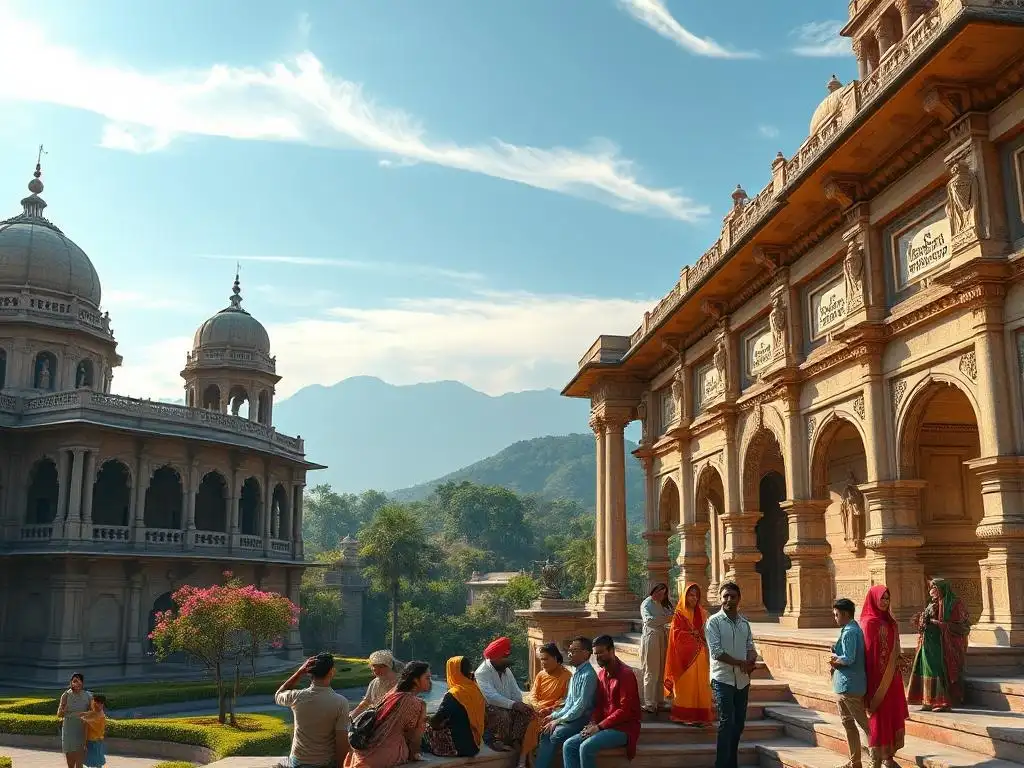
Welcome to Ancient India History, where we embark on a captivating journey through time to uncover the rich tapestry of civilizations that shaped the subcontinent. In this exploration, we delve into the history of ancient Indian universities, illuminating their remarkable contributions to education and knowledge that resonate even today. As we unravel the lessons from these institutions, you'll discover how their innovative approaches can inspire modern educational systems. Are you ready to be intrigued and enlightened? Let’s dive deeper into the legacy of these ancient centers of learning!

Introduction to Ancient Indian Universities History
The history of ancient Indian universities is a fascinating narrative that unveils the profound impact these institutions had on education, culture, and knowledge dissemination in India and beyond. From the renowned Nalanda University to the esteemed Vikramshila, these centers of learning not only contributed to the intellectual landscape of their time but also laid the foundation for future educational systems.
As modern education faces numerous challenges, revisiting the principles and practices of ancient Indian universities offers invaluable lessons that can inform contemporary educational reform. This article will explore the rich legacy of ancient Indian universities, focusing on their historical significance, core values, and the relevance of their teachings in today's world.
Overview of Ancient Indian Education Systems
Ancient Indian education systems were deeply rooted in the cultural and philosophical milieu of the time. The primary aim was to cultivate knowledge, ethics, and skills that would prepare individuals for their roles in society. Key characteristics of these systems included:
- Gurukul System: A traditional form of education where students lived with their teacher (guru) in an ashram, learning various subjects, including philosophy, mathematics, and the arts.
- Vedic Education: Focused on the study of sacred texts (Vedas) and spiritual knowledge, emphasizing memorization and oral transmission.
- Specialized Institutions: Development of universities like Nalanda and Vikramshila, which offered systematic studies in various disciplines and attracted scholars from across the globe.
These systems fostered a holistic approach to education, intertwining academic learning with moral and spiritual development, which is crucial for nurturing responsible citizens.
Importance of Ancient Universities in Indian Civilization
Ancient universities played a pivotal role in shaping Indian civilization by serving as hubs for intellectual exchange and cultural interaction. Their importance can be highlighted through the following aspects:
- Cultural Integration: They attracted students and scholars from diverse backgrounds, facilitating cross-cultural dialogues and the exchange of ideas.
- Knowledge Creation: Ancient Indian universities were instrumental in advancing fields such as mathematics, astronomy, medicine, and philosophy, contributing significantly to global knowledge.
- Social Development: They promoted inclusivity and educated a diverse population, thereby fostering social cohesion and progress.
The legacy of these ancient universities continues to inspire modern educational paradigms, emphasizing the need for inclusivity and interdisciplinary approaches in contemporary learning environments.
Historical Background of Ancient Indian Universities
The Rise of Major Universities: Nalanda and Vikramshila
Nalanda and Vikramshila stand out as two of the most illustrious ancient universities in India, both of which emerged during the early medieval period.
- Nalanda University: Established in the 5th century CE, Nalanda became a leading center of learning, attracting students from as far as China, Korea, and Tibet. It offered a wide range of subjects, including Buddhist philosophy, logic, grammar, and medicine, and was known for its rigorous academic standards and vibrant scholarly community.
- Vikramshila University: Founded in the 8th century CE, Vikramshila was established to counteract the decline of Nalanda. It specialized in Buddhist studies and was known for its unique curriculum and innovative teaching methods, which emphasized practical knowledge along with theoretical understanding.
Both universities not only contributed to the preservation and dissemination of knowledge but also played significant roles in the socio-political landscape of ancient India.
Contributions of Ancient Indian Universities to Knowledge and Culture
The contributions of ancient Indian universities to knowledge and culture are profound and multifaceted. They can be summarized as follows:
- Scholarly Works: These universities produced a plethora of texts and commentaries that enriched various fields, including philosophy, mathematics, astronomy, and medicine.
- Cultural Exchange: Through their international student bodies, ancient universities facilitated cultural exchange, leading to the spread of Indian cultural and philosophical ideas across Asia.
- Legacy of Education: The pedagogical methods and curricular structures developed in ancient Indian universities have influenced educational thought and practice throughout history, underscoring the importance of a well-rounded education that balances knowledge with ethical and moral training.
The revival of ancient Indian universities offers a treasure trove of insights for modern education, encouraging a return to holistic, inclusive, and interdisciplinary learning approaches that can address current educational challenges.
Educational Structure of Ancient Indian Universities

Ancient Indian universities, such as Nalanda and Taxila, were remarkable centers of learning that flourished during the early centuries of the Common Era. These universities were not merely institutions for higher education; they were complex ecosystems that integrated various facets of education, administration, and community engagement. The educational structure was hierarchical and designed to accommodate students from diverse backgrounds.
At the top of the hierarchy were the Acharyas or professors, who were highly esteemed scholars. They were often experts in multiple disciplines, including philosophy, medicine, and linguistics. Below them were the Shishyas, or students, who engaged in rigorous studies under the guidance of their teachers. The universities were characterized by a system of faculties or departments, each specializing in distinct fields of study. This structure fostered an environment of academic freedom and encouraged interdisciplinary learning.
The ancient universities also had a strong administrative framework, which included various roles such as managers, support staff, and maintenance personnel. This ensured that the universities operated smoothly, allowing scholars and students to focus on their academic pursuits. Overall, the educational structure of ancient Indian universities was a blend of academic rigor and administrative efficiency, laying a strong foundation for the rich scholarly traditions that emerged.
Curriculum and Subjects Taught in Ancient Indian Institutions
The curriculum of ancient Indian universities was both comprehensive and diverse, reflecting the rich intellectual heritage of the time. Students were exposed to a variety of subjects, each designed to cultivate a well-rounded individual. Key areas of study included:
- Philosophy and Religion: Central to the curriculum, these subjects encompassed various schools of thought, such as Vedanta, Buddhism, and Jainism. Students explored metaphysical concepts, ethics, and the nature of existence.
- Mathematics and Astronomy: Ancient Indian scholars made significant contributions to mathematics, including the concept of zero and advancements in algebra. Astronomy was also a critical area of study, with students learning about celestial bodies and their movements.
- Medicine and Surgery: Texts like the Sushruta Samhita laid the groundwork for medical education, introducing students to surgical techniques and herbal medicine.
- Linguistics and Literature: The study of Sanskrit and the classical texts of poetry and drama fostered a deep appreciation for language and literature.
- Arts and Architecture: Practical skills in arts, crafts, and architecture were also emphasized, ensuring that students could contribute to society in varied ways.
The curriculum was designed to promote critical thinking and holistic development, enabling students to engage deeply with their subjects and apply their knowledge in real-world contexts.
Teaching Methods and Pedagogical Approaches
The teaching methods employed in ancient Indian universities were dynamic and interactive, prioritizing student engagement and critical inquiry. The following pedagogical approaches were commonly utilized:
- Guru-Shishya Tradition: This one-on-one mentorship model allowed for personalized instruction. The Guru imparted knowledge through dialogue, encouraging students to ask questions and engage in discussions.
- Debates and Discussions: Students often participated in formal debates, which not only honed their rhetorical skills but also stimulated intellectual discourse. This practice fostered a culture of critical thinking and confidence in articulating ideas.
- Practical Learning: Emphasizing experiential learning, students were encouraged to apply their theoretical knowledge through practical exercises, especially in subjects like medicine, where hands-on experience was crucial.
- Collaborative Learning: Group studies and collaborative projects were common, promoting teamwork and collective problem-solving skills.
These diverse teaching methods contributed to a vibrant academic environment that emphasized holistic education and life-long learning.
The Role of Ancient Indian Universities in Society
Ancient Indian universities played a pivotal role in shaping society, serving as hubs of knowledge and cultural exchange. Their influence extended beyond academia, impacting various aspects of social life.
Influence on Religion and Philosophy
The ancient Indian universities were instrumental in the evolution of religious and philosophical thought in the subcontinent. They served as meeting points for scholars from different religious backgrounds, such as Hinduism, Buddhism, and Jainism. This confluence of ideas facilitated:
- Inter-religious Dialogue: Debates and discussions at these institutions often included representatives from various faiths, fostering an environment of mutual respect and understanding.
- Philosophical Inquiry: Philosophers like Nagarjuna and Adi Shankaracharya emerged from these universities, contributing to the rich tapestry of Indian philosophy. Their teachings influenced not only religious thought but also ethical frameworks and social norms.
- Scriptural Studies: The universities were critical in preserving and disseminating religious texts, ensuring that sacred knowledge was passed down through generations. This preservation helped maintain cultural continuity throughout the ages.
The universities thus played a crucial role in shaping the religious and philosophical landscape of ancient India, contributing to its rich spiritual heritage.
Contributions to Science, Mathematics, and Literature
Ancient Indian universities made profound contributions to various fields, including science, mathematics, and literature, which have had a lasting impact on global knowledge systems.
- Mathematics: Scholars like Aryabhata and Brahmagupta advanced mathematical concepts, particularly in algebra and trigonometry. Their work laid the groundwork for future developments in mathematics worldwide.
- Astronomy: The study of astronomy flourished, with scholars accurately calculating planetary movements and developing sophisticated models of the cosmos. The Aryabhatiya remains a seminal text in this field.
- Literature: Ancient universities nurtured a rich literary tradition, producing seminal works in poetry, drama, and philosophy. Notable figures like Kalidasa emerged from these institutions, whose works continue to be celebrated today.
- Medicine: The universities were also centers for medical research, where scholars compiled extensive texts on Ayurveda and surgical practices, significantly influencing healthcare practices in subsequent centuries.
These contributions not only enriched Indian civilization but also laid the foundation for advancements in various fields of knowledge that would resonate through history.
Lessons from Ancient Indian Universities for Modern Education
Ancient Indian universities, such as Nalanda and Takshashila, were not only centers of learning but also exemplars of holistic education, critical thinking, and collaborative learning. Their legacy offers valuable lessons for contemporary educational systems, emphasizing the need for a more integrated and inclusive approach. By examining the methodologies and philosophies that shaped these ancient institutions, modern educators can draw inspiration to foster environments that encourage inquiry, creativity, and comprehensive personal development.
Integrating Holistic Education Approaches
One of the most significant features of ancient Indian universities was their commitment to holistic education. This approach encompassed not just academic learning but also moral and spiritual development. Students were trained in various disciplines, including philosophy, mathematics, astronomy, and the arts, promoting a well-rounded intellectual growth.
- Interdisciplinary Learning: Ancient universities encouraged the blending of subjects, allowing students to draw connections between different fields. For instance, students of philosophy often engaged with mathematical concepts, fostering critical connections that stimulated innovative thinking.
- Cultural and Ethical Education: Beyond academics, these institutions emphasized character formation, ethics, and community service. This comprehensive educational model can inspire modern universities to cultivate not just skilled professionals but well-rounded citizens.
Implementing holistic education today might involve curriculum redesigns that incorporate social-emotional learning, community engagement, and ethical reasoning alongside traditional academic subjects.
Emphasizing Critical Thinking and Discussion-Based Learning
Ancient Indian universities were known for their vibrant intellectual debates and discussions, which were integral to the learning process. This emphasis on discourse enabled students to develop critical thinking skills, challenge assumptions, and engage deeply with the material.
- Dialectical Methods: The use of dialectics, where students engaged in structured arguments and counterarguments, fostered an environment of inquiry. This practice can be revived in modern classrooms through the incorporation of Socratic questioning and peer-to-peer discussions.
- Collaborative Learning: Ancient institutions promoted collaborative learning, where students learned not only from teachers but also from one another. This approach can be mirrored today by facilitating group projects, interdisciplinary studies, and peer-led discussions that harness diverse perspectives.
By prioritizing critical thinking and discussion-based learning, modern educational frameworks can cultivate independent thinkers who are prepared to engage with complex societal issues.
Challenges Faced by Ancient Indian Universities
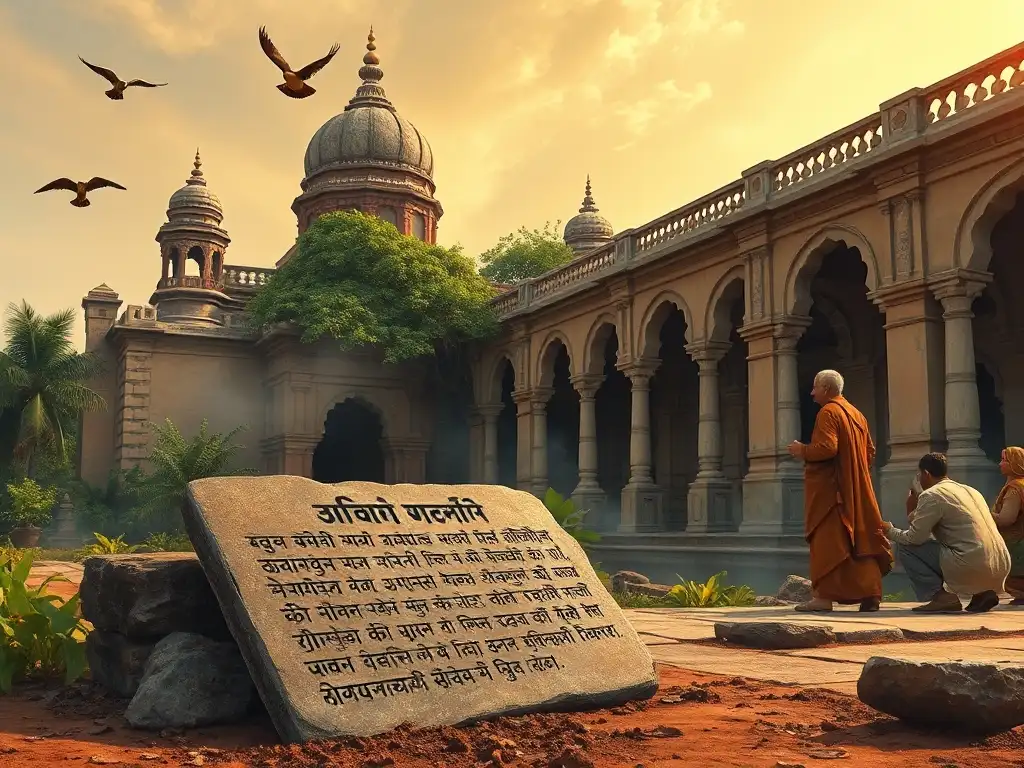
While ancient Indian universities were esteemed centers of learning, they also faced numerous challenges that ultimately contributed to their decline. Understanding these challenges provides insight into the vulnerabilities of educational institutions and offers lessons for contemporary systems.
Decline and Factors Leading to the Fall of Ancient Educational Institutions
The decline of ancient Indian universities can be attributed to a combination of internal and external factors.
- Invasions and Political Instability: The invasions by foreign powers, particularly during the medieval period, disrupted the continuity of education and led to the destruction of institutions like Nalanda. These events highlight the vulnerability of educational systems to political turmoil.
- Shift in Knowledge Production: With the advent of new regimes and ideologies, there was a marked shift in the types of knowledge and education systems that were valued. Traditional subjects were often sidelined, leading to a decline in enrollment and support for established universities.
- Neglect and Disinvestment: As political priorities shifted, funding and resources for these institutions dwindled. This neglect weakened the academic infrastructure, making it difficult for them to sustain their rich intellectual traditions.
Lessons Learned from Historical Challenges
The fall of ancient Indian universities imparts crucial lessons for modern educational institutions facing their own challenges.
- Importance of Resilience: Educational institutions must cultivate resilience by adapting to changing political and social landscapes. This might involve diversifying funding sources and developing partnerships with private and public entities to ensure sustainability.
- Continuous Adaptation: Just as ancient universities had to evolve in response to societal needs, modern educational systems must remain flexible and responsive to the needs of students and the job market. Emphasizing lifelong learning can help institutions stay relevant.
- Preservation of Knowledge: The destruction of ancient universities underscores the importance of preserving knowledge and cultural heritage. Modern institutions should prioritize the documentation and dissemination of diverse knowledge systems to prevent losses in cultural and academic capital.
By addressing these historical challenges, contemporary educational institutions can better navigate their own complexities and work toward creating sustainable, inclusive, and resilient educational environments.
Reviving the Spirit of Ancient Indian Universities Today
The revival of ancient Indian universities, such as Nalanda and Takshashila, has emerged as a crucial area of interest for educators and policymakers aiming to enhance modern educational systems. These institutions were not merely centers of learning; they were vibrant hubs of intellectual discourse, cultural exchange, and holistic education. The spirit of inquiry, critical thinking, and interdisciplinary studies that characterized these universities can serve as a guiding framework for contemporary education.
Today, as we strive to address the shortcomings of modern educational practices, it is essential to draw lessons from the rich history of ancient Indian universities. The emphasis on collaborative learning, mentorship, and the integration of various fields of knowledge can help create a more engaging and effective educational environment. By fostering a culture of curiosity and respect for diverse perspectives, we can encourage students to pursue lifelong learning, echoing the values upheld by their ancient predecessors.
Modern Educational Models Inspired by Ancient Practices
Several modern educational models are increasingly drawing inspiration from ancient Indian practices. The Gurukul system, where students lived and learned alongside their teachers, emphasized personalized learning and one-on-one mentorship. This approach can be translated into contemporary models by incorporating smaller class sizes and increased interaction between students and educators.
Furthermore, the interdisciplinary nature of studies in ancient universities can be reflected in modern curricula that promote the blending of subjects. For example, integrating science with philosophy or art with mathematics can help students develop a more holistic understanding of knowledge, much like the ancient scholars who thrived in diverse fields.
Innovative schools and educational institutions today are also adopting project-based learning, where students engage in real-world problems as a means of acquiring knowledge. This mirrors the practical approach taken by ancient universities, where learning was often experiential and community-oriented.
The Role of Technology in Reviving Ancient Educational Principles
In the digital age, technology plays a pivotal role in reviving and disseminating the principles of ancient Indian universities. Online learning platforms and virtual classrooms can facilitate access to ancient texts, teachings, and scholarly discussions that were once limited to physical universities. This democratization of knowledge can help inspire a new generation of learners to explore historical educational philosophies.
Additionally, technology can enhance collaborative learning experiences. Tools such as forums, video conferencing, and collaborative projects can foster a sense of community among students, reminiscent of the collaborative spirit found in ancient universities. Furthermore, artificial intelligence and adaptive learning technologies can personalize education, catering to individual learning styles and paces, thus echoing the personalized attention provided in ancient Gurukuls.
Conclusion
The revival of ancient Indian universities offers valuable insights into creating a more effective and enriched educational system today. By embracing the core values of these institutions, we can cultivate a new generation of thinkers, innovators, and leaders who are well-equipped to navigate the complexities of the modern world.
Summary of Key Insights from Ancient Indian Universities History
- Holistic Education: Ancient Indian universities emphasized a comprehensive approach to learning, integrating various disciplines and promoting critical thinking.
- Mentorship: The Gurukul system highlighted the importance of personalized learning experiences through close teacher-student relationships.
- Community Engagement: Education was not confined to classrooms; it involved active participation in societal issues, fostering a sense of responsibility among learners.
Call to Action for Modern Educational Reform Inspired by Ancient Traditions
To truly benefit from the lessons of ancient Indian universities, modern educational reform should be prioritized. Educators, policymakers, and communities must collaborate to create environments that reflect the values of inquiry, mentorship, and interdisciplinary learning. By integrating these ancient principles into contemporary curricula and teaching methodologies, we can inspire students to become not only knowledgeable individuals but also responsible, thoughtful citizens equipped to contribute positively to society. The revival of ancient educational ideals is not just a nostalgic endeavor; it is a vital step toward reshaping the future of education for generations to come.
- Introduction to Ancient Indian Universities History
- Overview of Ancient Indian Education Systems
- Importance of Ancient Universities in Indian Civilization
- Historical Background of Ancient Indian Universities
- Educational Structure of Ancient Indian Universities
- The Role of Ancient Indian Universities in Society
- Lessons from Ancient Indian Universities for Modern Education
- Challenges Faced by Ancient Indian Universities
- Reviving the Spirit of Ancient Indian Universities Today
- Conclusion
- What were the key features of ancient Indian universities?
- How did ancient Indian universities contribute to the development of education?
- What lessons can modern education learn from ancient Indian universities?
- What role did famous figures play in ancient Indian universities?
- How did the revival of ancient Indian universities influence contemporary education?
Frequently Asked Questions
What were the key features of ancient Indian universities?
Ancient Indian universities were known for their holistic education, focusing on subjects like philosophy, mathematics, and the arts. They emphasized debate and discussion, fostering critical thinking among students.
How did ancient Indian universities contribute to the development of education?
These universities laid the groundwork for higher education by promoting scholarship and research. They attracted students and scholars from various regions, fostering an exchange of ideas that enriched global learning.
What lessons can modern education learn from ancient Indian universities?
Modern education can learn the importance of a well-rounded curriculum that includes cultural and scientific knowledge. The emphasis on critical thinking and collaboration in ancient universities can inspire current educational practices.
What role did famous figures play in ancient Indian universities?
Prominent scholars like Aryabhata and Chanakya were instrumental in shaping the academic landscape. Their contributions in fields such as astronomy and political science highlight the universities' role as centers of intellectual advancement.
How did the revival of ancient Indian universities influence contemporary education?
The revival has prompted a renewed interest in traditional knowledge systems and interdisciplinary studies. By integrating ancient wisdom with modern techniques, educational institutions can cultivate a more diverse learning environment.
Final Reflection: Reviving Wisdom from Ancient Indian Universities
The history of ancient Indian universities is not just a relic of the past; it serves as a beacon for modern education systems striving for relevance and depth. In an era where knowledge is often commodified and education is reduced to mere transactional exchanges, the holistic approaches of ancient Indian universities remind us of the profound purpose of learning. These institutions were not merely centers of academic achievement; they were vibrant ecosystems fostering critical thinking, ethical reasoning, and a sense of community. Their revival is not just an academic endeavor but a necessary evolution for contemporary education.
The influence of ancient Indian universities extends far beyond their historical context; they continue to shape our cultural and social landscapes today. Their emphasis on interdisciplinary learning, spirituality, and the pursuit of wisdom resonates with the current educational discourse that seeks to integrate emotional intelligence and ethical considerations into curricula. As Mahatma Gandhi once said, “Live as if you were to die tomorrow. Learn as if you were to live forever.” This quote encapsulates the essence of lifelong learning that these ancient institutions championed, urging us to embrace knowledge as a lifelong journey rather than a destination.
As we reflect on the lessons from ancient Indian universities, let us challenge ourselves to integrate their wisdom into our own lives and educational practices. Consider how you can cultivate a deeper understanding of knowledge, not just for personal gain but for the betterment of society. Engage with your community, explore interdisciplinary connections, and prioritize ethical considerations in your learning journey. The revival of these ancient principles can lead to a more enlightened and compassionate world, and it starts with each of us taking action today.
Embrace the Wisdom of the Past: Transform Your Learning Journey!
Thank you for diving into the fascinating revival of ancient Indian universities with us! You've uncovered invaluable insights into how these historical institutions can shape and inspire modern education. Now, it’s time to apply what you've learned!
Here’s how you can take action:
- Dive Deeper into the teachings of ancient Indian scholars by exploring **books and online courses** that resonate with their philosophies.
- Share the Knowledge! Engage with your community by discussing how ancient educational models can influence today’s learning environments—**consider starting a book club or a community forum**.
- Reflect & Innovate: Think about how you can incorporate **collaborative learning and holistic education** principles into your own educational journey or career.
How might you integrate ancient wisdom into your learning strategy to create a more enriching experience?