
An Exploration of Ancient Indian Surgical Ethics and Practices

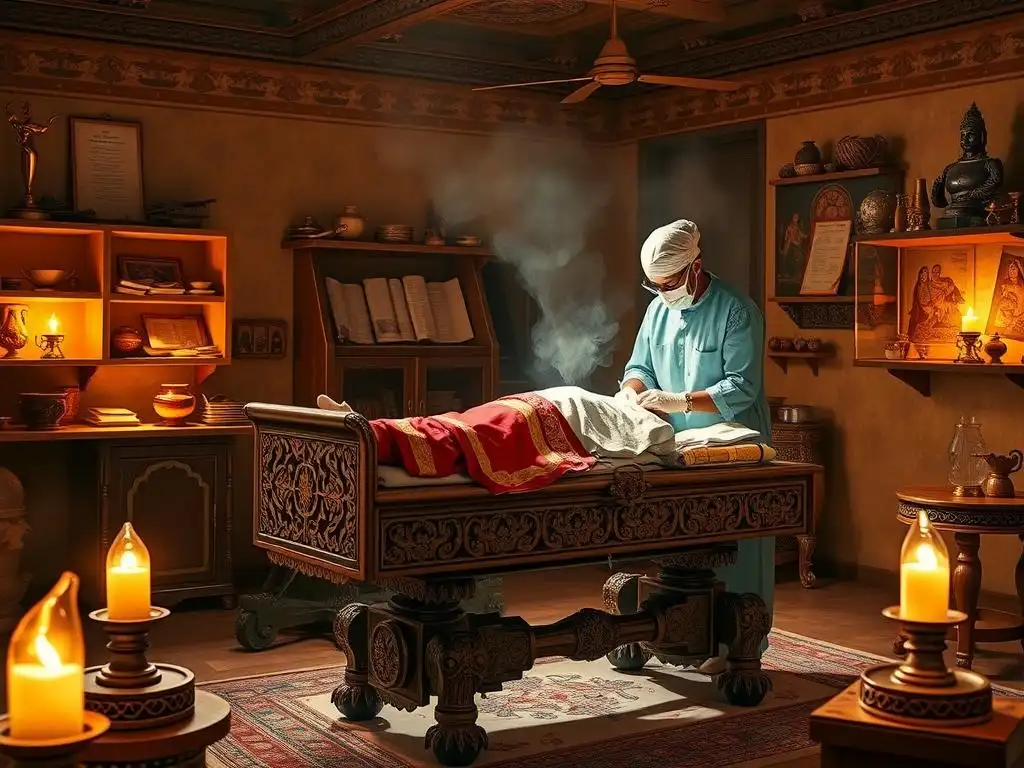
Welcome to Ancient India History, where we delve into the rich tapestry of civilizations that shaped the subcontinent. Today, we invite you to embark on a fascinating journey as we explore ancient Indian surgical practices—a remarkable fusion of art and science that laid the groundwork for modern medicine. What ethical principles guided these pioneering surgeons, and how did their innovations transform healthcare? Prepare to uncover the secrets of a time when healing was both sacred and sophisticated, and let your curiosity lead you deeper into the remarkable contributions of ancient India.
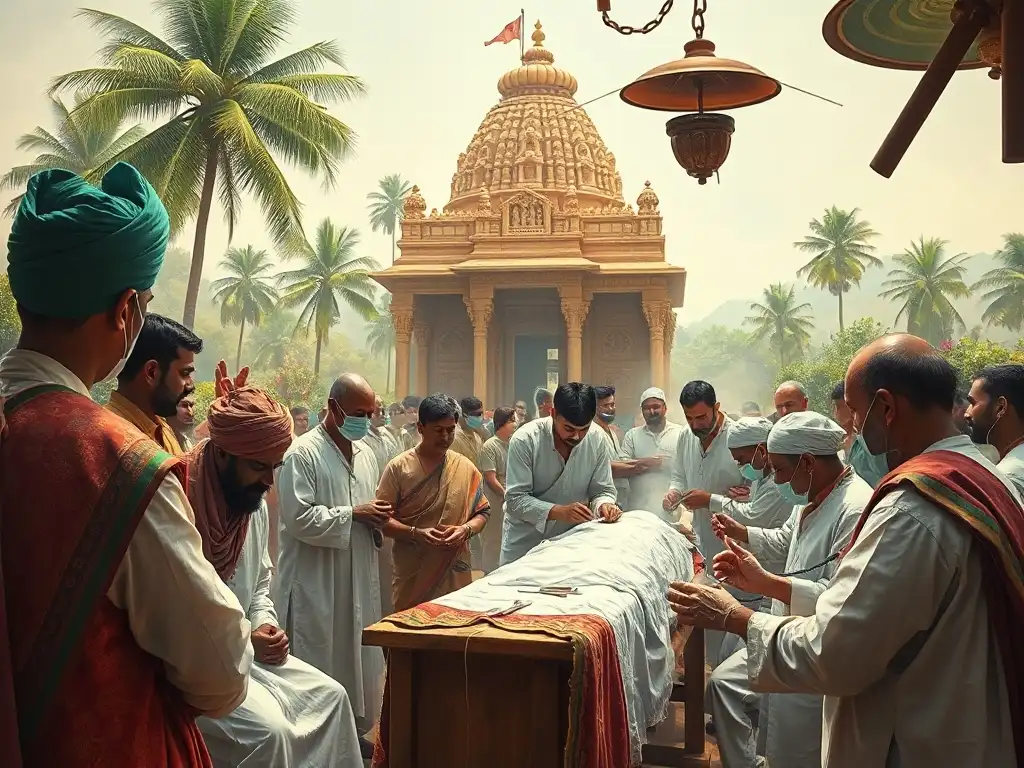
Introduction to Ancient Indian Surgical Practices
The exploration of ancient Indian surgical practices reveals a remarkable tapestry of medical knowledge and ethical standards that shaped the healthcare landscape of the time. From the sophisticated techniques developed during the Indus Valley Civilization to the advanced practices of the Gupta Empire, ancient Indian medicine was not only a testament to human ingenuity but also reflected a deep understanding of anatomy, physiology, and the ethical implications of surgical interventions.
This article delves into the rich history of surgical ethics and practices in ancient India, illustrating how these contributions have influenced modern medicine and the ethical considerations that continue to resonate today.
Overview of Ancient Indian Medicine
Ancient Indian medicine, primarily encapsulated in the Ayurveda system, emphasized a holistic approach to health, integrating physical, mental, and spiritual well-being. Surgical practices, known as Shalya Shalakya, were an integral part of this system, focusing on invasive techniques to treat various ailments. Key aspects of ancient Indian medicine included:
- Diagnosis and Treatment: Practitioners utilized a combination of observation, patient history, and pulse diagnosis to determine ailments.
- Surgical Techniques: Procedures such as sutures, cauterization, and even amputation were performed with a high degree of skill.
- Herbal Medicine: Surgical practices were often complemented by the use of medicinal herbs to promote healing and prevent infection.
The legacy of these practices is evident in various ancient texts that have preserved knowledge across generations.
Importance of Surgical Techniques in Ancient India
The significance of surgical techniques in ancient India cannot be overstated. These methods were crucial in:
- Addressing Trauma: Ancient surgeons dealt with injuries from warfare and accidents, employing innovative techniques to save lives.
- Curing Diseases: Surgical interventions were often the last resort for chronic conditions that could not be managed through other means.
- Advancing Knowledge: The practice of surgery spurred advancements in anatomy and physiology, leading to a more profound understanding of the human body.
Historical Context of Ancient Indian Surgical Ethics
The ethical dimensions of surgical practices in ancient India were deeply intertwined with cultural values, religious beliefs, and philosophical principles. This historical context shaped the way surgeries were perceived and conducted.
The Evolution of Medical Ethics in Ancient India
Medical ethics in ancient India evolved through various philosophical schools, including Buddhism and Jainism, which emphasized non-violence and compassion. Key elements of this ethical evolution included:
- Principles of Non-Maleficence: Surgeons were expected to avoid harm, ensuring that any surgical intervention was justified and necessary.
- Informed Consent: Although not formally documented, ancient texts indicate that practitioners sought patients' consent before procedures, reflecting an early understanding of autonomy.
- Accountability: Ethical guidelines held surgeons accountable for their actions, promoting a sense of responsibility towards patients.
These principles laid the groundwork for modern medical ethics, demonstrating the timeless relevance of ancient Indian thought.
Influential Texts on Surgery and Ethics
Several ancient texts have been pivotal in shaping the understanding of surgical practices and ethics in India. Notable among these are:
- Sushruta Samhita: Often referred to as the foundational text of surgery, it details various surgical procedures and emphasizes the importance of ethical practice.
- Charaka Samhita: This text focuses on internal medicine but also addresses the ethical considerations surrounding patient care.
- Ashtanga Hridaya: A comprehensive treatise that integrates surgical practices within a broader medical framework, highlighting the ethical duties of practitioners.
These texts not only document surgical techniques but also embody the ethical principles that guided practitioners, emphasizing the importance of a moral compass in medicine.
Key Principles of Ancient Indian Surgical Ethics
Ancient Indian surgical ethics were deeply rooted in the broader philosophical and spiritual frameworks of Indian culture. The practice of surgery, or "Shalya Tantra," as outlined in ancient texts like the "Sushruta Samhita," was guided by principles that emphasized not only technical skill but also moral integrity and respect for life. Key principles included:
- Ahimsa (Non-violence): Central to Indian philosophy, this principle dictated the necessity for surgeons to minimize harm. Surgeons were expected to approach their tasks with caution and compassion, always considering the patient's well-being.
- Dharma (Righteousness): Surgeons were required to uphold their duty with moral integrity, performing their responsibilities within the ethical frameworks of society. This included treating patients with respect and fairness, regardless of their background.
- Karma (Actions and Consequences): The belief in karma influenced surgeons to act with intention and care, understanding that their actions could have far-reaching consequences for both the patient and themselves.
These principles collectively fostered a culture of ethical responsibility among ancient Indian surgeons, ensuring that their practices were not only medically sound but also morally justifiable.
The Moral Responsibilities of Surgeons
The moral responsibilities of surgeons in ancient India extended beyond their technical abilities. They were regarded as custodians of life, entrusted with the health and welfare of their patients. This role came with significant accountability, which included:
- Competence and Training: Surgeons were expected to undergo rigorous training, often under the mentorship of established practitioners. This ensured that they possessed the requisite knowledge and skills to perform surgeries safely.
- Confidentiality: Just as in modern medical ethics, maintaining patient confidentiality was paramount. Surgeons were required to keep patient information private, fostering trust and protecting the dignity of individuals.
- Ethical Decision-Making: Surgeons often faced dilemmas regarding the necessity of surgical interventions. They were morally obligated to weigh the potential benefits against the risks involved, ensuring that procedures were conducted only when truly needed.
This moral framework ensured that surgeons not only adhered to the highest standards of practice but also cultivated a deep respect for the lives they impacted.
Patient Consent in Ancient Indian Surgery
Patient consent, though not formalized in the way it is today, was an implicit aspect of surgical practice in ancient India. The concept of consent was rooted in mutual respect and understanding between the surgeon and the patient. Key aspects included:
- Informed Decision-Making: Surgeons were expected to explain the nature of the procedure, potential risks, and expected outcomes. This dialogue allowed patients to make informed choices regarding their treatments.
- Cultural Norms: The societal context played a crucial role in patient consent. In many cases, families were involved in decision-making, reflecting the communal nature of healthcare in ancient India.
- Respect for Autonomy: Although the formal concept of autonomy was not explicitly recognized, ancient Indian medical texts emphasized the importance of respecting the patient’s wishes, reinforcing the surgeon’s role as a facilitator rather than an autocrat.
This approach laid the groundwork for the ethical consideration of patient consent, emphasizing the need for communication and respect in the surgeon-patient relationship.
The Role of Spirituality in Surgical Ethics
Spirituality permeated every aspect of life in ancient India, including surgical practices. The integration of spiritual beliefs into surgical ethics played an essential role in shaping the moral landscape of surgery. Key points include:
- Divine Guidance: Surgeons often sought blessings and guidance from deities before performing surgeries, believing that spiritual protection would enhance their skills and ensure successful outcomes.
- Healing Beyond the Physical: Ancient Indian texts recognized that healing involved not just the physical body but also the mind and spirit. Surgeons were encouraged to consider the holistic well-being of their patients, incorporating prayers and rituals into their practices.
- Moral Cleansing: Surgeons were often required to undergo purification rituals before performing surgeries. These practices were intended to cleanse the surgeon’s mind and spirit, allowing them to approach their work with clarity and compassion.
This intertwining of spirituality and ethics highlighted the profound respect for life and the belief that surgical practices should align with spiritual principles.
Prominent Ancient Indian Surgical Practices
Ancient India boasted a rich tradition of surgical practices that have influenced modern medicine. The contributions of surgeons such as Sushruta, often referred to as the "Father of Surgery," are well-documented and illustrate the sophistication of ancient Indian surgical techniques. Key practices included:
- Plastic Surgery: Ancient Indian surgeons were pioneers in reconstructive surgery, particularly in performing procedures to repair facial injuries and reconstruct noses (rhinoplasty) using skin grafts.
- Cataract Surgery: Techniques for cataract removal were advanced for the time, involving the use of a special instrument called a "couching needle" to displace the cataract and restore vision.
These practices demonstrate the ingenuity and skill of ancient Indian surgeons, whose contributions laid the foundation for future advancements in the field.
Surgical Techniques and Procedures
The surgical techniques employed in ancient India were remarkably advanced and encompassed a wide range of procedures. Notable techniques included:
- Incision and Drainage: For abscesses and other swellings, surgeons used precise incisions to drain pus and promote healing.
- Amputation: In cases of severe injury or infection, amputation was performed using careful techniques to minimize blood loss and promote recovery.
- Suturing Techniques: Ancient texts describe various suturing methods, including the use of herbal threads that had antibacterial properties, showcasing an understanding of infection control.
These procedures highlight the technical mastery and innovative approaches of ancient Indian surgeons in addressing complex medical challenges.
Innovations in Surgical Instruments
Ancient Indian surgeons developed a variety of surgical instruments that were remarkably sophisticated for their time. Notable innovations included:
- Scalpels and Knives: Crafted from metals like bronze and iron, these tools were designed for precision and ease of handling during surgeries.
- Forceps: Used for grasping tissues and organs, forceps were essential for various procedures, showcasing a deep understanding of human anatomy.
- Cautery Instruments: Ancient texts describe the use of heated instruments for cauterization, a technique employed to control bleeding and promote healing.
These innovations reflect the advanced understanding of surgical needs and the emphasis on developing tools that enhanced the effectiveness and safety of surgical procedures.
The Influence of Ancient Indian Surgical Practices on Modern Medicine
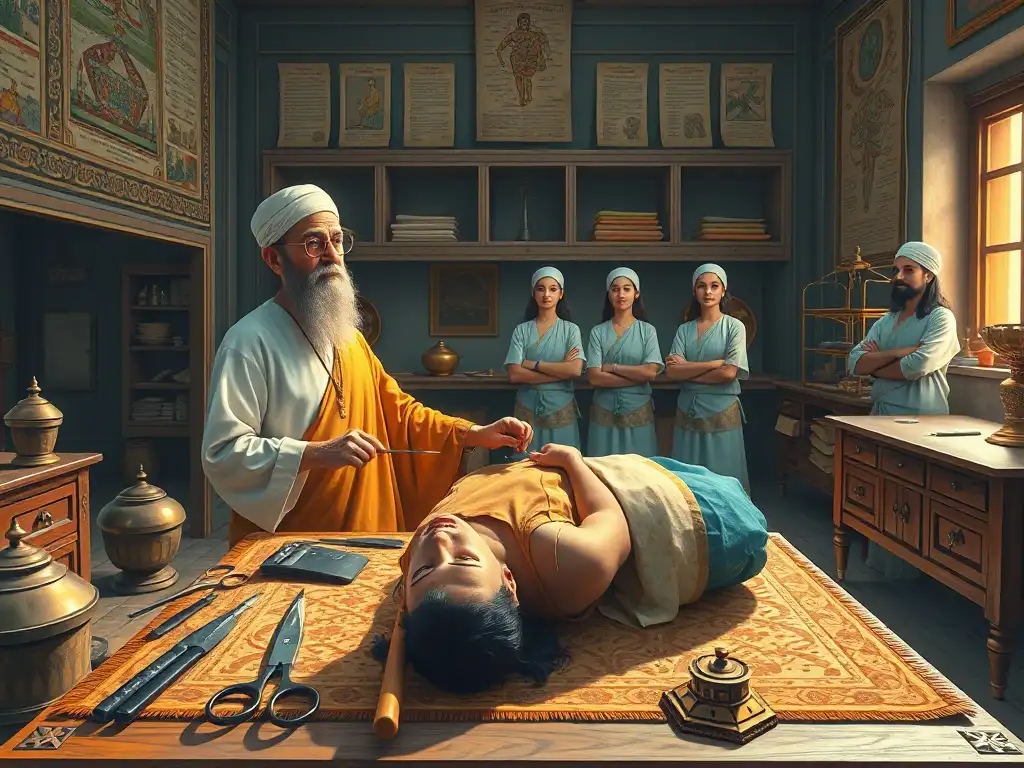
Ancient Indian surgical practices, particularly those documented in texts like the Sushruta Samhita, have had a profound influence on modern medicine. The meticulous techniques and ethical considerations outlined in these ancient works laid the groundwork for various surgical methods still in use today. Key concepts such as aseptic techniques, surgical instruments, and the importance of patient consent can be traced back to these early practices, highlighting how ancient wisdom continues to resonate in contemporary medical ethics and procedures.
The integration of holistic approaches, such as understanding patient health through a balance of mind, body, and spirit, reflects a comprehensive view that modern medicine is gradually adopting. As we explore the historical significance of these practices, it's clear that the legacy of ancient Indian surgery is not just a chapter in history but a continuous thread influencing today’s medical landscape.
Legacy of Ancient Indian Techniques in Contemporary Surgery
The legacy of ancient Indian surgical techniques can be seen in several contemporary practices. The Sushruta Samhita describes over 120 surgical instruments, many of which have modern equivalents used in surgeries today. For instance, the practice of rhinoplasty, or reconstructive surgery of the nose, was first meticulously documented by Sushruta, and techniques have evolved but remain fundamentally similar to his descriptions.
Moreover, the emphasis on ethics in surgery—focusing on the well-being of the patient, informed consent, and the need for skilled practitioners—reflects the moral framework established in ancient texts. As surgical practices continue to advance, the foundational principles from ancient India serve as a reminder of the importance of compassion and ethical responsibility in medicine.
Comparative Analysis: Ancient Indian and Western Surgical Practices
Comparing ancient Indian surgical practices with those of the Western world reveals significant differences and similarities that reflect cultural approaches to medicine. While ancient Indian surgeons like Sushruta emphasized holistic treatment and the integration of herbal medicines alongside surgical interventions, Western practices traditionally prioritized anatomical knowledge and surgical precision.
In the realm of surgical procedure, both civilizations recognized the importance of cleanliness and the need to minimize infection, albeit through different methodologies. For instance, while ancient Indian texts advocated for careful wound management and the use of medicinal herbs to promote healing, Western practices emerged in the Renaissance with a more pronounced focus on anatomy and dissection.
Despite these differences, there is a shared recognition of the necessity for rigorous training and skill development in surgical practice. This comparative analysis underscores how ancient wisdom and modern advancements can coexist, offering valuable insights into the evolution of surgical techniques across cultures.
Case Studies of Notable Ancient Indian Surgeons
The history of ancient Indian surgery is rich with influential figures whose contributions have shaped the field. These surgeons not only advanced surgical techniques but also established ethical practices that resonate today.
Sushruta: The Father of Surgery
Sushruta, often referred to as the "Father of Surgery," is one of the most renowned figures in ancient Indian medicine. His seminal work, the Sushruta Samhita, is considered one of the earliest texts on surgery and medicine. It includes detailed descriptions of surgical procedures, instruments, and techniques, covering various specialties like obstetrics, ophthalmology, and plastic surgery.
Sushruta's innovative approach to surgery included methods for anesthesia and pain management, utilizing natural substances such as wine and various herbs. His emphasis on detailed anatomical knowledge and the importance of surgical training laid the groundwork for future generations of surgeons. The ethical considerations he included in his teachings further established a compassionate approach to patient care that persists in modern medical ethics.
Contributions of Other Renowned Surgeons
In addition to Sushruta, several other ancient Indian surgeons made significant contributions to the field. For instance, Charaka, although primarily known for his work in Ayurveda, also made strides in surgical practices by emphasizing the importance of diagnosis and prognosis in relation to surgical interventions.
Vagbhata, another prominent figure, compiled and expanded upon earlier texts, integrating surgical knowledge with holistic health practices. His works highlighted the importance of diet and lifestyle in recovery, illustrating a comprehensive approach to medicine that included both surgical and non-surgical methods.
These surgeons, among others, contributed to a rich tradition of medical knowledge that has influenced not only the practice of surgery in India but also laid the foundation for future medical developments worldwide. Their legacies continue to inspire and inform contemporary practices, demonstrating the timeless relevance of ancient wisdom in the field of medicine.
Challenges and Critiques of Ancient Indian Surgical Ethics
Ancient Indian surgical practices, particularly those documented in texts like the Sushruta Samhita, showcase a sophisticated understanding of medicine and ethics. However, these practices also faced several challenges and critiques. One significant challenge was the interpretation and application of ethical principles in surgical procedures. The ancient texts emphasized the importance of the surgeon's skill and intention, but the variability in training and the standards of practice sometimes led to ethical dilemmas.
Moreover, the societal hierarchy in ancient India often dictated who could receive certain surgical interventions, which raises questions about equity and access to medical care. Critics argue that these disparities might have resulted in a form of medical elitism, where only the affluent or those of higher caste received the best surgical care. Such critiques highlight the need for a more nuanced understanding of how cultural and social factors influenced the ethical landscape of ancient Indian surgical practices.
Ethical Dilemmas Faced by Ancient Surgeons
Ancient surgeons in India were often confronted with complex ethical dilemmas. One key issue was the necessity of informed consent. While the concept of consent existed, the extent to which patients were fully informed about the risks and outcomes of surgical procedures is debatable. There is evidence that some patients may not have been adequately informed due to societal norms that prioritized the authority of the physician.
Additionally, the decision-making process surrounding the use of surgical interventions posed ethical challenges. For instance, in cases of severe injury or life-threatening conditions, surgeons had to weigh the potential benefits of surgery against the risk of complications or death. The texts suggest that surgeons often relied on their judgment and experience to navigate these dilemmas, but this subjective approach could lead to ethical conflicts, especially if outcomes were unfavorable.
Misconceptions about Surgical Practices in Ancient India
Despite the advanced nature of surgical techniques in ancient India, misconceptions persist about the scope and efficacy of these practices. One common misconception is that all surgical procedures were rudimentary or primitive. In reality, ancient Indian surgeons performed complex surgeries including cataract removal, plastic surgery, and even cesarean sections, reflecting a deep understanding of human anatomy and surgical techniques.
Another misconception is the belief that ancient Indian surgical ethics were non-existent or rudimentary. Contrary to this view, texts like the Sushruta Samhita outline ethical guidelines that emphasize the moral responsibilities of the surgeon, including the importance of compassion, skill, and the welfare of the patient. This demonstrates that ethical considerations were integral to the practice of surgery in ancient India, challenging the narrative of a purely pragmatic approach to medicine.
Conclusion: The Lasting Impact of Ancient Indian Surgical Practices
The legacy of ancient Indian surgical practices is profound and continues to influence modern medicine. The ethical frameworks established by early surgeons laid the groundwork for contemporary medical ethics, incorporating principles such as beneficence and non-maleficence. These enduring concepts reflect a commitment to patient welfare that resonates in today's medical community.
Reflection on the Evolution of Surgical Ethics
The evolution of surgical ethics from ancient Indian practices to contemporary standards demonstrates a remarkable journey. Ancient texts provided foundational principles that have been built upon over centuries. Modern surgeons often draw inspiration from these early ethical reflections, reinforcing the importance of skill, compassion, and respect for patient autonomy. As medical practices continue to advance, the fundamental ethical considerations rooted in ancient traditions remain relevant, guiding the conduct of healthcare professionals.
Future Perspectives on Ancient Practices in Modern Medicine
Looking forward, the insights from ancient Indian surgical practices can inform the future of medicine. As modern healthcare increasingly emphasizes holistic approaches and patient-centered care, the ethical principles espoused by ancient surgeons can serve as a valuable reference. Furthermore, the revival of interest in traditional practices, combined with modern scientific advancements, holds the potential to enrich current medical methodologies. By integrating the wisdom of the past with contemporary practices, the medical field can continue to evolve while honoring the ethical foundations laid by ancient Indian practitioners.
- Introduction to Ancient Indian Surgical Practices
- Historical Context of Ancient Indian Surgical Ethics
- Key Principles of Ancient Indian Surgical Ethics
- Prominent Ancient Indian Surgical Practices
- The Influence of Ancient Indian Surgical Practices on Modern Medicine
- Case Studies of Notable Ancient Indian Surgeons
- Challenges and Critiques of Ancient Indian Surgical Ethics
- Conclusion: The Lasting Impact of Ancient Indian Surgical Practices
- What were some key surgical practices in ancient India?
- How did ancient Indian surgical ethics differ from modern practices?
- Who were the prominent figures in ancient Indian surgery?
- What contributions did the Indus Valley Civilization make to surgery?
- How did the Gupta Empire influence surgical practices?
Frequently Asked Questions
What were some key surgical practices in ancient India?
Ancient Indian surgical practices included procedures like plastic surgery, cataract surgery, and cesarean sections, showcasing advanced medical knowledge for their time.
How did ancient Indian surgical ethics differ from modern practices?
Ancient Indian surgical ethics emphasized the importance of consent, patient welfare, and the ethical treatment of patients, which laid the groundwork for contemporary medical ethics.
Who were the prominent figures in ancient Indian surgery?
Notable figures include Sushruta, often referred to as the "father of surgery," who authored the Sushruta Samhita, a foundational text detailing various surgical techniques and procedures.
What contributions did the Indus Valley Civilization make to surgery?
The Indus Valley Civilization contributed significantly by establishing early medical practices and surgical tools, indicating an advanced understanding of human anatomy and health.
How did the Gupta Empire influence surgical practices?
During the Gupta Empire, there was a remarkable advancement in medical texts and surgical techniques, which further refined practices and established a more systematic approach to surgery in ancient India.
Final Reflection: The Enduring Legacy of Ancient Indian Surgical Practices
In exploring ancient Indian surgical practices, we uncover a rich tapestry of medical wisdom that resonates profoundly in today's healthcare landscape. The ethical frameworks and surgical techniques developed centuries ago not only laid the groundwork for modern medicine but also remind us of the importance of compassion and integrity in healing. As we navigate the complexities of contemporary healthcare, the lessons from our past become increasingly relevant, urging us to honor the principles that guided our ancestors.
The influence of these ancient practices extends beyond the operating room; they have shaped cultural attitudes toward health and wellness in profound ways. The intricate balance between skill and ethics in surgery reflects a broader societal commitment to the well-being of individuals and communities. As we witness a resurgence of interest in holistic and ethical medical practices, we can draw inspiration from the words of Sushruta, the father of surgery: Wherever there is a surgeon, there is a responsibility.
This sentiment echoes through time, reminding us that the art of healing is as much about moral duty as it is about technical prowess.
As we reflect on the insights gained from ancient Indian surgical practices, let us carry forward the torch of ethical responsibility and compassionate care in our own lives. I invite you to consider how these timeless principles can inform your approach to health, both personally and within your community. Embrace the wisdom of the past as we forge a future where ethics and excellence in medicine coexist harmoniously, ensuring that the legacy of ancient Indian surgical practices continues to inspire generations to come.
Unveil the Wisdom of Ancient Indian Surgery!
Thank you for journeying with us through the fascinating world of ancient Indian surgical ethics and practices. We hope you’ve discovered valuable insights that illuminate the connection between medicine and morality in this rich historical context.
Now, it's time to take these insights beyond the page and engage with the world of ancient knowledge:
- Dive deeper: Explore classic texts such as the Sushruta Samhita. Choose a section that captivates you and share your findings in the comments below!
- Share the knowledge: Discuss this topic with friends or family. Consider hosting a small discussion group to explore how these ancient practices can influence modern medicine.
- Join the community: Subscribe to our newsletter for more enlightening content about ancient practices and their relevance in today's world!
What aspect of ancient Indian surgical practices resonates with you the most, and how do you believe it could shape contemporary ethics in medicine?