
The Surgical Contributions of Ancient Indian Medical Scholars

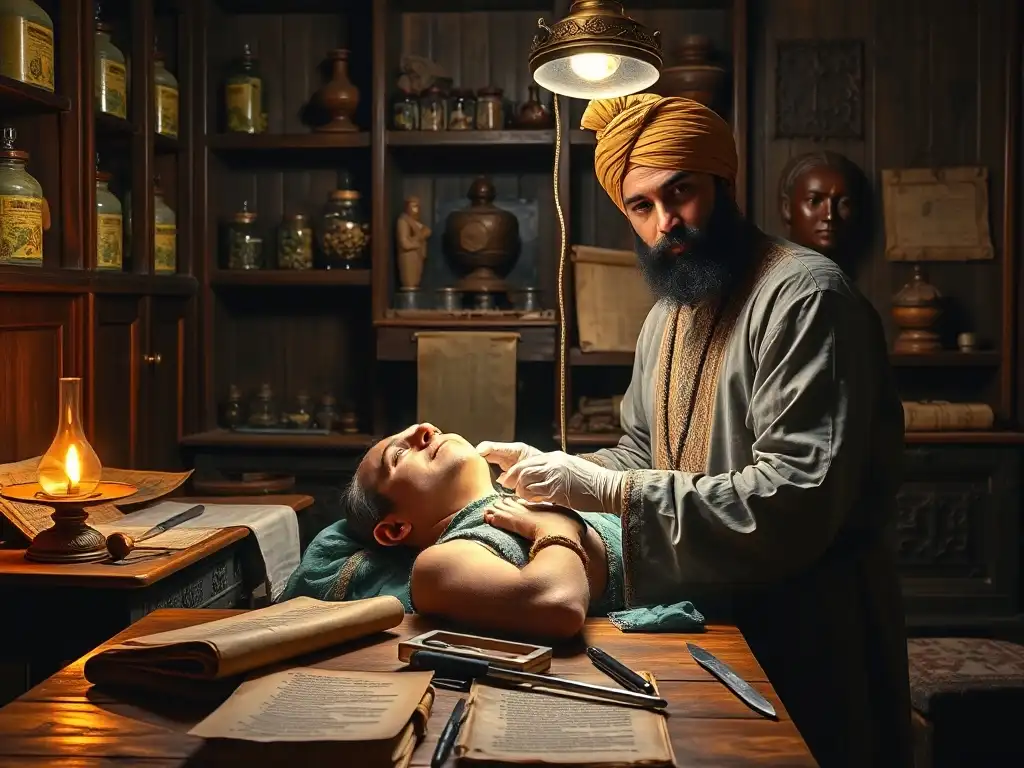
Welcome to Ancient India History, where we embark on a fascinating journey through the rich tapestry of India's past! This week, we delve into the extraordinary realm of Ancient Indian surgical techniques, showcasing the remarkable contributions of medical scholars who advanced the art of healing long before modern medicine took shape. What secrets did these pioneers unveil, and how did their practices influence the world of surgery today? Join us as we explore the intricate wisdom of ancient civilizations, igniting your curiosity to uncover more about their profound impact on science and medicine.
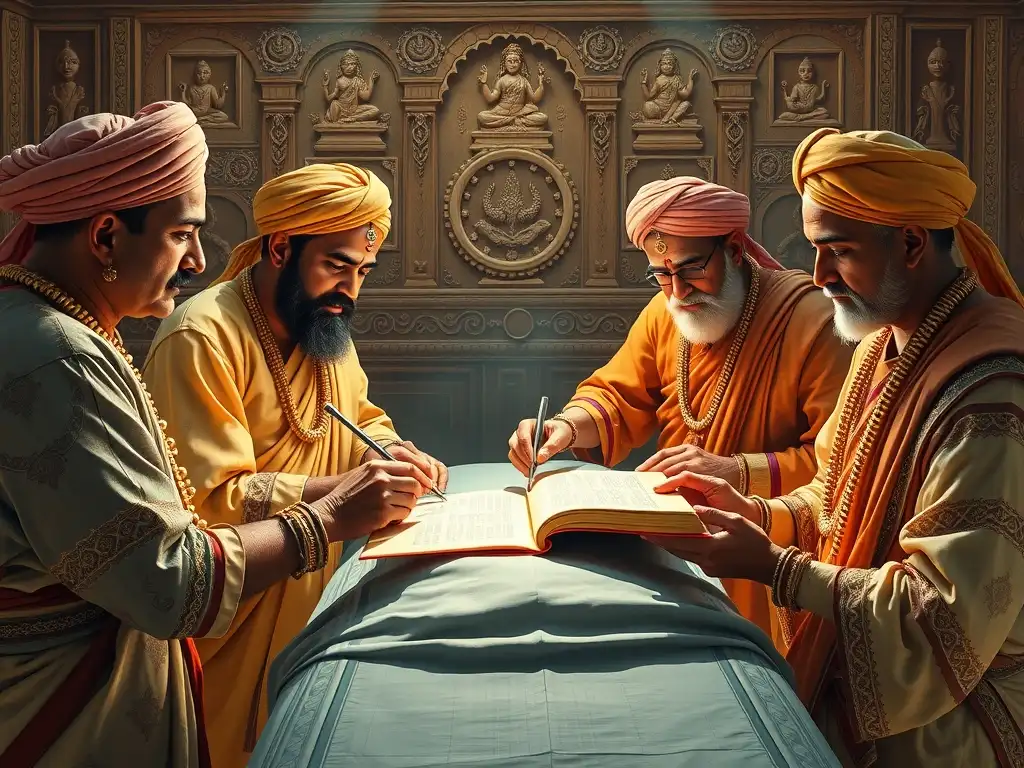
Introduction to Ancient Indian Surgical Techniques
Ancient India is renowned for its profound contributions to various fields, among which medicine and surgery stand out prominently. The surgical techniques developed by ancient Indian scholars not only reflect a deep understanding of human anatomy but also demonstrate innovative approaches to treatment and healing.
This article seeks to explore the rich tapestry of ancient Indian surgical practices, highlighting significant contributions from medical scholars and the enduring legacy of their techniques. By delving into the historical context and the evolution of these practices, we aim to shed light on how ancient Indian surgical techniques have influenced modern medicine and surgery.
Overview of Ancient Indian Medicine
Ancient Indian medicine, particularly through the lens of Ayurveda, encompasses a holistic approach to health that integrates physical, mental, and spiritual well-being. Ayurveda, which translates to "the science of life," emphasizes balance in bodily systems and the use of natural remedies. Surgical practices in ancient India were not merely focused on intervention but were part of a broader medical philosophy that sought to restore harmony within the body.
Key components of ancient Indian medicine include:
- Ayurvedic Principles: The foundational concepts of doshas (body energies), dhatus (tissues), and malas (wastes) shaped the understanding of health and disease.
- Surgical Texts: Ancient texts such as the Sushruta Samhita provide detailed accounts of surgical techniques, instruments, and procedures.
- Innovative Techniques: Scholars like Sushruta are credited with pioneering various surgical methods, including cataract surgery, plastic surgery, and even complex procedures involving the human anatomy.
Importance of Surgical Practices in Ancient India
Surgical practices in ancient India were critical for several reasons:
- Advancement of Medical Knowledge: The meticulous documentation of surgical techniques laid the groundwork for future medical practices and education.
- Cultural Significance: Surgery was not only a medical practice but also held cultural importance, often intertwined with spiritual beliefs and rituals.
- Influence on Global Medicine: The innovations in surgical techniques from ancient India had a lasting impact on medical practices across Asia and beyond, influencing scholars in places like Greece and Persia.
Historical Context of Surgical Techniques in Ancient India
The rich history of surgical techniques in ancient India can be traced back to some of the earliest civilizations and philosophical systems that shaped medical practices.
The Indus Valley Civilization and Early Medical Practices
The Indus Valley Civilization (circa 3300–1300 BCE) is one of the earliest urban cultures known for its advanced societal organization and public health systems. Archaeological findings indicate that this civilization had a basic understanding of medicine, including surgical practices. Evidence suggests:
- Surgical Instruments: Tools resembling scalpels and forceps have been discovered, indicating that surgical procedures were performed.
- Medical Facilities: The existence of well-planned urban centers with drainage systems hints at an awareness of hygiene and health, essential for successful surgical practices.
Influence of Ayurveda on Surgical Techniques
Ayurveda emerged as a significant influence on the development of surgical techniques in ancient India. The system’s emphasis on balancing body energies and understanding disease processes led to sophisticated surgical methodologies. Notable aspects include:
- Integration of Surgery in Ayurveda: Sushruta, often referred to as the "father of surgery," integrated surgical practices within the Ayurvedic framework, emphasizing the importance of knowledge in anatomy and pathology.
- Textual Contributions: The Sushruta Samhita serves as a foundational text, detailing over 300 surgical procedures, various surgical instruments, and methods for anesthesia, showcasing a remarkable understanding of both surgical techniques and patient care.
By exploring these historical contexts, we can appreciate the depth and sophistication of ancient Indian surgical techniques and their vital role in the evolution of medical practices.
Key Ancient Indian Medical Scholars and Their Contributions
Ancient India is renowned for its profound contributions to the field of medicine, particularly in the realm of surgery. Several scholars emerged during this time, establishing foundational texts and techniques that have influenced medical practices for centuries. Among these scholars, Sushruta and Charaka stand out for their revolutionary contributions.
Their works not only reflect the sophisticated understanding of the human body but also the innovative approaches to surgical techniques and medical science. Additionally, other notable figures in ancient Indian medicine played significant roles in advancing surgical knowledge, creating a rich tapestry of medical scholarship that continues to be appreciated today.
Sushruta: The Father of Surgery
Sushruta, often hailed as the "Father of Surgery," authored the Sushruta Samhita, a comprehensive text that details various surgical procedures and techniques. This seminal work, dating back to around 600 BCE, is one of the earliest surgical texts in history. Sushruta's contributions include:
- Innovative Surgical Techniques: He described over 300 surgical procedures, including complex operations such as cataract surgery and plastic surgery, particularly rhinoplasty (reconstruction of the nose).
- Anatomical Knowledge: Sushruta emphasized the importance of understanding human anatomy, advocating the dissection of cadavers for a deeper comprehension of the body.
- Instruments and Tools: He introduced numerous surgical instruments and tools that were meticulously crafted for specific procedures, showcasing an early understanding of surgical instruments' significance.
- Holistic Approach: Sushruta's philosophy encompassed not just surgical practices but also patient care, emphasizing the importance of pre-operative and post-operative care for successful outcomes.
Charaka: Contributions to Medical Science
Charaka, another prominent figure in ancient Indian medicine, is best known for the Charaka Samhita, a foundational text in Ayurveda that focuses on internal medicine but also addresses surgical practices. Key contributions include:
- Medical Ethics and Principles: Charaka stressed the importance of ethics in medicine, outlining the responsibilities and duties of a physician.
- Comprehensive Medical System: His work integrated various aspects of healthcare, including diagnosis, treatment, and preventive measures, establishing a holistic approach to medicine.
- Surgical Insights: Although primarily focused on internal medicine, Charaka provided insights into surgical practices and the treatment of wounds, complementing Sushruta's surgical techniques.
- Pharmacology: Charaka's contributions to herbal medicine and pharmacology have greatly influenced the development of medicinal practices in India.
Other Notable Scholars in Ancient Indian Surgery
In addition to Sushruta and Charaka, several other scholars made significant contributions to the field of surgery in ancient India:
- Vagbhata: Known for the Ashtanga Sangraha, Vagbhata synthesized the teachings of earlier scholars and provided insights into surgical techniques and medicinal practices.
- Dhanvantari: Often regarded as the god of Ayurveda, Dhanvantari contributed to the understanding of surgical techniques and was known for promoting the use of surgical tools in various procedures.
- Bhavaprakash: A later scholar whose works included references to surgical practices, contributing to the continuity and development of surgical knowledge through the ages.
Surgical Techniques Developed in Ancient India
Ancient Indian surgical techniques were remarkably advanced, reflecting a deep understanding of anatomy, physiology, and the intricacies of surgical procedures. The techniques developed during this period laid the groundwork for many contemporary practices. Among the notable surgical techniques were:
Types of Surgical Procedures in Ancient India
Ancient Indian surgeons performed a variety of procedures, many of which were groundbreaking for their time:
- Rhinoplasty: Reconstruction of the nose, often performed due to injuries or congenital deformities, demonstrating a sophisticated understanding of cosmetic surgery.
- Cataract Surgery: Techniques to remove cataracts were described, allowing individuals to regain their sight, highlighting the importance of ophthalmology in ancient Indian medicine.
- Surgical Management of Abscesses: Procedures for draining abscesses and treating wounds were common, showcasing the practical application of surgical techniques in everyday medical care.
- Orthopedic Surgery: Techniques for setting fractured bones and dislocations were documented, demonstrating knowledge of trauma management.
Instruments Used in Ancient Indian Surgery
The surgical instruments developed by ancient Indian scholars were diverse and specifically designed for various procedures. Notable instruments included:
- Surgical Knives (Shastra): Various types of knives were crafted for incisions and excisions, made from materials like steel and iron.
- Forceps (Pallava): Used for grasping and holding tissues during surgery, indicative of a refined approach to surgical techniques.
- Sutures and Needles: Ancient texts mention the use of sutures made from natural fibers, along with needles that were skillfully designed for stitching wounds.
- Specula: Instruments for examining body cavities, which reflect an early understanding of diagnostic tools in surgery.
The surgical contributions of ancient Indian medical scholars illustrate a remarkable legacy that has influenced not only Indian medical practices but also the global understanding of surgery. Their methodologies and philosophies continue to resonate in modern medicine, underscoring the importance of these ancient texts and techniques.
Legacy and Influence of Ancient Indian Surgical Techniques
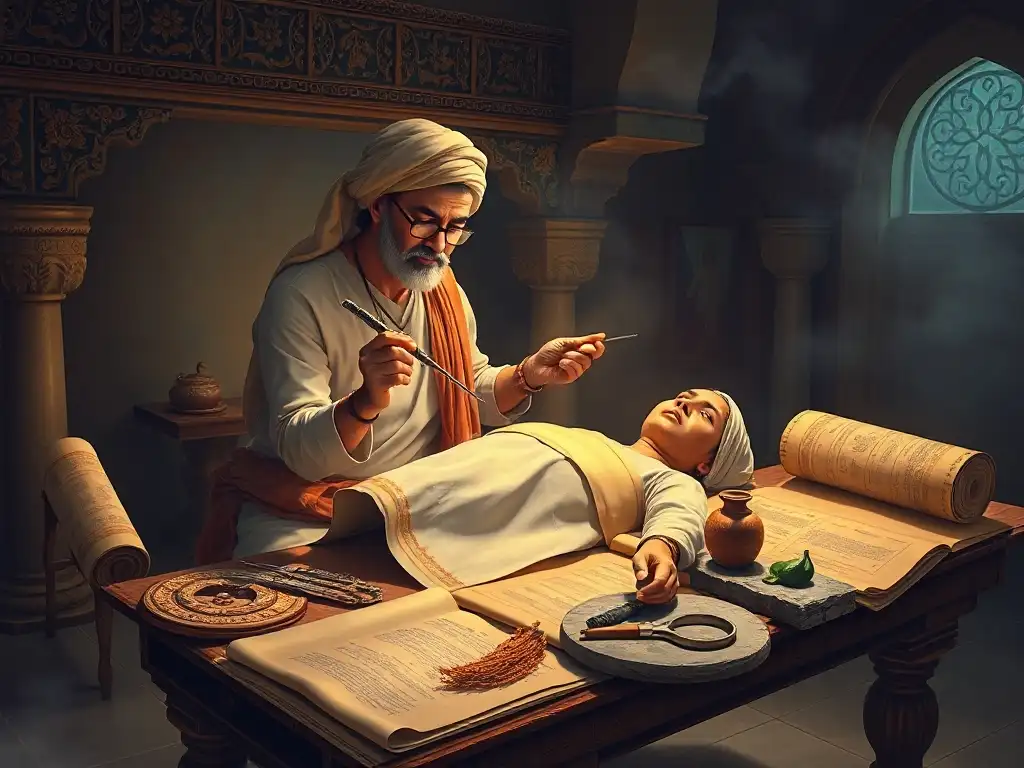
Ancient Indian surgical techniques, particularly those documented in the texts of Sushruta, have left an indelible mark on the field of medicine. Sushruta, often referred to as the "Father of Surgery," authored the Sushruta Samhita, a foundational text detailing various surgical procedures, instruments, and medical theories. His work laid the groundwork for understanding anatomy, surgical techniques, and the importance of patient care.
The legacy of these techniques extends beyond mere documentation; they have influenced surgical practices in various cultures. For instance, the methods outlined in the Sushruta Samhita were not only embraced in India but also found their way into the medical practices of neighboring regions, such as Persia and Greece. This cross-cultural influence was pivotal in shaping the evolution of surgical practices globally.
Furthermore, the collaborative nature of ancient Indian medical scholars fostered a rich environment for knowledge exchange. The integration of surgical techniques with holistic approaches in Ayurveda further demonstrated the comprehensive understanding of health and wellness during ancient times. This synthesis of knowledge ensured that surgical techniques were not merely mechanical but also considered the overall well-being of the patient.
Impact on Modern Medicine and Surgery
The impact of ancient Indian surgical techniques on modern medicine is profound and multifaceted. Many surgical methods developed in ancient India, such as rhinoplasty (reconstruction of the nose), are still relevant today. The principles of asepsis and surgical precision emphasized by Sushruta are mirrored in contemporary surgical practices, highlighting the timeless nature of his teachings.
Moreover, ancient Indian texts introduced various surgical instruments that are still in use today, albeit with advancements in materials and technology. Instruments such as scalpels, forceps, and catheters have their roots in the surgical tools described by ancient Indian scholars. This historical continuity underscores the innovative spirit of ancient Indian medicine and its ability to adapt and evolve over centuries.
The philosophical and ethical considerations present in ancient Indian surgical practices also resonate in modern medical ethics. The emphasis on patient consent and holistic care, as advocated by Sushruta, aligns with contemporary medical standards, promoting a patient-centered approach that values the individual's rights and well-being.
Cross-Cultural Exchange of Surgical Knowledge
The cross-cultural exchange of surgical knowledge during ancient times significantly enriched the field of medicine. As scholars and practitioners traveled along trade routes, they shared their insights and techniques. This exchange facilitated the diffusion of ancient Indian surgical methods to various cultures, including those in the Middle East and Europe.
The translation of Indian medical texts into Arabic during the Islamic Golden Age played a crucial role in this exchange. Scholars such as Al-Razi and Avicenna incorporated and expanded upon ancient Indian surgical techniques, integrating them into their own medical systems. This fusion of knowledge not only advanced the practice of surgery but also highlighted the interconnectedness of ancient civilizations.
Additionally, the Silk Road served as a conduit for the transmission of surgical knowledge, enabling the flow of ideas between Indian, Chinese, and Greco-Roman medical traditions. This cultural syncretism enriched surgical practices worldwide, demonstrating the universal quest for healing and medical advancement.
Conclusion: The Enduring Legacy of Ancient Indian Surgical Techniques
The enduring legacy of ancient Indian surgical techniques is a testament to the brilliance of early medical scholars. Their comprehensive understanding of anatomy, innovative surgical methods, and ethical considerations laid a solid foundation for future generations of medical practitioners. The teachings of Sushruta and his contemporaries continue to inspire and inform modern surgical practices, ensuring that their contributions remain relevant.
Summary of Contributions by Ancient Indian Medical Scholars
Ancient Indian medical scholars contributed significantly to the field of surgery through their meticulous documentation and innovative techniques. Key contributions include:
- Rhinoplasty Techniques: Pioneered methods for reconstructing the nose, emphasizing the importance of aesthetics and functionality.
- Surgical Instruments: Development of a variety of surgical tools that laid the groundwork for modern surgical practices.
- Anatomical Knowledge: Detailed observations of human anatomy that informed surgical procedures and practices.
- Ethical Practices: Advocacy for patient consent and holistic care, promoting a compassionate approach to medicine.
These contributions highlight the advanced understanding of medicine in ancient India and the profound impact they have had on contemporary practices.
The Relevance of Ancient Techniques in Contemporary Medicine
The relevance of ancient Indian surgical techniques in contemporary medicine cannot be overstated. Many principles and practices originating from ancient Indian texts are still applicable today, particularly in areas such as reconstructive surgery and minimally invasive procedures.
Modern surgeons often draw inspiration from these ancient techniques, adapting them to contemporary practices that incorporate advanced technology and materials. The holistic approach inherent in ancient Indian medicine also finds resonance in modern integrative health practices, where the importance of treating the whole patient is increasingly recognized.
As contemporary medicine continues to evolve, the foundational techniques and philosophies of ancient Indian surgical practices serve as a valuable resource, reminding us of the rich heritage of knowledge that informs modern medical science. The integration of these ancient methods into current practices not only honors the legacy of ancient scholars but also enhances the overall quality of patient care.
References for Further Reading on Ancient Indian Surgical Techniques
Exploring ancient Indian surgical techniques offers a fascinating glimpse into the medical practices that shaped healthcare in the subcontinent. Below are some recommended resources for those interested in delving deeper into this rich field of study.
Suggested Books and Articles
-
Sushruta Samhita
This ancient text, attributed to the physician Sushruta, is considered one of the most important contributions to surgery and medical practice in ancient India. It covers a wide range of surgical techniques, including operations, wound management, and the use of instruments. Translations and commentaries on this text provide invaluable insights into ancient surgical practices.
-
"The History of Medicine in India" by D. D. Kosambi
This book explores the evolution of medical practices in India, including surgery. Kosambi's work provides a comprehensive overview of ancient Indian medicine, highlighting key figures and their contributions.
-
"Surgery in Ancient India" by S. K. Jain
This article reviews the surgical techniques documented in ancient texts, emphasizing their relevance and application in today's medical practices. Jain discusses the advances made by ancient Indian surgeons and their influence on modern surgery.
-
"Ancient Indian Medical Science" by A. S. Ghosh
Ghosh's work provides a detailed analysis of ancient medical systems, including Ayurveda and its surgical components. The book highlights the holistic approach of ancient Indian medicine, encompassing both surgical and non-surgical treatments.
-
"Principles of Surgery in Ancient India" by R. C. Gupta
This scholarly article examines the foundational principles of surgical practice as laid out in ancient texts. Gupta discusses the philosophical underpinnings of surgery in ancient India, including ethical considerations and the role of the surgeon.
Online Resources for Exploring Ancient Indian Medicine
-
Digital Library of India
This online resource hosts a collection of ancient texts, including medical manuscripts that can be accessed and studied for insights into surgical techniques and medical practices.
-
National Institute of Ayurvedic Medicine
The institute's website offers a wealth of information on Ayurveda, including articles and research papers that discuss ancient surgical methods rooted in Ayurvedic principles.
-
Sushruta: The Father of Surgery (YouTube Documentaries)
Several documentaries and lectures are available online that explore the life and contributions of Sushruta. These resources provide visual explanations of surgical techniques and instruments described in ancient texts.
-
Ancient Indian Surgery: A Historical Perspective (ResearchGate)
This platform includes academic papers and studies focused on ancient Indian surgical techniques. Researchers and scholars can explore various articles that analyze historical practices and their development over time.
These resources collectively enhance the understanding of ancient Indian surgical techniques and their significance in the broader context of medical history. Whether through texts, articles, or online platforms, the contributions of ancient Indian medical scholars continue to inspire and inform modern medicine.
- Introduction to Ancient Indian Surgical Techniques
- Historical Context of Surgical Techniques in Ancient India
- Key Ancient Indian Medical Scholars and Their Contributions
- Surgical Techniques Developed in Ancient India
- Legacy and Influence of Ancient Indian Surgical Techniques
- Conclusion: The Enduring Legacy of Ancient Indian Surgical Techniques
- References for Further Reading on Ancient Indian Surgical Techniques
- What were some notable ancient Indian surgical techniques?
- Who were the prominent medical scholars in ancient India?
- How did ancient Indian surgical practices influence modern medicine?
- What texts document the surgical techniques of ancient India?
- How did ancient Indian civilizations contribute to medical knowledge?
Frequently Asked Questions
What were some notable ancient Indian surgical techniques?
Ancient Indian medical scholars developed various surgical techniques, including cataract surgery and trepanation, showcasing their advanced understanding of human anatomy and surgical practices.
Who were the prominent medical scholars in ancient India?
Prominent medical scholars included Sushruta, often referred to as the "Father of Surgery," and Charaka, who significantly contributed to the fields of surgery and medicine in ancient India.
How did ancient Indian surgical practices influence modern medicine?
Ancient Indian surgical practices laid the groundwork for modern medicine by introducing techniques and principles that are still relevant today, particularly in surgery and medical ethics.
What texts document the surgical techniques of ancient India?
The Sushruta Samhita and Charaka Samhita are vital texts that document various surgical techniques and medical knowledge, preserving the contributions of ancient Indian medical scholars.
How did ancient Indian civilizations contribute to medical knowledge?
Ancient Indian civilizations made significant contributions to medical knowledge through extensive research, the development of surgical techniques, and the establishment of medical schools, which influenced practices worldwide.
Final Reflection: The Enduring Legacy of Ancient Indian Surgical Techniques
The contributions of ancient Indian medical scholars to surgical practices remain profoundly relevant today, showcasing the remarkable ingenuity and advanced understanding of medicine that existed centuries ago. As we navigate the complexities of modern healthcare, it is essential to recognize how these ancient techniques laid the groundwork for contemporary surgical practices and continue to inspire innovations in the field.
The influence of ancient Indian surgical techniques transcends time, shaping not only medical practices but also the cultural appreciation for holistic health and wellness. These scholars emphasized the importance of a comprehensive approach to medicine, integrating physical, mental, and spiritual well-being. The greatest wealth is health.
– Virgil. This quote resonates deeply as we reflect on the holistic principles that ancient Indian medical scholars championed, reminding us that health is a multifaceted treasure that requires nurturing.
As we conclude this exploration of ancient Indian surgical techniques, I invite you to reflect on the lessons these scholars imparted and consider how you can incorporate their wisdom into your own life. Embrace the idea that health is not merely the absence of illness but a harmonious balance of body, mind, and spirit. Let their legacy inspire you to seek knowledge, advocate for holistic health, and appreciate the rich tapestry of medical history that continues to shape our understanding of wellness today.
Unveil the Wisdom of Ancient Indian Surgeons!
Thank you for diving into the fascinating world of ancient Indian medical scholars! You've uncovered the brilliance of surgical innovations that shaped healthcare practices. Now that you’re inspired by their remarkable contributions, it’s time to take action and explore further!
- Delve deeper: Explore the specific surgical techniques employed by ancient Indian scholars and discover their lasting impacts on modern medicine.
- Share your knowledge: Discuss with friends or on social media how these ancient practices compare to contemporary surgical methods.
- Join the conversation: Engage in forums or groups dedicated to the heritage of ancient medicine to gain insights and share perspectives.
What aspect of ancient Indian surgery intrigues you the most, and how do you think their innovations influence today’s medical practices?