
The Impact of Ancient Indian Education on Southeast Asian Learning Systems

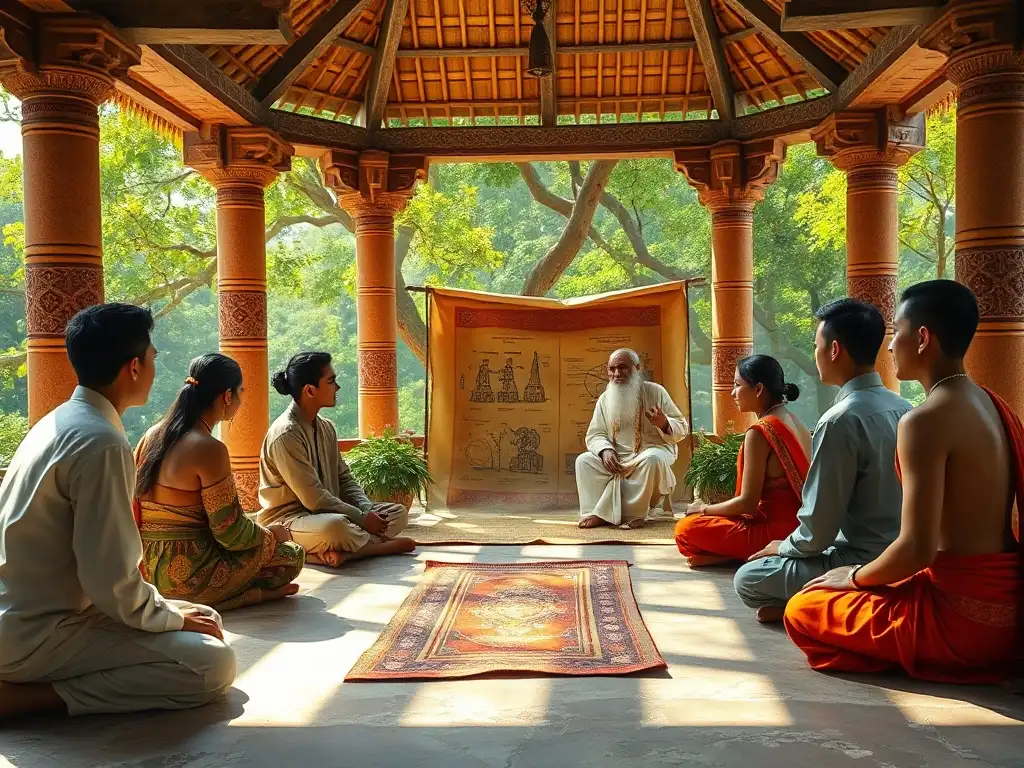
Welcome to Ancient India History, where we embark on a fascinating journey through the vibrant tapestry of ancient Indian civilizations. Delve into the rich and diverse history that shaped not only India but also the broader world, exploring themes from the Indus Valley to the Gupta Empire. Today, we invite you to uncover the profound influence of ancient Indian education on Southeast Asian learning systems. How did the wisdom of ancient scholars transcend borders and foster cultural exchanges? Join us as we unravel this captivating narrative and ignite your curiosity about the enduring legacy of education in shaping societies.
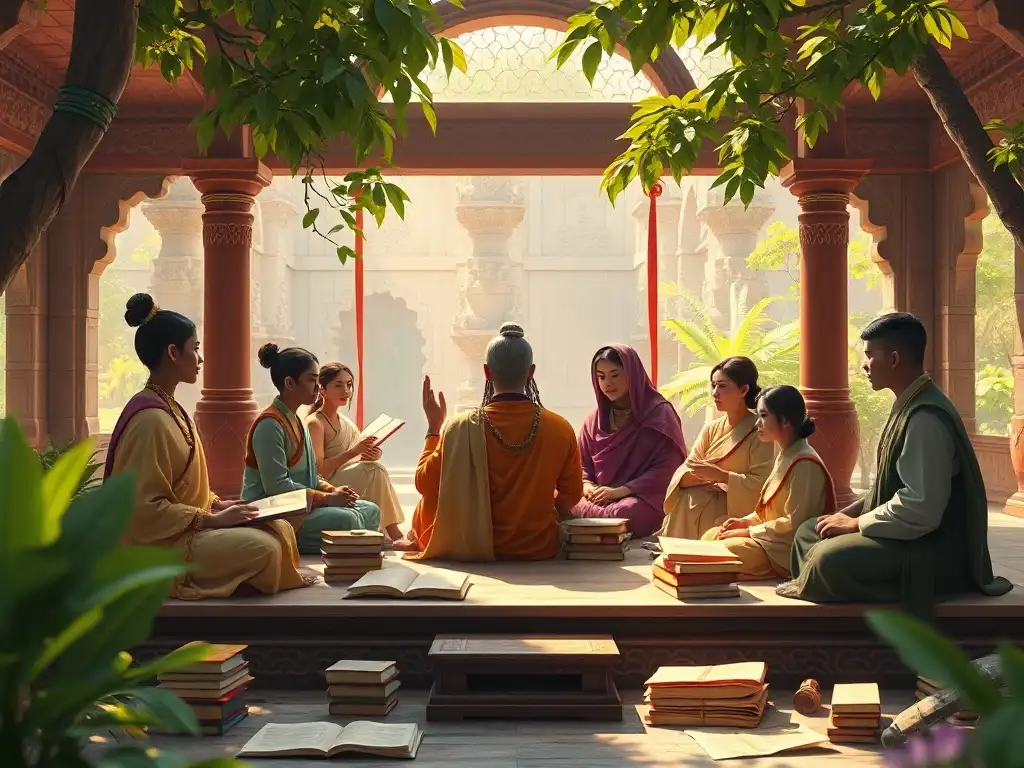
Introduction to Ancient Indian Education Influence
The influence of ancient Indian education on Southeast Asian learning systems is a profound and multifaceted topic that sheds light on the cultural exchanges between these regions. As one of the earliest centers of learning, ancient India developed a rich educational tradition that not only shaped its own civilization but also left an indelible mark on neighboring cultures, especially in Southeast Asia.
This article delves into the ways in which ancient Indian educational practices, philosophies, and texts permeated Southeast Asian societies, thereby fostering intellectual growth, cultural integration, and the establishment of educational institutions. By examining the historical contexts and key contributors to this educational influence, we can better appreciate the enduring legacy of ancient Indian education.
Historical Context of Ancient Indian Education
Origins of Education in Ancient India
The roots of education in ancient India can be traced back to the Vedic period (c. 1500 – 500 BCE), where learning was primarily oral and focused on the transmission of sacred texts known as the Vedas. This period emphasized the importance of knowledge, discipline, and moral values. The Gurukul system emerged, where students lived with their teacher (guru) and engaged in a holistic curriculum that included subjects such as philosophy, mathematics, astronomy, and the arts.
Key features of this early educational system included:
- Oral Tradition: Knowledge was passed down orally, reinforcing the importance of memory and recitation.
- Mentorship: Students developed a close relationship with their gurus, who served as both teachers and spiritual guides.
- Diverse Curriculum: Subjects ranged from religious texts to sciences and arts, promoting a well-rounded education.
As India transitioned into the Maurya and Gupta Empires, educational institutions known as Nalanda and Taxila flourished, becoming significant centers of learning, attracting students from various regions, including Southeast Asia.
Key Educational Texts and Philosophies
Ancient Indian education was deeply intertwined with various philosophical texts and teachings that contributed to its influence on Southeast Asia. Notable texts include:
- The Vedas: These foundational texts provided spiritual and philosophical insights that shaped educational curricula.
- The Upanishads: Focusing on metaphysical concepts, these texts encouraged deep contemplative thought and inquiry.
- The Arthashastra: Authored by Kautilya, this work offered practical knowledge on governance, economics, and military strategy, enriching the political and administrative education.
Philosophical schools such as Buddhism and Jainism also played a critical role in shaping educational thought, emphasizing ethical conduct, critical thinking, and the pursuit of knowledge.
The dissemination of these texts and philosophies through trade routes and cultural exchanges established a framework for education in Southeast Asia, leading to the rise of local learning systems that incorporated elements of ancient Indian thought.
As we explore the impact of ancient Indian education on Southeast Asian learning systems, it becomes evident that this rich tapestry of knowledge has not only shaped educational practices but has also fostered a deeper understanding of cultural interconnectedness across regions.
Mechanisms of Influence on Southeast Asian Education
The influence of ancient Indian education on Southeast Asian learning systems can be attributed to various mechanisms that facilitated cultural exchanges and the dissemination of knowledge. Through a combination of trade, migration, and the establishment of educational institutions, ancient Indian educational practices and philosophies permeated Southeast Asia, leaving a lasting impact on its educational frameworks.
Trade Routes and Cultural Exchanges
The extensive trade routes established between India and Southeast Asia played a crucial role in the transfer of educational ideas and practices. Indian merchants and traders traveled across the seas, carrying not only goods but also cultural knowledge and philosophical concepts. Key maritime routes connecting the Indian subcontinent to Southeast Asia facilitated the movement of scholars, monks, and educators who shared Indian educational principles.
- Maritime Silk Route: This trade route allowed for the exchange of goods and ideas, leading to the introduction of Indian educational texts, languages, and methods.
- Cultural Melting Pots: Ports such as those in modern-day Indonesia and Malaysia became melting pots of Indian culture, where locals adopted Indian educational practices.
The interaction between Indian and Southeast Asian cultures fostered a mutual exchange of knowledge, leading to the adaptation of Indian educational systems that aligned with local customs and traditions.
Adoption of Indian Educational Institutions
As Indian influence spread through trade and cultural exchanges, Southeast Asian societies began to adopt and adapt Indian educational institutions. Notable examples include the establishment of Buddhist monasteries and Hindu temples, which served as centers for learning and scholarship.
- Buddhist Monasteries: Institutions like Nalanda and Vikramashila became models for monasteries in Southeast Asia, where monks not only practiced religion but also taught various subjects, including philosophy and the arts.
- Hindu Temples: Temples such as Angkor Wat in Cambodia served dual purposes as places of worship and learning, reinforcing the intertwining of religion and education.
The adoption of these institutions facilitated the spread of Sanskrit and Pali languages, along with Indian literature and sciences, contributing to the development of local educational systems.
Key Features of Ancient Indian Education Influencing Southeast Asia
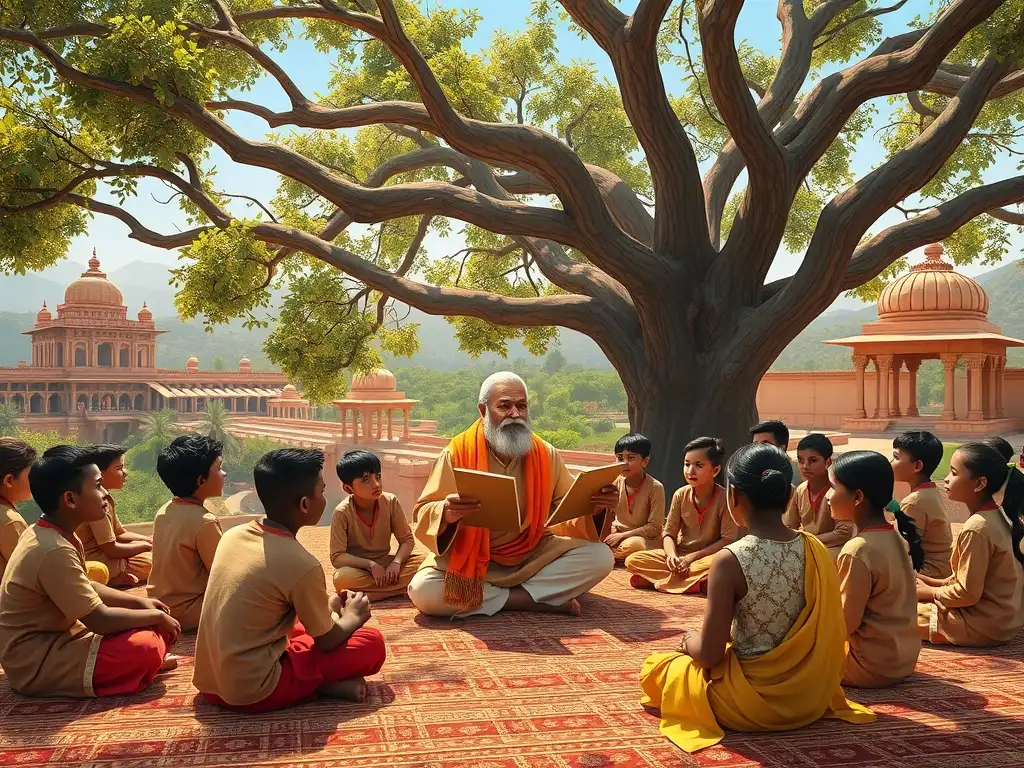
Ancient Indian education was characterized by specific features that significantly influenced Southeast Asian learning systems. These included a structured curriculum, a focus on moral and philosophical teachings, and innovative teaching methods that catered to diverse learning needs.
Curriculum and Subjects Taught
The curriculum of ancient Indian education encompassed a wide range of subjects, which were integral in shaping Southeast Asian educational content.
- Core Subjects: Subjects such as grammar, philosophy, mathematics, astronomy, and medicine formed the backbone of the curriculum, reflecting a well-rounded educational approach.
- Cultural and Religious Studies: The inclusion of religious texts and moral teachings was pivotal, as it instilled ethical values and cultural identity among students.
This diverse curriculum not only enriched the intellectual landscape of Southeast Asia but also ensured that students were well-versed in both secular and sacred knowledge.
Teaching Methods and Learning Techniques
Ancient Indian educational practices employed various teaching methods that emphasized critical thinking, dialogue, and experiential learning, which were instrumental in shaping the educational ethos of Southeast Asia.
- Guru-Shishya Tradition: This method involved a close mentor-mentee relationship, fostering personalized learning and moral guidance. The guru played a central role in imparting knowledge, leading to deep intellectual engagement.
- Oral Transmission and Debate: The tradition of oral transmission of knowledge and the practice of debate encouraged active participation and critical analysis, which resonated with Southeast Asian learning practices.
These innovative teaching techniques not only facilitated the learning process but also nurtured a culture of inquiry and intellectual discourse in Southeast Asian societies, reflecting the profound impact of ancient Indian education.
Impact on Southeast Asian Cultures and Societies
The influence of ancient Indian education on Southeast Asian cultures and societies is profound, shaping various aspects of life, including governance, arts, architecture, and social structures. Indian educational systems introduced a formalized method of scholarly learning that emphasized philosophy, mathematics, astronomy, and the arts, which were absorbed and adapted by Southeast Asian cultures. This transfer of knowledge facilitated cultural exchanges that led to the development of local educational institutions modeled after Indian prototypes.
In addition to formal education, the integration of Indian concepts into local customs and practices significantly impacted societal norms. The spread of Sanskrit, the language of ancient Indian education, enriched local languages and literature. Moreover, the promotion of literacy through Indian educational practices led to the documentation of local histories and traditions, fostering a sense of identity among Southeast Asian communities. Overall, the ancient Indian education influence catalyzed a cultural renaissance in Southeast Asia, creating a legacy that continues to resonate in contemporary societies.
Language and Literature
Ancient Indian education played a crucial role in the development of language and literature in Southeast Asia. The introduction of Sanskrit as a scholarly language provided a foundation for the evolution of local languages such as Khmer, Javanese, and Thai. This linguistic exchange not only enriched vocabulary but also influenced grammatical structures and literary forms.
As Indian epics like the Ramayana and Mahabharata were transmitted to Southeast Asia, they were adapted into local versions, becoming integral parts of regional literature. These texts often incorporated local themes and characters, reflecting the unique cultural identities of the societies that embraced them. Furthermore, the establishment of institutions like the Nalanda University contributed to a vibrant literary culture, encouraging the composition of poetry, drama, and philosophical treatises that blended Indian and local traditions. This melding of influences has resulted in a rich tapestry of literature that continues to be celebrated today.
Religion and Philosophy
The philosophical teachings and religious doctrines stemming from ancient Indian education significantly influenced the spiritual landscape of Southeast Asia. Concepts of Hinduism and Buddhism, transmitted through educational and monastic systems, shaped the region's belief systems and practices. The establishment of temples and monasteries served as centers of education, disseminating knowledge about philosophy, ethics, and cosmology.
The integration of Indian religious texts, such as the Vedas and Upanishads, into local practices fostered a synthesis of beliefs, leading to unique interpretations of Hindu and Buddhist philosophies. This blending is evident in the development of local deities and rituals that incorporate Indian elements while reflecting indigenous traditions. The emphasis on moral and ethical teachings from these philosophical systems has continued to influence societal values and governance in Southeast Asian nations, promoting harmony and community engagement.
Case Studies of Specific Southeast Asian Countries
Indonesia
In Indonesia, the influence of ancient Indian education is particularly notable in the island of Java, where Hindu and Buddhist kingdoms flourished. The establishment of educational institutions such as the ancient school in Trowulan facilitated the dissemination of Indian knowledge. This led to the creation of monumental works, like the Prambanan and Borobudur temples, which embody the architectural genius influenced by Indian designs.
Moreover, the adaptation of Indian literary forms is evident in the way local epic tales have evolved, often incorporating themes and characters from Indian epics. The Indonesian language absorbed many Sanskrit terms, enriching its lexicon. The spiritual teachings of Hinduism and Buddhism also permeated societal norms, influencing governance and communal life in profound ways.
Thailand
Thailand's educational landscape was deeply shaped by ancient Indian influences, particularly through the spread of Buddhism. The establishment of the Dvaravati kingdom in the 6th century marked the beginning of significant Indian cultural and educational impact. The introduction of Pali, the liturgical language of Theravada Buddhism, facilitated the transmission of religious texts and philosophical teachings.
Thai literature reflects this influence, with many works drawing inspiration from Indian epics. The educational system evolved to include Buddhist monasteries, which became centers of learning, not only for religious studies but also for literature, art, and philosophy. The integration of Indian concepts of governance and ethics contributed to the development of Thailand's unique cultural identity, blending indigenous practices with the rich heritage of ancient Indian education.
Challenges and Limitations of Ancient Indian Education Influence
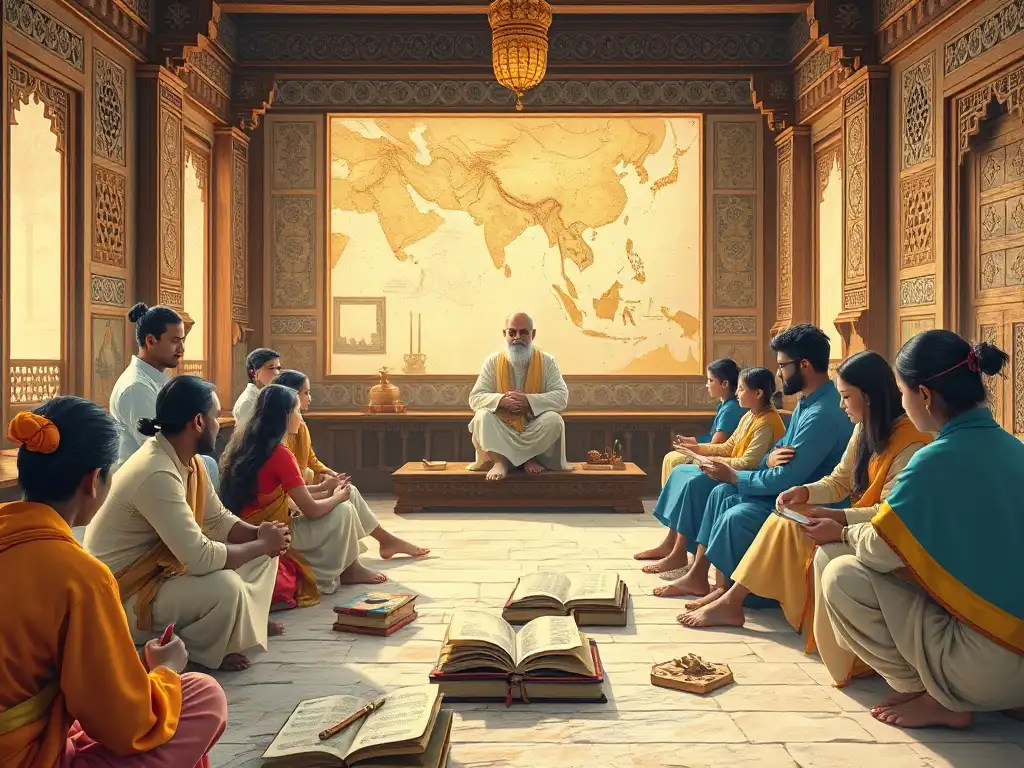
While ancient Indian education had a significant impact on Southeast Asian learning systems, it was not without its challenges and limitations. Various factors influenced how effectively these educational practices were adopted and adapted in different Southeast Asian contexts.
- Cultural Differences: The diverse cultural landscapes of Southeast Asia posed a significant challenge. Each region had its own indigenous systems of knowledge and cultural practices, which sometimes conflicted with the Indian educational paradigms. This resulted in selective adaptation rather than wholesale acceptance of Indian educational methodologies.
- Geopolitical Factors: The political landscape during the periods of Indian influence was marked by shifting alliances and conflicts. The rise of local powers and the decline of Indian kingdoms occasionally disrupted the flow of educational ideas and teachers. This inconsistency affected the establishment of stable educational institutions, leading to uneven dissemination of Indian educational principles.
- Language Barriers: The linguistic diversity in Southeast Asia created obstacles for the transmission of Indian texts and philosophies. While Sanskrit and Pali were instrumental in disseminating Indian knowledge, the inability of some local populations to engage with these languages limited access to educational resources.
- Economic Constraints: The establishment of educational institutions often required considerable resources, which were not always available in the emerging economies of Southeast Asia. Local rulers sometimes prioritized military and agricultural investments over educational development, leading to a slower integration of Indian educational practices.
Resistance and Adaptation
Despite the challenges, many Southeast Asian societies exhibited a remarkable ability to resist and adapt elements of ancient Indian education. This resistance can be understood in several dimensions:
- Indigenous Knowledge Systems: Many regions retained their traditional forms of education, which were deeply rooted in local customs and philosophies. This led to a hybridization of educational practices where Indian concepts were integrated with local knowledge systems.
- Selective Adoption: Southeast Asian states often adopted specific elements of Indian education that resonated with their existing practices. For example, the emphasis on literature, philosophy, and religious studies found a place within local educational frameworks, while other aspects, such as the rigid caste system associated with traditional Indian education, were largely ignored.
- Cultural Syncretism: The interaction between Indian and Southeast Asian cultures led to a unique form of educational syncretism. This was evident in the establishment of Buddhist monastic schools, which combined Indian teachings with local spiritual practices, creating a distinct educational identity that was both Indian and Southeast Asian.
Decline of Indian Educational Influence
The decline of Indian educational influence in Southeast Asia can be attributed to several interrelated factors:
- Rise of Local Institutions: Over time, local educational institutions began to emerge, rooted in indigenous practices and knowledge. These institutions often replaced Indian models, reflecting the need for a more culturally relevant education system tailored to local contexts.
- Colonial Encroachment: The arrival of European colonial powers in Southeast Asia significantly altered the educational landscape. Western education systems, which emphasized science and technology, overshadowed the traditional Indian influences. This shift often marginalized ancient Indian educational practices, leading to their decline.
- Cultural and Religious Shifts: The spread of Islam in parts of Southeast Asia introduced new educational paradigms that further diluted Indian influence. Islamic educational systems, with their own methods and content, gained prominence, particularly in regions like Indonesia and Malaysia.
- Globalization and Modernization: The modern era brought about extensive globalization and modernization, which transformed educational priorities. The focus shifted towards formal education systems aligned with Western ideals, creating a further disconnect from ancient Indian educational traditions.
Conclusion: Legacy of Ancient Indian Education
The legacy of ancient Indian education on Southeast Asian learning systems is complex and multifaceted. Despite the challenges, resistance, and eventual decline of its influence, the foundational principles of Indian educational thought have left a lasting imprint on the region.
- Cultural Exchange: The interactions between Indian and Southeast Asian educational practices fostered a rich tapestry of learning that emphasized critical thinking, philosophical inquiry, and the importance of literature and arts.
- Enduring Traditions: Elements of ancient Indian education, particularly in religious and philosophical studies, continue to resonate in contemporary Southeast Asian educational practices. Monastic education, for instance, still reflects the influence of ancient Indian models.
- Historical Significance: Understanding the impact of ancient Indian education on Southeast Asian systems is crucial for appreciating the broader narrative of cultural exchange in the region. It highlights how educational practices can traverse geographical boundaries, influencing societies in profound ways.
While ancient Indian educational influence faced significant challenges and limitations, its legacy endures, shaping the educational frameworks of Southeast Asia and contributing to the region's rich history of learning and culture.
Future Research Directions
The examination of the influence of ancient Indian education on Southeast Asian learning systems presents numerous avenues for future research. Scholars and researchers can delve deeper into various aspects that remain underexplored, potentially enriching our understanding of this significant historical connection.
-
Comparative Studies of Educational Systems
Future research could benefit from comparative analyses between specific educational practices in ancient India and their counterparts in Southeast Asia. By investigating the curriculum, pedagogical methods, and assessment techniques used in institutions such as the Nalanda University and the various monastic schools in Southeast Asia, researchers can draw clearer parallels and distinctions. Such studies could reveal how ancient Indian scholars adapted and modified educational principles to suit local contexts.
-
The Role of Language and Literature
The transmission of knowledge was significantly influenced by language and literature. Exploring how Sanskrit and Pali texts were interpreted and utilized in Southeast Asia can uncover the nuances of educational influence. Research could focus on the impact of these texts on local literary traditions and how they shaped philosophical and religious thought in the region, fostering a rich tapestry of cultural exchange.
-
Impact of Trade Routes on Educational Exchange
The role of trade routes in facilitating cultural exchange, including educational practices, warrants further investigation. Future studies could analyze how merchants, travelers, and monks served as conduits for knowledge transfer, examining specific routes such as the Maritime Silk Road. Understanding these dynamics can provide insights into the broader socio-economic context that enabled the spread of ancient Indian educational ideologies.
-
Archaeological Evidence and Material Culture
The integration of archaeological findings with historical narratives can enhance our understanding of ancient education. Researchers are encouraged to explore remnants of ancient educational institutions, artifacts, and inscriptions that reflect educational practices. This material culture can offer concrete evidence of the influence of ancient Indian education in Southeast Asia, contributing to a more comprehensive historical narrative.
-
Modern Implications and Legacy
Investigating the legacy of ancient Indian educational practices in contemporary Southeast Asian education systems can yield valuable insights. Future research could explore how historical influences persist in modern curricula and pedagogical approaches, as well as the revival of traditional educational practices in certain regions. This line of inquiry can help to understand the ongoing relevance of ancient educational philosophies in today's globalized world.
By pursuing these research directions, scholars can deepen their understanding of the intricate web of influence between ancient Indian education and Southeast Asian learning systems, ultimately contributing to the broader discourse on cultural exchanges and historical connections.
- Introduction to Ancient Indian Education Influence
- Historical Context of Ancient Indian Education
- Mechanisms of Influence on Southeast Asian Education
- Key Features of Ancient Indian Education Influencing Southeast Asia
- Impact on Southeast Asian Cultures and Societies
- Case Studies of Specific Southeast Asian Countries
- Challenges and Limitations of Ancient Indian Education Influence
- Conclusion: Legacy of Ancient Indian Education
- Future Research Directions
- What was the focus of education in ancient India?
- How did ancient Indian educational methods influence Southeast Asia?
- What role did universities play in ancient Indian education?
- How did the Gupta Empire contribute to education in ancient India?
- What is the legacy of ancient Indian education today?
Frequently Asked Questions
What was the focus of education in ancient India?
Ancient Indian education emphasized holistic development, covering subjects like philosophy, mathematics, and sciences, with a strong emphasis on moral values and ethics.
How did ancient Indian educational methods influence Southeast Asia?
Ancient Indian educational practices, particularly from the Buddhist and Hindu traditions, significantly shaped Southeast Asian learning systems, introducing curricula and teaching methods that prioritized critical thinking.
What role did universities play in ancient Indian education?
Universities such as Nalanda and Taxila were centers of learning that attracted scholars from across Asia, fostering an environment of intellectual exchange and contributing to the global spread of knowledge.
How did the Gupta Empire contribute to education in ancient India?
The Gupta Empire is often referred to as a Golden Age for education, witnessing advancements in literature, astronomy, and mathematics, which influenced educational practices beyond its borders.
What is the legacy of ancient Indian education today?
The legacy of ancient Indian education persists in modern educational systems, particularly in the emphasis on critical thinking, holistic learning, and the integration of spirituality and ethics in education.
Final Reflection: The Enduring Legacy of Ancient Indian Education
The influence of ancient Indian education on Southeast Asian learning systems is not just a historical footnote; it is a testament to the power of knowledge transcending borders and cultures. Today, as we navigate a rapidly globalizing world, the principles and methodologies established by ancient Indian scholars continue to resonate, shaping educational frameworks and philosophies across the region. This enduring legacy reminds us that education is a dynamic force capable of fostering unity and understanding among diverse cultures.
The impact of ancient Indian education can be seen in the rich tapestry of Southeast Asian cultures, where traditional learning systems have evolved yet still bear the marks of their Indian roots. The integration of holistic education, emphasis on critical thinking, and the pursuit of knowledge for personal and communal growth reflect a profound cultural exchange that remains relevant today.
As Mahatma Gandhi once said, “Live as if you were to die tomorrow. Learn as if you were to live forever.” This quote encapsulates the spirit of lifelong learning that ancient Indian education instilled, encouraging individuals to seek wisdom and understanding throughout their lives.
As we reflect on the lessons from ancient Indian education, let us embrace the call to cultivate a mindset of curiosity and openness in our own lives. Consider how you can apply these timeless principles in your personal and professional journey. Whether through fostering a love for learning, engaging in cultural exchanges, or advocating for inclusive education, each of us has the power to contribute to a more interconnected and enlightened world. Let us honor the legacy of ancient Indian education by becoming lifelong learners and champions of knowledge in our communities.
Unleash the Power of Ancient Wisdom!
Thank you for exploring the profound impact of ancient Indian education on Southeast Asian learning systems. Your curiosity unlocks new insights and helps us appreciate the rich legacy of knowledge that has shaped cultures for centuries. Now, let’s take that newfound understanding and turn inspiration into action!
- Dive Deeper: Explore foundational texts from ancient Indian scholars, such as the Vedas and Upanishads, to enrich your perspective on education.
- Share the Knowledge: Discuss your discoveries with friends or on social media to spread awareness of this fascinating topic and invite others to join the conversation.
- Join a Community: Connect with local or online groups interested in the history of education—exchange ideas and learn together about how ancient wisdom continues to influence modern learning.
What insights from ancient Indian educational systems could you apply to enhance today's learning experiences in your community?