
The Cultural Significance of Rituals in Ancient Indian Education

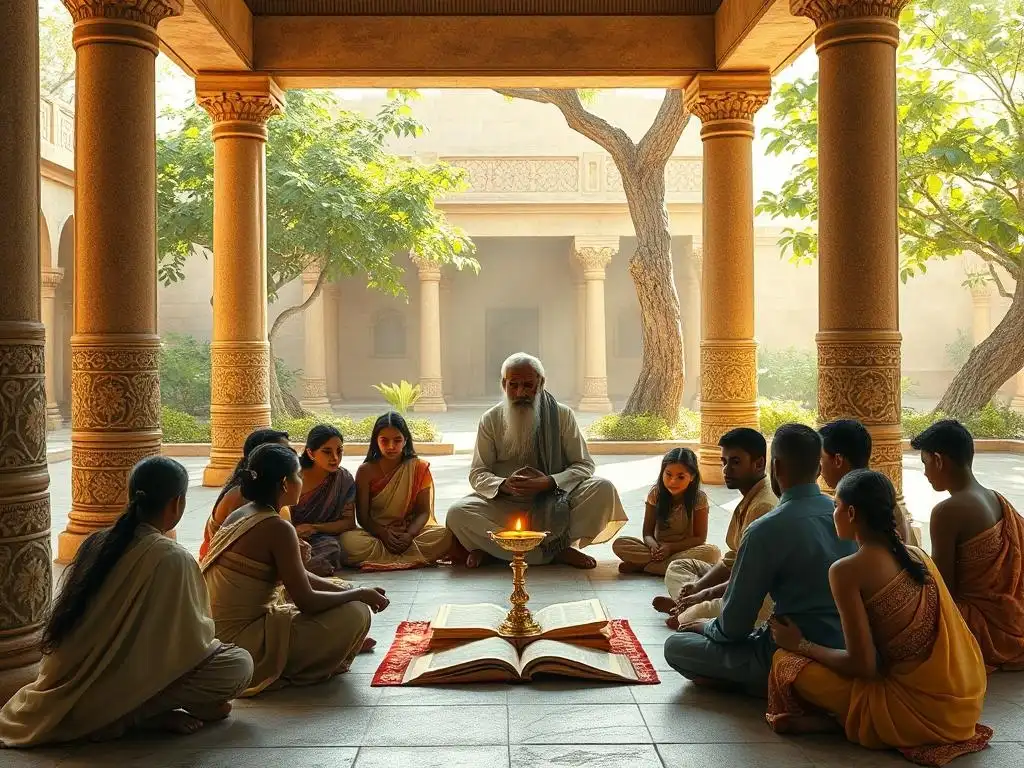
Welcome to Ancient India History, where we embark on a journey through the vibrant tapestry of India's past. Within these pages, you will uncover the fascinating connections between culture and education that shaped ancient civilizations. In our featured article, "The Cultural Significance of Rituals in Ancient Indian Education," we delve into the profound rituals that were not merely traditional practices, but essential elements that influenced the very fabric of learning and knowledge during this remarkable era.
Prepare to ignite your curiosity as we explore how these rituals not only enriched education but also fostered a deep sense of community and identity. Join us as we unveil the stories that lie beneath the surface of ancient teachings!
Introduction to Rituals in Ancient Indian Education
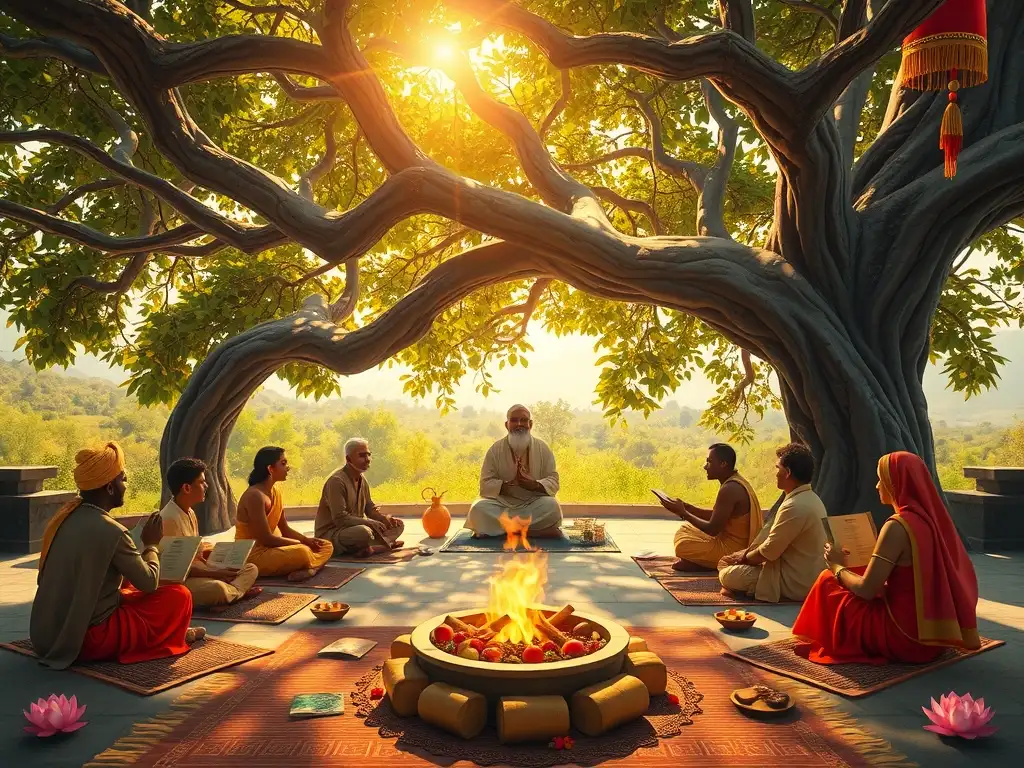
The cultural significance of rituals in ancient Indian education extends far beyond mere ceremonial practices; these rituals played a fundamental role in shaping the educational landscape of ancient India. From the earliest days of the Indus Valley Civilization to the flourishing of renowned universities like Nalanda and Takshashila, rituals were intricately woven into the fabric of educational systems. They served not only as methods of imparting knowledge but also as frameworks for instilling ethical values and social responsibilities among students. Understanding these rituals provides valuable insights into the pedagogical approaches and cultural ethos of ancient Indian societies.
Definition of Rituals in the Context of Education
In the context of education, rituals can be defined as structured practices or ceremonies that are performed with specific intentions and meanings. These rituals often included:
- Initiatory rites: Marking the beginning of formal education, such as the upanayana (sacred thread ceremony).
- Daily practices: Regular recitations, prayers, or meditative exercises integrated into the learning process.
- Completion ceremonies: Rituals conducted at the conclusion of a course of study, celebrating the attainment of knowledge.
These rituals were not merely formalities; they were essential components that facilitated learning, fostered community bonds, and reinforced the spiritual and ethical dimensions of education.
Overview of Ancient Indian Educational Systems
The educational systems in ancient India were characterized by a unique blend of formal and informal methods of instruction. Key features included:
- Gurukul System: A traditional form of education where students lived with their teacher (guru) and learned through direct interaction and oral transmission.
- Vedic Education: Focused on the study of the Vedas, emphasizing memorization, recitation, and interpretation.
- Universities: Institutions like Nalanda and Takshashila that offered higher education across diverse subjects, including philosophy, medicine, and mathematics.
Rituals permeated these educational settings, establishing a sacred atmosphere conducive to learning and moral development.
Historical Context of Ancient Indian Education
To fully appreciate the cultural significance of rituals in ancient Indian education, it is essential to examine the historical context in which these systems flourished.
The Role of Education in Ancient Indian Society
Education in ancient India was not merely a tool for personal advancement; it was deeply intertwined with societal values and responsibilities. It aimed to cultivate:
- Knowledge and Wisdom: Preparing individuals to contribute meaningfully to society.
- Moral and Ethical Values: Instilling virtues such as truthfulness, righteousness, and compassion.
- Social Cohesion: Fostering a sense of belonging and responsibility within the community.
Rituals served as reminders of these ideals, reinforcing the connection between learning and ethical living.
Key Educational Institutions in Ancient India
Several educational institutions emerged as centers of learning, each with its own set of rituals and traditions:
- Nalanda University: One of the world's first residential universities, known for its rigorous academic standards and spiritual practices.
- Takshashila: An ancient university that attracted students from far and wide, offering a diverse curriculum and various initiation rituals.
- Vedic Schools: Centers focused on the study of scriptures, where rituals played a crucial role in the learning process.
These institutions not only contributed to the intellectual growth of individuals but also shaped the cultural and spiritual landscape of ancient India through their educational rituals.
The Importance of Rituals in Ancient Indian Education
Rituals played a pivotal role in shaping the educational landscape of ancient India, serving not only as a means of imparting knowledge but also as a framework for fostering moral values and cultural identity. The significance of rituals in ancient Indian education can be traced back to the Vedic period, where they were integral to the learning process. They provided a structured approach to education, where the act of learning was intertwined with spiritual and cultural practices.
These rituals helped students and teachers cultivate a sense of discipline, respect, and community. By engaging in rituals, students were not merely passive recipients of knowledge; they actively participated in a shared cultural heritage that emphasized the importance of learning as a lifelong pursuit. The communal aspect of these rituals also fostered strong bonds among students and teachers, creating an environment conducive to holistic education.
Furthermore, the rituals reinforced the values of humility, dedication, and reverence for knowledge. They served as a reminder of the deeper purpose of education beyond mere academic achievement, emphasizing personal growth and societal contribution. Thus, the rituals in ancient Indian education were not only ceremonial but were deeply embedded in the philosophy of learning, shaping the character and intellect of future generations.
Spiritual and Cultural Dimensions of Educational Rituals
The spiritual dimension of educational rituals in ancient India cannot be overstated. These rituals often involved prayers, chants, and offerings, which were believed to invoke divine blessings for the pursuit of knowledge. The act of learning was seen as a sacred journey, where students would seek guidance from higher powers to illuminate their minds.
Culturally, these rituals reflected the values and beliefs prevalent in society. They were often steeped in symbolism, with various elements representing concepts such as wisdom, purity, and enlightenment. For instance, the use of sacred texts during rituals underscored the importance of preserving and transmitting cultural heritage. This connection to spirituality and culture infused the educational process with a sense of purpose, transforming it into a rite of passage that connected students to their roots.
Additionally, these rituals promoted a collective identity among students. They participated in communal activities that celebrated their shared beliefs and values, fostering a sense of belonging. This aspect was particularly important in ancient Indian universities like Nalanda, where students hailed from diverse backgrounds yet united under the common goal of knowledge acquisition.
Rituals as a Means of Knowledge Transmission
Rituals served as a vital means of knowledge transmission in ancient Indian educational practices. They facilitated the encoding and preservation of knowledge across generations. The repetitive nature of rituals ensured that teachings were not only memorized but also internalized, allowing students to grasp complex philosophical concepts and ethical principles.
Moreover, rituals acted as a bridge between the theoretical and practical aspects of education. For example, during rituals such as the recitation of Vedic hymns, students learned both the content and the proper pronunciation, which was crucial for maintaining the integrity of the texts. This method of learning through ritualistic performance ensured that knowledge was transmitted accurately, preserving the richness of ancient Indian thought.
In addition, the communal aspect of rituals provided opportunities for collaborative learning. Students engaged in discussions and debates during ritualistic gatherings, enhancing their critical thinking and analytical skills. This interactive approach not only deepened their understanding but also encouraged the exploration of diverse perspectives, fostering a culture of inquiry and intellectual curiosity.
Types of Rituals in Ancient Indian Educational Practices
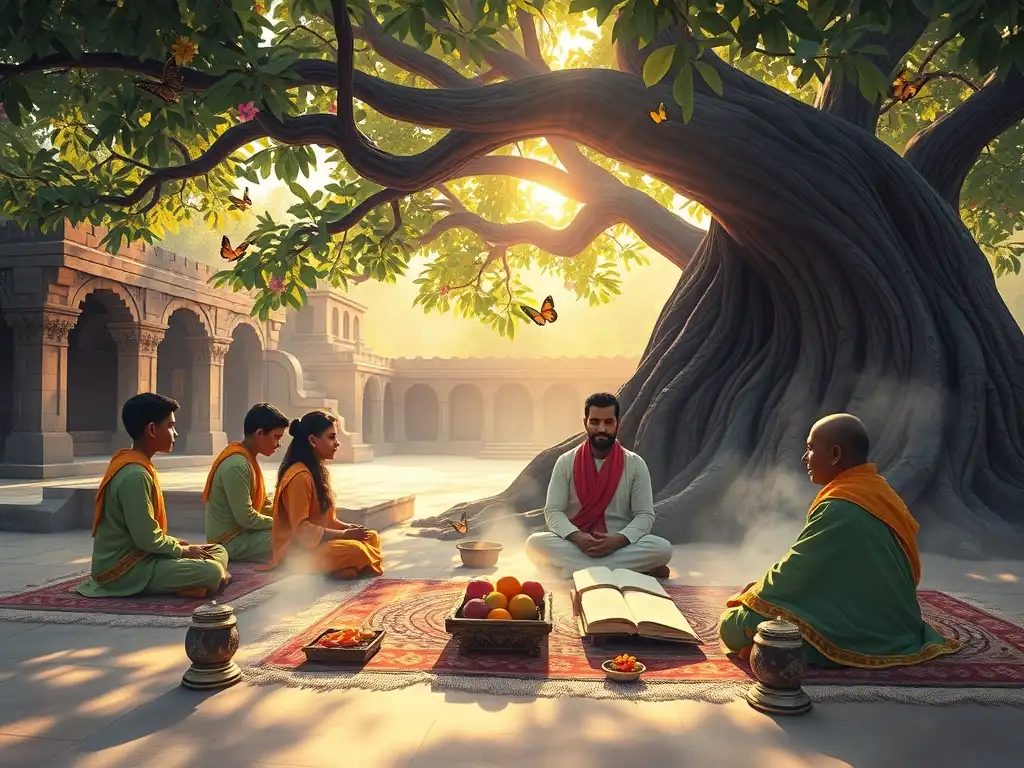
Rituals in ancient Indian education were diverse and multifaceted, reflecting the complexity of the educational system. They can be categorized into various types, each serving specific purposes in the learning process.
Initiation Rituals (Upanayana)
Initiation rituals, particularly the Upanayana, held immense significance in ancient Indian education. This rite of passage marked the formal entry of a student into the world of learning and was often associated with the sacred thread ceremony. The Upanayana symbolized the student's commitment to education and their readiness to embark on a spiritual and intellectual journey.
During this ritual, the guru (teacher) would impart the first lessons to the student, emphasizing the importance of discipline, devotion, and ethical conduct. The ceremony not only marked the beginning of formal education but also reinforced the bond between the student and teacher, establishing a relationship built on trust and respect.
The Upanayana was not limited to academic pursuits; it also emphasized the moral and spiritual responsibilities of students. By undergoing this ritual, students were reminded of their duty to uphold the values and teachings of their culture, ensuring that education was viewed as a holistic endeavor.
Daily Rituals in the Learning Environment
Daily rituals constituted an essential part of the learning environment in ancient Indian educational institutions. These rituals were designed to create a conducive atmosphere for learning and included practices such as morning prayers, meditation, and communal meals.
Morning prayers often involved recitations of sacred texts, setting a contemplative tone for the day ahead. This practice instilled a sense of discipline and focus among students, preparing them mentally for their studies. Meditation, a common aspect of daily rituals, promoted mindfulness and concentration, enhancing students' ability to absorb and retain knowledge.
Communal meals, another vital ritual, fostered camaraderie among students. Sharing food created a sense of community and reinforced the values of collaboration and mutual support. It also provided an opportunity for informal discussions about academic topics, facilitating peer learning and the exchange of ideas.
Rituals Associated with Teacher-Student Relationships
The relationship between teachers and students in ancient Indian education was steeped in rituals that emphasized respect, reverence, and mutual learning. These rituals were fundamental in establishing the guru-shishya (teacher-student) dynamic, which was characterized by deep respect for the teacher as a knowledge bearer.
One of the significant rituals associated with this relationship was the Guru Vandana, where students would pay homage to their teachers through gestures of respect, such as bowing or offering flowers. This act not only expressed gratitude but also reinforced the notion that knowledge is sacred and should be approached with humility.
Moreover, the exchange of gifts between students and teachers was common during significant occasions, symbolizing the acknowledgment of the teacher's role in the student's intellectual growth. These rituals fostered a sense of loyalty and commitment, encouraging students to strive for excellence in their studies.
In essence, the rituals associated with teacher-student relationships were crucial in cultivating an educational environment that valued respect, dedication, and the pursuit of knowledge as a noble endeavor.
The Symbolic Meaning of Rituals in Education
Rituals in ancient Indian education served as profound symbols of the transformative journey from ignorance to knowledge. They were embedded with rich meanings, reflecting the spiritual and philosophical underpinnings of the time. The rituals were not mere formalities; they were essential components that facilitated a deeper understanding of the universe and one's place within it.
These rituals often included invocations, meditations, and offerings, which highlighted the significance of respect for knowledge and the pursuit of enlightenment. Students participated in these rituals to cultivate a sense of discipline and commitment to their studies. The symbolic acts performed during these rituals were designed to align the learner's mind and spirit with the quest for wisdom, fostering a holistic educational experience that transcended the mere acquisition of information.
Furthermore, rituals connected students to their cultural heritage, reinforcing a collective identity and shared values. This sense of belonging and community was vital in maintaining the integrity of the educational system, as it encouraged mutual support and collaboration among students. Through these practices, knowledge was not just imparted but was celebrated as a sacred gift, linking the physical act of learning with deeper philosophical concepts and existential queries.
Rituals as a Pathway to Enlightenment
In ancient India, rituals were seen as pathways to enlightenment, guiding students through various stages of personal and intellectual development. The initiation ceremony, a common practice across educational institutions, marked the beginning of a student's academic journey. This rite of passage was not only about entering into a learning environment but also about embracing a life dedicated to knowledge and self-realization.
Rituals such as the recitation of sacred texts and the performance of meditative practices were integral to this transformative process. These activities were believed to purify the mind and spirit, allowing students to transcend the distractions of worldly life and focus on their studies. The use of mantras and prayers during these rituals served to invoke divine blessings, reinforcing the notion that education was not just a secular endeavor but a spiritual journey towards ultimate truth.
Moreover, the structured nature of these rituals provided a sense of order and discipline, essential qualities for achieving enlightenment. The repetitive and reflective aspects of the rituals fostered a deeper engagement with the material being studied, enabling students to internalize knowledge and wisdom more profoundly. In essence, these rituals acted as catalysts for personal growth, helping individuals to navigate their paths towards enlightenment amidst the complexities of life.
The Connection Between Rituals and Moral Education
Rituals in ancient Indian education were intricately linked to moral education, emphasizing the development of ethical values alongside intellectual achievements. The educational environment was not solely focused on academic success; it also aimed to cultivate virtuous individuals who would contribute positively to society.
Through rituals, students were taught the importance of virtues such as honesty, humility, respect, and compassion. For instance, rituals often included acts of service to teachers and elders, reinforcing the value of respect and gratitude. This connection between knowledge and morality was foundational in shaping the character of students, ensuring that they became not only learned individuals but also responsible citizens.
Additionally, the communal aspect of these rituals fostered a sense of accountability among students. Participating in group rituals reinforced the idea that actions have collective consequences, encouraging individuals to act with integrity and consideration for others. The moral teachings embedded within these rituals were vital in nurturing a sense of duty and responsibility, which were essential attributes in the governance and social structures of ancient Indian society.
Case Studies of Rituals in Prominent Ancient Indian Universities
The ancient Indian universities, particularly Nalanda and Takshashila, exemplified the profound role of rituals in education. Each institution had its own unique practices that reflected their philosophies and educational goals.
Ritual Practices at Nalanda University
Nalanda University, one of the most renowned centers of learning in ancient India, integrated various rituals into its educational framework. The university was characterized by its emphasis on Buddhist teachings, and rituals played a crucial role in both academic and spiritual life.
Students at Nalanda participated in daily rituals that included meditation, chanting, and communal prayers. These practices aimed to enhance concentration and foster a sense of peace, which was essential for deep learning and reflection. The initiation ceremony, known as Upanayana, marked a student's formal entry into the academic community, symbolizing their commitment to the pursuit of knowledge and virtue.
Moreover, the rituals at Nalanda often involved offerings to the Buddha and other deities, which were believed to invoke blessings for wisdom and clarity of thought. This integration of spirituality with education not only enriched the learning experience but also created a nurturing environment that supported personal growth and enlightenment.
Ritual Traditions at Takshashila University
Takshashila University, another prominent educational institution, had its own distinctive ritual traditions that shaped the educational experience. As one of the earliest universities in the world, Takshashila attracted students from various regions, creating a rich tapestry of cultural and philosophical exchanges.
Rituals at Takshashila included elaborate initiation ceremonies where students underwent a process of purification and commitment to their studies. These rituals served to unite students from diverse backgrounds under a common purpose, fostering a sense of community and shared values.
Additionally, the university emphasized the importance of debates and discussions, often preceded by rituals that invoked the presence of wisdom and learning. This practice not only prepared students for intellectual exchanges but also instilled values of respect and open-mindedness, crucial for moral education. The rituals at Takshashila thus played a significant role in cultivating an environment conducive to both scholarly pursuits and ethical development, underscoring the holistic approach to education in ancient India.
The Influence of Rituals on Modern Educational Practices
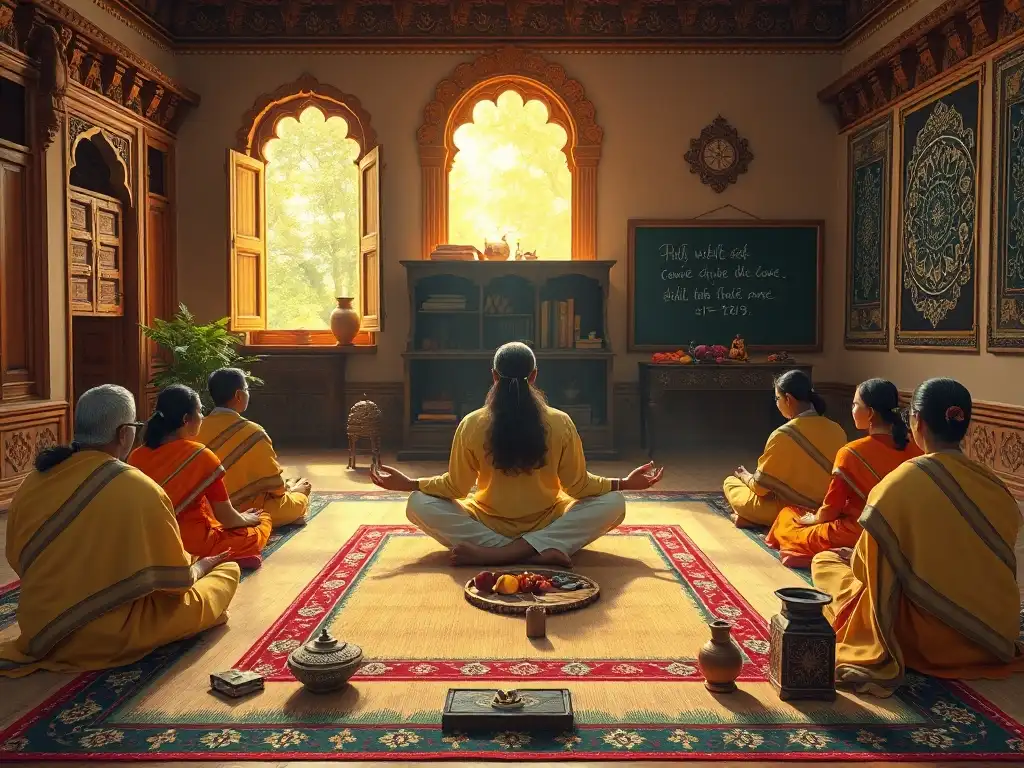
Rituals in ancient Indian education have left an indelible mark on contemporary educational practices, particularly in India. These rituals encompassed not only the formalized processes of learning but also the cultural and spiritual dimensions that accompanied education. Modern educational institutions often incorporate elements of these rituals, reflecting respect for tradition while adapting to contemporary needs.
For instance, the ceremony of 'Gurupurnima', a day dedicated to honoring teachers, continues to be celebrated in schools and colleges across India. Students express gratitude towards their teachers through rituals that include offerings of flowers and sweets, echoing the ancient practice of reverence towards educators. Similarly, the importance of 'Samskaras' or rites of passage, such as initiation ceremonies, persists in various forms in modern education, underscoring the transition into different stages of learning.
Moreover, the integration of meditation and mindfulness practices in educational settings can be traced back to ancient rituals aimed at fostering concentration and self-discipline. By adopting these practices, contemporary educational systems strive to create a holistic learning environment that nurtures both the mind and spirit, mirroring the comprehensive approach of ancient Indian education.
Continuing Traditions of Rituals in Indian Education Today
The legacy of ancient rituals is evident in various aspects of modern Indian education. Many institutions maintain traditional practices that have been passed down through generations, emphasizing their importance in shaping character and instilling values among students.
- Morning Assemblies: These often include prayers and songs that reflect cultural heritage, creating a sense of community and continuity with the past.
- Festivals and Celebrations: Educational institutions frequently celebrate traditional festivals, incorporating rituals that promote cultural understanding and collective identity among students.
- Rituals of Learning: Practices like 'Acharya Vandana', where students pay homage to their teachers at the beginning of the academic year, remain rooted in ancient traditions, reinforcing respect for knowledge and wisdom.
These ongoing rituals not only preserve the cultural significance of education but also foster a sense of belonging and identity among students, linking them to their historical roots.
Lessons from Ancient Rituals for Contemporary Education Systems
Ancient Indian rituals provide valuable insights for modern education systems, especially in fostering a culture of respect, discipline, and holistic development. Here are some key lessons:
- Emphasis on Community: Rituals that promote a sense of belonging can enhance student engagement and cooperation. Modern educational systems can draw from ancient practices that prioritize community building through collective rituals.
- Integration of Spirituality: Incorporating elements of spirituality and self-reflection into the curriculum can foster emotional intelligence and resilience among students. This approach can lead to a more balanced educational experience.
- Rituals as Learning Tools: Utilizing rituals as pedagogical tools can enhance learning experiences. For example, storytelling and role-playing, deeply embedded in ancient traditions, can be effectively used in modern classrooms to make learning more interactive and relatable.
By learning from these ancient practices, contemporary education can evolve into a more inclusive and holistic system that nurtures not just academic skills but also moral and ethical values.
Conclusion: The Lasting Legacy of Rituals in Ancient Indian Education
The influence of rituals in ancient Indian education extends beyond historical significance; it continues to shape modern educational practices and cultural identity. These rituals served as a framework for instilling values, discipline, and a sense of purpose among learners, creating a rich tapestry of educational experience that is still relevant today.
Summary of the Cultural Significance
Rituals in ancient Indian education were not merely ceremonial; they held profound cultural significance that encompassed the moral and ethical training of individuals. They played a crucial role in shaping the character of students, emphasizing the importance of knowledge, respect for teachers, and the pursuit of wisdom. The continued relevance of these rituals in modern education highlights their enduring legacy and cultural importance.
Future Research Directions on Rituals in Education
Further research is needed to explore the interplay between ancient rituals and contemporary educational practices. Potential areas of study include:
- Comparative Studies: Examining the role of rituals in education across different cultures and their impact on student outcomes.
- Longitudinal Studies: Investigating how the integration of traditional rituals affects student engagement and academic performance over time.
- Rituals and Technology: Exploring how modern technology can facilitate the incorporation of ancient rituals in educational settings, making them more accessible to today's digital learners.
By pursuing these research directions, scholars can better understand the significance of rituals in education and their potential to enrich the learning experience in a rapidly changing world.
References
Key Texts and Historical Sources on Rituals in Ancient Indian Education
The study of rituals in ancient Indian education is deeply rooted in several key texts and historical sources that provide insights into the educational practices of the time. Some of the most significant texts include:
- Vedas: The foundational texts of Hinduism, particularly the Rigveda, Yajurveda, Samaveda, and Atharvaveda, contain references to various rituals that were integral to the educational process, emphasizing the role of oral transmission of knowledge.
- Upanishads: These philosophical texts delve into the concepts of knowledge, learning, and the importance of rituals in achieving spiritual and intellectual enlightenment. They often depict the relationship between teacher (guru) and student (shishya) as a sacred bond strengthened through rituals.
- Smritis: Texts such as the Manusmriti detail the societal norms and educational guidelines of ancient India, highlighting how rituals were embedded in the educational system and how they contributed to moral and ethical instruction.
- Buddhist Texts: Works like the Dhammapada and various Sutras provide insights into the educational methods used in ancient Buddhist monastic schools, where rituals played a significant role in both teaching and learning processes.
- Commentaries and Treatises: Commentaries by scholars such as Shankaracharya and Raghuvansh explore the significance of rituals in the context of education, discussing how they align with the overall goals of learning and personal development.
Suggested Further Reading on Ancient Indian Educational Systems
For those interested in exploring more about the rituals in ancient Indian education and their broader context within educational systems, the following texts are invaluable resources:
- "Ancient Indian Education: A Socio-Historical Study" by J.P. Sharma: This book provides an extensive overview of the educational systems in ancient India, focusing on the role of rituals and their cultural significance.
- "The Philosophical Foundations of Indian Education" by R. S. Sharma: This text examines the philosophical underpinnings of ancient Indian education, including the influence of rituals on teaching methodologies and student learning experiences.
- "Education in Ancient India" by R. N. Sharma: A comprehensive study that traces the evolution of education in ancient India, highlighting the importance of rituals in both formal and informal education settings.
- "Rituals and Routines in Education" by S. K. Das: This work analyzes the impact of various rituals on educational practices and how they helped shape the moral and ethical framework of students in ancient Indian society.
- "Nalanda: The Ancient University of India" by R. K. Dasgupta: A detailed exploration of Nalanda University, one of the world's oldest residential universities, focusing on its curriculum and the role of rituals in its educational framework.
These texts collectively deepen our understanding of how rituals were woven into the fabric of ancient Indian education, shaping the minds and morals of future generations.
- Introduction to Rituals in Ancient Indian Education
- Historical Context of Ancient Indian Education
- The Importance of Rituals in Ancient Indian Education
- Types of Rituals in Ancient Indian Educational Practices
- The Symbolic Meaning of Rituals in Education
- Case Studies of Rituals in Prominent Ancient Indian Universities
- The Influence of Rituals on Modern Educational Practices
- Conclusion: The Lasting Legacy of Rituals in Ancient Indian Education
- References
- What were the key rituals in ancient Indian education?
- How did rituals impact the learning process in ancient India?
- Were there any specific rituals associated with different stages of education?
- What role did gurus play in the rituals of ancient education?
- How did these rituals reflect the cultural values of ancient Indian society?
Frequently Asked Questions
What were the key rituals in ancient Indian education?
The key rituals included initiation ceremonies, daily prayers, and ritualistic learning practices that emphasized spiritual and moral education alongside academic subjects.
How did rituals impact the learning process in ancient India?
Rituals served to enhance discipline, reinforce cultural values, and create a sacred atmosphere, thereby fostering a more profound learning experience for students.
Were there any specific rituals associated with different stages of education?
Yes, different stages such as initiation, study, and graduation had specific rituals that marked the progression of a student's journey and their readiness to enter the next phase of learning.
What role did gurus play in the rituals of ancient education?
Gurus were central to the rituals, guiding students through initiation rites and imparting knowledge while exemplifying the moral and ethical values of the teachings.
How did these rituals reflect the cultural values of ancient Indian society?
The rituals embodied the emphasis on spirituality, respect for knowledge, and the importance of community, reflecting the profound cultural values that shaped ancient Indian civilization.
Final Reflection: The Enduring Legacy of Rituals in Ancient Indian Education
The exploration of rituals in ancient Indian education reveals their profound relevance in today’s world. As we navigate an increasingly complex society, the structured practices and communal gatherings that once shaped the minds and spirits of students serve as a reminder of the importance of tradition in fostering identity and community. Rituals are not merely remnants of the past; they are vital threads that weave together the fabric of our cultural heritage.
Cultural rituals have a lasting impact on our social landscape, influencing how we learn, connect, and grow. The rituals of ancient Indian education were not just about imparting knowledge; they were about cultivating character, ethics, and a sense of belonging. As we reflect on this, we can appreciate the words of Mahatma Gandhi: Live as if you were to die tomorrow. Learn as if you were to live forever.
This sentiment encapsulates the essence of learning through ritual, emphasizing the continuous journey of education intertwined with life’s deeper meanings.
As we look to the future, let us take a moment to reflect on how we can incorporate the wisdom of these ancient practices into our modern lives. Consider how rituals can enhance your own educational experiences or those of others around you. Whether it’s establishing a daily practice of mindfulness, creating a community learning circle, or honoring traditions that resonate with your values, you have the power to enrich your life and the lives of others. Embrace the lessons of the past and let them guide you toward a more meaningful and connected future.
Unveil the Wisdom of Ancient Educational Rituals!
Thank you for taking the time to explore the profound cultural significance of rituals in ancient Indian education! You've uncovered valuable insights that can not only deepen your understanding of history but also inspire growth in your own learning journey.
Now, it’s time to take those insights and turn them into action! Here are a few practical steps you can take:
- Dive Deeper into Ancient Traditions: Visit local museums or utilize online resources to discover more about the rituals that shaped ancient Indian education.
- Start Your Own Learning Ritual: Create a personal learning practice that embodies the values you admire from this era, such as daily reflection or forming study groups.
- Share & Discuss: Engage with friends or on social media about the impact of educational rituals. Consider initiating a conversation on how these ancient principles can be applied to contemporary education!
Which ancient ritual resonates with you the most, and how can you incorporate its lessons into your own educational practices?