
Itihasas: The Historical Chronicles that Shaped Indian Culture

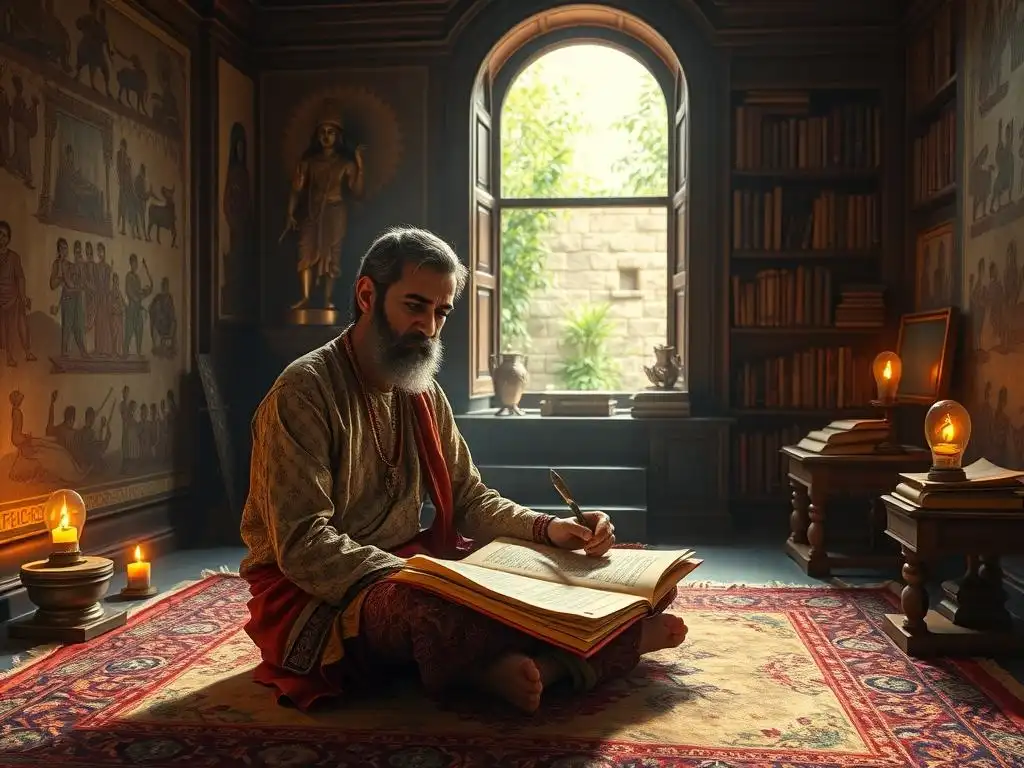
Welcome to Ancient India History, where we embark on a captivating journey through time, uncovering the rich tapestry of ancient Indian civilizations. In our featured article, “Itihasas: The Historical Chronicles that Shaped Indian Culture,” we delve into the profound ancient Indian historical chronicles that not only document a bygone era but also illuminate the cultural and philosophical foundations of modern India.
Prepare to be intrigued as we explore the literature that transcends mere epics, offering insights into the lives, beliefs, and legacies of those who came before us. Join us as we turn the pages of history and discover the stories waiting to be told!
Introduction to Ancient Indian Historical Chronicles
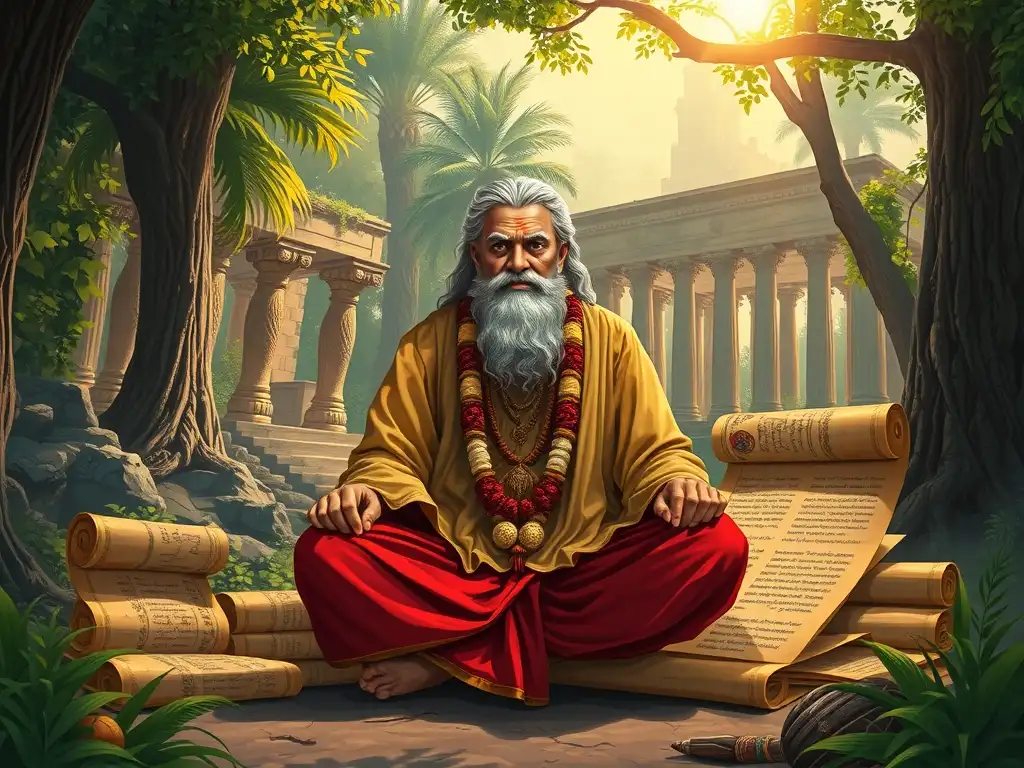
The rich tapestry of India’s history is woven with countless narratives, philosophies, and cultural reflections that have profoundly influenced the subcontinent's identity. Among these narratives, Itihasas stand out as pivotal historical chronicles that document not only events and legends but also the essence of ancient Indian culture. These chronicles, which include the revered texts of the Mahabharata and the Ramayana, provide invaluable insights into the social, political, and spiritual fabric of ancient Indian civilizations. By exploring the significant contributions of Itihasas, we can better understand how they have shaped Indian culture and continue to resonate with contemporary society.
Definition and Importance of Itihasas
The term Itihasa translates to "thus it was" in Sanskrit, encompassing a genre of historical narrative that combines mythology, history, and moral teachings. Itihasas serve as a bridge between the past and the present, offering a lens through which we can examine the values, beliefs, and practices of ancient Indian society. They are essential not only for their storytelling but also for their role in transmitting cultural heritage across generations.
The importance of Itihasas lies in several key areas:
- Cultural Reflection: They reflect the morals, ethics, and societal norms of ancient times.
- Historical Documentation: They provide a narrative of significant events, battles, and personalities that shaped the course of Indian history.
- Philosophical Insights: They present philosophical concepts that continue to influence modern thought.
Overview of Ancient Indian Historical Chronicles
Ancient Indian historical chronicles encompass a broad spectrum of texts that capture the essence of the civilization's evolution. These texts include the Itihasas, Puranas, and other historical accounts that document the life, traditions, and events from the Indus Valley Civilization through the Gupta Empire.
Key features of these chronicles include:
- Diverse Narratives: Each chronicle offers a unique perspective, reflecting regional variations and differing historical contexts.
- Integration of Myth and History: Many tales blend mythological elements with historical facts, creating a rich narrative style that engages readers.
- Preservation of Knowledge: These texts serve as repositories of knowledge, preserving ancient practices, rituals, and philosophies for future generations.
The Role of Itihasas in Indian Literature
Itihasas hold a critical place in the vast landscape of Indian literature, serving not only as historical records but also as foundational texts that have influenced various literary genres.
Itihasas vs. Puranas: Understanding the Distinction
While both Itihasas and Puranas are essential components of ancient Indian literature, they serve different purposes and convey distinct types of content:
- Itihasas: Focus on historical narratives, epic tales, and moral teachings. They typically center around major epics like the Mahabharata and Ramayana, emphasizing human experiences and virtues.
- Puranas: Primarily deal with mythological stories, cosmology, and religious teachings. They provide a broader view of the universe, the gods, and the creation of the world.
Recognizing these differences is crucial for understanding the unique contributions each genre makes to the preservation and transmission of ancient Indian culture.
Significance of Itihasas in Cultural Preservation
The significance of Itihasas extends beyond mere storytelling; they play a vital role in cultural preservation by:
- Maintaining Oral Traditions: Many Itihasas were originally transmitted orally, ensuring that stories and lessons were passed down through generations.
- Encouraging Moral and Ethical Values: The narratives often convey moral lessons that are integral to the cultural identity of Indian society.
- Fostering National Identity: Itihasas have contributed to a shared national identity among diverse communities in India, reinforcing common values and heritage.
Itihasas are not just historical chronicles; they are the heartbeat of ancient Indian culture, echoing through the ages and shaping the moral and ethical framework of society. Their exploration offers a fascinating glimpse into the complexities of India's past and its enduring influence on contemporary culture.
Major Itihasas and Their Historical Context
The Itihasas are ancient Indian historical chronicles that serve as a fundamental part of India's cultural and literary heritage. These texts, primarily the Ramayana and the Mahabharata, are more than mere stories; they encapsulate the values, ethical dilemmas, and social norms of their time. The Itihasas, composed in Sanskrit, reflect the historical context in which they were created, offering insights into the political, social, and spiritual landscape of ancient India.
The Ramayana, attributed to the sage Valmiki, narrates the life and adventures of Lord Rama, highlighting ideals of righteousness, devotion, and dharma (duty). The Mahabharata, traditionally ascribed to Vyasa, is a colossal narrative that intertwines the fates of the Kauravas and the Pandavas, exploring complex themes of justice, loyalty, and the human condition. Additionally, other texts like the Harivamsa and the Adi Parva contribute to the broader understanding of ancient Indian ethos and mythology, enriching the cultural fabric of India.
The Ramayana: A Chronicle of Virtue and Duty
The Ramayana is not just a story of Lord Rama's journey to rescue his wife, Sita, from the demon king Ravana; it is a profound exploration of virtue and duty. Comprising approximately 24,000 verses, this epic is divided into seven books (Kandas), each detailing various episodes of Rama's life, including his exile, the abduction of Sita, and the eventual battle to reclaim her.
At its core, the Ramayana emphasizes the importance of dharma, portraying characters that embody ideal qualities. Lord Rama is presented as the epitome of virtue, while Sita represents fidelity and courage. The interactions among the characters illustrate moral dilemmas and the significance of righteous behavior in societal and familial contexts. The Ramayana's influence extends beyond literature; it has shaped cultural practices, festivals, and the arts, resonating deeply in Indian society and beyond.
The Mahabharata: The Epic of Dharma and Conflict
The Mahabharata is one of the longest epics in the world, with around 100,000 verses, intricately weaving the story of the Kurukshetra War between the Pandavas and Kauravas. At its essence, the Mahabharata examines the concept of dharma—what is right and just—in the face of conflict and moral ambiguity.
Key characters such as Arjuna, who grapples with the ethical implications of war, and Krishna, who serves as his charioteer and guide, embody the complexities of moral choice. The text also includes the Bhagavad Gita, a philosophical discourse that addresses the nature of duty, righteousness, and the self, making it a cornerstone of Indian philosophy. The Mahabharata's exploration of human emotions, societal duty, and the consequences of actions has profoundly influenced Indian thought, arts, and religious practices, establishing its place as a vital part of ancient Indian historical chronicles.
Other Notable Itihasas: The Harivamsa, The Adi Parva
In addition to the Ramayana and Mahabharata, other Itihasas like the Harivamsa and the Adi Parva play significant roles in the tapestry of ancient Indian literature. The Harivamsa, often considered an appendix to the Mahabharata, elaborates on the life of Lord Krishna, detailing his divine exploits and teachings. It serves as an essential resource for understanding the Bhakti movement and the devotional aspect of Hinduism.
The Adi Parva, the first book of the Mahabharata, sets the stage for the epic's grand narrative. It introduces key characters, their genealogies, and the historical backdrop of the conflict, providing vital context for the events that unfold. Together, these texts enrich the understanding of ancient Indian culture, mythology, and the moral framework that guided the civilization.
Themes and Motifs in Ancient Indian Historical Chronicles
The Itihasas are rich with recurring themes and motifs that reflect the moral, social, and philosophical concerns of ancient Indian society. These narratives not only serve as entertainment but also as educational tools that convey important lessons about life, duty, and the human experience.
Exploration of Ethics and Morality in Itihasas
At the heart of the Itihasas lies a profound exploration of ethics and morality. Characters are often faced with dilemmas that challenge their understanding of right and wrong, illustrating the complexities of human behavior. The Ramayana portrays ideals of loyalty and honor, while the Mahabharata delves into the intricacies of justice and the consequences of war. These narratives encourage readers to reflect on their values and the impact of their decisions, fostering a deep engagement with ethical questions that remain relevant today.
The Impact of Historical Narratives on Indian Culture
The historical narratives found in the Itihasas have had a lasting impact on Indian culture, shaping religious practices, social norms, and artistic expression. Rituals, festivals, and theatrical performances often draw from these texts, reinforcing cultural identity and continuity. The moral lessons embedded within the Itihasas resonate across generations, influencing not only literature but also philosophy, law, and governance in ancient and contemporary India. As such, the Itihasas remain an integral part of the cultural consciousness, embodying the wisdom and heritage of ancient Indian civilization.
Contributions of Itihasas to Indian Society
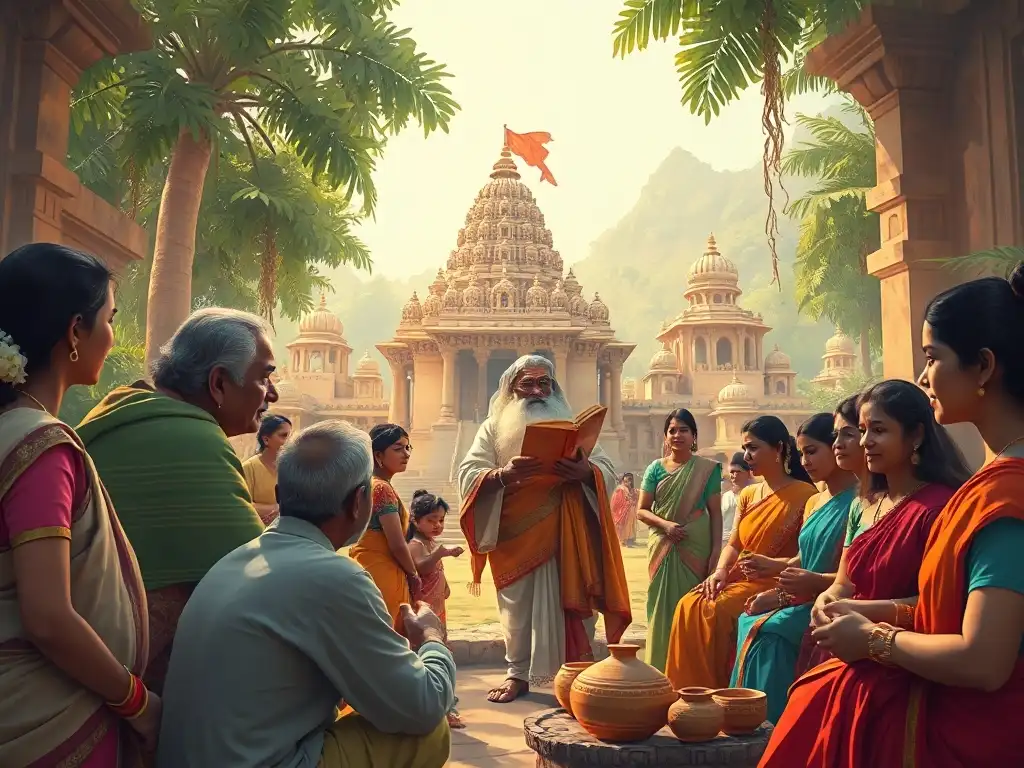
The Itihasas, which include the Mahabharata and the Ramayana, play a pivotal role in the development of Indian society. These ancient Indian historical chronicles are not merely religious texts but are deeply woven into the fabric of cultural, social, and moral life in India. They provide narratives that shape ethical values, societal norms, and community identities. The teachings, characters, and events depicted in these texts have influenced generations, fostering a collective ethos that resonates with the core principles of dharma (righteousness) and karma (action).
Influence on Art and Literature
The impact of Itihasas on art and literature is profound and far-reaching. Artists and writers throughout history have drawn inspiration from the rich narratives and characters found in these texts. For instance:
- Visual Arts: The Mahabharata and Ramayana have been depicted in various art forms, including paintings, sculptures, and murals. Temples across India, such as those in Khajuraho and Hampi, showcase intricate carvings that illustrate scenes from these epics, serving both as religious icons and as cultural storytelling mediums.
- Literary Works: Numerous poets and playwrights have adapted stories from the Itihasas, creating new interpretations and adaptations that resonate with contemporary audiences. Notable examples include Tulsidas's Ramcharitmanas, which reinterprets the Ramayana for a devotional audience, and various regional adaptations that celebrate local narratives while maintaining the essence of the original texts.
The Itihasas have thus contributed significantly to the evolution of Indian art and literature, creating a lasting legacy that continues to inspire creativity.
Shaping Religious and Philosophical Thought
The Itihasas have been instrumental in shaping the religious and philosophical landscape of India. They serve as foundational texts that articulate concepts of duty, morality, and spirituality. Their narratives encourage reflection on complex ethical dilemmas and present various paths to spiritual understanding.
- Philosophical Discourses: The Mahabharata, particularly in the Bhagavad Gita, presents profound philosophical discussions on life, duty, and the nature of reality. These teachings have influenced various schools of thought, including Vedanta and Yoga.
- Religious Practices: The epics also provide frameworks for rituals and worship, incorporating the lives and virtues of their characters into the spiritual practices of millions. Festivals, such as Diwali and Dussehra, celebrate themes from the Ramayana, reinforcing the beliefs and values derived from these texts.
Through these influences, the Itihasas have contributed to the rich tapestry of Indian religious and philosophical thought, guiding individuals in their spiritual journeys.
The Role of Itihasas in the Evolution of Indian Identity
Itihasas have played a crucial role in the formation of a collective Indian identity. By recounting the struggles, virtues, and victories of legendary figures, these texts foster a sense of unity and belonging among diverse communities.
- Cultural Unity: The shared narratives of the Mahabharata and Ramayana transcend regional and linguistic barriers, promoting a sense of common heritage among Indians. The themes of heroism, sacrifice, and moral integrity resonate deeply across different cultures within India.
- Historical Context: The Itihasas also provide a historical context for understanding the socio-political dynamics of ancient India. They serve as a lens through which the principles of governance, justice, and societal organization can be understood, thus contributing to a collective historical consciousness.
In this way, Itihasas shape not only personal identities but also the broader national narrative, influencing how Indians perceive their past and envision their future.
The Legacy of Itihasas in Modern Times
The legacy of the Itihasas continues to thrive in contemporary society, influencing various aspects of life, thought, and culture. As modern India navigates the complexities of globalization and cultural exchange, these ancient texts remain relevant and resonate with current issues.
Contemporary Relevance of Ancient Indian Historical Chronicles
In today's world, the themes and teachings of the Itihasas find new expressions and applications:
- Moral and Ethical Guidance: The narratives of the Itihasas continue to provide moral and ethical frameworks that are applicable in modern contexts. They inspire individuals to reflect on values such as honesty, integrity, and compassion in their personal and professional lives.
- Cultural Revitalization: There is a growing interest in reviving traditional wisdom and practices rooted in the Itihasas. Educational initiatives, workshops, and studies are increasingly focusing on the relevance of these texts in understanding contemporary societal challenges.
The ability of the Itihasas to adapt to modern contexts underscores their timelessness and profound significance in guiding contemporary thought.
Itihasas in Popular Culture and Media
The influence of Itihasas is vividly apparent in popular culture and media. They have been adapted into various formats, making them accessible to a broader audience:
- Television and Film: Numerous adaptations of the Ramayana and Mahabharata have been produced for television and cinema, captivating audiences with their dramatization of the characters and narratives. These adaptations often highlight the moral lessons embedded in the stories, making them relatable to modern viewers.
- Literature and Graphic Novels: The resurgence of interest in mythology has led to a flourishing genre of literature and graphic novels that reinterpret the Itihasas for younger audiences. Authors like Amish Tripathi and Devdutt Pattanaik have popularized these ancient narratives, blending them with contemporary storytelling techniques.
Through these adaptations, the Itihasas continue to shape cultural discourse and provide a touchstone for exploring identity, values, and heritage in modern India. Their enduring legacy is a testament to their foundational role in the history and culture of Indian civilization.
Conclusion: The Enduring Impact of Itihasas on Indian Civilization
The Itihasas, primarily represented by the Mahabharata and Ramayana, have left an indelible mark on the cultural, social, and spiritual fabric of Indian civilization. These texts, rich in narrative complexity and philosophical depth, offer insights into the values, ethics, and dilemmas faced by individuals and societies throughout ancient history. They serve not only as chronicles of historical events but also as repositories of moral guidance, shaping the worldview of generations.
The influence of Itihasas transcends literature; they have permeated various aspects of Indian life, including art, theater, and dance. The characters and stories within these texts have inspired countless adaptations, cementing their relevance in contemporary culture. Festivals, rituals, and performances still draw from the narratives found in the Itihasas, demonstrating their lasting appeal and significance.
Furthermore, the Itihasas also play a crucial role in understanding the socio-political dynamics of ancient India, providing context to the evolution of kingdoms, governance, and societal structures. Through these chronicles, scholars can trace the development of regional identities and the interconnections between different communities, enriching our comprehension of ancient Indian history.
Reflection on the Importance of Preserving Historical Chronicles
Preserving the Itihasas is vital for maintaining a connection to the rich heritage of ancient India. These chronicles are not merely literary works; they embody the collective memory of a civilization that has significantly influenced contemporary Indian society. The narratives encapsulate cultural practices, linguistic diversity, and philosophical inquiries that are essential to understanding Indian identity.
Moreover, as custodians of historical knowledge, the Itihasas offer lessons that resonate with modern audiences. The ethical dilemmas and moral quandaries presented in these texts encourage introspection and dialogue about contemporary issues. In an age where rapid change often overshadows tradition, the preservation of these chronicles serves as a reminder of enduring values and wisdom.
Efforts to digitize and translate these texts into various languages are crucial in making the Itihasas accessible to a broader audience. Educational institutions and cultural organizations play a pivotal role in promoting awareness and appreciation of these texts, ensuring that future generations can engage with their historical and cultural significance.
Future of Itihasas in the Study of Ancient Indian History
The future of Itihasas in the study of ancient Indian history appears promising, driven by a growing interest in interdisciplinary approaches that combine literature, archaeology, anthropology, and history. Scholars are increasingly recognizing the importance of these texts as historical documents that offer insights into the socio-political landscape of ancient India.
In academia, it is essential to continue developing critical methodologies for analyzing the Itihasas. This includes exploring their narrative structures, character developments, and thematic elements, which can reveal deeper understandings of the civilizations that produced them. Moreover, the integration of Itihasas into modern historical discourse encourages a reevaluation of established historical narratives, providing alternative perspectives that enrich our understanding of the past.
As technology advances, digital humanities initiatives promise to enhance research capabilities, enabling scholars to collaborate and share findings on a global scale. This collaborative spirit will likely foster innovative interpretations and make the study of Itihasas more inclusive, inviting voices from diverse backgrounds to contribute to the ongoing dialogue about ancient Indian history.
The Itihasas are more than mere tales; they are foundational texts that continue to shape the cultural and historical landscape of India. The commitment to preserving and studying these chronicles will ensure that their rich legacy endures, enlightening future generations about the complexities and achievements of ancient Indian civilizations.
- Introduction to Ancient Indian Historical Chronicles
- The Role of Itihasas in Indian Literature
- Major Itihasas and Their Historical Context
- Themes and Motifs in Ancient Indian Historical Chronicles
- Contributions of Itihasas to Indian Society
- The Legacy of Itihasas in Modern Times
- Conclusion: The Enduring Impact of Itihasas on Indian Civilization
Frequently Asked Questions
What are Itihasas in the context of ancient Indian history?
Itihasas are historical chronicles that encompass the Mahabharata and Ramayana, serving as foundational texts that shaped the cultural and ethical framework of ancient India.
How did Itihasas influence Indian culture?
The Itihasas significantly influenced Indian culture by imparting moral lessons and values, thereby affecting the social structure and philosophical thought throughout history.
What is the significance of the Mahabharata and Ramayana?
The Mahabharata and Ramayana are not just epic tales; they contain philosophical insights, spiritual teachings, and historical narratives that have been vital in shaping Indian civilization.
How do Itihasas differ from traditional historical records?
Unlike traditional historical records, Itihasas blend mythology with history, providing a narrative that is both entertaining and educational, reflecting the cultural ethos of ancient India.
Why are ancient Indian historical chronicles important today?
Ancient Indian historical chronicles are essential for understanding the cultural heritage and philosophical underpinnings of contemporary India, serving as a bridge between past traditions and modern identity.
Final Reflection: The Enduring Legacy of Ancient Indian Historical Chronicles
The exploration of ancient Indian historical chronicles, such as the Itihasas, reveals their profound relevance in today's world. These texts not only serve as a repository of cultural wisdom but also act as a bridge connecting us to our past. In a rapidly changing global landscape, where cultural identities are often diluted, the Itihasas remind us of the rich tapestry of narratives that have shaped our civilization. Understanding these chronicles is essential for fostering a deeper appreciation of our heritage and identity.
Cultural narratives have a unique power to influence societal values and beliefs, and the Itihasas are no exception. Their stories continue to resonate, shaping the moral compass and ethical frameworks of contemporary society. As we navigate through modern challenges, the lessons embedded in these ancient texts offer timeless guidance. > “The Itihasas are not just stories of the past; they are living traditions that inspire us to reflect on our actions and their consequences.” This ongoing influence underscores the importance of preserving and engaging with these chronicles to enrich our collective consciousness.
As we conclude this exploration, I invite you to reflect on the lessons of the Itihasas and consider how they can inform your own life. Embrace the wisdom of these ancient narratives, allowing them to guide your decisions and actions in a world that often feels disconnected from its roots. By doing so, you not only honor the legacy of our ancestors but also contribute to the ongoing dialogue about identity, culture, and the human experience. Let the Itihasas inspire you to weave your own story into the rich fabric of history.
Unveil the Rich Tapestry of Indian History!
Thank you for taking the time to delve into the fascinating world of Itihasas and their profound impact on Indian culture. We're thrilled that you've explored how these historical chronicles shape our heritage and identity. Now, it's your turn to bring this knowledge to life in your daily experiences!
Here’s how you can take action:
- Dive deeper into the Itihasas by selecting a specific text and reading it thoroughly—immerse yourself in the narratives that resonate with you.
- Share your insights with friends or online communities—initiate discussions on social media about the influence of Itihasas on contemporary values and practices.
- Consider organizing or attending local cultural events or gatherings that focus on Indian history to connect with others who share your passion.
What aspect of the Itihasas do you find most inspiring, and how do you believe it can influence our present-day culture?