
The Legacy of Ancient Artisans: Craft Traditions in Festival Celebrations

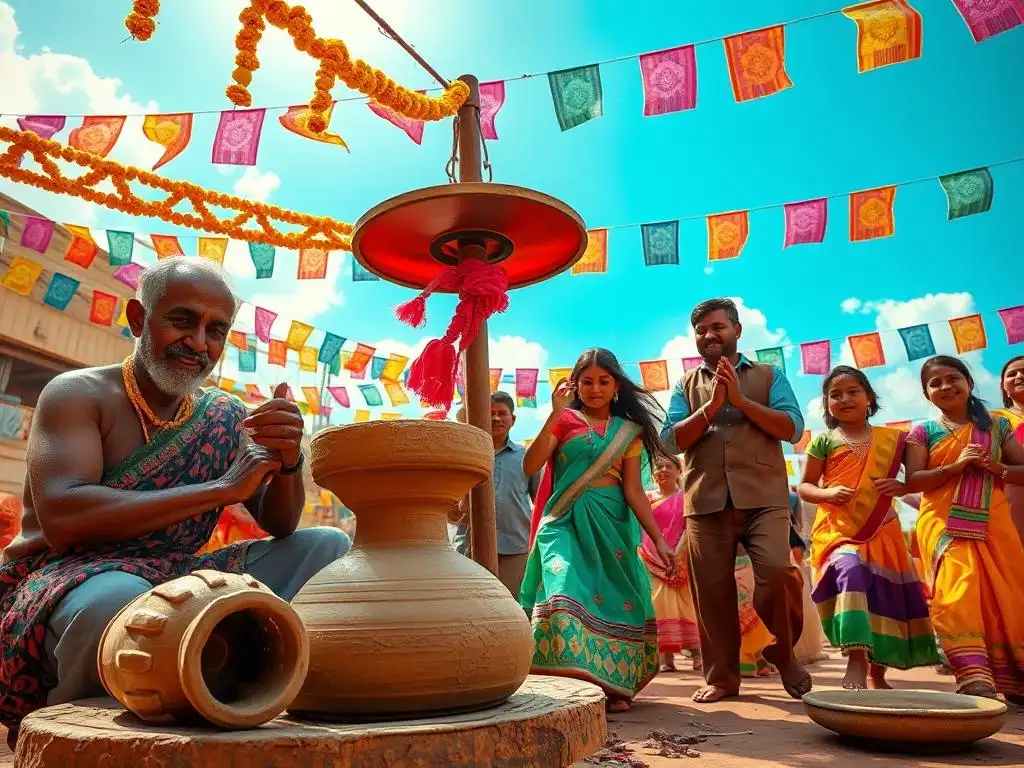
Welcome to Ancient India History, where we delve into the rich tapestry of cultures and traditions that shaped one of the world's oldest civilizations. In our featured article, “The Legacy of Ancient Artisans: Craft Traditions in Festival Celebrations,” we invite you to uncover the intriguing world of ancient Indian craft traditions.
Discover how these time-honored practices not only reflect the artistry of ancient artisans but also play a vital role in the vibrant festivals that continue to resonate through time. Join us on this journey as we explore the stories, skills, and legacies that breathe life into the celebrations of ancient India, and prepare to be inspired by the creativity that still influences modern craftsmanship.
Introduction to Ancient Indian Craft Traditions
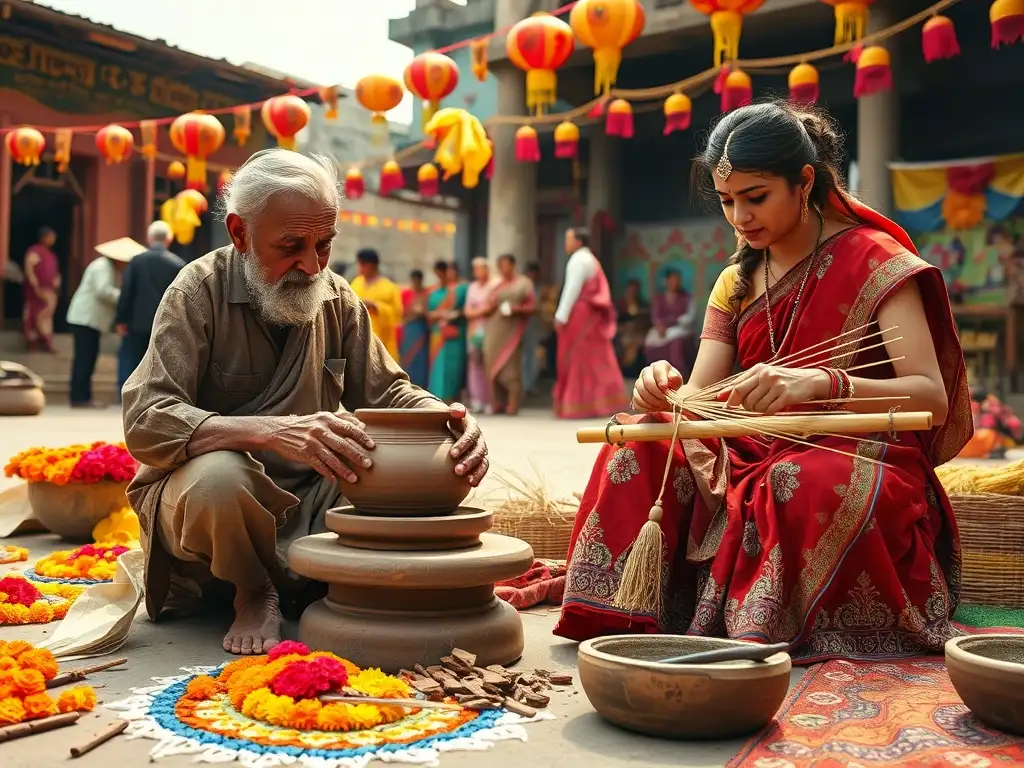
The intricate tapestry of ancient Indian craft traditions is a testament to the creativity and ingenuity of artisans who have shaped the cultural landscape of India for millennia. From the exquisite textiles of the Indus Valley Civilization to the ornate metalwork and pottery of later periods, these traditions reflect not only the aesthetic sensibilities of their time but also the socio-economic and spiritual fabric of ancient Indian society.
Festivals, as vibrant celebrations of life and culture, have often served as a canvas for these craft traditions, showcasing the skills and artistry of local craftsmen. The legacy of ancient Indian craft traditions is not merely a relic of the past; it continues to influence contemporary practices and remains a vital part of India’s cultural identity.
In this article, we will explore the diverse craft traditions that have flourished in ancient India, particularly during festival celebrations. We will delve into the historical context that shaped these traditions, the pivotal role of artisans, and how various techniques and materials evolved over time. Understanding these aspects provides a deeper appreciation of the artistry involved and highlights the significance of these crafts in contemporary Indian festivals.
Historical Context of Craft Traditions in India
The historical context of ancient Indian craft traditions is deeply intertwined with the civilization's development. Craftsmanship in ancient India was not just a means of livelihood but also a way to express artistic and cultural values. The emergence of various crafts can be traced back to distinct historical periods, each contributing unique styles and techniques influenced by geography, trade, and cultural exchanges.
The Role of Artisans in Ancient Indian Civilizations
Artisans in ancient India held a revered status within society, acting as custodians of tradition while also innovators of new techniques. They were often organized into guilds, where knowledge and skills were passed down through generations.
- Craft Specializations: Artisans specialized in various crafts, including:
- Pottery
- Weaving
- Metalwork
- Wood carving
- Jewelry making
- Cultural Significance: Their work was integral to religious and cultural practices, especially during festivals where specific crafts were showcased:
- Statues and idols for worship
- Decorative items for home and temple adornment
- Traditional garments and accessories
This deep-rooted connection between artisans and their craft not only ensured the survival of these traditions but also enriched the cultural heritage of ancient India.
Evolution of Craft Techniques and Materials
The evolution of craft techniques and materials in ancient India is a fascinating journey that reflects the technological advancements and cultural exchanges over centuries.
- Materials Used: The choice of materials varied widely based on regional availability and included:
- Clay for pottery
- Cotton and silk for textiles
- Gold, silver, and bronze for metalwork
- Wood for carving
- Technological Advancements: Over time, artisans adopted and adapted various techniques:
- The introduction of the potter's wheel revolutionized pottery making.
- Weaving methods evolved with the incorporation of complex patterns and dyes.
- Metalworking techniques advanced, leading to the creation of intricate jewelry and tools.
The interplay of tradition and innovation in craft techniques and materials not only contributed to the richness of ancient Indian craft traditions but also played a crucial role in enhancing the visual and functional aspects of festival celebrations.
Craft Traditions and Their Role in Festival Celebrations
Ancient Indian craft traditions have played a pivotal role in shaping the cultural fabric of festival celebrations across the subcontinent. These crafts, ranging from intricate textiles and pottery to exquisite metalwork and wood carvings, serve not only as functional items but also as expressions of heritage and identity. During festivals, artisans showcase their skills, often creating unique pieces that embody both aesthetic beauty and cultural significance.
The craftsmanship involved in festival preparations extends beyond mere decoration; it is a way to connect with the divine, honor ancestors, and celebrate community bonds. Each craft tradition is steeped in history, with techniques passed down through generations, making them a vital aspect of India's cultural legacy. The vibrant colors, intricate designs, and symbolic motifs represented in these crafts are integral to the festive atmosphere, enhancing the spiritual and communal experience of the celebrations.
Key Festivals Celebrating Craft Traditions
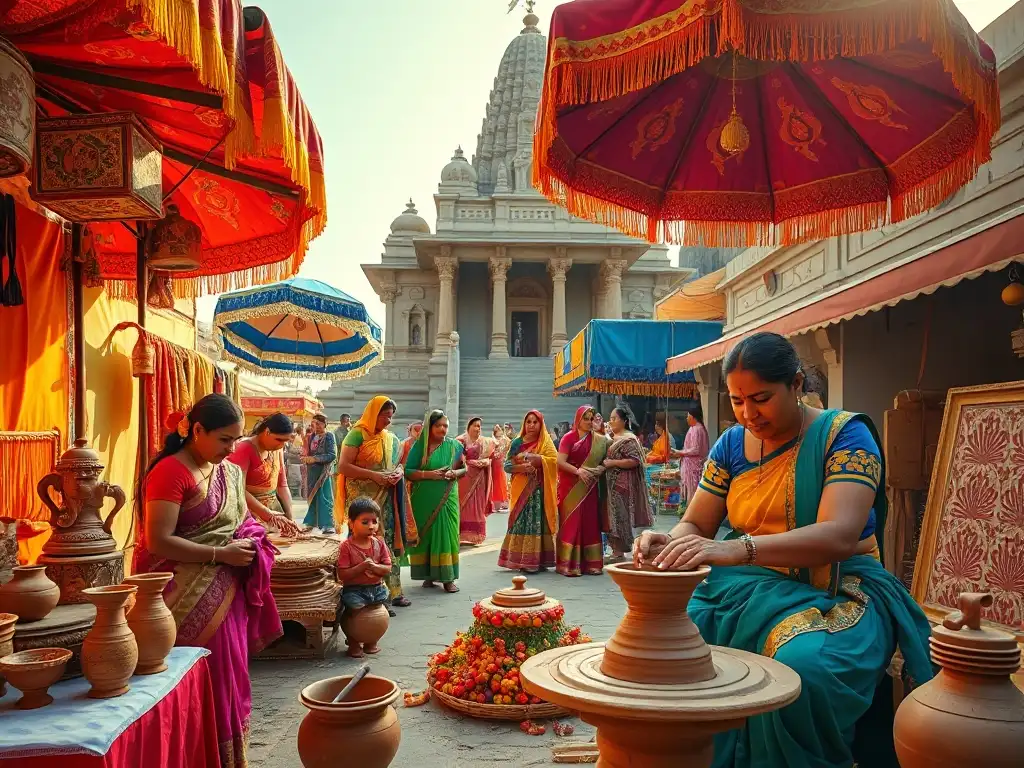
Many festivals in India prominently feature craft traditions, highlighting the skills of artisans and the cultural narratives they represent. Some of the most significant festivals include:
- Diwali: The Festival of Lights is renowned for its elaborate decorations, including handmade diyas (lamps) and rangoli (colorful patterns made from colored powders and flowers). Artisans play a crucial role in creating these items, which symbolize the triumph of light over darkness.
- Pongal: This harvest festival celebrated in Tamil Nadu showcases traditional crafts through the preparation of kolam (floor decorations) and the use of handmade clay pots for cooking. Artisans often create beautiful vessels that reflect the agricultural heritage of the region.
- Durga Puja: In West Bengal, this festival involves the intricate craftsmanship of idol-making. Artisans dedicate months to sculpting and painting idols of Goddess Durga, blending artistic skill with religious devotion.
- Navratri: This festival of nine nights features vibrant decorations and traditional attire, with artisans crafting colorful garba costumes, traditional jewelry, and decorative items that enhance the celebratory atmosphere.
These festivals not only provide a platform for artisans but also foster an appreciation for ancient Indian craft traditions among the younger generations.
Artistic Expressions in Festival Celebrations
Artistic expressions during festivals are diverse and multifaceted, encompassing various forms of visual and performing arts. Each form holds significance in conveying cultural stories and spiritual messages.
- Visual Arts: Traditional paintings, such as Madhubani and Warli, are often used to adorn homes and public spaces during festivals. These artworks reflect the local culture and beliefs, adding depth to the celebrations.
- Performing Arts: Dance and music are integral to many festivals, with artisans specializing in creating traditional instruments and costumes. For instance, the making of dandiya sticks for Garba or the decorative attire for Kathakali performances showcases the blend of craftsmanship and performance art.
- Textile Arts: Festivities often see a resurgence in traditional textile crafts, with artisans weaving special fabrics or embroidering garments that reflect the festival's themes. The intricate patterns and vibrant colors celebrate the spirit of the occasion.
These artistic expressions not only celebrate the crafts themselves but also reinforce community ties, as people come together to appreciate and participate in these time-honored traditions.
Regional Variations of Craft Traditions in Festivals
India's vast geography and diverse cultures lead to distinct regional variations in craft traditions, especially during festivals. Each region's unique historical influences and resources contribute to its specific craft practices.
North India: Unique Craft Practices in Festival Celebrations
In North India, festivals such as Holi and Raksha Bandhan highlight unique craft practices. The region is known for its vibrant textiles, particularly in states like Rajasthan and Punjab. Artisans produce colorful turbans, phulkari embroideries, and hand-painted pottery that enhance the festive spirit. During Holi, eco-friendly colors made from natural materials are crafted by local artisans, reflecting a sustainable approach to celebration.
South India: Rich Craft Traditions in Festival Contexts
South India boasts a rich tapestry of craft traditions that come alive during festivals like Onam and Ugadi. Intricate floral arrangements, known as pookalam, are created using locally sourced flowers and serve as a centerpiece for the celebrations. Artisans also excel in making traditional brass and bronze items, which are often used in rituals and decorative displays during these festive occasions.
East India: Craftsmanship in Traditional Celebrations
In East India, particularly in Odisha and West Bengal, festivals like Rath Yatra and Durga Puja showcase exquisite craftsmanship. The idol-making process involves skilled artisans who use traditional techniques to create lifelike representations of deities, often adorned with intricate jewelry. The vibrant patta chitra paintings and handcrafted textiles from this region also play a significant role in enhancing the festive ambiance.
West India: Vibrant Crafts in Festival Celebrations
West India is known for its colorful and dynamic craft traditions, particularly during festivals like Ganesh Chaturthi and Navratri. Artisans create elaborate clay idols of Lord Ganesha, as well as traditional garba outfits embellished with mirror work and vibrant embroidery. The use of local materials and traditional techniques not only supports local economies but also keeps the rich heritage of craft traditions alive during these celebrations.
The legacy of ancient Indian craft traditions is deeply intertwined with festival celebrations, reflecting the rich cultural diversity and artistic heritage of the country. Each region contributes its unique practices, ensuring that these traditions continue to thrive and evolve through the generations.
The Decline and Revival of Ancient Craft Traditions
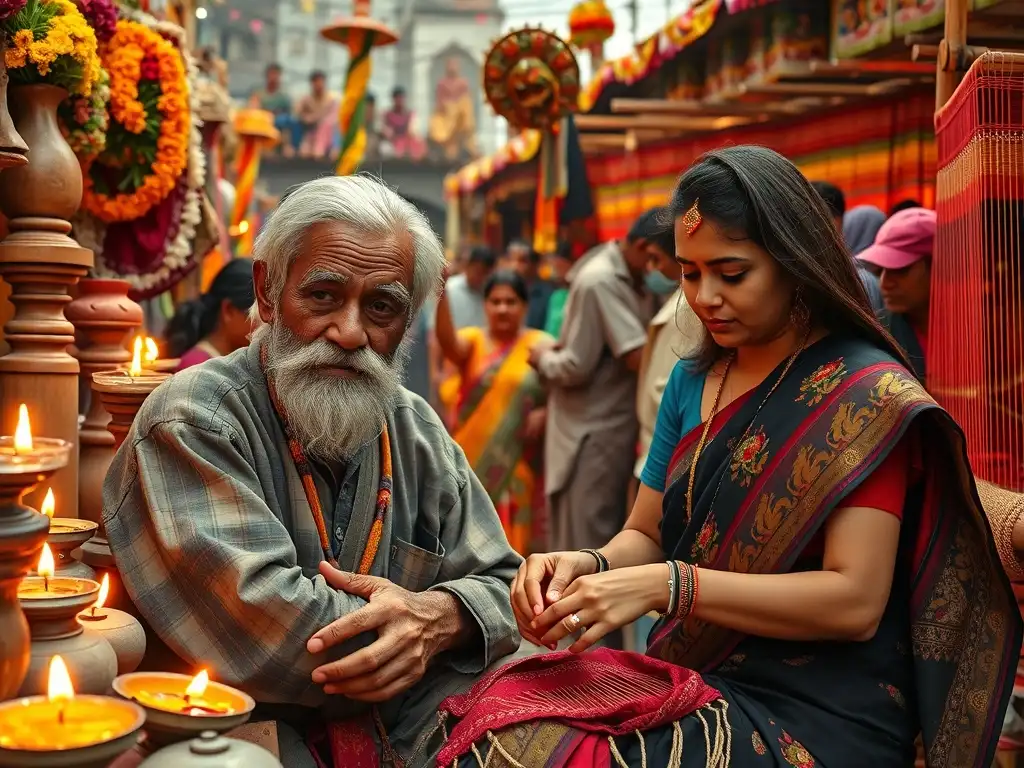
The ancient Indian craft traditions, once flourishing and integral to festival celebrations, have experienced significant decline over the centuries. This decline can be attributed to a multitude of factors that not only affected the artisans and their crafts but also the cultural fabric of society. However, in recent times, there have been concerted efforts aimed at reviving and preserving these rich traditions, ensuring they continue to be a part of India’s vibrant cultural identity.
Factors Leading to the Decline of Craft Traditions
-
Industrialization and Urbanization
The onset of industrialization in the late 19th and early 20th centuries marked a turning point for traditional crafts. As factories began to produce goods on a mass scale, the demand for handmade items diminished. Urbanization further exacerbated this issue, as artisans moved to cities in search of better economic opportunities, often leaving their craft behind.
-
Globalization
The global marketplace has introduced a plethora of foreign goods that compete with traditional Indian crafts. With the influx of cheaper, machine-made products, many consumers began to favor these over artisanal creations, leading to a decline in sales and, subsequently, in the number of practicing artisans.
-
Lack of Support and Training
Traditional crafts often rely on generational knowledge transfer, but as families migrated to urban areas or shifted to different occupations, this transfer was disrupted. Additionally, a lack of institutional support and training programs hindered the skill development of new artisans, further endangering the crafts’ survival.
-
Changing Consumer Preferences
Modernization has led to changing tastes and preferences in consumer goods. Many young people are drawn to contemporary aesthetics, often viewing traditional crafts as outdated or irrelevant. This shift in consumer behavior has placed additional pressure on artisans to adapt or abandon their craft.
Efforts for Revival and Preservation
-
Government Initiatives
Various government programs have been established to support artisans and preserve traditional crafts. Initiatives like the Geographical Indications (GI) tag have been introduced to protect the intellectual property of traditional crafts, ensuring they are recognized and valued.
-
NGO and Community Programs
Non-Governmental Organizations (NGOs) and community groups have been instrumental in promoting ancient craft traditions. They provide platforms for artisans to showcase their work, create awareness, and connect with potential buyers. Such efforts not only revitalize interest but also ensure fair compensation for artisans.
-
Skill Development Workshops
Workshops aimed at skill enhancement and training for young artisans have been organized across various regions. These workshops often combine traditional techniques with contemporary design sensibilities, making the crafts more appealing to a modern audience.
-
Cultural Festivals and Exhibitions
Annual festivals and exhibitions dedicated to traditional crafts provide artisans with the opportunity to display their work to a wider audience. Events like the Surajkund Mela and the Dastkar Mela serve as important platforms for the promotion and appreciation of ancient Indian craft traditions, bringing together artisans, consumers, and enthusiasts.
Conclusion: The Enduring Legacy of Ancient Indian Craft Traditions
The legacy of ancient Indian craft traditions, despite facing numerous challenges, remains resilient and vibrant. These crafts are not merely products but embodiments of cultural heritage, stories, and skills passed down through generations. The recent revival efforts highlight a collective recognition of their value, not just in aesthetic terms but as crucial components of identity and community.
As more individuals and organizations come together to support these traditions, ancient Indian craft traditions are poised to thrive once again, ensuring they continue to play a pivotal role in festival celebrations and beyond. The enduring legacy of these crafts is a testament to the creativity and ingenuity of ancient Indian artisans, whose contributions continue to inspire and enrich India's cultural landscape.
Call to Action
As we delve into the fascinating world of ancient Indian craft traditions, it’s essential to recognize the vibrant legacy these artisans have left behind. Their skills and creativity have not only shaped the visual landscape of festivals but have also preserved cultural narratives that continue to resonate through generations.
To further explore the intricate connections between craftsmanship and festival celebrations, we invite you to:
- Participate in Local Workshops: Engage with artisans in your area by attending workshops that teach traditional crafting techniques. This hands-on experience allows you to appreciate the nuances of these ancient skills.
- Visit Festivals: Attend festivals that celebrate ancient crafts. Experience firsthand the beauty of handcrafted decorations, attire, and offerings that embody the spirit of ancient traditions.
- Spread Awareness: Share your newfound knowledge about ancient Indian craft traditions on social media or with friends and family. Highlight the importance of preserving these art forms and their cultural significance.
- Support Artisans: Consider supporting local artisans by purchasing handcrafted items. This not only sustains their craft but also keeps the traditions alive for future generations.
By taking these steps, you contribute to the preservation and appreciation of ancient Indian craft traditions, ensuring that the legacy of these remarkable artisans continues to thrive in our modern world. Join us in celebrating the rich tapestry of history, culture, and creativity that defines ancient India!
- Introduction to Ancient Indian Craft Traditions
- Historical Context of Craft Traditions in India
- Craft Traditions and Their Role in Festival Celebrations
- Key Festivals Celebrating Craft Traditions
- Artistic Expressions in Festival Celebrations
- Regional Variations of Craft Traditions in Festivals
- The Decline and Revival of Ancient Craft Traditions
- Conclusion: The Enduring Legacy of Ancient Indian Craft Traditions
- Call to Action
Frequently Asked Questions
What are ancient Indian craft traditions?
Ancient Indian craft traditions refer to the varied and intricate techniques of craftsmanship developed by artisans over centuries, often linked to regional cultures and festivals.
How did ancient artisans contribute to festival celebrations?
Ancient artisans played a crucial role in creating decorative items and ritualistic objects that enhanced the cultural significance of festivals, reflecting the artistic heritage of their communities.
Which regions in India are known for their unique craft traditions?
Regions such as Rajasthan, Gujarat, and Bengal are renowned for their distinctive craft traditions, including pottery, textiles, and metalwork, each reflecting their local culture and history.
What materials were commonly used by ancient Indian artisans?
Ancient artisans utilized natural materials such as clay, wood, metal, and textiles, which were readily available and often held cultural significance in their respective regions.
How do contemporary crafts reflect ancient traditions?
Contemporary crafts often draw inspiration from ancient Indian craft traditions, preserving techniques and styles while adapting to modern aesthetics, thereby keeping the cultural legacy alive.
Final Reflection: Embracing the Timeless Legacy of Ancient Indian Craft Traditions
In a world increasingly dominated by mass production and digital experiences, the enduring significance of ancient Indian craft traditions remains a beacon of cultural identity and artistic expression. These traditions, deeply rooted in history, not only showcase the incredible skills of artisans but also serve as a reminder of the rich tapestry of human creativity that has shaped our societies. As we celebrate festivals that honor these crafts, we are not just preserving art; we are nurturing a connection to our past that informs our present and inspires our future.
The influence of ancient Indian craft traditions extends far beyond the realms of art and aesthetics; it permeates our cultural and social landscapes, fostering a sense of community and belonging. These crafts are not merely relics of history; they are living practices that continue to evolve and resonate with contemporary life. As we engage with these traditions during festivals, we are reminded of the words of Mahatma Gandhi: The best way to find yourself is to lose yourself in the service of others.
This sentiment encapsulates the spirit of craftsmanship—where artisans pour their heart and soul into their work, enriching the lives of those who experience it.
As we reflect on the lessons embedded within these ancient practices, I invite you to consider how you can incorporate the essence of these craft traditions into your own life. Whether through supporting local artisans, participating in workshops, or simply appreciating the stories behind the crafts, each of us has the power to keep this legacy alive. Let us honor the artisans of the past by embracing their art in our celebrations and everyday lives, ensuring that the vibrant spirit of ancient Indian craft traditions continues to thrive for generations to come.
Celebrate and Preserve Our Heritage Today!
Thank you for exploring the rich tapestry of ancient artisan traditions in festival celebrations! Your interest not only deepens your connection to history but also highlights the importance of preserving these incredible legacies for future generations. Now, let’s take action to honor and keep these traditions alive!
Here are some exciting ways you can make a difference:
- Join a local artisan workshop to learn traditional crafts firsthand and support skilled artisans in your community.
- Share your newfound knowledge! Write a post or create a social media story about your experience with ancient crafts, inspiring others to appreciate and engage in them.
- Plan or attend a cultural festival that celebrates ancient traditions, immersing yourself in the delights of music, dance, and art forms that have thrived for centuries.
What unique tradition or craft do you want to explore that connects you to your ancestors? **Your insights could inspire others to embark on their own journeys of discovery! ** Share your thoughts and let’s spark a conversation!