
Crafting a Global Identity: The Future of Indian Handicrafts in the World Market

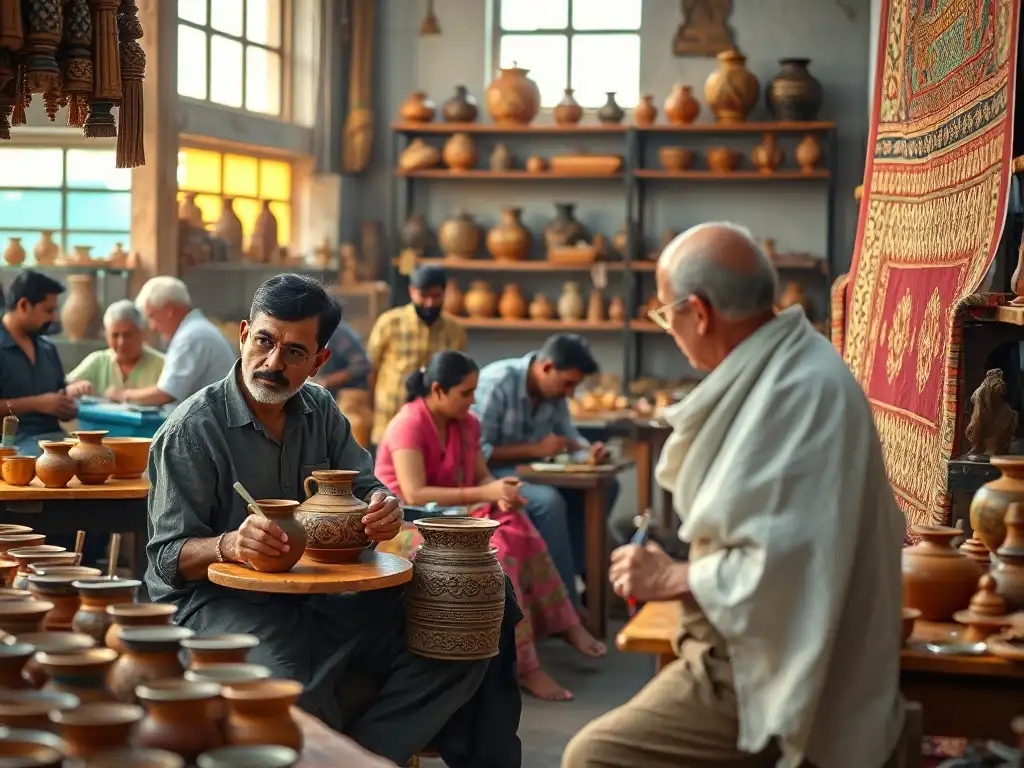
Welcome to Ancient India History, where we embark on a fascinating journey through the rich tapestry of India’s past. As we delve into the intriguing future of Indian handicrafts, you'll discover how these time-honored traditions are not only preserving cultural heritage but also carving a global identity in today’s market. What new opportunities await artisans as they navigate the modern world? Join us as we explore the intersection of history and innovation, and uncover the potential that lies ahead for these exquisite crafts. Your adventure into the legacy and evolution of Indian craftsmanship begins here!
- Introduction to the Future of Indian Handicrafts
- Historical Context of Indian Handicrafts
- Current Trends Shaping the Future of Indian Handicrafts
- Opportunities for Growth in the Handicraft Sector
- Challenges Facing Indian Handicrafts in the Global Market
- Strategies for Crafting a Global Identity for Indian Handicrafts
- Success Stories: Indian Handicrafts Making Global Waves
- Conclusion: The Bright Future of Indian Handicrafts
- Further Reading and Resources
-
Frequently Asked Questions
- What are the main factors influencing the future of Indian handicrafts?
- How can Indian artisans adapt to global market trends?
- What role does sustainability play in the future of Indian handicrafts?
- Which regions in India are known for their significant handicraft contributions?
- How can the government support the future of Indian handicrafts?
- Final Reflection: Embracing the Future of Indian Handicrafts
- Unveil the Future of Indian Handicrafts!
Introduction to the Future of Indian Handicrafts
The future of Indian handicrafts is a topic that not only highlights the rich cultural heritage of India but also emphasizes its potential in the global marketplace. As we delve into this subject, it becomes apparent that Indian handicrafts are not just artistic expressions; they embody centuries of tradition, craftsmanship, and community values.
With the world increasingly leaning towards sustainable and unique products, Indian handicrafts stand at the forefront, ready to capture the attention of global consumers seeking authenticity and cultural depth in their purchases. This article aims to explore the current trends and future possibilities for Indian handicrafts, examining how these exquisite creations can forge a global identity and thrive in an ever-evolving market.
Understanding the Global Market for Handicrafts
The global market for handicrafts is witnessing significant growth, driven by consumer demand for unique, artisanal products that tell a story. In recent years, there has been a noticeable shift towards sustainable and ethically sourced goods, which positions Indian handicrafts as a compelling choice for international buyers.
Key factors influencing the global market include:
- Consumer Trends:
- Increasing interest in handmade and sustainable products.
- A preference for items that reflect cultural heritage and craftsmanship.
- E-commerce Growth:
- The rise of online marketplaces has provided artisans with a platform to reach global consumers directly.
- Digital marketing strategies are vital for showcasing the uniqueness of Indian handicrafts.
- Trade Policies:
- Government initiatives and trade agreements can facilitate easier access for Indian artisans to enter global markets.
- Support for export through exhibitions and trade fairs enhances visibility.
Understanding these dynamics is essential for harnessing the full potential of Indian handicrafts in the global arena.
Significance of Indian Handicrafts in World Trade
Indian handicrafts hold a significant place in world trade, representing not only the artistic prowess of Indian artisans but also contributing to the economy and cultural exchange. Key aspects of their significance include:
- Economic Contribution:
- The handicraft sector contributes significantly to employment, particularly in rural areas, empowering local communities.
- Exports of handicrafts have seen a steady increase, with figures reaching approximately $2.5 billion in recent years.
- Cultural Representation:
- Each piece of handicraft tells a story, reflecting the diverse traditions, languages, and practices of Indian culture.
- They serve as ambassadors of Indian heritage, fostering cross-cultural understanding.
- Innovative Collaborations:
- Collaborations between artisans and designers can lead to modern adaptations of traditional crafts, appealing to contemporary markets.
- Such partnerships enhance creativity and innovation, ensuring the longevity of traditional crafts.
The future of Indian handicrafts appears promising, with opportunities for growth and recognition in the global market. By embracing modern trends while staying rooted in tradition, Indian artisans can carve a niche that resonates with consumers worldwide, thereby crafting a unique global identity for their work.
Historical Context of Indian Handicrafts
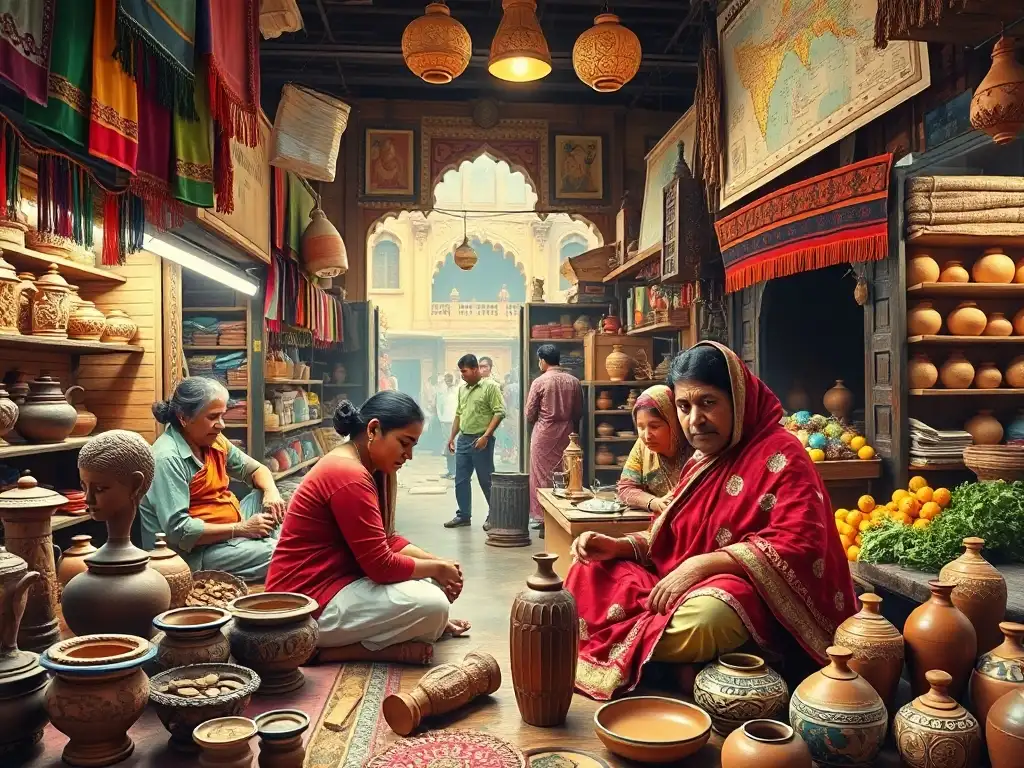
The history of Indian handicrafts is a testament to the rich cultural tapestry woven through centuries. From the intricate designs of the Indus Valley Civilization to the sophisticated artistry of the Gupta Empire, these handicrafts reflect not only the aesthetic sensibilities of their times but also the socio-economic conditions and cultural philosophies that shaped them. Understanding this historical context is essential to appreciate the future of Indian handicrafts in the global market.
Evolution of Handicrafts in Ancient India
The evolution of handicrafts in ancient India can be traced back to the Indus Valley Civilization (c. 2500–1900 BCE), known for its advanced urban planning and craftsmanship. Artisans produced a variety of goods, including pottery, textiles, and jewelry, often using locally sourced materials. The following periods marked significant advancements:
- Indus Valley Civilization:
- Use of standardized weights and measures facilitated trade.
- Craftsmanship included pottery, terracotta figurines, and bead-making.
- Vedic Period (c. 1500–500 BCE):
- Introduction of textiles and weaving, with references to cotton.
- Craftsmanship became more specialized, with guilds forming around specific crafts.
- Maurya Empire (c. 322–185 BCE):
- Increased patronage of the arts led to the flourishing of metalwork and sculpture.
- The introduction of Buddhist art significantly influenced crafts.
- Gupta Empire (c. 320–550 CE):
- This period is often termed the "Golden Age" of India, marked by artistic and cultural achievements.
- Handicrafts saw the integration of more elaborate designs and techniques, particularly in sculpture and textile arts.
The gradual evolution of these crafts illustrates a transition from utilitarian objects to works of art, often reflecting the religious and cultural narratives of their time.
Cultural Significance of Handicrafts in Indian Society
Handicrafts serve as a vital thread in the fabric of Indian culture, bridging generations and communities. They are not merely products but embody the cultural identity, traditions, and stories of the people. Key cultural aspects include:
- Symbol of Identity: Handicrafts often represent local traditions and are crucial for regional identity. For instance, the Kutch embroidery or Madhubani paintings are not just crafts; they are identity markers for the communities involved.
- Festivals and Rituals: Many handicrafts are integral to festivals and rituals, such as clay idols during Durga Puja or traditional textiles during Diwali. These crafts foster a sense of belonging and continuity within communities.
- Sustainability and Environment: Many traditional handicrafts utilize local materials and sustainable practices, promoting an eco-friendly approach that aligns with global movements towards sustainability.
The cultural significance of handicrafts also extends to their role in the economy. They provide livelihoods for millions of artisans across India, thereby contributing to rural development and preserving traditional skills.
Key Craftsmanship Techniques from the Indus Valley to Gupta Empire
The craftsmanship techniques developed throughout ancient Indian history highlight the ingenuity and creativity of artisans. Some notable techniques include:
| Craft Technique | Time Period | Description |
|---|---|---|
| Pottery | Indus Valley Civilization | Utilized wheel-throwing methods; painted and glazed pottery. |
| Textile Weaving | Vedic Period | Development of cotton weaving; use of looms for intricate designs. |
| Metalwork | Maurya Empire | Advanced metallurgy; production of coins and sculptures using gold and silver. |
| Stone Carving | Gupta Empire | Mastery in stone carving led to exquisite temples and sculptures, showcasing religious themes. |
These craftsmanship techniques not only demonstrate the artistic abilities of ancient Indian civilizations but also influence contemporary practices. The skills and methods passed down through generations continue to thrive, ensuring the future of Indian handicrafts remains bright and integrated into the global market.
The historical context of Indian handicrafts reveals a narrative of cultural significance, economic impact, and artistic evolution. As we move towards a future where these crafts must adapt to global markets, understanding their rich past remains essential in crafting a vibrant identity for Indian handicrafts on the world stage.
Current Trends Shaping the Future of Indian Handicrafts
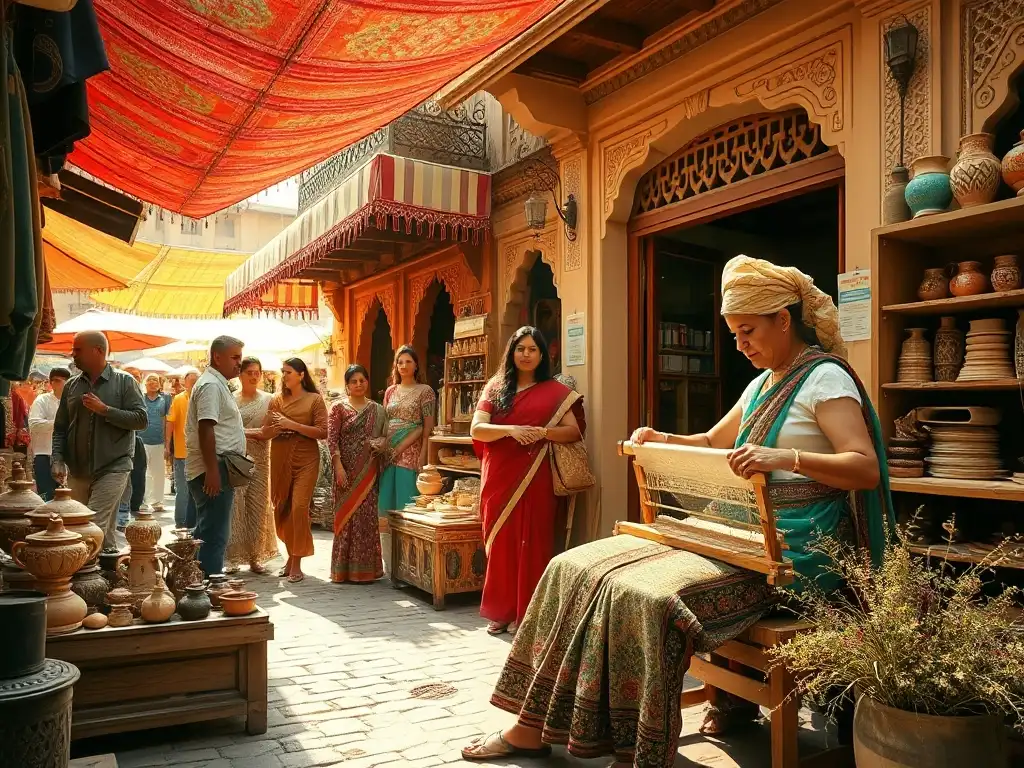
The landscape of Indian handicrafts is undergoing a significant transformation, influenced by various global and local trends. As artisans adapt to changing consumer preferences and market demands, several key trends are shaping the future of Indian handicrafts.
Rise of Sustainable and Eco-Friendly Products
In recent years, there has been an increasing awareness regarding environmental issues, leading to a surge in demand for sustainable and eco-friendly products. Consumers are becoming more conscious of the origins and impacts of the items they purchase. This trend is particularly pronounced in the handicraft sector, where traditional practices often align with environmentally friendly methods.
- Natural Materials: Many artisans are returning to natural materials like bamboo, jute, and clay, which not only reduce the carbon footprint but also promote sustainability.
- Organic Dyes: The use of organic dyes in textiles and crafts is gaining popularity. Artisans are reviving ancient techniques that utilize locally sourced plants and minerals for dyeing fabrics, ensuring a minimal environmental impact.
- Waste Reduction: Innovative practices such as upcycling and recycling are being embraced by artisans to transform waste materials into valuable products. This not only addresses environmental concerns but also enhances creativity in design.
The integration of sustainability into handicrafts not only appeals to eco-conscious consumers but also provides artisans with a unique selling proposition in the competitive global market.
The Role of E-commerce in Promoting Indian Handicrafts
The advent of e-commerce has revolutionized the way Indian handicrafts reach consumers worldwide. Online platforms provide artisans with access to a broader market, eliminating geographical barriers that previously limited their reach.
- Global Marketplace: E-commerce platforms allow artisans to showcase their products to a global audience. This exposure is crucial for traditional crafts that may not have garnered attention in local markets.
- Direct Sales: By selling directly to consumers, artisans can retain a larger portion of the profits, empowering them financially. This model fosters a more sustainable livelihood for many artisans, ensuring the continued practice of traditional crafts.
- Social Media Influence: Social media platforms play a pivotal role in promoting products and storytelling. Artisans can share their narratives, connect with consumers, and engage in community-building activities, creating a loyal customer base that appreciates the craftsmanship.
As e-commerce continues to grow, it presents a robust opportunity for the future of Indian handicrafts, enabling artisans to thrive in a digital economy.
Case Study: Craftsvilla and Its Impact on Indian Artisans
Craftsvilla is a prime example of how e-commerce is changing the landscape for Indian handicrafts. Founded in 2011, it is an online marketplace dedicated to promoting Indian artisans and their crafts.
- Empowerment of Artisans: Craftsvilla has empowered thousands of artisans by providing them a platform to sell their products directly to consumers. This has significantly enhanced their income and improved their standard of living.
- Cultural Preservation: By focusing on traditional crafts, Craftsvilla helps preserve India’s rich cultural heritage. The platform showcases a wide range of handicrafts, from handwoven textiles to intricate pottery, ensuring that these art forms are not lost to modernity.
- Community Building: Craftsvilla has fostered a community of artisans who can share knowledge, collaborate, and support each other, creating a network that strengthens the handicraft sector.
The success of Craftsvilla demonstrates the potential for e-commerce to elevate the future of Indian handicrafts, positioning them favorably in the global market. As the demand for authentic, artisanal products grows, platforms like Craftsvilla will continue to play a crucial role in connecting artisans with consumers, ensuring the sustainability and growth of traditional crafts.
Impact of Globalization on Indian Handicraft Markets
Globalization has significantly transformed the landscape of Indian handicrafts, creating both challenges and opportunities for artisans and businesses alike. As the world becomes increasingly interconnected, Indian handicrafts are finding their way into international markets, facilitating cultural exchange and economic growth.
One major impact of globalization is the heightened demand for authentic and unique handicraft products. Consumers around the globe are increasingly seeking handmade items that reflect cultural heritage and craftsmanship. This shift aligns perfectly with India's rich tradition of artisanal skills, enabling artisans to showcase their work to a broader audience. For instance, products like handwoven textiles, intricately carved wooden items, and traditional pottery are gaining popularity in markets such as Europe and North America, where there is a growing appreciation for sustainability and ethical sourcing.
However, globalization also poses challenges for Indian handicrafts. The influx of mass-produced items can threaten the survival of traditional crafts. Artisans may find it difficult to compete with cheaper alternatives manufactured abroad. Furthermore, the proliferation of e-commerce platforms can sometimes lead to the commodification of handicrafts, where the essence of craftsmanship is overshadowed by commercial interests. This situation necessitates a careful approach to branding and marketing, ensuring that the authenticity and story behind each product are communicated effectively to consumers.
Moreover, globalization has opened doors for collaborations between Indian artisans and international designers. These partnerships can lead to innovative designs that blend traditional techniques with contemporary aesthetics, appealing to modern consumers. For example, collaborations with fashion designers have resulted in unique clothing lines that incorporate traditional Indian textiles, thereby expanding the reach of Indian handicrafts and enhancing their global appeal.
The impact of globalization on Indian handicraft markets is multifaceted. While it offers new avenues for growth and recognition, it also requires artisans to adapt to changing market dynamics. Navigating this landscape involves leveraging the strengths of traditional craftsmanship while embracing modern marketing strategies to ensure the sustainability and prosperity of Indian handicrafts in the global arena.
Opportunities for Growth in the Handicraft Sector
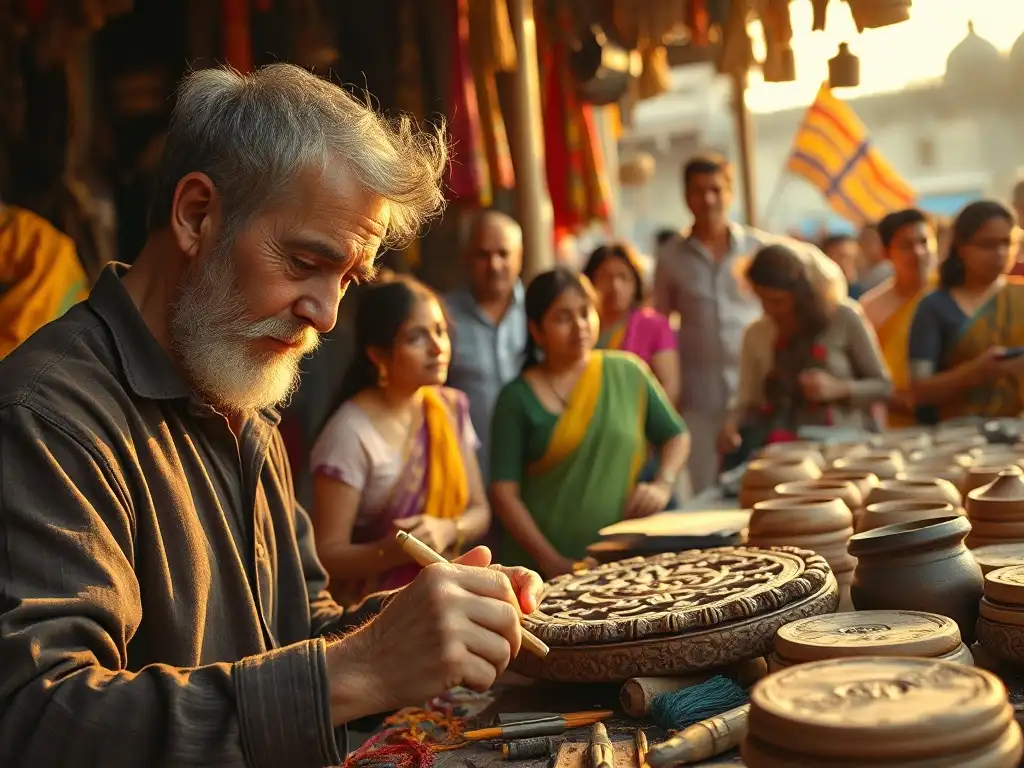
The future of Indian handicrafts is imbued with potential, driven by a growing global appreciation for artisanal products. As consumers increasingly seek unique, sustainable, and ethically sourced goods, the Indian handicraft sector stands poised for significant growth. With a rich heritage of craftsmanship, diverse cultural influences, and a vast array of traditional techniques, there are numerous opportunities to expand both domestically and internationally.
Government Initiatives Supporting Indian Handicrafts
The Indian government has recognized the potential of the handicraft sector and has implemented various initiatives aimed at fostering growth and sustainability. These programs are designed to enhance the visibility of handicraft products, provide support to artisans, and promote exports.
Example: The “One District, One Product” Scheme
One notable initiative is the “One District, One Product” (ODOP) scheme launched by the Government of India. This program aims to promote specific handicrafts from each district, thereby enhancing local craftsmanship and ensuring that each artisan receives recognition and support. The key features of the ODOP scheme include:
- Focused Development: Each district identifies a product that is unique to its cultural heritage, enabling focused development and promotion.
- Skill Development and Training: The initiative provides training programs to enhance the skills of artisans, ensuring they can compete in the global marketplace.
- Financial Assistance: The government offers financial aid to artisans and producers to facilitate the establishment of production units and improve the quality of products.
- Market Access: By participating in exhibitions and trade fairs, artisans gain access to domestic and international markets, expanding their reach and customer base.
These initiatives not only empower artisans but also contribute to the preservation of traditional crafts, ensuring that they remain relevant in today’s market.
Collaborations with International Designers and Brands
The future of Indian handicrafts is further brightened by collaborations with international designers and brands. These partnerships create opportunities for Indian artisans to showcase their unique skills and craftsmanship on a global platform.
Highlighting Successful Collaborations with Companies like West Elm
One successful example of such collaboration is with West Elm, a prominent home furnishings retailer known for its commitment to fair trade and sustainable sourcing. This partnership has allowed Indian artisans to create exclusive product lines that blend traditional techniques with contemporary design aesthetics. Key points of this collaboration include:
- Increased Visibility: Products developed through this partnership have reached a wider audience, enhancing the visibility of Indian handicrafts in the global market.
- Cultural Exchange: Collaborating with international brands fosters cultural exchange, allowing artisans to learn new design trends while showcasing their traditional skills.
- Sustainability Focus: Such collaborations often emphasize sustainable practices, ensuring that the production processes respect both the environment and the artisans' livelihoods.
Through these collaborations, Indian handicrafts are not only preserved but are also reinterpreted for modern consumers, paving the way for a vibrant future in the global market.
The future of Indian handicrafts looks promising, with numerous initiatives and collaborations aimed at enhancing the sector's growth and sustainability. By capitalizing on these opportunities, India can solidify its position as a global leader in handicrafts, further enriching its historical legacy.
Challenges Facing Indian Handicrafts in the Global Market
The future of Indian handicrafts, while promising, is fraught with challenges that artisans and businesses must navigate to thrive in the global market. Understanding these challenges is crucial for creating strategies that will ensure the survival and growth of this rich cultural heritage.
Competition from Mass-Produced Goods
The rise of globalization and technological advancements has led to an influx of mass-produced goods that often dominate the market due to their affordability and wide availability. Indian handicrafts, known for their unique and artisanal quality, often struggle to compete with these products on price.
- Price Sensitivity: Consumers, especially in developing nations, often prioritize cost over quality. Mass-produced items can be sold at lower prices, making it challenging for artisans to attract price-sensitive buyers.
- Changing Consumer Preferences: As global consumers become more accustomed to uniformity and convenience, there is a risk that the distinctiveness of handicrafts may be overlooked.
- Market Saturation: The global market is flooded with handicrafts from various countries, making it increasingly difficult for Indian artisans to distinguish their products. This saturation can dilute brand identity and recognition.
Artisans are encouraged to focus on the narrative behind their products and emphasize the value of craftsmanship, which can attract consumers who appreciate quality and uniqueness over mere price.
Preservation of Traditional Techniques Amid Modern Demands
As the global market evolves, there is a growing demand for innovation and adaptation in handicraft products. However, this need for modernity can pose a threat to the preservation of traditional techniques.
- Balancing Tradition and Innovation: Artisans face the challenge of maintaining traditional crafting methods while also adapting to contemporary aesthetics and functionality. This balance is crucial for ensuring that the essence of the craft is not lost.
- Skill Development: Younger generations may be more inclined to pursue modern careers, leading to a decline in traditional skills. Initiatives that promote skill development in traditional crafts can help sustain these techniques.
- Consumer Education: Educating consumers about the significance and intricacies of traditional crafts can foster greater appreciation and demand. Workshops and exhibitions can serve as platforms for showcasing these techniques.
To navigate this challenge, stakeholders in the handicraft sector must create environments that support artisans in blending traditional methods with modern market demands, ensuring the longevity of their craft.
Intellectual property (IP) rights present another significant challenge for Indian artisans in the global market. The lack of awareness and legal protection can hinder artisans from fully benefiting from their creations.
- Awareness of IP Rights: Many artisans are unaware of their rights and may not know how to protect their designs from unauthorized reproduction. This lack of knowledge can lead to exploitation and loss of income.
- Legal Framework: The legal framework surrounding IP rights in India is complex and often difficult for artisans to navigate. Simplifying this process and providing access to legal resources can empower artisans to safeguard their creations.
- Global Standards: As artisans seek to enter international markets, they must comply with varying IP laws across countries. Understanding these differences is essential for protecting their work globally.
Efforts to educate artisans about intellectual property rights, along with the establishment of support systems that assist in navigating these challenges, are vital for enhancing the future of Indian handicrafts in the global marketplace. By addressing these challenges head-on, the sector can pave the way for sustainable growth and recognition on a global scale.
Strategies for Crafting a Global Identity for Indian Handicrafts
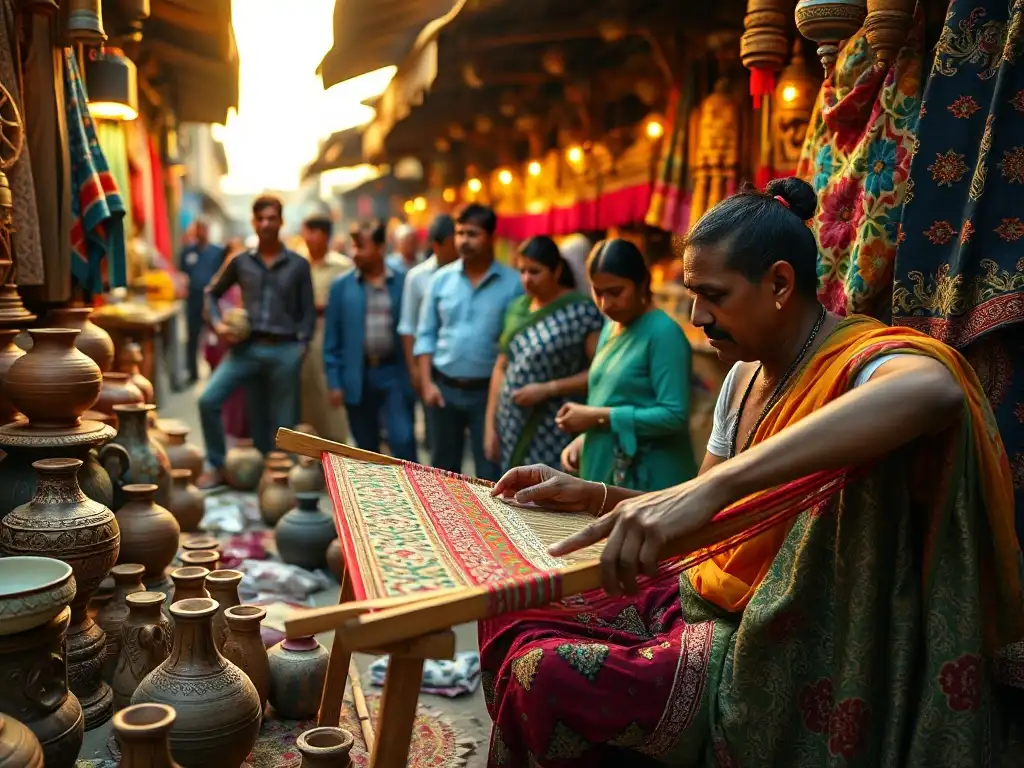
In the modern marketplace, establishing a global identity for Indian handicrafts is essential to capture the attention of international consumers who appreciate authenticity and craftsmanship. This involves a multifaceted approach that integrates digital marketing, storytelling, and strategic partnerships. Here are some of the most effective strategies to enhance the visibility and appeal of Indian handicrafts worldwide.
Social media platforms serve as powerful tools for promoting Indian handicrafts, allowing artisans and brands to showcase their work, share their stories, and connect with a global audience. The visual nature of platforms like Instagram, Pinterest, and Facebook is particularly well-suited for displaying the intricate designs and techniques of handicrafts.
Tips for Effective Social Media Marketing
- Create a Compelling Brand Story:
- Articulate the history, culture, and craftsmanship behind each product. Share the journey of the artisans, their techniques, and the significance of their work in Indian culture.
- Visual Aesthetics Matter:
- Invest in high-quality photography that highlights the details and beauty of the handicrafts. Use natural lighting, diverse backgrounds, and engaging compositions to attract potential buyers.
- Engagement Over Promotion:
- Foster a community by engaging with followers through comments, stories, and live sessions. Ask questions, encourage feedback, and create polls to involve your audience.
- Utilize Hashtags Strategically:
- Research relevant hashtags to increase the visibility of posts. Use a mix of popular and niche hashtags such as #IndianHandicrafts, #ArtisanMade, and #SustainableFashion.
- Collaborate with Influencers:
- Partner with influencers who align with your brand's values. Their endorsement can introduce your handicrafts to a larger audience and build credibility.
- Run Targeted Advertising Campaigns:
- Use social media advertising to reach specific demographics interested in artisanal products. Platforms like Facebook and Instagram offer targeted ad options that can help reach potential customers globally.
Utilizing SEO and Content Marketing to Reach Global Audiences
To effectively position Indian handicrafts in the global market, leveraging SEO and content marketing is crucial. By optimizing online content, brands can increase their visibility on search engines and attract a broader audience.
Recommended Tools for Crafting Effective Content: SEMrush, Canva
- SEMrush: This powerful SEO tool helps in keyword research, competitor analysis, and tracking the performance of content. It can assist in identifying relevant keywords such as "Future of Indian handicrafts" and analyzing how competitors are using them.
- Canva: A user-friendly design tool that enables the creation of visually appealing graphics for blogs and social media. It is ideal for crafting infographics, promotional materials, and engaging visuals that can enhance content marketing efforts.
By integrating these strategies, Indian handicrafts can carve out a significant identity in the global marketplace, appealing to consumers who value heritage, craftsmanship, and sustainability. As the future of Indian handicrafts unfolds, these tools and tactics will be essential for artisans and brands looking to thrive in an increasingly competitive landscape.
Engaging in International Trade Shows and Exhibitions
Participating in international trade shows and exhibitions is a powerful strategy for promoting Indian handicrafts on a global scale. These events provide artisans and businesses with a platform to showcase their products, connect with potential buyers, and enhance their brand visibility. By engaging in these fairs, Indian handicraft producers can not only display the uniqueness of their offerings but also learn about global market trends and consumer preferences.
Trade shows often attract international buyers, retailers, and distributors, providing artisans an opportunity to network effectively. It is crucial for participants to prepare engaging displays that highlight the craftsmanship and cultural significance of their products. Additionally, leveraging digital tools, such as virtual reality showcases, can enhance the experience for potential buyers who cannot attend in person.
Example: The India International Trade Fair
The India International Trade Fair (IITF) serves as a prime example of how engaging in international trade exhibitions can benefit Indian handicrafts. Held annually in New Delhi, this fair attracts participants from various countries, showcasing a wide array of products, including handicrafts.
The IITF not only provides artisans a platform to display their work but also features workshops, cultural performances, and seminars, emphasizing the rich heritage of Indian craftsmanship. Through participation in such fairs, artisans can gain insights into market demands, establish contacts with overseas buyers, and explore export opportunities. The IITF has proved instrumental in bringing international attention to Indian handicrafts, facilitating partnerships, and driving sales growth, thereby contributing to the overall future of Indian handicrafts in the global market.
Participation in international trade shows like the IITF can significantly shape the future of Indian handicrafts by fostering global connections, enhancing brand recognition, and ultimately driving economic growth for artisanal communities.
Success Stories: Indian Handicrafts Making Global Waves
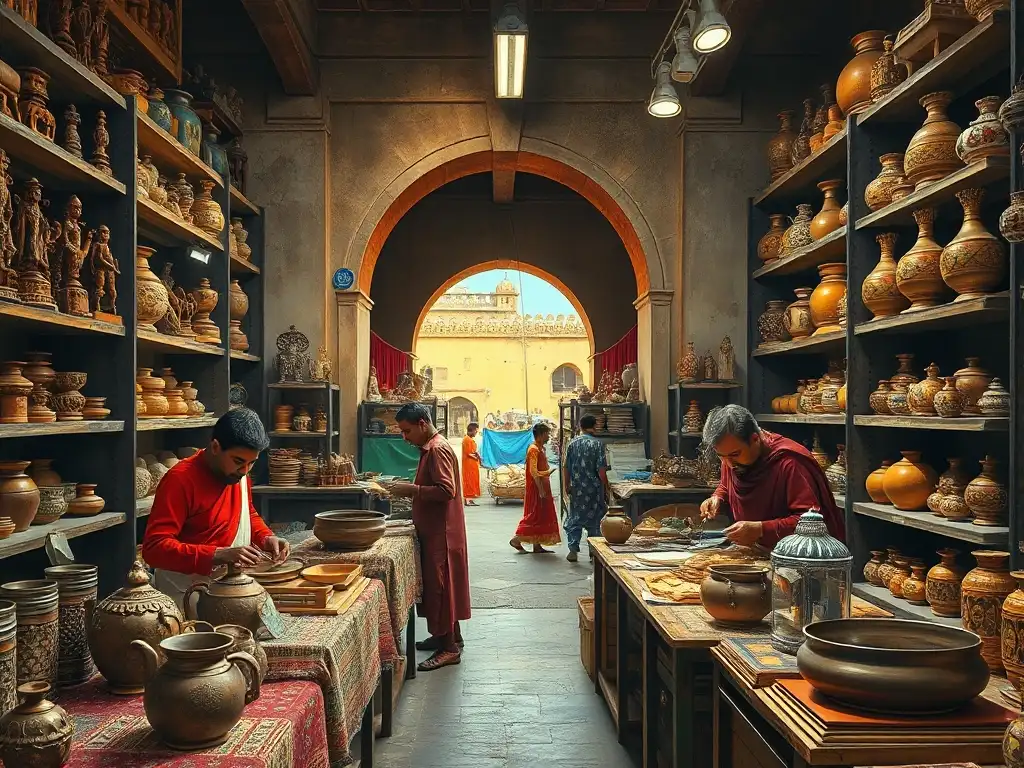
The future of Indian handicrafts is not just a tale of tradition but a narrative enriched with success stories that demonstrate the resilience and adaptability of artisans in the global market. As the world increasingly seeks authentic and sustainable products, Indian handicrafts are making significant inroads, showcasing their unique craftsmanship and cultural heritage. This section highlights some of the most inspiring profiles of artisans and brands that are successfully navigating the international landscape.
Profiles of Successful Artisans and Brands
The landscape of Indian handicrafts is populated by numerous artisans and brands that have transcended local markets to achieve global recognition. Here are a few notable profiles that exemplify this success:
- Ravi Kumar: A master craftsman from Jaipur, Ravi specializes in traditional blue pottery. Through innovative designs and collaborations with international designers, he has expanded his reach beyond India, with his products now available in luxury retail stores across Europe.
- Sita Devi: A weaver from Varanasi, Sita has revitalized the ancient art of Banarasi saree weaving. By integrating contemporary patterns and sustainable materials, she has attracted a younger demographic, both in India and abroad. Her ability to blend tradition with modern aesthetics has garnered her multiple awards.
- Dastkar: This NGO supports artisans across India by helping them market their crafts. Through their initiatives, they have successfully introduced products like handwoven textiles and handcrafted jewelry to international exhibitions, significantly improving the livelihoods of hundreds of artisans.
These artisans and brands not only reflect the potential of the future of Indian handicrafts but also serve as role models for aspiring craftsmen and women.
Case Study: Rajasthani Block Printer and Their Impact on the Market
Rajasthani block printing, with its intricate designs and vibrant colors, has garnered international acclaim. One standout case is Sanganer Prints, a collective of local artisans who have preserved traditional block printing techniques while embracing modern business practices.
- Background: Sanganer, a small town near Jaipur, is known for its hand-block printed textiles. The artisans use natural dyes and sustainable methods, which resonate with global consumers who prioritize eco-friendly products.
- Market Strategy: By leveraging social media and e-commerce platforms, Sanganer Prints has been able to showcase their unique designs to a worldwide audience. They participate in international trade fairs, where they not only sell their products but also educate potential consumers about the significance of their craft.
- Impact: The collective has seen a remarkable increase in demand, leading to a 200% rise in exports over the past three years. Additionally, their success has inspired other artisans in the region to adopt similar strategies, thus enhancing the overall market for Rajasthani handicrafts.
This case study illustrates how traditional crafts can adapt to modern market demands, ensuring their survival and growth in the global arena.
Recognition and Awards for Indian Handicraft Excellence
Recognition through awards is a crucial aspect of promoting the future of Indian handicrafts. Various platforms celebrate artisans, encouraging innovation while preserving traditional techniques. Some noteworthy awards include:
| Award Name | Description |
|---|---|
| National Award for Handicrafts | Honors outstanding artisans and promotes traditional crafts. |
| Geographical Indications (GI) | Protects unique regional products, enhancing their market value. |
| UNESCO Craft Award | Recognizes craftsmanship that contributes to cultural heritage. |
These recognitions not only validate the hard work of artisans but also open doors to new opportunities in the global market. For instance, winning a national award can lead to increased visibility and potential collaborations with international brands.
Furthermore, participation in exhibitions like India Craft Week or Ambiente in Germany allows artisans to showcase their work on a global platform, fostering connections that can lead to partnerships and increased sales.
The future of Indian handicrafts is promising, driven by the success stories of artisans and brands, innovative market strategies, and the recognition they receive on both national and international stages. As these stories continue to unfold, the rich tapestry of Indian handicrafts is set to gain even greater appreciation worldwide.
Conclusion: The Bright Future of Indian Handicrafts
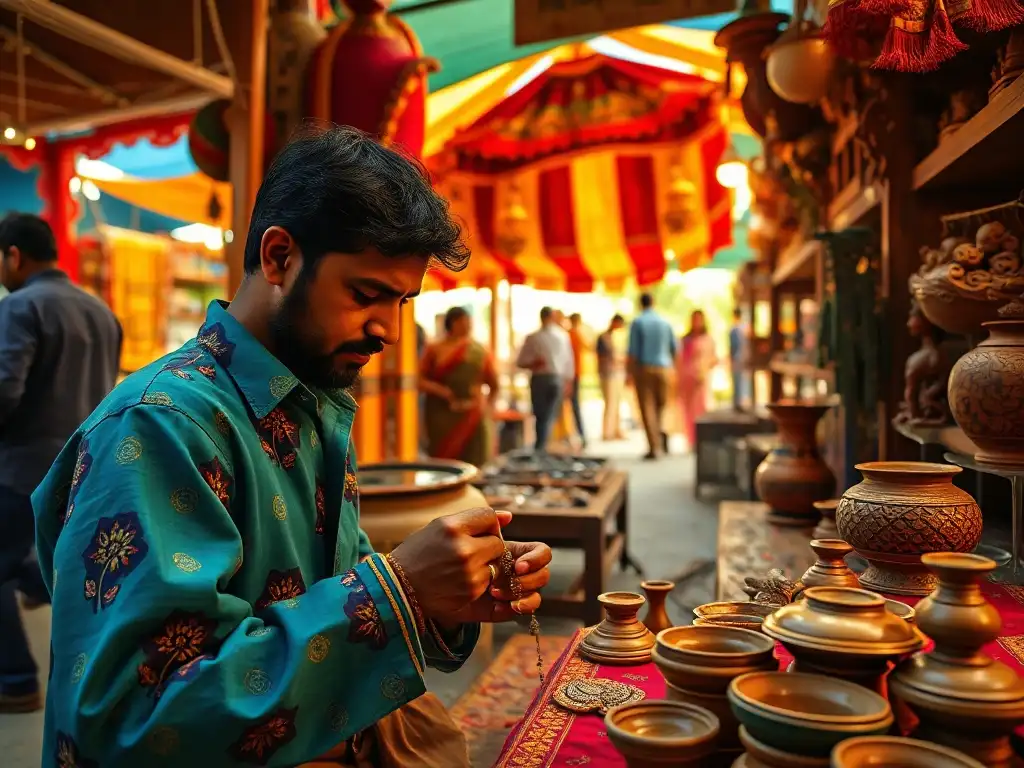
The future of Indian handicrafts is poised for remarkable growth, driven by a global resurgence of interest in authentic and sustainable products. As consumers worldwide increasingly prioritize ethical sourcing and craftsmanship, Indian artisans stand at the forefront of this movement. The intricate skills, rich cultural heritage, and diverse materials available in India provide a unique advantage in crafting products that resonate with both local and international markets.
Moreover, the integration of modern technology and e-commerce platforms has transformed how handicrafts reach consumers. Artisans can now showcase their work globally, enabling a broader audience to appreciate and purchase their creations. This shift not only boosts individual artisans' incomes but also contributes significantly to the local economies where these crafts are produced.
Embracing Innovation while Preserving Tradition
To ensure the future of Indian handicrafts remains bright, it is essential to strike a balance between innovation and tradition. This involves:
- Utilizing Modern Techniques: Adopting contemporary design methods and production technologies can enhance efficiency while maintaining the essence of traditional craftsmanship. For instance, digital marketing strategies can help artisans reach a global audience, while 3D printing can assist in prototyping new designs without compromising artisanal quality.
- Sustainable Practices: Emphasizing eco-friendly materials and sustainable production methods not only attracts environmentally conscious consumers but also preserves the natural resources that artisans rely on. Implementing responsible sourcing practices ensures that crafts remain viable for future generations.
- Collaborative Projects: Fostering partnerships between artisans and designers can lead to innovative product lines that appeal to contemporary tastes while retaining cultural significance. Such collaborations can rejuvenate traditional crafts, making them relevant in today’s market.
Embracing these innovations while staying true to the roots of Indian handicrafts will facilitate their evolution and ensure they continue to thrive in the global marketplace.
Call to Action: Supporting Indian Artisans and Handicrafts
Supporting the future of Indian handicrafts requires collective efforts from consumers, businesses, and policymakers. Here are ways to contribute:
- Purchasing Handmade Products: Choose to buy from local artisans or reputable online platforms that promote Indian handicrafts. Every purchase helps sustain traditional crafts and provides livelihoods to artisans.
- Promoting Awareness: Share knowledge about the significance of Indian handicrafts and the artisans behind them. By educating others, we can create a larger community that values and supports these crafts.
- Advocating for Policies: Encourage government and industry stakeholders to implement policies that protect artisans' rights and promote fair trade practices. Support initiatives that enhance skills training and access to global markets for artisans.
- Engaging in Community Initiatives: Participate in or support local initiatives focused on preserving and promoting handicrafts. Community workshops, artisan fairs, and cultural exchanges can foster appreciation and understanding of these unique art forms.
By taking these steps, we can ensure that the rich heritage of Indian handicrafts not only survives but flourishes, contributing to a vibrant and sustainable future. The future of Indian handicrafts is indeed bright, and with our support, it can shine even brighter on the global stage.
Further Reading and Resources
Recommended Books on Indian Handicrafts and Culture
To gain a deeper understanding of the Future of Indian handicrafts, several insightful books explore the rich history, techniques, and cultural significance of these artisanal products. Here are some noteworthy titles:
-
"The Art of Indian Handicrafts" by Jaya Jaitly
This book provides a comprehensive overview of various Indian handicrafts, showcasing their evolution and the artisans behind them. Jaitly highlights the importance of preserving traditional craftsmanship while adapting to contemporary market trends.
-
"Indian Crafts and Craftsmen" by N. A. H. Raza
Raza's work delves into the historical context of Indian crafts, discussing their socio-economic impact and the role they play in sustaining communities. The book emphasizes the need for innovation to ensure the survival of these crafts in a globalized world.
-
"Handmade in India" by S. R. A. Menon
This publication features stunning visuals and detailed descriptions of various handicrafts from different regions of India. Menon examines the artisans' stories, the cultural heritage behind each craft, and the challenges they face in the global market.
-
"Crafting Futures: The Handbook of Indian Handicrafts" by R. K. Sharma
This guide explores the current trends in Indian handicrafts and offers practical insights for artisans and entrepreneurs. It focuses on sustainable practices and how to navigate the complexities of international trade.
-
"The Global Market for Indian Handicrafts" by A. S. Gupta
This analytical book discusses the dynamics of the international market for Indian handicrafts, providing valuable data and forecasts for future growth. Gupta emphasizes the importance of branding and marketing strategies for artisans.
Links to Online Marketplaces for Indian Handicrafts: Amazon Handmade, Etsy
The digital marketplace has revolutionized the accessibility of Indian handicrafts, enabling artisans to reach a global audience. Here are some prominent online platforms where Indian handicrafts can be explored and purchased:
-
Amazon Handmade
Amazon Handmade is a dedicated section within Amazon that features handcrafted goods from artisans around the world, including India. This platform not only provides a vast array of products but also ensures that artisans receive fair compensation for their work. With its user-friendly interface and extensive customer base, Amazon Handmade is a vital resource for promoting Indian handicrafts.
-
Etsy
Etsy is a global marketplace focused on handmade, vintage, and unique goods. It offers a plethora of Indian handicrafts, ranging from textiles to jewelry. Artisans can set up their own shops, allowing them to connect directly with customers and share their stories. Etsy also emphasizes the importance of sustainable practices, making it an ideal platform for promoting eco-friendly handicrafts.
By utilizing these resources and platforms, both consumers and artisans can contribute to the thriving future of Indian handicrafts, ensuring that these cultural treasures continue to flourish in the global market.
Frequently Asked Questions
What are the main factors influencing the future of Indian handicrafts?
The future of Indian handicrafts is influenced by global demand, sustainability practices, and the integration of modern technology in traditional crafting techniques.
How can Indian artisans adapt to global market trends?
Indian artisans can adapt by embracing innovation, utilizing digital platforms, and focusing on quality and uniqueness to meet the changing preferences of consumers worldwide.
What role does sustainability play in the future of Indian handicrafts?
Sustainability plays a crucial role, as consumers increasingly prefer eco-friendly products. Artisans who adopt sustainable practices can enhance their market appeal and contribute to environmental conservation.
Which regions in India are known for their significant handicraft contributions?
Regions such as Rajasthan, Gujarat, and Tamil Nadu are renowned for their unique handicrafts, each showcasing a rich heritage of artistry and cultural significance.
How can the government support the future of Indian handicrafts?
The government can support by providing financial assistance, promoting exports, and facilitating training programs to enhance the skills and visibility of artisans in the global market.
Final Reflection: Embracing the Future of Indian Handicrafts
The future of Indian handicrafts is not just a matter of preserving tradition; it is about redefining cultural identity in a global marketplace. As we navigate an increasingly interconnected world, the unique artistry and craftsmanship of Indian artisans hold the potential to resonate with diverse audiences, bridging cultural divides and fostering appreciation for heritage. The journey of Indian handicrafts is a testament to resilience and innovation, proving that tradition can thrive in modernity.
The impact of Indian handicrafts extends far beyond mere aesthetics; it shapes cultural narratives and strengthens community ties. The revival and promotion of these crafts not only empower artisans but also enrich the social fabric of our society. As Mahatma Gandhi once said, “The best way to find yourself is to lose yourself in the service of others.” This sentiment rings true as we recognize that supporting Indian handicrafts is a way of honoring the artisans’ dedication and creativity, ensuring that their stories and skills are woven into the global tapestry of culture.
As we look to the future, let us embrace the call to action: support and celebrate the artisans who breathe life into our heritage. Reflect on how you can contribute to this vibrant ecosystem, whether through conscious purchasing, sharing knowledge, or advocating for fair trade practices. By doing so, you not only enrich your own life with the beauty of Indian handicrafts but also play a vital role in preserving and promoting a legacy that deserves to shine on the world stage. Together, we can craft a future where Indian handicrafts flourish, inspiring generations to come.
Unveil the Future of Indian Handicrafts!
Thank you for diving into the vibrant world of Indian handicrafts! Your interest not only enlightens you but also helps to preserve and promote these exquisite arts. Now, it's time to take the insights you've gained and turn them into action!
Here’s how you can make a difference today:
- Explore local markets: Visit nearby artisan exhibitions or craft fairs to support and experience the beauty of Indian handicrafts firsthand.
- Share your passion: Use social media to showcase your favorite pieces or artisans you’ve discovered. Tag them and spread the word about the rich traditions they represent!
- Join a craft workshop: Sign up for a local class to learn a handicraft technique yourself; this is a fantastic way to connect with the culture and keep it alive.
What unique piece of Indian handicraft inspires you the most, and how will you incorporate it into your life?