
The Impact of Digital Marketing on Exporting Indian Goods: Strategies for Success


Welcome to Ancient India History, where we embark on a fascinating journey through the rich tapestry of India's past, exploring the remarkable civilizations that shaped our world. In this vibrant exploration, we delve into how the legacy of ancient Indian ingenuity continues to influence modern practices, including the realm of digital marketing for Indian exports. Discover the innovative strategies that can propel Indian goods onto the global stage, and learn how the wisdom of the ages can guide contemporary business endeavors. Join us as we unveil the secrets to success in the ever-evolving landscape of trade and investment!
- Introduction to Digital Marketing for Indian Exports
- The Role of Digital Marketing Strategies in Exporting Indian Goods
- Effective Digital Marketing Techniques for Indian Exporters
- Successful Case Studies of Digital Marketing in Indian Exports
- Challenges Faced by Indian Exporters in Digital Marketing
- Tips for Crafting a Winning Digital Marketing Strategy for Indian Exports
- Tools and Resources for Enhancing Digital Marketing Efforts
- Conclusion: Embracing Digital Marketing for Future Growth in Indian Exports
- Frequently Asked Questions
- Final Reflection: Embracing Digital Marketing for Indian Exports
- Unleash Your Export Potential Today!
Introduction to Digital Marketing for Indian Exports
In today's interconnected world, digital marketing for Indian exports has become an essential strategy for businesses aiming to expand their reach and tap into global markets. With the rise of technology and the internet, traditional marketing methods are being overshadowed by more efficient digital strategies that allow for targeted outreach, cost-effective advertising, and measurable results. As Indian exporters look to enhance their competitiveness, understanding the impact of digital marketing is crucial not only for promoting products but also for establishing a strong brand presence internationally.
The global marketplace is evolving rapidly, and Indian goods, ranging from textiles to technology, are increasingly sought after by consumers worldwide. However, succeeding in this environment requires a keen understanding of how to leverage digital marketing tools effectively. In this article, we will explore the significance of digital marketing in modern trade, outline the unique positioning of Indian goods in the global market, and provide actionable strategies for exporters looking to thrive in this digital age.
Understanding the Importance of Digital Marketing in Modern Trade
Digital marketing encompasses a wide array of strategies and tools that enable businesses to reach and engage their target audience more effectively. Here are some key reasons why it is vital for Indian exporters:
- Global Reach: Digital marketing allows businesses to reach potential customers across the globe without geographical limitations. Social media, email marketing, and SEO can attract international buyers efficiently.
- Cost-Effectiveness: Compared to traditional marketing methods, digital marketing can be more affordable, making it accessible even for small and medium-sized enterprises (SMEs).
- Measurable Results: With tools like Google Analytics, businesses can track the performance of their campaigns in real time, enabling them to make data-driven decisions.
- Enhanced Engagement: Digital platforms facilitate direct interaction with customers, fostering relationships that can lead to repeat business and brand loyalty.
- Targeted Advertising: Digital marketing enables precise targeting based on demographics, interests, and behaviors, ensuring that marketing efforts are directed towards the most relevant audience.
Incorporating digital marketing strategies is not merely an option but a necessity for Indian exporters aiming to stay competitive in an increasingly digital world.
Overview of Indian Goods in the Global Market
India's diverse and rich heritage translates into a wide array of goods that have garnered global interest. The following categories illustrate the types of products that are currently making waves in international markets:
- Textiles and Apparel: India is renowned for its textiles, including silk, cotton, and handwoven fabrics. The demand for sustainable and ethically produced garments has further boosted this sector.
- Handicrafts: Indian handicrafts, characterized by their artistry and craftsmanship, appeal to consumers looking for unique and culturally rich products.
- Pharmaceuticals: India has emerged as a global leader in generic pharmaceuticals, offering quality medicines at competitive prices.
- Technology and Software Services: With a robust IT infrastructure, Indian software and technology services are increasingly being exported to various nations.
- Agricultural Products: India is one of the largest producers of spices, tea, and various fruits and vegetables, making its agricultural goods highly sought after.
By leveraging digital marketing strategies, Indian exporters can effectively showcase these goods, strengthen their brand identity, and navigate the complexities of the global market. The following sections will delve deeper into specific strategies to ensure success in exporting Indian goods through digital marketing.
The Role of Digital Marketing Strategies in Exporting Indian Goods

Digital marketing has transformed the landscape of international trade, enabling Indian exporters to reach global markets more effectively than ever before. By leveraging various digital marketing strategies, Indian businesses can enhance their visibility, engage with potential customers, and ultimately drive sales. The core of these strategies lies in understanding the target audience, identifying the right channels for communication, and crafting compelling messages that resonate with international buyers.
The transition from traditional marketing to digital platforms has allowed exporters to not only reduce costs but also to measure the effectiveness of their campaigns in real-time. This adaptability is crucial for Indian exporters looking to stay competitive in a rapidly evolving global market. As businesses increasingly shift their focus to online platforms, the importance of implementing targeted digital marketing strategies cannot be overstated.
Key Digital Marketing Channels for Indian Exporters
Indian exporters can utilize several key digital marketing channels to enhance their outreach and drive sales. These channels include:
- Social Media Platforms: Engaging with users on platforms such as Facebook, Instagram, LinkedIn, and Twitter can help build brand awareness and foster customer relationships.
- Search Engines: Utilizing SEO and paid advertising (PPC) can significantly increase a business's visibility in search engine results, attracting more potential clients.
- Email Marketing: This channel allows for personalized communication with prospects, helping to nurture leads and maintain relationships with existing customers.
- Content Marketing: Creating valuable content related to products and industry insights can position a brand as an authority in its field, attracting potential buyers.
By diversifying their digital marketing approach, Indian exporters can maximize their reach and improve their chances of success in international markets.
Social Media Marketing for Indian Export Products
Social media marketing has emerged as a powerful tool for Indian exporters to showcase their products to a global audience. Here are some effective strategies:
- Targeted Advertising: Utilize targeted ads on platforms like Facebook and Instagram to reach specific demographics interested in Indian goods.
- Visual Content: High-quality images and videos of products can captivate potential buyers. Showcasing the craftsmanship and uniqueness of Indian goods is essential.
- Engagement with Followers: Regularly interacting with followers through comments, direct messages, and live sessions can build loyalty and trust.
- Influencer Collaborations: Partnering with social media influencers can enhance visibility and credibility, tapping into their established audiences.
By implementing these strategies, Indian exporters can effectively promote their products and foster deeper connections with international customers.
Search Engine Optimization (SEO) for Export Businesses
Search Engine Optimization (SEO) is critical for ensuring that potential customers can easily find Indian export businesses online. Here are key aspects to consider:
- Keyword Research: Identify relevant keywords, such as "Digital marketing for Indian exports," that potential customers might use to search for products.
- On-Page Optimization: Optimize website content, including product descriptions and blog posts, to include target keywords naturally.
- Technical SEO: Ensure the website is mobile-friendly, has fast loading times, and uses HTTPS to improve user experience and search rankings.
- Link Building: Develop a strategy for acquiring backlinks from reputable sites to boost domain authority and search engine rankings.
Implementing effective SEO strategies allows Indian exporters to enhance their online presence and attract organic traffic, leading to higher conversion rates.
Email Marketing Strategies for Engaging International Clients
Email marketing remains one of the most effective ways to engage with international clients and drive sales. To maximize its impact, Indian exporters should consider the following strategies:
- Segmentation: Divide email lists based on customer demographics, purchase history, and engagement levels to send personalized content.
- Compelling Subject Lines: Craft attention-grabbing subject lines that encourage recipients to open the email.
- Value-Driven Content: Provide valuable information, such as industry insights, product updates, and exclusive offers, to keep clients engaged.
- Call-to-Action (CTA): Include clear and enticing CTAs that guide recipients towards making a purchase or exploring the website further.
By implementing these email marketing strategies, Indian exporters can maintain a strong presence in the minds of their international clients and encourage repeat business.
Effective Digital Marketing Techniques for Indian Exporters

Content Marketing: Showcasing Indian Heritage and Craftsmanship
Content marketing plays a pivotal role in establishing an emotional connection between Indian exporters and potential buyers worldwide. By focusing on the rich heritage and craftsmanship of Indian goods, exporters can leverage storytelling to engage their audience effectively.
Using Blogs and Articles to Promote Indian Goods
Blogs and articles serve as an excellent medium to narrate the history and significance of various Indian products. Exporters can create informative content that highlights:
- Cultural Significance: Explain the traditional and cultural importance of products like handwoven textiles, pottery, or spices.
- Craftsmanship: Showcase artisanship by detailing the intricate processes involved in creating these goods.
- Sustainability: Discuss eco-friendly practices in production, appealing to environmentally conscious consumers.
By optimizing these articles with relevant keywords, such as "Digital marketing for Indian exports," exporters can improve their search engine visibility and attract organic traffic.
Video Marketing: Storytelling through Visuals
Video marketing is a powerful tool for showcasing the vibrancy and uniqueness of Indian goods. By creating compelling video content, exporters can convey their brand's story and the value of their products effectively.
Key aspects to consider include:
- Behind-the-Scenes: Filming the production process or the artisans at work can provide authenticity and build trust.
- Testimonials: Featuring satisfied customers or influencers can enhance credibility and encourage potential buyers.
- Cultural Narratives: Short documentaries that highlight the cultural context of the products can captivate and educate viewers simultaneously.
By sharing these videos on platforms like YouTube and social media, exporters can reach a wider audience and enhance brand recognition.
Pay-Per-Click Advertising for Targeted Reach
Pay-Per-Click (PPC) advertising is a strategic way for Indian exporters to gain visibility in competitive markets. This model allows businesses to display ads to specific target audiences based on various criteria, ensuring that marketing resources are used efficiently.
Google Ads and Their Relevance to Indian Exports
Google Ads can significantly benefit Indian exporters by targeting keywords related to their products. By focusing on phrases such as "buy Indian handicrafts" or "export Indian spices," businesses can attract potential buyers actively searching for these items.
Key benefits of using Google Ads include:
- Immediate Visibility: Ads appear at the top of search results, providing instant exposure.
- Geo-Targeting: Exporters can specifically target regions or countries where their goods are in demand.
- Budget Control: Businesses can set daily budgets, ensuring they only spend what they can afford.
By continuously monitoring and optimizing ad performance, exporters can maximize their return on investment.
Social Media Ads: Targeting Global Audiences
Social media platforms offer a unique advantage for Indian exporters to reach global audiences. With billions of users worldwide, platforms like Facebook, Instagram, and LinkedIn allow for precise targeting based on demographics, interests, and behaviors.
Strategies for effective social media advertising include:
- Visual Appeal: High-quality images and videos of products can capture attention and encourage engagement.
- Localized Campaigns: Tailoring ads to resonate with specific cultures or languages can enhance relatability and effectiveness.
- Interactive Content: Utilizing polls, quizzes, or contests can boost engagement and foster community around the brand.
By effectively utilizing social media ads, Indian exporters can build brand awareness and drive traffic to their online stores, ultimately increasing sales and expanding their market reach.
Successful Case Studies of Digital Marketing in Indian Exports

Case Study 1: Fabindia - Revolutionizing Handicraft Exports through Digital Platforms
Fabindia, a leading retailer of traditional Indian handicrafts, has effectively utilized digital marketing to transform its export strategy. By establishing a robust online presence, Fabindia has tapped into global markets, showcasing its unique products to a wider audience.
Digital Strategies Employed:
- E-Commerce Platform: Fabindia launched its e-commerce website, allowing international customers to browse and purchase products directly. This platform has become a crucial channel for exports, significantly increasing sales.
- Social Media Engagement: The company has harnessed social media platforms like Instagram and Facebook to promote its products. By sharing visually appealing content and storytelling about artisans, Fabindia has created a strong brand narrative that resonates with global consumers.
- Content Marketing: Through blogs and videos showcasing the craftsmanship behind its products, Fabindia has educated potential customers about the cultural significance and quality of Indian handicrafts.
The results have been impressive, with Fabindia reporting a substantial increase in its export revenue, driven by its digital marketing initiatives. The brand's commitment to sustainability and fair trade practices has further enhanced its appeal in international markets.
Case Study 2: Vastralaya - Leveraging SEO to Boost Export Sales of Textiles
Vastralaya, a textile manufacturer, has successfully implemented search engine optimization (SEO) strategies to enhance its visibility in international markets. By optimizing its website for relevant keywords, Vastralaya has attracted a global clientele.
Key SEO Strategies:
- Keyword Research and Optimization: Vastralaya conducted thorough keyword research to identify terms frequently searched by potential buyers in foreign markets. This included phrases like "Indian textiles" and "handwoven fabrics," which were strategically integrated into website content.
- Quality Content Creation: The company focused on producing high-quality content that addressed the interests of its target audience, including articles on textile trends, care tips, and sustainable practices.
- Backlinking and Partnerships: Vastralaya established partnerships with influential bloggers and industry websites to generate backlinks. This not only improved the site’s authority but also directed traffic from relevant sources.
As a result of these efforts, Vastralaya has seen a significant increase in organic traffic from international markets, leading to a rise in export orders and a stronger online presence.
Lessons Learned from Successful Digital Marketing Campaigns
The success of Fabindia and Vastralaya illustrates several key lessons for businesses looking to leverage digital marketing for Indian exports:
- Build a Strong Online Presence: Establishing an engaging and user-friendly website is crucial for attracting international customers. An e-commerce platform can serve as a direct sales channel.
- Utilize Social Media Effectively: Engaging with audiences on social media platforms can enhance brand visibility and foster customer loyalty. Visual storytelling plays a vital role in capturing attention.
- Invest in SEO: Optimizing content for search engines can significantly increase visibility and attract organic traffic. Understanding the target market's search behavior is essential for success.
- Focus on Quality Content: Providing valuable content not only helps in SEO but also positions the brand as an authority in its niche. This builds trust with potential customers.
- Collaborate and Network: Partnering with influencers and industry stakeholders can amplify marketing efforts, leading to increased exposure and credibility.
By implementing these strategies, businesses can enhance their digital marketing efforts and achieve success in exporting Indian goods on a global scale.
Challenges Faced by Indian Exporters in Digital Marketing

Digital marketing has transformed the landscape for exporters, enabling them to reach global markets more efficiently. However, Indian exporters face several challenges that can hinder their success in utilizing these digital marketing strategies effectively. Understanding and addressing these challenges is essential for optimizing their export potential.
The digital marketing arena is characterized by fierce competition, especially in the context of Indian exports. Exporters must contend not only with local competitors but also with international players who may have more established brand recognition and resources. Key factors contributing to this challenge include:
- Market Saturation: Many industries, particularly textiles, handicrafts, and IT services, are saturated with similar products. Exporters need to differentiate their offerings through unique value propositions.
- Brand Visibility: With numerous brands vying for attention, standing out in search engine results and social media feeds requires strategic investments in SEO, PPC, and content marketing. For instance, utilizing long-tail keywords related to "Digital marketing for Indian exports" can enhance visibility.
- Adapting to Trends: Digital marketing trends evolve rapidly. Exporters must stay ahead of trends like influencer marketing, which can significantly impact purchasing decisions in target markets.
Understanding Cultural Differences in Target Markets
Cultural nuances play a crucial role in shaping marketing strategies. Indian exporters must be sensitive to the cultural contexts of their target markets to ensure their digital marketing campaigns resonate effectively. Key considerations include:
- Localized Content: Adapting content to reflect local languages, idioms, and cultural references can improve engagement. For example, a campaign targeting the Middle East may incorporate regional themes and values.
- Consumer Behavior: Understanding how different cultures approach online shopping, product preferences, and brand loyalty can inform marketing strategies. For instance, some cultures may prefer detailed product descriptions and reviews, while others may prioritize visual content.
- Social Media Usage: The preferred social media platforms can vary widely across regions. While platforms like Facebook and Instagram are popular in many countries, others may favor LinkedIn for B2B interactions or regional platforms specific to their locale.
Ensuring Compliance with International Trade Regulations
Compliance with international trade regulations is a critical aspect of exporting that can complicate digital marketing efforts. Indian exporters must navigate various legal frameworks and standards, including:
- Data Privacy Regulations: Exporters must comply with data protection laws such as GDPR in Europe. This includes obtaining consent for email marketing and ensuring that personal data is handled appropriately.
- Advertising Standards: Different countries have varying advertising regulations that may restrict certain types of claims or the use of specific marketing tactics. Understanding these regulations is essential to avoid penalties and maintain brand integrity.
- Tariffs and Trade Agreements: Exporters should be aware of tariffs imposed on their goods and how these might affect pricing strategies. Digital marketing campaigns must reflect competitive pricing while considering these additional costs.
While digital marketing offers Indian exporters unprecedented opportunities to expand their reach and enhance sales, it also presents unique challenges that must be addressed strategically. By navigating global competition, understanding cultural differences, and ensuring compliance with trade regulations, Indian exporters can position themselves for success in the digital marketplace.
Tips for Crafting a Winning Digital Marketing Strategy for Indian Exports
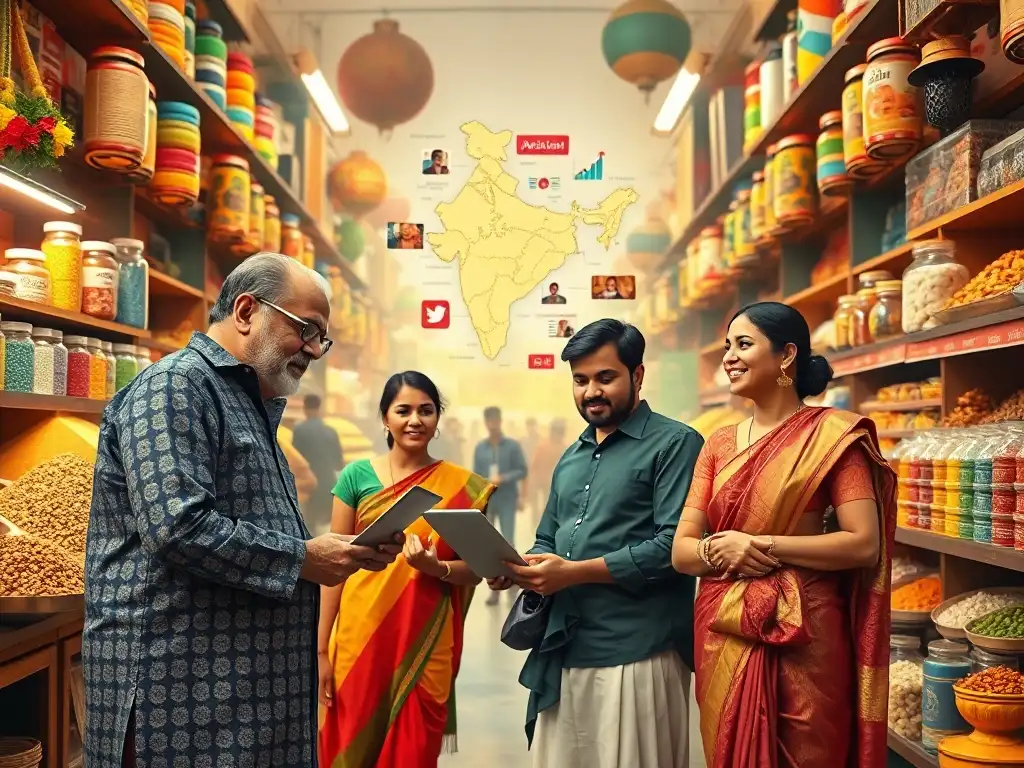
When it comes to exporting Indian goods, a well-crafted digital marketing strategy can significantly enhance visibility, reach, and sales. Here are some essential tips to develop a successful digital marketing strategy specifically tailored for Indian exports.
Identifying Target Markets for Indian Products
Identifying the right target markets is the cornerstone of any successful export strategy. Understanding the demand for Indian products in various global markets can help exporters focus their efforts where they are most likely to succeed.
- Market Research: Conduct thorough market research to identify countries that have a high demand for Indian goods. Utilize tools like Google Trends, industry reports, and trade statistics to gather data on potential markets.
- Cultural Considerations: Analyze cultural nuances and consumer behaviors in target markets. For example, food products may require different marketing approaches in diverse cultures due to varying dietary preferences.
- Competitor Analysis: Examine competitors in the target market. Understanding their strategies, pricing, and customer engagement can provide valuable insights into how to position your products effectively.
- Regulatory Compliance: Be aware of the regulatory requirements and trade tariffs in your target countries. This knowledge is crucial to ensure compliance and avoid potential setbacks.
Building an Effective Online Presence
A strong online presence is vital for exporters looking to expand their reach. It serves as the digital storefront for your goods and is crucial for brand building.
Website Design and User Experience for Exporters
Creating an engaging and user-friendly website is essential for attracting potential buyers and converting them into customers.
- Responsive Design: Ensure your website is mobile-friendly. A significant portion of online shopping occurs on mobile devices, so a responsive design is necessary for a seamless user experience.
- Clear Navigation: Implement intuitive navigation that allows users to easily find products, contact information, and relevant content about your brand and offerings.
- High-Quality Content: Use high-resolution images and detailed product descriptions to showcase your goods. Highlight unique features and benefits to differentiate your products from competitors.
- Call-to-Action (CTA): Incorporate effective CTAs throughout the site to encourage visitors to take specific actions, such as making a purchase or signing up for newsletters.
Utilizing E-commerce Platforms for Indian Goods
Leveraging e-commerce platforms can significantly boost the visibility and sales of Indian exports.
- Choosing the Right Platforms: Research and select e-commerce platforms that cater to your target markets, such as Amazon, Alibaba, or regional marketplaces. Each platform has its own audience and advantages.
- Optimizing Product Listings: When listing products, optimize titles, descriptions, and images according to the platform's guidelines and SEO best practices. This will enhance discoverability and attract more buyers.
- Marketing Tools: Take advantage of marketing tools offered by e-commerce platforms, such as sponsored ads and promotions, to increase product visibility.
- Customer Engagement: Engage with customers through reviews and feedback. Building trust and credibility is essential for long-term success in online sales.
By following these tips and focusing on digital marketing for Indian exports, exporters can position themselves effectively in the global marketplace and achieve sustainable growth.
Measuring Success: Key Performance Indicators (KPIs) for Export Digital Marketing
When it comes to digital marketing for Indian exports, measuring success is crucial to refining strategies and ensuring that marketing efforts yield tangible results. Key Performance Indicators (KPIs) serve as measurable values that demonstrate how effectively a company is achieving its business objectives. Here are some essential KPIs to consider:
1. Website Traffic
Tracking the number of visitors to your website is a fundamental KPI. Increased traffic typically indicates a successful digital marketing campaign. Tools like Google Analytics can help you monitor:
- Total visits: The overall number of visits to your site.
- Unique visitors: The count of distinct individuals visiting your site within a specified timeframe.
- Traffic sources: Understanding where your visitors are coming from (organic search, social media, referral links) can help tailor your marketing strategies.
2. Conversion Rate
The conversion rate measures the percentage of visitors who take a desired action, such as making a purchase or requesting a quote. This KPI is vital for assessing the effectiveness of your website in converting visitors into customers. To calculate the conversion rate:
\[
\text{Conversion Rate} = \left( \frac{\text{Number of Conversions}}{\text{Total Visitors}} \right) \times 100
\]
3. Return on Investment (ROI)
Calculating ROI helps you understand the profitability of your digital marketing efforts. It measures the return generated from marketing investments relative to their cost. The formula for ROI is:
\[
\text{ROI} = \left( \frac{\text{Net Profit}}{\text{Cost of Investment}} \right) \times 100
\]
A positive ROI indicates successful campaigns, while a negative ROI highlights areas for improvement.
4. Engagement Metrics
Engagement metrics gauge how actively users interact with your content. These include:
- Bounce rate: The percentage of visitors who leave your site after viewing only one page. A high bounce rate may suggest that your content is not engaging or relevant.
- Average session duration: The average time users spend on your site. Longer sessions often indicate that visitors find your content valuable.
- Social media interactions: Likes, shares, comments, and mentions can provide insight into how well your content resonates with your audience.
5. Customer Acquisition Cost (CAC)
CAC measures the total cost of acquiring a new customer through your digital marketing efforts. This includes all marketing expenses divided by the number of new customers acquired in a given period. Understanding your CAC helps you assess the efficiency of your marketing strategy and allocate resources effectively.
6. Lead Generation
For export businesses, generating qualified leads is essential. Tracking the number of leads generated from various digital marketing channels can help you identify which strategies are most effective. Consider segmenting leads by source (e.g., email campaigns, social media, or organic search) to refine your approach further.
7. Customer Lifetime Value (CLTV)
CLTV estimates the total revenue a business can expect from a customer throughout their relationship. By comparing CLTV to CAC, businesses can assess the long-term profitability of acquiring new customers. A higher CLTV relative to CAC typically indicates a successful marketing strategy.
By carefully monitoring these KPIs, businesses can gain valuable insights into the effectiveness of their digital marketing strategies for Indian exports. This data-driven approach enables companies to make informed decisions, optimize campaigns, and ultimately drive growth in the competitive global marketplace.
Tools and Resources for Enhancing Digital Marketing Efforts

In the realm of digital marketing for Indian exports, utilizing the right tools and resources can significantly enhance a company's online presence and effectiveness in reaching international markets. By leveraging various digital marketing tools, exporters can optimize their strategies to boost visibility, engagement, and ultimately, sales. Below, we explore some of the top recommended tools and learning resources that can empower exporters to succeed in the digital landscape.
Recommended Digital Marketing Tools for Exporters
The digital marketing landscape is vast and ever-evolving, with numerous tools available to help exporters refine their strategies. Here are some essential tools that can aid in various aspects of digital marketing:
SEMrush: A Comprehensive SEO Tool for Export Businesses
SEMrush is an all-in-one digital marketing suite that is particularly valuable for exporters aiming to improve their search engine optimization (SEO) efforts. This tool provides:
- Keyword Research: Identify high-potential keywords related to Indian goods, enabling targeted content creation.
- Site Audit: Analyze website health and performance, helping to optimize for better visibility in search results.
- Competitor Analysis: Gain insights into competitors' strategies, including their keyword usage and backlink profiles.
By utilizing SEMrush, exporters can ensure that their online content is well-optimized for search engines, making it easier for potential international buyers to discover their products.
Hootsuite: Social Media Management for Brand Exposure
Hootsuite is a powerful social media management tool that allows exporters to manage multiple social media accounts from a single dashboard. Key features include:
- Post Scheduling: Plan and automate posts across various platforms, ensuring consistent engagement with audiences in different time zones.
- Analytics Tracking: Monitor social media performance, allowing exporters to assess which content resonates best with their audience.
- Engagement Tools: Respond to comments and messages promptly, fostering a more personal connection with potential customers.
By effectively utilizing Hootsuite, exporters can enhance their brand visibility and customer engagement on social media, which is crucial for building a loyal customer base.
Online Courses and Certifications to Improve Digital Marketing Skills
Continuing education in digital marketing is essential for exporters who want to stay ahead of industry trends and techniques. Numerous online courses and certifications can help improve digital marketing skills, including:
- Google Digital Garage: Offers free courses on digital marketing fundamentals, including SEO, social media marketing, and analytics.
- HubSpot Academy: Provides a variety of free certifications focused on inbound marketing, content marketing, and social media strategies tailored for businesses.
- Coursera: Hosts courses from renowned universities covering advanced topics in digital marketing, analytics, and e-commerce strategies.
Investing time in these courses not only enhances individual skills but also equips exporters with the knowledge needed to develop effective marketing strategies that can lead to successful international trade.
By adopting the right tools and continuously improving skills through education, Indian exporters can effectively navigate the digital landscape and leverage digital marketing to boost their export success.
Conclusion: Embracing Digital Marketing for Future Growth in Indian Exports
In the rapidly evolving landscape of global trade, digital marketing has emerged as a pivotal force for enhancing the visibility and competitiveness of Indian exports. The integration of digital strategies not only broadens market reach but also creates opportunities for engaging with potential buyers across diverse geographies. As Indian exporters adapt to these technological advancements, they are better positioned to capitalize on emerging trends and consumer behaviors.
One of the significant advantages of digital marketing is its ability to provide real-time data analytics. Exporters can utilize tools such as Google Analytics and social media insights to understand customer preferences, optimize marketing campaigns, and refine product offerings. This data-driven approach enables businesses to make informed decisions, ultimately leading to increased sales and customer satisfaction.
The Future of Digital Marketing in Driving Indian Export Success
The future of digital marketing for Indian exports looks promising as more businesses embrace technology to enhance their operational efficiency and market presence. Here are some key trends that will shape this landscape:
- Increased Use of AI and Automation:
- Artificial intelligence (AI) will play a crucial role in personalizing marketing efforts. By analyzing consumer behavior, AI can help exporters create targeted campaigns that resonate with their audience.
- Automation tools will streamline marketing processes, allowing exporters to manage multiple channels efficiently.
- Growth of E-commerce Platforms:
- The rise of e-commerce platforms provides a direct channel for exporters to reach international customers. Leveraging platforms like Amazon and Alibaba can significantly boost visibility and sales.
- Exporters can integrate their digital marketing strategies with e-commerce to create seamless customer experiences.
- Focus on Content Marketing:
- High-quality content that educates and informs potential buyers about products and their benefits will be essential. This can include blogs, videos, and infographics that showcase the uniqueness of Indian goods.
- Storytelling will become a vital component, allowing exporters to connect emotionally with customers by sharing the heritage and craftsmanship behind their products.
- Leveraging Social Media:
- Social media platforms will continue to be powerful tools for brand promotion and customer engagement. Exporters can utilize platforms like Instagram and LinkedIn to showcase their products and build a loyal customer base.
- Influencer marketing will also gain traction, as collaborations with influencers can enhance brand credibility and reach.
By staying ahead of these trends, Indian exporters can effectively harness the power of digital marketing to drive growth and success in the global market.
Final Thoughts on Implementing Effective Strategies for Exporters
To maximize the potential of digital marketing for Indian exports, exporters must adopt comprehensive strategies that align with their business goals. Here are some actionable steps to consider:
- Define Clear Objectives: Establish specific, measurable, achievable, relevant, and time-bound (SMART) goals for your digital marketing campaigns. This clarity will guide your efforts and help evaluate success.
- Invest in Training and Development: Equip your team with the necessary skills to navigate digital marketing tools and platforms. Continuous learning will ensure that your marketing strategies remain effective and up to date.
- Build a Strong Online Presence: Create a user-friendly website optimized for search engines. This is essential for attracting organic traffic and providing potential buyers with detailed information about your products.
- Utilize Multi-Channel Marketing: Diversify your marketing efforts across various channels, including email, social media, and search engines. A multi-channel approach increases visibility and engagement.
- Monitor and Adapt: Regularly analyze the performance of your digital marketing campaigns. Use insights to refine strategies and pivot when necessary to respond to market changes.
Embracing digital marketing for Indian exports is not merely an option but a necessity for success in today's competitive landscape. By leveraging innovative strategies and technologies, Indian exporters can enhance their market presence, drive sales, and ensure sustainable growth in the global arena.
Frequently Asked Questions
What is the significance of digital marketing for Indian exports?
Digital marketing plays a crucial role in enhancing the visibility of Indian goods in global markets, enabling exporters to reach a wider audience and effectively showcase their products.
Indian exporters can use social media platforms to build brand awareness, engage with customers, and promote their products through targeted advertising campaigns.
What are some effective digital marketing strategies for exporting?
Key strategies include SEO optimization, content marketing, and leveraging email campaigns to connect with potential buyers and drive sales for Indian products.
How does content marketing benefit Indian exporters?
Content marketing helps establish authority and trust by providing valuable information about products, which can lead to increased customer engagement and conversions.
What role does analytics play in digital marketing for exports?
Analytics provide insights into customer behavior and preferences, allowing exporters to refine their marketing strategies and improve targeting for better results.
Final Reflection: Embracing Digital Marketing for Indian Exports
In today's interconnected world, the significance of digital marketing for Indian exports cannot be overstated. As businesses navigate the complexities of global trade, leveraging digital platforms has become essential for reaching international markets and enhancing visibility. The strategies discussed in this article are not just trends; they are vital tools that can propel Indian goods onto the global stage, ensuring that they are competitive and relevant in a rapidly evolving marketplace.
The influence of digital marketing extends beyond mere sales; it shapes the cultural and social landscape of Indian exports. As we witness an increasing number of Indian brands making their mark internationally, the role of digital marketing becomes even more pronounced. This transformation is not just about adopting new technologies; it is about fostering a mindset that embraces innovation and adaptability. In the digital age, the ability to connect with consumers across borders is not just an advantage; it is a necessity.
This quote encapsulates the essence of our current reality, where digital marketing serves as a bridge between Indian exporters and global consumers.
As we look to the future, I invite you to reflect on your own journey within this digital landscape. Consider how you can harness the power of digital marketing to elevate your business or support Indian exports. Whether you are an entrepreneur, a marketer, or simply an enthusiast of Indian goods, your engagement with these strategies can contribute to a larger narrative of success and growth. Embrace the possibilities that digital marketing offers and be a part of the movement that showcases the richness of Indian exports to the world.
Unleash Your Export Potential Today!
Thank you for taking the time to explore the crucial role digital marketing plays in exporting Indian goods. By understanding these strategies, you're better equipped to seize opportunities in the global market. Now, let’s turn that knowledge into action!
Here are some concrete steps you can take right away:
- Revamp Your Online Presence: Update your website and social media profiles to reflect your unique offerings and narrative. This is your digital storefront, so ensure it is inviting and representative of your brand!
- Engage with Global Audiences: Utilize various social media platforms to connect with potential international customers by sharing valuable content that showcases your products effectively.
- Collaborate for Growth: Explore partnerships with other businesses or influencers to expand your reach and enhance your efforts in digital marketing.
What innovative digital marketing strategies have you experimented with to elevate your export efforts? Share your experiences below!