
How Ancient Indian Trade Shaped Regional Economies


Welcome to Ancient India History, where we embark on a fascinating journey through the vibrant tapestry of ancient Indian civilizations. Have you ever wondered how the intricate web of trade routes and economic exchanges influenced not just local communities but also shaped entire regions? In our featured article, "How Ancient Indian Trade Shaped Regional Economies," we delve into the profound economic impact of ancient Indian trade, uncovering its role in fostering cultural exchanges and economic prosperity.
Prepare to be captivated as we explore the legacies of the Indus Valley to the Gupta Empire, revealing how these ancient practices left an indelible mark on history. Let your curiosity lead you deeper into the wealth of knowledge awaiting you!
- Introduction to Ancient Indian Trade and Its Economic Impact
- Key Features of Ancient Indian Trade
- Economic Impact of Ancient Indian Trade
- Trade Partners and Global Connections
- Challenges Faced by Ancient Indian Trade
- Legacy of Ancient Indian Trade
- Conclusion: The Lasting Economic Impact of Ancient Indian Trade
- Frequently Asked Questions
- Final Reflection: The Enduring Legacy of Ancient Indian Trade
- Unveil the Impact of Ancient Trade on Today’s Economies!
Introduction to Ancient Indian Trade and Its Economic Impact
Ancient Indian trade played a crucial role in shaping the economies of various regions, facilitating not only the exchange of goods but also the transfer of knowledge, culture, and ideas. From the well-established trade routes of the Indus Valley Civilization to the flourishing markets of the Gupta Empire, the economic impact of ancient Indian trade networks was profound.
This article aims to explore the intricate web of internal trade networks that connected diverse communities within ancient India, highlighting how trade influenced regional economies and contributed to the development of a vibrant economic landscape. By examining the mechanisms of trade, the commodities exchanged, and the cultural exchanges that occurred, we can gain a deeper understanding of the economic legacy of ancient India.
Overview of Ancient Indian Trade
Ancient India was characterized by a rich tapestry of trade practices that spanned several millennia, primarily from the Indus Valley Civilization (circa 3300–1300 BCE) through the Gupta Empire (circa 320–550 CE). Trade was conducted both internally and externally, with well-established routes connecting the Indian subcontinent to distant lands such as Mesopotamia, Persia, and Southeast Asia.
Key features of ancient Indian trade include:
- Internal Trade Routes: A network of roads and waterways that facilitated the movement of goods across various regions.
- Major Trade Centers: Cities like Taxila, Pataliputra, and Ujjain emerged as bustling hubs of commerce.
- Diverse Commodities: Goods traded included textiles, spices, precious stones, and agricultural products, marking the economic diversity of the region.
- Cultural Exchange: Trade was not just about goods; it also allowed for the exchange of ideas, religions, and technologies, enriching the societies involved.
The economic impact of ancient Indian trade is evident in the wealth generated and the social structures that evolved around trade practices.
Importance of Trade in Ancient Indian Civilizations
Trade in ancient Indian civilizations was not merely a means of economic sustenance; it was a driving force behind societal progress and development. The importance of trade can be understood through several key aspects:
- Economic Prosperity: Trade significantly contributed to the wealth of various kingdoms, enabling rulers to fund public works, military campaigns, and cultural patronage.
- Job Creation: The demand for skilled artisans, merchants, and laborers in trade centers fostered job creation and stimulated local economies.
- Cultural Integration: Through trade, diverse cultures interacted, leading to a blending of traditions, languages, and practices that enriched the social fabric of ancient India.
- Technological Advancements: The necessity for efficient trade practices spurred advancements in navigation, transportation, and agricultural techniques, further enhancing economic productivity.
- Political Alliances: Trade relationships often led to political alliances, as kingdoms sought to protect their trade routes and ensure the flow of goods.
Recognizing the economic impact of ancient Indian trade allows us to appreciate the complexities and interdependencies that characterized this vibrant aspect of history. The legacy of these trade practices continues to influence modern economic systems and cultural exchanges in the region.
Key Features of Ancient Indian Trade
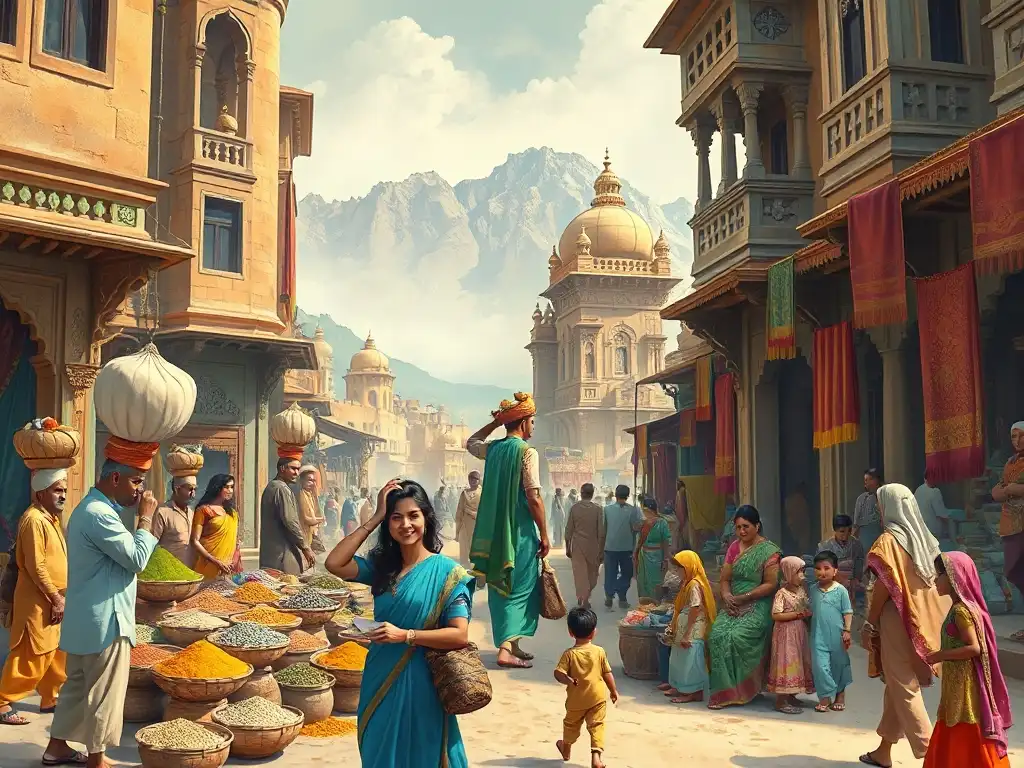
Ancient Indian trade was characterized by a complex and vibrant network that facilitated the exchange of goods, ideas, and cultures. This trade system played a crucial role in shaping regional economies and promoting interactions both within the subcontinent and beyond. Here are some key features of ancient Indian trade:
- Diversity of Goods: The trade system was marked by a wide array of goods, ranging from spices and textiles to precious metals and stones. This diversity not only satisfied local needs but also attracted traders from distant lands.
- Regional Specialization: Different regions in ancient India specialized in producing certain goods, enabling a system of interdependence. For example, the Deccan plateau was known for its diamond mines, while the coastal areas excelled in fishing and maritime goods.
- Marketplaces and Urban Centers: Trade flourished in urban centers such as Taxila, Pataliputra, and Ujjain, which served as hubs for commerce and cultural exchange. These cities had well-established markets where traders and consumers came together.
- Regulatory Framework: Ancient Indian trade was governed by a set of rules and regulations, often codified in texts such as the Arthashastra. These regulations ensured fair trade practices and protected the interests of both merchants and consumers.
- Influence of Geography: The geography of India, with its vast coastlines, rivers, and fertile plains, significantly influenced trade dynamics. Accessibility to waterways facilitated maritime trade, while land routes connected various regions and cultures.
Types of Goods Traded in Ancient India
The variety of goods traded in ancient India highlights the region's economic diversity and its role in the global trade network. The following lists outline some of the primary categories of goods exchanged:
- Agricultural Products:
- Grains (rice, wheat, barley)
- Spices (black pepper, cardamom, turmeric)
- Fruits (coconuts, mangoes)
- Textiles:
- Cotton fabrics (known for their quality)
- Silk (imported from China and produced locally)
- Woolen textiles (from northern regions)
- Metals and Minerals:
- Precious metals (gold, silver)
- Semi-precious stones (diamonds, emeralds)
- Iron and copper (for tools and weapons)
- Luxury Goods:
- Perfumes and oils
- Artifacts (jewelry, sculptures)
- Exotic animals (like elephants and peacocks)
This rich variety of goods not only met local demands but also positioned ancient India as a crucial player in international trade.
Major Trade Routes and Networks
Ancient Indian trade routes were extensive and well-established, facilitating economic interactions across vast distances. The primary trade routes included:
- Land Routes:
- Silk Road: Connected India to Central Asia and beyond, enabling the exchange of silk and spices.
- Southern Trade Route: Linked the Deccan plateau to the northern plains, facilitating the movement of agricultural products and textiles.
- Maritime Routes:
- Indian Ocean Trade Network: Connected India with Southeast Asia, Africa, and the Middle East, promoting the exchange of spices, textiles, and precious stones.
- Coastal Trade: Ports like Lothal and Bharukachchha were vital for maritime trade, facilitating the export of goods to foreign lands.
| Route Type | Major Goods Traded | Key Destinations |
|---|---|---|
| Land Routes | Spices, textiles, metals | Central Asia, Persia |
| Maritime Routes | Spices, silk, precious stones | Arabia, East Africa |
The interconnectedness of these routes not only enhanced economic prosperity but also fostered cultural exchanges among different civilizations.
Role of Trade in Cultural Exchange
Trade in ancient India was not solely an economic activity; it also served as a vital channel for cultural exchange. The intersections of commerce and culture included:
- Spread of Religions: Trade routes facilitated the dissemination of major religions such as Buddhism and Hinduism. Merchants often acted as cultural ambassadors, introducing religious beliefs and practices to new regions.
- Art and Architecture: The influx of goods and ideas led to the development of distinctive art and architectural styles. For example, the Indo-Greek art influenced by Hellenistic culture can be seen in ancient sculptures.
- Language and Literature: Trade interactions encouraged the exchange of languages and literary works. Sanskrit and Pali texts traveled alongside goods, influencing local cultures and traditions.
- Culinary Exchange: The introduction of spices and new agricultural products through trade enriched the culinary landscape of ancient India, leading to the development of diverse regional cuisines.
The impact of ancient Indian trade extended beyond mere economic transactions; it was a driving force for cultural integration and exchange, shaping the identities of various civilizations throughout history.
Economic Impact of Ancient Indian Trade
Influence on Regional Economies
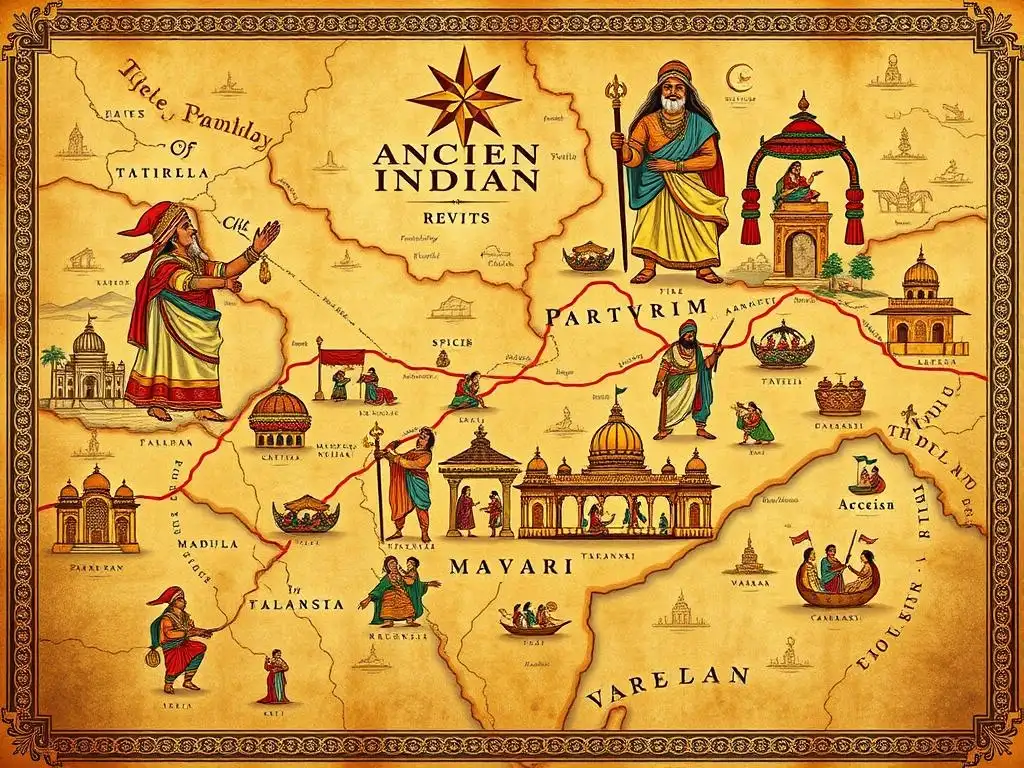
Ancient Indian trade played a significant role in shaping regional economies, fostering economic interdependence, and facilitating cultural exchanges across vast distances. The intricate trade networks established during various periods not only enriched local economies but also contributed to the prosperity of neighboring regions. The trade of commodities such as textiles, spices, precious metals, and agricultural products created a dynamic marketplace that benefitted numerous stakeholders, including merchants, artisans, and farmers.
The economic impact of ancient Indian trade can be observed through several key factors:
- Resource Distribution: Trade allowed for the efficient distribution of resources across regions. For instance, the fertile plains of the Ganges facilitated agricultural production, while the coastal regions provided access to seafood and marine resources. This enabled different regions to specialize in particular goods, leading to increased productivity and economic growth.
- Cultural Exchange: Trade routes served as conduits for cultural exchange, with merchants and travelers sharing not only goods but also ideas, technologies, and customs. This exchange enriched the local cultures and contributed to the development of a more cohesive regional identity.
- Market Integration: As trade routes expanded, markets became increasingly interconnected. The rise of urban centers saw the emergence of bustling marketplaces, which attracted traders from various regions. This integration enhanced competition, improved product quality, and reduced prices, ultimately benefiting consumers.
- Tax Revenue and State Power: The flourishing trade contributed significantly to state revenues through taxes and tariffs. This financial boost allowed ancient Indian kingdoms to invest in infrastructure, military expansion, and public welfare, strengthening their overall economic and political power.
Case Study: Trade in the Indus Valley Civilization
The Indus Valley Civilization (c. 3300–1300 BCE) is one of the earliest examples of advanced urban planning and trade in ancient India. Archaeological discoveries of well-planned cities such as Harappa and Mohenjo-Daro reveal a sophisticated economy based on trade.
- Trade with Mesopotamia: Evidence suggests that the Indus Valley traded extensively with Mesopotamia, exchanging goods like cotton textiles, beads, and metalwork for items such as silver, gold, and luxury goods. This trade not only enhanced the wealth of the Indus Valley but also facilitated cultural exchanges that influenced both civilizations.
- Standardization of Weights and Measures: The Indus Valley people developed a standardized system of weights and measures, which facilitated trade and ensured fair transactions. This innovation was crucial for managing the complexities of trade involving diverse goods and merchants.
- Maritime Trade: The proximity to the Arabian Sea enabled maritime trade routes that expanded their trading network beyond the land. This access to sea trade routes allowed for the import of goods from distant lands, further enriching the local economy.
Case Study: Trade during the Maurya Empire
The Maurya Empire (c. 322–185 BCE) significantly expanded the scope of trade in ancient India, driven by powerful rulers such as Chandragupta Maurya and Ashoka. Their reigns saw the establishment of extensive trade networks that connected various regions and facilitated economic growth.
- Infrastructure Development: The Mauryan rulers invested in infrastructure, such as roads and irrigation systems, which improved trade efficiency. The construction of the Grand Trunk Road, for instance, connected major cities and facilitated the movement of goods and people.
- Silk Route Contributions: The Maurya Empire played a pivotal role in the Silk Route trade, which linked India with Central Asia and beyond. The exchange of silk, spices, and other valuable goods not only enriched the Mauryan economy but also positioned India as a crucial player in global trade.
- Cultural and Religious Exchanges: Trade during the Maurya Empire also facilitated the spread of Buddhism and other cultural practices. This not only impacted regional economies but also promoted a shared identity among diverse groups connected through trade.
Development of Urban Centers and Marketplaces
The development of urban centers and marketplaces was a direct consequence of flourishing trade in ancient India. As trade networks expanded, cities emerged as vital hubs for commerce, culture, and social interaction.
- Urbanization and Economic Growth: Cities like Pataliputra, Ujjain, and Taxila became key centers of trade, drawing merchants, artisans, and laborers. This urbanization led to increased economic activity, as populations grew and diverse goods were exchanged.
- Marketplace Dynamics: Marketplaces evolved into vibrant spaces where various goods were traded. Merchants established shops and stalls, creating a bustling environment rich in diversity. The exchange of goods, such as textiles, spices, and pottery, fostered economic interdependencies among different regions.
- Craft Specialization: Urban centers allowed for the specialization of crafts and industries. Artisans began to focus on specific trades, leading to higher quality products and innovation. This specialization contributed to the economic prosperity of cities and enhanced their status as trade centers.
- Civic Structures: The growth of urban centers necessitated the development of civic structures such as warehouses, granaries, and public baths. These facilities supported trade activities and improved the quality of life for residents, further attracting traders and consumers.
The economic impact of ancient Indian trade was profound, shaping regional economies, facilitating cultural exchanges, and fostering urban development. The legacy of these trade networks resonates in the historical context of ancient India, highlighting the importance of commerce in the evolution of civilizations.
Impact on Agriculture and Craftsmanship
The economic impact of ancient Indian trade on agriculture and craftsmanship is profound, shaping the livelihoods and societal structures of the time. Trade routes facilitated the exchange of goods, ideas, and agricultural practices, leading to significant advancements in both sectors.
Agricultural Innovations
Ancient trade networks enabled the transfer of agricultural techniques across regions. For instance, the introduction of new crops such as rice and sugarcane from Southeast Asia enhanced local diets and agricultural diversity. This exchange not only improved food security but also encouraged the cultivation of cash crops, which were essential for trade.
- Irrigation Techniques: The trade routes contributed to the spread of advanced irrigation techniques. For example, the use of wells and canals became widespread, particularly in arid regions, allowing for more reliable farming. These methods increased crop yields and supported larger populations.
- Crop Rotation and Fertility: Farmers learned about crop rotation and the importance of soil fertility through interactions with neighboring cultures. This knowledge led to sustainable farming practices that maximized output and preserved resources for future generations.
Development of Craftsmanship
The impact of trade on craftsmanship was equally significant. Ancient Indian artisans benefitted from access to diverse materials and tools, which enhanced their craft and increased production efficiency.
- Material Exchange: Trade brought exotic materials such as silk, gemstones, and metal ores from different parts of Asia and beyond. Artisans adapted these materials into their crafts, creating intricate textiles, jewelry, and metalwork that became highly sought after in local and international markets.
- Skill Enhancement: As artisans engaged with foreign traders, they were exposed to new techniques and styles. This cultural exchange allowed them to refine their skills, leading to the development of distinctive regional crafts. For example, the introduction of Persian techniques influenced Indian pottery and weaving, resulting in unique hybrid styles.
Economic Outcomes
The interplay between agriculture and craftsmanship not only fortified local economies but also established ancient India as a vital hub in regional trade networks. The surplus generated from agricultural advancements fueled the production of crafts, which were traded both domestically and internationally.
- Market Growth: As agricultural productivity increased, so did the population and demand for crafted goods. Markets flourished in urban centers, where farmers and artisans could trade directly, stimulating local economies and fostering a sense of community.
- Cultural Exchange: The economic interactions through trade also facilitated cultural exchanges, as goods moved alongside ideas and practices. This enhanced the richness of Indian culture, as well as its economic resilience.
Ancient Indian trade had a significant economic impact on agriculture and craftsmanship, leading to innovations that not only improved livelihoods but also contributed to the broader economic landscape of the region. The legacy of these developments continues to influence India's agricultural and artisanal practices today.
Trade Partners and Global Connections
Trade Relationships with Neighboring Regions
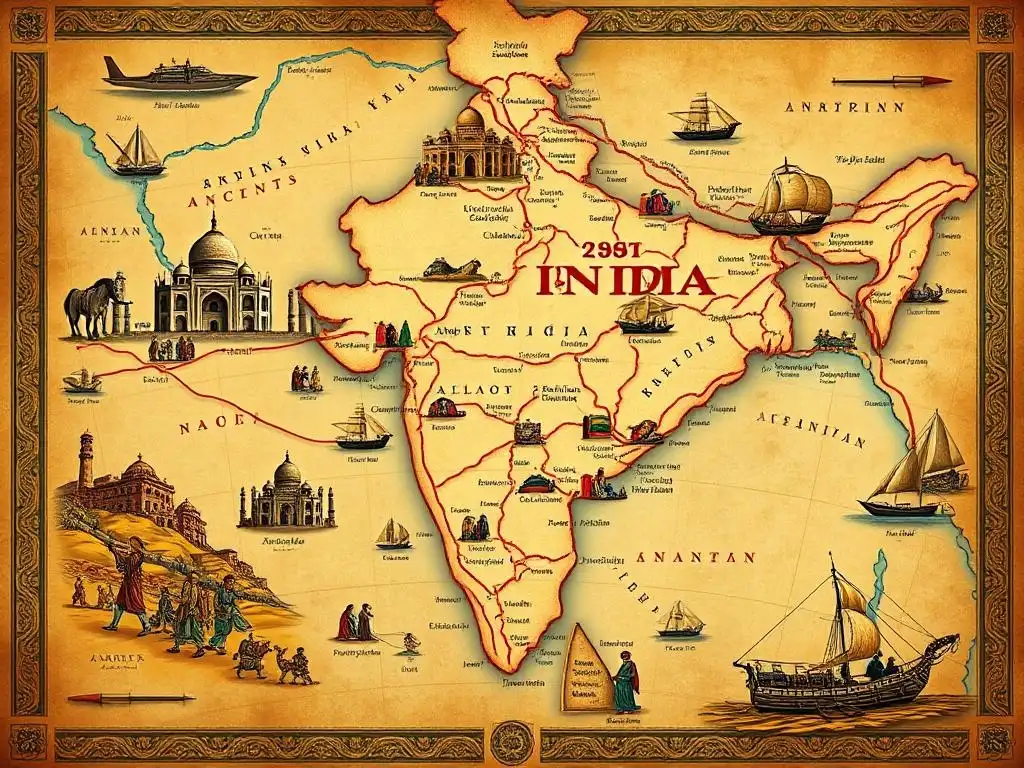
Ancient Indian trade was characterized by extensive relationships with neighboring regions, significantly influencing the economic landscape of the subcontinent. The interconnectivity facilitated the exchange of goods, culture, and ideas, which enriched the local economies and integrated them into a broader trade network.
Trade with Central Asia
The trade between ancient India and Central Asia was primarily driven by the Silk Road, which served as a vital artery for commerce. Goods such as silk, precious stones, and spices traveled from India to Central Asia, while Central Asian traders brought in horses, wool, and metals. The following points highlight this relationship:
- Silk and Spices: Indian spices, particularly black pepper, became highly sought after in Central Asia, leading to increased agricultural production in India.
- Cultural Exchange: Along with goods, there was a significant exchange of cultural practices, religious beliefs, and technological innovations, enhancing the cultural tapestry of both regions.
- Trade Hubs: Key cities such as Taxila and Peshawar emerged as major trading hubs, providing infrastructure and marketplaces that facilitated commerce.
Trade with Southeast Asia
Southeast Asia represented another crucial partner in ancient Indian trade networks. The maritime routes that connected India to regions like present-day Indonesia, Malaysia, and Thailand were instrumental in the movement of goods and ideas.
- Spices and Textiles: Indian merchants exported textiles, spices, and gems to Southeast Asia, while importing gold, tin, and exotic woods.
- Cultural Influence: The spread of Hinduism and Buddhism into Southeast Asia was facilitated by trade, leading to the establishment of Indianized kingdoms such as Srivijaya and Khmer.
- Maritime Trade Routes: The development of maritime trade routes allowed for the establishment of vibrant coastal trading ports, such as those in Gujarat and Kerala, which became pivotal in international commerce.
Influence of Foreign Traders on Ancient Indian Economies
The presence of foreign traders exerted a profound influence on ancient Indian economies, shaping trade practices, market dynamics, and economic policies.
- Introduction of New Goods: Foreign traders introduced new commodities into the Indian market, such as horses from Persia and glassware from the Roman Empire. This diversification of goods stimulated domestic production and innovation.
- Market Expansion: The influx of foreign traders expanded the market base for Indian producers, leading to increased competition and the development of new trade methodologies.
- Wealth Accumulation: The economic interactions with foreign traders contributed to the accumulation of wealth among Indian merchants, which facilitated further investments in agriculture, industry, and urbanization.
Ancient Indian trade, characterized by robust relationships with neighboring regions and influenced by foreign traders, had a significant economic impact. The interconnectedness fostered by these trade networks laid the foundation for a vibrant economic landscape that would flourish for centuries.
Challenges Faced by Ancient Indian Trade

Natural Disasters and Their Economic Effects
Ancient Indian trade networks were significantly impacted by natural disasters, which posed severe challenges to the economy and trade logistics. Events such as floods, earthquakes, and droughts could disrupt trade routes and cause damage to infrastructure. For instance, the Indus Valley Civilization faced numerous floods that not only affected agricultural output but also hampered trade activities.
The economic impact of such disasters often manifested in various ways:
- Disruption of Trade Routes: Natural calamities could render trade routes impassable, forcing merchants to seek alternative paths, which could lead to increased costs and reduced access to markets.
- Loss of Livelihoods: Communities dependent on trade suffered immense losses, as their sources of income were compromised. This often led to social unrest and migration.
- Inflation: Scarcity of goods due to disrupted supply chains could lead to price inflation, impacting both consumers and traders.
For example, the great floods around the Ganges basin disrupted trade networks, leading to a temporary decline in the agrarian economy and, consequently, a slowdown in trade activities. These events necessitated resilience and adaptability among traders and communities, who had to innovate methods for mitigating the impact of natural disasters.
Political Instability and Trade Disruptions
Political instability in ancient India also posed significant challenges to trade. The frequent changes in power, conflicts between kingdoms, and invasions were common occurrences that affected trade operations.
Key factors contributing to trade disruptions included:
- Warfare: Conflicts often led to the closure of trade routes, as armies occupied strategic areas, making it perilous for merchants to travel. The Mauryan Empire, despite its vast trade network, faced disruptions during the decline of its power due to internal strife.
- Taxation Policies: Changes in tax regimes could deter traders, as excessive taxation made trade less profitable. Some regions imposed heavy tariffs that discouraged trade participation, leading to economic stagnation.
- Political Alliances: Shifts in alliances could open or close trade routes overnight. For instance, the rise of the Gupta Empire saw a resurgence in trade, while preceding conflicts had left many routes perilous.
The implications of political instability were profound, as they not only affected trade volume but also the overall economic health of regions. Traders had to navigate these challenges by forming alliances and adapting to new political landscapes.
Competition with Other Trade Routes
Competition from other trade routes also shaped the dynamics of ancient Indian trade. As various civilizations developed their own networks, Indian trade faced both domestic and international challenges.
Several aspects of this competition included:
- Emergence of Alternative Routes: Other regions, such as the Persian Gulf and the Silk Road, began to offer competitive trade options. The availability of these routes often diverted trade away from Indian ports, leading to a decrease in local economic activity.
- Quality of Goods: Competing regions often specialized in goods that could challenge Indian products. For instance, the influx of silk from China and spices from Southeast Asia led to increased competition that pressured Indian traders to innovate and improve their offerings.
- Market Access: The establishment of trade centers in neighboring regions offered traders alternatives to traditional Indian markets. This could lead to a decline in the volume of goods traded within India, affecting local economies reliant on trade.
While ancient Indian trade played a crucial role in shaping regional economies, it faced significant challenges that impacted its growth and sustainability. Addressing these challenges was essential for the resilience of trade networks, which ultimately influenced the broader economic landscape of ancient India.
Legacy of Ancient Indian Trade
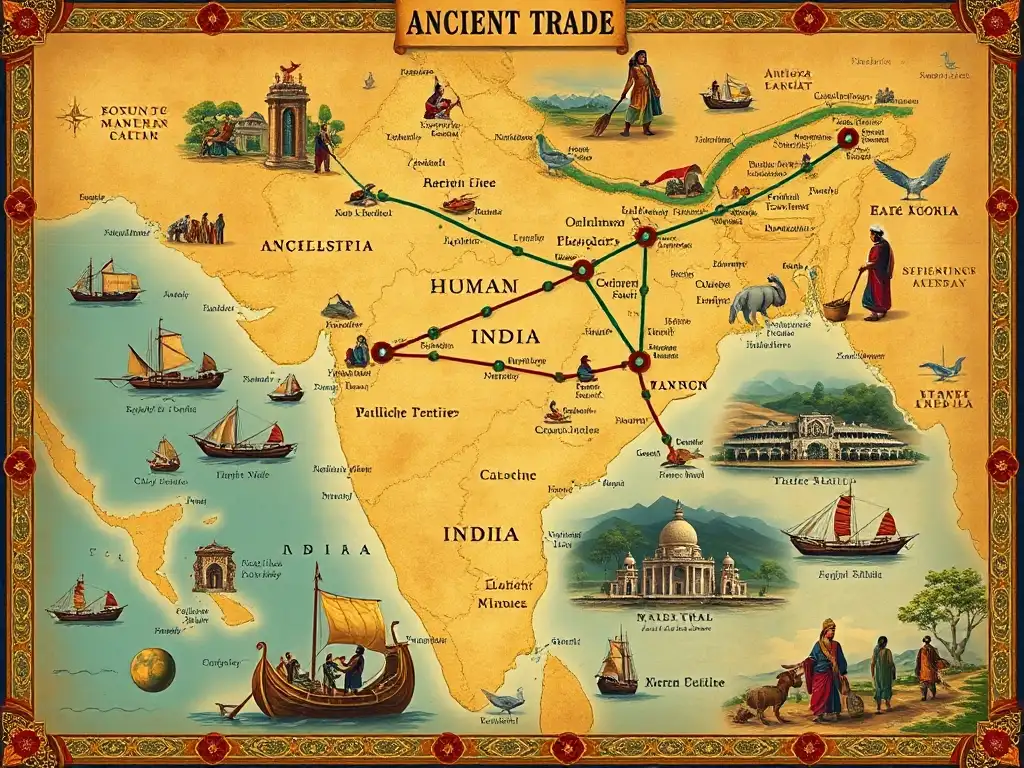
Ancient Indian trade was not merely a means of exchanging goods but a complex network that significantly influenced regional economies both in its time and beyond. The intricate systems of trade that developed during various periods, particularly from the Indus Valley civilization through the Gupta Empire, laid the groundwork for economic practices that resonate even today.
This legacy is marked by the establishment of trade routes, the cultivation of trade relations with neighboring regions, and the introduction of various commodities that shaped cultural and economic exchanges. The repercussions of these trade activities extended beyond material wealth; they fostered cultural interactions, technological advancements, and the spread of ideas.
Lasting Economic Influence on Modern India
The economic impact of ancient Indian trade can still be observed in contemporary India through several key channels:
- Trade Routes and Infrastructure:
- The ancient trade routes, such as the Silk Road and maritime paths, established foundational infrastructure that continues to influence modern transport and trade policies.
- Cities that thrived as trade hubs—like Ujjain and Pataliputra—have evolved into modern economic centers, reflecting their historical significance.
- Cultural Exchanges:
- The diverse range of goods traded, including spices, textiles, and metals, led to cultural exchanges that enriched Indian society and influenced culinary practices, fashion, and art forms.
- The integration of Buddhist and Hindu philosophies through trade interactions with Central Asia and the Middle East contributed to a shared cultural heritage that persists today.
- Economic Models:
- The barter system prevalent in ancient trade laid the groundwork for the development of modern economic models, emphasizing the importance of supply and demand.
- Techniques in taxation and revenue collection established during ancient times continue to inform contemporary fiscal policies.
- Entrepreneurship and Innovation:
- Ancient Indian trade encouraged entrepreneurship, as merchants and traders sought new markets and opportunities, sparking innovation in commerce and industry.
- The legacy of this entrepreneurial spirit is evident in today’s start-up culture, which echoes the adaptability and resourcefulness of ancient traders.
Preservation of Trade Practices in Contemporary Society
Modern India retains many elements of the ancient trade practices that underscore its historical roots:
- Traditional Markets:
- Local bazaars and markets in India often reflect the trading practices of ancient times, where goods are exchanged directly, and negotiation is a common practice.
- Craftsmanship and Artisanship:
- The skills and techniques developed by ancient artisans, such as weaving and pottery, are preserved through various artisanal cooperatives, maintaining economic ties to historical practices.
- Cultural Festivals:
- Festivals like Diwali and Makar Sankranti often feature trade-related themes, celebrating the exchange of goods and fostering community ties reminiscent of ancient market fairs.
- Sustainable Practices:
- Techniques in agriculture and resource management, developed through centuries of trade, focus on sustainability and local sourcing, aligning with modern practices aimed at environmental conservation.
The ancient Indian trade economic impact has woven itself into the fabric of contemporary Indian society, influencing everything from economic policies to cultural practices. The preservation of trade customs and the adaptation of ancient routes into modern infrastructure exemplify a resilient legacy that continues to shape regional economies today.
Conclusion: The Lasting Economic Impact of Ancient Indian Trade

Summary of Key Points
Ancient Indian trade played a pivotal role in shaping regional economies across the subcontinent and beyond. Key points illustrating its impact include:
- Diverse Trade Routes: India was crisscrossed by numerous trade routes, including the famous Silk Road and maritime routes connecting to Southeast Asia, the Middle East, and Africa. These routes facilitated not only the exchange of goods but also the transfer of ideas and culture.
- Economic Hubs: Prominent cities such as Taxila, Pataliputra, and Ujjain emerged as major trading hubs. They were strategically located and offered rich resources, attracting traders from various regions and leading to economic prosperity.
- Cultural Exchange: Trade facilitated the interaction between diverse cultures, leading to a rich tapestry of shared knowledge, technologies, and customs. This cultural amalgamation had lasting effects on art, religion, and societal norms.
- Specialization of Goods: Different regions specialized in producing specific goods based on their resources. For example, textiles from Gujarat, spices from the Malabar Coast, and precious stones from the Deccan Plateau became highly sought after in international markets, enhancing local economies.
- Economic Policies: The establishment of trade guilds and regulatory systems helped standardize trade practices, ensuring fairness and efficiency. Such policies fostered a stable economic environment, encouraging both local and foreign investment.
Reflection on the Importance of Ancient Trade in Shaping Regional Economies
The economic impact of ancient Indian trade extends far beyond mere commerce; it served as a catalyst for socio-economic development and cultural richness. Through trade, ancient Indian civilizations not only enhanced their wealth but also contributed to global economic dynamics.
The interconnectedness fostered by trade networks facilitated the flow of innovations, leading to advancements in various fields, including mathematics, astronomy, and metallurgy. As a result, ancient India became a hub of knowledge and technological progression, influencing neighboring regions and civilizations.
Moreover, the legacy of ancient Indian trade can be seen in contemporary economic practices. The principles of trade, negotiation, and cultural exchange established during this period continue to resonate in today’s globalized economy. Understanding the depths of ancient Indian trade offers valuable insights into the foundations of modern economic systems and highlights the significance of cultural exchange in fostering economic growth.
The study of ancient Indian trade provides a comprehensive perspective on its economic impact, showcasing how these early trade networks not only shaped regional economies but also laid the groundwork for a connected world, influencing economic practices and cultural exchanges that persist to this day.
Frequently Asked Questions
What was the significance of ancient Indian trade?
Ancient Indian trade played a crucial role in establishing regional economies and fostering cultural exchanges. It facilitated the movement of goods, ideas, and innovations across vast distances.
How did trade routes influence ancient Indian civilizations?
Trade routes were vital for the economic impact of ancient Indian civilizations, connecting them to regions like Southeast Asia and the Middle East. This connectivity enhanced commercial growth and cultural interactions.
What goods were commonly traded in ancient India?
Ancient India traded a variety of goods including spices, textiles, and precious stones. These commodities significantly contributed to the wealth and economic stability of the region.
The growth of trade led to the emergence of a merchant class, which influenced social dynamics and contributed to the development of urban centers. This shift allowed for greater social mobility and economic opportunities.
What role did the Gupta Empire play in ancient Indian trade?
The Gupta Empire marked a golden age in ancient Indian trade, promoting commercial activities and improving trade infrastructure. This period enhanced India's reputation as a global trading hub, impacting economies far beyond its borders.
Final Reflection: The Enduring Legacy of Ancient Indian Trade
The intricate web of ancient Indian trade not only fostered economic prosperity but also laid the groundwork for cultural exchanges that resonate in today's global economy. The historical significance of trade routes, such as the Silk Road and maritime pathways, underscores how interconnected societies have always been. As we navigate the complexities of modern economic systems, it's vital to recognize that the foundations of trade established by our ancestors continue to influence our interactions and economic strategies today.
The impact of ancient Indian trade has transcended time, shaping not only regional economies but also the cultural and social fabric of societies across the globe. The exchange of goods, ideas, and traditions facilitated by these trade networks has fostered a rich tapestry of cultural diversity that we still celebrate today.
As Mahatma Gandhi once said, "> A nation's greatness is measured by how it treats its weakest members." This sentiment echoes the importance of equitable trade practices that honor the contributions of all participants in the economic landscape, a principle that remains relevant as we strive for inclusive growth.
As we reflect on the lessons from ancient Indian trade, let us consider how we can apply these insights to our contemporary lives. I invite you to think about the ways in which you engage with trade and commerce in your community.
Whether it's supporting local artisans, advocating for fair trade practices, or simply being mindful of the origins of the products you consume, every action contributes to a more interconnected and equitable world. By embracing the spirit of ancient trade, we can foster economic relationships that honor our shared humanity and pave the way for a brighter, more sustainable future.
Unveil the Impact of Ancient Trade on Today’s Economies!
Thank you for exploring the fascinating world of ancient Indian trade! You've discovered how early economic strategies and cultural exchanges have shaped the regional economies we recognize today. Now, it’s time to harness that knowledge and take meaningful action!
Here are a few ways to deepen your understanding and share your newfound insights:
- Explore Local Markets: Visit a nearby market or trade fair where you can witness the blend of cultures and economies, reminiscent of ancient trade practices. What similarities can you identify?
- Join a Discussion Group: Connect with history enthusiasts in your area or online to discuss the impact of trade in ancient societies. Sharing your ideas could uncover new perspectives!
- Share Your Thoughts: Consider writing a blog post or social media update about your findings. Your insights could ignite a conversation that resonates with others interested in the topic of ancient trade.
What intriguing connections between ancient trade and today’s economic practices can you discover in your own community?