
The Art of Crop Rotation in Ancient Indian Farming Techniques


Welcome to Ancient India History, where we embark on a fascinating journey through the rich tapestry of ancient Indian civilizations. From the intricate urban planning of the Indus Valley to the scholarly achievements of the Gupta Empire, this site is dedicated to uncovering the remarkable contributions of our ancestors. In our featured article, The Art of Crop Rotation in Ancient Indian Farming Techniques, we delve into the innovative farming practices that sustained these vibrant societies and shaped their economies.
Are you ready to discover how these ancient methods continue to influence modern agriculture? Let’s explore the seeds of wisdom sown by our forebears!
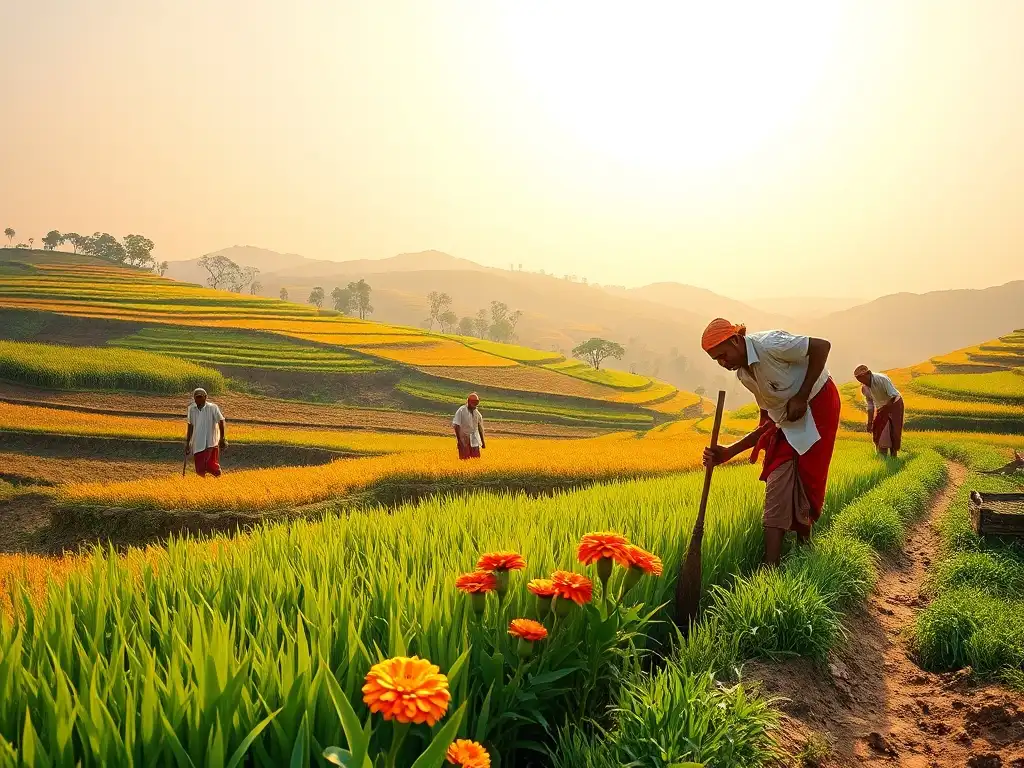
Introduction to Ancient Indian Farming Practices
Ancient Indian farming practices were foundational to the development of society in the Indian subcontinent, significantly influencing its economy, culture, and sustainability. Among these practices, crop rotation stands out as a key agricultural technique that allowed ancient civilizations to maximize yields and maintain soil health over extended periods. By systematically alternating different crops in a specific sequence, farmers could replenish soil nutrients, reduce pest populations, and enhance biodiversity. This article delves into the art of crop rotation within the broader context of ancient Indian farming, exploring its principles, historical significance, and lasting impact on agriculture.
Overview of Agriculture in Ancient India
Agriculture in ancient India was marked by innovation and adaptability, reflecting the diverse climatic and geographical conditions of the region. The subsistence farming practiced by early communities evolved into more sophisticated agricultural systems characterized by:
- Diverse Crops: Ancient Indian farmers cultivated a variety of crops, including rice, wheat, barley, pulses, and various fruits and vegetables, tailored to local conditions.
- Irrigation Techniques: Effective irrigation methods, such as wells, canals, and bunds, were developed to manage water resources and ensure optimal crop growth.
- Use of Organic Fertilizers: Farmers utilized natural fertilizers, including animal manure and compost, to enrich the soil and promote healthy crop development.
The integration of these elements laid the groundwork for a thriving agrarian society that supported a growing population and complex social structures.
Importance of Farming Techniques in Ancient Civilizations
The evolution of farming techniques in ancient civilizations was crucial for several reasons:
- Sustenance and Economy: Agriculture provided the primary source of food, which was essential for sustaining communities and fostering trade.
- Cultural Development: Agricultural practices influenced social organization, rituals, and cultural traditions, often intertwined with religious beliefs.
- Environmental Stewardship: Techniques such as crop rotation and intercropping demonstrated an early understanding of ecological principles, promoting sustainable land use and resource management.
By employing these innovative techniques, ancient Indian farmers contributed to the resilience and longevity of their civilizations, setting a precedent for future agricultural practices.
Understanding Crop Rotation
Definition and Principles of Crop Rotation
Crop rotation is defined as the practice of growing different types of crops in the same area across a sequence of seasons. The main principles of crop rotation include:
- Nutrient Management: Different crops have varying nutrient requirements. Rotating crops helps replenish soil nutrients that may have been depleted by previous crops.
- Pest and Disease Control: Alternating crops disrupts pest life cycles and reduces the likelihood of disease, promoting healthier plants.
- Soil Structure Improvement: Diverse root systems contribute to better soil structure and aeration, enhancing water infiltration and retention.
This systematic approach not only boosts agricultural productivity but also promotes environmental sustainability.
Historical Context of Crop Rotation in Ancient India
The practice of crop rotation in ancient India can be traced back to the early agricultural societies that thrived in the Indus Valley and beyond. Evidence suggests that:
- Indus Valley Civilization: Archaeological findings indicate that farmers practiced crop rotation alongside irrigation as early as 2500 BCE, cultivating multiple crops within a single growing season.
- Vedic Texts: Ancient texts such as the Vedas and Arthashastra provide insights into farming practices, including crop rotation, emphasizing its importance in maintaining soil fertility and crop yields.
The historical context of crop rotation highlights its significance as a cornerstone of ancient Indian farming practices, contributing to the agricultural legacy that continues to influence modern techniques today.
Benefits of Crop Rotation in Ancient Indian Agriculture
Crop rotation was a cornerstone of ancient Indian farming practices, significantly contributing to the sustainability and productivity of agriculture. The systematic alternation of different crops in a specific sequence not only enhanced soil health but also fostered ecological balance. Understanding the benefits of crop rotation in ancient Indian agriculture reveals its vital role in ensuring food security and promoting economic stability in these civilizations.
Enhancing Soil Fertility and Nutrient Management
One of the primary benefits of crop rotation was its ability to enhance soil fertility. Different crops have varying nutrient requirements and uptake patterns. For instance, legumes, such as chickpeas and lentils, are known to fix atmospheric nitrogen into the soil, enriching it for subsequent crops. By alternating nitrogen-fixing plants with nutrient-demanding crops like rice and wheat, ancient Indian farmers could maintain soil fertility over multiple growing seasons.
Furthermore, rotating crops helped to prevent the depletion of specific nutrients. Continuous cultivation of the same crop can lead to nutrient exhaustion, particularly of nitrogen, phosphorus, and potassium. Through crop rotation, ancient farmers could manage these nutrients more effectively, ensuring that the soil remained productive and capable of supporting diverse plant life.
Pest and Disease Control Through Crop Diversity
Crop rotation also played a critical role in pest and disease management. By diversifying the crops grown in a field, ancient Indian farmers reduced the likelihood of pest infestations and disease outbreaks. Many pests and pathogens are crop-specific, thriving when the same plant is cultivated repeatedly. By rotating crops, farmers disrupted the life cycles of these pests and reduced their populations.
For example, alternating between cereals and legumes not only diversified the crops but also created an environment less conducive to pests that prefer monocultures. This natural method of pest control helped ancient Indian farmers minimize their reliance on chemical inputs, promoting healthier ecosystems and reducing the risk of crop failure due to pest-related issues.
Improved Yield and Sustainable Farming Practices
The practice of crop rotation led to improved yields and more sustainable farming practices in ancient India. By optimizing soil health and managing pests effectively, farmers could achieve higher productivity per unit of land. This was particularly important in regions where arable land was limited, as maximizing output from existing fields was crucial for sustaining growing populations.
Moreover, crop rotation contributed to the resilience of agricultural systems. By diversifying crop production, ancient Indian farmers mitigated the risks associated with climate variability and market fluctuations. A well-planned rotation could ensure that even if one crop failed due to adverse weather or pest attacks, others could still thrive, providing food security and economic stability for communities.
Key Crops Used in Ancient Indian Crop Rotation

The success of crop rotation in ancient Indian agriculture relied heavily on the selection of appropriate crops. Various key crops were strategically rotated to optimize soil health, ensure sustainability, and maximize agricultural output.
Major Crops in Ancient Indian Farming
Among the major crops used in ancient Indian crop rotation were staple grains like rice, wheat, and barley. These cereals formed the backbone of the diet and were often cultivated alongside pulses such as lentils, chickpeas, and mung beans. The inclusion of these legumes not only contributed to dietary diversity but also enhanced soil fertility through nitrogen fixation.
In addition to grains and legumes, oilseeds like mustard and sesame were also integral to crop rotation strategies. The cultivation of these oilseeds provided essential fats and contributed to the overall health of the soil. Additionally, fruits and vegetables, such as cucumbers, gourds, and various tubers, were incorporated into the rotation to diversify agricultural output and improve food security.
Seasonal Crop Rotations: Techniques and Timing
Ancient Indian farmers employed specific techniques and timing for seasonal crop rotations to maximize agricultural yield. The rotation cycles typically aligned with the monsoon season, which was crucial for determining the types of crops planted. For instance, during the kharif season (June to September), farmers would often plant rice and other monsoon-dependent crops, followed by rabi crops (October to March) such as wheat and barley.
Farmers also practiced intercropping, where different crops were planted simultaneously within the same field. This method allowed for more efficient use of resources, such as water and sunlight, while reducing soil erosion. Timing was critical, as the selection of crops and their planting schedules were closely linked to local climatic conditions, ensuring that each crop had the best chance to thrive. By utilizing these techniques, ancient Indian farmers effectively managed their agricultural systems, fostering resilience and sustainability in their farming practices.
Ancient Texts and References to Crop Rotation
The practice of crop rotation in ancient India is well-documented in various texts that highlight the significance of sustainable agricultural practices. Ancient Indian agronomists understood the importance of rotating crops to maintain soil fertility and enhance crop yields. This knowledge was not only practical but also deeply rooted in the cultural and spiritual beliefs of the time.
Key ancient texts like the Krishi Parashara and Manasollasa provide insights into the methods and philosophies surrounding farming practices, including crop rotation. These texts emphasize the benefits of alternating different types of crops in a systematic manner to prevent soil depletion and to manage pests and diseases effectively. The systematic approach to agriculture in these texts illustrates a sophisticated understanding of ecological balance and resource management that was advanced for its time.
Vedic Literature and Agricultural Guidelines
Vedic literature, particularly the Atharva Veda, contains references to various agricultural practices, including crop rotation. The Vedic texts often highlight the significance of seasonal changes and the types of crops that should be planted in different seasons. They advocate for a diversified cropping system, which is essential for sustainable agriculture.
For instance, the Vedic texts suggest planting legumes after cereal crops, a practice that enriches the soil with nitrogen and improves overall fertility. This not only reflects an early understanding of soil health but also aligns with what modern agriculture recognizes as important for sustainable farming. The guidelines provided in these texts served as a foundation for farmers, ensuring that they could adapt their practices to the changing environmental conditions effectively.
Historical Documentation of Farming Practices through Ages
Historical documentation of farming practices in ancient India showcases the evolution and sophistication of agricultural techniques over the centuries. Archaeological findings, inscriptions, and historical accounts provide a wealth of information about the methods employed by farmers across different civilizations, including the Indus Valley and later periods such as the Maurya and Gupta empires.
Records from ancient agronomists detail the rotation of staple crops like barley, wheat, and millet with pulses and oilseeds, reflecting an understanding of biodiversity in farming. These practices were not merely reactive but were instead informed by observation and experimentation, indicating a rich tradition of empirical knowledge. The continuity of this agricultural wisdom through generations highlights the importance of crop rotation as a central tenet of ancient Indian farming practices.
Case Studies of Successful Crop Rotation in Ancient India
The application of crop rotation in ancient Indian civilizations is exemplified through various case studies that demonstrate its effectiveness in enhancing agricultural productivity and sustainability. These examples illustrate how ancient farmers utilized this technique to adapt to local climatic conditions and improve soil health.
Example of Crop Rotation in the Indus Valley Civilization
The Indus Valley Civilization (IVC), known for its advanced urban planning and agricultural practices, provides a remarkable example of early crop rotation. Archaeological evidence suggests that the inhabitants of the IVC practiced mixed cropping and rotated cereals like wheat and barley with legumes such as lentils and chickpeas.
This rotation was crucial for maintaining soil fertility, as legumes contribute nitrogen to the soil, thereby enhancing the growth of subsequent cereal crops. Additionally, the IVC's irrigation systems allowed for efficient water management, further supporting diverse agricultural practices. This systematic approach likely contributed to the prosperity and sustainability of the civilization, reflecting a profound understanding of ecological principles.
Agricultural Innovations during the Gupta Empire
During the Gupta Empire, which is often regarded as a golden age of Indian culture and science, agricultural practices underwent significant advancements. The Gupta period saw the refinement of crop rotation techniques, which were documented in texts like the Krishi Parashara.
Farmers during this time increasingly adopted a more scientific approach to agriculture, recognizing the importance of rotating crops not only for fertility but also for pest management. The introduction of new crops, such as sugarcane and various spices, alongside traditional staples created a more diversified agricultural landscape. These innovations were pivotal in enhancing agricultural output and supporting the growing population, ultimately contributing to the economic prosperity of the Gupta Empire.
The combination of traditional knowledge and innovative practices during this era exemplifies the sophistication of ancient Indian farming techniques, particularly the art of crop rotation.
Challenges and Limitations of Crop Rotation in Ancient India

Despite the innovative agricultural practices in ancient India, crop rotation faced several challenges and limitations. One significant obstacle was the variability in climate and topography across different regions. For instance, while the northern plains benefited from a fertile alluvial soil conducive to diverse crops, the arid regions in the west struggled with water scarcity, limiting the effectiveness of crop rotation. The dependence on monsoon rains also posed a risk, as unpredictable weather patterns could lead to crop failures, undermining the planned rotation cycles.
Additionally, knowledge of crop rotation was not uniformly disseminated. Different communities had their own local practices based on traditional wisdom, which sometimes conflicted with optimal rotation strategies. This lack of standardized knowledge meant that some farmers might not fully utilize the benefits of crop rotation, leading to suboptimal yields.
Moreover, the socio-economic structure of ancient Indian society had a significant impact on farming practices. Land ownership patterns often influenced how farmers managed their fields. Wealthier landowners could afford to implement complex rotation systems, while poorer farmers may have had to focus on short-term survival, prioritizing immediate food production over sustainable practices.
Environmental Factors Affecting Crop Rotation
Environmental factors played a crucial role in shaping the crop rotation strategies employed by ancient Indian farmers. Soil fertility was paramount; regions with rich, loamy soil were more conducive to diverse cropping systems, allowing for a variety of crops to be cultivated in rotation. Conversely, sandy or saline soils limited the types of crops that could be rotated successfully, often leading to monoculture practices that depleted soil nutrients over time.
Water availability was another critical environmental factor. Regions like the Indus Valley, where irrigation systems were well-developed, allowed for more experimental crop rotation, as farmers could rely on controlled water supply. In contrast, areas with poor irrigation infrastructure faced significant challenges, making it difficult to rotate crops effectively due to the risks of drought or flooding.
The presence of pests and diseases also affected crop rotation practices. Certain crops attracted specific pests, and rotating crops could mitigate these threats. However, if farmers lacked knowledge about pest cycles, they might inadvertently plant susceptible crops in succession, leading to crop losses. Thus, effective crop rotation in ancient India was closely linked to an understanding of local environmental conditions and the ability to adapt practices accordingly.
Socioeconomic Influences and Land Use Patterns
The socioeconomic landscape of ancient India significantly influenced agricultural practices, including crop rotation. Land tenure systems varied widely, with some areas having communal farming practices while others were dominated by large landowners. In communal systems, farmers often collaborated on crop selection and rotation, sharing knowledge and resources. This collective approach allowed for more sustainable practices, as farmers could experiment with different rotations that suited the community's needs.
In contrast, in regions where land was concentrated in the hands of a few, the focus was often on maximizing immediate profits rather than long-term agricultural sustainability. Landowners might prioritize cash crops that offered quick returns, neglecting the benefits of rotating crops to maintain soil health. This short-sightedness could lead to declining soil fertility and increased vulnerability to pests and diseases.
Furthermore, trade routes and market access influenced crop selection and rotation. Areas with proximity to trade centers might grow more diverse crops to meet market demands, while isolated regions may rely on staple crops that were easier to manage but offered less variety. The interplay of these socioeconomic factors created a complex framework within which ancient Indian farmers operated, shaping their approaches to crop rotation.
Conclusion: The Legacy of Crop Rotation in Ancient Indian Farming Practices
The legacy of crop rotation in ancient Indian farming practices is profound and multifaceted. It reflects a deep understanding of agricultural principles that promoted sustainability and resilience. While ancient farmers faced numerous challenges, their innovative approaches laid the groundwork for future agricultural practices. The principles of crop rotation not only contributed to improved soil health and crop yields but also fostered a sense of community and knowledge-sharing among farmers.
Lasting Impact on Modern Agricultural Techniques
Today, the principles of crop rotation continue to influence modern agricultural techniques across the globe. Farmers are increasingly recognizing the importance of maintaining soil fertility and reducing reliance on chemical fertilizers. Sustainable practices inspired by ancient Indian methods emphasize the benefits of diversifying crops to enhance resilience against pests and diseases. Moreover, the integration of traditional knowledge with modern science has led to the development of innovative farming techniques that prioritize ecological balance.
Preserving Ancient Wisdom in Contemporary Farming
Preserving ancient wisdom in contemporary farming practices is essential for promoting sustainability in agriculture. Initiatives aimed at educating farmers about traditional crop rotation techniques can help revitalize these practices in modern contexts. By blending traditional knowledge with current agricultural technologies, farmers can develop systems that honor the past while addressing the challenges of the present. This harmonious integration not only supports food security but also fosters a deeper appreciation for the rich agricultural heritage of ancient India.
References for Further Reading on Ancient Indian Farming Practices
Ancient Indian farming practices, particularly the art of crop rotation, are deeply rooted in the agricultural traditions that have shaped the subcontinent's economy and culture. For those interested in exploring this topic further, a wealth of resources is available, ranging from scholarly books and articles to online platforms that offer insights into ancient agricultural techniques.
Suggested Books and Articles
-
"The Agricultural History of India: From the Earliest Times to the Present Day" by B.D. Chattopadhyaya
This comprehensive book examines the evolution of farming practices in India, detailing the significance of crop rotation and its impact on soil fertility and agricultural yield.
-
"Agricultural Practices in Ancient India" by R. S. Sharma
This work provides an in-depth analysis of various ancient Indian agricultural techniques, including crop rotation, irrigation methods, and seasonal farming practices.
-
"Farming in the Indus Valley: The Evidence from Harappan Sites" by S. P. Gupta
Gupta’s research focuses on the agricultural practices of the Indus Valley Civilization, highlighting the implementation of crop rotation as a sustainable farming technique.
-
"The Role of Agriculture in Ancient Indian Society" by R. N. Dandekar
This article discusses how agricultural practices, including crop rotation, played a crucial role in the socio-economic development of ancient Indian societies.
-
"Crop Rotation: An Ancient Agricultural Technique" - Journal of Indian History and Culture
This journal article explores the historical context of crop rotation in India and its benefits in ancient farming systems.
Online Resources for Ancient Indian Agriculture
-
Digital Library of India
A vast repository of texts and manuscripts related to Indian history, including agricultural practices. Users can find digitized versions of ancient texts discussing farming techniques.
-
The Indian Council of Agricultural Research (ICAR)
ICAR provides extensive research and publications on Indian agriculture, including historical perspectives on farming techniques like crop rotation.
-
Ancient India: History and Culture - Online Portal
This educational website offers articles, research papers, and e-books on various aspects of ancient Indian history, including agriculture and land use practices.
-
YouTube Documentaries on Ancient Indian Agriculture
Several educational channels feature documentaries exploring the farming techniques of ancient India, including crop rotation methods employed by early civilizations.
-
ResearchGate
A social networking site for scientists and researchers, where you can find papers and articles related to ancient Indian farming practices and crop rotation specifically.
These resources provide a solid foundation for anyone looking to delve deeper into the intricate world of ancient Indian farming practices and their enduring legacy in modern agriculture.
- Introduction to Ancient Indian Farming Practices
- Understanding Crop Rotation
- Benefits of Crop Rotation in Ancient Indian Agriculture
- Key Crops Used in Ancient Indian Crop Rotation
- Ancient Texts and References to Crop Rotation
- Case Studies of Successful Crop Rotation in Ancient India
- Challenges and Limitations of Crop Rotation in Ancient India
- Conclusion: The Legacy of Crop Rotation in Ancient Indian Farming Practices
- References for Further Reading on Ancient Indian Farming Practices
- What is crop rotation in ancient Indian farming practices?
- How did ancient Indian farmers benefit from crop rotation?
- Were there specific crops used in the crop rotation system?
- What role did climate play in ancient Indian farming techniques?
- How did crop rotation contribute to the sustainability of ancient Indian agriculture?
Frequently Asked Questions
What is crop rotation in ancient Indian farming practices?
Crop rotation is the practice of alternating different crops in the same area across seasons to maintain soil fertility and control pests. This technique was essential in ancient Indian farming for sustainable agriculture.
How did ancient Indian farmers benefit from crop rotation?
Ancient Indian farmers experienced improved soil health and increased yields through crop rotation. This method helped in managing nutrient depletion and minimized the risk of crop failure.
Were there specific crops used in the crop rotation system?
Yes, ancient Indian farmers often rotated legumes with cereals like wheat and rice. Legumes, such as lentils, helped to replenish nitrogen in the soil, enhancing overall productivity.
What role did climate play in ancient Indian farming techniques?
Climate significantly influenced ancient Indian farming practices. Farmers adapted their cropping systems to local conditions, utilizing monsoon rains and varying temperatures to optimize crop growth.
How did crop rotation contribute to the sustainability of ancient Indian agriculture?
Crop rotation was a key factor in the sustainability of ancient Indian agriculture. It supported biodiversity, reduced dependency on chemical fertilizers, and ensured long-term food security for communities.
Final Reflection: Embracing the Wisdom of Ancient Indian Farming Practices
The art of crop rotation in ancient Indian farming techniques is not just a relic of the past; it is a vital practice that resonates with today's agricultural challenges. As we face the pressing issues of soil degradation and climate change, the sustainable methods employed by our ancestors offer invaluable insights. The wisdom embedded in these ancient practices underscores the importance of harmony with nature, reminding us that sustainability is not a modern invention but a time-honored tradition.
Crop rotation has shaped not only the agricultural landscape but also the cultural identity of communities throughout history. The interconnectedness of farming practices with social structures and ecological balance highlights the profound impact of these ancient techniques on our lives today. As we navigate the complexities of modern agriculture, we can draw inspiration from the past. To forget the past is to lose the future.
This quote encapsulates the essence of learning from ancient wisdom to forge a sustainable future.
As we reflect on the lessons of ancient Indian farming practices, I invite you to consider how you can incorporate these timeless principles into your own life. Whether through supporting local farmers who practice sustainable methods or adopting eco-friendly habits in your own gardening, every small action contributes to a larger movement. Let us honor the legacy of our ancestors by cultivating a future that respects the earth and nurtures our communities.
Unleash the Secrets of Sustainable Farming!
Thank you for taking the time to explore the fascinating world of crop rotation in ancient Indian farming! By delving into these time-honored techniques, you’ve uncovered valuable insights into sustainable agriculture that can transform modern practices.
Now, it’s your turn to carry this knowledge forward! Here are a few engaging ways to start making a difference:
- Experiment with Crop Rotation: Implement a crop rotation plan in your own garden or community plot. Observe how it impacts your soil health and crop yield.
- Share Your Knowledge: Educate friends and family about the benefits of crop rotation. Consider creating a simple infographic to spread awareness online!
- Join a Local Farming Group: Connect with local agricultural communities or forums to share ideas, learn from others, and inspire sustainable practices.
Which ancient farming techniques could you integrate into your gardening today to create a more thriving ecosystem? Let’s discuss your thoughts below!