
The Influence of Vedic Literature on Indian Epics and Beyond


Welcome to Ancient India History, where we embark on a fascinating journey through the rich tapestry of ancient Indian civilizations. Dive deep into the profound impact of Vedic literature on Indian epics, a cornerstone of our cultural heritage that shaped storytelling and philosophical thought for millennia. What secrets do the Vedas hold that influenced the grand narratives of the Mahabharata and Ramayana? Join us as we unravel the intricate connections between these timeless texts and explore their enduring legacy. Your adventure into the depths of epic literature begins here!
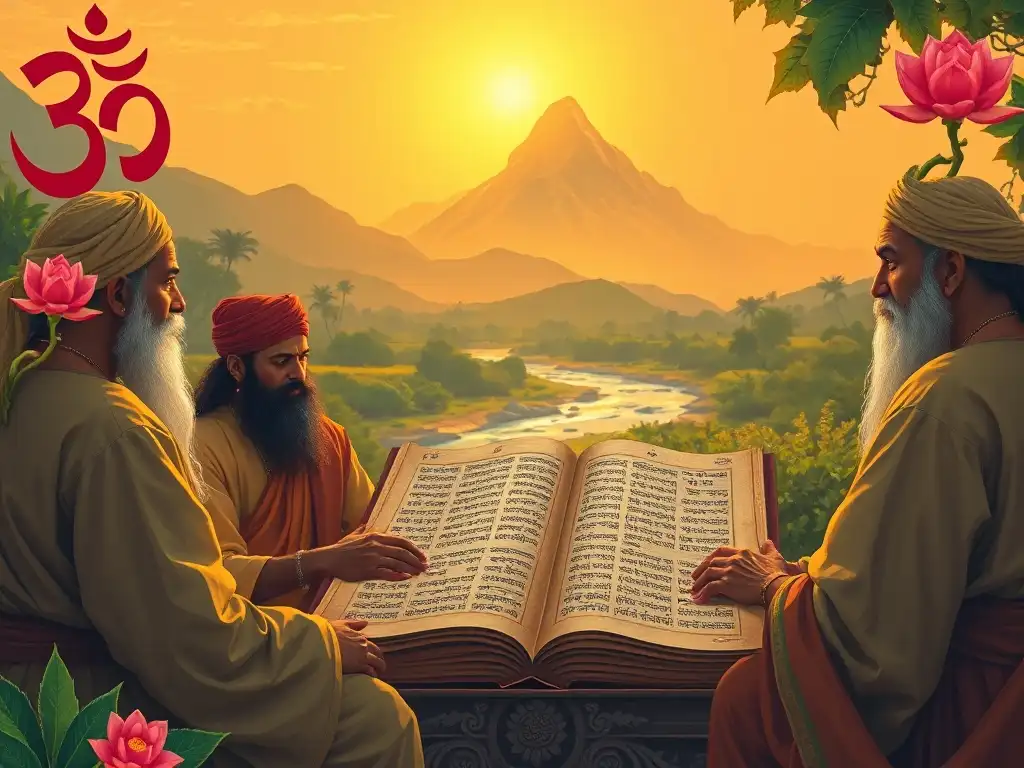
Vedic literature stands as a cornerstone of ancient Indian tradition, profoundly influencing the cultural and literary landscape of the subcontinent. This body of texts, encompassing the Vedas, Upanishads, and other related works, not only encapsulates the spiritual and philosophical ethos of early Indian society but also serves as a foundational source for later epic narratives, including the Mahabharata and Ramayana. By exploring the intricate relationship between Vedic literature and these monumental epics, we can uncover the deep-rooted connections that shaped not just literature, but the very fabric of Indian civilization.
Introduction to Vedic Literature
Definition and Significance of Vedic Literature
Vedic literature consists of a collection of ancient texts composed in Sanskrit, primarily centered around the four Vedas: Rigveda, Samaveda, Yajurveda, and Atharvaveda. Each of these texts plays a unique role in the spiritual and ritualistic practices of ancient India. The significance of Vedic literature extends beyond mere religious texts; it is an embodiment of the socio-cultural values, philosophical inquiries, and artistic expressions of the Vedic age. The hymns, rituals, and philosophical discourses contained within these texts have laid the groundwork for various aspects of Indian culture, influencing everything from religious practices to ethical frameworks.
Historical Context of Vedic Texts
The Vedic texts emerged during a transformative period in Indian history, approximately between 1500 BCE and 500 BCE, coinciding with the arrival of Indo-Aryan peoples in the Indian subcontinent. This era marked significant developments in society, language, and spirituality. As the Vedic civilization evolved, it established social structures, religious practices, and a rich oral tradition that would later be transcribed into written form. Understanding the historical context of these texts is essential for appreciating their impact on subsequent literature, including the epics that would follow.
Vedic Literature and Its Core Concepts
Key Themes in Vedic Literature
Vedic literature is characterized by several key themes that reflect the worldview of its authors. These themes include:
- Ritual and Sacrifice: The significance of yajnas (sacrificial rituals) as a means to maintain cosmic order (Rta).
- Cosmology and Creation: Exploration of the universe's origins and the nature of existence.
- Spiritual Knowledge: The pursuit of self-realization and understanding of Brahman (the ultimate reality) through meditation and philosophy.
- Ethics and Morality: Guidelines for righteous living (Dharma) and the implications of one's actions (Karma).
These themes resonate through the Indian epics, where the characters often grapple with similar moral dilemmas and existential questions.
Philosophical Underpinnings of Vedic Texts
At the heart of Vedic literature lies a profound philosophical inquiry that seeks to understand the nature of reality and humanity's place within it. This inquiry gives rise to concepts such as:
- Brahman and Atman: The relationship between the universal spirit and individual soul.
- Moksha: The ultimate goal of liberation from the cycle of birth and rebirth (Samsara).
- Dharma: The moral law governing individual conduct in alignment with cosmic order.
These philosophical underpinnings not only shape the narrative arcs within Indian epics but also offer a framework for ethical decision-making and personal growth that continues to influence Indian thought today. Through this exploration of Vedic literature, we can better appreciate its enduring legacy and the profound ways it has influenced the epic narratives that followed.
The Evolution of Indian Epics
The evolution of Indian epics is a fascinating journey through time, reflecting the cultural, philosophical, and literary growth of ancient India. Initially steeped in oral traditions, these narratives began as simple tales of heroism and morality, eventually becoming complex texts that incorporated diverse themes and characters. The transition from oral to written forms marked a significant shift, allowing for greater preservation and dissemination of these stories.
The two most prominent epics, the Mahabharata and the Ramayana, emerged from this rich tapestry of Vedic traditions and local folklore. They served not only as literary masterpieces but also as moral guides, illustrating the virtues and vices of humanity. Over centuries, these narratives absorbed influences from various regional and cultural contexts, leading to various retellings and adaptations. This evolution showcases the dynamic nature of Indian literature, where epics continue to resonate with contemporary audiences while remaining rooted in their ancient origins.
Overview of Major Indian Epics: The Mahabharata and Ramayana
The Mahabharata and Ramayana are two towering giants of Indian epic literature, each embodying unique themes and narratives that have captivated audiences for millennia.
- The Mahabharata: Composed by sage Vyasa, it is the longest epic poem in the world, containing over 100,000 shlokas (verses). It narrates the story of the Kuru dynasty, focusing on the conflict between the Pandavas and Kauravas. Central to the Mahabharata is the Bhagavad Gita, a philosophical dialogue that addresses the moral dilemmas faced by the warrior Arjuna on the battlefield. The epic explores complex themes such as dharma (duty), righteousness, and the human condition.
- The Ramayana: Attributed to sage Valmiki, this epic recounts the life of Lord Rama, his wife Sita, and his loyal companion Hanuman. The Ramayana emphasizes ideals of virtue, loyalty, and the struggle against evil, primarily through the abduction of Sita by the demon king Ravana and Rama's quest to rescue her. The narrative is structured as a journey, symbolizing the quest for dharma and the triumph of good over evil.
Both epics have inspired countless adaptations, retellings, and performances across various art forms, from literature and theater to dance and film, demonstrating their enduring legacy in Indian culture.
Historical Background of Indian Epics
The historical background of Indian epics is deeply intertwined with the socio-political landscape of ancient India. The Mahabharata and Ramayana were composed during a time when the region was witnessing significant changes, including the rise of kingdoms, the emergence of new philosophies, and the spread of Vedic traditions.
The Mahabharata is believed to have been written between 400 BCE and 400 CE, reflecting the societal values and conflicts of its time. It incorporates historical events, genealogies, and local legends, creating a rich context that resonates with the audience. The Ramayana, dating back to around 300 BCE to 100 CE, also mirrors the values of the time, emphasizing ideals of kingship, honor, and devotion.
These epics functioned not only as literary works but also as vehicles for preserving cultural narratives, social norms, and religious beliefs, ensuring their relevance across generations. Their historical backgrounds provide insights into the evolution of Indian society and its diverse traditions.
Vedic Literature Influence on Epics

The influence of Vedic literature on Indian epics is profound and multifaceted. Vedic texts, such as the Rigveda, Samaveda, Yajurveda, and Atharvaveda, laid the philosophical and cultural groundwork for the narratives found in the Mahabharata and Ramayana. This influence is evident in various aspects, including themes, character archetypes, and moral dilemmas, which continue to resonate throughout Indian literature and culture.
Direct References of Vedic Texts in Mahabharata
The Mahabharata contains numerous direct references to Vedic texts, underscoring the foundational role of Vedic literature in shaping its narrative. Key elements include:
- Mantras and Rituals: The epic incorporates Vedic mantras and rituals, particularly during significant events such as sacrifices (yajnas) and ceremonies. These references highlight the importance of Vedic traditions in the lives of the characters.
- Philosophical Dialogues: The Bhagavad Gita, a central section of the Mahabharata, is heavily influenced by Vedic philosophy. It discusses concepts such as karma (action), yoga (path), and moksha (liberation), drawing from Vedic teachings to address the moral dilemmas faced by Arjuna.
- Characterization: Many characters in the Mahabharata embody Vedic ideals, such as dharma and the pursuit of knowledge, illustrating how Vedic teachings informed their motivations and actions.
Vedic Influence on the Character Development in Ramayana
The Ramayana's character development is intricately linked to Vedic ideals, shaping the personalities and journeys of its protagonists. Notable influences include:
- Rama as an Ideal King: Rama epitomizes the Vedic ideal of Raja Dharma, embodying qualities such as righteousness, duty, and honor. His character development throughout the epic reflects the Vedic emphasis on ethical governance and moral integrity.
- Sita's Virtue: Sita represents the Vedic ideals of purity and fidelity. Her trials and tribulations throughout the narrative highlight the moral challenges faced by women in ancient Indian society, aligning with Vedic teachings on virtue and sacrifice.
- Hanuman's Devotion: Hanuman, a central figure in the Ramayana, embodies the Vedic ideal of devotion ( bhakti). His loyalty to Rama and commitment to righteousness resonate with themes found in Vedic literature, illustrating the importance of devotion in the pursuit of dharma.
Thematic Parallels Between Vedic Literature and Indian Epics
The thematic parallels between Vedic literature and Indian epics reveal shared values and philosophical concepts that transcend time. Key themes include:
- Dharma (Righteous Duty): Both Vedic texts and Indian epics emphasize the importance of dharma as a guiding principle for individuals. The characters in the Mahabharata and Ramayana grapple with moral dilemmas, reflecting the complexities of dharma as discussed in Vedic literature.
- Cosmic Order and Balance: Vedic literature often explores the concept of rita, the cosmic order that governs the universe. This theme is echoed in the epics, where characters' actions contribute to the restoration of order and justice, particularly in the context of battles and conflicts.
- The Role of the Divine: The portrayal of deities and divine intervention is prevalent in both Vedic texts and epics. The Mahabharata and Ramayana depict the gods as active participants in human affairs, shaping destinies and guiding characters toward their moral paths, mirroring the Vedic understanding of divine influence in the world.
These thematic parallels illustrate the enduring legacy of Vedic literature in shaping the narratives, characters, and moral frameworks of Indian epics, reinforcing their significance in the broader tapestry of Indian civilization.
Literary Techniques Borrowed from Vedic Literature
Vedic literature has significantly influenced the literary techniques used in Indian epics, such as the Mahabharata and Ramayana. These ancient texts showcase a variety of stylistic elements and narrative devices that can be traced back to the Vedas. By examining the interplay between Vedic literature and epic narratives, we can identify specific techniques that enhance storytelling and deepen thematic resonance.
Use of Metaphor and Symbolism in Epics
One of the most striking literary techniques borrowed from Vedic literature is the use of metaphor and symbolism. Vedic texts often employ vivid imagery to convey complex philosophical concepts. This technique is mirrored in the epics, where characters, events, and natural phenomena are imbued with deeper meanings. For instance, the chariot in the Bhagavad Gita symbolizes the human body, while the horses represent the senses, illustrating the internal struggle between spiritual duty and worldly attachments. Such metaphors not only enrich the narrative but also invite readers to explore the layers of meaning behind the text.
Narrative Structures Influenced by Vedic Traditions
The narrative structures found in Vedic literature have also shaped the storytelling techniques of Indian epics. The use of cyclical storytelling, where tales are interwoven with themes of cosmic order and dharma (righteousness), is a hallmark of both Vedic texts and epic literature. This approach allows for multiple layers of interpretation and emphasizes the interconnectedness of all life. Additionally, the use of dialogue, particularly in the form of philosophical discussions, serves as a vehicle for character development and moral exploration, reflecting the Vedic tradition of inquiry and debate.
The Cultural Impact of Vedic Literature on Indian Epics
The cultural impact of Vedic literature on Indian epics extends beyond mere literary techniques; it has fundamentally shaped the values and ideals reflected in these narratives. This influence is evident in the philosophical underpinnings and ethical frameworks that guide the actions of characters in the epics.
Influence on Indian Philosophy and Ethics
Vedic literature has profoundly influenced Indian philosophy and ethics, establishing the groundwork for concepts such as karma, dharma, and moksha. These principles are intricately woven into the fabric of epic narratives, guiding the moral choices of characters and shaping their destinies. For example, the ethical dilemmas faced by Arjuna in the Bhagavad Gita highlight the tension between personal desire and duty, embodying the Vedic concept of dharma. This philosophical discourse not only enriches the epic but also serves as a foundation for subsequent philosophical schools in India.
Role of Vedic Literature in Shaping Indian Spirituality
Furthermore, Vedic literature plays a crucial role in shaping Indian spirituality as expressed in the epics. The spiritual themes found in the Vedas, such as devotion (bhakti), meditation (dhyana), and the pursuit of truth (satya), resonate throughout epic narratives. Characters often embark on spiritual journeys that mirror the quests for enlightenment depicted in the Vedas, emphasizing the importance of inner growth and self-realization. This spiritual dimension not only enhances the depth of the epics but also reflects the enduring legacy of Vedic thought in Indian culture and spirituality.
Vedic Literature Influence Beyond Indian Epics
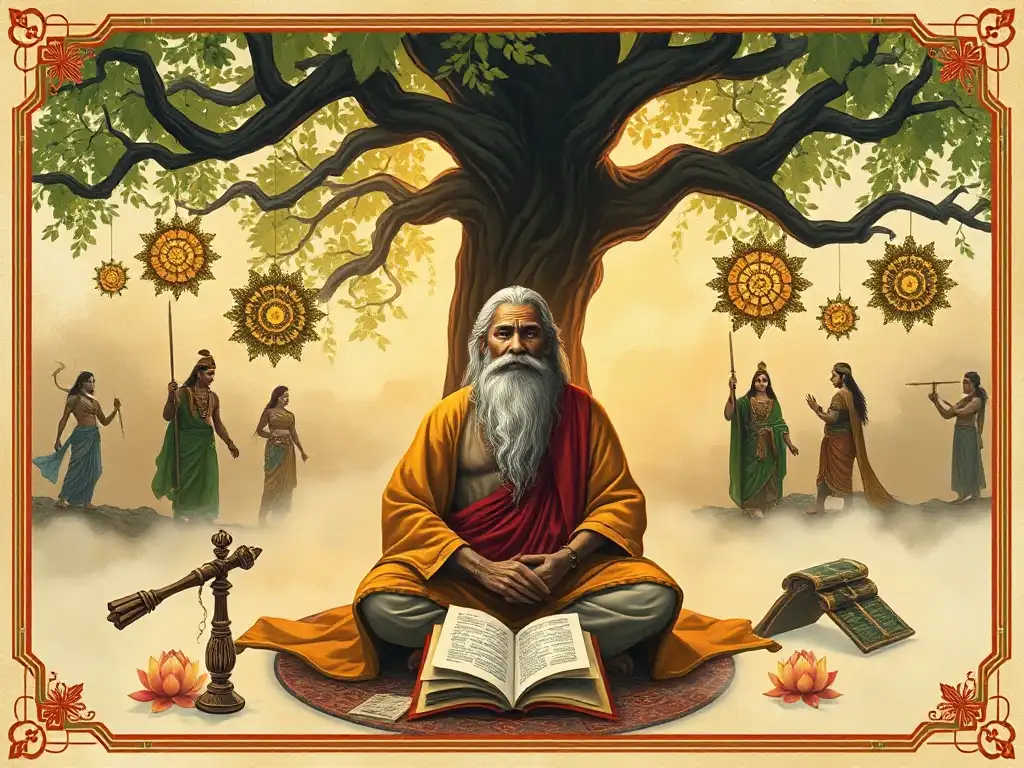
Vedic literature, comprising the four Vedas—Rigveda, Samaveda, Yajurveda, and Atharvaveda—has profoundly shaped not only the Indian epics, such as the Mahabharata and Ramayana, but also various aspects of Indian philosophy, ethics, and culture. Its influence can be seen extending far beyond these monumental texts, impacting other literary works and even extending globally. This section explores how Vedic literature has permeated various narratives in ancient India and continues to resonate in contemporary literature.
Impact on Other Literary Works in Ancient India
The Vedic texts laid the groundwork for many subsequent literary forms in ancient India. One significant influence is evident in the Upanishads, which delve into philosophical themes and metaphysical inquiries. These texts borrow heavily from Vedic concepts, particularly those surrounding cosmology and the nature of the self.
Moreover, the Puranas, another important genre of ancient Indian literature, frequently reference Vedic hymns and rituals, linking mythological narratives with Vedic cosmology. For instance, the Bhagavata Purana incorporates Vedic ideas about dharma (duty/righteousness) and karma (action), showcasing the Vedic influence on moral and ethical storytelling.
Additionally, the Mahabharata and Ramayana, while primarily epic narratives, are infused with Vedic philosophies. Characters like Yudhishthira and Rama embody the Vedic ideals of righteousness and duty, reflecting the moral frameworks established in the Vedas. Thus, the Vedic literature's influence permeates various forms of literature, enriching the cultural tapestry of ancient India.
The Global Reach of Vedic Ideas in Contemporary Literature
The impact of Vedic literature is not confined to ancient Indian texts; it has also found resonance in contemporary literature worldwide. Many modern writers, poets, and philosophers draw inspiration from Vedic principles, particularly those focusing on spirituality, ethics, and humanism.
For example, Ralph Waldo Emerson and Henry David Thoreau, prominent figures in American transcendentalism, were influenced by Vedic ideas concerning the interconnectedness of all life. Their writings reflect concepts of non-duality and the sanctity of nature, which echo the teachings found in the Upanishads.
Moreover, contemporary poets like Agha Shahid Ali have incorporated Vedic themes into their works, exploring issues of identity, spirituality, and cultural heritage. This intermingling of Vedic philosophy with modern expression illustrates the timeless nature of these ancient texts and their ability to transcend geographical and temporal boundaries.
Conclusion
Summary of Vedic Literature's Enduring Influence
The influence of Vedic literature extends far beyond the confines of Indian epics, permeating various literary forms throughout ancient India and continuing to resonate in modern literature across the globe. The philosophical, ethical, and cosmological ideas rooted in the Vedas have inspired countless authors, poets, and thinkers, demonstrating the enduring legacy of these ancient texts.
The Relevance of Vedic Literature in Modern Times
The relevance of Vedic literature in contemporary society cannot be overstated. As modern readers grapple with issues of identity, morality, and the quest for meaning, the insights offered by Vedic texts serve as a guiding light. Their teachings encourage introspection and foster a deep appreciation for the interconnectedness of all beings, making them profoundly relevant in today’s fast-paced, often fragmented world.
Incorporating Vedic wisdom into modern thought can inspire a holistic approach to living, enriching both personal and collective experiences. As such, the influence of Vedic literature continues to thrive, bridging the ancient past with the present and future.
Further Reading and Resources
Understanding the profound influence of Vedic literature on Indian epics requires exploration through various texts and resources. Below, we present a curated list of recommended readings and online resources to deepen your knowledge of this fascinating topic.
Recommended Texts on Vedic Literature and Indian Epics
-
The Rigveda: A Historical Analysis by A. L. Basham
This book provides insights into the historical context and cultural significance of the Rigveda, one of the most important texts of Vedic literature. Basham explores its structure, themes, and influence on later Indian literature.
-
The Mahabharata: An Inquiry in the Human Condition by J. A. C. Brown
Brown's analysis of the Mahabharata delves into the philosophical and ethical dilemmas presented in the epic, highlighting the Vedic principles that underpin its narrative.
-
Vedic Literature and the Origins of Indian Civilization by R. N. Dandekar
Dandekar discusses the foundational role of Vedic texts in shaping the socio-religious landscape of ancient India, linking them to the development of epic narratives.
-
The Upanishads: A New Translation by David Frawley
This translation of the Upanishads brings forth the philosophical teachings that emerged from Vedic literature, serving as an essential precursor to the themes explored in Indian epics.
-
Epic India: History, Culture, and Literature by R. K. Sharma
Sharma’s comprehensive volume covers the evolution of Indian literature from Vedic texts to epics, providing context and commentary on their interconnections.
Online Resources for Exploring Vedic Influence
-
The Internet Archive
A treasure trove of digitized texts, including translations and commentaries on Vedic literature and Indian epics. Users can access a variety of scholarly resources, making it an excellent starting point for research.
-
Sacred Texts
This website hosts a collection of Vedic texts, including the Rigveda and Upanishads, along with translations and supplementary material that illustrate their influence on epics and other literary forms.
-
Academia.edu
A platform where scholars publish papers and articles on various aspects of Vedic literature and its impact on Indian epics. Searching for keywords like "Vedic literature influence on epics" can yield insightful studies.
-
YouTube Lectures by Vedic Scholars
Many scholars provide free lectures and discussions about Vedic literature and its relationship to Indian epics. Channels dedicated to Indian philosophy and culture often feature detailed explanations and analyses.
-
Online Courses on Indian Literature
Websites like Coursera and edX offer courses that explore the connections between Vedic literature and epic narratives, often presented by leading universities and institutions.
By utilizing these resources, readers can gain a richer understanding of how Vedic literature has shaped the narratives, themes, and philosophies that permeate Indian epics and beyond.
- Introduction to Vedic Literature
- Vedic Literature and Its Core Concepts
- The Evolution of Indian Epics
- Vedic Literature Influence on Epics
- Literary Techniques Borrowed from Vedic Literature
- The Cultural Impact of Vedic Literature on Indian Epics
- Vedic Literature Influence Beyond Indian Epics
- Conclusion
- Further Reading and Resources
Frequently Asked Questions
What is Vedic literature?
Vedic literature consists of ancient texts composed in Sanskrit, including the Vedas, Upanishads, and various Brahmanas, which form the foundation of Hindu philosophy and spiritual thought.
How did Vedic literature influence Indian epics?
Vedic literature provided philosophical concepts, mythological themes, and moral values that are deeply embedded in the Mahabharata and Ramayana, shaping the narratives and character development within these epics.
What are the main epics of ancient India?
The main epics of ancient India are the Mahabharata and the Ramayana, which not only tell tales of heroism and adventure but also incorporate Vedic teachings and ethical dilemmas reflective of the Vedic texts.
Besides epics, what other areas were influenced by Vedic literature?
Vedic literature influenced various aspects of Indian culture, including religion, art, philosophy, and literature, shaping practices and beliefs that continue to resonate in contemporary society.
Why is understanding Vedic literature important for studying ancient Indian history?
Understanding Vedic literature is crucial because it provides insights into the social structure, cultural practices, and spiritual beliefs of ancient Indian civilizations, offering a comprehensive view of the evolution of Indian heritage.
Final Reflection: The Enduring Legacy of Vedic Literature
The influence of Vedic literature on Indian epics is not just a historical fact; it is a living testament to the power of words and ideas that transcend time. Today, as we navigate a world filled with rapid changes and cultural exchanges, the foundational concepts rooted in Vedic texts continue to shape narratives, philosophies, and ethical frameworks within Indian society and beyond. The intricate connections between these ancient texts and the epics remind us that our cultural heritage is a tapestry woven from the threads of our past, influencing our present and future.
Cultural narratives are powerful tools that shape our identities and values. The teachings and stories found within Vedic literature have not only enriched the Indian epics but have also permeated various aspects of life, from art and literature to philosophy and spirituality. The resonance of these ancient texts can be seen in contemporary discussions about morality, duty, and the human experience. As Mahatma Gandhi once said, The best way to find yourself is to lose yourself in the service of others.
This sentiment echoes the core teachings of the Vedas, reminding us of the importance of selflessness and duty in our lives.
As we reflect on the profound impact of Vedic literature, I invite you to consider how these ancient teachings can inform your own life. Take a moment to explore the values and lessons embedded in these texts and think about how they can guide your actions and decisions today. Whether through the lens of personal growth, community service, or ethical living, let the wisdom of the Vedic tradition inspire you to create a meaningful narrative in your own life, one that honors the past while shaping a brighter future.
Unveil the Timeless Wisdom of Vedic Literature!
Thank you for immersing yourself in the fascinating world of Vedic literature and its profound influence on Indian epics and culture. Your curiosity plays a vital role in preserving these ancient traditions. Now, let's take the next step together!
Here are some exciting actions you can embark on:
- Dive deeper into Vedic texts: Choose a specific Veda or Upanishad and explore its themes and teachings further. This journey can transform your understanding of ancient wisdom.
- Share your insights: Discuss your favorite discoveries with friends or in your social circles. Ignite conversations that bring these ancient tales to life!
- Join a community: Participate in online forums or local groups dedicated to Vedic studies, history, or Indian epics. Connect with fellow enthusiasts who share your passion!
What resonates most with you about Vedic literature, and how do you think it shapes our understanding of today’s world? Let’s discuss!