
The Ramayana's Influence on Religious Practices in Hinduism

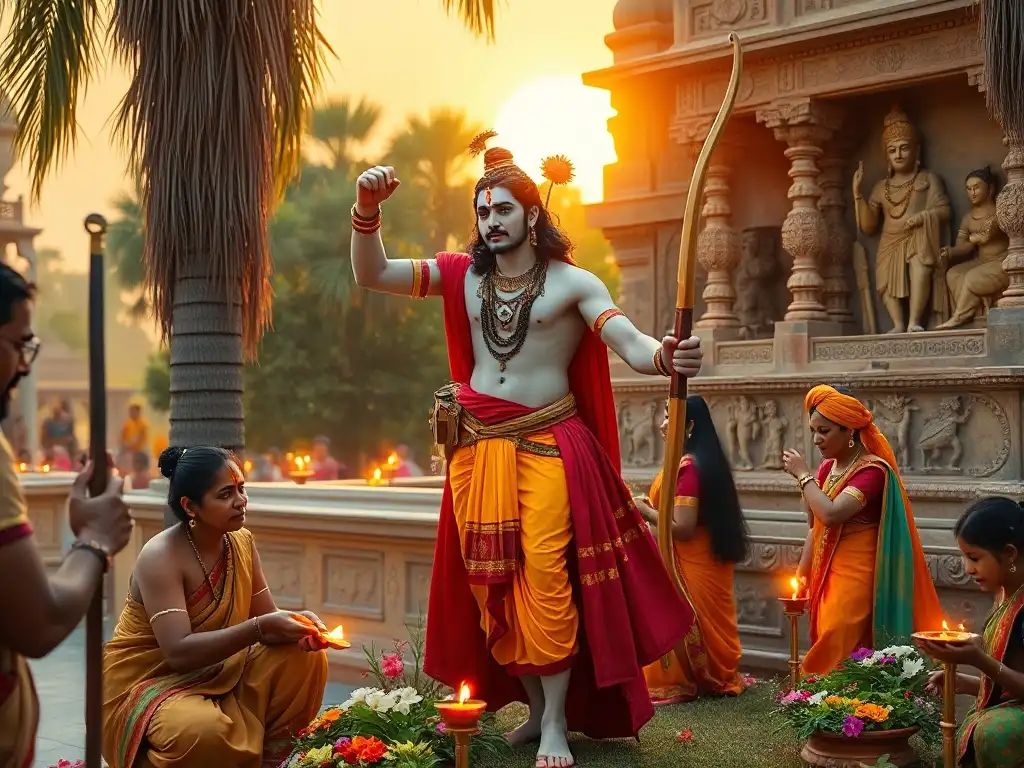
Welcome to Ancient India History, where we embark on a fascinating journey through the vibrant tapestry of ancient Indian civilizations. Today, we delve into the profound influence of the Ramayana on Hindu practices, a timeless epic that not only shaped religious beliefs but also sculpted the very essence of cultural identity in India. What secrets and insights does this epic hold that continue to resonate in modern spirituality?
Join us as we uncover the intricate connections between the Ramayana and contemporary Hindu practices, igniting your curiosity and enriching your understanding of this monumental text. Dive deeper to explore how this ancient narrative still weaves its magic through the lives of millions today!
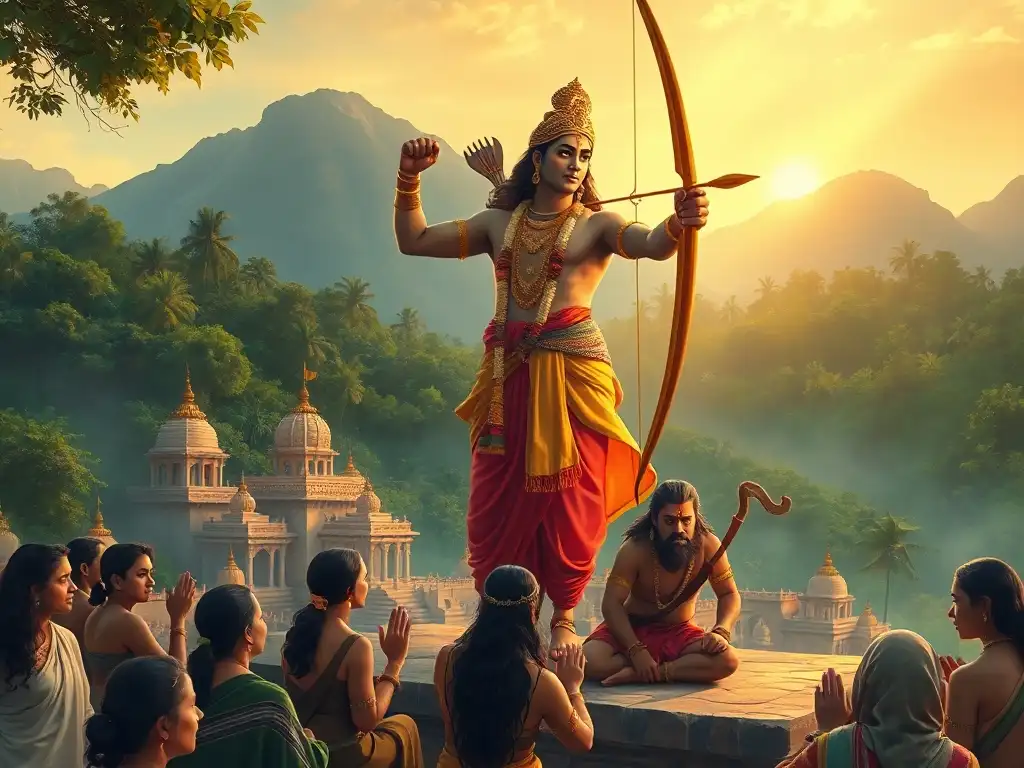
The Ramayana, an ancient Indian epic attributed to the sage Valmiki, is not merely a literary masterpiece but also a profound influence on the religious practices of Hinduism. This epic narrates the life of Lord Rama, his wife Sita, and his loyal companion Hanuman, embodying ideals of duty, righteousness, and devotion. Its narratives and characters have shaped various aspects of Hindu culture, spirituality, and everyday practices.
Understanding the Ramayana's influence on Hindu practices provides valuable insight into how these ancient stories continue to resonate in contemporary religious life, rituals, and moral values. This article will explore the epic's significance, the foundational aspects of Hindu religious practices, and how they interlink with the teachings and themes found within the Ramayana.
Introduction to the Ramayana
Overview of the Ramayana Epic
The Ramayana consists of 24,000 verses and is divided into seven books, known as Kandas. Each Kanda presents a distinct segment of Lord Rama's journey, from his exile to the ultimate battle against the demon king Ravana. The epic not only serves as a narrative of heroism and virtue but also encapsulates philosophical and ethical lessons that have been revered across generations.
Key themes of the Ramayana include:
- Dharma (righteousness): The importance of duty and moral order.
- Devotion (bhakti): The unwavering devotion of characters like Hanuman and Sita.
- Heroism and sacrifice: Lord Rama's journey reflects the ideals of bravery and selflessness.
Significance of the Ramayana in Hindu Culture
The Ramayana holds a paramount position in Hindu culture and tradition. Its influence extends beyond literature into various facets of life, including:
- Festivals: Celebrations like Diwali commemorate Lord Rama's return to Ayodhya, symbolizing the victory of light over darkness.
- Art and dance: Numerous performances, such as Ram Lila, depict the stories of the Ramayana, fostering cultural expression.
- Moral education: The epic serves as a guide for ethical living, teaching values that are integral to Hindu philosophy.
The Ramayana's teachings are integrated into daily life, reflecting its enduring impact on the spiritual consciousness of Hindus.
Understanding Hindu Religious Practices
Definition of Hindu Religious Practices
Hindu religious practices encompass a diverse array of rituals, ceremonies, and moral codes that define the spiritual lives of practitioners. These practices are rooted in the Vedas, Upanishads, and epics like the Ramayana. They aim to cultivate a personal connection with the divine, promote communal harmony, and uphold the principles of dharma.
Key aspects of Hindu practices include:
- Rituals (Puja): Offering prayers and rituals to deities, often incorporating flowers, food, and incense.
- Festivals: Celebrating divine narratives like the Ramayana through events that reinforce community bonds.
- Meditation and Yoga: Spiritual practices aimed at self-realization and connecting with the divine.
Key Components of Hindu Worship and Rituals
Hindu worship (Puja) consists of various components designed to honor deities and invoke blessings. These rituals may vary by region and community but generally include:
- Altar Setup: Creating a sacred space adorned with images or idols of deities, often featuring representations from the Ramayana.
- Prayers and Mantras: Reciting hymns and mantras, many of which draw inspiration from the teachings of the Ramayana.
- Offerings: Presenting food, flowers, and incense to deities as a sign of devotion and gratitude.
These components reflect the intricate relationship between the Ramayana and Hindu practices, illustrating how epic narratives shape the spiritual landscape of Hinduism. Through this exploration, we can appreciate the Ramayana's profound and lasting influence on the religious practices that have been passed down through generations.
The Ramayana's Influence on Hindu Practices
The Ramayana, one of the most revered epics in Hindu literature, profoundly shapes various religious practices within Hinduism. Its narratives, characters, and moral lessons have been instrumental in guiding the spiritual and ethical lives of millions of devotees. The epic’s influence extends beyond mere storytelling; it integrates deeply into the fabric of worship, rituals, and everyday ethics, making it a cornerstone of Hindu religious identity. As such, understanding this influence offers insights into the enduring legacy of the Ramayana in shaping Hindu practices.
Direct References to Rituals in the Ramayana
Throughout the Ramayana, numerous rituals and ceremonies are depicted, showcasing their significance in the lives of the characters and, by extension, their importance in Hindu culture. The epic illustrates various rites associated with marriage, coronation, and the honoring of deities. For instance, the marriage of Rama and Sita is not just a personal union but a grand ceremony that highlights the importance of dharma (duty) and the societal norms of the time.
In addition, the Ramayana emphasizes specific festivals and rituals that continue to be celebrated today. For example, the festival of Diwali, which marks the return of Rama, Sita, and Lakshmana to Ayodhya, is rooted in the epic's narrative. Celebrating Diwali involves lighting lamps, symbolizing the victory of light over darkness and good over evil, a theme central to the Ramayana. These references not only offer a glimpse into the religious practices of ancient times but also serve as a guide for contemporary rituals among Hindu practitioners.
The Role of Deities in the Ramayana and Their Worship
The Ramayana features a pantheon of deities, with Rama often being regarded as an avatar of Vishnu. This divine aspect of Rama elevates his character, making him a focal point for worship among Hindus. The reverence for Rama is evident in various religious practices, including daily prayers, recitations of his name, and the performance of rituals in his honor. Temples dedicated to Rama, such as the famous Ram Janmabhoomi in Ayodhya, attract devotees from all over, highlighting the epic's significance in contemporary worship.
Moreover, the Ramayana includes the worship of other deities, such as Hanuman, who embodies devotion and strength. Hanuman's character serves as a model of bhakti (devotion), inspiring countless followers to engage in practices that express their dedication to their faith. His stories encourage the chanting of his name and the recitation of the Hanuman Chalisa, further illustrating the Ramayana's role in shaping devotional practices.
Key Themes in the Ramayana and Their Impact on Hinduism
The Ramayana is replete with key themes that resonate deeply with the values and beliefs within Hinduism. These themes not only inform religious practices but also shape the moral compass of Hindu society. Understanding these themes provides insight into how they continue to influence Hindu rituals and ethical conduct.
Dharma and Its Implications in Hindu Practices
One of the most prominent themes in the Ramayana is dharma, which refers to the moral order and duty. The characters in the epic, particularly Rama, exemplify the adherence to dharma, showcasing the importance of fulfilling one's duties towards family, society, and the divine. This concept has a profound impact on Hindu practices, as it encourages individuals to align their actions with moral principles.
In everyday religious practices, the notion of dharma influences the performance of rituals and ceremonies. For instance, rituals are often designed to uphold one's duties towards ancestors, deities, and the community. The teachings of the Ramayana inspire individuals to act justly and ethically, reinforcing the belief that living a life in accordance with dharma leads to spiritual fulfillment and societal harmony.
The Concept of Bhakti in the Ramayana
The Ramayana also introduces the concept of bhakti, or devotion, which plays a crucial role in Hindu practices. This theme is particularly embodied in the character of Hanuman, whose unwavering devotion to Rama serves as a model for devotees. The Ramayana teaches that true devotion transcends mere rituals; it involves a deep emotional connection with the divine.
In contemporary Hinduism, the concept of bhakti manifests in various forms of worship, including singing bhajans (devotional songs), participating in pujas (rituals), and engaging in collective prayers. The epic encourages the idea that personal devotion can be as powerful as formal rituals, making the practice of bhakti accessible to all, regardless of their social status or knowledge. This democratization of spiritual practice is a direct result of the Ramayana’s teachings, fostering a culture of inclusive worship among its followers.
Rituals Inspired by the Ramayana

The Ramayana, one of the two great Indian epics, serves as a foundation for various rituals in Hinduism, deeply influencing the spiritual landscape of the religion. These rituals often revolve around the themes, characters, and teachings of the epic, allowing devotees to connect with its profound moral lessons and divine narratives.
- Puja and Archana: Worship rituals, or puja, frequently include recitations from the Ramayana, where devotees pay homage to Lord Rama, Sita, and Hanuman. These rituals may involve offerings of flowers, fruits, and sweets, creating a sacred space that echoes the values depicted in the epic.
- Rama Navami: The festival celebrating the birth of Lord Rama is marked by special pujas and recitations of the Ramayana. Temples often hold grand celebrations, where devotees gather to listen to the epic’s verses, reinforcing the narrative’s significance in their spiritual practice.
- Hanuman Chalisa: Many devotees recite the Hanuman Chalisa, a 40-verse hymn dedicated to Lord Hanuman, who plays a pivotal role in the Ramayana. This practice not only honors Hanuman but also serves as a means for devotees to seek strength, courage, and protection, mirroring the qualities exemplified by the deity in the epic.
Major Festivals Celebrated in Honor of the Ramayana
Several festivals in Hindu culture are directly inspired by the Ramayana, encapsulating its themes of devotion, duty, and the triumph of good over evil.
- Rama Navami: Celebrated in the spring, Rama Navami marks the birthday of Lord Rama. It involves vibrant processions, recitations of the Ramayana, and enactments of key scenes from the epic, allowing devotees to immerse themselves in the narrative.
- Diwali: The festival of lights is intricately linked to the Ramayana, as it commemorates Lord Rama's return to Ayodhya after defeating Ravana. The lighting of diyas (lamps) symbolizes the victory of light over darkness and good over evil, reflecting the core message of the Ramayana.
- Dussehra (Vijaya Dashami): This festival celebrates the victory of Lord Rama over Ravana. The reenactment of the Ramayana through Ramlila performances culminates in the burning of effigies of Ravana, symbolizing the destruction of evil and the reinforcement of dharma (righteousness).
Daily Practices Influenced by the Ramayana
The teachings and narratives of the Ramayana permeate the daily lives of many Hindus, influencing their personal and communal practices.
- Recitation of Verses: Many households incorporate the recitation of selected verses from the Ramayana into their daily rituals. This practice not only fosters a sense of spiritual connection but also serves as a reminder of the ethical and moral values depicted in the epic.
- Moral Lessons in Parenting: The characters in the Ramayana are often seen as role models, and parents frequently use stories from the epic to teach their children about virtues such as honesty, loyalty, and bravery. This transmission of values shapes the moral framework within families.
- Incorporation in Life Events: Significant life events, such as marriages and naming ceremonies, often include references to the Ramayana. Rituals may involve invoking the blessings of Rama and Sita, emphasizing the ideal qualities of love, commitment, and partnership.
The Ramayana in Modern Hindu Practices
The influence of the Ramayana extends beyond traditional practices, permeating contemporary Hindu life and spirituality.
Contemporary Rituals and the Ramayana
In modern Hinduism, the Ramayana continues to inspire a variety of rituals and practices that resonate with contemporary values.
- Community Engagement: Modern celebrations of the Ramayana often emphasize community bonding. Events such as group recitations and collective Ramlila performances foster a sense of unity among participants, merging tradition with modern social dynamics.
- Use of Technology: The proliferation of digital platforms has led to innovative expressions of Ramayana-related rituals. Online communities engage in virtual recitations, discussions, and celebrations, ensuring the epic’s teachings reach a wider audience, especially among younger generations.
- Interfaith Dialogues: The Ramayana’s themes of love, righteousness, and justice have found relevance in interfaith discussions, where its narratives are used to promote understanding and peace among diverse religious communities.
The Ramayana's Role in Spiritual Guidance Today
The Ramayana serves as a vital source of spiritual guidance for many Hindus, providing insights into personal conduct and ethical dilemmas.
- Source of Inspiration: Individuals often turn to the Ramayana during challenging times, seeking solace and motivation from its characters. The resilience of Sita, the devotion of Hanuman, and the unwavering righteousness of Rama serve as guiding principles for navigating life’s adversities.
- Meditative Practices: Some modern practitioners incorporate verses from the Ramayana into their meditation routines. The rhythmic recitation of these verses helps cultivate mindfulness and promotes inner peace, reflecting the epic's deep spiritual dimensions.
- Philosophical Reflections: The Ramayana stimulates philosophical discourse among contemporary thinkers and spiritual leaders, who explore its teachings in relation to modern ethical issues, making its relevance timeless and universal.
The Ramayana's influence on Hindu practices is profound and multifaceted, shaping rituals, festivals, and daily life while continuing to provide spiritual guidance in the modern world. Its enduring legacy reflects the timeless nature of its teachings, resonating deeply within the hearts of devotees across generations.
Comparison of the Ramayana's Influence with Other Epics
The Ramayana, one of the two great Indian epics, holds a unique place in the religious and cultural landscape of Hinduism. Its influence on Hindu practices is profound, yet it is important to compare it with other epics, particularly the Mahabharata, to appreciate its distinctive contributions. While both epics share themes of dharma (righteousness) and the moral dilemmas faced by individuals, the Ramayana focuses more on the ideals of devotion, virtue, and the heroism of its characters, especially Lord Rama, who is revered as a model of dharma.
The Mahabharata, on the other hand, delves deeply into the complexities of human emotions and relationships, presenting a broader spectrum of moral and ethical issues. For instance, the Bhagavad Gita, which is a part of the Mahabharata, emphasizes duty and righteousness in the context of war. In contrast, the Ramayana advocates for a more straightforward narrative of good triumphing over evil, exemplified through the character of Rama, who embodies the ideal king and husband.
While both epics contribute significantly to Hindu thought, the Ramayana's narrative style and its focus on devotion (bhakti) have made it instrumental in shaping various religious practices, including rituals, worship, and festivals, particularly those centered around Lord Rama.
The Mahabharata's Influence on Hindu Practices
The Mahabharata has profoundly influenced Hindu practices through its complex narrative and character-driven lessons. It introduces key concepts such as karma (action and its consequences) and dharma in a multifaceted manner, which resonate with the diverse aspects of human life. The epic's teachings, especially in the Bhagavad Gita, have become foundational to Hindu philosophy, guiding adherents in ethical decision-making and personal conduct.
Rituals and observances derived from the Mahabharata include the worship of deities like Krishna, who plays a crucial role in the text. Festivals such as Janmashtami celebrate Lord Krishna's birth and embody the teachings of the Mahabharata, promoting values of justice and righteousness. Furthermore, the Mahabharata's influence extends to various cultural practices, storytelling traditions, and art forms across India, illustrating its integral role in shaping the moral and spiritual framework of Hindu society.
How the Ramayana Complements Other Sacred Texts
The Ramayana complements other sacred texts, such as the Vedas and Upanishads, by illustrating and embodying the principles found within them. While the Vedas provide the foundational rituals and hymns of Hindu worship, the Ramayana brings these teachings to life through its narrative. The epic serves as a practical guide for living a life aligned with dharma, showcasing the application of spiritual principles in real-world scenarios.
Additionally, the Ramayana's devotional aspects harmonize with the philosophical insights of the Upanishads, which discuss the nature of the self and the universe. The characters in the Ramayana, particularly Lord Rama and Sita, personify virtues such as devotion, fidelity, and courage, making these abstract concepts more relatable and accessible to followers. This interplay between the Ramayana and other sacred texts reinforces the comprehensive nature of Hinduism, where stories and philosophies coexist to guide adherents in their spiritual journey.
Conclusion
Summary of the Ramayana's Influence on Hindu Practices
The Ramayana has a profound influence on Hindu practices, shaping the spiritual, cultural, and ethical dimensions of the faith. It emphasizes the importance of dharma through its characters and narrative, encouraging devotees to aspire toward ideal qualities such as righteousness, loyalty, and devotion. The epic's stories are not just tales of adventure; they serve as moral lessons that are reflected in daily worship, festivals, and rituals throughout the Hindu calendar.
The Ramayana's impact extends beyond mere storytelling; it has become a cornerstone of religious education and cultural identity within Hindu communities. Rituals such as the recitation of the Ramayana during festivals like Diwali and the observance of Rama Navami highlight its central role in religious life, allowing practitioners to connect with the divine through the epic's teachings.
The Enduring Legacy of the Ramayana in Modern Hinduism
The enduring legacy of the Ramayana in modern Hinduism is evident in its continued relevance across various spheres of life. Contemporary interpretations and adaptations of the Ramayana, whether through literature, theater, or television, keep the epic alive in the collective consciousness of society. The values exemplified by Rama and Sita resonate with modern audiences, providing guidance and inspiration in navigating contemporary challenges.
Moreover, the Ramayana's influence transcends geographical boundaries, inspiring Hindu communities worldwide to engage in practices that honor its teachings. The themes of love, duty, and righteousness articulated in the Ramayana continue to inspire millions, ensuring that the epic remains a vital and cherished aspect of Hindu religious life. This enduring connection highlights the Ramayana's role as not just an ancient text but a living tradition that shapes the spiritual landscape of Hinduism today.
- Introduction to the Ramayana
- Understanding Hindu Religious Practices
- The Ramayana's Influence on Hindu Practices
- Key Themes in the Ramayana and Their Impact on Hinduism
- Rituals Inspired by the Ramayana
- The Ramayana in Modern Hindu Practices
- Comparison of the Ramayana's Influence with Other Epics
- Conclusion
- What is the Ramayana and its significance in Hinduism?
- How does the Ramayana influence modern Hindu practices?
- In what ways does the Ramayana shape rituals in Hindu worship?
- What are some examples of Ramayana's teachings reflected in Hinduism?
- How has the Ramayana impacted other aspects of Indian culture?
Frequently Asked Questions
What is the Ramayana and its significance in Hinduism?
The Ramayana is an ancient Indian epic that narrates the life of Lord Rama and emphasizes dharma (duty). Its teachings have a profound impact on Hindu values and moral principles.
How does the Ramayana influence modern Hindu practices?
The Ramayana serves as a guide for daily conduct, rituals, and festivals, reinforcing ethical behavior and the importance of family values within Hindu culture.
In what ways does the Ramayana shape rituals in Hindu worship?
Many rituals and ceremonies are based on the characters and events from the Ramayana, such as Rama Navami, which celebrates Lord Rama’s birth and promotes devotion and spirituality.
What are some examples of Ramayana's teachings reflected in Hinduism?
Teachings from the Ramayana, such as loyalty, honor, and sacrifice, are often mirrored in Hindu teachings and are essential for cultivating a righteous life.
How has the Ramayana impacted other aspects of Indian culture?
Beyond religion, the Ramayana has influenced literature, art, and dance forms in India, showcasing its cultural significance and the universality of its teachings in Hindu society.
Final Reflection: The Enduring Legacy of the Ramayana on Hindu Practices
The Ramayana's influence on Hindu practices is not just a relic of the past; it is a living testament to the power of storytelling in shaping faith and culture. In today's world, where the lines between tradition and modernity often blur, the Ramayana continues to resonate deeply within the hearts of millions. Its teachings and values provide a moral compass, guiding individuals in their daily lives and spiritual journeys. The timeless narratives of duty, righteousness, and devotion remind us that the essence of our beliefs can transcend generations, inspiring us to uphold our cultural heritage.
Culturally and socially, the Ramayana has woven itself into the very fabric of Hindu identity, influencing rituals, festivals, and community gatherings. Its characters and their journeys serve as archetypes that people relate to, fostering a sense of belonging and shared values. As Mahatma Gandhi once said, "> The Ramayana is the greatest book of the world; it is the book of the people." This sentiment echoes through the ages, highlighting how the Ramayana not only shapes individual practices but also unites communities in a common narrative that celebrates their faith and traditions.
As we reflect on the profound impact of the Ramayana, I invite you to explore how its teachings can enrich your own life. Consider the values of courage, loyalty, and compassion that permeate its stories, and think about how you can embody these principles in your daily interactions.
Let the Ramayana inspire you to cultivate a deeper understanding of your own beliefs and practices, encouraging you to carry forward its legacy in a way that honors both the past and the future. Embrace the lessons of the Ramayana, and allow them to guide you on your personal journey of faith and self-discovery.
Embrace the Wisdom of the Ramayana and Transform Your Practices!
Thank you for exploring the profound influence of the Ramayana on Hindu religious practices with us! Your curiosity drives your understanding of ancient wisdom, and there’s so much more to uncover. Now, it’s time to put that knowledge into action and enrich your spiritual journey.
Here are three engaging steps to deepen your connection with these timeless teachings:
- Integrate the teachings of the Ramayana into your daily rituals. Reflect on the virtues exemplified by its characters during your prayers or meditation practices.
- Join a local community or online group that focuses on discussing the teachings of the Ramayana. This will foster friendships and facilitate shared insights on its relevance in contemporary life.
- Share your favorite passages or insights with friends and family to inspire meaningful discussions about faith and spirituality.
How could the teachings of the Ramayana transform your approach to your spiritual practices?