
How the Vedas Address the Human Condition and Existential Questions

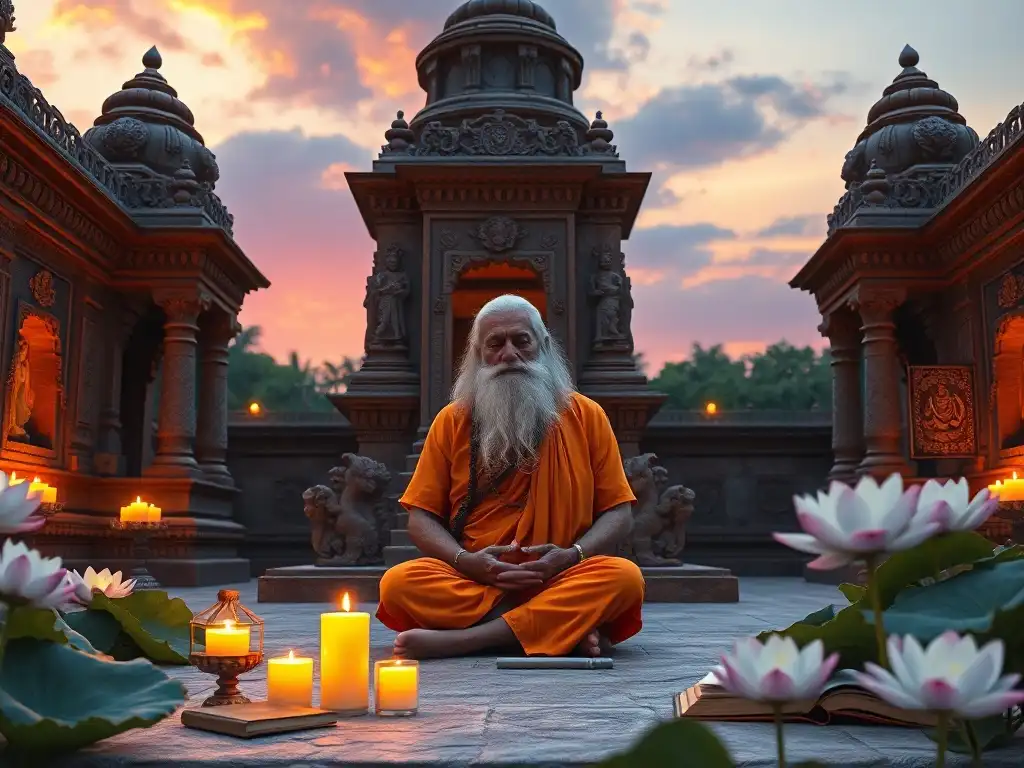
Welcome to Ancient India History, where we embark on a fascinating journey through the rich tapestry of India's past. Discover how the Vedas, the ancient texts that have shaped human thought and spirituality, provide profound insights into the human condition and address life’s most pressing existential questions. What wisdom do these sacred scriptures hold about our existence and purpose? Dive deeper into this exploration of epic literature and uncover the legacy of ancient Indian civilizations that continues to resonate today. Your adventure into the heart of history begins now!
- Introduction to the Vedas and Human Existence
- The Vedas and Their Approach to Human Condition
- Existential Questions Explored in the Vedas
- Practices and Rituals in the Vedas Addressing Human Existence
- Comparative Analysis of Vedic Insights with Other Philosophical Traditions
- Conclusion: The Timeless Relevance of the Vedas in Understanding Human Existence
- Frequently Asked Questions
- Final Reflection: Exploring the Vedas and the Essence of Human Existence
- Unveil the Wisdom of the Vedas!
Introduction to the Vedas and Human Existence
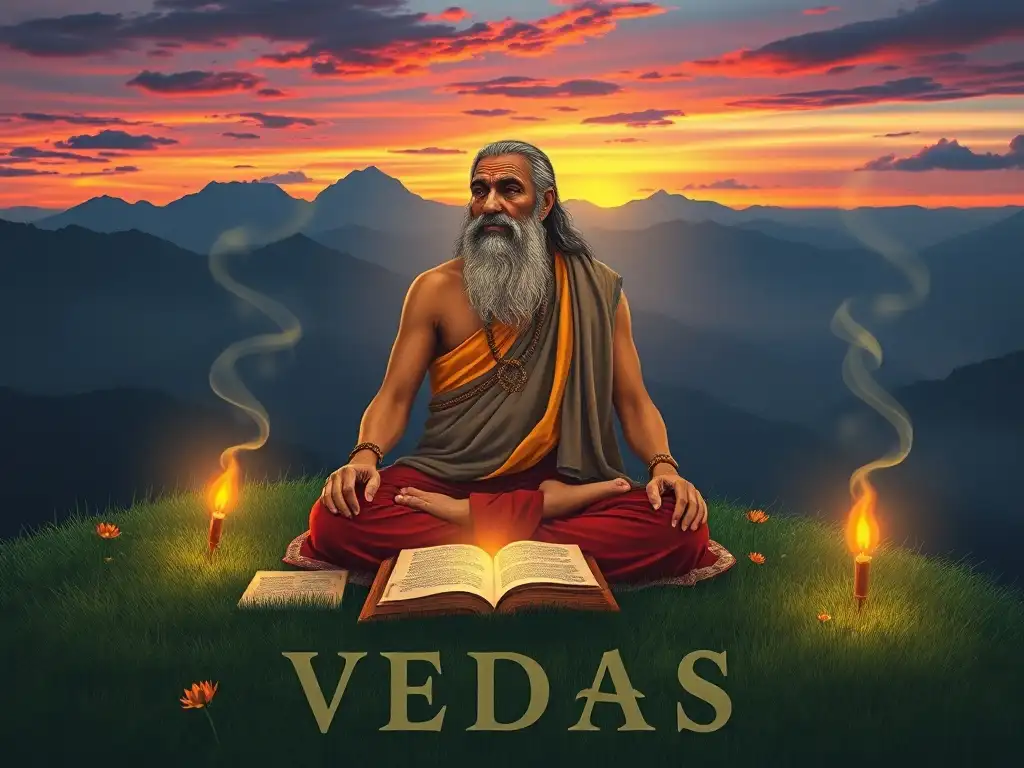
The Vedas, ancient sacred texts of India, are not just religious scriptures; they are profound philosophical treatises that grapple with fundamental questions regarding human existence. Composed over 3,000 years ago, these texts encapsulate the spiritual and intellectual heritage of ancient Indian civilization. They delve into various aspects of life, providing insight into the nature of the universe, the purpose of human life, and the interconnectedness of all beings. This article explores how the Vedas address the human condition and existential questions, emphasizing their enduring relevance and significance in understanding the complexities of life.
Overview of the Vedas
The Vedas consist of four primary texts: the Rigveda, Samaveda, Yajurveda, and Atharvaveda. Each of these texts serves a distinct purpose and collectively encompasses a vast array of knowledge, including:
- Rigveda: The oldest of the Vedas, it contains hymns and praises to various deities, reflecting the spiritual beliefs of early Vedic society.
- Samaveda: Primarily a collection of melodies and chants, it is essential for ritualistic ceremonies and emphasizes the art of music in spiritual practice.
- Yajurveda: This Veda focuses on the principles of rituals and sacrifices, providing guidelines for performing these sacred acts.
- Atharvaveda: A unique text that includes spells, incantations, and practical knowledge related to daily life, emphasizing the spiritual dimension of human existence.
The Vedas are not merely historical documents; they are living texts that continue to influence philosophical thought, spirituality, and cultural practices in contemporary India.
Importance of the Vedas in Ancient Indian Philosophy
The Vedas play a pivotal role in shaping ancient Indian philosophy. Their teachings address significant existential questions, such as:
- What is the nature of reality?
- What is the purpose of human life?
- How can one achieve liberation (moksha)?
These questions are explored through various philosophical concepts, including Dharma (duty/righteousness), Karma (action and its consequences), and Brahman (the ultimate reality). The Vedas propose that understanding these principles is essential for navigating the complexities of human existence.
Moreover, the Vedas emphasize the importance of self-realization and the pursuit of knowledge. They encourage individuals to seek truth and understanding beyond the material realm, fostering a holistic approach to life that integrates spiritual, moral, and intellectual dimensions.
The Vedas offer a profound exploration of the human condition, providing timeless insights into our existence and the universe. Their teachings continue to resonate with those seeking answers to life's most pressing questions, affirming their place as foundational texts in the study of ancient Indian philosophy.
The Vedas and Their Approach to Human Condition
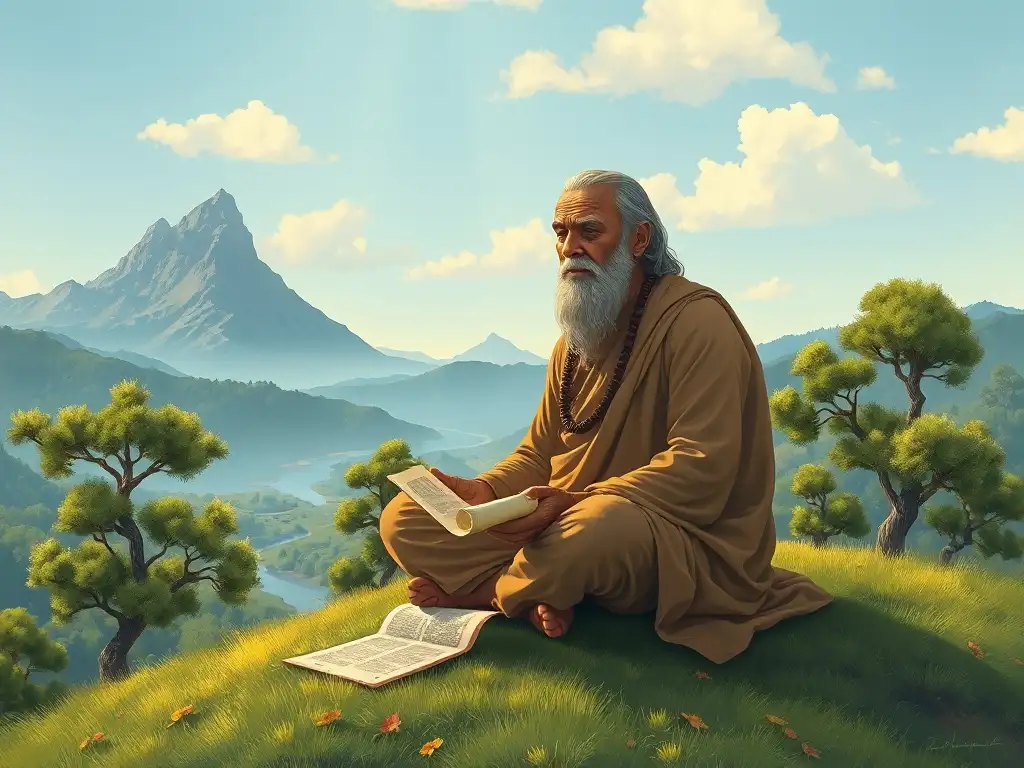
The Vedas, revered as the oldest sacred texts in Hinduism, offer profound insights into the human condition and the existential questions that have perplexed humanity for centuries. Comprising four primary texts—Rigveda, Samaveda, Yajurveda, and Atharvaveda—the Vedas present a comprehensive framework for understanding life's purpose, the nature of existence, and the pathways to a meaningful life. They explore the intricate relationship between the individual and the cosmos, addressing fundamental queries about existence, morality, and the soul's journey.
Understanding Human Existence in the Vedic Texts
The Vedic texts approach human existence through a multifaceted lens, intertwining philosophical teachings, rituals, and hymns. They emphasize that life is more than mere survival; it is an opportunity for spiritual growth and understanding the self. This exploration of human existence includes:
- The Interconnectedness of Life: The Vedas propose that all beings are interconnected within the cosmic order (Rta), suggesting that individual actions resonate throughout the universe.
- The Quest for Knowledge: Knowledge (jnana) is portrayed as essential for understanding the self and the universe. The Vedas encourage seekers to pursue wisdom through study, meditation, and contemplation.
- Existential Questions: Central to the Vedic discourse are existential inquiries such as "Who am I?" and "What is the purpose of life?" The texts suggest that self-realization is vital for understanding one’s place in the grand scheme of existence.
Key Concepts of Life and Existence in the Vedas
The Vedas encapsulate several key concepts that guide individuals in their exploration of life and existence. These concepts serve as foundational principles that shape moral values, ethical behavior, and spiritual practices.
Dharma: The Path of Righteousness
Dharma, often translated as "righteousness" or "duty," is a cornerstone of Vedic philosophy. It encompasses the moral and ethical obligations of individuals based on their roles in society and the universe. Key aspects of Dharma include:
- Varna and Ashrama: The Vedas categorize society into four varnas (castes) and four ashramas (stages of life), each with specific duties and responsibilities. Adhering to one’s dharma fosters social harmony and personal fulfillment.
- Cosmic Order: Dharma is seen as the guiding principle of the universe. Upholding one's dharma is essential for maintaining the cosmic balance and order.
- Moral Compass: Engaging in dharma cultivates virtues such as truthfulness, compassion, and integrity, which are essential for personal and social well-being.
Karma: The Law of Cause and Effect
Karma, or the law of cause and effect, is another pivotal concept in the Vedas. It posits that every action has consequences that affect the individual and the wider cosmos. The implications of karma include:
- Moral Responsibility: Individuals are encouraged to act with awareness of the consequences of their actions. Good deeds lead to positive outcomes, while harmful actions result in suffering.
- Rebirth and Continuity: The Vedas explain that karma influences the cycle of rebirth (samsara), where the soul experiences various lives based on its past actions. This cycle continues until liberation (moksha) is achieved.
- Empowerment: Understanding karma empowers individuals to take responsibility for their choices, fostering a proactive approach to life and personal development.
Moksha: The Liberation from the Cycle of Life
Moksha, or liberation, represents the ultimate goal of human existence according to the Vedic texts. It signifies freedom from the cycle of birth, death, and rebirth. Key elements of moksha include:
- Self-Realization: Moksha is achieved through self-realization and understanding the true nature of the self (Atman) as being one with the universal consciousness (Brahman).
- Pathways to Liberation: The Vedas outline various pathways to attain moksha, including the paths of knowledge (jnana), devotion (bhakti), and righteous action (karma yoga).
- Transcendence: Achieving moksha transcends the worldly attachments and desires, leading to eternal peace and union with the divine.
The Vedas provide profound insights into the nature of human existence, addressing existential questions through the lenses of dharma, karma, and moksha. These concepts form a holistic framework that guides individuals in their quest for meaning, purpose, and ultimate liberation.
Existential Questions Explored in the Vedas
The Nature of Reality: Brahman and Atman
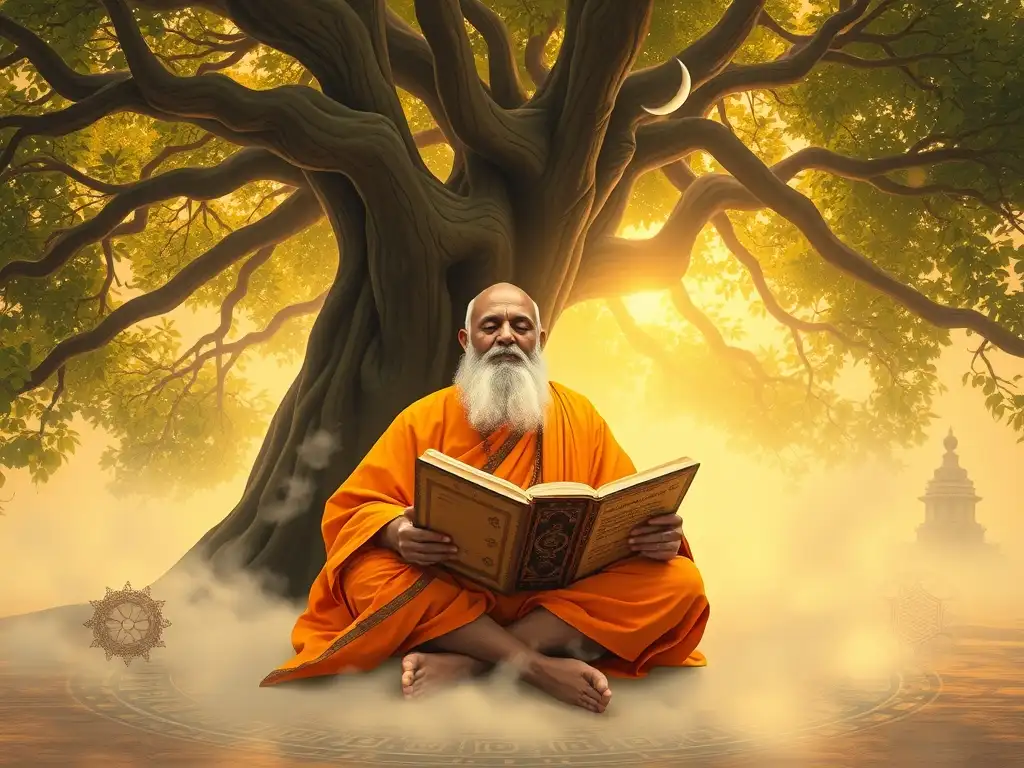
In the Vedic texts, the exploration of reality is intricately tied to the concepts of Brahman and Atman. Brahman is often described as the ultimate, unchanging reality that transcends the physical universe. It is the source of all existence and the essence from which everything emerges. The Vedas articulate that understanding Brahman is crucial for comprehending the nature of existence itself.
Atman, on the other hand, refers to the individual soul or self. The Vedic literature posits a profound connection between Atman and Brahman, suggesting that at the core, they are one and the same. This relationship is encapsulated in the phrase “Tat Tvam Asi” (That Thou Art), which signifies that the true self (Atman) is fundamentally identical to the ultimate reality (Brahman).
The implications of this teaching are profound. It invites individuals to look beyond the transient nature of the material world and recognize their intrinsic connection to a greater cosmic order. Through meditation and self-inquiry, one can realize this oneness, leading to liberation ( moksha) from the cycle of birth and death ( samsara).
The Purpose of Life According to the Vedic Teachings
The Vedas articulate various purposes for human life, which can be broadly categorized into Dharma, Artha, Kama, and Moksha. These four goals, known as the Purusharthas, provide a framework for understanding the multifaceted nature of human existence.
- Dharma: This refers to moral duty and righteousness. The Vedas emphasize that individuals must adhere to their dharma, which varies according to one's age, caste, and stage of life. Fulfilling one's dharma not only leads to personal fulfillment but also contributes to the harmony of society.
- Artha: This goal pertains to the pursuit of material wealth and prosperity. The Vedic texts assert that while wealth is essential for sustaining life and fulfilling one's duties, it should be pursued ethically and in alignment with dharma.
- Kama: Representing desire and pleasure, kama acknowledges the importance of enjoying life. The Vedas do not condemn pleasure but instead advocate for its pursuit within the boundaries of dharma, encouraging a balanced approach to desires.
- Moksha: Ultimately, the Vedas teach that the highest purpose of life is achieving liberation ( moksha). This state is characterized by the realization of one's true nature and the dissolution of the ego. The teachings encourage individuals to transcend worldly attachments and seek spiritual enlightenment.
The Vedic teachings provide a holistic view of the human experience, emphasizing that life’s purpose is a balance of duty, prosperity, enjoyment, and spiritual liberation.
The Concept of Suffering and Its Implications
The Vedic texts offer profound insights into the nature of suffering and its role in the human experience. Suffering, or duhkha, is recognized as an inherent aspect of life. The Vedas articulate that understanding and confronting suffering is essential for personal growth and spiritual development.
- Nature of Suffering: The Vedic philosophy suggests that suffering arises from ignorance and attachment. When individuals cling to the impermanent aspects of life, such as material possessions or relationships, they inevitably experience pain when these attachments are threatened or lost.
- Transcending Suffering: The Vedas propose that through the practice of self-realization and adherence to dharma, individuals can transcend suffering. By cultivating detachment and understanding the transient nature of the material world, one can achieve a state of inner peace.
- Spiritual Growth: Suffering is viewed as a catalyst for spiritual evolution. The challenges faced in life provide opportunities for introspection, resilience, and transformation. The Vedas encourage individuals to embrace suffering as a path to enlightenment rather than as an obstacle.
Through these teachings, the Vedas invite individuals to confront existential questions and challenges with courage and wisdom, ultimately guiding them towards a deeper understanding of the human condition and the nature of existence itself.
Practices and Rituals in the Vedas Addressing Human Existence
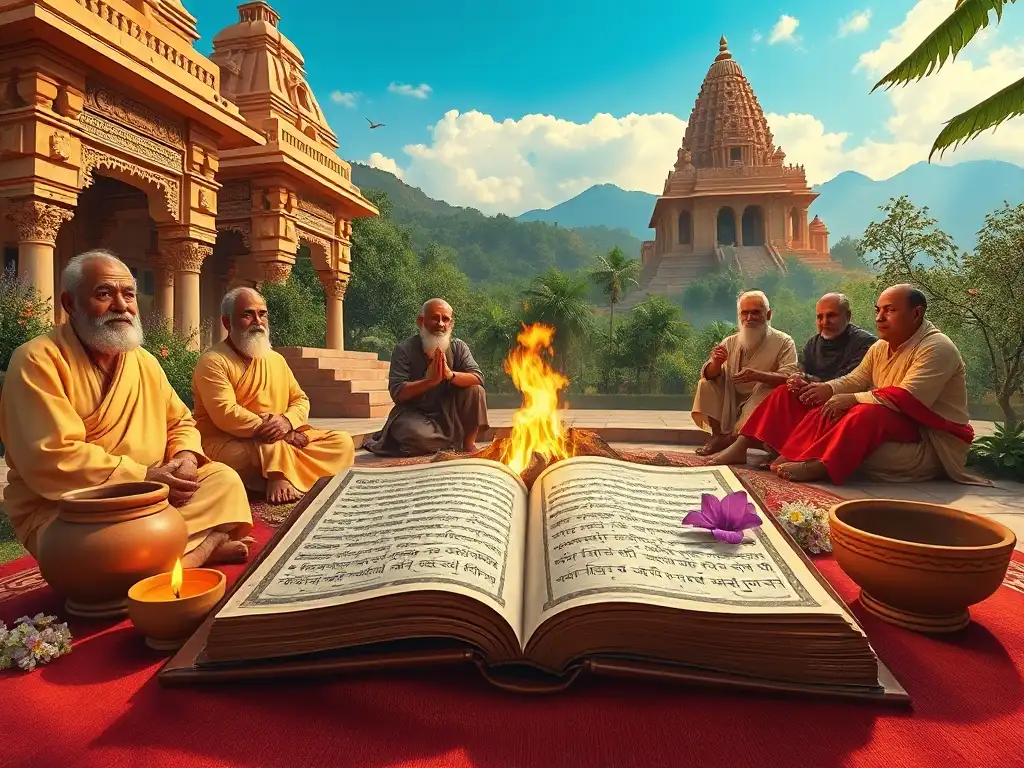
Sacrifices and Offerings: Connecting with the Divine
In ancient Indian civilization, sacrifices (Yajna) and offerings (Homa) were fundamental practices highlighted in the Vedas, serving as a means to connect with the divine and explore the nature of human existence. These rituals were not merely acts of worship; they were deeply embedded in the metaphysical understanding of the universe and human life. The Vedas emphasize that the universe is a dynamic interplay between the material and the spiritual, and through sacrifices, individuals sought to harmonize these realms.
Types of Sacrifices
- Agnihotra: A daily fire ritual aimed at purifying the environment and oneself, symbolizing the eternal flame of knowledge.
- Soma Yajna: Involving the offering of the Soma plant, this sacrifice was believed to bestow immortality and divine insight.
The act of sacrifice was viewed as a reciprocal relationship with the cosmos, where humans offered materials to the gods in exchange for blessings, prosperity, and the sustenance of life. This cycle of giving and receiving reflects a profound understanding of existence, wherein humans play a vital role in maintaining cosmic order (Rta).
Meditation and Contemplation: Pathways to Understanding
Meditation (Dhyana) and contemplation (Upasana) are essential practices in the Vedic tradition that address the human quest for understanding and self-realization. The Vedas encourage individuals to delve into their inner selves to seek answers to existential questions such as the purpose of life and the nature of reality.
Key Concepts in Meditation
- Atman: The Vedas articulate the concept of Atman, or the Self, as the core of human existence. Understanding Atman leads to the realization of one's unity with Brahman, the ultimate reality.
- Brahman: Through meditation, practitioners aim to comprehend Brahman, the universal consciousness, which is both the source and the essence of all existence.
Regular meditation fosters a deeper connection between the individual and the universe, allowing for the exploration of existential themes such as suffering, impermanence, and the quest for eternal truth. The Vedic texts provide various meditative techniques that encourage practitioners to transcend the mind and attain higher states of awareness.
The Role of Mantras in Seeking Answers to Existential Questions
Mantras, sacred utterances or sounds, hold a significant place in Vedic practices and are crucial in addressing existential questions. The repetition of mantras is believed to have transformative powers, helping individuals connect with the divine and gain insights into their existence.
Importance of Mantras
- Vedic Mantras: Specific mantras from the Vedas, such as the Gayatri Mantra, encapsulate profound truths about the universe and the human condition. Reciting them is thought to invoke divine energy and wisdom.
- Sound and Vibration: The philosophy behind mantras is rooted in the belief that sound and vibration can create resonance within the individual, leading to enlightenment and clarity regarding existential dilemmas.
The use of mantras in rituals and meditation serves as a tool for seekers to explore the fundamental questions of human existence, such as "Who am I?" and "What is my purpose?" This practice not only elevates spiritual awareness but also provides a structured means to navigate the complexities of life and existence. Through the Vedas, the exploration of these existential themes continues to resonate with individuals seeking meaning in their lives.
Comparative Analysis of Vedic Insights with Other Philosophical Traditions
Vedic Thought vs. Western Philosophy on Human Existence
The Vedas, ancient texts of profound significance, offer insights into the human condition that resonate with various philosophical traditions. When juxtaposed with Western philosophy, particularly existentialism and phenomenology, intriguing contrasts and parallels emerge.
One of the fundamental differences lies in the approach towards human existence. Western philosophy often emphasizes individualism and personal agency, as seen in the works of philosophers like Jean-Paul Sartre and Friedrich Nietzsche. They advocate for the idea that individuals create their own essence through choices and actions. In contrast, Vedic thought posits that the essence of human existence is intertwined with the concept of Brahman, the ultimate reality. The Vedas suggest that understanding one’s self (Atman) in relation to Brahman is crucial for navigating existence.
Key Points of Comparison:
- Individual vs. Universal:
- Western Philosophy: Focuses on the individual's subjective experience.
- Vedic Thought: Emphasizes the interconnectedness of all beings through a universal consciousness.
- Moral Framework:
- Western Philosophy: Often debates morality and ethics as constructs of societal norms.
- Vedic Thought: Proposes Dharma, a moral law that is intrinsic to the universe, guiding human behavior.
- Purpose of Life:
- Western Philosophy: Life’s purpose is frequently seen as a search for personal fulfillment.
- Vedic Thought: Life is viewed as a journey towards Moksha, liberation from the cycle of birth and rebirth (Samsara).
This comparative analysis illustrates how Vedic insights provide a holistic understanding of human existence, merging the personal with the universal, a theme that is less pronounced in many Western philosophical frameworks.
Similarities and Differences with Buddhist Perspectives on Life
Buddhism, with its roots in the Indian subcontinent, shares several philosophical tenets with Vedic thought, yet diverges significantly in its treatment of human existence. Both traditions recognize the transient nature of life, yet they approach the concept of suffering and liberation differently.
Similarities:
- Impermanence:
- Both Vedic thought and Buddhism acknowledge that life is fleeting and filled with change. This understanding encourages individuals to seek deeper truths beyond the material world.
- Suffering:
- Both traditions address suffering as an intrinsic aspect of existence, guiding practitioners towards a path of spiritual inquiry and self-realization.
- Meditation and Mindfulness:
- Practices such as meditation are essential in both traditions, promoting introspection and a clearer understanding of one's place in the cosmos.
Differences:
- Concept of Self:
- Vedic Perspective: Emphasizes the eternal self (Atman) that is part of a larger cosmic order.
- Buddhist Perspective: Proposes the doctrine of Anatta (non-self), asserting that what we perceive as the self is a collection of changing elements.
- Path to Liberation:
- Vedic Thought: Advocates for a path that includes rituals, devotion, and knowledge to realize one’s unity with Brahman.
- Buddhism: Focuses on the Eightfold Path as a means to overcome suffering and attain Nirvana, a state of liberation devoid of attachment.
This nuanced exploration of Vedic insights alongside Buddhist philosophies reveals a rich tapestry of thought that addresses the complexities of human existence. Both traditions offer unique frameworks that invite contemplation and understanding, while also challenging practitioners to engage deeply with the nature of life and the self.
Conclusion: The Timeless Relevance of the Vedas in Understanding Human Existence
The Vedas, as foundational texts of ancient Indian philosophy, offer profound insights into the human condition and existential questions that remain relevant even in contemporary discourse. Their teachings encompass a wide range of themes, from the nature of reality to the purpose of life, providing a comprehensive understanding of existence that transcends time. The timeless wisdom of the Vedas invites individuals to reflect on their existence, encouraging a journey towards self-discovery and enlightenment.
Reflection on the Vedic Teachings and Modern Life
In today’s fast-paced world, the teachings found within the Vedas resonate strongly, offering guidance amid modern existential dilemmas. Key concepts such as dharma (duty/righteousness), karma (action and consequence), and moksha (liberation) provide frameworks for individuals grappling with ethical choices and the search for meaning in life.
- Dharma:
- The principle of dharma encourages individuals to pursue their responsibilities with integrity, fostering a sense of purpose. In modern contexts, this can be seen in:
- Professional ethics: Upholding moral values in business practices.
- Social responsibilities: Engaging in community service and activism.
- The principle of dharma encourages individuals to pursue their responsibilities with integrity, fostering a sense of purpose. In modern contexts, this can be seen in:
- Karma:
- The law of karma teaches that every action has consequences, promoting mindfulness in our daily choices:
- Personal relationships: Understanding that kindness leads to positive interactions.
- Environmental stewardship: Recognizing the impact of our actions on the planet.
- The law of karma teaches that every action has consequences, promoting mindfulness in our daily choices:
- Moksha:
- The quest for liberation encourages individuals to seek deeper truths, often leading to practices such as meditation and self-reflection. This aspect of Vedic philosophy can motivate:
- Mindfulness practices: Meditation and yoga as means to attain inner peace.
- Philosophical inquiry: Engaging with existential questions that challenge one's understanding of life.
- The quest for liberation encourages individuals to seek deeper truths, often leading to practices such as meditation and self-reflection. This aspect of Vedic philosophy can motivate:
Through these teachings, the Vedas encourage a harmonious balance between personal fulfillment and societal contributions, highlighting the interconnectedness of all beings.
The Vedas as a Guide for Contemporary Existential Questions
The existential questions posed in modern life—such as "What is my purpose?" or "What happens after death? "—are profoundly addressed within the Vedic texts. The philosophies embedded in the Vedas provide a framework for exploring these queries through:
- Philosophical discourse: The Vedas inspire a rich tradition of inquiry into the nature of existence, pushing individuals to contemplate their place in the cosmos.
- Spiritual exploration: Practices derived from Vedic teachings, such as chanting and rituals, offer pathways to connect with a higher consciousness, facilitating personal growth and understanding.
Furthermore, the Vedas emphasize the cyclical nature of life, illustrating that existence is not linear but rather a continuous journey of learning and evolution. This perspective can alleviate existential anxiety by framing life as a series of opportunities for growth rather than a finite experience.
The Vedas serve as a profound resource for understanding human existence, addressing fundamental questions with wisdom that remains applicable across the ages. Their teachings encourage individuals to seek purpose, engage in ethical living, and explore the deeper truths of life, making them invaluable guides in the quest for meaning in the modern world.
Frequently Asked Questions
What are the Vedas?
The Vedas are the oldest sacred texts of Hinduism, consisting of four main texts: the Rigveda, Samaveda, Yajurveda, and Atharvaveda. They contain hymns, rituals, and philosophical teachings that explore the human condition.
How do the Vedas address existential questions?
The Vedas engage with fundamental existential questions by examining the nature of life, death, and the universe. They provide insights into the purpose of existence and the relationship between the individual self and the cosmic order.
What is the significance of the Vedas in ancient Indian civilization?
The Vedas played a crucial role in shaping the cultural and spiritual landscape of ancient India. They influenced various aspects of society, including ritual practices, philosophy, and social norms, contributing to the richness of Indian civilization.
How do the Vedas relate to human existence?
The Vedas emphasize the interconnectedness of all beings and the pursuit of truth and knowledge. They encourage individuals to seek understanding of their existence and their place within the broader cosmic framework.
Are the teachings of the Vedas still relevant today?
Yes, the teachings of the Vedas remain relevant as they address universal themes of human experience and existential inquiries. Their philosophical insights continue to inspire individuals seeking to understand their purpose and the nature of reality.
Final Reflection: Exploring the Vedas and the Essence of Human Existence
In a world increasingly defined by rapid change and existential uncertainty, the teachings of the Vedas resonate profoundly with our contemporary struggles. These ancient texts not only provide insights into the nature of existence but also offer timeless wisdom that remains relevant in our quest for meaning. As we navigate the complexities of modern life, the Vedas remind us that the fundamental questions of human existence—who we are, why we are here, and what it means to live a fulfilling life—are as pertinent today as they were thousands of years ago.
The influence of the Vedas extends beyond mere philosophical discourse; they shape our cultural and social landscapes, fostering a deeper understanding of our interconnectedness. As we grapple with our individual and collective identities, the teachings of the Vedas encourage us to look inward and reflect on our purpose. The Vedas teach us that the journey of self-discovery is the most profound adventure one can undertake.
This journey not only enriches our personal lives but also cultivates a sense of community and shared humanity, reminding us that we are all part of a greater whole.
As you reflect on the insights gleaned from the Vedas, I invite you to consider how these ancient teachings can inform your own life. Embrace the opportunity to explore your existence, challenge your perceptions, and seek deeper connections with yourself and others. The wisdom of the Vedas is a guiding light, urging us to embark on our own journeys of self-discovery and to foster a more compassionate and understanding world. Let this exploration inspire you to ask the essential questions and to live a life that resonates with purpose and meaning.
Unveil the Wisdom of the Vedas!
Thank you for diving deep into the profound insights the Vedas offer on the human condition and our existential questions. By exploring these ancient texts, you’ve taken a crucial step toward understanding the essence of life and purpose. Now, let’s transform that understanding into action!
- Delve Deeper: Select a Vedic text that resonates with you and read it thoroughly. Reflect on its teachings and consider how they apply to your own life.
- Share Your Insights: Engage in discussions about your newfound knowledge with friends or share it on social media. Initiate conversations about the impact of the Vedas on contemporary life.
- Engage with the Community: Participate in a reading group dedicated to Vedic literature. Connect with others who are eager to explore these timeless philosophies together.
What insights from the Vedas do you find most relevant to your life today? Let’s spark a conversation!