
Rituals and the Cycle of Life: Understanding Ancient Indian Beliefs

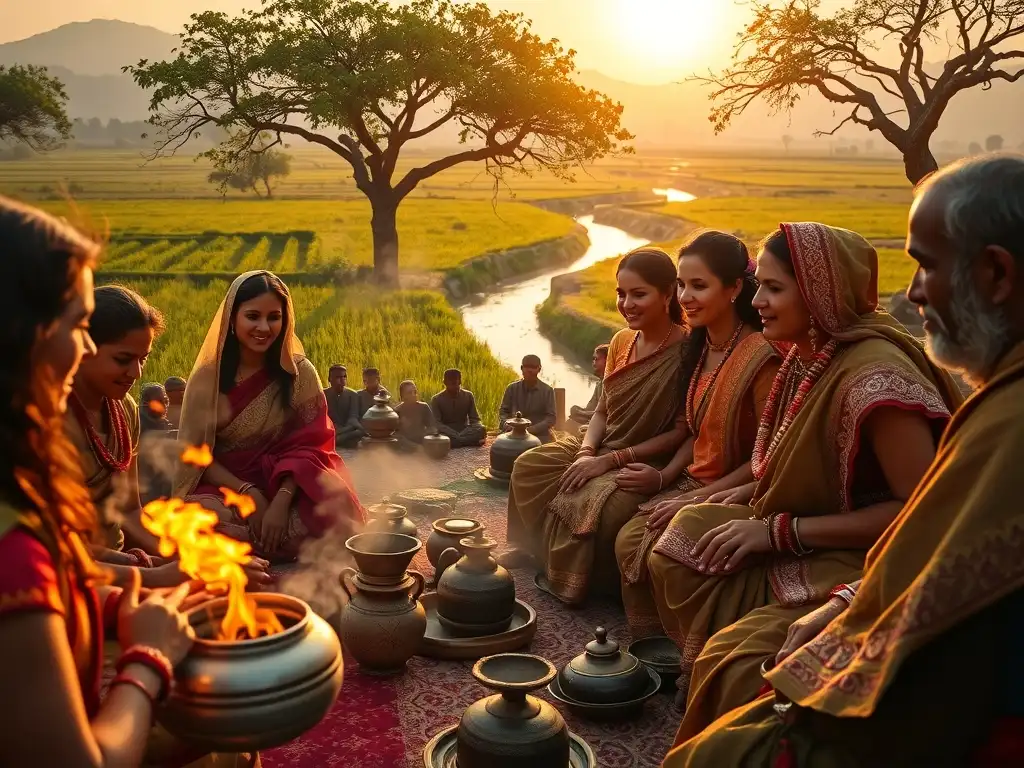
Welcome to Ancient India History, where we embark on a fascinating journey through the rich tapestry of ancient Indian civilizations. In this exploration, we delve into the intricacies of ancient Indian life rituals—essential practices that not only shaped individual lives but also wove the very fabric of society.
Our featured article, "Rituals and the Cycle of Life: Understanding Ancient Indian Beliefs," invites you to uncover the profound significance of these rituals and discover how they reflect the cultural heritage of a vibrant era. As you navigate through our content, prepare to ignite your curiosity and deepen your understanding of the timeless traditions that continue to resonate today.
- Introduction to Ancient Indian Life Rituals
- The Stages of Life and Corresponding Rituals
- Marriage Rituals: Union and Family
- Death Rituals: Honoring the Departed
- Festivals and Life Rituals: Celebrating the Cycles
- The Influence of Religion on Life Rituals
- Conclusion: The Legacy of Ancient Indian Life Rituals
-
Frequently Asked Questions
- What were the primary life rituals in ancient Indian culture?
- How did rituals influence daily life in ancient India?
- What is the significance of the samskara in ancient Indian life?
- How did the Gupta Empire contribute to the understanding of life rituals?
- What role did religion play in shaping ancient Indian life rituals?
- Final Reflection: Embracing the Wisdom of Ancient Indian Life Rituals
- Embrace the Wisdom of Ancient Rituals Today!
Introduction to Ancient Indian Life Rituals
Rituals have always played a pivotal role in shaping the cultural landscape of ancient Indian civilizations. They are not merely ceremonial acts; rather, they embody a deep understanding of life, death, and the universe that reflects the values and beliefs of the society. From the intricate practices of the Indus Valley civilization to the sophisticated rituals observed during the Gupta Empire, ancient Indian life rituals encompass a vast array of traditions that provide insight into the spiritual and social fabric of the time.
This article delves into the significance of these rituals, exploring how they not only marked important life events but also served as a bridge connecting the material world with the spiritual realm. By understanding these ancient life rituals, we gain a clearer perspective on the profound beliefs that influenced daily existence and shaped the identity of a civilization that has left an indelible mark on history.
Significance of Rituals in Ancient Indian Culture
Rituals in ancient India were central to both religious practices and everyday life, serving several critical functions:
- Social Cohesion: Rituals brought people together, fostering a sense of community and shared identity. They were often communal activities that strengthened social bonds and reinforced social hierarchies.
- Spiritual Connection: Many rituals were aimed at appeasing deities or honoring ancestors, reflecting a belief in the interconnectedness of the material and spiritual worlds. This connection was vital for maintaining cosmic order (Rta).
- Life Transitions: Key life events such as birth, marriage, and death were marked by specific rituals, each designed to guide individuals through these transitions with grace and spiritual awareness. These rituals often involved complex ceremonies that varied by region and community.
- Cultural Preservation: Through oral traditions and practices passed down generations, rituals served as a means of preserving cultural heritage and imparting moral lessons and societal norms.
The intricate nature of these rituals illustrates the depth of understanding ancient Indians had regarding life's complexities and the importance of honoring them through structured practices.
Overview of the Cycle of Life in Ancient Indian Beliefs
Ancient Indian beliefs were profoundly influenced by the concept of the cycle of life, which encompasses birth, life, death, and rebirth (Samsara). This cyclical understanding is a core tenet of many philosophies and religions that emerged in ancient India, including Hinduism, Buddhism, and Jainism. Key aspects of this cycle include:
- Birth (Janma): The arrival of a new life was celebrated with various rituals aimed at ensuring the child's health and prosperity. Naming ceremonies (Namakarana), for instance, were significant events that not only welcomed the newborn but also symbolized the family's aspirations for the child.
- Life (Jeevan): Throughout an individual's life, numerous rituals marked milestones and transitions, including educational rites (Upanayana), marriage ceremonies (Vivaah), and other significant events. These rituals provided guidance and structure, helping individuals navigate their roles within society.
- Death (Mrityu): The end of life was not seen as a conclusion but rather as a transition to another state of existence. Funerary rites (Antyesti) were performed with great care to ensure the proper passage of the soul to the next life, reflecting beliefs in karma and reincarnation.
- Rebirth (Punarjanma): The belief in rebirth emphasizes the importance of one's actions in life (karma) as determining factors for future reincarnations. This understanding encouraged individuals to live virtuously, with the hope of attaining liberation (Moksha) from the cycle of Samsara.
The cyclical nature of life in ancient Indian beliefs underscores a profound respect for the continuum of existence and encapsulates the spiritual essence that permeated the rituals designed to navigate this journey.
The Stages of Life and Corresponding Rituals
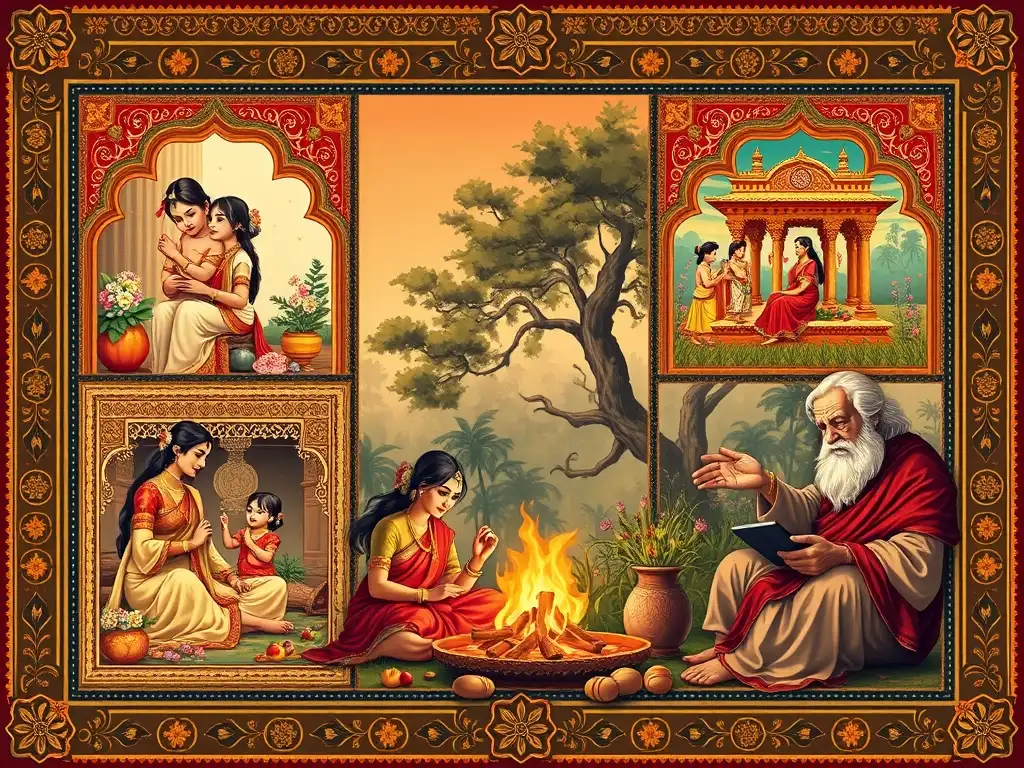
Birth Rituals: Welcoming New Life
In ancient Indian culture, the arrival of a new child was celebrated with great enthusiasm and marked by specific rituals that signified the beginning of a new life. Birth rituals, deeply rooted in religious beliefs and cultural practices, aimed to ensure the well-being of the newborn and the mother while fostering a bond between the family and the divine.
Naming Ceremony (Namakarana)
The Namakarana, or naming ceremony, is one of the earliest and most significant rituals performed after the birth of a child. Typically held on the 11th day after birth, this ceremony involves the selection of a name for the child, which is believed to influence their destiny. Family members gather to participate, and the naming is often accompanied by prayers and offerings to deities.
Key aspects of the Namakarana ceremony include:
- Astrological Considerations: The child's horoscope is consulted to choose a name that aligns with their zodiac sign.
- Spiritual Significance: The chosen name is believed to carry blessings and protection for the child.
- Ceremonial Practices: The father or a priest may whisper the name into the child's ear, while the mother may perform aarti (a ritual of worship) to invoke divine blessings.
First Feeding Ceremony (Annaprashan)
The Annaprashan, or first feeding ceremony, marks the introduction of solid food to an infant, typically around six months of age. This ritual symbolizes the transition from breastfeeding to consuming grains, and it is celebrated with much joy and festivity.
Elements of the Annaprashan ceremony include:
- Blessings: Family elders often bless the child during the ceremony, wishing them good health and prosperity.
- Choice of Food: The first food given is usually rice, symbolizing nourishment and abundance.
- Community Involvement: Relatives and friends are invited to share in the joy, reinforcing social bonds and communal support.
Coming of Age Rituals: Transition into Adulthood
As children grow, specific rituals mark their transition into adulthood, reflecting their new responsibilities and roles within the family and society. These coming-of-age rituals are essential in ancient Indian life and often carry significant cultural and spiritual meaning.
Initiation Ceremony (Upanayana)
The Upanayana, or initiation ceremony, is a crucial rite of passage for boys in certain communities, particularly among Brahmins, Kshatriyas, and Vaishyas. This ceremony is often conducted around the age of eight and signifies the child's formal entry into the world of education and spiritual pursuit.
Key features of the Upanayana ceremony include:
- Sacred Thread: The boy is invested with the yajnopavita (sacred thread), symbolizing his commitment to learning and spiritual growth.
- Mantras and Rituals: The ceremony involves reciting sacred Vedic mantras and performing various rituals to invoke blessings from deities.
- Guru's Role: A guru (teacher) plays a vital role in guiding the boy through this transition, marking the beginning of his educational journey.
Rites of Passage and Social Responsibilities
Following the Upanayana, young individuals engage in various rites of passage that prepare them for adult life, including marriage and professional responsibilities. These rituals often involve:
- Social Engagement: Participation in community service and family responsibilities, reinforcing social ties and cultural values.
- Marriage Preparations: Initiation into the customs surrounding marriage, which is considered one of the most significant life events in ancient India.
- Cultural Education: Young adults are encouraged to learn about their heritage, customs, and societal duties, ensuring the continuation of traditions.
Ancient Indian life rituals surrounding birth and coming of age reflect the deep cultural values and beliefs embedded in society. Each ceremony serves not only as a celebration but also as a means to instill values, responsibilities, and a sense of identity within the individual and the community.
Marriage Rituals: Union and Family
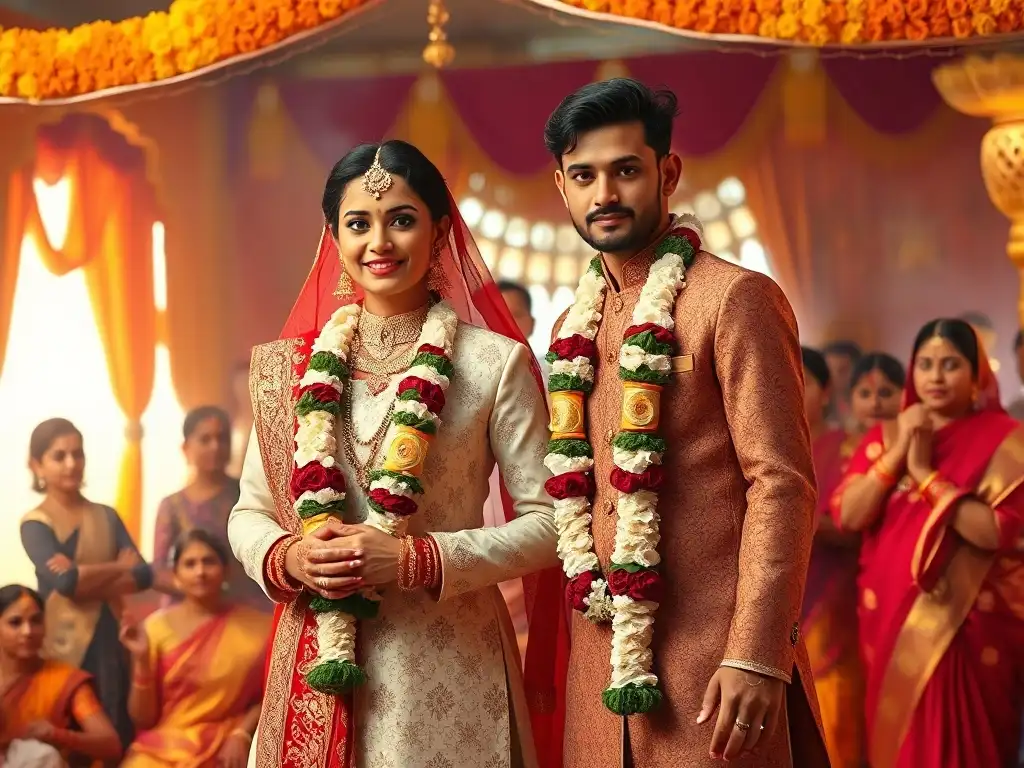
The Importance of Marriage in Ancient Indian Traditions
Marriage in ancient Indian culture was not merely a union between two individuals; it was a significant social contract that established familial bonds and community ties. This institution was deeply rooted in the religious and philosophical beliefs of the time, often viewed as a sacred duty (dharma) that ensured the continuation of family lineage and societal stability.
In ancient texts, marriage is regarded as a vital rite of passage (samskara) that marked the transition from childhood to adulthood. The significance of marriage is highlighted in various scriptures, including the Vedas and the Dharmashastras, which outline the responsibilities and expectations of each partner in the marriage. This institution was celebrated through elaborate rituals, reflecting the cultural diversity and regional customs of ancient India.
The concept of Grihastha, or the householder stage of life, emphasized the importance of marriage as a means to fulfill one's duties and responsibilities. Couples were expected to work together in raising children, performing religious duties, and participating in social activities, thus reinforcing the notion of unity and family as central to ancient Indian life.
Key Marriage Rituals
Marriage rituals in ancient India were diverse and varied by region, caste, and community. However, certain key rituals were commonly observed across many cultures, serving as the foundation for the marriage ceremony. These rituals not only symbolized the union of the couple but also involved the blessings of family and the divine. Here are some of the most significant marriage rituals:
- Saptapadi: The Seven Steps
- Kanyadaan: The Giving Away of the Bride
Saptapadi: The Seven Steps
The ritual of Saptapadi is one of the most important components of ancient Indian marriage ceremonies. This ritual involves the couple taking seven steps together, each step representing a specific vow that they make to each other.
- First Step: The couple vows to nourish each other and share their food.
- Second Step: They pledge to develop physical and mental strength.
- Third Step: They promise to create prosperity and abundance.
- Fourth Step: They commit to fidelity and love.
- Fifth Step: They vow to respect each other’s family and friends.
- Sixth Step: They promise to support each other in all endeavors.
- Seventh Step: They pledge to remain lifelong companions and partners.
This ritual emphasizes the importance of partnership and mutual support, laying the foundation for a harmonious married life. The act of walking together symbolizes their journey as a couple, united in purpose and commitment.
Kanyadaan: The Giving Away of the Bride
Kanyadaan is another critical ritual in ancient Indian marriages, symbolizing the father’s act of giving away his daughter to the groom. This ritual is steeped in deep emotional significance and carries profound cultural implications.
- Symbolism: The act of Kanyadaan represents the father's trust in the groom to take care of his daughter and the transfer of responsibility from one family to another.
- Ritualistic Elements: During this ceremony, the father places his daughter's hand into the groom's hand, often accompanied by the recitation of sacred verses. This moment signifies the merging of two families and the sacred bond being formed.
The Kanyadaan ritual reflects the reverence for women in ancient Indian society, highlighting the protective role of the father while emphasizing the bride's value in the family and society.
Rituals such as Saptapadi and Kanyadaan illustrate the rich tapestry of ancient Indian life rituals, showcasing their significance in ensuring the continuity of traditions and the reinforcement of social structures. These ceremonies continue to be celebrated today, preserving the essence of ancient customs while adapting to modern contexts.
Death Rituals: Honoring the Departed
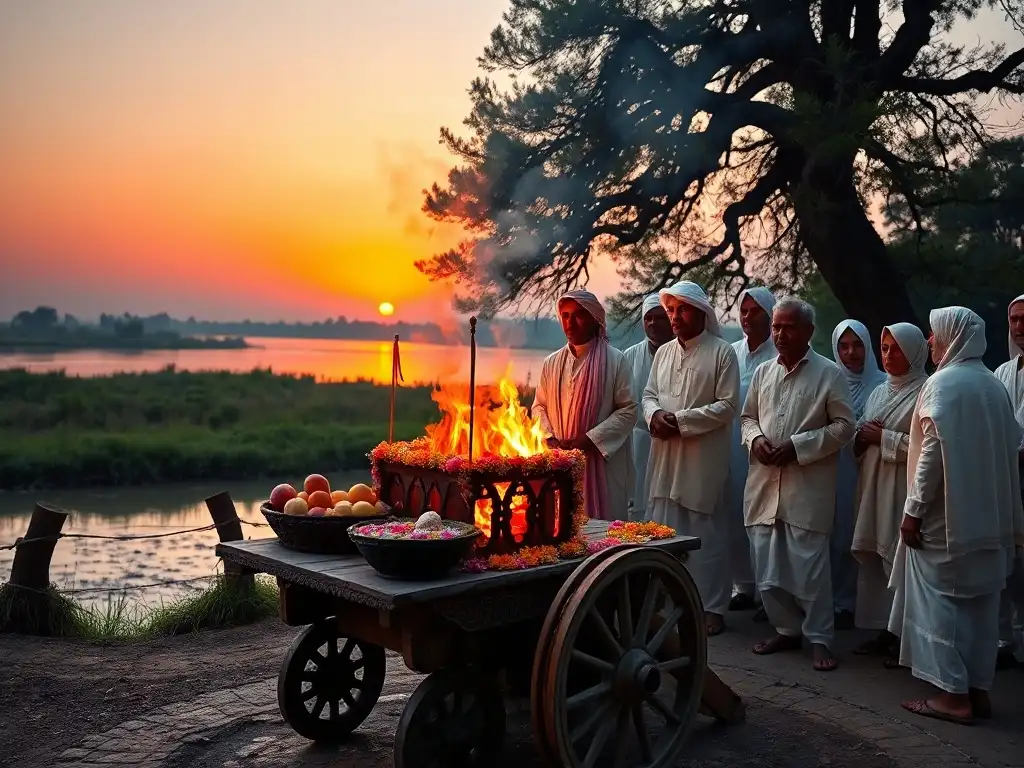
The Concept of Life After Death in Ancient Indian Beliefs
In ancient Indian beliefs, the concept of life after death is deeply rooted in the philosophical and spiritual fabric of the civilization. The notion of reincarnation (punarjanma) is central to this understanding, where the soul (atman) is believed to undergo a continuous cycle of birth, death, and rebirth. This cycle is governed by karma, the moral law of cause and effect, which dictates the conditions of one's next life based on actions in previous lives.
The Brahmanical texts, particularly the Vedas and Upanishads, elaborate on this idea, highlighting that the ultimate goal of life is moksha—liberation from the cycle of samsara (the cycle of birth and rebirth). Death is not seen as an end but as a transition to another stage of existence. This belief significantly influences death rituals, as these practices are designed to honor the departed, ensure a smooth transition to the afterlife, and maintain a connection between the living and their ancestors.
Key Death Rituals
Ancient Indian death rituals encompass a range of practices aimed at respecting the deceased while catering to the spiritual needs of their souls. These rituals often vary based on regional, cultural, and sectarian differences, but they share common themes of respect, remembrance, and continuity of family lineage. The two principal rituals that signify the passage from life to death are Antyesti and Shraddha.
Antyesti: The Last Rites
Antyesti, literally meaning "last sacrifice," is the final rite performed for the deceased. This ritual is steeped in tradition and is typically conducted by the eldest son or a male relative of the deceased. The key components of Antyesti include:
- Preparation of the Body: The body is bathed, adorned, and placed on a wooden pyre, which symbolizes the transition of the soul from the physical realm.
- Cremation: Fire plays a pivotal role in Antyesti, as it is believed to purify the soul and facilitate its journey to the afterlife. The Agni, or sacred fire, is invoked to aid in this process.
- Post-Cremation Rituals: After cremation, the ashes are collected and immersed in a holy river or body of water, signifying the release of the soul. This act serves as a gesture of respect and helps the departed achieve peace and liberation.
Shraddha: The Ceremony for the Ancestors
Following the completion of Antyesti, the Shraddha ceremony is performed to honor the ancestors. This ritual is an essential aspect of ancient Indian life rituals, emphasizing the importance of familial bonds and respect for lineage. Key elements of Shraddha include:
- Offering of Food: The primary component of Shraddha involves offering food (pinda) to the deceased. This act symbolizes the sustenance provided by the living to their ancestors, ensuring they are cared for in the afterlife.
- Recitation of Mantras: Specific Vedic chants and prayers are recited during the Shraddha ceremony, invoking the blessings of the ancestors and seeking their guidance for the living.
- Timing and Frequency: Shraddha is typically performed on the death anniversary of the deceased or during specific lunar phases, such as the Pitru Paksha, a fortnight dedicated to honoring ancestors.
Ancient Indian life rituals surrounding death are intricate and profound, reflecting a deep reverence for the departed. Through rituals like Antyesti and Shraddha, the living maintain a connection with their ancestors, honoring their legacy and ensuring their spiritual well-being in the afterlife.
Festivals and Life Rituals: Celebrating the Cycles
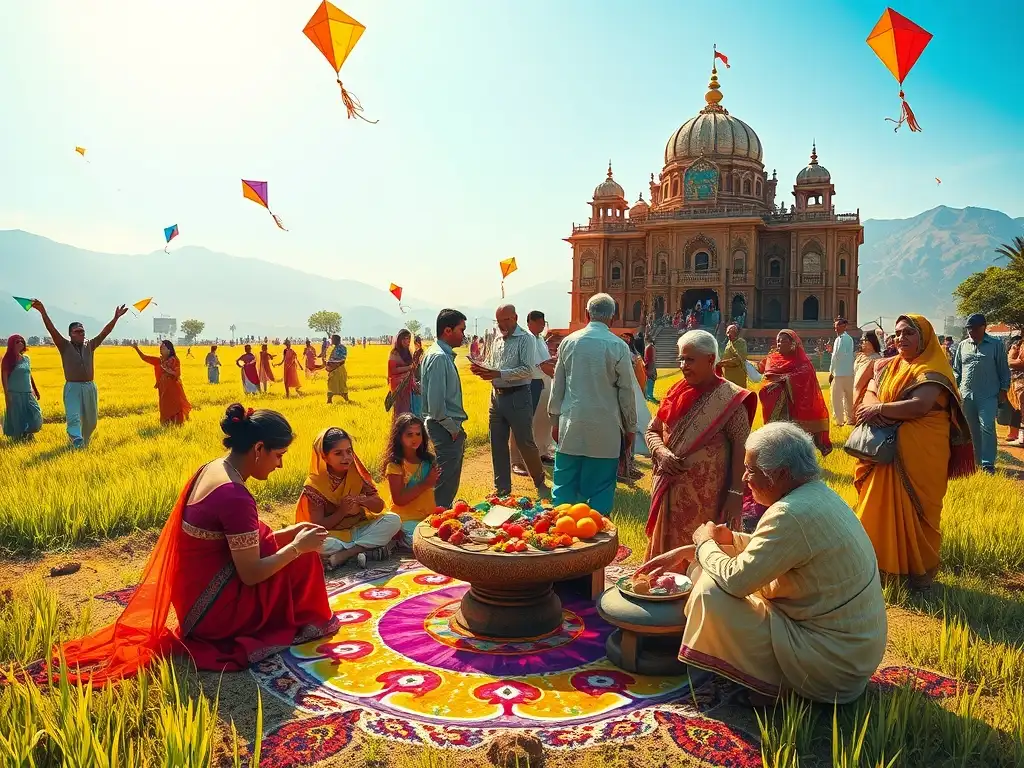
Ancient Indian life rituals are deeply intertwined with festivals that celebrate the cycles of nature and human existence. The significance of these festivals extends beyond mere celebration; they embody beliefs, traditions, and values that reflect the cultural ethos of ancient Indian society. Each festival is marked by specific rituals that symbolize various aspects of life, from agricultural cycles to spiritual renewal, thus maintaining a harmonious relationship between humans, nature, and the divine.
Major Festivals and Their Ritual Significance
The major festivals of ancient India serve as an essential framework for understanding the intricate relationship between life rituals and the cultural practices of the time. Each festival encompasses unique rituals that resonate with the beliefs of the period, acting as a bridge between the physical and spiritual realms.
Diwali: The Festival of Lights
Diwali, also known as Deepavali, is one of the most celebrated festivals in ancient India, symbolizing the victory of light over darkness and knowledge over ignorance. The significance of Diwali can be traced back to various ancient texts and traditions, each attributing different meanings and rituals to the festival.
- Rituals and Practices:
- Lighting of Diyas: The lighting of small oil lamps, or diyas, is a central ritual during Diwali. This act is believed to invite the blessings of Lakshmi, the goddess of wealth and prosperity.
- Rangoli Designs: Women often create intricate patterns using colored powders, rice, or flowers at their doorsteps, signifying the welcoming of guests and the divine.
- Puja Ceremonies: Families perform pujas, or worship rituals, to honor deities, recite mantras, and offer sweets and fruits as offerings.
- Cultural Significance: Diwali is not just a festival of lights but also a time for reflection and renewal. It marks the end of the harvest season, encouraging gratitude for nature's bountiful gifts.
- Symbolism: The festival represents the inner light of the soul and the triumph of good over evil, echoing the ancient Indian belief in the cyclical nature of life and rebirth.
Makar Sankranti: Harvest Festival and Rituals
Makar Sankranti is celebrated as a harvest festival, marking the transition of the sun into the zodiac sign of Capricorn (Makar). This festival is significant as it symbolizes the end of winter and the arrival of longer days, resonating with the agricultural calendar.
- Rituals and Practices:
- Kite Flying: One of the most popular activities during Makar Sankranti is kite flying, which represents the joy and vibrancy of the harvest season.
- Puja and Offerings: Devotees prepare special offerings of sesame seeds and jaggery, believed to purify the body and mind, and perform rituals at sacred rivers.
- Community Feasts: Families and communities come together to share traditional sweets made from sesame and jaggery, fostering unity and gratitude.
- Cultural Significance: Makar Sankranti is not only a celebration of the harvest but also emphasizes the importance of community, sustainability, and ecological balance. It serves as a reminder of the interconnectedness of humans and nature.
- Symbolism: The festival reflects the cyclical nature of agricultural life, highlighting themes of rebirth and renewal that are central to ancient Indian life rituals.
Festivals like Diwali and Makar Sankranti are more than mere celebrations; they encapsulate the essence of ancient Indian life rituals, merging spirituality with the cycles of nature. These festivals continue to thrive, underscoring the enduring legacy of ancient Indian traditions in contemporary society.
The Influence of Religion on Life Rituals
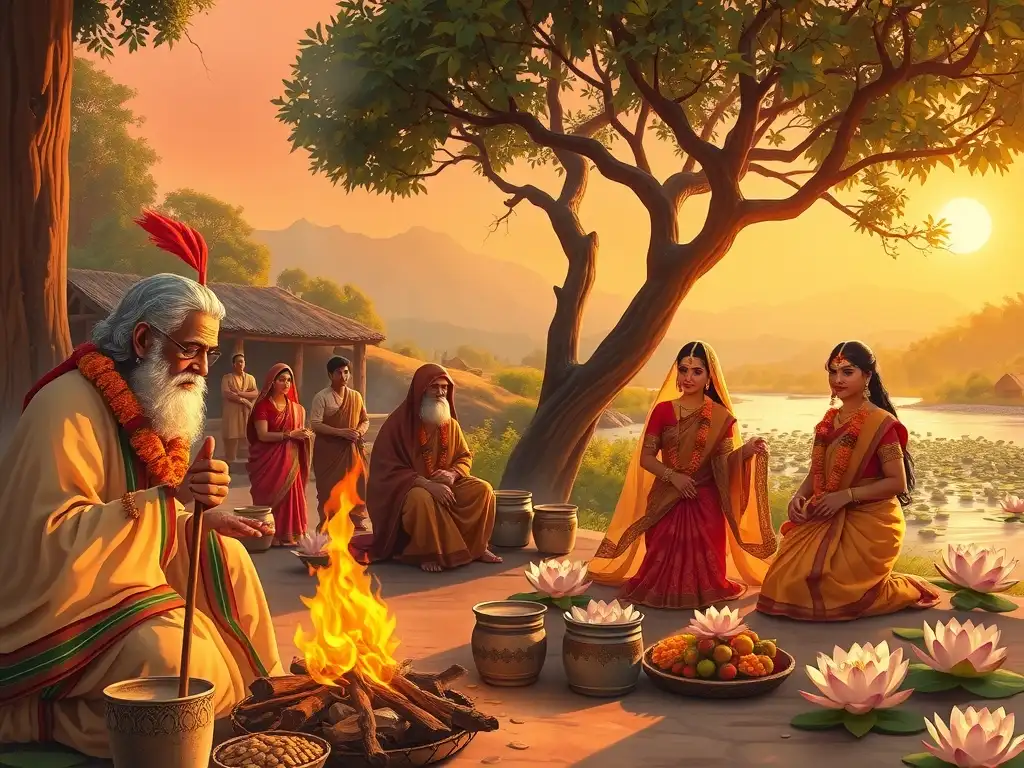
Religion played a pivotal role in shaping the life rituals of ancient Indian civilizations. The diverse beliefs and practices influenced societal norms, cultural expressions, and the very fabric of everyday life. From birth to death, rituals were deeply embedded in the religious context, facilitating a connection between the individual, the community, and the divine.
Ancient Indian life rituals were not merely ceremonial; they served as a means to navigate the existential phases of life, ensuring harmony with the cosmos and adherence to dharma (moral order). The rituals were often characterized by their intricate symbolism, drawing from the rich tapestry of mythological narratives, sacred texts, and the natural world.
Hinduism and Its Impact on Ancient Indian Life Rituals
Hinduism, as one of the oldest religions in the world, has significantly influenced the life rituals practiced in ancient India. Central to Hindu belief is the concept of samskaras, or sacraments, which mark significant transitions in an individual's life. These rites of passage encompass various stages, including:
- Garbhadhana: The ceremony of conception, invoking blessings for a successful pregnancy.
- Jatakarma: The birth ceremony, which includes rituals to welcome the newborn and ensure a prosperous life.
- Namakarana: The naming ceremony, where the child is given their name, often accompanied by astrological considerations.
- Upanayana: The initiation rite for boys, marking their entry into formal education and spiritual life.
Each of these rituals was accompanied by specific prayers, offerings, and recitations from sacred texts, reinforcing the importance of spirituality in everyday life. The rituals were not only personal but also communal, fostering a sense of belonging and shared values.
Hindu festivals, such as Diwali and Holi, also encapsulated rituals that celebrated life's cyclical nature, emphasizing themes of renewal, gratitude, and the triumph of good over evil. These festivals illustrated how ancient Indian life rituals intertwined with the agricultural calendar, symbolizing the interconnectedness of nature and human existence.
Other Religions and Their Ritual Practices in Ancient India
While Hinduism was predominant, ancient India was home to a variety of religious traditions, each contributing to the rich tapestry of life rituals. Notable among these are Buddhism and Jainism, which also developed their own unique ritual practices.
- Buddhism: Founded in the 6th century BCE, Buddhism introduced rituals focused on mindfulness and ethical living. Key rituals included pavāraṇā, a ceremony of inviting followers to express grievances, and Uposatha, a day of observance for monks and laypeople to renew their commitment to the Buddhist path. The Buddhist life cycle rituals emphasized detachment from worldly desires and the pursuit of enlightenment.
- Jainism: With its roots in ancient Indian thought, Jainism emphasized non-violence (ahimsa) and truthfulness. Life rituals, such as Panchkalyanak, celebrated the five auspicious events in the life of Tirthankaras (spiritual teachers). Rituals included fasting, meditation, and communal prayers, reinforcing the values of compassion and asceticism.
In addition to these religions, various tribal and folk traditions across ancient India contributed to the diversity of life rituals. Many of these practices were localized, reflecting the unique beliefs and customs of different communities. Life rituals often involved elements such as dance, music, and storytelling, serving both to entertain and impart moral lessons.
The rich diversity of ancient Indian life rituals showcases how religious beliefs shaped the values, practices, and social structures of the time, making them integral to the understanding of ancient Indian civilization as a whole.
Conclusion: The Legacy of Ancient Indian Life Rituals
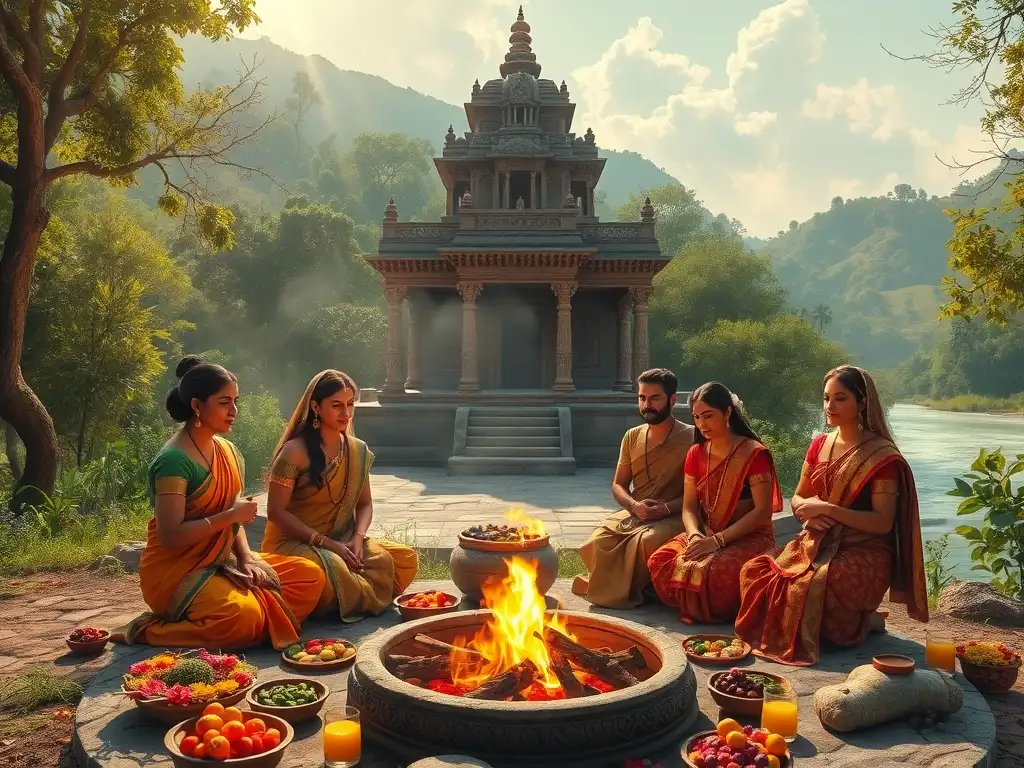
The legacy of ancient Indian life rituals is deeply embedded in the cultural fabric of India, influencing various aspects of society, spirituality, and communal life. These rituals, ranging from birth, marriage, and death to seasonal festivals, represented a holistic approach to life, intertwining the physical, spiritual, and emotional dimensions of existence.
The Relevance of Ancient Rituals in Contemporary Society
In contemporary society, ancient Indian life rituals continue to hold significant relevance. They serve as a bridge connecting the past with the present, offering a sense of identity and continuity in an ever-changing world. Many individuals and communities engage in these rituals not merely as traditions but as a means to foster community bonds, celebrate life's milestones, and express collective values.
- Cultural Identity: Ancient rituals contribute to cultural identity by reinforcing shared beliefs and practices. For instance, weddings often include traditional ceremonies like the Saat Phere, which symbolizes the couple's commitment to each other and their families. These practices help maintain cultural heritage amidst globalization.
- Spiritual Connection: Many rituals are designed to invoke spiritual consciousness. The practice of Puja, or worship, reflects the ancient belief in connecting with the divine. This spiritual aspect is still vital today, as individuals seek meaning and purpose in their lives.
- Social Cohesion: Life rituals often bring communities together. Events such as Diwali or Makar Sankranti not only mark significant seasonal changes but also facilitate social interactions among community members, reinforcing social networks and collective identity.
- Psychological Comfort: Rituals provide psychological comfort during life transitions. For example, rites of passage, such as Annaprashan (the first feeding of solid food to infants), help families navigate these changes with a sense of structure and support, reducing anxiety surrounding new responsibilities.
Continuing Traditions: Preserving Ancient Indian Life Rituals Today
Preserving ancient Indian life rituals is crucial for maintaining cultural heritage and fostering a sense of belonging among future generations. Various initiatives and practices are underway to ensure that these traditions continue to thrive in modern society.
- Community Engagement: Local communities actively organize festivals and rituals that celebrate ancient practices. For instance, Navaratri is celebrated with great fervor, allowing people to engage in dance, music, and prayer, which fosters a sense of unity and continuity.
- Educational Programs: Various organizations and cultural institutions offer workshops and courses on ancient rituals, teaching younger generations the significance and methods of these practices. This educational approach helps keep the knowledge alive and relevant.
- Digital Documentation: The rise of technology has facilitated the documentation of rituals through videos, blogs, and social media. This digital preservation allows for wider dissemination and understanding of ancient Indian life rituals, reaching audiences beyond geographical boundaries.
- Adaptation and Innovation: While maintaining core elements of ancient rituals, some communities adapt practices to align with contemporary values and lifestyles. This innovation ensures that rituals remain accessible and meaningful to modern practitioners.
Through these efforts, the richness of ancient Indian life rituals can continue to inspire and connect individuals, fostering a deep appreciation for their heritage while adapting to the complexities of modern life.
Frequently Asked Questions
What were the primary life rituals in ancient Indian culture?
Ancient Indian culture involved various life rituals such as samskaras, which marked significant life stages including birth, marriage, and death, reflecting deep spiritual beliefs.
How did rituals influence daily life in ancient India?
Rituals played a crucial role in daily life, shaping social norms, family relationships, and community ties, often seen as a way to connect with the divine and maintain cosmic order.
What is the significance of the samskara in ancient Indian life?
Samskaras were sacred rites performed at different life stages, emphasizing the importance of spiritual growth and societal values, and ensuring a proper transition through life's phases.
How did the Gupta Empire contribute to the understanding of life rituals?
The Gupta Empire was a flourishing period for arts and philosophy, which saw the codification and documentation of many life rituals, preserving them for future generations and influencing Hindu traditions.
What role did religion play in shaping ancient Indian life rituals?
Religion was central to ancient Indian life rituals, integrating spiritual beliefs with everyday practices, and guiding individuals in their moral and ethical conduct throughout their lives.
Final Reflection: Embracing the Wisdom of Ancient Indian Life Rituals
The exploration of ancient Indian life rituals reveals their profound relevance in today's fast-paced world. As we navigate the complexities of modern existence, these rituals serve as a reminder of the importance of connection, tradition, and the cyclical nature of life. They invite us to pause, reflect, and engage with the deeper meanings of our experiences, ultimately enriching our lives in ways that transcend time.
The influence of these rituals extends far beyond their historical context; they continue to shape our cultural and social landscapes. From family gatherings to community celebrations, the essence of these ancient practices fosters a sense of belonging and continuity. As we partake in these rituals, we honor our ancestors and the wisdom they imparted. Rituals are the threads that weave the fabric of our lives, connecting us to our past and guiding us into the future.
This enduring legacy encourages us to integrate these time-honored practices into our daily lives, nurturing our spirits and strengthening our bonds with one another.
As you reflect on the insights gained from understanding ancient Indian life rituals, I invite you to consider how you can incorporate these teachings into your own life. Embrace the opportunity to create your own rituals that honor your journey and the cycles of life. Whether through simple acts of gratitude, family traditions, or community gatherings, let these practices serve as a foundation for deeper connections and a more meaningful existence. In doing so, you not only celebrate the past but also pave the way for a richer future.
Embrace the Wisdom of Ancient Rituals Today!
Thank you for exploring the captivating realm of ancient Indian beliefs with us! Your journey through these rituals and their significance is just the beginning. Now, it’s time to take that knowledge and put it into practice!
Here’s how you can deepen your understanding and connect with these timeless traditions:
- Immerse yourself in a local cultural event or festival that celebrates age-old customs. Experience the vibrant rituals and engage with the community!
- Share your insights on what you’ve learned about ancient Indian rituals by posting your reflections or questions in the comments below. Let’s foster a space for discussion and exploration!
- Explore additional readings or resources about modern adaptations of these ancient practices—discover how these beliefs continue to shape our contemporary world.
What aspect of these ancient rituals resonates with you the most, and how might you incorporate it into your daily life?