
The Spread of Indian Cuisine: Culinary Influences from Ancient India to Southeast Asia

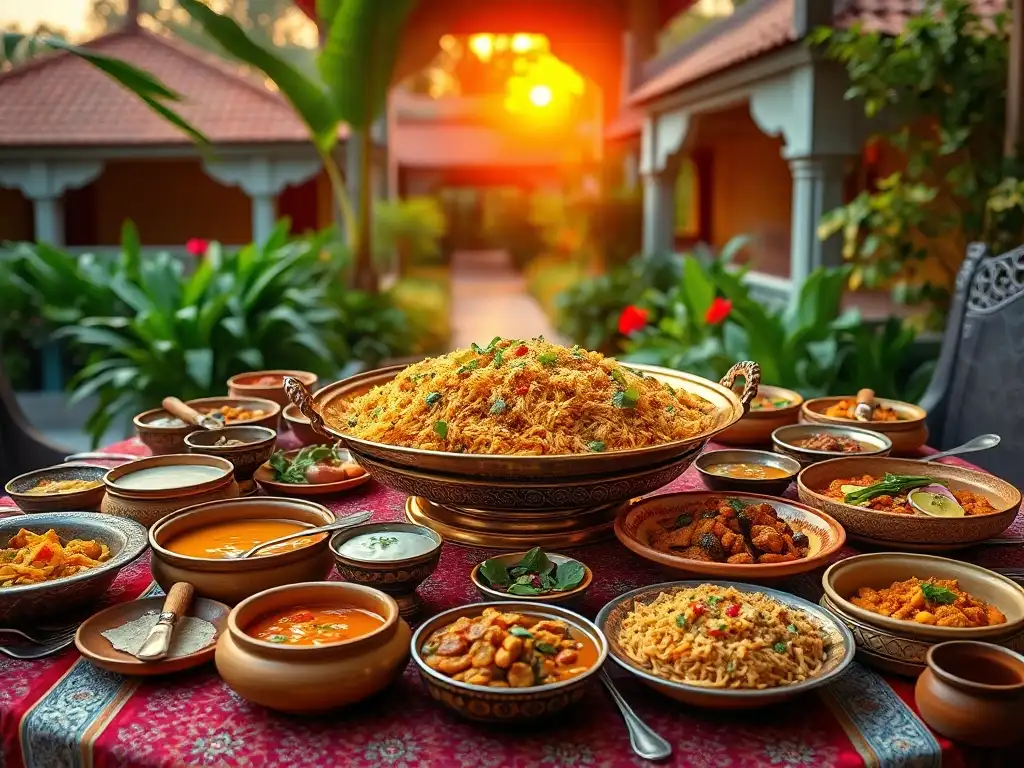
Welcome to Ancient India History, where we embark on a fascinating journey through the rich tapestry of ancient Indian civilizations. Dive deep into the culinary influences that have shaped not only the Indian subcontinent but also extended their reach to Southeast Asia. Have you ever wondered how the flavors of ancient Indian cuisine permeated across borders and influenced diverse cultures?
In our featured article, The Spread of Indian Cuisine: Culinary Influences from Ancient India to Southeast Asia, we unravel the delectable connections and historical exchanges that made this possible. Join us as we explore the vibrant history that continues to spice up our world today!
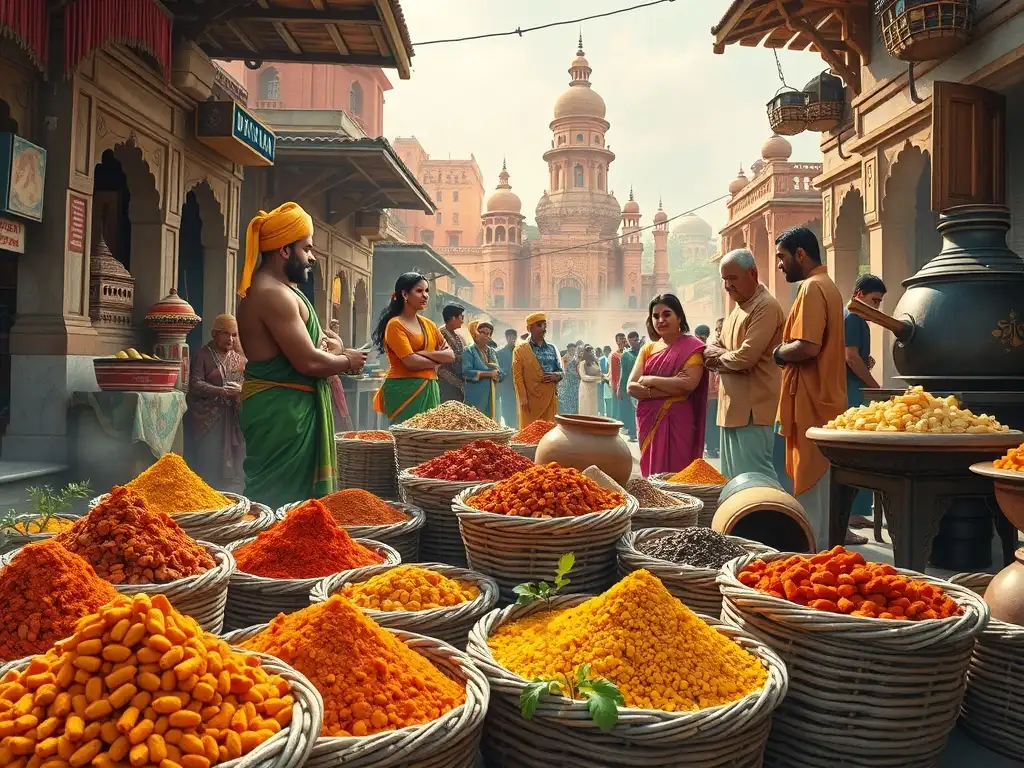
Introduction to Ancient Indian Cuisine Influences
The culinary landscape of Southeast Asia has been profoundly shaped by the rich traditions and flavors of ancient Indian cuisine. The interplay between these two regions reveals a fascinating tapestry of cultural exchanges, where spices, cooking techniques, and food rituals have transcended geographical boundaries.
This article delves into the intricate journey of ancient Indian cuisine influences, tracing its routes from the Indus Valley civilization through to the Gupta Empire and examining how these elements made their way into the culinary practices of Southeast Asia. By understanding this historical connection, we gain insight into the broader narrative of cultural diffusion and the lasting impact of ancient Indian culinary traditions on neighboring regions.
Overview of Indian Cuisine's Rich Heritage
Ancient Indian cuisine is characterized by its diversity and complexity, shaped by a multitude of influences including geography, climate, and cultural interactions. With its roots in the Indus Valley civilization, which flourished around 2500 BCE, the culinary practices of ancient India were deeply intertwined with the agricultural practices of the time. Key staples such as rice, wheat, and lentils formed the foundation of daily diets, while a variety of spices added depth and flavor to dishes.
Some essential features of ancient Indian cuisine include:
- Regional Variations: Different regions of India developed unique culinary styles, influenced by local ingredients and traditions.
- Spice Usage: Spices such as turmeric, cumin, and coriander not only enhanced flavors but also provided medicinal benefits, reflecting the holistic approach to food.
- Religious and Cultural Significance: Food often played a central role in religious rituals and festivals, showcasing the spiritual dimensions of culinary practices.
Importance of Culinary Exchanges with Southeast Asia
The exchanges between ancient India and Southeast Asia were not merely limited to trade; they encompassed a wide array of cultural, religious, and culinary influences. As Indian traders and travelers ventured into Southeast Asia, they brought with them not only goods but also their gastronomic traditions. This cross-cultural interaction enriched the local cuisines and contributed to a shared culinary heritage.
Key aspects of this influence include:
- Adaptation of Ingredients: Southeast Asian cuisines adapted Indian spices and cooking techniques, leading to the creation of unique dishes that reflect both cultures.
- Cultural Syncretism: The fusion of Indian and local culinary practices resulted in new flavors and cooking styles, seen in dishes like rendang and laksa.
- Preservation of Traditions: Many ancient Indian culinary practices were preserved and adapted in Southeast Asia, influencing local food customs and rituals.
Historical Context of Ancient Indian Cuisine
To fully appreciate the spread of Indian cuisine, it is essential to explore the historical context that shaped its evolution. Ancient India was a melting pot of cultures, where trade routes facilitated the exchange of not just goods but also ideas and culinary practices.
Key Ingredients and Flavors of Ancient Indian Cuisine
Ancient Indian cuisine was defined by a variety of key ingredients that were staples in the diets of the time. Some of these include:
- Grains: Rice, barley, and millet were primary sources of sustenance.
- Legumes: Lentils and chickpeas provided essential protein.
- Spices and Herbs: A diverse array of spices such as ginger, garlic, and chili played crucial roles in flavoring dishes.
These ingredients not only provided nourishment but also reflected the agricultural practices and trading relationships that were fundamental to ancient Indian society.
Culinary Practices in Ancient India
The culinary practices of ancient India were diverse and varied greatly by region. Cooking methods included:
- Boiling and Steaming: Common techniques used to prepare grains and legumes.
- Frying and Roasting: Employed to enhance flavors, particularly in the preparation of meats and vegetables.
- Fermentation: Utilized in the preparation of dishes such as dosa and idli, showcasing the advanced understanding of food preservation.
These practices laid the groundwork for the culinary arts in India and influenced neighboring regions.
The Role of Trade in Spreading Indian Cuisine
Trade played a pivotal role in the dissemination of ancient Indian cuisine to Southeast Asia. The maritime routes established by Indian traders facilitated the movement of spices, cooking techniques, and culinary knowledge across the Indian Ocean. Key points to consider include:
- Trade Routes: The establishment of trade routes linked India with Southeast Asia, enabling the exchange of goods and ideas.
- Culinary Diffusion: As Indian traders settled in Southeast Asia, they introduced new ingredients and cooking methods that would ultimately blend with local practices.
- Cultural Exchange: This exchange fostered a rich culinary dialogue, resulting in the evolution of both Indian and Southeast Asian cuisines.
Through these historical contexts, we can better understand how ancient Indian cuisine influences have left an indelible mark on the culinary traditions of Southeast Asia, enriching the region's diverse gastronomic landscape.
Ancient Indian Influences on Southeast Asian Cuisines
The culinary tapestry of Southeast Asia has been intricately woven with threads of ancient Indian influences that have shaped its diverse food culture. This influence can be traced back to the early interactions between Indian traders, travelers, and local communities in Southeast Asia. The exchange of ingredients, cooking techniques, and culinary philosophies laid the foundation for many Southeast Asian cuisines we recognize today. From spices to preparation methods, the impact of ancient Indian cuisine is profound and enduring.
The spread of Indian cuisine was not merely limited to the exchange of food items; it also encompassed the introduction of new flavors, herbs, and spices. For instance, the use of turmeric, ginger, and coconut in various dishes reflects the deep-rooted Indian influence. Additionally, the adoption of vegetarianism in many Southeast Asian cultures can be attributed to the spread of Indian religious practices, which emphasized non-violence and respect for life.
Indian Culinary Techniques Adopted in Southeast Asia
One of the most significant contributions of ancient Indian cuisine to Southeast Asian cooking is the adoption of various culinary techniques. These techniques include the art of steaming, frying, and using complex spice blends which are hallmarks of both Indian and Southeast Asian cooking.
- Steaming: The Indian method of steaming food, particularly evident in dishes like idli, has been embraced in Southeast Asia, seen in local dishes such as Malaysian putu and Indonesian kue.
- Spice Blending: The Indian tradition of creating intricate spice mixtures has influenced the preparation of local curries and sauces. For example, the use of rempah in Indonesian cuisine reflects the Indian practice of using ground spices to enhance flavor.
- Fermentation: Techniques such as fermenting rice and legumes, prevalent in Indian cuisine, have found their way into Southeast Asian dishes, exemplified by the production of tempeh in Indonesia.
These culinary techniques have not only enriched Southeast Asian cuisines but also fostered a deeper appreciation for flavor complexity and food preparation methods.
Key Dishes of Southeast Asian Cuisine Influenced by Indian Traditions
Several iconic dishes in Southeast Asia bear the unmistakable marks of ancient Indian culinary influences. These dishes showcase the fusion of flavors and techniques that have developed over centuries.
- Nasi Goreng: This Indonesian fried rice dish incorporates spices and flavor profiles reminiscent of Indian biryanis, featuring the use of turmeric and chilies.
- Rendang: Originating from Indonesia, rendang is a slow-cooked meat dish that employs spices similar to those found in Indian curries, highlighting the use of coconut milk and a variety of aromatic spices.
- Laksa: This Malaysian soup combines elements of Indian curry and Chinese noodles, demonstrating the melding of cultural influences and culinary techniques.
These dishes not only reflect the integration of Indian flavors but also represent the localized adaptations that make them unique to their respective cultures.
Cultural Exchanges and Their Impact on Cuisine
Cultural exchanges between ancient Indian civilizations and Southeast Asian societies have significantly impacted not just culinary practices but also social and economic interactions. These exchanges were facilitated through trade, migration, and religious connections, all of which played pivotal roles in shaping the culinary landscape.
Trade Routes Facilitating Culinary Exchange
The establishment of maritime trade routes between India and Southeast Asia served as conduits for the exchange of goods, ideas, and culinary practices. Indian traders, navigating the seas, brought with them a wealth of spices, grains, and culinary knowledge that would profoundly influence the local cuisines of Southeast Asia.
- Spice Trade: The spice trade was instrumental in introducing various Indian spices to Southeast Asia, leading to the development of spicy and aromatic dishes that are now staples in the region.
- Cultural Melting Pot: These trade routes also created a melting pot of cultures where culinary traditions were exchanged, leading to the evolution of unique Southeast Asian dishes influenced by Indian techniques and flavors.
The maritime routes were not just pathways for trade but also bridges that connected diverse cultures, fostering an environment where culinary innovation could flourish.
Migration Patterns and Their Influence on Food Culture
Migration patterns from India to Southeast Asia, fueled by trade and colonization, played a crucial role in the dissemination of culinary practices. The movement of people brought diverse food traditions that merged with local customs, creating a rich culinary heritage.
- Indian Diaspora: The arrival of Indian laborers and merchants in Southeast Asia introduced various Indian dishes, ingredients, and cooking methods. This diaspora has significantly influenced local cuisines, particularly in Malaysia and Singapore, where Indian food is a considerable part of the culinary scene.
- Integration with Local Ingredients: The blending of Indian culinary traditions with local ingredients has resulted in unique dishes that celebrate both cultural heritages, as seen in the use of local seafood and spices in Indian-inspired dishes.
These migration patterns not only enriched the culinary landscape but also solidified the ties between cultures through shared food experiences.
Religious and Spiritual Connections Through Cuisine
Cuisine in Southeast Asia is often intertwined with religious and spiritual practices, many of which have roots in ancient Indian traditions. The influence of Hinduism and Buddhism has permeated culinary practices and rituals, shaping how food is prepared, consumed, and celebrated.
- Vegetarianism: The spread of vegetarianism, influenced by Indian religious principles, has led to the prominence of plant-based dishes in many Southeast Asian cultures, aligning with the spiritual belief in ahimsa (non-violence).
- Festivals and Rituals: Many Southeast Asian festivals showcase food that reflects Indian traditions, such as offerings made during religious ceremonies that incorporate rice, fruits, and sweets, mirroring practices found in India.
These religious and spiritual connections highlight the deep-seated cultural significance of food, reinforcing the notion that cuisine is not merely a means of sustenance but a vital expression of identity and belief.
Case Studies: Specific Southeast Asian Countries
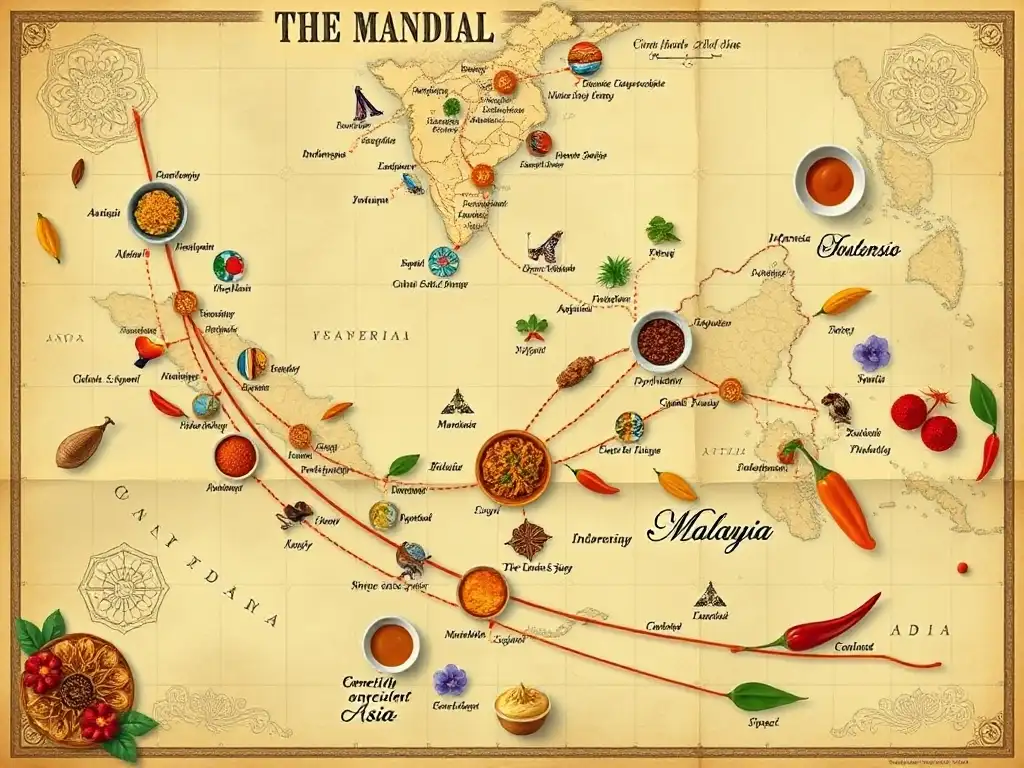
The culinary influence of ancient India on Southeast Asia can be explored through specific case studies of countries like Indonesia, Thailand, and Malaysia. Each of these nations showcases unique integrations of Indian culinary practices, ingredients, and cooking techniques, reflecting the rich intercultural exchanges that have shaped their gastronomic identities.
Influence of Indian Cuisine in Indonesia
Indonesia’s culinary landscape reveals profound influences from ancient Indian cuisine, particularly from Hindu and Buddhist traditions. The introduction of spices and cooking methods from Indian traders not only enriched Indonesian food but also shaped its cultural practices.
- Spices and Flavors: The use of spices such as turmeric, ginger, and coriander in Indonesian dishes can be traced back to ancient Indian cooking. For instance, the popular dish Rendang, a slow-cooked meat dish, often features these spices and reflects Indian techniques of slow cooking and complex flavor layering.
- Culinary Techniques: The Indian tradition of marinating meats before cooking has also profoundly influenced Indonesian cuisine. This technique enhances flavors and is prevalent in dishes like Ayam Penyet, where fried chicken is smashed and served with sambal.
- Religious Influences: The spread of Hinduism through Indian traders brought vegetarianism to certain regions in Indonesia, leading to the popularity of vegetarian dishes like Gado-Gado, a salad with peanut sauce, which echoes the Indian affinity for legumes and spices.
Indian Culinary Impact in Thailand
The influence of Indian cuisine in Thailand is evident in both street food and royal cuisine, showcasing an amalgamation of flavors and cooking methods that originated from ancient Indian practices.
- Curries and Pastes: Thai curries, such as Green Curry, exhibit similarities to Indian curries in their use of combinations of spices and coconut milk. The technique of making curry pastes reflects Indian methods, where fresh herbs and spices are ground together to create rich, aromatic bases.
- Noodles: The introduction of wheat-based noodles is another significant contribution from ancient Indian cuisine. Dishes like Pad Thai show how Indian culinary principles merged with local ingredients to create unique Thai offerings.
- Desserts: Thai desserts such as Khanom Chan (layered coconut pudding) reflect Indian influences in the use of coconut milk and rice flour, reminiscent of Indian sweets like Peda and Ladoo, which also use similar ingredients.
The Indian Touch in Malaysian Cuisine
Malaysia's culinary identity is a vibrant tapestry woven from various ethnic influences, with ancient Indian cuisine playing a pivotal role in shaping its food culture.
- Roti Canai: This flaky flatbread is a direct descendant of Indian Roti, highlighting the Indian influence through the method of preparation and serving style, often accompanied by dhal or curry.
- Spice Utilization: Malaysian dishes frequently incorporate spices like cardamom, cumin, and coriander, which are foundational to Indian cuisine. The famous Nasi Lemak, while distinctly Malaysian, often features renditions of Indian-style curries that enhance the flavor profile.
- Cultural Festivals: The celebration of festivals, such as Diwali, showcases how Indian culinary practices have been integrated into Malaysian society, with traditional Indian sweets like Kaju Katli and Gulab Jamun being widely enjoyed.
Conclusion
Summary of Ancient Indian Cuisine Influences on Southeast Asia
The exploration of ancient Indian cuisine influences on Southeast Asia reveals a fascinating blend of flavors, techniques, and cultural practices that have significantly shaped the culinary landscapes of countries like Indonesia, Thailand, and Malaysia. From the introduction of spices to the adaptation of cooking methods, the imprint of Indian food culture is evident in the region's diverse gastronomic offerings.
The Lasting Legacy of Culinary Exchanges Between India and Southeast Asia
The enduring legacy of culinary exchanges between India and Southeast Asia continues to thrive today. The shared culinary heritage not only highlights the historical connections between these regions but also fosters ongoing cultural appreciation and innovation. As modern chefs experiment with traditional recipes, they pay homage to the ancient influences that have enriched their cuisines, ensuring that the flavors and techniques of ancient India remain a vital part of Southeast Asia's culinary narrative.
Further Reading
Recommended Books and Articles on Ancient Indian Cuisine Influences
Exploring the culinary influences of ancient India reveals a fascinating tapestry of flavors, ingredients, and cooking techniques that have shaped Southeast Asian gastronomy. Here are some recommended readings that delve into this rich topic:
- "Culinary Cultures of the Silk Road" by R. J. McNeill
- This book provides an in-depth look at how trade routes facilitated the exchange of spices, herbs, and cooking methods between India and Southeast Asia.
- "The Indian Spice Trade: A Historical Overview" by M. P. Sharma
- An insightful exploration of how Indian spices traveled beyond its borders, influencing cuisines across Asia and the world.
- "Food and Faith in Christian Culture" by Ken Albala
- While focusing on Western culinary traditions, this book includes sections that trace the origins of spices and culinary practices from India to Southeast Asia.
- "Flavors of India: A Culinary Journey" by Anjali Mukerjee
- This work details the significant regional dishes of India and their impacts on neighboring countries, highlighting historical connections and shared culinary practices.
- Articles in Academic Journals:
- Numerous scholarly articles explore the historical interactions between Indian and Southeast Asian cultures, including the influences on cooking practices. Notable journals include the Journal of Asian Studies and Food & History.
Related Topics in Cultural Exchanges and Influence
Understanding the influences of ancient Indian cuisine extends into broader themes of cultural exchanges and interactions. Here are some related topics worth exploring:
- Trade Routes and Culinary Exchange:
- The maritime and overland routes that connected India with Southeast Asia facilitated not only the movement of goods but also the sharing of culinary practices. Examining these trade routes provides insight into how flavors mingled and evolved.
- Religious and Cultural Interactions:
- The spread of Buddhism and Hinduism into Southeast Asia brought with it various culinary traditions and practices. Investigating these connections can illuminate how religion influenced dietary customs and food preparation.
- Colonial Influences on Cuisine:
- The impact of colonialism on culinary traditions, particularly during the British Raj, reshaped food practices in both India and Southeast Asia. Exploring this dynamic uncovers how colonial powers influenced local cuisines.
- Fusion Cuisines:
- The blending of Indian and Southeast Asian culinary traditions has resulted in unique fusion cuisines, such as Malaysian and Indonesian dishes that feature Indian spices and cooking methods. This topic highlights the ongoing evolution of food culture.
- Agricultural Practices and Crop Exchange:
- The introduction of new crops and agricultural methods from India to Southeast Asia played a significant role in shaping local cuisines. Investigating these exchanges can provide a deeper understanding of culinary development in the region.
These readings and topics not only enhance our understanding of ancient Indian cuisine influences but also offer a broader perspective on the interconnectedness of cultures through food.
- Introduction to Ancient Indian Cuisine Influences
- Historical Context of Ancient Indian Cuisine
- Ancient Indian Influences on Southeast Asian Cuisines
- Cultural Exchanges and Their Impact on Cuisine
- Case Studies: Specific Southeast Asian Countries
- Conclusion
- Further Reading
- What are the main influences on ancient Indian cuisine?
- How did ancient Indian cuisine influence Southeast Asia?
- What role did the Indus Valley civilization play in shaping Indian cuisine?
- How did the Gupta Empire contribute to the evolution of Indian cuisine?
- What are some key ingredients that originated in ancient Indian cuisine?
Frequently Asked Questions
What are the main influences on ancient Indian cuisine?
Ancient Indian cuisine was shaped by trade routes, cultural exchanges, and regional ingredients, which contributed to its rich diversity and flavor profiles.
How did ancient Indian cuisine influence Southeast Asia?
The spread of Indian cuisine to Southeast Asia occurred through trade, migration, and cultural interactions, leading to the adoption of spices and cooking techniques.
What role did the Indus Valley civilization play in shaping Indian cuisine?
The Indus Valley civilization introduced agricultural practices and domesticated animals, which laid the foundation for the culinary traditions that followed in ancient India.
How did the Gupta Empire contribute to the evolution of Indian cuisine?
During the Gupta Empire, advancements in agriculture, cooking techniques, and culinary literature fostered a more refined and diverse food culture in ancient India.
What are some key ingredients that originated in ancient Indian cuisine?
Spices such as turmeric, cumin, and cardamom, along with grains like rice and wheat, are fundamental to ancient Indian cuisine and have influenced global culinary practices.
Final Reflection: The Enduring Legacy of Ancient Indian Cuisine
The culinary journey from ancient India to Southeast Asia is a testament to the profound impact of cultural exchange and adaptation. Today, as we savor the rich flavors of Indian cuisine, we are not merely enjoying a meal; we are partaking in a centuries-old tradition that has shaped the culinary landscapes of many nations. The intricate spices and diverse dishes that originated in ancient India continue to resonate with people around the world, reminding us of the interconnectedness of our global heritage.
Culinary influences from ancient India have not only enriched the food we eat but have also woven a tapestry of cultural identity across regions. The flavors and techniques that traveled through trade routes and migration have left an indelible mark on Southeast Asian cuisine, creating a unique fusion that celebrates diversity. As we reflect on this ongoing influence, we are reminded of the words of culinary historian Claudia Roden: Food is a central activity of mankind and one of the single most significant trademarks of a culture.
This highlights how food serves as a bridge between cultures, fostering understanding and appreciation among different peoples.
As we look to the future, let us embrace the lessons of ancient Indian cuisine and its influences. I invite you to explore the rich flavors of your own culinary heritage and to celebrate the stories behind the dishes you enjoy. By doing so, you not only honor the past but also contribute to a vibrant and evolving cultural narrative. Take a moment to reflect on how food connects us all and consider how you can share these culinary traditions with others, fostering a deeper appreciation for the diverse tapestry of global cuisine.
Embrace the Flavors: Elevate Your Culinary Experience!
Thank you for diving into the rich history of Indian cuisine and its fascinating journey from ancient India to Southeast Asia! You’ve uncovered the diverse influences that have shaped these vibrant dishes, and now it’s time to put that knowledge into action.
Here are a few exciting ways you can explore and celebrate this culinary heritage:
- Try Your Hand at Cooking! Select a traditional Indian recipe that piqued your interest and prepare it at home. Don’t forget to experiment with spices to make the dish uniquely yours!
- Discover New Flavors! Visit a local Indian or Southeast Asian restaurant to savor authentic dishes that showcase this rich cultural blend.
- Share Your Culinary Journey! Post about your cooking experiences or favorite dishes on social media, and connect with fellow food enthusiasts!
What Indian dish or ingredient are you most excited to try cooking or tasting next? Share your thoughts and inspire others to join this culinary adventure!