
How Ancient India’s Construction Techniques Survived the Test of Time


Welcome to Ancient India History, where we embark on a fascinating journey through time to uncover the rich tapestry of civilizations that shaped modern India. In this exploration, we delve into the intriguing world of ancient Indian construction techniques—a testament to the ingenuity and creativity of our ancestors. How did these remarkable methods withstand the test of time, leaving behind a legacy that continues to inspire? Join us as we unravel the secrets of ancient architectural marvels, and discover the innovations that laid the foundations of India's cultural heritage. Your adventure into the depths of history begins now!
- Introduction to Ancient Indian Construction Techniques
- Historical Context of Ancient Indian Construction
- Key Features of Ancient Indian Construction Techniques
- Notable Ancient Indian Structures and Their Techniques
- Enduring Legacy of Ancient Indian Construction Techniques
- Conclusion: The Timelessness of Ancient Indian Construction Techniques
- References
-
Frequently Asked Questions
- What are some ancient Indian construction techniques mentioned in the article?
- How did ancient Indian construction techniques influence modern architecture?
- What materials were commonly used in ancient Indian construction?
- Were there any notable structures built using these construction techniques?
- How have these techniques survived through the ages?
- Final Reflection: The Enduring Legacy of Ancient Indian Construction Techniques
- Unveil the Secrets of Timeless Construction Techniques!
Introduction to Ancient Indian Construction Techniques
Ancient India is renowned for its remarkable contributions to various fields, and among these, the art of construction holds a significant place. The construction techniques of ancient Indian civilizations, ranging from the highly advanced urban planning of the Indus Valley Civilization to the intricate temple architecture of the Gupta Empire, showcase an impressive understanding of engineering, materials, and sustainability. This article delves into the innovative ancient Indian construction techniques that not only reflect the architectural prowess of the time but also reveal how these methods have withstood the test of time, influencing modern construction practices.
Overview of Ancient Indian Engineering
Ancient Indian engineering was characterized by a profound understanding of materials and geometry, which allowed builders to create structures that were not only functional but also aesthetically pleasing. Key elements of ancient Indian engineering include:
- Urban Planning: The cities of the Indus Valley, such as Mohenjo-Daro and Harappa, were laid out in a grid pattern, featuring advanced drainage systems and public baths, demonstrating sophisticated urban planning.
- Materials Used: The use of durable materials, such as baked bricks and stone, ensured the longevity of many structures. For instance, the monumental stupas and temples of later periods were built with locally sourced stone, showcasing both resourcefulness and adaptability.
- Architectural Styles: Styles varied across regions and periods, with influences from Buddhist, Hindu, and Jain traditions leading to diverse architectural forms, including rock-cut caves and intricately carved temples.
These engineering principles not only reflect the ingenuity of ancient builders but also highlight the cultural values and technological advancements of their time.
Importance of Construction Techniques in Ancient Civilizations
The construction techniques of ancient civilizations are critical for several reasons:
- Cultural Identity: Architecture is a profound expression of a civilization's identity. The unique styles and techniques applied in ancient Indian structures reveal much about the cultural and religious beliefs of the time.
- Sustainability: Many ancient construction methods were environmentally sustainable, utilizing local materials and techniques that minimized waste and environmental impact. This approach is increasingly relevant today amid growing concerns about sustainability in modern construction.
- Technological Advancements: The innovations in construction techniques laid the groundwork for future developments in engineering and architecture. Understanding these ancient methods can inspire modern technologies and practices.
In essence, the construction techniques of ancient India not only shaped the physical landscape but also contributed to the enduring legacy of its culture and achievements.
Purpose of the Article
The purpose of this article is to explore the ancient Indian construction techniques that have survived the test of time, examining their design, materials, and engineering principles. By analyzing various structures and their historical context, we aim to appreciate the ingenuity of ancient Indian builders and the lasting impact of their techniques on contemporary construction practices. Through this exploration, readers will gain insights into the technological innovations of ancient India and their relevance in today's world, encouraging a deeper understanding of our shared architectural heritage.
Historical Context of Ancient Indian Construction
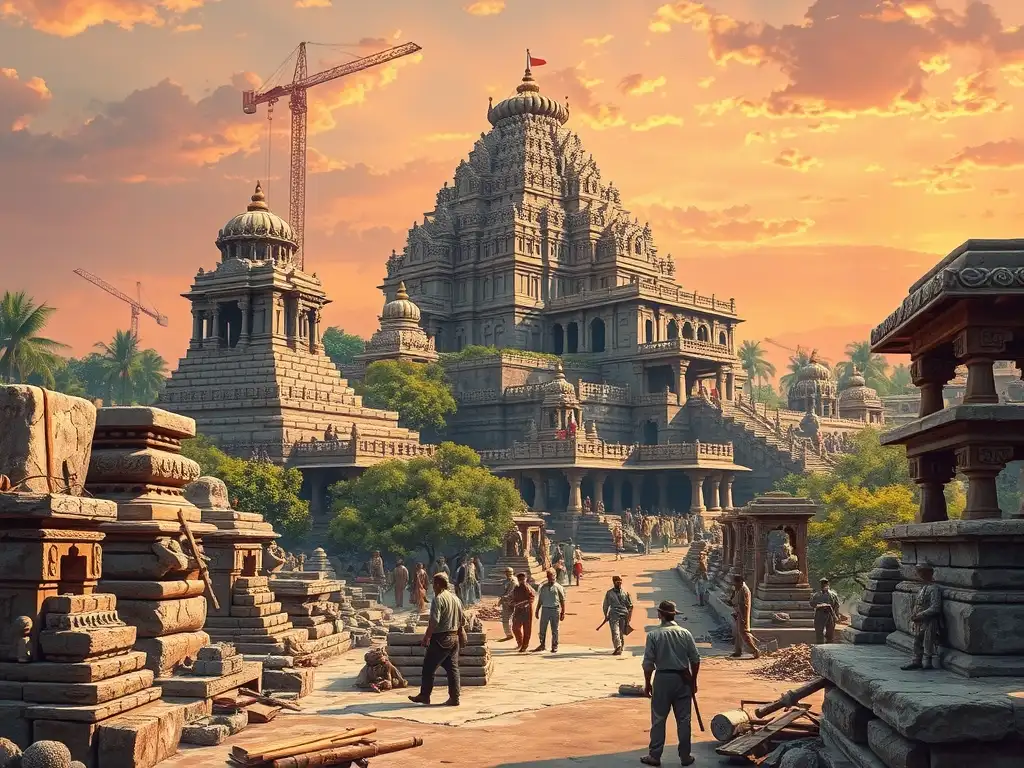
The history of ancient Indian construction techniques is deeply interwoven with the cultural, social, and technological developments of the time. From the urban planning of the Indus Valley Civilization to the intricate temple architecture of the Gupta Empire, these techniques reflect a sophisticated understanding of materials, geometry, and environmental adaptation. Ancient Indian societies showcased remarkable engineering prowess, which not only served functional purposes but also embodied spiritual and cultural values.
Evolution of Engineering in Ancient India
The evolution of engineering in ancient India can be traced through several key phases, each marked by advancements in construction methods and materials.
- Indus Valley Civilization (c. 3300–1300 BCE)
- The cities of Harappa and Mohenjo-Daro are prime examples of early urban planning.
- Brick production techniques were advanced, with standardized sizes and sophisticated drainage systems.
- Use of mud bricks and baked bricks showcased a significant understanding of material properties.
- Vedic Period (c. 1500–500 BCE)
- Construction techniques became more diverse, influenced by the shifting socio-political landscape.
- The construction of wooden structures and temporary dwellings became prevalent, reflecting a nomadic lifestyle.
- Texts from this period, such as the Vedas, provide insights into architectural principles and rituals associated with construction.
- Mauryan Empire (c. 322–185 BCE)
- The Mauryan period marked a shift towards the use of stone.
- Notable structures like the Ashoka Pillars demonstrate advanced stone-carving techniques.
- The establishment of cities like Pataliputra showcased the integration of urban planning with natural landscapes.
- Gupta Empire (c. 240–550 CE)
- This period is often referred to as the Golden Age of India, where art and architecture flourished.
- The construction of temples, such as the Dashavatara Temple at Deogarh, emphasized intricate carvings and elaborate designs.
- Innovations in dome construction and the use of stone architecture became prominent.
Major Civilizations Contributing to Construction Techniques
Several ancient Indian civilizations made significant contributions to construction techniques, each leaving a lasting impact on the architectural heritage of the region:
- Indus Valley Civilization:
- Known for its urban planning and drainage systems, which were ahead of their time.
- The use of standardized bricks and grid layouts laid the foundation for future urban design.
- Mauryan Empire:
- Introduced monumental architecture with the construction of stupas and pillars.
- The use of stone as a primary building material marked a significant advancement.
- Pallava Dynasty:
- Renowned for rock-cut architecture, including the famous Shore Temple in Mamallapuram.
- They pioneered temple construction techniques that influenced subsequent dynasties.
- Chola Dynasty:
- The Cholas are credited with the construction of grand temples like the Brihadeeswarar Temple, showcasing intricate carvings and structural innovations.
- Their advancements in water management systems, such as canals and reservoirs, reflect an understanding of hydrology.
- Gupta Empire:
- Known for the synthesis of various architectural styles and the development of temple architecture.
- The use of decorative motifs and intricate sculptures became prominent during this period.
Influence of Geography on Construction Methods
Geography played a crucial role in shaping ancient Indian construction techniques, influencing material selection, design, and structural integrity.
- Topography:
- The diverse landscapes of India, from the Himalayas to the coastal plains, dictated the availability of materials such as stone, clay, and timber.
- Hilltop fortresses and temples were constructed with an understanding of defensive strategies, using natural elevations for protection.
- Climate:
- In arid regions, builders utilized mud and adobe techniques to create structures that insulated against temperature fluctuations.
- Coastal areas saw the use of local materials resistant to saltwater corrosion, essential for durability.
- Natural Resources:
- The availability of specific stones, such as granite and sandstone, influenced the choice of construction materials and methods.
- Rivers facilitated the transport of heavy materials, aiding in large-scale construction projects.
- Cultural Interactions:
- Trade routes facilitated the exchange of ideas and materials, leading to innovations in construction techniques.
- Interaction with neighboring civilizations allowed for the assimilation of architectural styles and practices, enriching the local construction landscape.
The ancient Indian construction techniques are a testament to the ingenuity and adaptability of several civilizations, shaped by historical context, geographic influences, and the evolution of engineering practices. The legacy of these techniques continues to inspire modern architecture and engineering disciplines.
Key Features of Ancient Indian Construction Techniques

Ancient Indian construction techniques are distinguished by their remarkable ingenuity and adaptability, often reflecting the region's diverse geography and cultural influences. These techniques not only demonstrate the advanced engineering skills of ancient civilizations but also highlight their deep understanding of materials and environmental sustainability. Below are some key features that define these techniques.
Use of Local Materials in Ancient Architecture
One of the most significant aspects of ancient Indian construction techniques is the extensive use of locally sourced materials. This practice ensured that structures were not only durable but also harmonized with their surroundings.
- Stone: Many ancient Indian monuments, such as the rock-cut caves of Ajanta and Ellora, utilized local stone. The granites and basalts found in these regions were selected for their strength and longevity.
- Mud and Clay: In regions where stone was scarce, mud and clay were common building materials. The use of adobe bricks, which are made from sun-dried mud, can be seen in ancient settlements like those of the Indus Valley Civilization.
- Wood: Timber was used extensively for structural elements and decorative features. Ancient texts mention the use of different types of wood, such as teak and sal, prized for their durability and beauty.
This reliance on local materials not only reduced transportation costs but also ensured that the buildings were well-suited to the local climate, enhancing their longevity.
Innovations in Structural Design and Planning
The structural design of ancient Indian architecture showcases a blend of aesthetics and engineering. Several innovations stand out:
- Cantilever Construction: Ancient Indian builders employed cantilever techniques, allowing structures to extend without external supports. This can be observed in temples where balconies and cornices project outward.
- Arches and Vaults: While arches were not commonly used in early Indian architecture, later structures incorporated them, leading to the development of grand vaulted ceilings in temples and palaces.
- Temple Architecture: The intricate planning of temple complexes, such as those in Khajuraho and Hampi, exemplifies a deep understanding of geometry and spatial arrangement. The alignment of structures often coincided with astronomical events, indicating a sophisticated grasp of celestial navigation.
These innovative design principles contributed to the stability and grandeur of ancient Indian structures, allowing them to withstand the test of time.
Techniques for Sustainable Building Practices
Ancient Indian construction techniques also emphasize sustainability, reflecting a harmonious relationship with nature. Key sustainable practices include:
- Passive Climate Control: Buildings were designed with thick walls and high ceilings to maintain cool interiors during hot summers. The strategic placement of windows facilitated cross-ventilation, reducing the need for artificial cooling.
- Rainwater Harvesting: Many ancient structures integrated systems to collect and store rainwater, ensuring a sustainable water supply. The stepwells of Gujarat are a prime example of this technique, showcasing advanced hydraulic engineering.
- Biodegradable Materials: The use of natural materials such as bamboo, mud, and thatch contributed to eco-friendly construction. These materials not only reduced the carbon footprint but also allowed for easy repair and recycling.
By employing these sustainable practices, ancient Indian builders created structures that were not only functional but also environmentally responsible, a testament to their forward-thinking approach to architecture.
Notable Ancient Indian Structures and Their Techniques
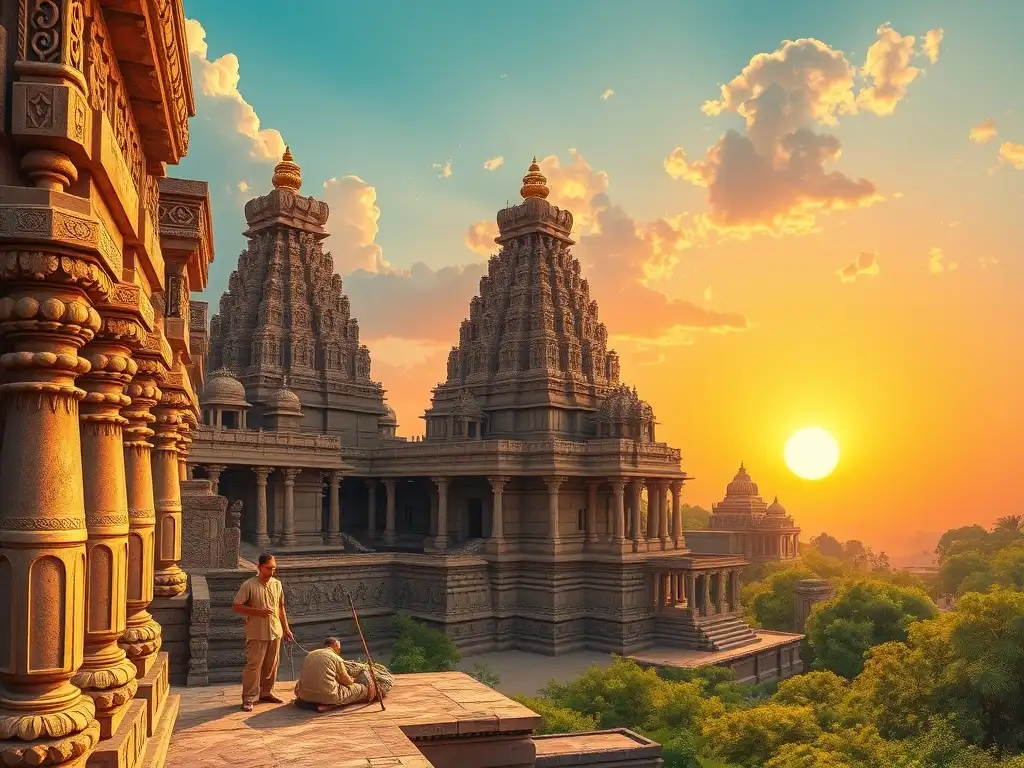
The ancient Indian subcontinent is renowned for its sophisticated construction techniques that have withstood the ravages of time. From the meticulously planned urban layouts of the Indus Valley Civilization to the grand temples of the Gupta Period, these structures not only showcase the engineering prowess of their time but also reflect the cultural values and spiritual beliefs of ancient Indian societies. Below, we explore three pivotal periods in ancient Indian history and their signature construction techniques.
The Indus Valley Civilization: Urban Planning and Drainage
The Indus Valley Civilization (circa 3300–1300 BCE) is celebrated for its remarkable urban planning and advanced drainage systems. Major cities, such as Harappa and Mohenjo-Daro, were characterized by:
- Grid Layouts: Cities were constructed on a grid pattern, with streets laid out at right angles. This design facilitated efficient movement and organization.
- Advanced Drainage Systems: The Indus Valley people engineered one of the earliest known drainage systems. Houses were equipped with bathrooms connected to a sophisticated network of covered drains, which helped in managing waste and maintaining hygiene.
- Standardized Building Materials: The use of uniform baked bricks (measuring approximately 30 cm x 15 cm x 7.5 cm) allowed for consistency in construction, contributing to the structural integrity of buildings.
"The urban planning of the Indus Valley Civilization reflects a deep understanding of engineering principles, showcasing their ability to manage resources and space effectively."
Mauryan Era: Stupas and Rock-Cut Architecture
The Mauryan Empire (circa 322–185 BCE) marked a significant evolution in ancient Indian construction techniques, particularly in the creation of stupas and rock-cut architecture. Noteworthy features include:
- Stupas: These dome-shaped structures were built as reliquaries to house sacred relics. The Great Stupa at Sanchi is an exemplary model, constructed using brick and stone, showcasing intricate carvings and a harmonious design.
- Rock-Cut Architecture: The Mauryan period saw the emergence of rock-cut caves, such as those at Barabar. These structures were carved directly into rock faces, demonstrating advanced techniques in stone carving and construction. The intricate carvings and sculptures found within these caves reveal the artistic flair of the time.
- Use of Ashoka's Pillars: The famous edicts of Emperor Ashoka were inscribed on massive stone pillars, showcasing the use of polished sandstone and demonstrating both artistic and engineering sophistication. These pillars served as important markers for trade routes and religious sites.
Gupta Period: Temples and Monumental Structures
The Gupta Period (circa 320–550 CE) is often regarded as the Golden Age of ancient India, marked by remarkable achievements in art, architecture, and culture. Key construction techniques of this era include:
- Temple Architecture: The Gupta period is known for the construction of elaborate temples, such as the Vishnu Temple in Deogarh. These structures often featured a shikhara (tower) and intricate sculptures depicting deities and mythological narratives.
- Use of Stone and Brick: A combination of stone and brick was commonly used in temple construction, enhancing durability while allowing for detailed carvings that depicted a rich array of icons and motifs.
- Innovative Structural Techniques: The introduction of curved roofs and intricate stone brackets in temple designs not only added to the aesthetic appeal but also improved the structural stability of the buildings.
"The Gupta temples exemplify the zenith of ancient Indian construction techniques, harmonizing spiritual expression with architectural brilliance."
The enduring legacy of ancient Indian construction techniques continues to inspire modern architects and engineers, demonstrating the profound relationship between culture, technology, and innovation in shaping the built environment.
Enduring Legacy of Ancient Indian Construction Techniques

Influence on Modern Architecture and Engineering
Ancient Indian construction techniques have significantly influenced modern architecture and engineering, providing a wealth of knowledge that continues to inspire contemporary practices. The intricate designs and durable materials used by ancient builders reflect an understanding of aesthetics and functionality that resonates today.
- Material Usage: Ancient Indian architects were adept at using locally sourced materials such as stone, brick, and wood. For example, the use of granite in the temples of South India not only showcased the durability of the material but also its ability to withstand the test of time. Modern architects often draw on these principles to ensure sustainability and environmental harmony in their designs.
- Vastu Shastra: This traditional Indian system of architecture emphasizes harmony with nature. Principles from Vastu Shastra are increasingly being integrated into modern architectural practices, promoting energy efficiency and natural ventilation. This ancient wisdom guides the orientation and layout of buildings, enhancing the overall living environment.
- Innovative Techniques: Techniques such as corbel arching, which can be observed in ancient structures like the Hampi temples, have re-emerged in various forms within modern construction. The understanding of load distribution and structural integrity from these ancient practices allows contemporary engineers to innovate while ensuring safety and resilience.
Preservation of Ancient Techniques in Contemporary Practices
The preservation of ancient Indian construction techniques is not only a nod to history but also a vital aspect of contemporary building practices. Various initiatives are underway to ensure that these time-tested methods remain relevant in today's construction landscape.
- Restoration Projects: Many historical sites, such as the Ajanta and Ellora caves, have undergone restoration using ancient techniques to maintain authenticity. By employing traditional craftsmen, these projects not only revive ancient skills but also educate the new generation of builders about these methods.
- Cultural Heritage Programs: Government and non-governmental organizations are actively working to promote ancient construction techniques through workshops and training sessions. These programs aim to revive lost skills among artisans and integrate them into modern construction practices, ensuring that the knowledge is passed down.
- Sustainable Practices: There is a growing recognition of the sustainability of ancient methods. Techniques such as mud plastering and thatching, which were prevalent in ancient Indian homes, are being revisited for their eco-friendly benefits. Modern architects are increasingly incorporating these techniques into new builds, blending tradition with contemporary design.
Lessons from Ancient Indian Construction for Today's Builders
The ancient Indian approach to construction offers several valuable lessons for today's builders that can enhance project outcomes and sustainability.
- Holistic Design Philosophy: Ancient builders in India often integrated their structures with the surrounding environment, considering factors such as climate, topography, and local culture. Today’s builders can benefit from this holistic approach, ensuring that new constructions are not only aesthetically pleasing but also environmentally responsive.
- Durability and Maintenance: Many ancient structures have stood the test of time due to their robust construction methods. For contemporary builders, understanding the principles of durability—such as the use of thick walls and proper drainage systems—can lead to more resilient buildings that require less maintenance over time.
- Community Involvement: The collaborative approach seen in ancient construction projects, where communities participated in the building process, can be a model for modern developments. Engaging local communities not only fosters a sense of ownership but also ensures that buildings reflect the cultural identity and needs of the people they serve.
By studying and implementing these lessons from ancient Indian construction techniques, modern builders can create structures that are not only functional and beautiful but also deeply rooted in cultural heritage.
Conclusion: The Timelessness of Ancient Indian Construction Techniques
Summary of Key Points
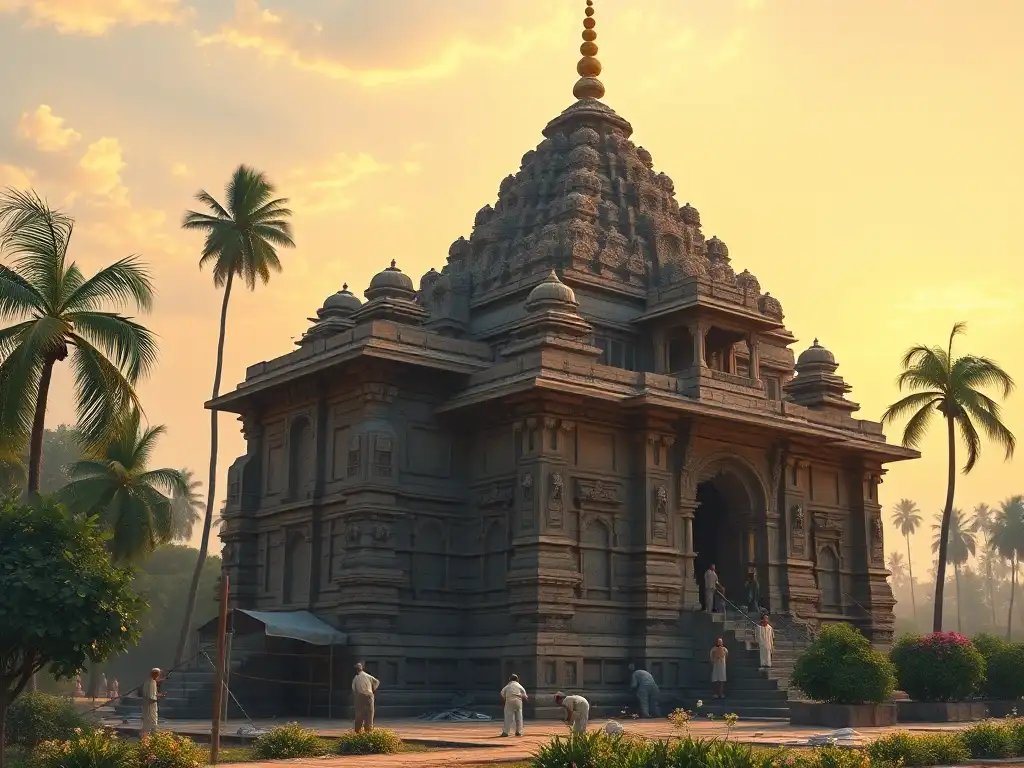
Ancient Indian construction techniques exhibit remarkable ingenuity and adaptability that have stood the test of time. Key points to remember include:
- Materials Used: Ancient builders utilized locally sourced materials such as stone, clay, and timber, balancing durability with availability.
- Architectural Styles: The evolution from the Indus Valley Civilization’s urban planning to the intricate temples of the Gupta Empire showcases diverse architectural styles and purposes, reflecting the socio-cultural dynamics of each period.
- Innovative Techniques: Techniques such as the use of interlocking bricks, advanced drainage systems, and precise stone carving contributed to the longevity of ancient structures.
- Influence of Climate: Builders adapted their methods to suit various climatic conditions across regions, which is evident in the differing designs of structures in arid versus tropical areas.
These factors combined illustrate the sophisticated understanding of engineering principles that ancient Indian civilizations possessed.
Reflection on the Impact of Ancient Engineering on Modern Society
The engineering marvels of ancient India have had a lasting influence on contemporary construction practices. Many modern architects and engineers draw inspiration from ancient Indian construction techniques, recognizing their effectiveness and sustainability. For example:
- Sustainable Practices: The emphasis on using local materials and environmentally friendly methods resonates with today’s focus on sustainability in construction.
- Urban Planning: The grid-like layouts of ancient cities, such as Mohenjo-Daro, inform modern urban planning strategies, emphasizing efficient space utilization and infrastructure development.
- Architectural Aesthetics: The intricate designs and artistic expressions found in ancient Indian architecture continue to inspire modern architectural styles, merging functionality with beauty.
Overall, the principles derived from ancient engineering practices contribute to a deeper understanding of construction, promoting innovations that honor historical wisdom while addressing current needs.
Future Prospects for Studying Ancient Construction Techniques
The future of studying ancient Indian construction techniques appears promising, with various avenues for exploration and research, including:
- Technological Advances: The use of modern technology such as 3D modeling and simulation can help analyze and reconstruct ancient structures, offering insights into their construction processes and durability.
- Interdisciplinary Approaches: Collaborations between historians, archaeologists, engineers, and environmental scientists can lead to a more comprehensive understanding of how ancient techniques can be adapted to modern practices.
- Cultural Heritage Preservation: Increased interest in preserving ancient sites can lead to innovative conservation techniques that respect historical integrity while ensuring structural stability.
- Educational Initiatives: Incorporating ancient construction methods into engineering curricula can inspire future generations of builders to appreciate and innovate upon these time-tested techniques.
The study of ancient Indian construction techniques not only enriches our understanding of history but also fosters a dialogue between past and present, guiding future innovations in the field of construction and architecture.
References
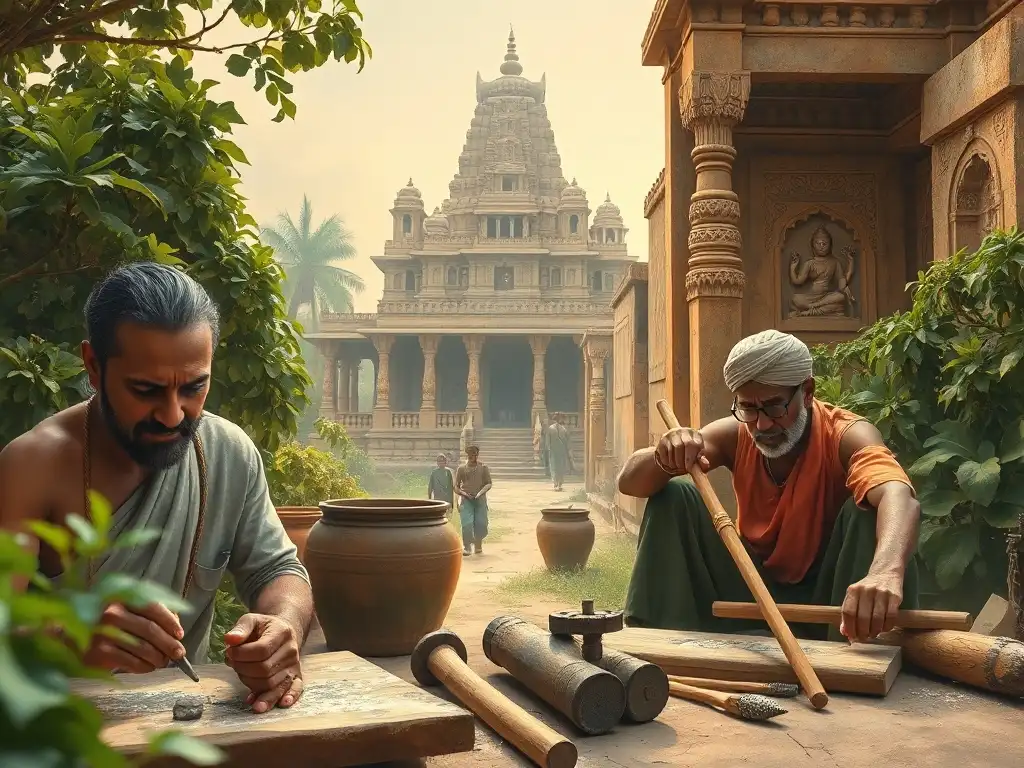
The study of ancient Indian construction techniques provides valuable insights into the engineering marvels of past civilizations. Here, we compile a list of resources that can further inform researchers and enthusiasts alike about the remarkable achievements in ancient Indian architecture and engineering.
Suggested Readings on Ancient Indian Engineering
-
"The Indus Valley Civilization: A Historical Overview"
This book offers a comprehensive history of the Indus Valley Civilization, focusing on its urban planning and construction methodologies. It highlights the advanced drainage systems and grid layouts that showcase the engineering prowess of the time.
-
"Architecture of the Indian Subcontinent" by James Fergusson
Fergusson’s work is a seminal text that explores the evolution of architecture across different periods in India, including the intricate stone carvings and structural techniques utilized in ancient temples.
-
"Temples of India: An Architectural Study"
This text delves into the architectural styles of ancient Indian temples, illustrating how construction techniques were adapted to local materials and geographical features.
-
"The Art and Architecture of Ancient India" by John C. Huntington and Dina Bangdel
This book examines the cultural contexts of construction techniques across various ancient Indian periods, emphasizing the relationship between art and engineering.
Academic Journals and Articles on Construction Techniques
-
"The Engineering of Ancient Indian Cities"
This article investigates the urban planning strategies employed in cities like Mohenjo-Daro and Harappa, detailing the construction techniques that enabled their durability and functionality.
-
"Advancements in Ancient Indian Masonry and Construction"
Published in the Journal of Historical Engineering, this paper discusses the materials and methods used in ancient masonry, including stone-cutting techniques and the use of mortar.
-
"Sustainable Practices in Ancient Indian Construction"
This research highlights how ancient Indian builders utilized local resources and sustainable practices, offering lessons for modern construction techniques.
-
"The Role of Geometry in Ancient Indian Architecture"
This journal article explores the mathematical principles behind architectural designs in ancient India, illustrating how geometry influenced construction techniques.
The references and suggested readings provided here serve as a vital resource for anyone interested in the rich tapestry of ancient Indian construction techniques, shedding light on their enduring legacy in the field of engineering and architecture.
Frequently Asked Questions
What are some ancient Indian construction techniques mentioned in the article?
The article highlights techniques such as brick making, stone masonry, and the use of geometric precision in layout, showcasing their effectiveness and durability.
How did ancient Indian construction techniques influence modern architecture?
Ancient Indian techniques, particularly those from the Indus Valley and Gupta Empire, laid the groundwork for modern architectural practices, emphasizing sustainability and aesthetic design.
What materials were commonly used in ancient Indian construction?
The article discusses the use of local materials like clay, stone, and wood, which were abundant and suited to the environmental conditions of the region.
Were there any notable structures built using these construction techniques?
Yes, the article references iconic structures such as the Ajanta Caves, Hampi’s temples, and the Harappan urban layout, all exemplifying advanced engineering skills.
How have these techniques survived through the ages?
The survival of these techniques can be attributed to their robustness, adaptability to local conditions, and the ongoing cultural significance of these structures in modern India.
Final Reflection: The Enduring Legacy of Ancient Indian Construction Techniques
The remarkable ingenuity of ancient Indian construction techniques continues to resonate in today's architectural landscape, showcasing a profound connection between the past and present. As we navigate the complexities of modern construction, the wisdom embedded in these age-old practices offers invaluable insights into sustainability, resilience, and cultural identity. The ability of these techniques to withstand the test of time is not merely a testament to their effectiveness but also a reminder of the rich heritage that shapes our built environment today.
The influence of ancient Indian construction techniques extends far beyond their physical structures; they embody a philosophy that prioritizes harmony with nature and community. This enduring legacy is a source of inspiration for architects and builders alike, encouraging a return to principles that honor both tradition and innovation. Architecture is the thoughtful making of space.
– Louis Kahn. This quote encapsulates the essence of how ancient techniques have shaped not just the spaces we inhabit but also our understanding of the relationship between humanity and the environment.
As we reflect on the lessons gleaned from ancient Indian construction, I invite you to consider how these principles can be applied in your own life and work. Let us embrace the wisdom of the past to inform our future, fostering a deeper appreciation for the craftsmanship and cultural narratives that define our surroundings. By integrating these timeless techniques into contemporary practices, we can create spaces that are not only functional but also resonate with the stories and values that have shaped our civilizations.
Unveil the Secrets of Timeless Construction Techniques!
Thank you for diving into the fascinating world of ancient construction methods! Your journey through these innovative techniques not only enriches your knowledge but also highlights the importance of sustainability in architecture. Now it’s time to take action and connect even deeper with this remarkable legacy!
Here’s how you can further explore and engage with this incredible topic:
- Become a part of the conversation: Join our community forum to share your insights or questions about ancient construction methods.
- Document your thoughts: Start a blog or create a social media post reflecting on what you’ve learned and how these techniques could inspire modern architecture.
- Visit local heritage sites: Plan a trip to see structures influenced by these ancient practices—experience history first-hand!
What aspect of ancient construction techniques resonates with you the most, and how do you believe it can influence contemporary building practices?