
Decoding Brahmi: The Script That Shaped Indian History

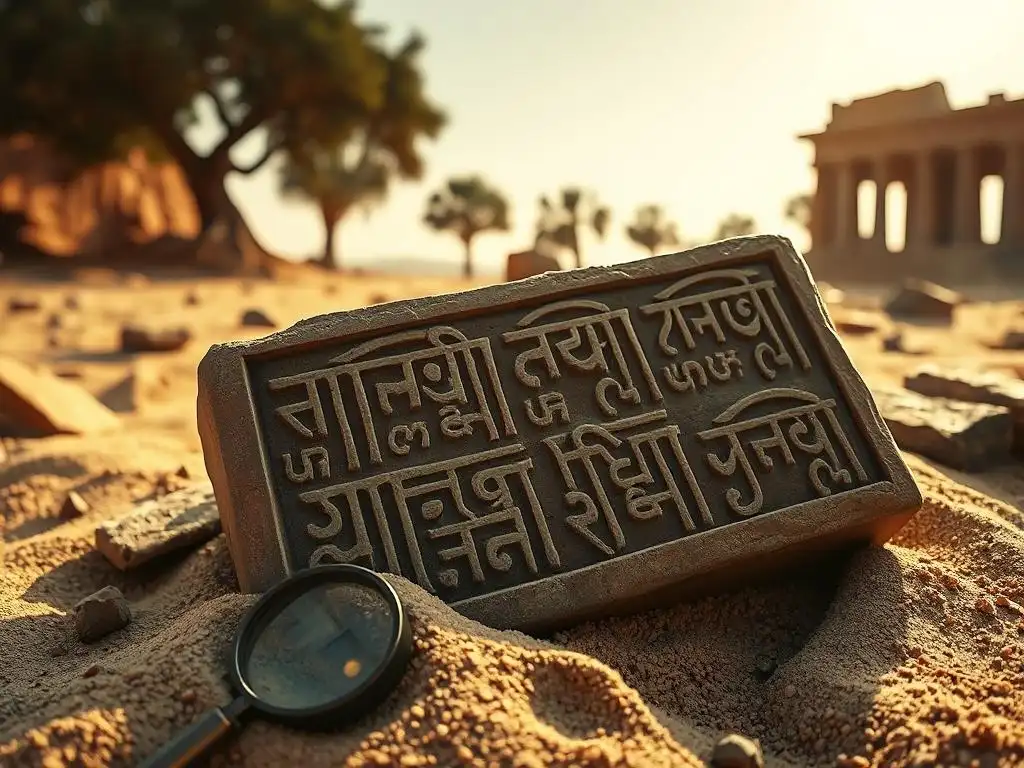
Welcome to Ancient India History, where we embark on a fascinating journey through the intricate tapestry of India's past. In today's exploration, we delve into the significance of Brahmi script in history, a writing system that not only shaped the way ancient civilizations communicated but also laid the groundwork for numerous languages across the subcontinent. What secrets does this ancient script hold, and how did it influence the cultural and intellectual landscape of its time?
Join us as we decode Brahmi and uncover the profound impact it has had on the legacy of Indian history. Prepare to ignite your curiosity and deepen your understanding of a civilization that continues to inspire!
- Introduction to Brahmi Script
- Historical Context of Brahmi Script
- Decoding Brahmi Script
- Brahmi Script and Ancient Indian Culture
- The Spread of Brahmi Script
- Archaeological Discoveries Related to Brahmi
- Brahmi Script’s Legacy
- Conclusion
- Frequently Asked Questions
- Final Reflection: The Enduring Legacy of Brahmi Script
- Unveil the Secrets of Brahmi and Shape Your Understanding!
Introduction to Brahmi Script
The Brahmi script stands as a pivotal milestone in the annals of ancient Indian history, representing not only a remarkable writing system but also a gateway to understanding the cultural and intellectual heritage of the subcontinent. As one of the earliest scripts used in India, Brahmi has played a crucial role in the documentation of various languages and the transmission of knowledge across generations.
Its significance extends beyond linguistics, influencing the development of numerous regional scripts and contributing to the rich tapestry of India's historical narrative. This article delves into the origins of Brahmi script and explores its profound significance in shaping Indian history.
Understanding the Origins of Brahmi Script
The origins of Brahmi script can be traced back to the 3rd century BCE, during the reign of the Maurya Empire. While the exact lineage of Brahmi remains a subject of scholarly debate, it is widely accepted that it evolved from earlier scripts used in the Indus Valley Civilization. This evolution marks a significant transition from the use of symbols and seals to a more structured writing system.
- Key Features of Brahmi Script:
- Abugida System: Brahmi is classified as an abugida, where each character represents a consonant with an inherent vowel sound. This complexity allowed for a versatile representation of numerous languages.
- Adaptability: The script has been adapted over time to accommodate various languages, including Sanskrit, Prakrit, and Pali, showcasing its flexibility and relevance in different contexts.
- Influence on Other Scripts: Brahmi is the progenitor of many modern Indian scripts, such as Devanagari, Tamil, and Bengali, highlighting its enduring legacy in the subcontinent.
Brahmi's discovery in various inscriptions, such as the edicts of Emperor Ashoka, provides valuable insights into the socio-political landscape of ancient India. These inscriptions not only conveyed messages of governance and morality but also served as a means of unification across the diverse regions of the empire.
Overview of Brahmi Script Significance in History
The significance of Brahmi script in history transcends its function as a writing system; it is a key to unlocking the customs, beliefs, and governance of ancient Indian civilizations. Here's a closer look at its contributions:
- Cultural Transmission:
- Brahmi facilitated the preservation of religious texts, literature, and philosophical treatises, ensuring that knowledge was passed down through generations.
- It served as a medium for disseminating Buddhist teachings, particularly through the edicts of Ashoka, which sought to promote dharma and ethical governance.
- Historical Documentation:
- The inscriptions in Brahmi provide invaluable records of political history, social norms, and economic practices, allowing historians to reconstruct the past accurately.
- They offer insights into the interactions between various kingdoms and cultures, revealing a complex web of relationships that defined ancient Indian society.
- Linguistic Development:
- The evolution of Brahmi into various regional scripts illustrates the linguistic diversity of India and reflects the dynamic nature of language and communication in ancient times.
- It played a critical role in the development of regional literature, contributing to the richness of Indian languages and their literary traditions.
The Brahmi script is not merely a collection of symbols; it embodies the essence of ancient Indian civilization, reflecting its intellectual achievements and cultural depth. Understanding its origins and significance allows us to appreciate the profound impact it has had on Indian history and its continuing influence on modern languages and scripts.
Historical Context of Brahmi Script

Brahmi script holds a pivotal role in the tapestry of Indian history, marking the evolution of written communication in the subcontinent. As one of the earliest scripts used in ancient India, Brahmi not only facilitated the administration and cultural exchange of its time but also laid the foundation for numerous modern scripts used in South Asia today. Understanding the historical context of Brahmi is crucial to appreciating its significance in shaping Indian civilization.
The Emergence of Brahmi in Ancient India
The emergence of Brahmi script can be traced back to the 3rd century BCE, primarily during the reign of Emperor Ashoka of the Maurya dynasty. This period saw a remarkable advancement in the use of writing for governance, religion, and culture. Brahmi was used extensively for inscriptions, most notably on Ashoka's edicts, which were disseminated across his empire to promote moral governance and Buddhist teachings.
Key Features of Brahmi Script:
- Phonetic Nature: Brahmi is a phonetic script, meaning it represents sounds rather than ideas. Each character corresponds to a particular sound, which makes it adaptable for various languages.
- Brahmi's Structure: The script is characterized by its linear strokes and distinct characters, which can be categorized into vowels and consonants.
- Regional Variations: Over time, Brahmi evolved into several regional variations, adapting to the phonetic requirements of different languages across India.
The earliest known examples of Brahmi inscriptions were found at the sites of Sarnath, Lumbini, and Bhabru, indicating its widespread use in the northern and central regions of India. These inscriptions served not only as administrative records but also as religious texts, showcasing the script's versatility and importance in ancient Indian society.
Brahmi’s Role in the Evolution of Writing Systems
Brahmi’s significance extends beyond its initial use; it has been instrumental in the development of numerous other scripts in the Indian subcontinent and Southeast Asia. The script is considered a parent or ancestor to several scripts, including Devanagari, Tamil, Telugu, and Burmese.
Influence on Other Scripts:
- Devanagari: The script used for Hindi, Sanskrit, and several other languages is derived from Brahmi, retaining its phonetic nature.
- Tamil Script: The evolution of the Tamil script can also be traced back to the Brahmi script, which adapted to the unique phonetic requirements of the Tamil language.
- Southeast Asian Scripts: Brahmi influenced scripts such as Khmer and Thai, showcasing its reach beyond the Indian subcontinent.
Preservation of Knowledge:
Brahmi played a crucial role in preserving ancient Indian knowledge, literature, and religious texts. Many of the great works of literature and philosophy were documented in Brahmi, ensuring their transmission through generations. The script's ability to convey complex ideas made it an essential tool for scholars and scribes.
The Brahmi script's emergence marks a significant chapter in Indian history, representing a turning point in the communication and documentation of culture and governance. Its evolution laid the groundwork for a variety of writing systems, making it a cornerstone in the study of ancient scripts and their lasting impact on modern languages in South Asia and beyond.
Decoding Brahmi Script

The Brahmi script is one of the most significant developments in the history of writing, serving as the foundation for many writing systems in South Asia and beyond. Dating back to at least the 3rd century BCE, the Brahmi script emerged during a pivotal period in Indian history, particularly under the Mauryan Empire. Its significance lies not only in its role as a means of communication but also in its impact on cultural and administrative practices of ancient civilizations.
The evolution of Brahmi script is marked by its adaptability and the way it facilitated the spread of literacy and literature. This script is considered a major leap in the evolution of writing, as it moved away from pictographic representations towards a more abstract system, allowing for greater flexibility and expression in written communication.
Key Features of Brahmi Script
Brahmi script is characterized by several distinct features that set it apart from other writing systems of its time:
- Abugida System: Brahmi is an abugida, meaning each character represents a consonant with an inherent vowel sound that can be modified using diacritics. This system allows for a more compact representation of languages.
- Phonetic Nature: The script is highly phonetic, which means it closely corresponds to spoken language. Each letter has a specific sound, making it easier to learn and use.
- Geometric Shapes: The characters of Brahmi can be described as having geometric shapes, which may have been inspired by earlier scripts or local art forms. This geometric quality contributed to its aesthetic appeal and legibility.
- Variations: There exist several regional variants of the Brahmi script, reflecting the linguistic diversity of ancient India. These variations are crucial for understanding the script's evolution and its influence on later scripts like Devanagari and Tamil.
- Materials Used: Brahmi inscriptions have been found on various materials, including stone, metal, and pottery. This versatility highlights its widespread use and importance across different contexts.
The significance of the Brahmi script extends beyond its features; it played a critical role in documenting the history, culture, and administrative practices of ancient Indian civilizations.
How Brahmi Was Deciphered
The process of deciphering Brahmi script was a complex and meticulous endeavor that took centuries. Key milestones in this journey include:
- Early Efforts: The first serious attempts to decipher Brahmi began in the early 19th century. Scholars like James Prinsep played a crucial role in understanding the script by studying inscriptions, particularly those on the Ashoka Pillars.
- Identification of Symbols: Prinsep's breakthrough came when he identified symbols that corresponded to specific sounds and letters, paving the way for further analysis.
- Contextual Analysis: Understanding the historical and cultural context of the inscriptions was essential. Many Brahmi inscriptions were found alongside known languages, such as Greek and Aramaic, which helped scholars make connections.
- Comparative Linguistics: The use of comparative linguistics allowed researchers to draw parallels between Brahmi and other ancient scripts, such as Kharosthi. This comparative approach helped confirm the phonetic values assigned to the Brahmi characters.
- Ongoing Research: The deciphering of Brahmi is an ongoing process, with new discoveries and insights continually contributing to our understanding of this ancient script. Scholars continue to explore variants and regional adaptations, expanding the historical narrative.
The successful deciphering of Brahmi has had profound implications for the study of ancient Indian history, enabling historians to access a wealth of literary and administrative records.
Comparison of Brahmi and Other Ancient Scripts
Brahmi script's significance in history can be further understood by comparing it with other ancient scripts. Here are some key comparisons:
| Feature | Brahmi Script | Kharosthi Script | Egyptian Hieroglyphs |
|---|---|---|---|
| Type | Abugida | Abugida | Logographic and alphabetic |
| Direction of Writing | Left to Right | Right to Left | Right to Left |
| Use | Primarily for Indo-Aryan languages | Used for Gandhari language | Used for religious and administrative texts |
| Phonetic Nature | Highly phonetic | Phonetic but less versatile | Symbolic representation of sounds |
| Cultural Influence | Foundation for many South Asian scripts | Limited regional influence | Influenced by and influenced other Mediterranean scripts |
The Brahmi script's phonetic nature and adaptability allowed it to evolve into various scripts used throughout India and Southeast Asia, making it one of the most influential writing systems in history. Its comparison with Kharosthi and Egyptian hieroglyphs highlights its unique characteristics and the cultural exchanges that shaped ancient civilizations.
The Brahmi script's significance in history is multifaceted, encompassing its structural features, the process of its deciphering, and its comparative impact on other ancient writing systems. Understanding Brahmi not only enhances our knowledge of ancient India but also offers insights into the development of writing as a fundamental aspect of human civilization.
Brahmi Script and Ancient Indian Culture
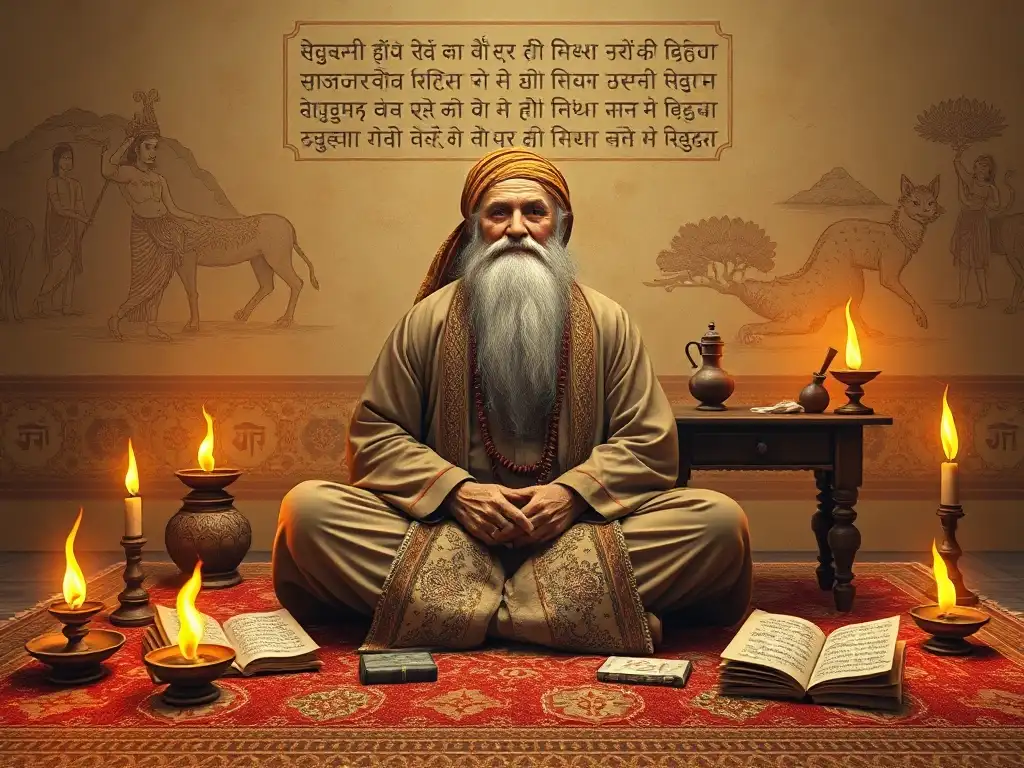
The Brahmi script is one of the earliest writing systems used in ancient India and serves as a cornerstone of Indian cultural and historical identity. Originating around the 3rd century BCE, Brahmi evolved within the context of the Mauryan Empire and spread widely across the Indian subcontinent. Its significance in history is profound, as it laid the foundation for many modern Indian scripts and influenced various aspects of society, including literature, administration, and religious practices.
Brahmi's adaptability and simplicity allowed it to be utilized in a range of languages, making it a crucial tool for communication and record-keeping. The script features distinct characters that represent both consonants and vowels, a system that facilitated the transcription of spoken languages into written form. This innovation not only promoted literacy but also contributed to the preservation of knowledge across generations.
The legacy of Brahmi continues to resonate today, as it is considered a precursor to many scripts used in South Asia, including Devanagari, Tamil, and Bengali. By understanding the role of Brahmi in ancient Indian culture, we can better appreciate its historical significance and enduring impact on the region's linguistic and cultural landscape.
Influence of Brahmi on Literature and Texts
The influence of Brahmi on literature and texts is evident in the vast array of inscriptions, manuscripts, and religious scriptures that have survived through the ages. The earliest known examples of Brahmi inscriptions include the edicts of Emperor Ashoka, which were carved on rocks and pillars across India. These inscriptions not only conveyed political messages but also imparted moral and ethical teachings, reflecting the socio-political landscape of the time.
Brahmi's role in literature extends beyond royal decrees; it was instrumental in the composition of various texts, including the Jataka Tales and early Buddhist scriptures. The script enabled storytellers and scholars to document oral traditions, resulting in a rich literary heritage that has shaped Indian culture. Additionally, the versatility of Brahmi allowed for the recording of diverse literary forms, including poetry, prose, and drama.
The preservation of ancient knowledge through Brahmi inscriptions has been pivotal in the study of Indian history and culture. Scholars and archaeologists continue to uncover texts that provide insights into the philosophical, scientific, and mathematical advancements of ancient Indian civilizations. As a result, Brahmi remains a vital link to the past, helping us to decode the complexities of early Indian literature and its lasting influences.
Brahmi's Contribution to Religion and Philosophy
Brahmi script played a significant role in the dissemination of religious and philosophical ideas across ancient India. The script was utilized to inscribe religious texts that conveyed the teachings of Buddhism, Jainism, and Hinduism. For instance, the Tipitaka, the earliest collection of Buddhist scriptures, was transcribed in Brahmi, ensuring the preservation and transmission of Buddha's teachings.
The use of Brahmi in religious contexts facilitated the spread of ideas beyond geographic and linguistic barriers. As the script evolved and adapted to different languages, it became a medium through which diverse philosophical thoughts were shared and debated. This cross-pollination of ideas contributed to the development of a rich intellectual tradition in ancient India.
Moreover, Brahmi inscriptions often included profound philosophical concepts that reflected the societal values and spiritual beliefs of the time. The inscriptions served as reminders of ethical conduct, moral responsibilities, and the pursuit of knowledge—principles that continue to resonate in contemporary Indian culture.
Brahmi's contribution to religion and philosophy was instrumental in shaping the spiritual landscape of ancient India. By enabling the documentation and dissemination of religious texts and philosophical thought, Brahmi not only influenced the cultural fabric of the time but also laid the groundwork for future generations to explore and reflect upon these foundational ideas.
The Spread of Brahmi Script
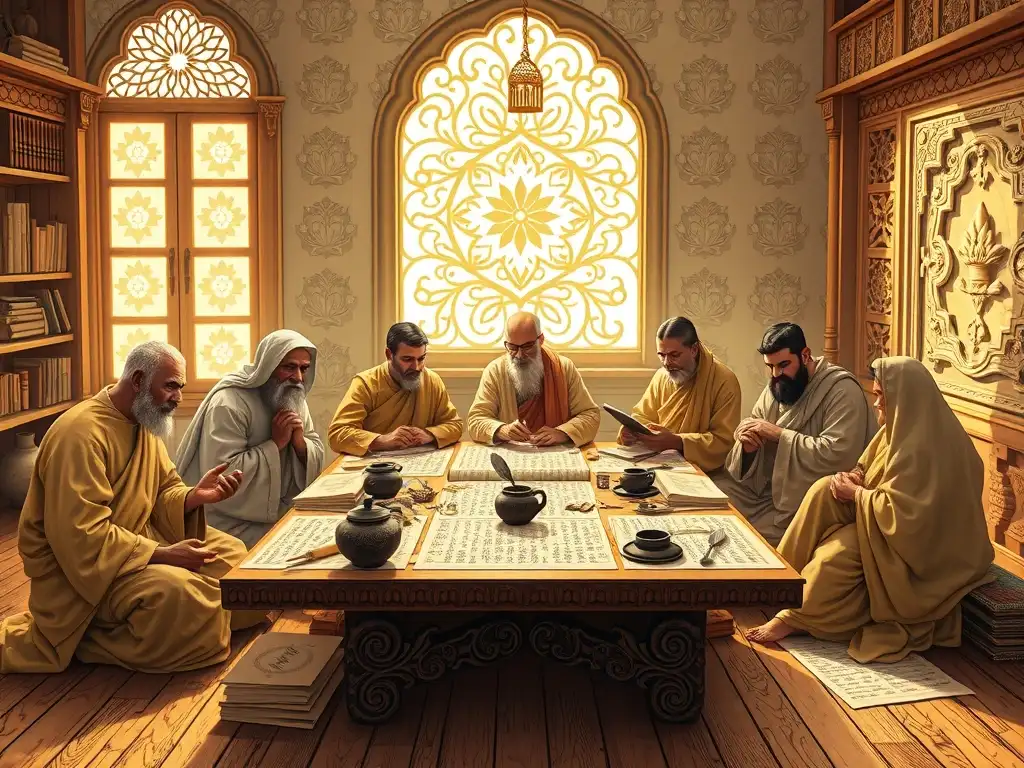
The Brahmi script, one of the oldest writing systems in the Indian subcontinent, played a pivotal role in the cultural and linguistic development of ancient India. Its significance in history is underscored by its widespread adoption and adaptation across various regions, influencing many subsequent scripts and languages.
Geographic Expansion of Brahmi Usage
The geographic spread of Brahmi script can be traced back to the early centuries of the first millennium BCE. Originating in the northwestern regions of the Indian subcontinent, it soon made its way across vast territories, reflecting the dynamic trade routes, cultural exchanges, and the expanding influence of Indian kingdoms.
- North India:
- Brahmi was predominantly used in the Mauryan Empire, where inscriptions by Emperor Ashoka marked its prominence. The Edicts of Ashoka, inscribed on pillars and rocks, showcased the script's role in disseminating messages of governance and Buddhism.
- South India:
- The script traveled southward, influencing the development of scripts like Tamil and Kannada. Notably, inscriptions in Brahmi found in Tamil Nadu and Karnataka indicate its utilization in administrative and religious contexts.
- Southeast Asia:
- With the expansion of Indian influence through trade and cultural exchange, Brahmi reached regions like present-day Thailand, Cambodia, and Indonesia. This led to the creation of local scripts derived from Brahmi, such as the Khmer and Javanese scripts.
- Western Regions:
- The western spread was evident in the adoption of Brahmi by the Indo-Greek kingdoms, which further facilitated its integration into the Hellenistic world. This interaction resulted in a unique blend of cultural and linguistic elements.
Adaptations of Brahmi in Different Regions
As the Brahmi script spread across diverse regions, it underwent significant adaptations, leading to the emergence of distinct writing systems. These adaptations are crucial to understanding the script's historical significance.
- Regional Variants:
- Each region that adopted Brahmi modified it to suit local phonetics and linguistic structures. For example:
- Pali: Inscriptions in Pali retained the core structure of Brahmi but incorporated local dialectal influences.
- Sanskrit: Sanskrit texts utilized Brahmi effectively, showcasing its versatility in representing complex sounds.
- Each region that adopted Brahmi modified it to suit local phonetics and linguistic structures. For example:
- Derivative Scripts:
- Brahmi served as the progenitor for several scripts that are still in use today:
- Devanagari: Used for Hindi, Sanskrit, and several other languages, it evolved from earlier Brahmi forms.
- Bengali and Assamese: These scripts show a clear lineage to Brahmi, with adaptations to render regional phonetics.
- Tibetan Script: The Tibetan writing system, though distinct, shows influences derived from Brahmi due to cultural exchanges.
- Brahmi served as the progenitor for several scripts that are still in use today:
- Preservation and Evolution:
- Throughout history, Brahmi's significance in history is evident in how it served as a bridge between ancient and modern scripts. The resilience of Brahmi is illustrated by its ability to adapt while still preserving its foundational elements, ensuring its legacy in the study of epigraphy and linguistics.
The spread and adaptation of the Brahmi script are integral to understanding its significance in history. Its influence not only shaped the writing systems of ancient India but also resonated across Asia, leaving an indelible mark on the cultural and linguistic landscape of the region.
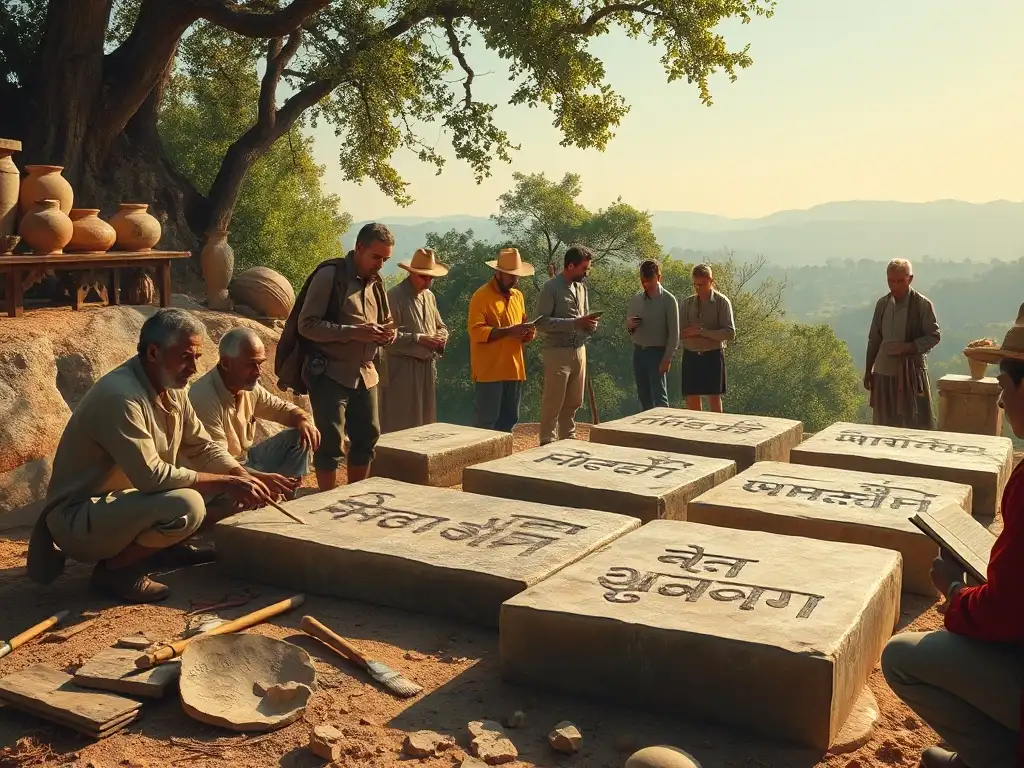
Archaeological discoveries related to the Brahmi script have unveiled a wealth of information about ancient Indian civilizations. The script is one of the earliest writing systems in South Asia, with a history that dates back to at least the 3rd century BCE. Its significance lies not only in its role as a means of communication but also in its reflection of socio-political, cultural, and economic contexts during its time.
Significant Inscriptions in Brahmi
Numerous inscriptions in Brahmi have been discovered across the Indian subcontinent, providing critical insights into historical events, governance, and daily life. Some of the most notable examples include:
- The Edicts of Ashoka: These inscriptions, carved on pillars and rock surfaces during the reign of Emperor Ashoka (circa 268-232 BCE), are perhaps the most famous examples of Brahmi script. They convey moral and ethical teachings of Buddhism and emphasize the importance of dharma (righteousness). The edicts are located in various places, such as:
- Sarnath: Home to the Lion Capital, this site showcases Ashoka’s commitment to disseminating Buddhist values.
- Lumbini: The birthplace of Buddha, where Ashoka’s inscriptions reflect his pilgrimage and reverence.
- The Kharosthi-Brahmi Bilingual Inscriptions: These inscriptions, found in regions like Gandhara, provided a critical link for scholars in decoding the Brahmi script. The bilingual nature helped linguists establish a correlation between Brahmi and other scripts, such as Kharosthi, thereby expanding the understanding of ancient languages.
- The Junagadh Rock Edicts: These inscriptions, dating back to the 2nd century BCE, were discovered near the Uparkot Fort in Gujarat. They highlight the administration and local governance during the Mauryan period and provide insights into regional history.
- The inscriptions at the Aihole and Badami sites: These locations in Karnataka feature Brahmi inscriptions that date back to the early centuries of the Common Era. They reflect the evolution of the script and its adaptation in various regional languages.
The Importance of Brahmi in Archaeological Studies
The Brahmi script is foundational to the study of ancient Indian history and archaeology for several reasons:
- Historical Linguistics: Brahmi serves as a precursor to many modern scripts in India and South Asia. It is believed to have influenced scripts like Devanagari and Tamil. Understanding Brahmi assists linguists in tracing the evolution of these scripts and languages.
- Cultural Insights: The content of Brahmi inscriptions often sheds light on the cultural practices, religious beliefs, and societal norms of ancient civilizations. For instance, the edicts of Ashoka not only offer moral guidance but also indicate the spread of Buddhism and its acceptance across various strata of society.
- Political History: Many inscriptions provide documentation of royal edicts, territorial claims, and administrative actions. They are vital for reconstructing the political landscape of ancient India, including the rise and fall of empires.
- Trade and Economy: Brahmi inscriptions occasionally reference trade routes and economic interactions, reflecting the trade networks that existed during ancient times. Such references are crucial in understanding the economic dynamics of the period.
- Dating Techniques: The study of inscriptions in Brahmi helps archaeologists establish timelines for various historical events and periods. By analyzing the style and content of inscriptions, researchers can date archaeological layers and contextualize their findings within broader historical narratives.
The archaeological discoveries related to Brahmi script not only illuminate the script's significance in history but also provide a comprehensive understanding of the ancient Indian civilizations that utilized it. The ongoing study of these inscriptions continues to reveal more about the intricate tapestry of India's past.
Brahmi Script’s Legacy
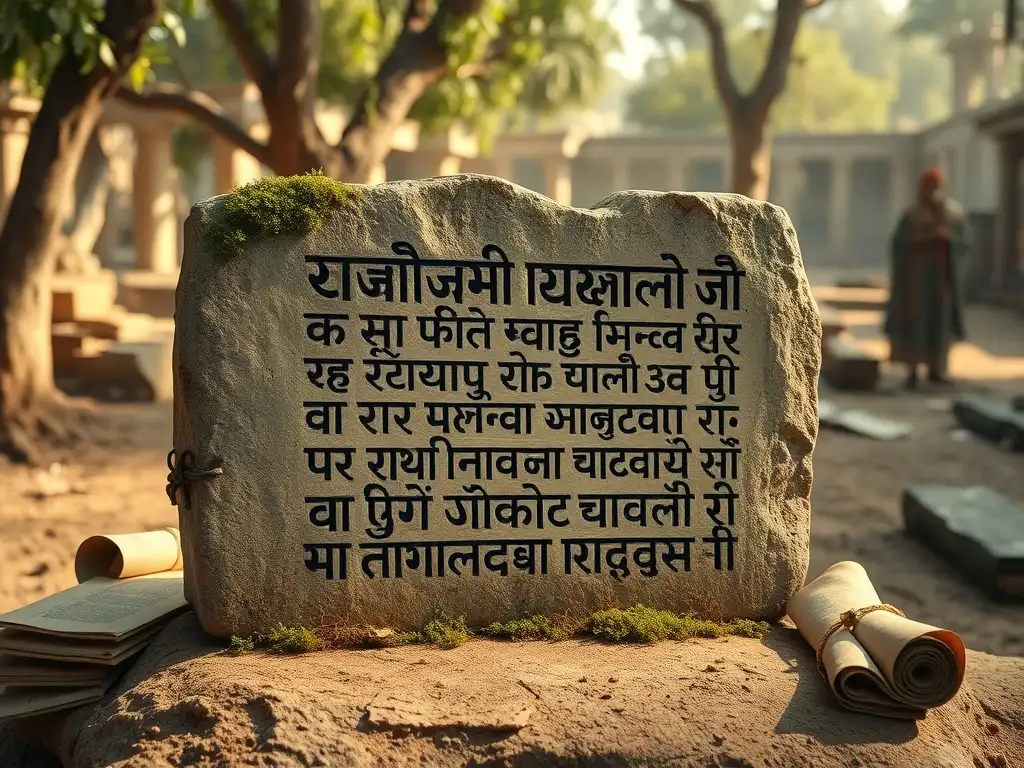
The Brahmi script holds a pivotal place in the history of written communication in India. As one of the earliest scripts used on the Indian subcontinent, it dates back to at least the 3rd century BCE and is believed to have evolved from the Proto-Sinaitic script. Its significance lies not only in its role as a medium for recording languages but also as a foundational script from which many modern Indian scripts are derived.
Brahmi’s Influence on Modern Indian Scripts
Brahmi is often regarded as the ancestor of several contemporary scripts used in India and neighboring regions. This lineage can be traced through various stages of development, showcasing the adaptability and transformation of the script over centuries. Some of the prominent scripts that have evolved from Brahmi include:
- Devanagari: Used for Hindi, Sanskrit, and several other languages.
- Bengali: The script predominantly used in West Bengal and Bangladesh.
- Gurmukhi: The script used for Punjabi.
- Gujarati: The script for the Gujarati language.
- Kannada: The script used in the state of Karnataka.
These scripts have retained many features of Brahmi, such as the use of consonant-vowel combinations and the systematic representation of phonetic sounds. For instance, the horizontal line at the top of Devanagari letters can be traced back to Brahmi’s structure, symbolizing the continuity and influence of this ancient script.
Moreover, the adaptability of Brahmi has allowed it to accommodate various languages and dialects, leading to the formation of regional variations. This flexibility is a testament to its significance in facilitating communication across diverse linguistic groups in ancient India.
Continued Relevance of Brahmi in Contemporary Culture
In modern times, the Brahmi script continues to resonate within Indian culture and heritage. Its relevance can be observed in several key areas:
- Cultural Identity: Brahmi serves as a symbol of India's rich historical legacy. It is often celebrated in literature, art, and academic discourse, representing the continuity of Indian civilization.
- Educational Initiatives: Institutions focused on ancient Indian history and linguistics often include studies of Brahmi script as part of their curriculum. This serves to educate new generations about their historical roots and the evolution of their languages.
- Revival Efforts: There has been a growing interest in reviving and studying the Brahmi script in various academic circles. Scholars and enthusiasts are actively engaged in deciphering inscriptions and understanding their implications on Indian history.
- Cultural Festivals: Several festivals and events celebrate ancient Indian scripts, including Brahmi. These gatherings often feature workshops, exhibitions, and discussions aimed at raising awareness about this script's role in shaping Indian identity.
The Brahmi script's legacy is not merely a relic of the past; it remains a vital part of India's cultural and linguistic landscape. Through its influence on modern scripts and its continued relevance in education and cultural practices, Brahmi stands as a testament to the enduring power of written language in human history.
Conclusion
Summarizing the Brahmi Script Significance in History
The Brahmi script, emerging around the 3rd century BCE, is a monumental achievement in the evolution of writing systems in India. It serves as a crucial link between ancient civilizations and contemporary Indian culture. The Brahmi script significance in history is multifaceted, encompassing linguistic, cultural, and historical dimensions.
- Linguistic Heritage: Brahmi is the progenitor of several modern scripts used in India and beyond, including Devanagari, Tamil, and Tibetan scripts. Its phonetic representation laid the groundwork for the development of diverse languages and dialects, showcasing its role in the linguistic tapestry of the Indian subcontinent.
- Cultural Transmission: The inscriptions in Brahmi provide invaluable insights into ancient Indian society, politics, and religion. For instance, the Edicts of Ashoka, inscribed in Brahmi, reveal the Mauryan Emperor's policies on governance, ethics, and social welfare. Such texts illustrate the cultural values and philosophies that influenced Indian civilization.
- Historical Documentation: Brahmi inscriptions serve as primary sources for historians, illuminating the socio-political landscape of ancient India. They document events, royal decrees, and trade practices, thereby acting as a bridge connecting the past with the present. The deciphering of Brahmi has significantly contributed to our understanding of India's historical narrative.
As a testament to its historical importance, the Brahmi script continues to be a subject of scholarly interest, driving further investigation into its origins and applications across different regions.
Future Research Directions in Brahmi Studies
The study of the Brahmi script is ripe for further exploration, promising to unveil more layers of its significance in history. Future research directions may include:
- Comparative Analysis: Investigating the similarities and differences between Brahmi and other ancient scripts can yield insights into the spread of writing systems across civilizations. Comparative studies with scripts like Kharosthi or even foreign scripts can shed light on cultural exchanges.
- Digital Epigraphy: Employing modern technologies such as digital imaging and machine learning can enhance the deciphering process of damaged or incomplete inscriptions. This approach has the potential to uncover previously unreadable texts, enriching our understanding of historical contexts.
- Regional Variations: Examining the regional adaptations of the Brahmi script can reveal how localized cultures influenced its development. Studies focusing on the variations found in different parts of India and neighboring regions can provide a clearer picture of its evolution.
- Interdisciplinary Research: Integrating methodologies from linguistics, archaeology, and anthropology can yield a more holistic understanding of the Brahmi script. By examining its socio-political implications and its role in trade and communication, researchers can construct a comprehensive narrative of its importance.
The Brahmi script remains a vital area of study, with its historical significance continuing to inspire scholars and enthusiasts alike. As research progresses, it will undoubtedly deepen our appreciation of ancient Indian civilizations and their enduring legacies.
Frequently Asked Questions
What is the Brahmi script?
The Brahmi script is one of the oldest writing systems in India, known for its significance in history as it laid the foundation for many modern Indian scripts.
How did the Brahmi script influence other writing systems?
The Brahmi script is considered the ancestor of several scripts across Asia, including Devanagari and others, showcasing its widespread impact on written communication.
Why is the Brahmi script important in understanding ancient Indian cultures?
Studying the Brahmi script reveals insights into ancient Indian societies, their administrative practices, and religious beliefs, illustrating the complexity of their civilization.
What role did the Brahmi script play in documentation and record-keeping?
The Brahmi script was crucial for record-keeping and documenting various aspects of life, including trade, religion, and literature, making it vital for historical research.
How has the Brahmi script been preserved over time?
Numerous inscriptions and manuscripts in Brahmi script have been discovered, allowing historians to study its evolution and preservation across centuries, highlighting its enduring cultural significance.
Final Reflection: The Enduring Legacy of Brahmi Script
The significance of the Brahmi script in history is not merely a relic of the past; it is a testament to the profound impact of written language on the evolution of civilization. As we explore the intricate connections between language, culture, and identity, we realize that the Brahmi script serves as a bridge linking ancient wisdom to contemporary society. Its ability to convey thoughts and ideas has shaped not only the Indian subcontinent but also influenced neighboring regions, making it a cornerstone of historical development.
The Brahmi script has left an indelible mark on the cultural and social landscape of India and beyond. Its adaptability and evolution into various scripts underscore the importance of communication in fostering unity and diversity. As we reflect on this, we are reminded of the words of Mahatma Gandhi: A language is something infinitely greater than grammar and philology. It is the poetic testament of the genius of a race and culture, and the living embodiment of the thoughts and fancies that have moulded them.
This observation highlights how the Brahmi script is not just a means of communication but a vessel of cultural heritage that continues to resonate through generations.
As we conclude our exploration of the Brahmi script, I invite you to reflect on the power of language in your own life. Consider how the words you choose and the stories you share contribute to the tapestry of your culture and identity. Embrace the lessons of the past and recognize that, like the Brahmi script, your voice has the potential to shape history. Let us honor the legacy of Brahmi by nurturing our own narratives and fostering connections that transcend time and space.
Unveil the Secrets of Brahmi and Shape Your Understanding!
Thank you for diving into the fascinating world of Brahmi with us! You’ve gained valuable insights into how this ancient script influenced Indian history and culture. Now, it's time to take that knowledge further and engage with the rich tapestry of our past.
Here are a few action steps you can take right now:
- Explore the Origin: Dive deeper by researching other ancient scripts that emerged alongside Brahmi. Discover how they interconnect with historical narratives!
- Participate in a local workshop on ancient languages or scripts. Engaging with fellow history enthusiasts can deepen your understanding and appreciation of Brahmi.
- Share your newfound knowledge! Start a conversation on social media or within your community about the impact of Brahmi, and invite others to share what they find most intriguing about ancient scripts.
What aspect of Brahmi intrigues you the most—its origins, its evolution, or its influence on modern languages? We look forward to discussing it with you!