
Ancient Indian Universities and Their Role in Global Trade Education


Welcome to Ancient India History, where we embark on a fascinating journey through the vibrant tapestry of ancient Indian civilizations. Here, we delve into the remarkable legacy of education and commerce that shaped not only India but also the world. In our featured article, “ Ancient Indian Universities and Their Role in Global Trade Education,” we uncover how these prestigious institutions were not just centers of learning but also pivotal hubs for trade education.
Prepare to be captivated as we explore the intricate connections between knowledge and commerce in ancient India, igniting your curiosity to learn more about this profound chapter in history. Dive in and discover how the past continues to influence our present!
- Introduction to Ancient Indian Universities and Trade Education
- Prominent Ancient Indian Universities
- The Role of Ancient Indian Universities in Global Trade
- Trade Education Curriculum in Ancient Indian Universities
- Historical Context of Trade Education in Ancient India
- Legacy of Ancient Indian Universities in Modern Trade Education
- Conclusion: The Lasting Influence of Ancient Indian Universities on Global Trade Education
- Frequently Asked Questions
- Final Reflection: The Enduring Legacy of Ancient Indian Universities in Trade Education
- Unveil the Wisdom of Ancient Learning!
Introduction to Ancient Indian Universities and Trade Education
The legacy of ancient Indian universities is a testament to the country's profound contributions to education, scholarship, and global trade. Nestled within the cradle of civilizations such as the Indus Valley and flourishing through the eras of the Maurya and Gupta Empires, these institutions were not just centers of learning; they were vital hubs for knowledge exchange that influenced trade routes and economic systems across Asia and beyond.
This article delves into the pivotal role that ancient Indian universities, particularly renowned centers like Nalanda, played in shaping trade education and how their teachings were integral to the prosperity of commerce in the ancient world. By exploring the intersections of education and trade, we uncover how these ancient institutions fostered a sophisticated understanding of economics, commerce, and cultural exchanges that resonate even in modern contexts.
Overview of Ancient Indian Education System
The ancient Indian education system was characterized by its diversity and inclusivity, catering to various fields of knowledge. At the heart of this system were the prestigious universities, which served as melting pots of intellectual and cultural exchange.
- Key Features of the Ancient Indian Education System:
- Gurukula System: A traditional form of education where students lived with their teachers (gurus) and learned through oral transmission and practical experiences.
- Focus on Various Disciplines: Subjects ranged from philosophy, mathematics, and astronomy to arts, medicine, and trade practices.
- Inclusivity of Knowledge: Education was not limited to elite classes; various social groups contributed to the learning environment.
The most notable universities, such as Nalanda and Takshashila, attracted students from across the globe, including China, Korea, Tibet, and beyond. They offered a structured curriculum that encompassed a wide array of subjects, with trade and commerce being pivotal areas of study.
Importance of Trade Education in Ancient India
Trade education in ancient India was essential to the development of a robust economy and the establishment of extensive trade networks. Universities played a crucial role in imparting knowledge critical for navigating the complexities of commerce.
- Significance of Trade Education:
- Economic Prosperity: Understanding trade practices, market mechanisms, and negotiation techniques was vital for merchants and traders, contributing significantly to the economy.
- Cultural Exchange: Trade education facilitated cross-cultural interactions, allowing for the exchange of not just goods but also ideas, technologies, and cultural practices.
- Global Trade Routes: Ancient Indian universities educated individuals who would become key players in the Silk Road and other trade routes, enabling the flow of spices, textiles, and precious stones.
The emphasis on trade education ensured that ancient Indian civilizations not only thrived economically but also established lasting connections that shaped the course of history. As we explore further, the intricate relationship between education and trade will reveal how these ancient institutions laid the groundwork for modern economic systems.
Prominent Ancient Indian Universities

Nalanda University: A Hub of Knowledge
Nalanda University, established in the 5th century CE, stands as one of the most illustrious centers of learning in ancient India. It functioned not only as an educational institution but also as a cultural and intellectual hub, drawing students from various parts of Asia, including China, Japan, Korea, Tibet, Mongolia, and Sri Lanka. With its expansive campus, Nalanda housed thousands of students and faculty members, fostering a vibrant atmosphere of learning and scholarly debate.
Curriculum Focus on Trade and Commerce
The curriculum at Nalanda was notably diverse, encompassing a wide array of subjects, including philosophy, medicine, mathematics, astronomy, and of course, various aspects of trade and commerce. Trade education was integral to Nalanda's offerings, reflecting the economic realities of the time. Students were trained in:
- Merchant practices: Understanding the dynamics of buying, selling, and negotiation.
- Economics: The study of supply and demand, market mechanisms, and trade routes.
- Legal frameworks: Knowledge of contracts, trade laws, and regulations governing commerce.
- Geography: Insight into trade routes and the geography of regions, crucial for effective trade.
Through this comprehensive curriculum, Nalanda equipped its students with the necessary skills to navigate and excel in the burgeoning trade networks of ancient India.
Influential Scholars and Their Contributions
Nalanda was home to several influential scholars who made significant contributions to trade education and practices. Noteworthy figures include:
- Aryabhata: A mathematician and astronomer whose works extended into practical applications in trade, such as calculations for weights and measures.
- Vatsyayana: Known for his treatise on economics and social structure, he emphasized the importance of ethical practices in trade.
- Dharmakirti: A philosopher who integrated logical reasoning into the understanding of trade ethics, influencing future generations of merchants.
These scholars not only contributed to academic discourse but also shaped the practical aspects of trade, making Nalanda an essential institution for aspiring traders.
Takshashila University: The Cradle of Global Trade Education
Takshashila (Taxila), established even earlier than Nalanda, around the 6th century BCE, is often regarded as the cradle of ancient Indian education. Its strategic location along trade routes made it a melting pot of cultures and ideas, fostering an environment ripe for learning about global trade.
Subjects Offered Related to Trade
At Takshashila, the curriculum included a variety of subjects that directly related to trade. Key areas of focus were:
- Economics and Political Science: Analysis of trade policies and their socio-political implications.
- Trade Logistics: Understanding the movement of goods, supply chain management, and transportation methods.
- International Relations: Insight into diplomatic relations that facilitated trade between different kingdoms and empires.
This diverse educational framework allowed students to gain a holistic understanding of the trade environment of ancient India and beyond.
Notable Alumni and Their Impact on Trade
Takshashila produced numerous renowned alumni who significantly impacted trade and commerce in their respective regions:
- Chanakya (Kautilya): A pioneer in political science and economics, his work "Arthashastra" serves as a foundational text on statecraft and economic policy, influencing trade practices for centuries.
- Jivaka: A physician and renowned traveler whose experiences and knowledge contributed to the trade of medicinal herbs and practices across regions.
These notable alumni exemplified the profound influence of Takshashila's education on the development of trade practices, reinforcing the university's legacy as a critical player in the realm of ancient global trade education.
The Role of Ancient Indian Universities in Global Trade
Facilitating International Trade Relationships
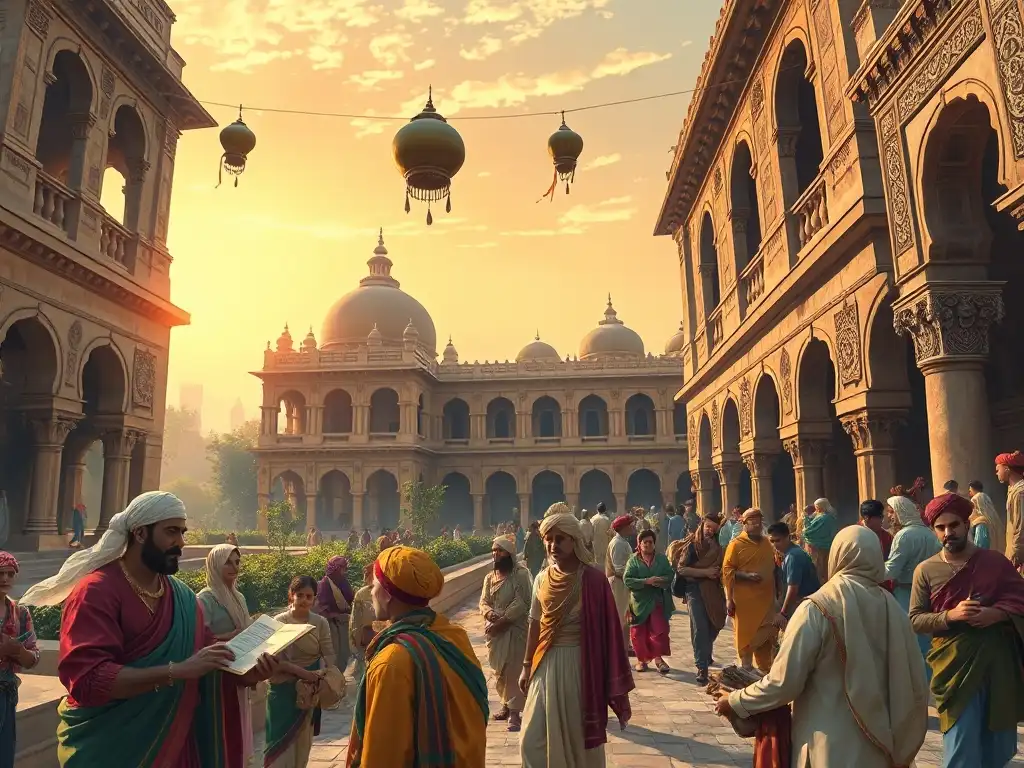
Ancient Indian universities, particularly renowned institutions like Nalanda and Takshashila, were pivotal in establishing and nurturing trade relationships across Asia and beyond. These universities served as melting pots of knowledge, attracting scholars from various regions, including China, Persia, and Greece. The presence of diverse cultures fostered an environment conducive to the exchange of ideas and facilitated international trade relationships that extended beyond mere commerce.
- Educational Diplomacy: The universities acted as centers of diplomatic engagement. Scholars often became ambassadors of their respective regions, sharing knowledge and cultural practices that aided in fostering trust and cooperation among trading partners.
- Curriculum Focused on Trade: Subjects such as economics, commerce, and even maritime navigation were integral parts of the curriculum. This focus equipped students with the skills necessary to engage in trade, leading to the establishment of prosperous trading networks.
Trade Routes Connected to Ancient Indian Universities
Trade routes were essential for the operations of ancient Indian universities. The strategic locations of these institutions along major trade routes contributed significantly to their influence on global trade.
| Trade Route | Connected Regions | Impact on Trade |
|---|---|---|
| Silk Road | Central Asia, Middle East, Europe | Facilitated the exchange of silk, spices, and knowledge. |
| Maritime Trade Route | Southeast Asia, Africa, Arabia | Enhanced trade in textiles and precious stones. |
| Grand Trunk Road | Northern India, connecting to the Northwest | Allowed the flow of goods and ideas between India and the West. |
These routes were not merely conduits for goods; they were also channels for educational exchanges, where students and scholars traveled to and from universities, bringing back knowledge that would influence trade practices globally.
Exchange of Knowledge and Resources
The ancient Indian universities were not only centers for academic learning but also hubs for the exchange of resources that were vital for trade. The curriculum often included practical subjects that were directly applicable to trade activities.
- Resource Management: Students learned about agricultural practices, metallurgy, and textile production, which were crucial for trade. This knowledge allowed for the improvement of local industries, making them more competitive in international markets.
- Language and Communication: Many universities taught multiple languages, enabling students to communicate effectively with foreign traders. This linguistic ability was essential for negotiating trade deals and fostering relationships.
Cross-Cultural Interactions through Education
The interaction among students from diverse backgrounds at ancient Indian universities led to a rich tapestry of cultural exchange. This cross-cultural environment was instrumental in shaping trade practices.
- Innovative Trade Practices: Scholars shared innovative techniques in trade, such as barter systems, currency use, and trade regulation. These practices spread across regions, enhancing trade efficiency.
- Philosophical and Ethical Frameworks: The universities also taught philosophical perspectives on trade and commerce, emphasizing ethical practices and the importance of mutual respect in trade relationships.
The legacy of these ancient Indian universities continues to resonate today, demonstrating how education can play a crucial role in facilitating global trade and fostering international cooperation. The world witnessed the profound impact of "Ancient Indian universities and trade," as they shaped not just local economies but also influenced global trade systems that persist to this day.
Trade Education Curriculum in Ancient Indian Universities

The ancient Indian universities, particularly renowned institutions like Nalanda and Takshashila, played a pivotal role in shaping trade education in India. These universities offered a comprehensive curriculum that encompassed various subjects related to trade, economics, and commerce, emphasizing the importance of preparing students for the practicalities of trade in a rapidly evolving global market.
The curriculum at ancient Indian universities included a diverse array of subjects that were crucial for aspiring traders and merchants. Some of the key subjects included:
- Arthashastra: This foundational text on statecraft and economic policy, attributed to Kautilya (Chanakya), was integral to the study of economics and trade. It offered insights into market regulation, taxation, and economic planning.
- Commerce and Business Management: Courses focused on the intricacies of managing trade operations, supply chain logistics, and the ethical dimensions of commerce.
- Accounting and Mathematics: Practical skills in accounting and mathematics were essential for trade, enabling students to manage finances, calculate profits, and keep accurate records.
- Legal Studies: Understanding the legal frameworks governing trade practices was critical. Courses covered trade laws, contracts, and the resolution of disputes.
- Foreign Languages: Given the extensive trade networks established across regions, proficiency in languages such as Persian, Arabic, and even Greek was encouraged to facilitate communication with foreign traders.
Importance of Practical Knowledge in Trade
The emphasis on practical knowledge in trade education cannot be overstated. Ancient Indian universities recognized that theoretical understanding must be complemented with hands-on experience. This was achieved through:
- Internships and Apprenticeships: Students were often placed in local trading firms or with experienced merchants to gain real-world experience in trade practices.
- Field Visits: Regular excursions to markets and trade fairs provided students with firsthand exposure to the dynamics of commerce.
- Simulated Trading Exercises: Students engaged in role-playing scenarios that mimicked trading environments, allowing them to apply their theoretical knowledge in practical contexts.
The holistic approach ensured that graduates were not only knowledgeable in theory but also skilled in practical applications, making them valuable assets in the burgeoning trade economy.
Pedagogical Methods Used in Ancient Universities
The pedagogical methods employed in ancient Indian universities were innovative and effective, fostering an environment conducive to learning and intellectual growth.
Role of Discussion and Debate in Learning
Discussion and debate played a central role in the educational framework of ancient Indian universities. This approach involved:
- Socratic Method: Instructors encouraged students to engage in dialogues, fostering critical thinking and analytical skills. This method allowed students to explore various viewpoints and develop well-rounded perspectives.
- Public Debates: Regularly organized debates on trade-related topics encouraged students to articulate their thoughts, defend their positions, and challenge each other's ideas. This practice not only enhanced their understanding of trade concepts but also honed their oratory skills.
- Collaborative Learning: Group discussions and collaborative projects promoted teamwork and the sharing of diverse knowledge, reflecting the interconnectedness of trade networks.
The integration of these methods ensured that students were well-prepared to navigate the complexities of trade and commerce in both local and international contexts. Through these dynamic learning experiences, ancient Indian universities significantly contributed to the advancement of trade education, laying a foundation for future generations of merchants and traders.
Historical Context of Trade Education in Ancient India
Trade and Economic Prosperity in Ancient India
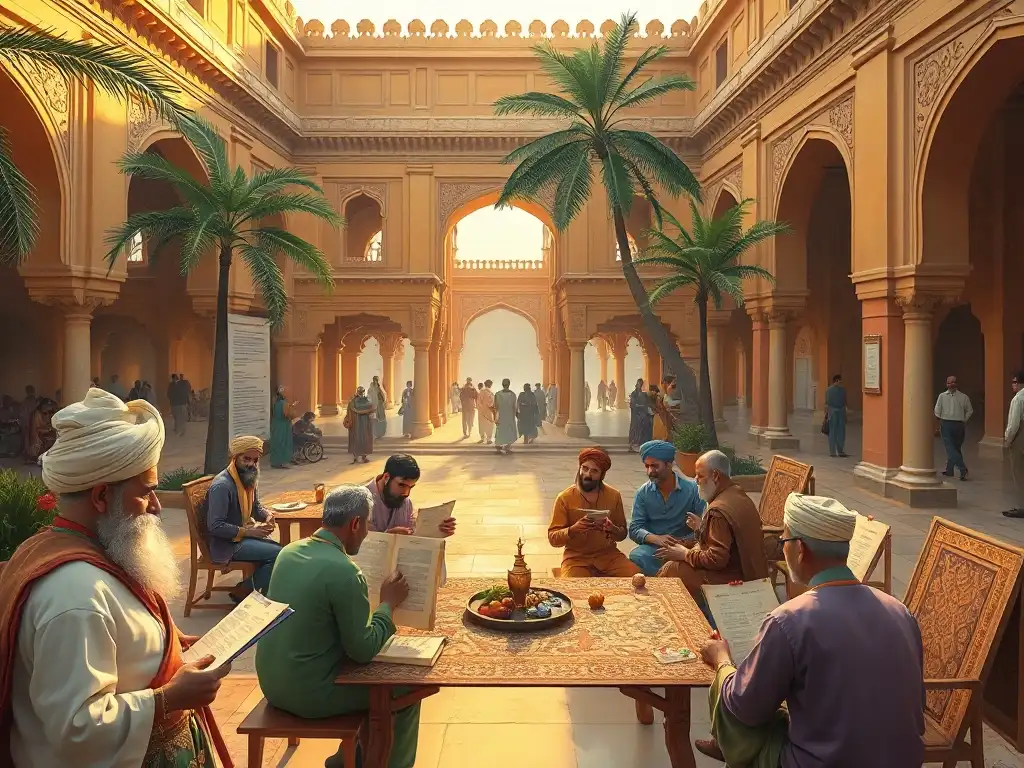
Ancient India was a hub of trade and commerce, with a well-established network that connected it to various regions across Asia, Europe, and Africa. The prosperity of the Indian economy during ancient times was largely attributed to its flourishing trade routes, such as the Silk Road and the Maritime Spice Route. These trade channels facilitated not only the exchange of goods but also ideas and cultural practices.
Key commodities traded included:
- Spices: India was renowned for its spices, particularly black pepper, cardamom, and cinnamon, which attracted merchants from far and wide.
- Textiles: Indian textiles, especially cotton and silk, were highly sought after; the art of weaving and dyeing was well-developed, leading to intricate patterns and vibrant colors.
- Metals and Gems: Gold, silver, and precious stones were abundant and formed a significant part of trade, contributing to wealth accumulation.
The economic prosperity fostered by trade created a demand for skilled professionals who could manage commercial transactions, navigate trade routes, and maintain accounting records. This need led to the establishment of educational institutions, such as the ancient Indian universities, which focused on imparting knowledge related to trade, governance, and administration.
Economically, cities like Taxila and Ujjain became pivotal centers for learning and trade, where merchants and students would gather to exchange knowledge about market practices and trade policies. The combination of economic prosperity and educational advancement firmly positioned India as a leader in ancient global trade.
Influence of Religion and Philosophy on Trade Education
The philosophical and religious landscape of ancient India significantly influenced the approach to trade education. The teachings of various religions, including Hinduism, Buddhism, and Jainism, emphasized ethical practices, moral responsibility, and the importance of knowledge, which found its way into the realm of commerce and trade.
- Hinduism: The Vedic texts and later Hindu scriptures laid down ethical guidelines for commerce, including principles of honesty and fairness in trade. The concept of Dharma (moral duty) played a crucial role in shaping the business ethics of traders. The importance of Artha (wealth) was also highlighted in the Arthashastra, an ancient treatise by Kautilya that provided insights into economics, statecraft, and trade.
- Buddhism: The rise of Buddhism brought a focus on community welfare and social responsibility. Buddhist teachings encouraged traders to engage in fair practices and to consider the welfare of others. This influenced trade education, promoting values such as moderation and compassion in business dealings.
- Jainism: Jain philosophy, with its emphasis on non-violence ( Ahimsa) and truthfulness, also played a part in shaping trade ethics. Jains became prominent merchants and their business practices often reflected these principles, leading to a unique approach to trade education that prioritized ethical standards.
In ancient Indian universities, such as Nalanda and Vikramashila, students not only learned about trade techniques but also absorbed these philosophical teachings, creating a well-rounded educational foundation. The integration of trade education with religious and philosophical principles helped ensure that commerce was conducted ethically, thereby fostering a sustainable economic environment.
The interconnection between trade, education, and philosophy in ancient India laid the groundwork for future economic systems and continues to influence modern trade practices. The legacy of these ancient institutions remains evident today, as they contributed significantly to the global understanding of commerce and ethical business practices.
Legacy of Ancient Indian Universities in Modern Trade Education

Ancient Indian universities, particularly renowned institutions like Nalanda and Takshashila, laid the groundwork for educational systems that emphasized trade, commerce, and economic principles. These universities served as pivotal centers for learning during their time, attracting scholars from across Asia and beyond. Their curriculum not only encompassed religious and philosophical teachings but also included practical subjects such as mathematics, economics, and trade practices, which were essential for the thriving commercial landscape of ancient India.
Impact on Contemporary Educational Systems
The influence of ancient Indian universities on modern educational systems is profound. They introduced structured curricula that emphasized analytical thinking, practical application, and interdisciplinary studies. Here are some key impacts:
- Curriculum Development: Ancient universities emphasized subjects like commerce, finance, and trade, which are now integral to modern business schools. For instance, the study of economics can trace its roots back to the teachings in institutions like Nalanda, where principles of trade and market dynamics were explored.
- Pedagogical Methods: The teaching methodologies employed in ancient institutions, such as debates, discussions, and practical demonstrations, still resonate in contemporary educational practices. Modern universities often adopt similar interactive methods to encourage critical thinking among students.
- Global Perspective on Trade: Ancient Indian universities attracted scholars from various regions, fostering a global exchange of ideas. This tradition continues today, as educational institutions strive to create diverse environments that reflect a globalized economy.
- Research and Innovation: The emphasis on inquiry and research in ancient universities has evolved into the modern emphasis on research-based learning. Current educational systems encourage students to engage in innovative projects that can lead to advancements in trade and commerce.
Preservation of Ancient Knowledge in Modern Curricula
The preservation of knowledge from ancient Indian universities is vital in the context of trade education today. Many modern curricula strive to incorporate this rich history into their framework, ensuring that valuable insights from the past inform present and future practices. Key aspects include:
- Integration of Ancient Texts: Texts such as Kautilya's Arthashastra, which provides a comprehensive view of administrative and economic governance, are studied in modern business courses. Understanding these texts helps students grasp foundational principles of trade and economics that are still relevant.
- Cultural Context in Trade Education: Modern educational institutions increasingly recognize the importance of cultural heritage in understanding trade dynamics. Courses often include discussions on the historical trade routes of the Silk Road and the Indian Ocean, highlighting the role of ancient Indian traders in global commerce.
- Workshops and Seminars: Some universities host workshops and seminars focused on ancient trade practices, allowing students to explore how historical knowledge can be applied to current trade scenarios. This approach not only enriches the curriculum but also promotes a deeper understanding of the historical context of modern trade.
- Collaborative Research: Recent initiatives have emerged that encourage collaboration between modern universities and historical research institutions to create programs that delve into ancient trade practices, thus preserving and disseminating this knowledge for future generations.
The legacy of ancient Indian universities continues to shape modern trade education. By integrating ancient knowledge into contemporary curricula, educational institutions not only honor this rich heritage but also equip students with the insights needed to navigate today's complex global trade landscape.
Conclusion: The Lasting Influence of Ancient Indian Universities on Global Trade Education

Summary of Key Contributions
Ancient Indian universities, particularly renowned institutions like Nalanda and Takshashila, played a pivotal role in shaping the educational landscape not only in India but also across the globe. These centers of learning were instrumental in the dissemination of knowledge, especially in trade and commerce, which had profound implications on global trade practices.
- Curriculum Diversity: The universities offered a wide-ranging curriculum that included subjects like mathematics, astronomy, philosophy, and economics. This diverse educational offering equipped students with essential skills for trade, fostering a generation of well-rounded traders and merchants.
- Trade Networks: Ancient Indian universities served as hubs for trade education, attracting students from various regions, including Central Asia, the Middle East, and Southeast Asia. This influx facilitated cross-cultural exchanges of ideas and practices, significantly impacting ancient trade routes.
- Innovative Practices: The educational systems in these universities emphasized practical knowledge and real-world applications. Students were trained in the intricacies of barter systems, currency exchange, and market dynamics, which were vital for thriving in the complex world of ancient commerce.
- Cultural Exchange: The cosmopolitan nature of these universities fostered an environment where ideas were exchanged freely. This cultural melting pot contributed to advancements in trade methodologies and practices, influencing trade across continents.
- Philosophical Underpinnings: The philosophical teachings prevalent in these institutions instilled a sense of ethics and responsibility in trade practices, ensuring that commerce was conducted with integrity and fairness.
Future Perspectives on Ancient Trade Education
The legacy of ancient Indian universities continues to resonate in modern educational paradigms, particularly in trade education. As global trade becomes increasingly complex and interconnected, there is a renewed interest in the principles established by these ancient institutions.
- Integration of Traditional Knowledge: Modern educational frameworks can benefit significantly from integrating traditional trade knowledge with contemporary practices. This hybrid approach can provide students with a more comprehensive understanding of trade dynamics.
- Global Collaborations: As universities worldwide seek to establish international partnerships, the ancient Indian model of attracting diverse student populations can serve as a blueprint for fostering global collaboration in trade education.
- Sustainable Practices: There is a growing emphasis on sustainability in trade today. Ancient Indian universities emphasized ethical trade practices, and revisiting these principles could help inform sustainable trade policies moving forward.
- Technological Advancements: With the rise of technology in trade, there is potential for ancient trade education methodologies to adapt to modern tools and platforms, creating new avenues for learning and implementation.
The impact of ancient Indian universities on global trade education is profound and multifaceted. Their contributions not only shaped the trade practices of their time but continue to influence modern educational systems and trade methodologies today. The enduring legacy of these institutions underscores the importance of integrating historical wisdom with contemporary practices to foster a more sustainable and equitable global trade environment.
Frequently Asked Questions
What were the major ancient Indian universities?
Ancient India was home to several renowned universities, including Nalanda, Taxila, and Vikramshila, which attracted students from various parts of the world.
How did ancient Indian universities contribute to trade education?
These universities played a crucial role in educating traders about commerce, economics, and international trade practices, fostering a global trade network.
What subjects were taught at ancient Indian universities?
Students studied a wide range of subjects such as mathematics, astronomy, medicine, and philosophy, which were essential for successful trade and commerce.
How did the location of these universities influence trade?
The strategic locations of ancient Indian universities near trade routes facilitated the exchange of knowledge and ideas, enhancing cultural and economic interactions.
What is the legacy of ancient Indian universities today?
The legacy includes the emphasis on higher education and the foundational principles of curriculum and scholarship that continue to influence modern universities globally.
Final Reflection: The Enduring Legacy of Ancient Indian Universities in Trade Education
The profound impact of ancient Indian universities on global trade education remains remarkably relevant today. As we navigate an increasingly interconnected world, the foundational principles and knowledge systems established by these institutions continue to shape modern educational frameworks and trade practices. The wisdom and methodologies developed centuries ago serve as a guiding light for contemporary scholars and practitioners alike, reminding us that the roots of our current systems are deeply embedded in history.
The influence of ancient Indian universities transcends geographical boundaries and cultural divides. Their commitment to knowledge, innovation, and the exchange of ideas has fostered a rich tapestry of learning that resonates in today's global economy. As we reflect on this legacy, we are reminded of the words of Mahatma Gandhi: Live as if you were to die tomorrow. Learn as if you were to live forever.
This quote encapsulates the spirit of lifelong learning that these ancient institutions championed, emphasizing the importance of education in shaping our understanding of trade and commerce.
As we look to the future, let us embrace the lessons from ancient Indian universities and their approach to trade education. I invite you to reflect on how you can integrate these timeless principles into your own life and work. Whether through fostering collaboration, valuing diverse perspectives, or committing to continuous learning, we all have the power to contribute to a more informed and equitable global trade landscape. Together, let us honor the legacy of these ancient institutions by cultivating a culture of knowledge that transcends time and borders.
Unveil the Wisdom of Ancient Learning!
Thank you for exploring the rich history of Ancient Indian universities and their profound impact on global trade education. You’ve uncovered valuable insights that reveal how these institutions shaped not only local economies but also established connections between cultures and commerce. Now, it’s time to take action and continue your journey of discovery!
Here are a few steps to enrich your understanding:
- Explore further! Visit ancientindiahistory.com to access more articles about the educational systems of ancient civilizations and discover their lasting influence on modern educational strategies.
- Share your newfound knowledge! Discuss the fascinating connections between trade and education with friends or on social media, inspiring others to appreciate the legacy of ancient learning.
- Engage with our community! Join forums and discussions on our site to share your thoughts and delve deeper into the topics you are passionate about.
What aspect of Ancient Indian universities intrigues you the most, and how do you think their teachings could be applied to today’s global education systems?