
Silk and Spice: The Trade Routes That Shaped India's Textile Industry

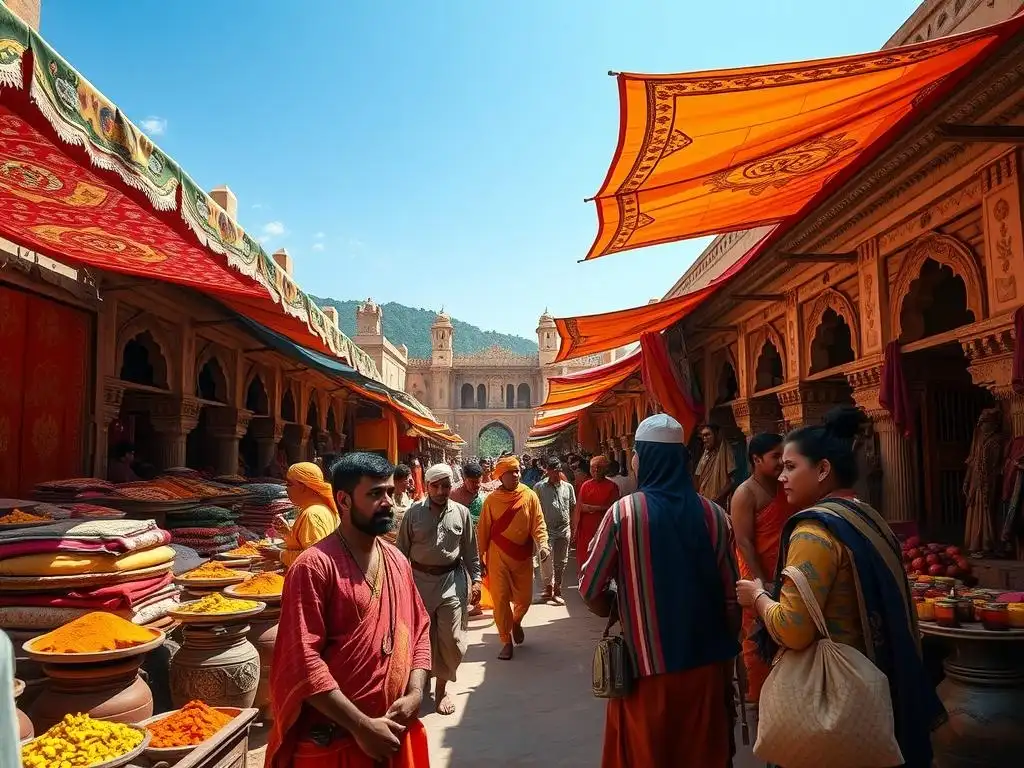
Welcome to Ancient India History, where we embark on a fascinating journey through the vibrant tapestry of ancient Indian civilizations. In our featured article, “Silk and Spice: The Trade Routes That Shaped India's Textile Industry,” we delve into the intricate web of ancient Indian trade routes history that not only facilitated the exchange of goods but also enriched cultures and transformed societies. Discover how these pathways of commerce influenced the textile industry and left an indelible mark on the world. Ready to unravel the secrets of India's past? Let your exploration begin!
- Introduction to Ancient Indian Trade Routes History
- Historical Context of Ancient Indian Trade Routes
- Major Trade Routes Influencing India’s Textile Industry
- Impact of Trade on Traditional Indian Textiles
- Notable Textiles Developed Through Trade
- The Role of Merchants and Guilds in Trade
- Modern Reflections of Ancient Trade Routes in Textiles
- Conclusion: The Lasting Legacy of Ancient Indian Trade Routes
- Recommended Resources for Further Exploration
- Frequently Asked Questions
- Final Reflection: The Enduring Legacy of Ancient Trade Routes
- Unveil the Rich Heritage of Indian Textiles!
Introduction to Ancient Indian Trade Routes History
The history of ancient Indian trade routes is a fascinating tapestry that interweaves geography, culture, and commerce. As one of the earliest civilizations to engage in trade, India developed a complex network of routes that facilitated the exchange of goods, ideas, and cultural practices. From the bustling markets of the Indus Valley Civilization to the flourishing trade during the Gupta Empire, these routes significantly contributed to the evolution of India's textile industry.
The movement of silk and spices through these corridors not only enriched local economies but also fostered intercultural connections that would leave a lasting legacy on the fabric of Indian society. This article delves into the intricacies of these trade routes, exploring their impact on textile development and the broader implications they had on ancient Indian civilization.
Overview of Trade Routes in Ancient India
Ancient India was crisscrossed by numerous trade routes that connected it to various regions, including the Middle East, Central Asia, and Southeast Asia. Among these, the most notable routes included:
-
The Silk Road:
A network of trade paths that linked India with China and the Mediterranean, facilitating the exchange of luxury goods like silk, spices, and textiles.
-
The Spice Route:
This route connected India with the Arabian Peninsula, East Africa, and beyond, allowing the movement of spices such as pepper, cardamom, and cinnamon.
-
Maritime Trade Routes:
With a vast coastline, ancient Indian ports such as Lothal and Kochi served as key hubs for maritime trade, linking India to distant lands like Rome and Egypt.
The intersection of these trade routes enabled not only the exchange of commodities but also the flow of cultural influences, technological innovations, and artistic expressions. The impact of these routes was profound, as they played a critical role in shaping the socio-economic landscape of ancient India.
Significance of Trade in Shaping Textile Development
The trade routes of ancient India were instrumental in the growth and diversification of its textile industry. Several key factors highlight their significance:
-
Access to Raw Materials:
Trade routes facilitated access to a variety of raw materials essential for textile production, including cotton, wool, and silk. Regions like Gujarat became renowned for their cotton textiles, while the eastern states excelled in silk production.
-
Cultural Exchange and Innovation:
Interaction with traders from different cultures led to the introduction of new techniques, patterns, and designs in textile crafting. This cultural infusion enriched the traditional textile practices of India, giving rise to unique styles and methods.
-
Economic Prosperity:
The flourishing trade in textiles created job opportunities and stimulated local economies. Artisans and weavers benefitted from the demand for their products, leading to the establishment of trading communities and guilds that specialized in textile production.
-
Global Influence:
Indian textiles gained immense popularity in international markets, making their way to destinations as far as Persia and Europe. This global demand not only enhanced India's prestige in the world market but also solidified its position as a key player in the global textile trade.
The ancient Indian trade routes were more than mere pathways for goods; they were vital conduits for cultural exchange and economic development, laying the foundation for a rich textile heritage that continues to influence contemporary fashion and textile practices in India today.
Historical Context of Ancient Indian Trade Routes
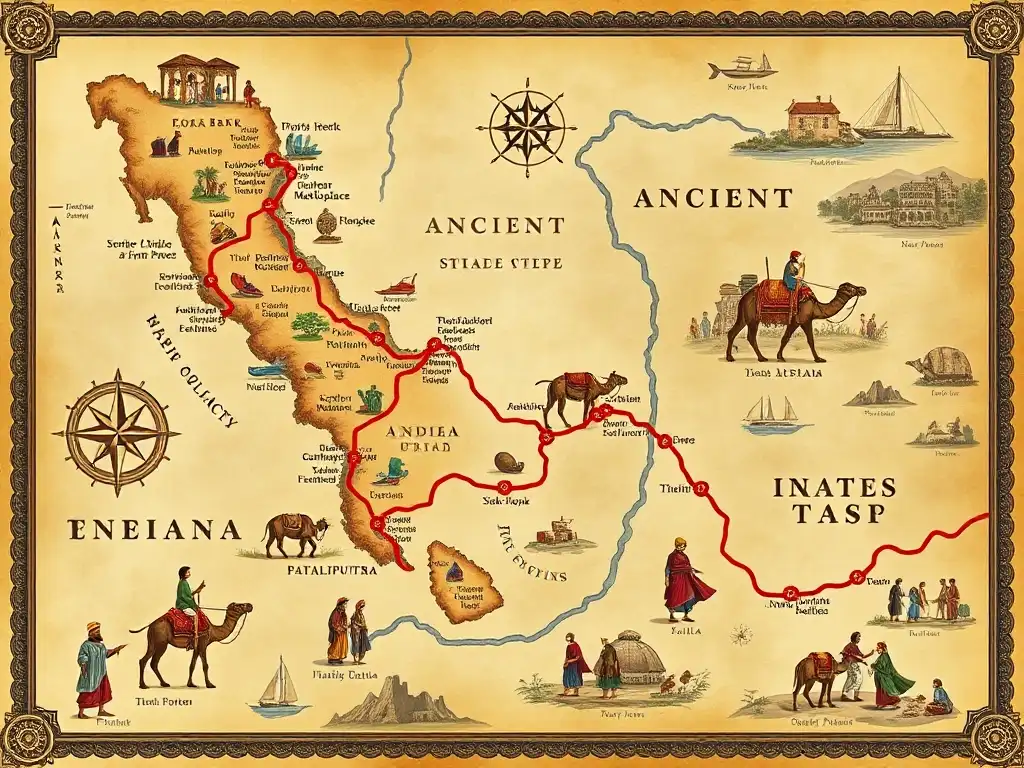
The Indus Valley Civilization and Its Trade Networks
The Indus Valley Civilization, which thrived between approximately 3300 and 1300 BCE, is one of the earliest urban cultures in the world. This civilization was marked by its advanced city planning, architecture, and a well-developed trade network that extended both inland and overseas.
The cities of Harappa and Mohenjo-Daro served as major trade hubs, facilitating the exchange of goods such as cotton textiles, pottery, and metalwork. The Indus traders utilized a network of rivers, notably the Indus River and its tributaries, which provided efficient transportation routes for goods. Evidence suggests that they traded with neighboring regions, including Mesopotamia, where seals and commodities such as lapis lazuli and copper have been found in archaeological sites.
Trade Goods and Methods
- Textiles: The cultivation of cotton in the Indus Valley led to the production of high-quality textiles, making the region a significant player in ancient textile trade.
- Metals: Copper and bronze tools were exchanged with regions like Mesopotamia and Persia, showcasing the technological prowess of the Indus Valley.
- Seals and Weights: The use of standardized weights and engraved seals facilitated trade, indicating a sophisticated understanding of commerce.
The trade practices were not only economic but also cultural, as they enabled the exchange of ideas and technologies across regions, laying the groundwork for future civilizations.
The Mauryan Empire: Expansion of Trade Routes
Emerging in the 4th century BCE, the Mauryan Empire marked a significant expansion of ancient Indian trade routes. Under the reign of Emperor Ashoka, the empire reached its zenith, fostering trade relationships that extended across Asia and beyond.
The Mauryan Empire's strategic location allowed it to connect the eastern and western trade routes, facilitating the exchange of spices, textiles, and luxury goods. The establishment of the Royal Road and the development of maritime routes through the Indian Ocean enhanced trade efficiency and security.
Key Features of Mauryan Trade
- Silk and Spices: The Mauryan Empire became known for its production of silk and spices, which were highly sought after in international markets.
- Market Regulation: The government implemented regulations to standardize weights and measures, ensuring fair trade practices and boosting consumer confidence.
- Cultural Exchange: Trade routes facilitated not only economic transactions but also cultural exchanges, introducing Buddhism and other religions to new regions.
The Mauryan era represents a pivotal moment in ancient Indian trade routes history, as it laid the foundation for subsequent empires to build upon these extensive networks.
The Gupta Empire: A Flourishing Trade Era
The Gupta Empire, often referred to as the Golden Age of India (approximately 320 to 550 CE), witnessed remarkable advancements in trade, culture, and science. During this period, trade routes flourished, connecting India with Central Asia, the Middle East, and Southeast Asia.
One of the most notable aspects of Gupta trade was the introduction of coinage, which facilitated commerce and allowed for the expansion of markets. The Gupta merchants were active participants in the Silk Road, exchanging textiles, spices, and precious stones for silk, gold, and other valuable commodities.
Trade Dynamics Under the Gupta Empire
- Textile Production: The Gupta period saw the refinement of textile techniques, leading to the production of intricately woven fabrics, such as silk and fine cotton, which became highly sought after in global markets.
- Maritime Trade: The establishment of ports along the western coast, such as Bharukachchha (modern-day Bharuch), enhanced maritime trade, allowing for direct exchanges with traders from Roman and Persian empires.
- Cultural Impact: The prosperity of trade during this era fostered cultural exchanges, contributing to advancements in art, science, and literature, which remain influential in Indian heritage.
The Gupta Empire's trade networks not only solidified India's position in global commerce but also played a crucial role in the dissemination of Indian culture and textiles, echoing the rich legacy of ancient Indian trade routes history.
Major Trade Routes Influencing India’s Textile Industry
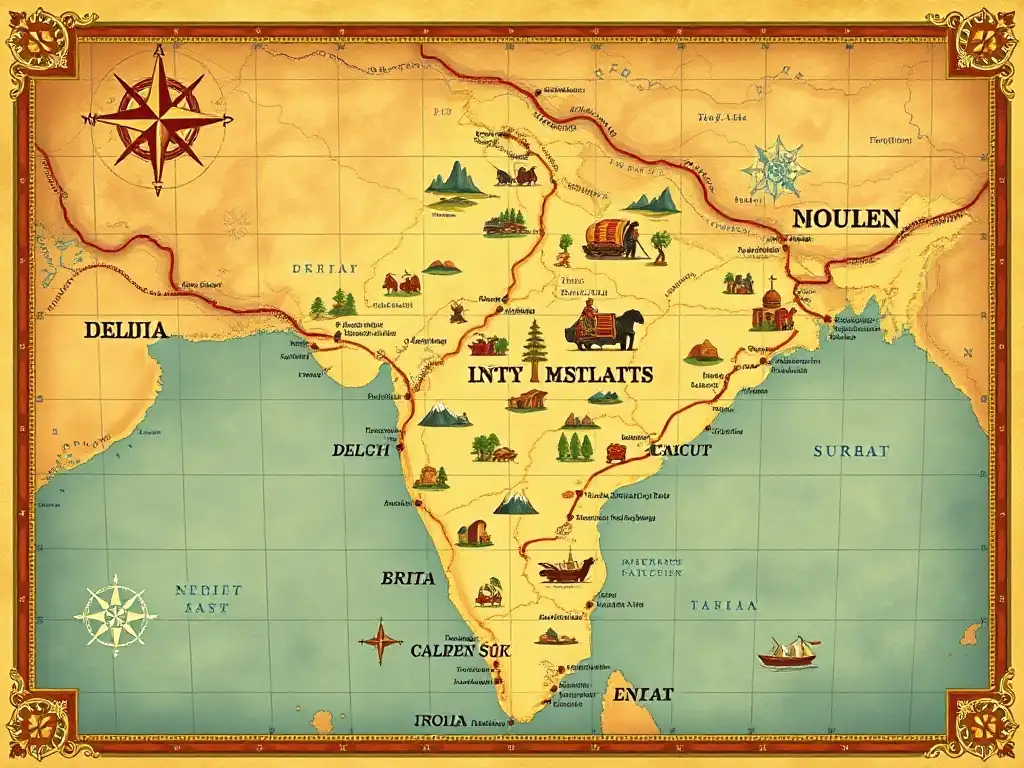
The textile industry of ancient India was significantly shaped by various trade routes that facilitated the exchange of goods, culture, and ideas. These routes not only connected India to distant lands but also played a crucial role in the evolution of its textile practices. Below, we explore the major trade routes that influenced the development of India's rich textile heritage.
The Silk Road: Connecting India to the World
The Silk Road was a network of trade routes established during the Han Dynasty of China around 130 BCE. It connected the East and West, reaching from China through Central Asia to the Mediterranean. This extensive network had a profound impact on India's textile industry, particularly in the exchange of silk and cotton.
- Key Contributions:
- Silk Exchange: Indian merchants were heavily involved in the silk trade, exporting luxurious silk fabrics to various regions, including Persia and Europe. The demand for Indian silk increased due to its exquisite quality and vibrant colors.
- Cultural Exchange: The Silk Road facilitated the exchange of artistic styles and techniques. For example, motifs and patterns from Central Asia began to appear in Indian textiles, enriching local craftsmanship.
- Technological Advancements: Exposure to foreign weaving techniques, such as brocade and embroidery, influenced Indian artisans, leading to the creation of intricate designs that became synonymous with Indian textiles.
The following table outlines the key features of the Silk Road's influence on India's textile industry:
| Feature | Impact on Indian Textiles |
|---|---|
| Goods Traded | Silk, cotton, spices, and precious stones |
| Merchants Involved | Indian, Persian, Arabian, and Chinese traders |
| Cultural Exchange | Introduction of new patterns and motifs |
| Technological Influence | Adoption of foreign weaving and dyeing techniques |
The Spice Route: The Journey of Spices and Textiles
The Spice Route, which emerged around the 1st century CE, was a network of maritime paths connecting India with the Middle East, Europe, and Southeast Asia. This route was crucial for the trade of spices such as pepper, cardamom, and cloves, which were highly sought after in international markets.
- Textile Trade Synergy: Alongside spices, textiles were often traded, with Indian cotton and silk fabrics being particularly popular. The combination of spices and textiles became a hallmark of trade in this region.
- Economic Impact: The lucrative nature of spice trading led to the establishment of trading ports along the western coast of India, such as Calicut and Cochin, which became bustling centers for the textile industry.
- Cultural Interactions: The Spice Route facilitated the arrival of foreign influences, leading to the blend of various textile traditions. For instance, Indian textiles began to incorporate Persian designs, which enriched the local textile production.
A further breakdown of the Spice Route's influence is illustrated below:
- Major Spices Traded:
- Black pepper
- Cinnamon
- Cloves
- Cardamom
- Textile Varieties:
- Cotton dhotis
- Silk sarees
- Printed fabrics
Maritime Trade Routes: Ports of Call in Ancient India
Ancient India's maritime trade routes played a vital role in connecting the Indian subcontinent with various regions across the seas. These routes facilitated the exchange of textiles, spices, and other goods, prominently featuring Indian craftsmanship.
- Key Ports:
- Lothal: An ancient port city in Gujarat, known for its dockyards and trade links with Mesopotamia.
- Kaveripattinam: A bustling port that connected Southern India with Southeast Asia.
- Sutrapada: Another significant port that facilitated trade with the Roman Empire and beyond.
- Trade Dynamics:
- Indian textiles were exported widely via maritime routes, with particular emphasis on cotton and silk products. The demand for these textiles was high in markets such as Rome and the Middle East.
- The exchange of goods often involved barter systems, where textiles would be traded for metals, spices, and other commodities.
- Cultural Exchange: Maritime trade routes also allowed for the movement of people, leading to cultural exchanges that enriched Indian textile traditions. Techniques from various regions influenced local artisans, resulting in a diverse array of textiles.
The influence of maritime trade routes is summarized in the following list:
- Major Exports:
- Cotton and silk fabrics
- Dyed textiles
- Embroidered materials
- Cultural Influences:
- Adoption of foreign dyeing techniques
- Introduction of new weaving patterns
The ancient Indian trade routes, including the Silk Road, Spice Route, and various maritime paths, were instrumental in shaping the textile industry of India. These routes not only facilitated trade but also fostered cultural exchanges that enriched the diverse textile heritage we celebrate today.
Impact of Trade on Traditional Indian Textiles
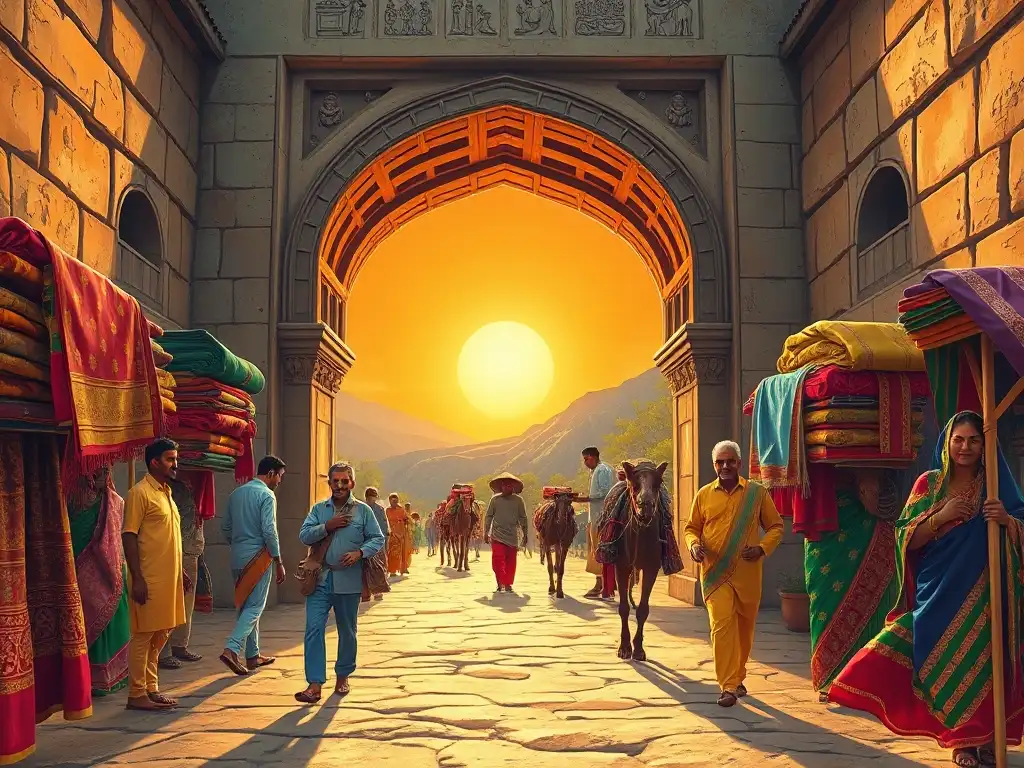
The trade routes of ancient India were not just conduits for the exchange of goods; they were also vital channels for cultural, technological, and artistic interactions. The flourishing trade networks, including the famous Silk Route and maritime routes, significantly impacted the evolution of traditional Indian textiles. This section explores how these trade exchanges influenced the materials, techniques, and aesthetics of Indian textiles.
Cotton and Silk: The Backbone of Indian Textiles
The textile industry in ancient India revolved around two primary fibers: cotton and silk. Each of these fibers played a significant role in shaping the landscape of Indian textiles, influenced heavily by trade.
The Role of Cotton in Ancient Indian Trade
Cotton, cultivated in the fertile plains of the Indus Valley, became one of the earliest and most significant exports from India. Archaeological findings suggest that cotton was spun into thread and woven into fabric as far back as 3000 BCE in this region. The trade of cotton textiles expanded through various routes, reaching markets in Persia, the Mediterranean, and even as far as China.
- Key Features of Cotton Textiles:
- Lightweight and breathable, making it ideal for the Indian climate.
- Versatile in dyeing and printing techniques, which allowed for elaborate designs.
- Major centers of cotton production included Gujarat and Bengal, renowned for their unique patterns and quality.
The trade of cotton textiles not only brought wealth but also served as a medium for cultural expression and innovation.
The Influence of Silk on Indian Weaving Techniques
Silk, often regarded as a luxurious material, entered India through trade with China. The introduction of silk led to the development of intricate weaving techniques, influencing regional styles such as Banarasi, Kanchipuram, and Chanderi.
- Silk Trade Dynamics:
- Indian silk was highly sought after, leading to the establishment of trade routes specifically for silk.
- Innovations in weaving techniques, such as the use of brocade, emerged from the interplay of local artisans and foreign influences.
The impact of silk on Indian textiles extends beyond mere aesthetics; it also fostered the rise of craftsmanship, as artisans adapted techniques from various cultures, creating a unique Indian identity in silk weaving.
Dyes and Fabrics: Cultural Exchange Through Trade
The exchange of textiles was accompanied by the sharing of dyeing techniques and fabric types, enriching the cultural tapestry of ancient India. Through trade, India not only exported textiles but also absorbed diverse influences that transformed its textile heritage.
Natural Dyes and Their Importance in Textile Production
Trade routes facilitated the exchange of natural dye materials, such as indigo, turmeric, and madder, essential for coloring textiles. These dyes not only added vibrancy but also played a crucial role in the symbolism and cultural significance of fabrics.
- Significance of Natural Dyes:
- Eco-friendly and sustainable, aligning with ancient practices.
- Varied hues derived from local plants and minerals contributed to regional identities.
- The use of specific dyes often indicated social status or regional affiliation.
The vibrant colors of Indian textiles were a reflection of the land's rich biodiversity and the skill of its artisans.
Fabrics from Different Regions: A Tapestry of Diversity
The rich diversity of fabrics produced across different regions of India is a direct result of trade interactions. Each region developed its unique textile styles, influenced by local resources, climatic conditions, and cultural practices.
- Regional Fabric Highlights:
- Gujarat: Renowned for its bandhani (tie-dye) and mirror work.
- Maharashtra: Known for Paithani saris, featuring intricate borders and motifs.
- Bengal: Celebrated for its muslin, a fine cotton fabric that was prized in international markets.
The convergence of various fabrics and techniques through trade created a tapestry of diversity, making Indian textiles a symbol of cultural richness and artistic expression.
By examining the impact of ancient Indian trade routes on textiles, it becomes clear that these interactions were pivotal in shaping the vibrant textile industry that we recognize today. The legacy of these trade exchanges continues to influence contemporary textile practices in India.
Notable Textiles Developed Through Trade
The ancient Indian trade routes played a crucial role in the development and dissemination of various textiles that not only represented the rich cultural heritage of India but also established the country as a significant player in global trade. These textiles, often characterized by intricate designs and superior craftsmanship, were influenced by the diverse interactions facilitated by these routes. Below, we explore some of the most notable textiles that emerged from this vibrant trade landscape.
Banarasi Silk: A Legacy of Luxury
Banarasi silk, hailing from the city of Varanasi, is one of the most luxurious textiles in India, renowned for its opulent fabric and intricate designs. This exquisite silk is often adorned with motifs inspired by Mughal artistry, including floral patterns and intricate brocade work.
- Historical Significance: The origins of Banarasi silk date back to ancient times, with references found as early as the 12th century. The trade routes connecting India to Persia and beyond facilitated not only the exchange of goods but also the sharing of artistic styles, which significantly influenced Banarasi textile designs.
- Weaving Techniques: The weaving of Banarasi silk involves a complex process that requires skilled artisans. The traditional method employs a handloom, where the weaver intricately combines silk threads with gold and silver zari to create stunning patterns.
- Symbol of Status: Historically, Banarasi silk sarees have been considered a symbol of wealth and status. They are often worn during significant occasions, such as weddings and festivals, making them a staple in Indian ceremonial attire.
Kanchipuram Sarees: Weaving Traditions and Techniques
Kanchipuram sarees, originating from the town of Kanchipuram in Tamil Nadu, are celebrated for their vibrant colors and contrasting borders. These sarees are crafted from pure silk and are known for their durability and grandeur.
- Cultural Heritage: Kanchipuram sarees have deep cultural roots, often associated with South Indian weddings. The sarees are typically woven using techniques that have been passed down through generations, reflecting the traditional practices of local weavers.
- Trade Influences: The bustling trade routes of ancient India allowed for the influx of various silk varieties and dyeing techniques, enriching the Kanchipuram weaving tradition. The incorporation of motifs influenced by temple architecture and nature illustrates the blend of local craftsmanship with the wider trade influences.
- Artistry in Weaving: Each Kanchipuram saree is a masterpiece, often taking several days to complete. The meticulous weaving process results in a fabric that is not only visually stunning but also stands the test of time, making it a cherished heirloom.
Kalamkari: The Art of Hand-Painted Textiles
Kalamkari is a traditional Indian textile art that involves hand-painting or block-printing on fabric, showcasing intricate designs and vibrant colors. This textile form has its roots in ancient Indian culture and trade.
- Historical Context: Historically, Kalamkari was practiced in Andhra Pradesh and Gujarat, with its significance linked to ancient trade routes that facilitated cultural exchanges. The art form often depicts mythological narratives, religious themes, and nature, reflecting the rich storytelling tradition of India.
- Techniques and Materials: The process of creating Kalamkari textiles involves several steps, including dyeing, sketching, and painting, often using natural dyes made from plants. This meticulous process requires a high level of skill and patience, resulting in unique, one-of-a-kind pieces.
- Market Demand: With the rise of global interest in sustainable and artisanal textiles, Kalamkari has gained popularity beyond Indian borders. Its unique aesthetic and cultural significance make it a sought-after item in both domestic and international markets.
The exploration of these textiles not only highlights the craftsmanship of ancient Indian weavers but also underscores the significance of trade routes in shaping the textile industry. Through centuries of exchange, these textiles have contributed to India’s rich tapestry of culture and heritage, continuing to influence contemporary fashion.
The Role of Merchants and Guilds in Trade
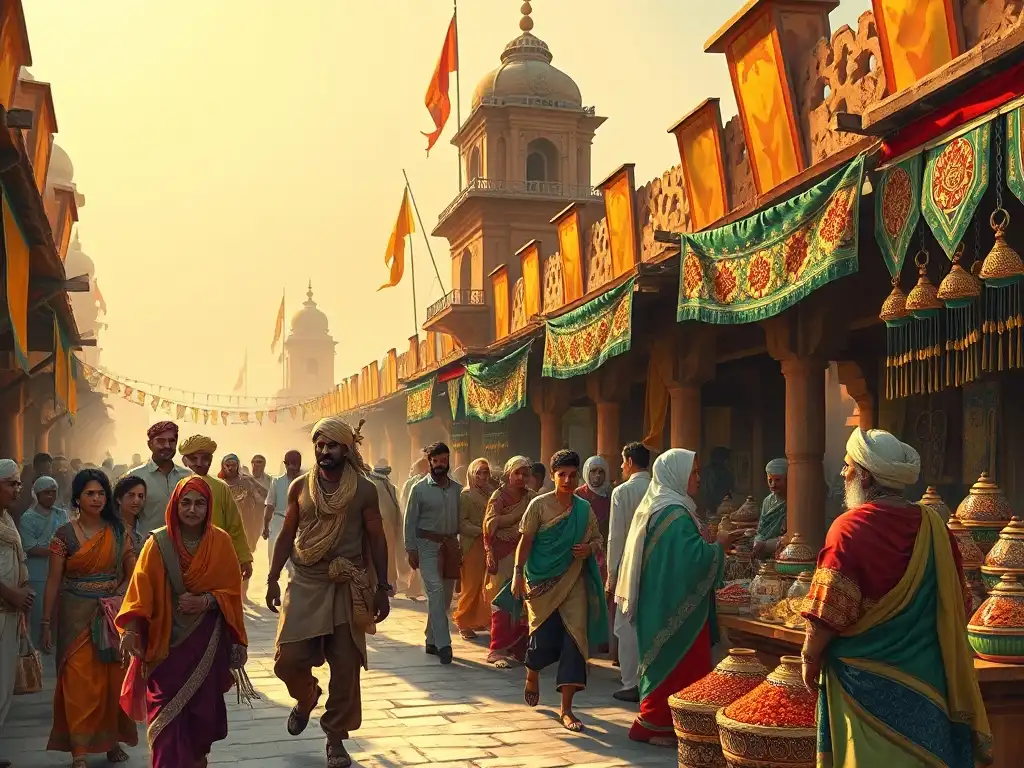
The intricate network of trade routes that flourished in ancient India was significantly influenced by merchants and trade guilds. These entities not only facilitated the exchange of goods but also played a crucial role in the development of the textile industry. The active participation of merchants and guilds contributed to the socio-economic fabric of ancient societies, ensuring the prosperity of textiles such as silk, cotton, and wool.
Prominent Merchant Communities in Ancient India
Ancient India was home to several prominent merchant communities that thrived along its trade routes. Among these, the Shresthis and Vaishyas stand out for their contributions to commerce:
- Shresthis: This community was primarily involved in trade and banking. They often acted as intermediaries in trade transactions, connecting local producers with distant markets. Shresthis were known for their wealth and influence, which they utilized to fund various textile enterprises.
- Vaishyas: As one of the three main varnas in Hindu society, the Vaishyas were primarily merchants and landowners. They engaged in the trade of textiles, spices, and other commodities, facilitating the flow of goods across regions.
Additionally, specific regions became known for their merchant activities:
- Surat: Renowned for its textile trade, Surat attracted merchants from various parts of the world, particularly during the Mughal era.
- Cambay: A bustling port city, Cambay served as a critical hub for maritime trade, linking Indian textiles to international markets.
The interactions among these merchant communities fostered a culture of innovation and collaboration, leading to advancements in textile production and trade practices.
The Influence of Trade Guilds on Textile Production
Trade guilds, or Shrenis, were essential organizations that regulated various aspects of commerce in ancient India. These guilds played a vital role in the textile industry by establishing standards, protecting the interests of their members, and promoting quality production.
- Organizational Structure: Guilds were often organized hierarchically, with leaders overseeing operations and ensuring compliance with regulations. This structure allowed for effective communication and decision-making among members.
- Quality Control: One of the primary functions of trade guilds was to maintain quality standards in textile production. They established guidelines for raw materials, weaving techniques, and finished goods, ensuring that textiles met market demands.
- Training and Knowledge Sharing: Guilds served as centers of learning, where skilled artisans shared techniques and innovations with one another. This collaboration led to the refinement of textile-making processes, including dyeing, weaving, and embroidery.
- Market Regulation: Guilds also influenced pricing and market dynamics by controlling the supply of textiles. They negotiated prices and established trade agreements, ensuring that their members received fair compensation for their goods.
The symbiotic relationship between merchants and trade guilds in ancient India not only shaped the textile industry but also contributed to the broader economic landscape, fostering trade relationships that reached far beyond the subcontinent.
Modern Reflections of Ancient Trade Routes in Textiles
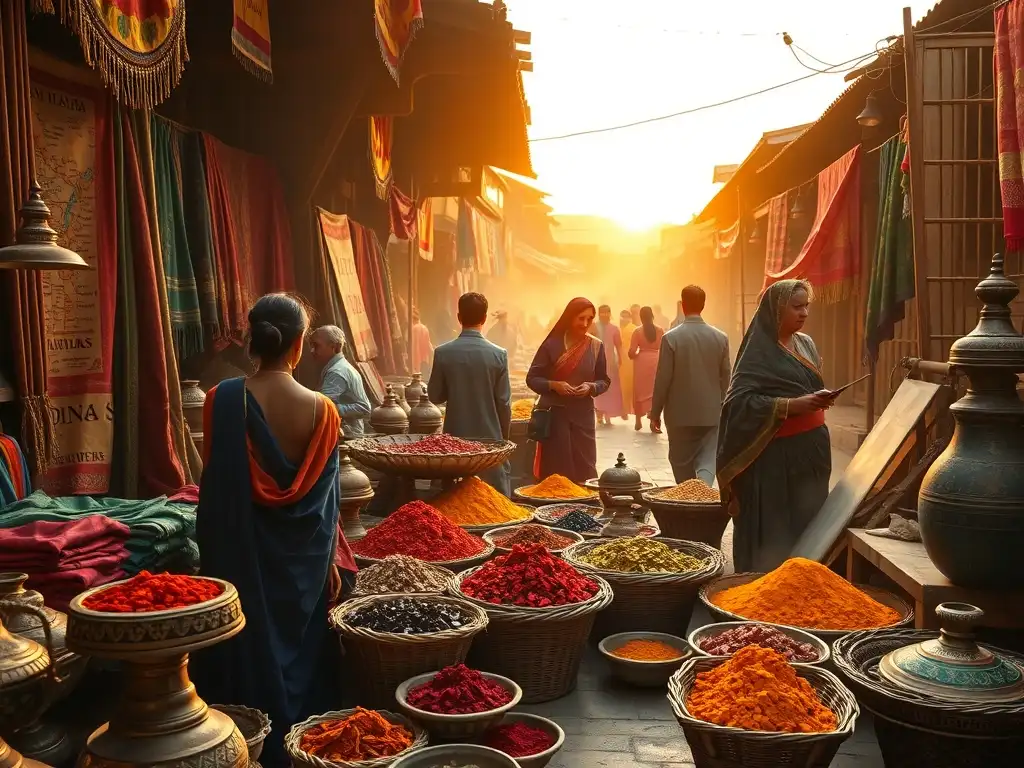
The influence of ancient Indian trade routes on contemporary textiles is profound, showcasing a blend of rich heritage and modern innovation. These trade routes, which historically connected India to various regions across Asia and beyond, facilitated not only the exchange of goods but also the transmission of cultural ideas and artistic expressions. Today, this legacy is reflected in various aspects of India's textile industry, from fabric designs to weaving techniques.
Contemporary Indian Textiles Inspired by Historical Trade
Modern Indian textiles often draw inspiration from patterns, motifs, and techniques that have roots in ancient trade routes. For instance, the intricate Ajrakh block prints of Gujarat and Rajasthan are believed to have been influenced by the designs traders encountered along the trade paths connecting India to the Middle East and North Africa. These textiles feature geometric patterns and vibrant colors that reflect a cross-cultural exchange.
Furthermore, Banarasi silk, renowned for its opulence, has been shaped by centuries of trade with Persia and Central Asia. The motifs often depict floral designs and intricate borders, reminiscent of Persian art, showcasing how ancient trade has left an indelible mark on India's textile heritage.
Textile exhibitions and fashion shows today frequently highlight these historical influences, offering a platform for designers to reinterpret ancient styles for contemporary audiences. This not only preserves traditional techniques but also promotes a deeper understanding of India's rich textile history among consumers.
Sustainable Practices in Textile Production Today
The ancient trade routes not only facilitated the movement of goods but also the transmission of sustainable practices in textile production. Many traditional techniques used in India today emphasize sustainability, reflecting a deep respect for the environment that has persisted through centuries.
For instance, the use of natural dyes derived from plants, minerals, and insects has been a practice since ancient times. This eco-friendly approach is being revived in contemporary textile production, with artisans opting for locally sourced materials to minimize environmental impact. The resurgence of these practices not only honors ancient wisdom but also aligns with modern sustainable fashion trends.
Moreover, handloom weaving, a technique that has been integral to Indian textiles since antiquity, is experiencing a renaissance. Handloom fabrics are celebrated for their unique textures and qualities, as well as their lower carbon footprint compared to industrially produced textiles. This revival is supported by various government initiatives and non-profit organizations aiming to promote the livelihoods of traditional artisans.
The legacy of ancient Indian trade routes continues to influence contemporary textile practices, blending historical significance with modern sustainability. The result is a vibrant textile industry that honors its past while paving the way for a sustainable future.
Conclusion: The Lasting Legacy of Ancient Indian Trade Routes
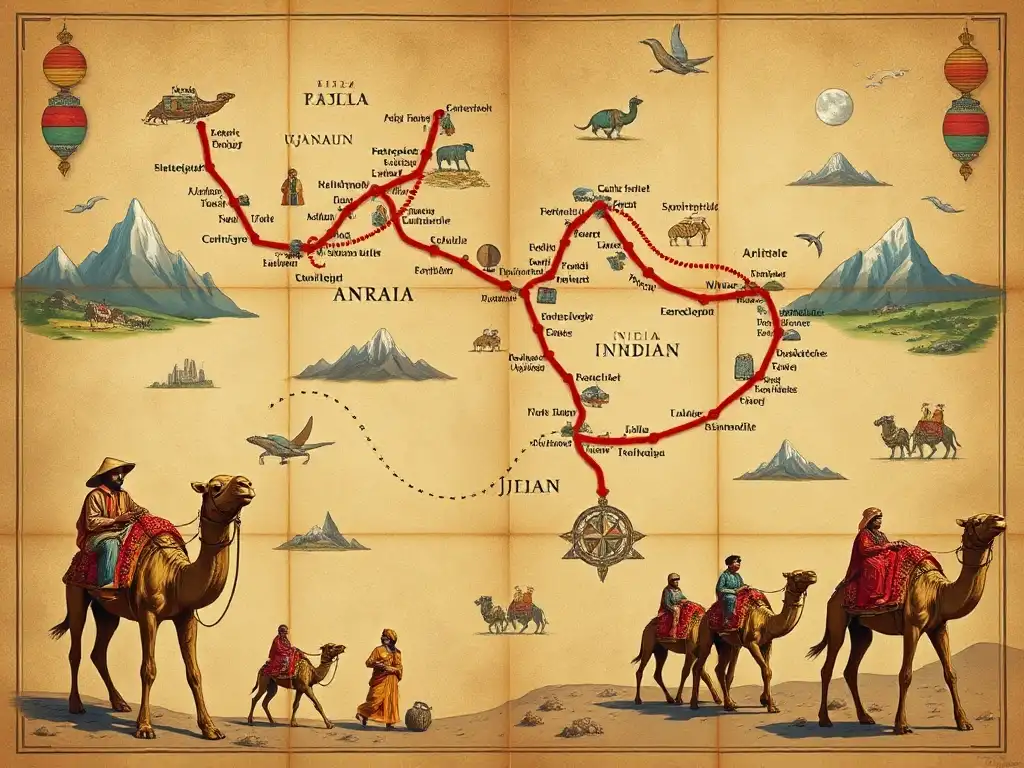
The trade routes of ancient India were not merely channels for commerce; they were the lifelines that connected different cultures, facilitated the exchange of ideas, and enriched the vibrant tapestry of Indian textiles. By understanding the Ancient Indian trade routes history, we can appreciate how these networks influenced not only the economy but also the social and cultural dimensions of Indian life.
The legacy of these trade routes is evident in the diversity of textiles produced across the subcontinent. From the luxurious silk of Varanasi to the intricate cotton weaves of Kutch, each region developed its unique identity and craftsmanship, heavily influenced by the interactions with traders from Persia, Rome, Southeast Asia, and beyond. This exchange led to innovations in techniques and designs, which continue to resonate in contemporary textile practices.
Moreover, the significance of these trade routes extends beyond mere economic transactions. They fostered cultural exchanges that enriched the Indian heritage, leading to a fusion of artistic motifs and styles that are still evident today. As we explore the impact of these ancient routes, it becomes clear that they laid the foundation for a robust textile industry that continues to thrive in modern India.
How Trade Shaped Modern Indian Textile Industry
The influence of ancient trade routes on the modern Indian textile industry is profound. The historical connections established through trade have resulted in a rich cultural heritage that informs contemporary practices. Here are a few key ways in which ancient trade has shaped the modern textile landscape:
-
Diversity of Materials:
Ancient trade routes facilitated the import of various raw materials, such as silk from China and spices from Southeast Asia. This exchange has allowed Indian artisans to blend local resources with foreign materials, creating unique textile products that are both traditional and contemporary.
-
Techniques and Innovations:
The introduction of new weaving techniques and dyeing methods through trade has transformed the textile industry. For instance, the use of natural dyes, which became popular through interactions with traders, continues to be a hallmark of Indian textiles.
-
Global Market Reach:
The trade routes established in ancient times laid the groundwork for India’s position in the global textile market today. Modern Indian textiles are renowned worldwide, with exports reaching new heights, thanks in part to the historical significance of these trade networks.
-
Cultural Exchange and Aesthetic Influence:
The mingling of various cultures along the trade routes has led to a rich amalgamation of designs and aesthetics in textiles. Modern Indian textiles often reflect this diversity, showcasing patterns and motifs that tell a story of historical interactions.
By examining these aspects, it becomes evident that the ancient trade routes were fundamental in shaping not just the textile industry but also the cultural identity of India as a whole.
The Importance of Preserving Textile Traditions
As we delve into the Ancient Indian trade routes history, it is crucial to recognize the importance of preserving the traditional textile practices that have been passed down through generations. Here are several reasons why safeguarding these traditions is essential:
-
Cultural Heritage:
Traditional textiles are a vital part of India's cultural heritage. They reflect the unique identity of various communities and regions, encapsulating stories and historical significance that are invaluable to future generations.
-
Sustainable Practices:
Many traditional textile techniques are inherently sustainable, utilizing local resources and environmentally friendly methods. Preserving these practices can contribute to sustainable development in the fashion industry, which is increasingly important in today’s global economy.
-
Economic Empowerment:
The textile industry provides livelihoods to millions of artisans across India. By preserving traditional methods, we can ensure that these artisans receive recognition and fair compensation for their work, promoting economic empowerment within local communities.
-
Innovation through Tradition:
While preserving traditional techniques, there is also an opportunity for innovation. Combining ancient methods with contemporary design can lead to new products that appeal to modern consumers, creating a fusion that respects heritage while embracing the future.
The preservation of ancient textile traditions is not just about maintaining the past; it is about forging a path toward a sustainable, equitable, and culturally rich future for India's textile industry. The legacy of ancient Indian trade routes continues to inspire and shape the fabric of our society, making it imperative that we honor and protect these traditions for generations to come.
Recommended Resources for Further Exploration
Books on Ancient Indian Trade Routes
To delve deeper into the Ancient Indian trade routes history, several books provide comprehensive insights into the intricacies of these trade networks and their influence on the textile industry. Here are some noteworthy titles:
-
"The Silk Roads: A New History of the World" by Peter Frankopan
This book explores the interconnectedness of various civilizations, including ancient India, through trade routes. It emphasizes the significance of silk and spices, providing context to their impact on Indian textiles.
-
"India and the World: A History" by R. S. Sharma
A detailed examination of India’s trade history, this book discusses how ancient trade routes facilitated the exchange of not just goods, but also culture and technology, shaping the textile industry.
-
"Trade and Traders in the Early Indian Economy" by R. Champakalakshmi
This scholarly work focuses on the economic aspects of trade in ancient India, highlighting the role of various trade routes and their contributions to the flourishing textile sector.
Documentaries and Lectures on Indian Textiles
Visual media can offer profound insights into the rich tapestry of ancient Indian trade routes and the textiles that emerged from them. Here are some recommended documentaries and lectures:
-
"The Fabric of India" (BBC Documentary)
This documentary traces the history of Indian textiles, showcasing ancient techniques and the influence of trade routes on textile production. It highlights the craftsmanship that has been passed down through generations.
-
"The Routes of Silk" (Lecture Series)
A series of lectures discussing the historical silk routes and their implications on trade, including the exchange of textiles. Experts elaborate on how these routes shaped societal structures in ancient India.
-
"Woven Histories: The Story of Indian Textiles"
This documentary delves into the diverse textile traditions of India, examining how trade routes facilitated the exchange of techniques and materials, impacting local and global markets.
Online Courses on Textile Weaving and Design
For those interested in practical knowledge about ancient Indian textiles, several online courses cover weaving techniques and design principles influenced by trade routes. Recommended platforms include:
-
Coursera: "Textile Design for Fashion"
This course explores textile design fundamentals, including historical influences from trade routes. It provides insights into how ancient techniques can be integrated into modern design.
-
edX: "Traditional Indian Weaving Techniques"
A course dedicated to the various weaving techniques that have evolved in India, reflecting the influences of ancient trade routes. Participants can learn about the materials and methods used by artisans throughout history.
-
Skillshare: "Weaving: The Art of Traditional Indian Textiles"
This practical course focuses on hands-on weaving skills, teaching participants about the patterns and styles that originated from ancient trade influences. It emphasizes the cultural significance of these textiles.
By exploring these resources, readers can gain a richer understanding of the Ancient Indian trade routes history and their profound impact on the textile industry, fostering appreciation for this unique cultural heritage.
Frequently Asked Questions
What were the main trade routes in Ancient India?
Ancient India was connected by several trade routes, including the Silk Road and the Spice Route, which facilitated the exchange of textiles, spices, and other goods with various civilizations.
How did trade impact the textile industry in Ancient India?
The trade routes enabled the flow of raw materials and finished goods, significantly boosting the textile industry and making Indian textiles highly sought after in global markets.
What role did the Indus Valley civilization play in trade?
The Indus Valley civilization is known for its advanced urban planning and trade networks, which included maritime routes and connections with Mesopotamia, establishing early commercial practices.
How did the Gupta Empire influence trade?
During the Gupta Empire, trade flourished due to political stability and the establishment of standardized currency, enhancing both domestic and international trade across the subcontinent.
What were some key goods traded along these routes?
Key goods included silk, spices, gemstones, and textiles. These commodities were not only valuable but also played a crucial role in shaping the cultural exchanges along the ancient trade routes.
Final Reflection: The Enduring Legacy of Ancient Trade Routes
The intricate web of ancient Indian trade routes not only facilitated the exchange of silk and spices but also laid the foundation for a rich tapestry of cultural and economic interactions that resonate even today. As we navigate a globalized world, the importance of these historical pathways becomes increasingly evident, reminding us of the interconnectedness of societies and the profound impact of trade on civilization. The legacy of these routes is not merely a chapter in history; it is a living testament to the power of commerce in shaping identities and fostering relationships across borders.
The influence of these ancient trade routes extends far beyond the realm of textiles; they have woven themselves into the very fabric of our cultural heritage. From the vibrant motifs of Indian textiles to the culinary delights inspired by spice trade, the echoes of these exchanges can be felt in our daily lives. As historian R. S. Sharma aptly noted, Trade routes were not just pathways for goods; they were channels of ideas, cultures, and innovations.
This observation underscores the ongoing significance of these routes in shaping not only the economy but also the cultural landscape of India and beyond.
As we reflect on the lessons of the past, let us embrace the spirit of connection and collaboration that these ancient trade routes symbolize. I invite you to consider how you can contribute to the ongoing narrative of exchange and understanding in your own life. Whether through supporting local artisans, exploring diverse cuisines, or engaging in cultural dialogues, each of us has the power to honor this legacy and foster a more interconnected world. The story of silk and spice is not just history; it is an invitation to participate in a shared future, rich with possibilities.
Unveil the Rich Heritage of Indian Textiles!
Thank you for diving into the fascinating world of India's textile trade! By exploring the historical significance of the silk and spice routes, you’ve unlocked a wealth of knowledge about how these paths shaped the vibrant textile industry we celebrate today. Now, it's time to take action and deepen your connection with this rich heritage!
- Explore Local Exhibitions: Visit nearby museums or galleries that showcase the beauty of Indian textiles and historical artifacts to experience them up close.
- Share Your Insights: Discuss the intriguing trade routes and their impact on India's textiles with friends or on social media to inspire others.
- Join a Workshop: Participate in a textile-making workshop to gain hands-on experience with techniques that have been passed down through generations.
What newfound perspective will you share about the influence of trade on modern textile designs?