
Exploring the Role of Traditional Textiles in Ancient Indian Rituals and Festivals

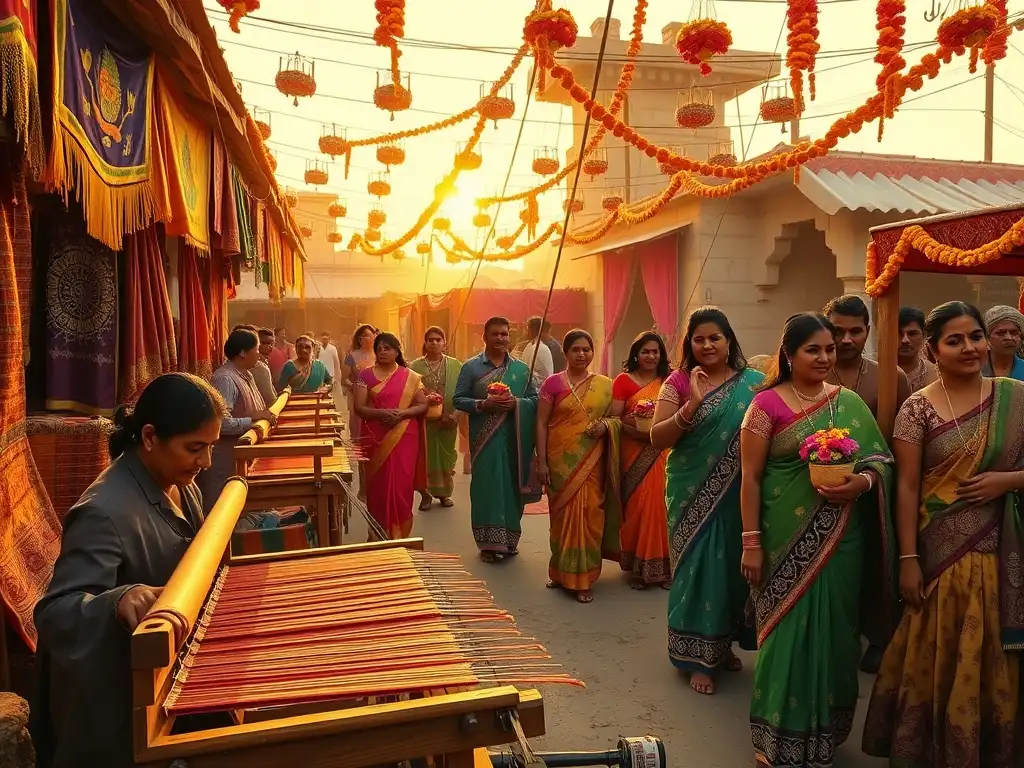
Welcome to Ancient India History, where we embark on an exciting journey through the rich tapestry of India's past. Delve into the captivating world of traditional textiles in ancient India, as we explore their profound significance in rituals and festivals.
From the vibrant patterns of the Indus Valley to the intricate weaves of the Gupta Empire, discover how these textiles not only adorned the people but also played a vital role in cultural expressions and celebrations. Join us as we unravel the stories woven into each thread, sparking your curiosity to learn more about the remarkable contributions of ancient Indian civilizations.
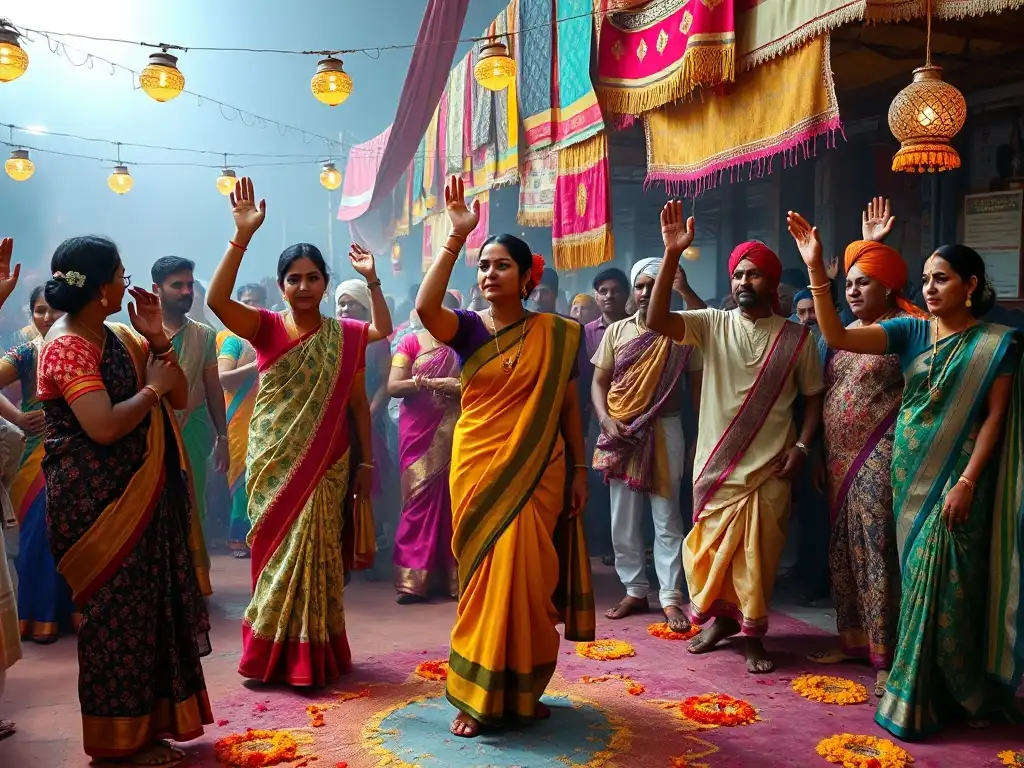
Traditional textiles in ancient India played a pivotal role in shaping the cultural and social fabric of its diverse civilizations. From the intricate patterns of woven fabrics to the vibrant colors used in garments, these textiles were more than mere clothing; they were deeply intertwined with the rituals and festivals that defined the lives of the people.
This article delves into the significance of traditional textiles in ancient Indian rituals and festivals, exploring their rich history, the materials and techniques used, and the cultural narratives they embody. By understanding the role of these textiles, we can appreciate their contribution not only to the aesthetic landscape of ancient India but also to its spiritual and communal life.
Introduction to Traditional Textiles in Ancient India
In ancient India, textiles were crafted using a variety of techniques and materials, reflecting the region's rich biodiversity and cultural diversity. The use of cotton, silk, and wool was prevalent, with each material being chosen for its unique qualities and suitability for specific rituals and occasions.
- Cotton: Renowned for its breathability and comfort, cotton was widely used in daily wear and ritual garments.
- Silk: Associated with luxury and nobility, silk textiles were often reserved for important ceremonies and royal attire.
- Wool: Common in colder regions, woolen textiles were crafted into warm garments that served both functional and ceremonial purposes.
Beyond the materials, the techniques of weaving, dyeing, and embellishing textiles were passed down through generations, often bearing distinct regional signatures. These textiles were not merely functional items; they were imbued with symbolism and spiritual significance, often used in rituals to invoke blessings, honor deities, or mark significant life events such as weddings and births.
Historical Context of Traditional Textiles in Ancient India
The historical context of traditional textiles in ancient India can be traced back to the Indus Valley Civilization (circa 2500-1500 BCE), where archaeological findings suggest a sophisticated understanding of weaving and dyeing techniques. The civilization’s artisans produced cotton textiles that were not only functional but also decorative, featuring intricate designs that showcased their craftsmanship.
Key developments in traditional textiles include:
- Maurya and Gupta Empires (circa 322 BCE - 550 CE): During this period, textiles became integral to trade, with India exporting silk and cotton fabrics to regions like Rome and Persia. The Gupta Empire, in particular, is noted for its advancements in dyeing techniques and artistic designs, which influenced textiles used in rituals and festivals.
- Medieval Period: The arrival of different cultures and influences, including Islamic art and Persian styles, led to a fusion of textile designs. Traditional motifs were adapted, resulting in vibrant textiles that played a crucial role in religious and cultural ceremonies.
- Regional Variations: As various kingdoms and cultures emerged, distinct regional styles developed, such as the Kanchipuram silk sarees of Tamil Nadu and the Banarasi brocades of Uttar Pradesh, each associated with specific rituals and festivals.
The evolution of traditional textiles in ancient India reflects a rich tapestry of cultural, spiritual, and artistic influences, making them a significant aspect of its historical narrative. As we explore further, we will uncover how these textiles were not just garments but essential elements in the rituals and celebrations that shaped ancient Indian society.
The Role of Traditional Textiles in Ancient Indian Rituals
Traditional textiles in ancient India played a pivotal role in rituals and ceremonies, transcending mere functionality to embody deep cultural significance. Textiles were intricately woven into the fabric of spiritual life, serving as offerings, ceremonial attire, and symbols of devotion. The craftsmanship behind these textiles was often regarded as a sacred art, with many artisans adhering to traditional methods passed down through generations.
In ancient texts, references to textiles often highlighted their importance in connecting the physical and spiritual realms. The act of wearing specific fabrics during rituals was believed to invoke divine blessings and enhance the spiritual experience. For instance, silk and cotton were favored for their purity and comfort, making them ideal for both worship and meditation practices. Thus, textiles were not just mundane items; they were imbued with meaning and purpose, providing a tangible link to the divine.
Textiles in Religious Ceremonies
In various religious ceremonies across ancient India, textiles served multifaceted roles. For instance, during Hindu rituals, specific garments like dhotis for men and sarees for women were often mandated, symbolizing respect and devotion. These garments were frequently adorned with intricate designs and motifs that conveyed auspiciousness.
Additionally, textiles were used extensively in the decoration of altars and idols. Fabrics such as silk and brocade were commonly employed to create elaborate backdrops and coverings, enhancing the visual splendor of the ceremonies. The use of textiles in rituals also extended to ceremonial offerings, where woven items, such as shawls and garlands, were presented to deities, reflecting the reverence of the devotees.
Symbolism of Colors and Patterns
Colors and patterns in traditional textiles carried profound symbolism in ancient Indian rituals. Each hue was often associated with different deities or purposes. For instance, red symbolized passion and power, frequently used in wedding ceremonies and during worship of goddess Durga. Yellow, representing knowledge and learning, was commonly worn during the festival of Vasant Panchami to honor Saraswati, the goddess of wisdom.
Moreover, patterns such as paisleys, floral motifs, and geometric designs were not merely aesthetic choices; they carried specific meanings and were believed to invoke protection, prosperity, and fertility. The thoughtful integration of colors and patterns into textiles thus played a significant role in enriching the spiritual atmosphere during rituals and festivals.
Traditional Textiles in Festivals of Ancient India
Festivals in ancient India were vibrant celebrations that prominently featured traditional textiles, showcasing the rich heritage and craftsmanship of the region. These occasions not only highlighted the splendor of textiles but also fostered community bonding and cultural expression. Each festival had its unique textile traditions, reflecting local customs and practices.
Major Festivals Celebrating Textiles
Several major festivals in ancient India celebrated the artistry of textiles. One notable example is Diwali, the festival of lights, where people donned new garments, often made from luxurious fabrics like silk and brocade, to signify new beginnings and prosperity. The festival also included decorating homes with colorful textiles, enhancing the festive spirit.
Similarly, during Pongal, a harvest festival celebrated in Tamil Nadu, traditional cotton sarees and dhotis were worn, representing gratitude towards nature and agricultural abundance. The textiles used during these festivals were often vibrant, symbolizing joy and celebration, as well as the cultural identity of the community.
Craftsmanship Displayed During Festivities
The festivals of ancient India offered a platform for artisans to showcase their craftsmanship. Exhibitions of handwoven textiles, embroidery, and dyeing techniques were common, allowing artisans to demonstrate their skills and creativity. For instance, during the Makar Sankranti festival, kite flying became a tradition, with colorful kites often made from the very textiles that represented the local culture.
Moreover, the festivals provided an opportunity for the transmission of textile traditions to younger generations. Workshops and demonstrations during these celebrations ensured that the knowledge of weaving, dyeing, and designing was preserved, reinforcing the community's cultural heritage. The vibrant display of traditional textiles during festivals thus not only celebrated the artistry but also ensured the continuity of ancient craft practices, solidifying their importance in the collective memory of the people.
Notable Traditional Textiles of Ancient India
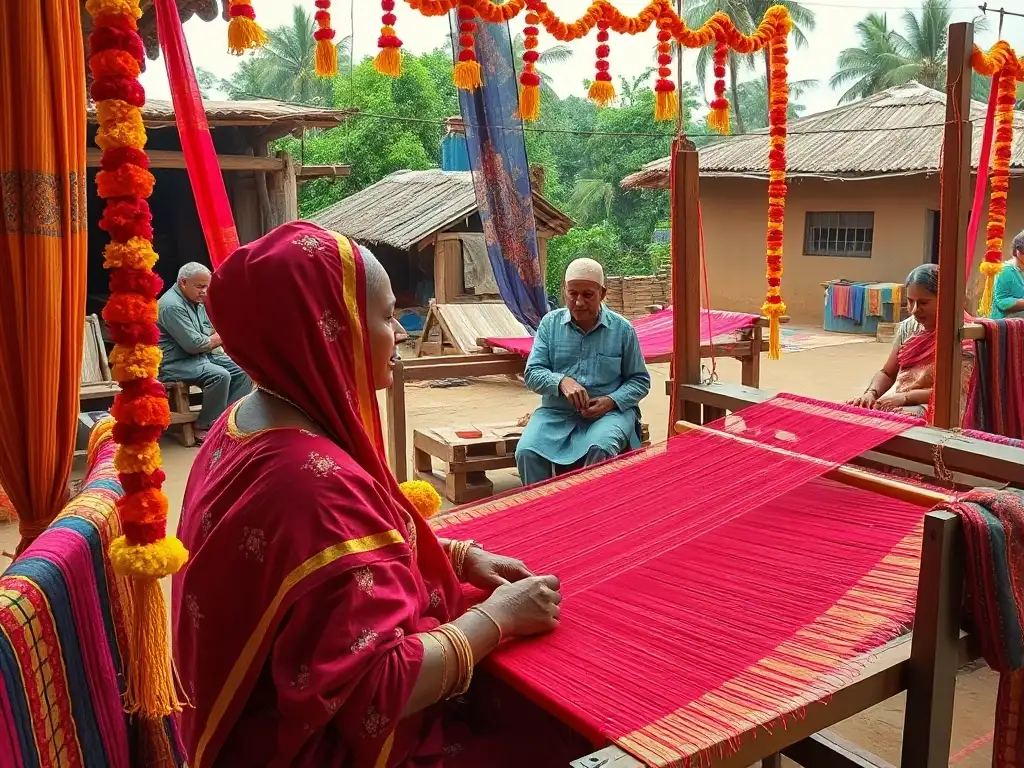
Ancient India is renowned for its rich tradition of textiles, which were not only functional but also deeply woven into the cultural and spiritual fabric of society. Among the most notable traditional textiles are:
- Cotton: One of the earliest fabrics used in India, cotton textiles were produced in various forms, from simple dhotis to elaborate garments adorned with intricate patterns. The Indus Valley Civilization is known to have produced cotton fabrics as early as 3000 BCE.
- Silk: Originating from the domestication of silkworms, silk became a symbol of luxury and was primarily produced in regions like Bihar and Assam. The famous "Muga" silk, unique to Assam, reflects the region's heritage.
- Wool: In the cooler climates of northern India, especially in regions like Kashmir, wool was extensively used for making shawls and blankets, often beautifully embroidered and dyed.
- Linen: Although less common than cotton, linen was also utilized in ancient India, particularly in cooler regions. It was favored for its breathability and comfort.
- Sari and Dhoti: These garments, integral to Indian clothing, were typically crafted from locally sourced textiles, often embellished with traditional motifs and patterns that held cultural significance.
These textiles were not merely garments but were interwoven with the rituals, ceremonies, and festivals that marked the life of ancient Indian society.
Varieties of Fabrics and Their Uses
The diversity of fabrics in ancient India was astounding, with each region developing its unique styles and techniques. The key varieties included:
- Cotton: Used for everyday wear due to its comfort and availability, cotton fabrics were dyed in vibrant colors and often had block prints or intricate embroidery. They were essential for daily clothing and ritual garments.
- Silk: This luxurious fabric was reserved for special occasions, such as weddings and religious ceremonies. The intricate weaving techniques, like those used in Banarasi and Kanjeevaram silks, produced stunning patterns that symbolized wealth and status.
- Wool: Primarily used in colder regions, woolen textiles like Pashmina shawls were not only functional but also served as symbols of status and were often gifted during important rituals.
- Brocade: A rich fabric woven with gold or silver threads, brocade was often used in royal attire and during significant rituals, showcasing the wealth and artistry of the weavers.
- Tie-dye and Block Printing: Techniques such as Bandhani and block printing were used to create unique designs on fabrics, often reflecting religious motifs or local flora and fauna.
These varieties of fabrics were not just materials but were intrinsic to the identity of the communities that produced them, encapsulating their history, beliefs, and artistic expressions.
The Influence of Trade on Textile Development
Trade played a pivotal role in the development of traditional textiles in ancient India. The country's strategic location along trade routes facilitated the exchange of goods, ideas, and techniques. Key influences include:
- Silk Route: India was a significant part of the Silk Route, which connected it to Central Asia and beyond. This not only brought foreign textiles and techniques but also established Indian silk as a highly sought-after commodity.
- Maritime Trade: Coastal regions engaged in maritime trade with countries like Egypt, Southeast Asia, and Africa. Indian textiles, particularly cotton, were exported, influencing textile production and design in other cultures.
- Cultural Exchange: The interaction with traders from various parts of the world led to a fusion of styles and techniques. For instance, the introduction of block printing from the Middle East influenced Indian textile designs.
- Economic Growth: The demand for Indian textiles boosted local economies, leading to advancements in dyeing, weaving, and embroidery techniques, thereby enhancing the quality and variety of textiles produced.
Through trade, ancient Indian textiles not only flourished but also contributed to a rich tapestry of cultural exchange that shaped the artistic heritage of the region.
Preservation of Traditional Textiles in Modern Times
The legacy of traditional textiles continues to be a vital aspect of Indian culture, yet their preservation faces numerous challenges in the contemporary world. Traditional textiles are not just historical artifacts but are also integral to cultural identity, requiring sustained efforts for their conservation.
Challenges Facing Traditional Textile Craftsmanship
Several challenges threaten the survival of traditional textile craftsmanship, including:
- Industrialization: The rise of mass production has led to the decline of handloom industries. Cheap, machine-made fabrics have overshadowed traditional textiles, making it difficult for artisans to compete.
- Loss of Skills: As younger generations migrate to urban areas for better opportunities, traditional weaving and dyeing skills are at risk of disappearing. The lack of apprenticeships and educational programs further exacerbates this issue.
- Globalization: While globalization has opened markets, it has also diluted the uniqueness of traditional textiles, as modern design trends often overshadow indigenous techniques and patterns.
- Environmental Concerns: The traditional methods of dyeing and weaving often face scrutiny due to their environmental impact. Artisans struggle to balance traditional practices with sustainable methods.
These challenges necessitate proactive measures to ensure the survival of these age-old crafts.
Efforts to Revive and Sustain Traditional Textiles
Despite the challenges, numerous initiatives aim to revive and sustain traditional textiles:
- Government Programs: Various governmental schemes, such as the Handloom Mark and the National Handicrafts Development Programme, support artisans by providing financial aid, training, and market access.
- NGOs and Cooperatives: Organizations are working to empower artisans by creating cooperatives that help them retain control over their craft, promote their products, and ensure fair wages.
- Awareness Campaigns: Increasing awareness about the cultural significance of traditional textiles through exhibitions, workshops, and fashion shows can help revive interest among consumers and designers alike.
- Sustainable Practices: Encouraging sustainable dyeing and weaving techniques not only preserves the craft but also appeals to the environmentally conscious consumer, creating a renewed market for traditional textiles.
These combined efforts highlight the importance of safeguarding traditional textiles as a vital part of India's heritage, ensuring that they continue to be celebrated in rituals, festivals, and everyday life.
Conclusion: The Enduring Legacy of Traditional Textiles in Ancient India
The rich tapestry of traditional textiles in ancient India is not merely a reflection of aesthetic beauty but also a profound testament to cultural identity and continuity. These textiles played an integral role in rituals and festivals, often serving as essential components in religious ceremonies, social events, and cultural expressions. From the intricate weaves of Banarasi silk to the vibrant patterns of Kanchipuram sarees, each textile tells a story, rooted deeply in the local traditions and histories of the communities that produced them.
Moreover, the significance of these textiles extends beyond their physical form. They embody a confluence of craftsmanship, spirituality, and social connection, often symbolizing prosperity, purity, and community ties. The rituals surrounding their usage—such as the adornment during weddings, festivals, and rites of passage—highlight the textiles' roles as sacred objects that enhance the spiritual experience of the participants.
As we reflect on the enduring legacy of traditional textiles, it becomes clear that they are not relics of the past but living embodiments of a vibrant cultural heritage that continues to inspire contemporary practices. Modern artisans and designers draw upon these age-old techniques and motifs, ensuring that the essence of ancient Indian textiles remains alive and relevant in today’s fashion landscape.
The appreciation for traditional textiles in ancient India serves as a reminder of the importance of preserving our cultural narratives. As we explore and celebrate these textiles, we also honor the stories and traditions they represent, fostering a deeper understanding of our collective history.
References and Further Reading
- Bhandari, S. (2019). Woven Stories: The History of Indian Textiles. New Delhi: Craft Publishers.
- Bose, A. (2020). Threads of Tradition: Textiles in Indian Culture. Mumbai: Heritage Press.
- Chatterjee, P. (2018). The Fabric of Life: Textiles in Indian Rituals and Festivals. Kolkata: Cultural Insights.
- Sen, R. (2021). Silken Threads: The Art and Craft of Traditional Indian Weaving. Jaipur: Textile Heritage.
- Sharma, L. (2022). Rituals and Weaves: The Interconnection of Culture and Textiles in Ancient India. Delhi: Historical Textiles Journal.
For those interested in deepening their understanding of traditional textiles and their significance in ancient Indian culture, these resources provide a wealth of information and insights.
- Introduction to Traditional Textiles in Ancient India
- Historical Context of Traditional Textiles in Ancient India
- The Role of Traditional Textiles in Ancient Indian Rituals
- Traditional Textiles in Festivals of Ancient India
- Notable Traditional Textiles of Ancient India
- Preservation of Traditional Textiles in Modern Times
- Conclusion: The Enduring Legacy of Traditional Textiles in Ancient India
- References and Further Reading
- What were the main types of traditional textiles in ancient India?
- How did textiles play a role in ancient Indian rituals?
- What significance did colors hold in traditional textiles?
- Did different regions in ancient India have distinct textile traditions?
- How did ancient Indian textiles influence contemporary practices?
Frequently Asked Questions
What were the main types of traditional textiles in ancient India?
Ancient India was known for its diverse textiles, including cotton, silk, and wool. Each type had unique properties and was used in various cultural and ritual contexts.
How did textiles play a role in ancient Indian rituals?
Textiles were integral to rituals and ceremonies, often symbolizing purity and devotion. Specific fabrics were used for offerings, garments, and decorations during important festivals.
What significance did colors hold in traditional textiles?
Colors in ancient Indian textiles were rich in symbolism; for instance, red often represented prosperity, while white signified purity. The choice of color was essential in aligning with the themes of various festivals.
Did different regions in ancient India have distinct textile traditions?
Yes, each region developed its own textile traditions based on local resources and cultural influences. This led to a vast array of styles, patterns, and weaving techniques across the subcontinent.
How did ancient Indian textiles influence contemporary practices?
The techniques and designs of traditional textiles from ancient India continue to inspire modern fashion and artisan practices, reflecting a rich heritage that values craftsmanship and cultural identity.
Final Reflection: The Enduring Legacy of Traditional Textiles in Ancient India
The intricate relationship between traditional textiles and ancient Indian rituals and festivals remains profoundly relevant today, as it highlights the cultural significance woven into every thread. In a world increasingly driven by fast fashion and mass production, the appreciation for the artistry and symbolism of traditional textiles serves as a reminder of our roots and the stories that shape our identities. The vibrant colors, intricate patterns, and age-old techniques not only reflect the rich heritage of India but also resonate with contemporary movements advocating for sustainability and cultural preservation.
The influence of traditional textiles extends beyond mere aesthetics; it is a living testament to the values and beliefs that have been passed down through generations. As we engage with these textiles, we connect with the rituals and festivals that celebrate life's milestones, fostering a sense of community and belonging. The words of renowned textile historian, Dr. Jyotindra Jain, resonate deeply: Textiles are not just fabric; they are the embodiment of culture, history, and identity.
This ongoing dialogue between the past and present underscores the importance of preserving these traditions while adapting them to modern contexts.
As we reflect on the role of traditional textiles in our lives, let us commit to honoring and celebrating this rich heritage. I invite you to explore the stories behind the textiles you encounter, to appreciate their cultural significance, and to support artisans who continue to practice these age-old techniques.
By doing so, we not only keep the spirit of ancient rituals and festivals alive but also contribute to a more sustainable and culturally aware future. Embrace the beauty of traditional textiles in your life, and let them inspire you to weave your own narrative within the tapestry of history.
Unveil the Richness of Traditional Indian Textiles!
Thank you for immersing yourself in the fascinating world of traditional textiles and their significance in ancient Indian rituals and festivals. Your exploration enriches your understanding of a beautiful cultural heritage that continues to inspire and connect people today.
Now, it’s your turn to embrace this knowledge and take meaningful steps to engage with this vibrant aspect of history!
- Dive Deeper: Visit local museums or cultural centers that feature traditional textiles to experience their beauty firsthand.
- Share Your Insights: Discuss with friends or write a blog post about your discoveries; your voice can help spread awareness of these incredible traditions.
- Participate Actively: Join workshops that teach textile-making techniques, and connect with artisans to support and learn more about their crafts.
What new perspective on ancient Indian textiles has resonated with you the most, and how do you plan to incorporate this rich heritage into your life?