
The Symbolism of Colors in Traditional Indian Textiles: A Historical Perspective

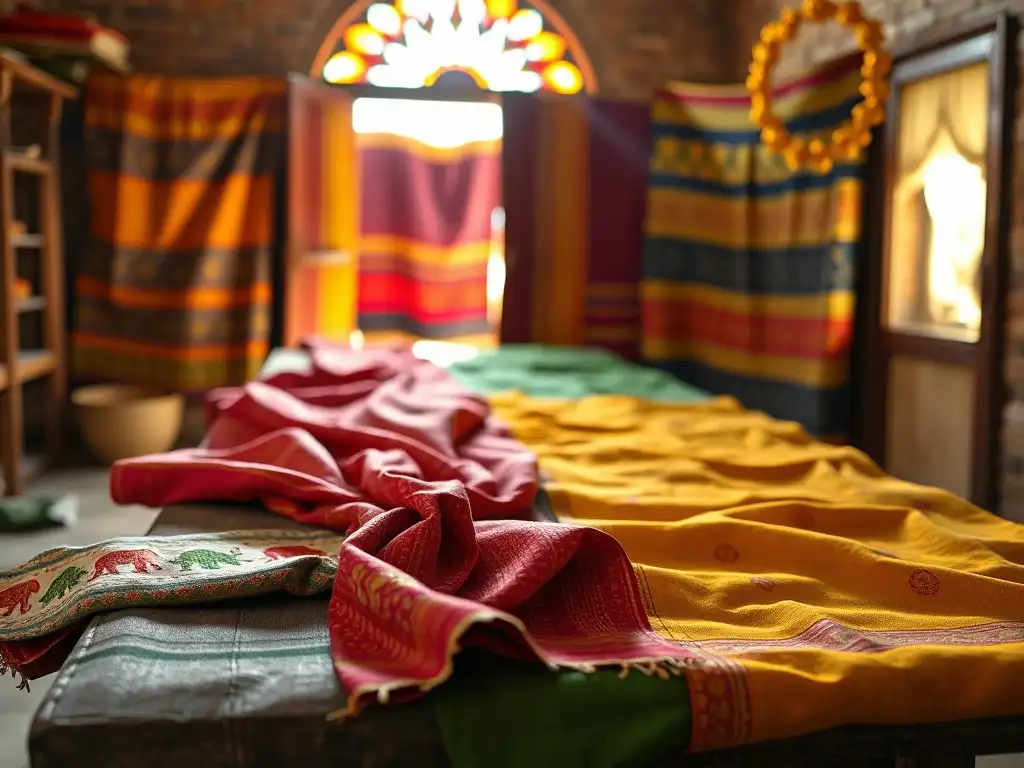
Welcome to Ancient India History, where we embark on a captivating journey through time to uncover the rich tapestry of India's past. Our focus today is on the intriguing symbolism of colors in traditional Indian textiles, a vibrant aspect of our cultural heritage that reflects the beliefs, traditions, and artistry of ancient civilizations. Have you ever wondered how the hues in textiles tell stories of spirituality, status, and identity?
Dive deeper with us as we unravel the historical significance behind these colors and discover their profound impact on the world of fashion and textiles. Your exploration of this fascinating legacy starts here!
Introduction to Indian Textiles and Color Symbolism
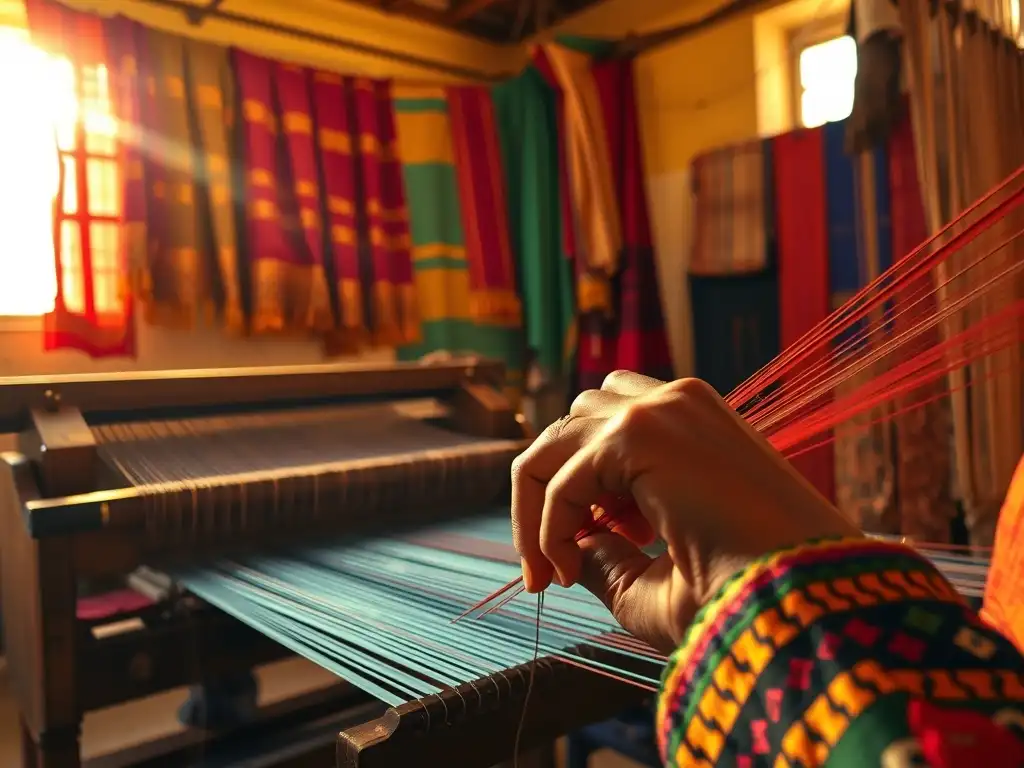
The vibrant world of traditional Indian textiles is a tapestry woven with history, culture, and artistry, where each thread tells a story. Central to this narrative is the symbolism of colors, which varies significantly across different regions and communities in India.
From the deep reds and yellows of auspicious festivals to the serene blues and greens representing nature, colors in Indian textiles are imbued with meaning, reflecting the societal values and beliefs of the time. This article delves into the rich historical context of these colors, exploring how they have shaped the textile industry and contributed to the cultural identity of India.
Historical Overview of Indian Textiles
Indian textiles have a storied past that dates back thousands of years, with evidence of textile production found as early as the Indus Valley Civilization (3300–1300 BCE). The intricate designs and vibrant colors of these ancient fabrics reflect a sophisticated understanding of dyeing techniques and cultural symbolism.
- Indus Valley Civilization: Known for its cotton textiles, this civilization showcased early expertise in dyeing and weaving.
- Mauryan and Gupta Empires: During these periods, textiles became more elaborate, with the use of silk and intricate patterns symbolizing wealth and status.
The historical evolution of Indian textiles reveals a dynamic interplay between various cultural influences, each contributing to the rich palette and symbolism we see today.
The Evolution of Indian Textile Techniques
Throughout history, Indian textile techniques have evolved through the influence of various dynasties, trade routes, and cultural exchanges. The introduction of natural dyes derived from plants, minerals, and insects played a crucial role in this evolution.
- Natural Dyes: Colors such as indigo (blue), madder (red), and turmeric (yellow) are not only aesthetically pleasing but also carry significant meanings:
- Indigo: Represents tranquility and wisdom.
- Madder Red: Symbolizes love and passion.
- Turmeric Yellow: Associated with auspiciousness and fertility.
As techniques improved, artisans began to experiment with block printing, tie-dye, and weaving, further enhancing the visual language of textiles. Each region developed its unique style, contributing to the broader narrative of Indian textiles.
Cultural Influences on Textile Color Usage
The colors used in traditional Indian textiles are often reflective of the diverse cultural and religious practices across the subcontinent. Each color holds specific significance, often tied to festivals, rituals, and everyday life.
- Red: Often worn by brides, symbolizing love and prosperity.
- Yellow: Frequently associated with the spring festival of Holi, representing joy and vitality.
- Green: Symbolizes fertility and growth, commonly used in agricultural communities.
The interplay between color and cultural identity is profound, as textiles serve not only as functional items but also as cultural artifacts that communicate societal values and beliefs. Understanding this symbolism allows us to appreciate the depth and richness of Indian textiles beyond their aesthetic appeal.
The Meaning of Colors in Traditional Indian Textiles
The symbolism of colors in Indian textiles is deeply rooted in the cultural and spiritual ethos of the subcontinent. Each color carries its own significance, often intertwined with religious beliefs, regional practices, and historical contexts. Understanding these meanings provides insight into the intricate designs and patterns found in traditional textiles, reflecting the values and traditions of the communities that produce them. The use of color not only enhances the aesthetic appeal of textiles but also serves as a form of communication, conveying messages about identity, social status, and cultural heritage.
Red: Power, Love, and Prosperity
Red is one of the most vibrant and significant colors in Indian culture. It symbolizes power, love, and prosperity, making it a popular choice for various occasions, especially weddings. Traditionally, the color red is associated with the goddess Durga, representing strength and femininity. In textiles, red is often used in bridal garments and ceremonial attire, symbolizing auspiciousness and fertility. The use of red in textiles can also denote celebration and joy, often seen in festive decorations and clothing. Moreover, red is believed to ward off evil spirits, further enhancing its significance in traditional Indian textiles.
Yellow: Knowledge, Learning, and Purity
Yellow is another prominent color in Indian textiles, symbolizing knowledge, learning, and purity. It is closely associated with the divine, particularly with Lord Ganesha, the remover of obstacles, and is often used in educational contexts to signify wisdom. The bright hue of yellow is also linked to the harvest and the sun, representing prosperity and brightness in life. In textiles, yellow is commonly seen in traditional garments like sarees and turbans, often worn during auspicious occasions and festivals. Its uplifting nature makes it a preferred color for celebrations, embodying joy and positivity.
Blue: Calmness, Peace, and Lord Krishna
Blue holds a special place in Indian culture, representing calmness, peace, and divinity. This color is frequently associated with Lord Krishna, depicted in blue in many artworks and textiles, symbolizing his playful and loving nature. In traditional textiles, blue often conveys tranquility and is used in various fabrics, including block-printed cottons and silks. The calming effect of blue makes it a popular choice for everyday wear, reflecting a sense of serenity. Additionally, blue is often used in the context of spirituality, as it represents the infinite sky and sea, embodying the vastness of the universe.
Green: Nature, Fertility, and Rebirth
Green is synonymous with nature, fertility, and rebirth, embodying the lush landscapes and agricultural abundance of India. This color is often associated with growth and renewal, making it a popular choice in textiles that celebrate life and vibrancy. In traditional contexts, green is used in wedding attire and ceremonial garments, signifying prosperity and freshness. The use of green dyes from natural sources further emphasizes its connection to the environment. Additionally, green is linked to various deities in Hinduism, representing harmony and balance in life.
White: Purity, Simplicity, and Mourning
White is a color that signifies purity, simplicity, and mourning in Indian culture. It is often associated with cleanliness and is widely used in traditional garments, especially among certain communities during religious rituals and ceremonies. While white embodies the idea of simplicity and clarity, it also carries a somber connotation, particularly in funerary customs where it symbolizes mourning. In textiles, white can be adorned with intricate embroidery or dyed patterns, representing the duality of life and death. Its understated elegance speaks to the aesthetic of minimalism prevalent in various traditional textiles.
Techniques of Color Application in Indian Textiles
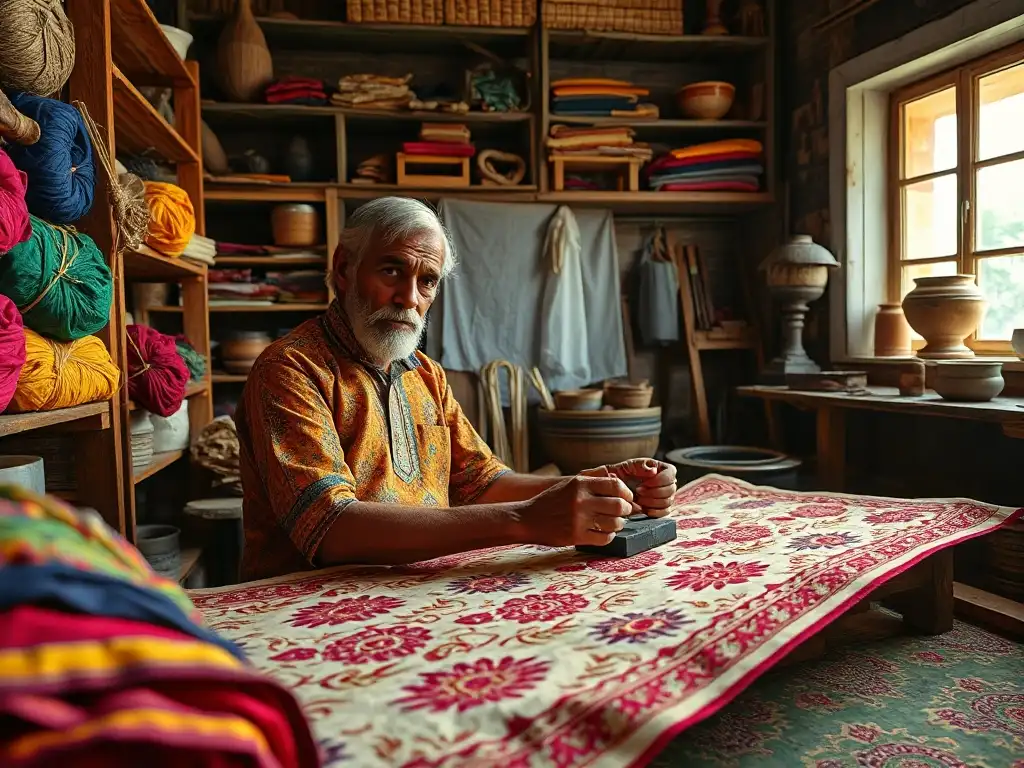
The techniques of color application in Indian textiles play a crucial role in determining the final aesthetic and symbolic meanings of the fabrics. From ancient practices to modern innovations, these methods not only enhance the vibrancy of colors but also contribute to the cultural narrative woven into each piece. Understanding these techniques sheds light on how artisans express the symbolism of colors through their craft.
Natural Dyes vs. Synthetic Dyes
Historically, natural dyes derived from plants, minerals, and insects have been the foundation of color application in Indian textiles. These dyes are celebrated for their organic hues and cultural significance, often reflecting the local flora and fauna. For instance, indigo is sourced from the indigo plant, while shades of red are obtained from madder root and cochineal insects.
In contrast, synthetic dyes, introduced during the colonial period, offer a broader range of colors and consistency in production. While synthetic dyes are often more affordable and easier to obtain, there is a growing movement towards reviving natural dyeing techniques, emphasizing sustainability and eco-friendliness. The choice between natural and synthetic dyes can significantly influence the symbolism associated with the textiles, with natural dyes often carrying deeper cultural meanings.
Printing Techniques Influencing Color Symbolism
Various printing techniques in Indian textiles, such as block printing, screen printing, and tie-dyeing, contribute to the rich tapestry of color symbolism. Each technique not only affects the visual outcome but also imbues the fabric with unique cultural stories. For example, block printing, a traditional method originating from Rajasthan, allows artisans to create intricate patterns using wooden blocks dipped in natural dyes.
This technique often incorporates symbolic motifs that reflect regional heritage and beliefs. On the other hand, tie-dyeing, known as Bandhani in Gujarat, utilizes vibrant colors and intricate patterns that symbolize joy and celebration. The printing technique employed can enhance the color's significance, reinforcing its cultural narratives and emotional resonance within the textile.
Regional Variations in Color Symbolism in Indian Textiles
The symbolism of colors in Indian textiles is not uniform; rather, it is deeply influenced by regional cultures, traditions, and societal norms. Each region of India has distinct textile traditions, which are characterized by unique color palettes that often carry specific meanings. Understanding these regional variations allows for a richer appreciation of the cultural narratives woven into each piece of fabric.
North Indian Textiles: Color and Cultural Significance
In North India, textiles are often vibrant and bold, reflecting the rich cultural tapestry of the region. Colors such as red, yellow, and green are predominant, each carrying its own significance.
- Red is often associated with fertility and auspiciousness, making it a popular choice for bridal garments and festive attire.
- Yellow, symbolizing knowledge and learning, is commonly used in textiles linked to religious ceremonies and celebrations.
- Green is seen as a color of prosperity and harmony, frequently utilized in textiles meant for everyday wear.
The use of color is not arbitrary; it is intertwined with the beliefs and rituals of North Indian communities. For instance, the intricate block prints of Rajasthan often feature bright colors that represent the desert landscape, while the muted tones of Kashmiri shawls reflect the serene beauty of the Himalayas.
South Indian Textiles: Richness of Color Symbolism
In South India, textiles such as silk sarees are known for their elaborate designs and rich colors. The symbolism of colors in this region is often tied to religious and cultural practices.
- Gold represents wealth and is commonly woven into the borders of sarees, particularly for auspicious occasions.
- Blue and green are often associated with the deities in Hindu mythology, symbolizing divinity and nature, respectively.
- Red again plays a significant role, but here it is also linked with marital status, where newly married women wear red in various festivities.
Each South Indian state contributes its unique hues and motifs. For example, Kanchipuram sarees are known for their bright, contrasting colors and intricate gold zari work, which signifies prosperity and power.
East and West Indian Textiles: Unique Color Palettes
East and West India showcase distinct approaches to color symbolism in textiles, each reflecting their local customs and history.
- In East India, particularly in Bengal, colors such as white and red dominate the textile landscape. White symbolizes purity, while red is linked to the goddess Durga, making it prominent in traditional celebrations and rituals.
- West Indian textiles, such as those from Gujarat and Rajasthan, are characterized by earthy tones and vibrant patterns. Colors like orange and purple are significant, representing energy and creativity, often seen in bandhani and mirror work textiles.
These unique color palettes not only tell stories of the regions they come from but also highlight the craftsmanship and artistic expression of local artisans.
Contemporary Interpretations of Color Symbolism in Indian Textiles
As traditional Indian textiles continue to evolve, contemporary designers are reinterpreting the symbolism of colors in innovative ways. This blending of tradition with modern aesthetics creates a vibrant dialogue between the past and present.
Modern Designers and Traditional Color Usage
Many modern designers draw inspiration from traditional color symbolism while incorporating contemporary design elements. They often experiment with unexpected combinations of colors and materials to create unique pieces that resonate with both traditional and modern sensibilities.
For instance, designers might use traditional colors like indigo or saffron in modern silhouettes, paying homage to the past while making textiles relevant for today's audience. This fusion allows for a broader appreciation of Indian textiles, making them appealing to a global market.
The Global Influence of Indian Textile Color Symbolism
The color symbolism inherent in Indian textiles has transcended geographical boundaries, influencing global fashion trends. As Indian textiles gain popularity on the international stage, their rich colors and meanings are being embraced and adapted by designers worldwide.
- The vibrant colors of Indian textiles are often used in global fashion collections, symbolizing a blend of cultural heritage and modern style.
- The resurgence of interest in sustainable and ethically produced textiles has led to a renewed focus on traditional dyeing techniques, emphasizing the natural colors and their significance.
This global influence not only highlights the beauty of Indian textiles but also showcases the depth of cultural narratives that colors can convey, allowing for a continued exchange of ideas and traditions across cultures.
Conclusion: The Lasting Impact of Color Symbolism in Indian Textiles
The symbolism of colors in Indian textiles is not merely an aesthetic choice; it represents a rich tapestry of cultural narratives, spiritual beliefs, and regional identities that have evolved over thousands of years. Each hue carries its own significance, often intertwined with the rituals and daily life of the communities that produce these textiles. For instance, the vibrant red symbolizes fertility and prosperity, while the serene blue is associated with divine protection and tranquility.
This deep-rooted connection between color and meaning has a profound impact on how textiles are not only crafted but also perceived. In contemporary India, traditional textiles continue to play a vital role in festivals, weddings, and other significant life events, attesting to the enduring legacy of color symbolism. As artisans blend ancient techniques with modern aesthetics, the traditions of color use remain relevant, allowing for a dialogue between past and present.
Moreover, the global interest in sustainable and ethically sourced fashion has rekindled appreciation for traditional Indian textiles. As consumers increasingly seek out products with stories and meanings, the colors used in these textiles serve as a bridge connecting diverse cultures and histories. This ongoing journey of color symbolism in Indian textiles demonstrates its lasting impact, preserving the cultural heritage while adapting to contemporary sensibilities.
References
- Ghosh, A. (2018). Color and Craft: The Importance of Color Symbolism in Indian Textiles. New Delhi: Indian Craft Council.
- Banerjee, S. (2020). Threads of Tradition: The Cultural Significance of Textile Colors in India. Kolkata: Heritage Press.
- Sharma, R. (2019). The Aesthetics of Indian Textiles: Cultural and Historical Perspectives. Mumbai: Textile Publications.
- Kumar, P., & Gupta, L. (2021). Crafting Identity: The Role of Textiles in Indian Culture. Jaipur: Craft and Culture.
Call to Action
Dive deeper into the vibrant world of traditional Indian textiles and discover the unique stories woven into every thread. Explore more about the symbolism of colors in Indian textiles and how they reflect the rich heritage of our diverse cultures. Join our community today to keep updated with the latest articles, insights, and discussions on ancient Indian history and its influence on modern fashion. Subscribe now and be part of our journey through time!
- Introduction to Indian Textiles and Color Symbolism
- Historical Overview of Indian Textiles
- The Meaning of Colors in Traditional Indian Textiles
- Techniques of Color Application in Indian Textiles
- Regional Variations in Color Symbolism in Indian Textiles
- Contemporary Interpretations of Color Symbolism in Indian Textiles
- Conclusion: The Lasting Impact of Color Symbolism in Indian Textiles
- References
- Call to Action
- What is the significance of colors in traditional Indian textiles?
- How do different colors represent various emotions or themes?
- Are there specific colors associated with particular regions in India?
- How has the symbolism of colors evolved over time in Indian textiles?
- What role do traditional dyes play in the symbolism of colors?
Frequently Asked Questions
What is the significance of colors in traditional Indian textiles?
Colors in traditional Indian textiles carry deep symbolic meanings that reflect cultural beliefs, regional identities, and spiritual values, influencing fabric choices for various occasions.
How do different colors represent various emotions or themes?
In Indian textiles, red symbolizes love and passion, yellow represents knowledge and learning, while blue often signifies calmness and divinity, showcasing the emotional depth attached to colors.
Are there specific colors associated with particular regions in India?
Yes, different regions have their own color palettes reflecting local traditions; for example, bright colors are prevalent in Rajasthani textiles, while subdued tones may be found in South Indian fabrics, highlighting regional diversity.
How has the symbolism of colors evolved over time in Indian textiles?
The symbolism of colors has evolved from ancient practices to modern interpretations, influenced by historical events, trade, and global interactions, yet retaining its cultural significance.
What role do traditional dyes play in the symbolism of colors?
Traditional dyes enhance the vibrancy and longevity of colors in textiles, with certain dyes being associated with specific cultural rituals or festivals, reinforcing the spiritual connection to color symbolism.
Final Reflection: The Enduring Legacy of Color in Indian Textiles
The symbolism of colors in Indian textiles is not just a historical curiosity; it is a vibrant thread woven into the fabric of contemporary culture. As we navigate a world increasingly influenced by globalization, the significance of these colors remains a powerful reminder of our roots and traditions. The hues that adorn traditional Indian textiles tell stories of heritage, spirituality, and identity, making them as relevant today as they were centuries ago.
The impact of color symbolism in Indian textiles transcends mere aesthetics; it shapes cultural narratives and social identities. From the deep reds of marriage celebrations to the calming blues of spirituality, each color carries a weight of meaning that resonates with individuals and communities alike. As noted by textile historian John Gillow, Textiles are a reflection of the society that produces them, and their colors speak volumes about the beliefs and values of that culture.
This ongoing dialogue between color and culture continues to influence contemporary fashion and art, reminding us of the rich tapestry of stories that each shade represents.
As you reflect on the symbolism of colors in Indian textiles, consider how these lessons can inspire your own life. Embrace the colors that resonate with your experiences and values, and let them guide your journey. Whether it’s through fashion, art, or personal expression, allow the vibrant hues of your heritage to illuminate your path forward. By honoring the past while embracing the future, we can ensure that the legacy of these colors continues to thrive in our lives and communities.
Unveil the Vibrancy of Colors in Indian Textiles!
Thank you for diving into the rich tapestry of colors in traditional Indian textiles with us! Your exploration of this vibrant subject has undoubtedly expanded your understanding of the deep cultural significance woven into these beautiful fabrics. Now, it’s time to take that knowledge and bring it to life!
Here’s how you can continue your journey:
- Experiment with color: Incorporate traditional Indian color palettes into your wardrobe or home decor. Reflect on what these colors mean to you and how they resonate with your personal style.
- Share your insights: Discuss the significance of colors in textiles with friends or on social media. Use the hashtag #ColorsOfIndia to connect with a community that appreciates this cultural heritage.
- Join local events: Participate in workshops or exhibitions that showcase traditional Indian textiles. Engaging with artisans or attending demonstrations can deepen your appreciation for the craft and its historical context.
Which color in traditional Indian textiles resonates with you the most, and what significance do you believe it holds?