
The Festivals of Ancient Indian Kings: A Celebration of Power and Prosperity

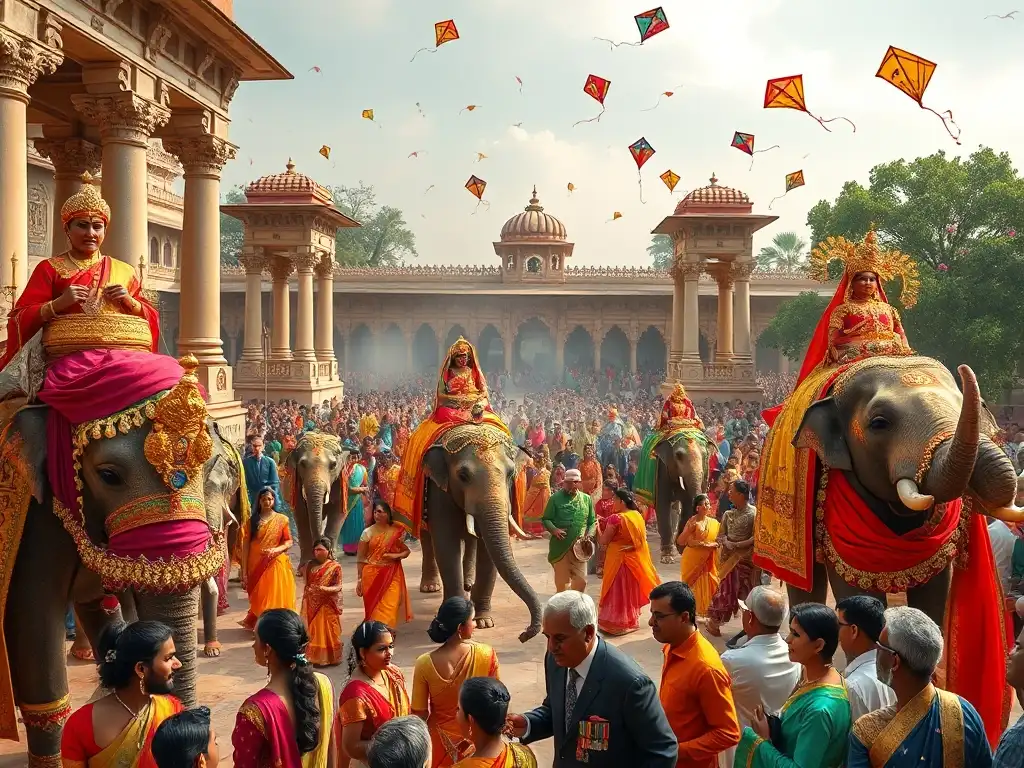
Welcome to Ancient India History, where we embark on a fascinating journey through the rich tapestry of ancient Indian civilizations. From the awe-inspiring Indus Valley to the majestic Gupta Empire, each era tells a unique story of culture and innovation. In our featured article, "The Festivals of Ancient Indian Kings: A Celebration of Power and Prosperity," we delve into the vibrant history behind ancient Indian festivals, exploring how these grand celebrations reflected the power and prosperity of their time.
Prepare to be intrigued as we uncover the traditions that shaped a civilization and continue to resonate today. Join us as we unlock the secrets of the past and inspire your curiosity about the magnificent heritage of ancient India!
Introduction to Ancient Indian Festivals History
The history of ancient Indian festivals is a vibrant tapestry woven into the fabric of the subcontinent’s rich cultural heritage. These celebrations were not merely occasions for merriment; they played a significant role in the socio-political landscape of ancient India, particularly during the reign of various dynasties, including the Mauryas, Guptas, and Cholas. Festivals were a means for kings and rulers to demonstrate their power, showcase their wealth, and foster a sense of community and loyalty among their subjects.
From the grandiose celebrations of Ashoka's rule to the splendid festivities under the Gupta Empire, these events often reflected the religious, agricultural, and seasonal cycles that were vital to the people’s lives. They also provided a platform for artistic expressions, including music, dance, and elaborate rituals, which helped in preserving and propagating ancient traditions. This article delves into the fascinating world of ancient Indian festivals, exploring their historical significance, the diverse celebrations held across different kingdoms, and their lasting impact on contemporary Indian culture.
Importance of Festivals in Ancient Indian Culture
Festivals in ancient India served multiple purposes, intricately linking the spiritual and the social. Here are some key aspects of their importance:
- Cultural Identity: Festivals were a means to promote cultural heritage and foster a sense of belonging among communities. Celebrations like Makar Sankranti and Diwali, rooted in ancient traditions, played a pivotal role in unifying diverse groups through shared customs and rituals.
- Political Power: Kings used festivals as a demonstration of their authority and benevolence. By organizing grand celebrations, they could reinforce their control over the populace. For instance, during the Chola dynasty, elaborate temple festivals showcased the king’s devotion to deities, enhancing his legitimacy and power.
- Economic Prosperity: Many festivals were tied to agricultural cycles, marking critical periods of sowing and harvest. The celebrations often stimulated trade and commerce, as markets would flourish with the influx of people. Festivals like Pongal not only honored the harvest but also promoted economic activities across regions.
- Religious Significance: Festivals were deeply intertwined with religious beliefs and practices. They served as occasions for worship and offerings to deities, reinforcing the spiritual fabric of society. Celebrations often included rituals that were believed to bring prosperity and well-being.
- Artistic Expressions: Festivals provided a platform for the flourishing of art and culture. They were characterized by vibrant processions, intricate decorations, and performances that showcased local traditions. This artistic expression enriched the cultural landscape and preserved ancient practices for future generations.
Ancient Indian festivals were multifaceted events that played a crucial role in shaping the social, political, and cultural dynamics of the time. They not only celebrated the richness of life but also laid the foundation for the diverse traditions that continue to thrive in modern India.
- What were the key festivals celebrated by ancient Indian kings?
- How did ancient festivals impact the society of the time?
- Were ancient Indian festivals linked to any specific religions?
- How did the celebration of festivals reflect the political landscape of ancient India?
- What contributions did ancient Indian festivals make to cultural heritage?
The Role of Kings in Shaping Festivals
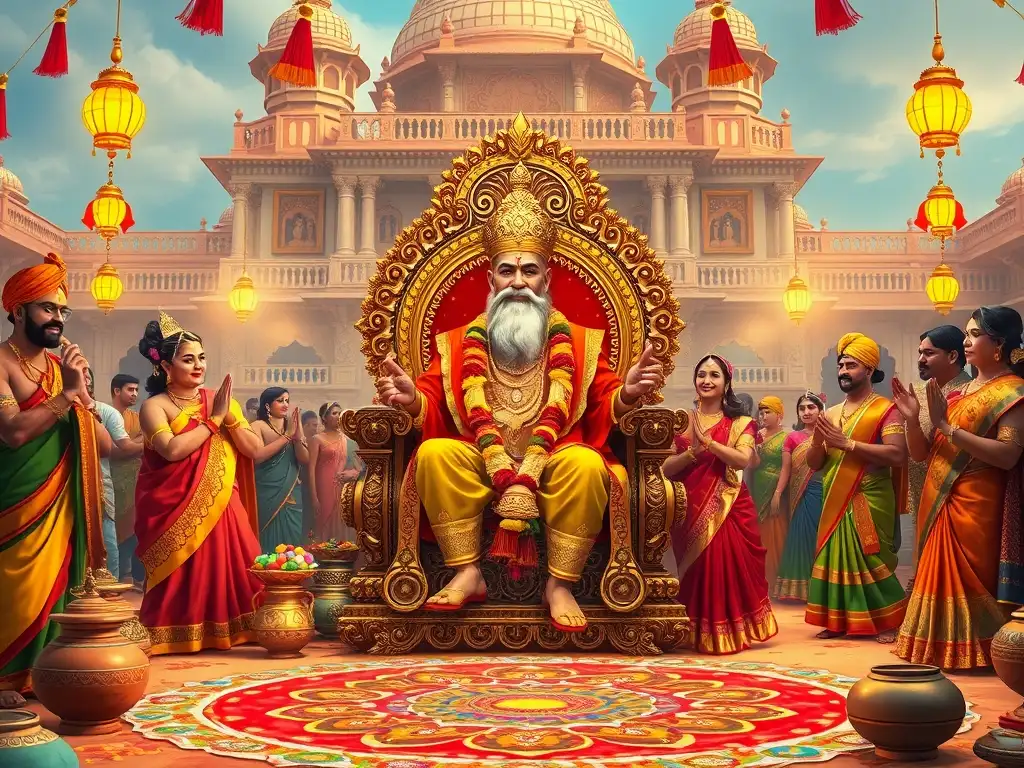
In ancient India, festivals were not merely occasions for celebration; they were powerful tools wielded by kings to reinforce their authority and showcase their prosperity. The royal patronage of festivals was instrumental in forging a connection between the ruler and the subjects, as well as in promoting cultural unity across diverse regions. By supporting and participating in these grand events, kings positioned themselves as benevolent leaders who ensured the welfare of their people while also enhancing their own prestige and legitimacy.
Kings as Patrons of Festivals
Kings in ancient India played a crucial role as patrons of festivals, often sponsoring grand celebrations that showcased their wealth and power. These festivals were designed to reflect the king's status and his commitment to the well-being of his subjects. For instance, during the Gupta Empire, emperors like Chandragupta II organized elaborate celebrations for various deities, which not only demonstrated their devotion but also their ability to mobilize resources for the greater good.
The patronage extended beyond financial support; kings often participated actively in the festivities. They donned ceremonial attire, performed rituals, and engaged with the populace, reinforcing their image as divine rulers. This close involvement helped to cultivate loyalty among subjects and foster a sense of community.
Moreover, festivals served as a platform for kings to display their achievements, such as military conquests or agricultural bounty. During the harvest festival of Pongal, for example, kings would host feasts, distribute gifts, and organize competitions, thereby publicly acknowledging the contributions of farmers and artisans to the kingdom's prosperity. In this way, festivals became a means of celebrating not just the harvest but also the king's role in ensuring the land's fertility and abundance.
Political Significance of Festivals in Ancient India
The political significance of festivals in ancient India extended beyond mere celebration; they were strategic tools employed by kings to consolidate power and maintain social order. Festivals often coincided with significant events in the king's reign, such as coronations or victories in battle, serving to legitimize and reinforce the ruler's authority.
- Legitimization of Rule: Festivals provided an opportunity for kings to publicly affirm their divine right to rule. By invoking blessings from deities during these occasions, they positioned themselves as intermediaries between the divine and the people. This connection was crucial for maintaining the social hierarchy and justifying the king's rule.
- Cultural Integration: Festivals also played a vital role in cultural integration across the diverse regions of ancient India. When kings sponsored festivals that celebrated local traditions alongside royal customs, it fostered a sense of unity among various ethnic and cultural groups. This was particularly important in empires like the Mauryas and Guptas, where a myriad of cultures coexisted.
- Diplomacy and Alliances: Festivals served as venues for diplomacy, where kings hosted neighboring rulers and dignitaries. These gatherings not only celebrated shared cultures but also facilitated political alliances and negotiations. The grand festivals at the court of King Ashoka, for instance, attracted emissaries from different regions, promoting peace and cooperation.
The festivals of ancient India were deeply intertwined with the political landscape, serving as a reflection of the king's power, a means of cultural integration, and a platform for diplomatic engagement. Through their active involvement and sponsorship, kings shaped the festival culture, ensuring that these celebrations were as much about social cohesion and political strategy as they were about joy and festivity.
Major Festivals Celebrated by Ancient Indian Kings
Royal Processions and Celebrations
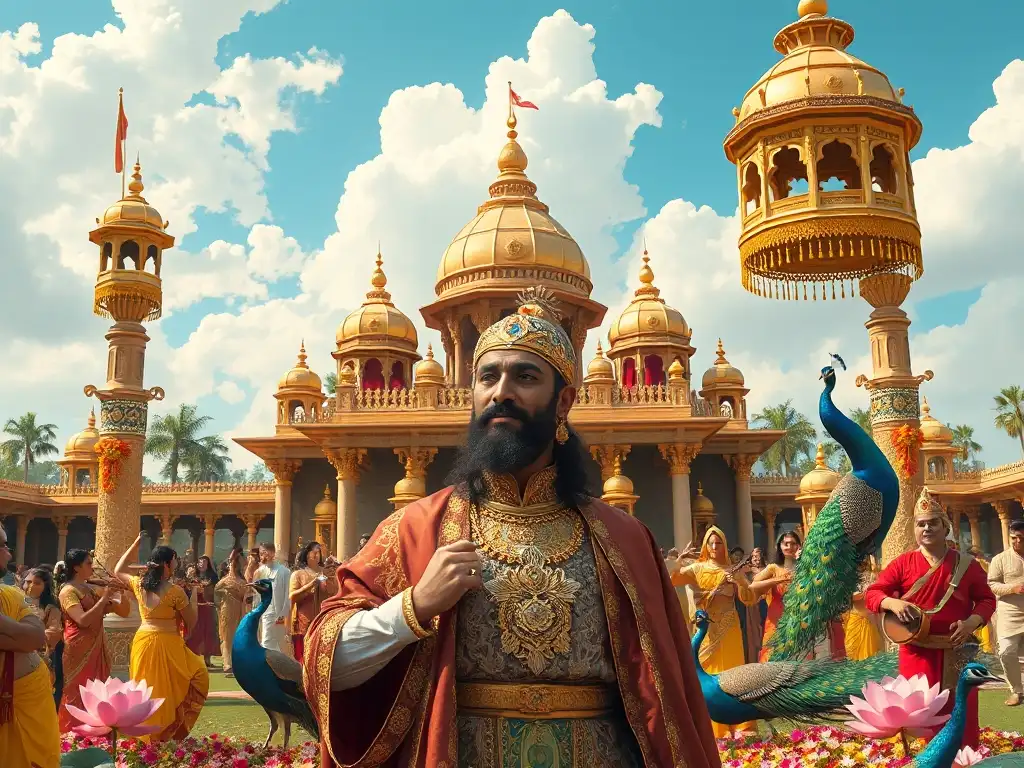
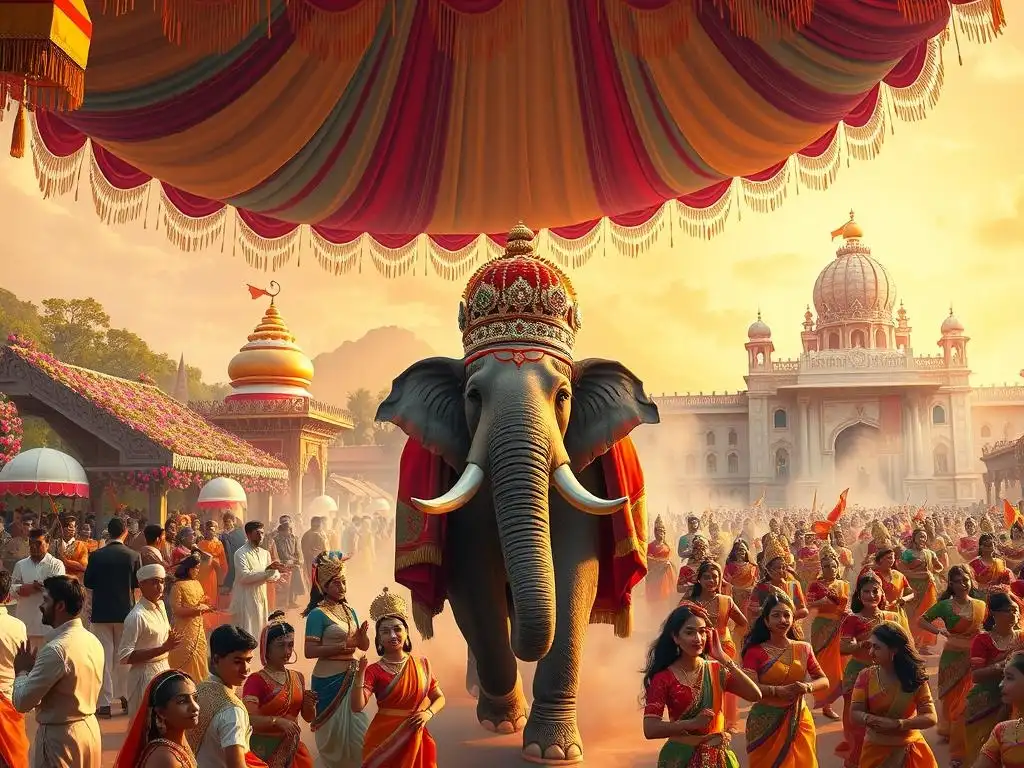
Ancient Indian kings celebrated various festivals with grandeur and magnificence, often marked by elaborate processions. These events not only showcased the power and wealth of the monarchy but also served as a means to affirm the king's divine right to rule. The royal processions typically included a display of opulent chariots, richly adorned elephants, and a retinue of soldiers and courtiers, all set to the sounds of traditional music and the fragrance of flowers.
The festivals were occasions for the king to connect with his subjects, reinforcing loyalty and devotion among the populace. During these celebrations, the king would often engage in ritualistic activities, such as offering prayers to deities, distributing alms, and hosting feasts for the citizens. This engagement fostered a sense of community and shared prosperity, vital for the stability of the kingdom.
The Festival of Chaitra: Welcoming the New Year
The Festival of Chaitra, marking the arrival of the new year, was celebrated with immense enthusiasm across ancient Indian kingdoms. This festival typically coincided with the spring equinox, symbolizing renewal and rejuvenation. Kings would initiate the celebrations with a grand procession that paraded through the capital, showcasing the kingdom’s wealth and cultural heritage.
During Chaitra, various rituals were performed, including the planting of new crops, which were essential for agrarian societies. The festival was also characterized by traditional dances, songs, and the preparation of special dishes, such as puris and sweets, which were shared among the people. This celebration not only highlighted the agricultural abundance but also strengthened social bonds among the citizens.
The Festival of Makar Sankranti: A Time of Harvest
Makar Sankranti, celebrated in January, marked the end of winter and the beginning of the harvest season. It was a significant festival for the agrarian communities, and kings played a crucial role in its observance. The festival involved the worship of the Sun God, symbolizing light and life. Rituals included taking holy dips in rivers, offering prayers, and performing rituals to ensure a bountiful harvest.
Kings would organize grand feasts and fairs, where artisans displayed their crafts, and farmers showcased their produce. This event served not only as a celebration of prosperity but also as a platform for trade and commerce within the kingdom. The unity among the subjects during Makar Sankranti reinforced the king’s authority and the shared prosperity of the realm.
Religious Festivals and Their Significance
Ancient Indian kings also celebrated numerous religious festivals that held deep spiritual significance. These festivals were often steeped in mythology and tradition, reflecting the cultural ethos of the time. The observance of these festivals was a way for kings to demonstrate their piety and commitment to the divine order.
Diwali: The Festival of Lights and Prosperity
Diwali, known as the Festival of Lights, was one of the most celebrated festivals among ancient Indian kings. It symbolized the victory of light over darkness and good over evil. The festival was marked by the illumination of homes and streets with oil lamps and the bursting of firecrackers, creating a vibrant atmosphere throughout the kingdom.
Kings actively participated in Diwali festivities by performing elaborate pujas (prayer rituals) to Goddess Lakshmi, the deity of wealth and prosperity. The celebration included the distribution of sweets and gifts to the citizens, fostering goodwill and reinforcing the bond between the ruler and the ruled. Diwali was not only a time for celebration but also a reminder of the king's responsibility to ensure the prosperity and well-being of his subjects.
Holi: The Festival of Colors and Unity
Holi, the Festival of Colors, was another significant celebration in ancient India, symbolizing the arrival of spring and the triumph of love and devotion. This festival was characterized by joyful gatherings, where people threw colored powders and water at each other, celebrating the spirit of unity and camaraderie.
For kings, Holi was an opportunity to demonstrate their benevolence and connection with the people. They would host grand festivities, inviting citizens to partake in the celebrations. Rituals included singing, dancing, and communal feasting, which helped to dissolve social barriers and promote harmony within the kingdom. The vibrant display of colors during Holi was not just a visual spectacle, but also a testament to the rich cultural tapestry of ancient India.
The festivals celebrated by ancient Indian kings were not merely religious observances; they were intricate ceremonies that reinforced the social structure, showcased the king’s power, and fostered a sense of unity among the people. Each festival, steeped in tradition and significance, contributed to the rich tapestry of ancient Indian culture and its festivals history.
The Symbolism Behind Ancient Indian Festivals
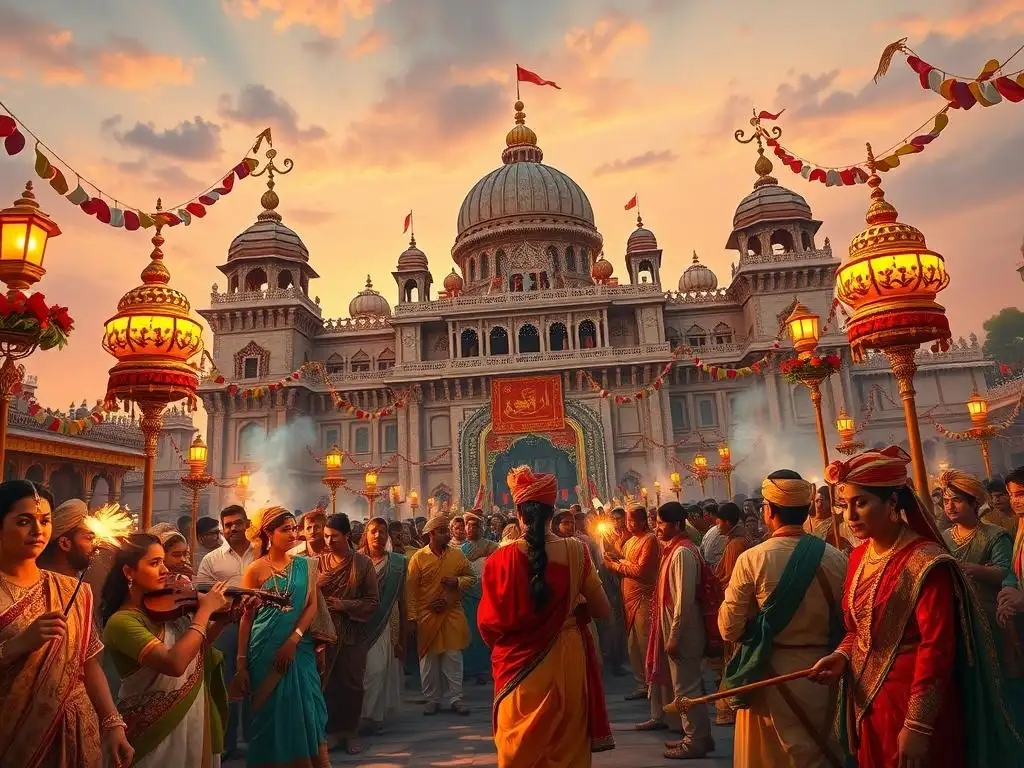
Ancient Indian festivals were not merely occasions for celebration; they were deeply symbolic events that reflected the socio-political landscape of their times. Each festival served as a lens through which the power dynamics, cultural values, and religious beliefs of the era could be understood. These celebrations often marked the triumphs of rulers and their kingdoms, reinforcing their authority and legitimacy in the eyes of the populace.
The festivals celebrated by ancient Indian kings were often grand spectacles that showcased their wealth, power, and divine favor. For instance, during the Maha Shivaratri, kings would perform elaborate rituals to honor Lord Shiva, symbolizing their connection to divine authority. This connection not only reinforced their status as rulers but also positioned them as protectors of dharma (righteousness) within their realms.
Key Features of Power in Festivals:
- Public Processions: Kings often led grand processions through their capitals, adorned with jewels and regal attire, demonstrating their wealth and power.
- Sacrifices and Offerings: Rituals involved animal sacrifices or offerings of food and flowers to deities, emphasizing the king’s role as a mediator between the divine and the earthly realm.
- Cultural Patronage: Festivals were occasions for the king to showcase his patronage of the arts, literature, and music, enhancing his image as a cultured and enlightened ruler.
The Kumbh Mela, for instance, was not only a religious gathering but also a political statement by kings who participated. By sponsoring such events, they aimed to project their authority and commitment to the well-being of their subjects, thus strengthening their rule.
The Cultural Significance of Rituals and Offerings
Rituals and offerings during ancient Indian festivals held profound cultural significance that extended beyond mere tradition. They were rooted in the belief systems and values of the society, often reflecting agricultural cycles, seasonal changes, and community cohesion.
Key Aspects of Rituals and Offerings:
- Agricultural Celebrations: Festivals like Pongal and Baisakhi celebrated the harvest, reinforcing the agrarian society's dependence on seasonal cycles and the prosperity of the land.
- Community Bonding: Rituals often involved the participation of entire communities, fostering a sense of unity and collective identity among the people. For example, during Holi, the festival of colors, people would come together to celebrate the arrival of spring, overcoming social barriers in the process.
- Spiritual Offerings: Offerings made during festivals, such as fruits, grains, and flowers, symbolized gratitude towards deities for their blessings. The act of giving was seen as a way to invoke favor and prosperity for the community.
In addition, the rituals performed during these festivals often included storytelling, music, and dance, which served to pass down cultural values and historical narratives from generation to generation. This transmission of culture was crucial in preserving the identity of ancient Indian civilizations and their rich heritage.
By understanding the symbolism behind ancient Indian festivals, we gain valuable insights into the intricate relationship between culture, power, and spirituality that defined the ancient Indian landscape. The festivals were more than mere celebrations; they were pivotal moments that shaped the historical narrative of ancient India.
The Impact of Ancient Indian Festivals on Society
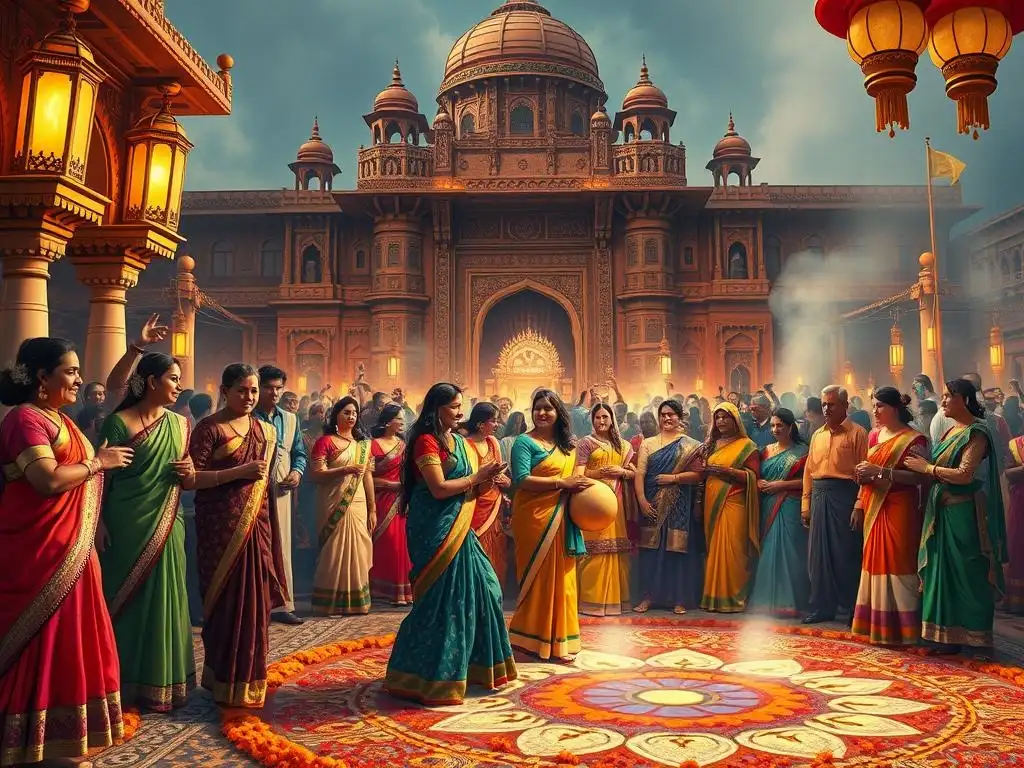
Ancient Indian festivals played a pivotal role in shaping the social structure and cultural fabric of Indian civilization. These celebrations were not merely occasions for merriment; they were integral to community cohesion, economic vitality, and the reinforcement of power among rulers. The importance of festivals can be understood through their influence on social relationships and economic activities.
Strengthening Community Bonds Through Festivals
Festivals in ancient India were a catalyst for social interaction and community bonding. These occasions brought people together, fostering a sense of unity and shared identity.
- Religious Significance: Many festivals were linked to religious observances, such as Diwali and Durga Puja, which held deep spiritual meanings. This shared spirituality created a strong emotional connection among community members, reinforcing their collective identity.
- Cultural Exchange: Festivals served as platforms for cultural exchange, where traditions, music, dance, and art forms were shared and celebrated. For example, the Makar Sankranti festival marked the transition of the sun into Capricorn and was celebrated with kite flying, symbolizing the joy of life and community participation.
- Rituals and Customs: Rituals associated with festivals often required collective participation, such as preparing community feasts, decorating temples, or performing traditional dances. These activities not only strengthened community bonds but also instilled a sense of belonging and shared purpose.
In essence, festivals were more than just celebrations; they were vital to maintaining social harmony and reinforcing the cultural identity of ancient Indian societies.
Economic Boost from Festival Celebrations
The economic impact of festivals in ancient India cannot be overstated. They were significant events that stimulated trade, crafts, and various economic activities.
- Marketplaces and Trade: Festivals attracted large crowds, turning towns into bustling marketplaces. Merchants and artisans showcased their goods, from textiles to pottery, leading to increased trade. For instance, during the harvest festival of Pongal, farmers would sell their produce, benefitting both local economies and the agricultural sector.
- Employment Opportunities: The demand for goods and services during festivals created temporary employment opportunities. Artisans, musicians, and performers found work during these celebrations, stimulating various sectors of the economy.
- Tax Revenue for Kings: Rulers often capitalized on festivals as a means to generate revenue. Taxes collected from merchants and vendors during these times contributed to the royal treasury, allowing kings to fund infrastructure projects and military campaigns.
Ancient Indian festivals significantly contributed to the economic prosperity of communities by fostering trade, providing employment, and generating revenue for the ruling class. Their multifaceted impact highlights the importance of understanding the Ancient Indian festivals history as a crucial aspect of the region's socio-economic development.
Evolution of Festivals from Ancient to Modern Times
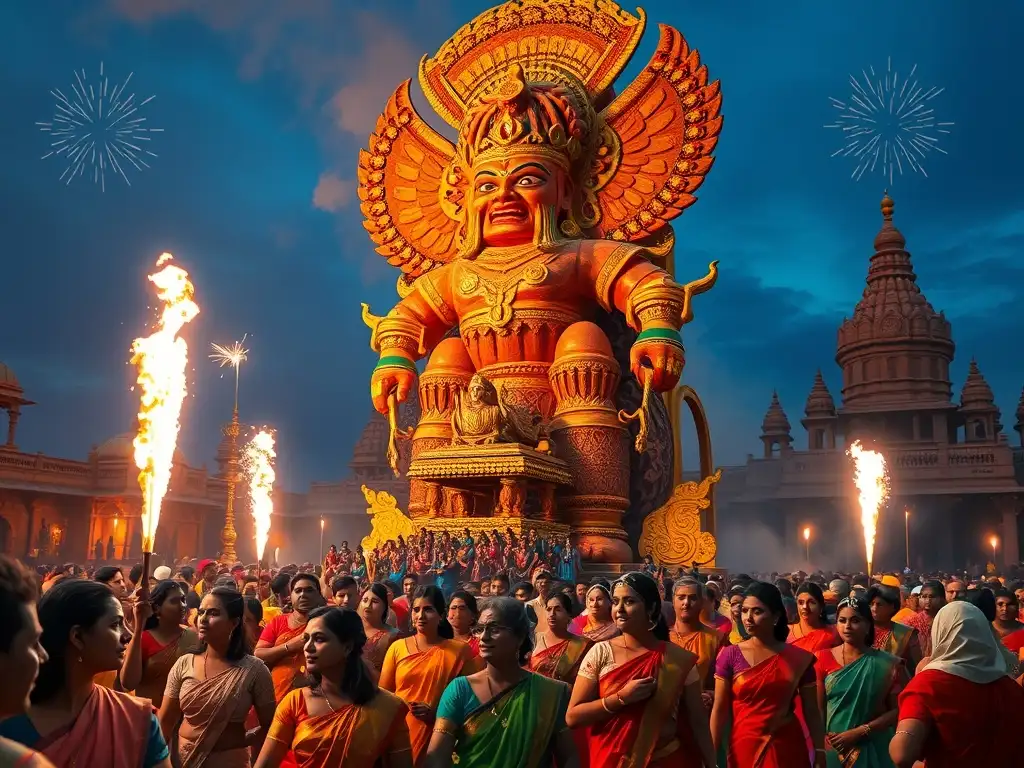
The evolution of festivals from ancient times to the present day reflects the dynamic nature of culture and society in India. Ancient Indian festivals were deeply intertwined with the religious, agricultural, and social practices of the time. Each festival held significant meaning and was a way for kings to display their power and connect with their subjects, ensuring a sense of unity and prosperity within their realms.
At the core of this evolution is the transition from agricultural cycles and seasonal changes that dictated festival timings to a more diverse array of celebrations that incorporate regional, cultural, and religious nuances. Ancient texts, inscriptions, and archaeological findings provide insights into how festivals such as Navaratri, Diwali, and Makar Sankranti have changed over time.
- Agricultural Festivals: Initially, many ancient festivals were rooted in agricultural practices, celebrating harvests and seasonal changes. For instance, Makar Sankranti marked the end of winter and the beginning of longer days, influencing farming cycles.
- Religious Significance: With the rise of various religions, festivals began to reflect spiritual beliefs and practices. Navaratri, dedicated to the goddess Durga, showcased the intertwining of power and devotion, as kings would patronize grand celebrations to demonstrate their piety.
- Cultural Syncretism: Over centuries, as cultures intermingled through trade and conquest, festivals absorbed new elements, leading to rich variations. This syncretism is evident in the way Diwali, originally a harvest festival, evolved into a celebration of the victory of light over darkness, incorporating influences from different regions and faiths.
The continuous transformation of these celebrations illustrates the resilience of cultural practices, adapting to societal changes while retaining their core significance.
Continuity of Traditions: How Ancient Festivals Influence Modern Celebrations
The influence of ancient festivals on modern celebrations in India is profound and multifaceted. Many traditions that originated in the royal courts or among the common folk have been preserved and adapted, maintaining a connection to the past.
- Rituals and Customs: Many rituals from ancient festivals continue to be observed today. For instance, the lighting of diyas (lamps) during Diwali can trace its roots to ancient fire worship rituals, symbolizing purity and the dispelling of darkness.
- Culinary Traditions: The foods associated with festivals often reflect their origins. Dishes prepared during Pongal, for example, are reminiscent of ancient agricultural practices, celebrating the harvest with traditional rice dishes sweetened with jaggery.
- Art and Craft: Many art forms associated with festivals, such as rangoli designs during Diwali, have their origins in ancient practices. These colorful artworks not only beautify homes but also serve as a homage to the historical significance of these celebrations.
- Community Participation: The communal aspect of festivals, where people from various backgrounds come together to celebrate, echoes ancient practices. For instance, the public processions and fairs during Holi have their roots in ancient spring festivals, promoting social cohesion.
The continuity of these traditions highlights the importance of festivals as a means of cultural expression, allowing communities to celebrate their shared heritage while fostering a sense of identity.
The Transformation of Royal Festivals in Contemporary India
In contemporary India, the royal festivals of ancient times have transformed significantly, reflecting changes in governance, society, and culture. The grandeur associated with ancient kings' celebrations has evolved into more democratic and inclusive forms of festivities.
- Shift in Patronage: Ancient festivals were often funded and organized by kings, showcasing their wealth and power. Today, while some festivals retain royal patronage, many are organized by local communities, reflecting a shift towards grassroots involvement.
- Modern Interpretations: Festivals such as Dussehra and Diwali have seen modern interpretations that emphasize social messages. For instance, contemporary performances of the Ramayana during Dussehra now often include themes of social justice and equality.
- Cultural Festivals: The rise of cultural festivals, such as the Kolkata Durga Puja, which began with royal patronage, now showcases the creativity and craftsmanship of communities, turning into a celebration of local art and culture rather than just royal display.
- Global Influence: With globalization, festivals have adapted to include international elements. The celebration of Diwali, for instance, has spread beyond India, celebrated in various countries, incorporating customs from different cultures while retaining its core significance.
The transformation of royal festivals into contemporary celebrations illustrates the adaptability of cultural practices, ensuring that they remain relevant in today's diverse and interconnected world. Through this evolution, the essence of ancient Indian festivals continues to thrive, celebrating the rich tapestry of India's history and cultural heritage.
Conclusion: The Legacy of Ancient Indian Festivals History
Reflection on the Cultural Heritage of Ancient Indian Kings
The festivals celebrated by ancient Indian kings were not merely occasions of revelry; they were reflections of the rich cultural heritage that these rulers nurtured. Festivals served as a means to reinforce royal authority and showcase the prosperity of their kingdoms. For instance, the grand celebrations during the harvest festivals, such as Makar Sankranti, symbolized the bountiful yields and the king's role as a protector and provider for his subjects.
In addition, ancient texts such as the Mahabharata and Ramayana highlight various festivals that were integral to the socio-political fabric of the time. These texts illustrate how festivals were intertwined with religious rituals, agricultural cycles, and community bonding. The elaborate processions, music, dance, and feasts during these occasions were not only expressions of joy but also demonstrations of the king's wealth and power.
Moreover, the architecture of temples and palaces, where many festivals were celebrated, often depicted themes of these celebrations. Intricate carvings and sculptures on temple walls captured scenes from mythological festivals, indicating their importance in the cultural narrative of ancient India. This artistic representation serves as a testament to the significance of festivals in ancient Indian society, reflecting values such as unity, gratitude, and reverence towards nature and the divine.
The Enduring Influence of Festivals in Indian Society Today
The legacy of ancient Indian festivals continues to resonate in contemporary society, showcasing a remarkable continuity of cultural practices. Modern festivals, while evolving in form and expression, retain the essence of the ancient celebrations. For example, Diwali, which has roots in ancient traditions, remains a celebration of light overcoming darkness, symbolizing hope and renewal.
Today's festivals often blend historical significance with modern interpretations, fostering community ties and cultural identity. The rituals, such as the lighting of lamps or the preparation of traditional sweets, echo age-old practices that were once part of royal celebrations. Furthermore, festivals today often serve as platforms for social and economic interactions, reflecting the historical role they played in ancient times.
The influence of ancient Indian festivals extends beyond religious and cultural boundaries, impacting various aspects of daily life. The concepts of hospitality, sharing, and community service, which were emphasized during ancient celebrations, continue to be relevant. Furthermore, these festivals contribute significantly to the tourism industry, drawing visitors who seek to experience the vibrant cultural tapestry of India.
The festivals of ancient Indian kings encapsulate a rich history filled with cultural significance and social importance. They not only celebrate the power and prosperity of the past but also continue to shape the identity and practices of Indian society today. Understanding the ancient Indian festivals history allows us to appreciate the depth and continuity of cultural traditions that have stood the test of time.
Frequently Asked Questions
What were the key festivals celebrated by ancient Indian kings?
Ancient Indian kings celebrated various festivals that symbolized power and prosperity, such as Makar Sankranti, Diwali, and Holi, reflecting their cultural richness.
How did ancient festivals impact the society of the time?
Festivals played a crucial role in uniting communities, fostering social bonds, and showcasing the wealth and influence of the ruling classes, thus enhancing their legitimacy.
Were ancient Indian festivals linked to any specific religions?
Yes, many ancient Indian festivals were deeply rooted in Hinduism, with elements from Buddhism and Jainism also influencing the celebrations, showcasing a diverse spiritual heritage.
How did the celebration of festivals reflect the political landscape of ancient India?
Festivals often served as a platform for displaying power and authority, where kings participated to impress their subjects and reinforce their political status.
What contributions did ancient Indian festivals make to cultural heritage?
Ancient festivals contributed significantly to the cultural heritage of India by promoting art, literature, and music, which are essential components of the rich traditions still celebrated today.
Final Reflection: Celebrating the Legacy of Ancient Indian Festivals
In exploring the rich tapestry of ancient Indian festivals, we uncover not only the vibrant traditions that have shaped cultural identities but also the profound significance these celebrations held in asserting the power and prosperity of kings. Today, as we navigate a world increasingly disconnected from its roots, the relevance of these festivals becomes strikingly clear; they remind us of the importance of community, heritage, and the shared joy that binds us together in celebration.
The influence of these ancient festivals extends far beyond their historical context, shaping the cultural landscape of modern India and inspiring countless celebrations worldwide. Their essence can be seen in contemporary festivities that echo the grandeur and communal spirit of the past. As the renowned historian Romila Thapar once said, "> Festivals are not merely events; they are a reflection of the society that celebrates them." This observation highlights how these ancient traditions continue to resonate, fostering a sense of belonging and continuity in an ever-evolving world.
As we reflect on the lessons embedded in the history of ancient Indian festivals, I invite you to consider how you can incorporate the spirit of these celebrations into your own life. Whether it’s through participating in local festivities, learning about your cultural heritage, or simply taking a moment to appreciate the beauty of communal gatherings, let us honor the legacy of our ancestors by celebrating the power of unity and joy in our own communities. Embrace the call to celebrate, for in doing so, we not only honor the past but also enrich our present and future.
Celebrate the Legacy: Dive into Ancient Indian Festivals!
Thank you for exploring the vibrant world of Ancient Indian kings and their magnificent festivals! You've uncovered the rich tapestry of power and prosperity that shaped a remarkable history. Now, let's take that inspiration and turn it into action!
Here’s how you can continue your journey:
- Join a local cultural festival that celebrates Indian heritage in your area to experience the essence of these ancient traditions firsthand.
- Share your insights with friends and family! Discuss your favorite festival from your readings and what you found most fascinating about it.
- Explore more by reading additional articles on our site. Discover lesser-known festivals or delve deeper into the customs that made these celebrations unique.
What aspects of Ancient Indian festivals intrigue you the most, and how do you envision celebrating that rich history in your modern life?