
Ganesh Chaturthi: The Significance of Lord Ganesha in Ancient Indian Culture

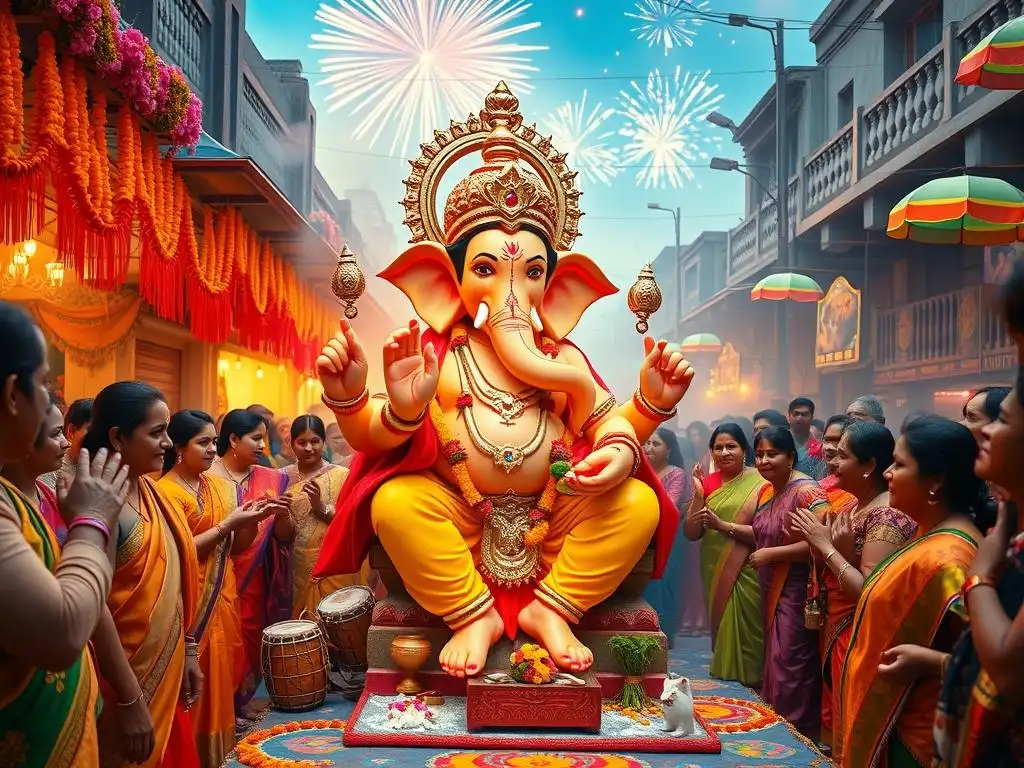
Welcome to Ancient India History, where we embark on a fascinating journey through the rich tapestry of ancient Indian civilizations. Today, we delve into the vibrant significance of Lord Ganesha in culture, particularly in the festive celebration of Ganesh Chaturthi. Discover how this beloved deity embodies wisdom, prosperity, and new beginnings while playing a pivotal role in the cultural fabric of India. Join us as we explore the myths, rituals, and the enduring legacy of Ganesha that continue to captivate hearts and minds across generations. Your adventure into the depths of ancient traditions begins here!
Ganesh Chaturthi is not merely a festival; it is a vibrant celebration steeped in the rich tapestry of ancient Indian culture, embodying the reverence and devotion of millions toward Lord Ganesha. Known as the remover of obstacles and the harbinger of good fortune, Lord Ganesha holds a prominent place in the pantheon of Hindu deities.
His significance transcends religious boundaries, symbolizing wisdom, prosperity, and auspicious beginnings. This article delves deep into the multifaceted role of Lord Ganesha in ancient Indian culture, exploring the historical roots of Ganesh Chaturthi, its rituals, and the underlying cultural values that have persisted through the ages.
Historical Background of Ganesh Chaturthi
Ganesh Chaturthi has its origins in ancient Indian traditions, with references to the worship of Lord Ganesha found in texts such as the Ganapati Atharvasirsha and the Puranas. The festival was historically celebrated with great fervor in Maharashtra, where it was institutionalized during the British colonial rule by social reformers like Lokmanya Tilak, who aimed to promote unity and patriotism among Indians.
- Key Historical Points:
- Ancient Texts: The significance of Lord Ganesha is documented in various ancient scriptures.
- Maharashtra's Role: The state played a crucial role in popularizing Ganesh Chaturthi as a public festival.
- Colonial Influence: The festival became a symbol of resistance against colonial rule.
Rituals and Traditions of Ganesh Chaturthi
The celebration of Ganesh Chaturthi is marked by a series of rituals that reflect the artistic, cultural, and spiritual values of ancient Indian society. The festival begins with the installation of Ganesha idols in homes and public places, followed by a period of worship that lasts for ten days. Devotees engage in various practices that enhance community bonding and cultural expression.
- Common Rituals Include:
- Pran Pratishtha: Invoking the deity's spirit into the idol.
- Aarti and Bhajans: Singing devotional songs to honor Ganesha.
- Visarjan: The immersion of the idol in water at the end of the festival, symbolizing the cycle of creation and dissolution.
Cultural Values Associated with Lord Ganesha
The significance of Lord Ganesha extends beyond mere worship; it embodies various cultural values that are integral to ancient Indian philosophy. Ganesha represents the ideals of wisdom, humility, and perseverance, teaching devotees the importance of overcoming challenges with a positive mindset.
- Cultural Values:
- Wisdom and Learning: Ganesha is often worshipped by students and scholars seeking knowledge.
- New Beginnings: He is invoked at the start of new ventures, symbolizing success and prosperity.
- Community and Togetherness: The festival fosters a sense of unity among diverse groups.
Conclusion
As we explore the significance of Lord Ganesha in ancient Indian culture, it becomes evident that Ganesh Chaturthi is a festival that encapsulates a wealth of historical, spiritual, and cultural narratives. It stands as a testament to the enduring legacy of ancient Indian civilizations, reminding us of the values that continue to resonate in contemporary society. Embracing the teachings of Lord Ganesha encourages individuals to navigate life's obstacles with wisdom and grace, making Ganesh Chaturthi a celebration of life itself.
- Historical Background of Ganesh Chaturthi
- Rituals and Traditions of Ganesh Chaturthi
- Cultural Values Associated with Lord Ganesha
- Conclusion
- What is the significance of Lord Ganesha in ancient Indian culture?
- How is Ganesh Chaturthi celebrated in modern times?
- What are some historical contributions of Ganesha in art and literature?
- How does Ganesha symbolize diversity in Indian culture?
- What role does Ganesha play in festivals beyond Ganesh Chaturthi?
Introduction to Ganesh Chaturthi
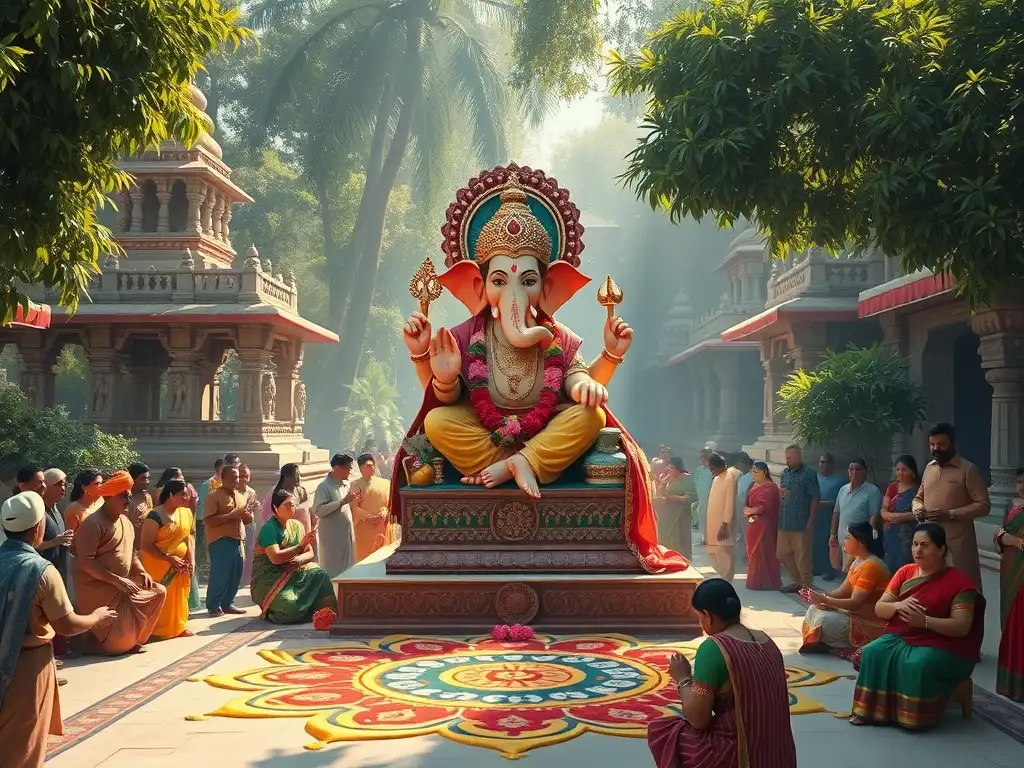
Ganesh Chaturthi is a vibrant festival celebrated predominantly in India, honoring Lord Ganesha, the elephant-headed deity known as the remover of obstacles and the god of beginnings. This festival holds deep cultural and spiritual significance, reflecting the rich tapestry of ancient Indian traditions. Celebrated with great enthusiasm, it marks the arrival of Lord Ganesha into the homes of devotees, fostering community bonding, artistic expression, and a showcase of devotion.
Overview of Ganesh Chaturthi Festival
Ganesh Chaturthi is celebrated on the fourth day of the bright half of the month of Bhadrapada, typically falling between August and September. The festival spans over ten days, culminating in the immersion of Ganesha idols in water bodies, symbolizing his return to Mount Kailash. The celebration involves several key practices:
- Idol Creation: Artisans meticulously craft idols of Ganesha from clay, showcasing their artistic skills and devotion.
- Puja (Worship): Devotees perform elaborate rituals, which include chanting mantras, singing hymns, and offering sweets, flowers, and prayers.
- Community Events: The festival encourages communal participation, with local organizations often organizing events, processions, and cultural performances.
- Immersion Ceremony: The immersion of the Ganesha idols signifies the cycle of creation and dissolution, reinforcing the concept of impermanence in life.
The festival not only serves as a religious occasion but also as a platform to promote social harmony and environmental consciousness, especially with the growing emphasis on eco-friendly practices.
Importance of Lord Ganesha in Ancient Indian Culture
Lord Ganesha's significance in ancient Indian culture extends far beyond his role as a deity associated with prosperity and success. He embodies various philosophical and cultural ideals that are deeply ingrained in the fabric of Indian society. Here are some of the pivotal aspects of his importance:
- Symbol of Wisdom and Knowledge: Lord Ganesha is revered as the god of intellect and learning. In ancient texts, he is often depicted as a divine scribe, recording the teachings of sages. This association has influenced educational practices and cultural emphasis on knowledge in ancient Indian civilizations.
- Remover of Obstacles: Ganesha's primary role as the remover of obstacles, known as "Vighnaharta," has made him a beloved figure in both personal and professional endeavors. Ancient Indians would invoke his blessings before embarking on significant ventures, reflecting the belief in divine intervention.
- Cultural Integration: Ganesha transcends regional and sectarian boundaries, representing a unifying force in diverse ancient Indian cultures. His worship is integrated into various festivals, rituals, and art forms, showcasing the syncretic nature of Indian spirituality.
- Artistic Inspiration: The iconography of Lord Ganesha has inspired countless works of art, sculpture, and literature throughout ancient India. Artists have depicted him in myriad forms, symbolizing various philosophical concepts, such as duality and the balance between material and spiritual existence.
- Philosophical Symbolism: Ganesha's physical attributes, such as his large ears and trunk, symbolize the importance of listening and adaptability. His round body represents the universe, while his broken tusk signifies the acceptance of imperfections in life.
The significance of Lord Ganesha in ancient Indian culture is multifaceted, encompassing aspects of spirituality, education, art, and community. The celebration of Ganesh Chaturthi serves not only as a homage to this revered deity but also as a reminder of the rich cultural heritage that continues to inspire generations.
Historical Background of Lord Ganesha
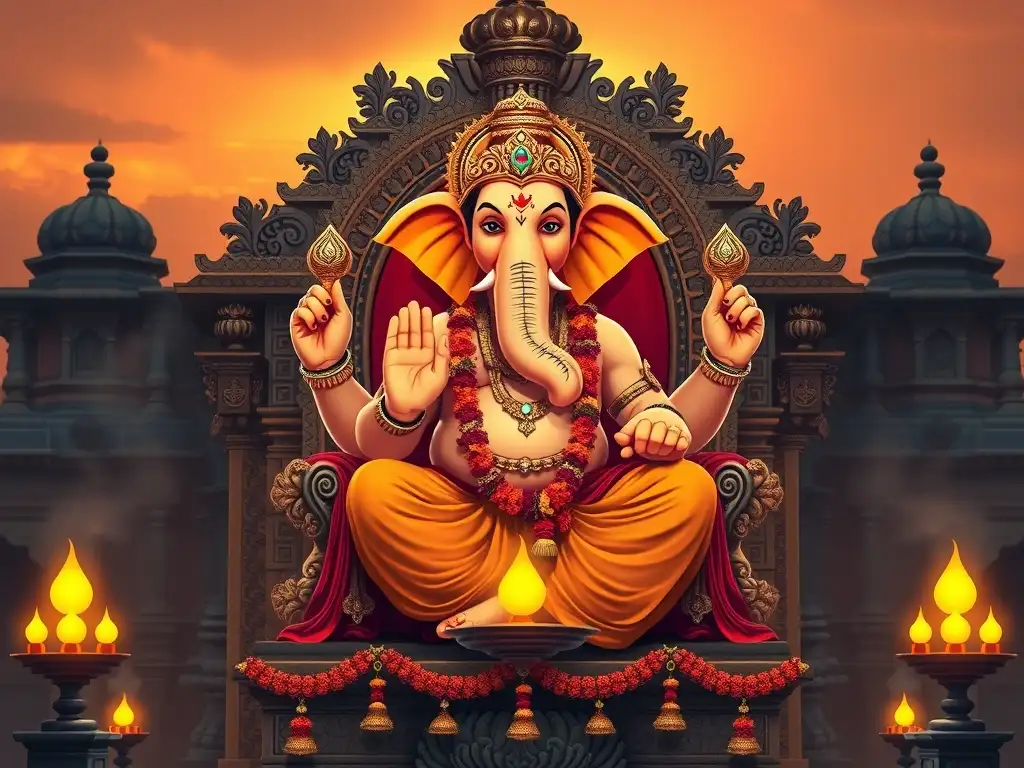
Origins of Lord Ganesha in Hindu Mythology
The origins of Lord Ganesha are steeped in rich mythological narratives, primarily found in ancient Hindu texts. According to the Puranas, Ganesha was created by Goddess Parvati to guard her while she bathed. In a twist of fate, when Lord Shiva, Parvati's husband, returned home and was denied entry by the young Ganesha, he unknowingly severed the boy's head in a confrontation.
To atone for his actions and placate Parvati, Shiva ordered his followers to bring back the head of the first being they encountered, which happened to be an elephant. This act of restoration resulted in Ganesha being revived with the head of an elephant, symbolizing wisdom and strength.
Evolution of Ganesha Worship in Ancient India
The worship of Lord Ganesha can be traced back to the early centuries of the Common Era, where he began to emerge as a prominent deity in the Hindu pantheon. The earliest known representations of Ganesha are found in inscriptions and sculptures from the 2nd century CE, particularly in the region of Maharashtra.
- Early Artistic Representations: The first depictions of Ganesha appear in Buddhist art, illustrating the cultural exchanges between Hinduism and Buddhism. Over time, Ganesha's image evolved, incorporating elements that signified his status as the remover of obstacles and the lord of beginnings.
- Cultural Integration: As Ganesha worship gained popularity, it began to intertwine with various regional practices. For instance, in the southern states of India, local traditions influenced the portrayal and rituals associated with Ganesha, leading to a rich tapestry of cultural expressions.
- Literary References: The Ganapati Atharvasirsha, a text composed around the 5th century CE, highlights Ganesha's significance in Vedic rituals, establishing him as an essential deity for auspicious beginnings and the protector of knowledge. This text solidified his role within the spiritual and cultural framework of ancient India.
- Festivals and Celebrations: By the medieval period, Ganesha was not only revered in homes but also celebrated through public festivals, marking his significance in the community's social and spiritual life. The Ganesh Chaturthi festival, which has ancient roots, became a pivotal event that emphasized community bonding, devotion, and cultural identity.
As Ganesha's worship evolved through various dynasties and regions, it encapsulated the essence of ancient Indian culture, demonstrating how a single deity could embody diverse aspects of life, from intellect to prosperity. His significance in culture continues to resonate deeply in contemporary India, showcasing the enduring legacy of ancient traditions.
Lord Ganesha's Symbolism in Culture
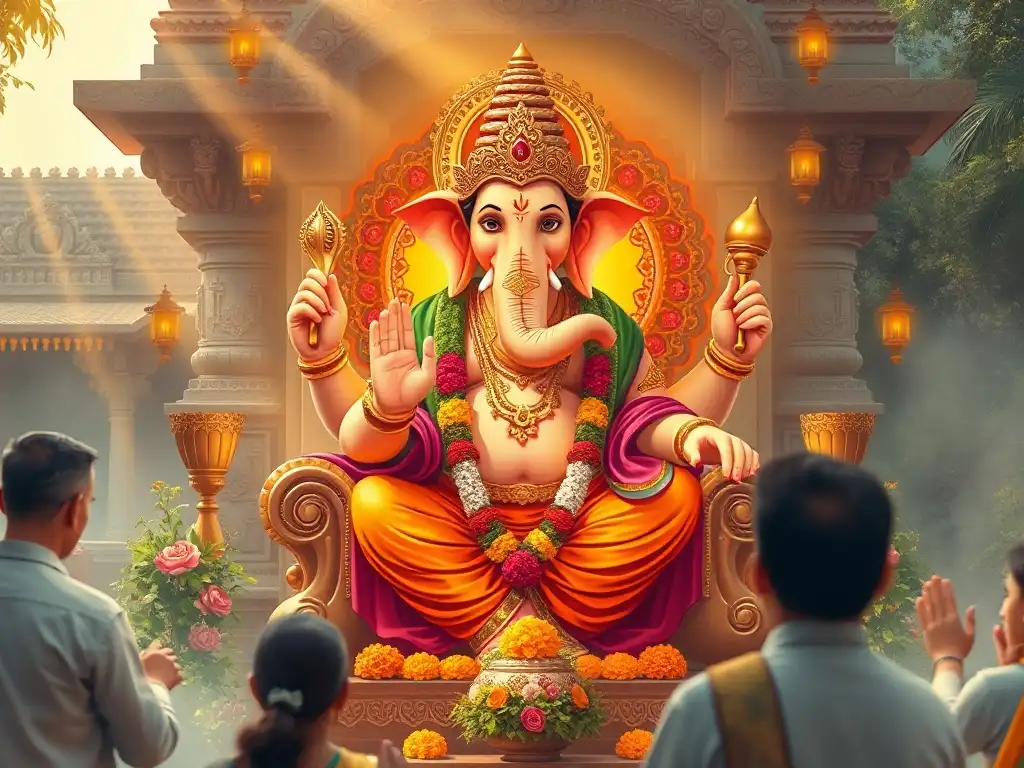
Lord Ganesha, revered as the remover of obstacles and the deity of beginnings, holds a pivotal role in the cultural framework of ancient India. His significance transcends mere religious observance, embodying a plethora of philosophical and cultural values that resonate through various facets of Indian life. This section delves into the rich symbolism associated with Lord Ganesha, exploring how his image and attributes have been intricately woven into the tapestry of ancient Indian culture.
Representations of Lord Ganesha in Ancient Art and Architecture
Ancient Indian art and architecture serve as a testament to the profound impact of Lord Ganesha on cultural expression. Numerous sculptures, murals, and temple carvings from different periods depict Ganesha in various forms, each conveying unique aspects of his symbolism.
- Sculptural Representations:
- Stone Carvings: Temples from the Gupta period, such as those in Udayagiri and Elephanta, exhibit exquisite stone carvings of Ganesha. His portrayal often includes distinct features like the elephant head, large ears, and a plump body, symbolizing wisdom and abundance.
- Bronze Statues: The Chola dynasty is known for its intricate bronze sculptures of Ganesha, often used in ritualistic practices. These statues highlight his playful nature and the joy of life, emphasizing the cultural appreciation of art.
- Murals and Frescoes:
- The Ajanta Caves are adorned with frescoes that depict Ganesha in scenes of devotion and celebration. These paintings reflect the socio-religious context of the time, showcasing Ganesha’s integral role in festivals and everyday life.
- Temple Architecture:
- Ganesha is frequently found at the entrance of temples, symbolizing the removal of obstacles for devotees entering sacred spaces. This architectural choice underscores the belief in Ganesha's protective and blessing-giving qualities.
The diversity in representations across different regions and time periods indicates the adaptability of Ganesha's symbolism within cultural narratives, making him a significant figure in ancient Indian art.
The Cultural Significance of Ganesha's Attributes and Iconography
The attributes of Lord Ganesha are rich in meaning, each element of his iconography conveying deeper philosophical insights that reflect ancient Indian values and beliefs.
- Elephant Head:
- The elephant head of Ganesha symbolizes wisdom, intelligence, and the ability to overcome obstacles. Elephants are revered in Indian culture for their memory and strength, traits that are mirrored in Ganesha’s character.
- Large Ears:
- Ganesha’s large ears represent the importance of listening and understanding. In ancient Indian culture, the emphasis on communication and knowledge is paramount, and Ganesha serves as a reminder to heed wisdom.
- Trunk:
- The trunk represents adaptability and the ability to navigate through challenges. This attribute signifies that one must be flexible in life, a vital lesson in ancient Indian philosophy.
- Sweet Modaks:
- Often depicted holding a modak (sweet), Ganesha signifies the sweetness of life and the rewards that come with hard work and dedication. This aspect of Ganesha emphasizes the importance of enjoying the fruits of labor.
- Mouse as a Vehicle:
- Ganesha’s vehicle, the mouse, symbolizes humility and the ability to overcome adversity, regardless of size or strength. This reinforces the cultural value of humility in achieving success.
The rich tapestry of Ganesha's attributes offers profound insights into the values and philosophies cherished in ancient India. As a cultural icon, Lord Ganesha embodies the essence of life’s challenges and triumphs, making him a beloved figure across generations.
Through these representations and attributes, Lord Ganesha's significance in culture is not merely as a deity but as a foundational element that shapes social, artistic, and spiritual dimensions of ancient Indian civilization.
Celebrations and Traditions of Ganesh Chaturthi
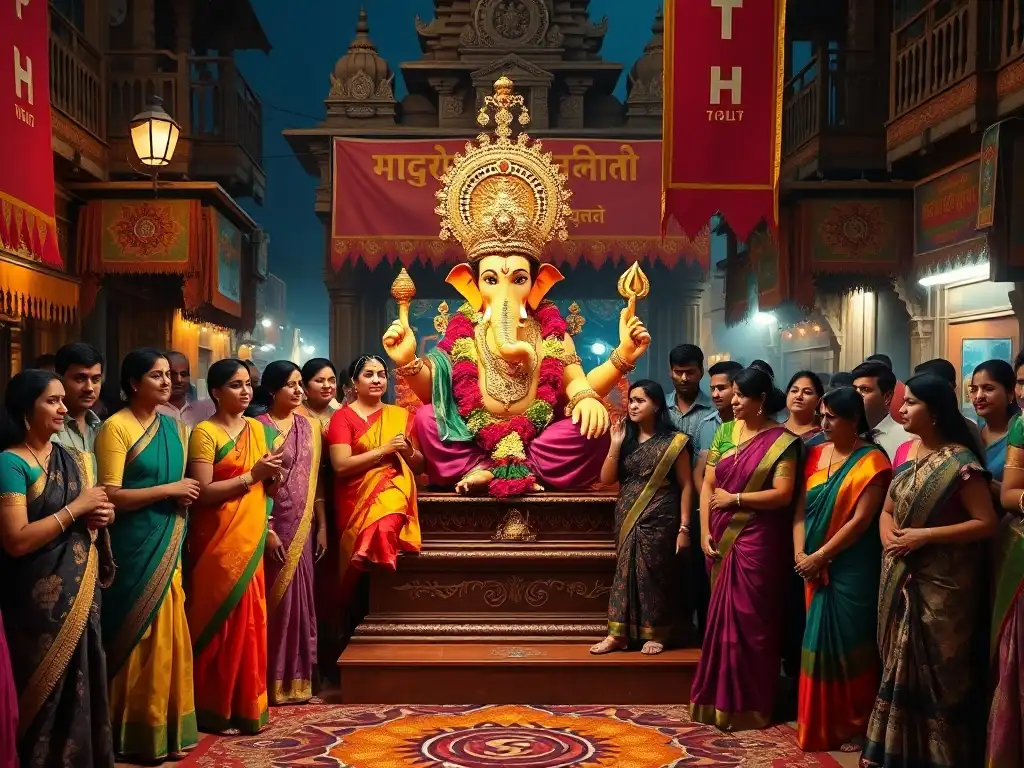
Ganesh Chaturthi is one of the most vibrant and widely celebrated festivals in India, particularly in the western states like Maharashtra. This festival marks the birth of Lord Ganesha, the elephant-headed deity revered as the remover of obstacles and the patron of arts and sciences. The celebrations are rich in traditions, rituals, and communal participation, reflecting the deep-rooted significance of Lord Ganesha in culture.
The festival typically lasts for ten days, culminating with the immersion of Ganesha idols in water bodies, symbolizing his return to Mount Kailash. Communities come together to organize elaborate processions, cultural performances, and community feasts. The atmosphere during this time is charged with devotion, joy, and an overwhelming sense of togetherness.
Rituals and Customs Observed During Ganesh Chaturthi
The rituals and customs associated with Ganesh Chaturthi are as diverse as the regions in which they are celebrated. Here are some key practices observed during the festival:
- Installation of Idols:
- Idols of Ganesha are brought home or installed in public pandals (temporary structures).
- The idols can vary in size, from small household figures to massive public installations.
- Pran Pratishtha:
- This is the ritual of invoking the deity into the idol, performed with chanting of mantras and offerings.
- Devotees offer flowers, fruits, and sweets, especially modaks, which are believed to be Ganesha's favorite.
- Daily Pujas:
- Each day of the festival involves specific rituals, including recitation of prayers, singing of bhajans, and performing aarti.
- Devotees often gather in groups to share stories of Ganesha and engage in spiritual discussions.
- Cultural Performances:
- Various cultural events, such as dance, music, and drama, are organized in pandals, showcasing local talent and fostering community spirit.
- These performances often include traditional dances like Lavani and Tamasha.
- Visarjan:
- The festival concludes with the immersion (visarjan) of the Ganesha idol in water, symbolizing the cycle of creation and dissolution.
- The immersion is marked by processions filled with music, dance, and chants, demonstrating the collective faith and enthusiasm of participants.
The combination of these rituals fosters a strong sense of community and devotion among participants, reinforcing the cultural significance of Lord Ganesha as a unifying figure.
Regional Variations of Ganesh Chaturthi Celebrations in India
While Ganesh Chaturthi is celebrated across India, distinct regional variations showcase the diverse cultural tapestry of the country. Some notable regional variations include:
- Maharashtra:
- The most famous celebrations occur in Maharashtra, particularly in Mumbai, where large public processions and extravagant pandals are the norm.
- Local traditions, such as the 'Ganesh Gully' processions, highlight the competitive spirit among neighborhoods.
- Karnataka:
- In Karnataka, the festival is celebrated with unique customs, such as the installation of Ganesha idols in homes and temples, accompanied by traditional music and dances.
- The idol immersion often takes place in the nearby rivers or lakes, reflecting the importance of nature in worship.
- Tamil Nadu:
- Tamil Nadu celebrates Ganesh Chaturthi with a focus on artistic expression, where elaborate clay idols are crafted and beautifully decorated.
- The festival may also coincide with other local celebrations, integrating regional folklore and customs.
- Gujarat:
- In Gujarat, Ganesh Chaturthi is marked by vibrant celebrations that include folk dances, music, and traditional cuisine, showcasing the state's rich cultural heritage.
- The community aspect is prominent, with families coming together to celebrate and share meals.
These regional variations not only highlight the local customs and traditions but also emphasize the universal reverence for Lord Ganesha, reinforcing his significance in culture across different Indian societies.
The Role of Lord Ganesha in Daily Life
Lord Ganesha as the Remover of Obstacles
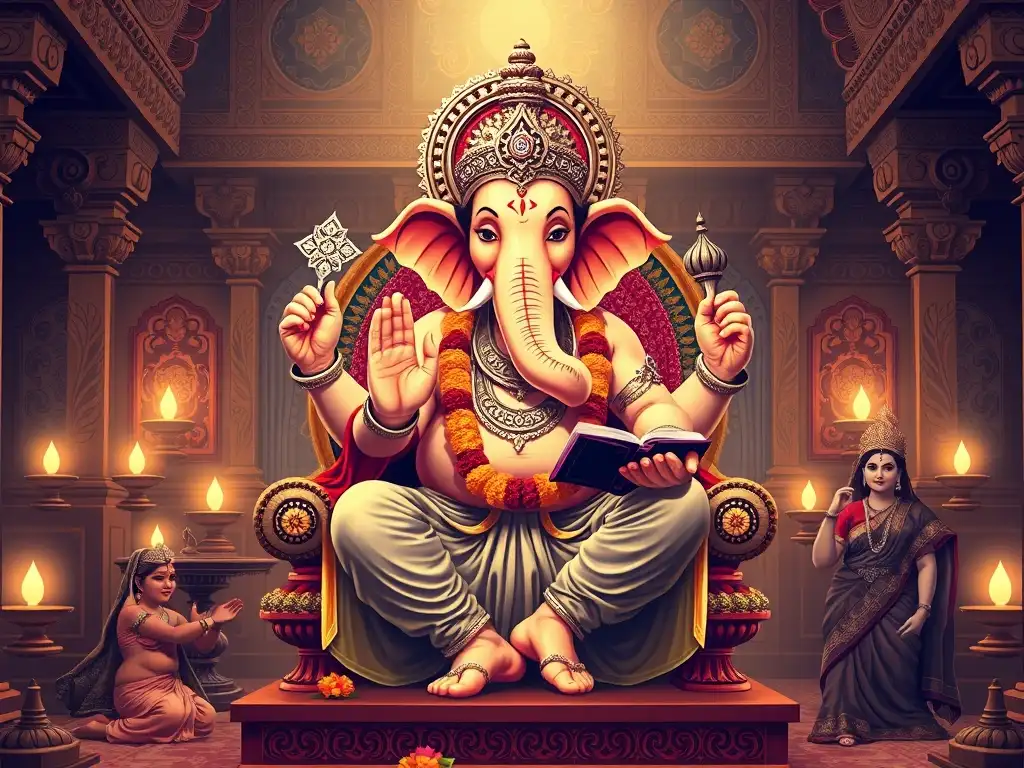
Lord Ganesha, revered as the Remover of Obstacles, holds a significant place in the daily lives of devotees across India. His role transcends mere religious symbolism, embodying the essence of overcoming challenges and manifesting opportunities. This belief is deeply rooted in ancient texts and practices, where Ganesha is invoked at the beginning of any new venture, be it a business, marriage, or educational pursuit.
Cultural Practices
In daily rituals, worshippers often create a small altar for Ganesha at home, where he is offered flowers, fruits, and sweets, particularly modaks, which are considered his favorite. This practice serves not just as a spiritual exercise but also as a way to cultivate positivity and focus before embarking on new endeavors. Many families recite the Ganesh Vandana, a prayer that extols Ganesha's virtues, emphasizing his power to clear paths and bring success.
Symbolic Representation
The symbolic representation of Lord Ganesha with an elephant head, large ears, and a trunk is significant. The large ears signify the importance of listening and understanding, while the trunk symbolizes adaptability and strength. This imagery reinforces the belief among devotees that by embodying these qualities, they too can navigate through life's obstacles effectively.
The Influence of Ganesha in Arts and Literature
Lord Ganesha's influence stretches beyond the spiritual realm into the vibrant world of arts and literature, making him a central figure in ancient Indian culture. Artists and writers have drawn inspiration from his multifaceted persona, celebrating his attributes through various mediums.
Artistic Representations
The depiction of Ganesha in sculptures, paintings, and dance forms a crucial aspect of Indian art. Temples across the subcontinent showcase intricate carvings of Ganesha, often illustrating him in dynamic poses that convey both gentleness and strength. This artistic representation is not merely decorative; it serves as a medium for storytelling, encapsulating the tales of Ganesha's exploits and his role as a divine protector.
Literary Contributions
In literature, Ganesha has been celebrated in ancient texts such as the Ganapati Atharvasirsha and various Puranas. These texts elaborate on his significance and depict various legends surrounding his birth, wisdom, and benevolence. The poetic verses dedicated to Ganesha highlight his wisdom and intellect, marking him as the ultimate guide for scholars and poets alike.
In contemporary arts, Ganesha continues to inspire modern interpretations, including films, music, and literature, showcasing his timeless relevance in Indian culture. His presence in these forms fosters a deeper connection among the people, linking them to their rich historical legacy while celebrating the significance of Lord Ganesha in culture.
The dual role of Lord Ganesha as a remover of obstacles and a muse for artists and writers underscores his profound impact on ancient Indian culture. His significance continues to resonate through traditions, prayers, and creative expressions, making him a central figure in the cultural tapestry of India.
The Significance of Lord Ganesha in Festivals
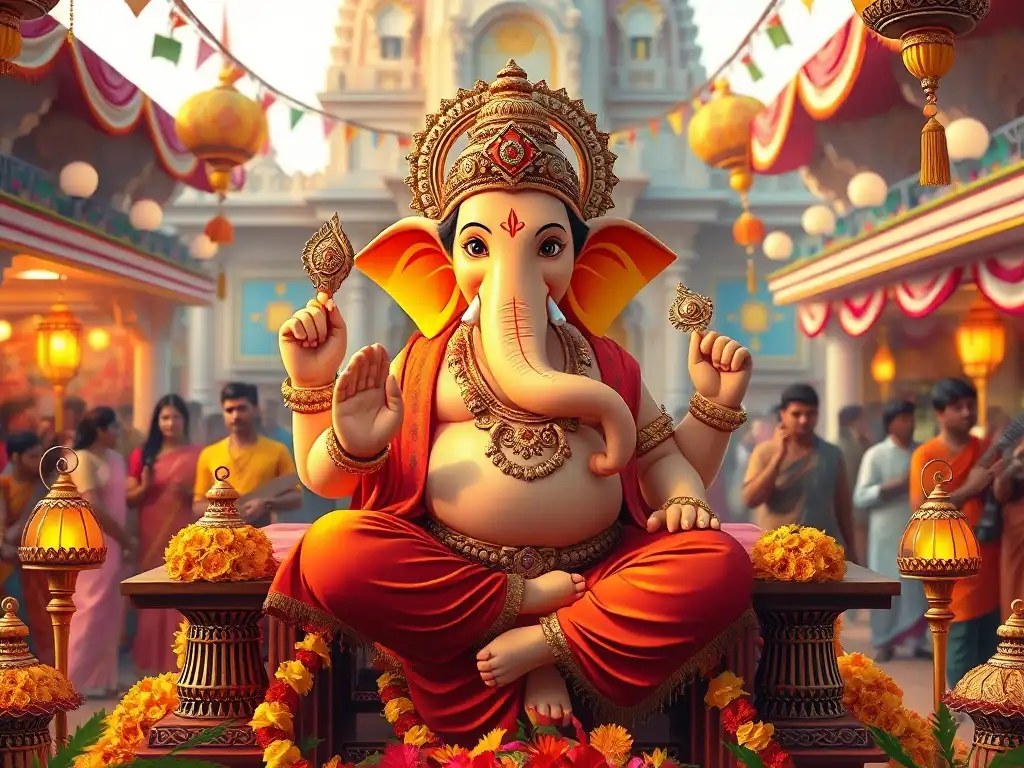
The significance of Lord Ganesha extends far beyond his portrayal as the remover of obstacles. In ancient Indian culture, Ganesha is revered not only as a deity associated with wisdom and intellect but also as a pivotal figure in various festivals, particularly Ganesh Chaturthi. This festival exemplifies the deep spiritual and cultural connections that Lord Ganesha embodies within Indian society, weaving together traditions, beliefs, and communal harmony.
The Spiritual and Cultural Impact of Ganesh Chaturthi
Ganesh Chaturthi, celebrated with great fervor across India, is a festival that honors Lord Ganesha's arrival to Earth. The spiritual significance of this festival can be understood through several key aspects:
- Symbol of New Beginnings: Lord Ganesha is often invoked at the start of new ventures, making him a symbol of auspicious beginnings. The festival marks the commencement of the Hindu lunar calendar month of Bhadrapada, which is considered propitious for new endeavors.
- Community Bonding: Ganesh Chaturthi fosters unity and communal spirit. Local communities come together to organize elaborate celebrations, showcasing the importance of collective participation in rituals and festivities. This strengthens social ties and promotes cultural exchange.
- Artistic Expression: The festival encourages artistic expression through the creation of intricate clay idols of Ganesha. These idols often reflect local craftsmanship and artistic traditions, serving as a canvas for cultural storytelling and heritage.
- Rituals and Offerings: Devotees engage in various rituals, such as prayers (puja), offerings of flowers, fruits, and sweets, particularly modaks, which are believed to be Lord Ganesha's favorite. These offerings symbolize devotion and gratitude, reinforcing the spiritual connection between the deity and the devotees.
- Environmental Awareness: In recent years, there has been a shift towards eco-friendly celebrations, with the use of biodegradable materials for idols and decorations. This change reflects a growing awareness of environmental sustainability within ancient traditions.
In essence, Ganesh Chaturthi is not merely a festival; it is a celebration of life, spirituality, and community that resonates with the core values of ancient Indian culture.
Modern Interpretations of Ganesha's Significance in Contemporary Society
As society evolves, so does the interpretation of Lord Ganesha's significance. In contemporary contexts, the relevance of Ganesha transcends religious boundaries, adapting to modern lifestyles while retaining its profound cultural roots:
- Cultural Icon: Lord Ganesha has become a cultural icon, representing wisdom and prosperity. His image is prevalent in various forms of art, fashion, and design, appealing to a broader audience and making Ganesha's significance accessible to all.
- Global Influence: The celebration of Ganesh Chaturthi has transcended geographical barriers, with communities around the world honoring Ganesha. This globalization of the festival highlights the universal values of community, creativity, and spirituality.
- Philosophical Teachings: The teachings associated with Lord Ganesha—such as the importance of overcoming obstacles and seeking knowledge—are increasingly relevant in today’s fast-paced world. Many individuals draw inspiration from these teachings to navigate modern challenges.
- Integration with Technology: The advent of technology has also influenced Ganesh Chaturthi celebrations. From virtual pujas to online communities sharing experiences and traditions, the festival adapts to the digital age while preserving its essence.
The evolving interpretations of Lord Ganesha's significance in contemporary society underscore the enduring legacy and adaptability of ancient Indian culture, ensuring that the teachings and values associated with Ganesha remain relevant for generations to come.
The significance of Lord Ganesha in festivals, particularly during Ganesh Chaturthi, highlights a rich tapestry of spiritual, cultural, and modern elements that continue to shape the identity of ancient Indian civilization in today's world.
Conclusion
Recap of Lord Ganesha's Importance in Ancient Indian Culture
Lord Ganesha, often referred to as the remover of obstacles and the god of beginnings, holds a pivotal role in ancient Indian culture. His significance transcends mere religious worship; he embodies a synthesis of various cultural elements that have evolved over millennia. Ganesha’s representation as an elephant-headed deity stems from his unique mythological narratives, which symbolize wisdom, intellect, and the importance of overcoming challenges in life.
In ancient texts, such as the Puranas and the Mahabharata, Ganesha is depicted as a crucial figure who assists both gods and humans alike. His presence in rituals signifies the commencement of new ventures and the pursuit of knowledge. The worship of Lord Ganesha can be traced back to the Indus Valley Civilization, where archaeological findings suggest the veneration of similar figures, hinting at a long-standing tradition of recognizing divine beings that assist in human endeavors.
The Ganesh Chaturthi festival, which celebrates his birth, further reinforces his cultural significance. This festival is characterized by elaborate celebrations including music, dance, and the crafting of intricate idols, reflecting the artistic prowess of ancient Indian craftsmen. Ganesha’s significance in culture is also revealed through various art forms, literature, and dance, symbolizing the integration of spirituality in daily life.
Final Thoughts on the Relevance of Ganesh Chaturthi Today
Ganesh Chaturthi continues to resonate in contemporary society, illustrating the enduring legacy of Lord Ganesha in modern Indian culture. The festival not only serves as a religious observance but also as a platform for community bonding and cultural expression. The collective celebration of Ganesh Chaturthi fosters unity and reinforces social ties among diverse groups, making it a significant aspect of contemporary Indian identity.
Moreover, the environmental consciousness associated with the festival, such as the use of eco-friendly materials for idol-making and the promotion of sustainable celebrations, reflects a modern adaptation of ancient practices. This evolution showcases how ancient traditions can be preserved while also addressing current societal challenges.
In essence, the significance of Lord Ganesha in culture remains profound. His teachings about wisdom, resilience, and the importance of community continue to inspire millions, bridging the ancient past with the vibrant present. As we celebrate Ganesh Chaturthi, we not only honor a deity but also embrace the rich tapestry of cultural heritage that has shaped Indian civilization through the ages.
Frequently Asked Questions
What is the significance of Lord Ganesha in ancient Indian culture?
Lord Ganesha is revered as the remover of obstacles and the god of beginnings. His presence is a vital part of Hindu rituals, symbolizing prosperity, wisdom, and good fortune.
How is Ganesh Chaturthi celebrated in modern times?
Ganesh Chaturthi is celebrated with great enthusiasm across India. People create elaborate idols of Ganesha, offer prayers, and engage in cultural festivities before immersing the idols in water.
What are some historical contributions of Ganesha in art and literature?
Lord Ganesha has inspired a wealth of artistic expressions and literary works, showcasing his importance in culture. Temples, sculptures, and scriptures often depict him, reflecting the richness of ancient Indian art.
How does Ganesha symbolize diversity in Indian culture?
Ganesha embodies the diverse traditions and practices within Indian culture. His various forms and representations across different regions highlight the unity in diversity of the Indian ethos.
What role does Ganesha play in festivals beyond Ganesh Chaturthi?
Beyond Ganesh Chaturthi, Ganesha is invoked during numerous festivals and ceremonies. He is often worshipped at the start of any new venture or undertaking, underscoring his role as a protector of endeavors.
Final Reflection: Embracing the Significance of Lord Ganesha in Culture
The celebration of Ganesh Chaturthi and the reverence for Lord Ganesha serve as a powerful reminder of the enduring significance of cultural symbols in shaping our identities and values. In today's fast-paced world, where traditions often clash with modernity, the essence of Lord Ganesha as the remover of obstacles and the harbinger of wisdom resonates more than ever. His teachings encourage us to embrace challenges with grace and to seek knowledge in every endeavor, making his significance in culture not just historical, but profoundly relevant in our daily lives.
Culturally, Lord Ganesha's influence extends beyond religious practices; he embodies the spirit of unity and creativity that transcends boundaries. His presence in art, music, and literature reflects a deep-rooted connection to the collective consciousness of society. As we celebrate Ganesh Chaturthi, we are reminded of the words of Mahatma Gandhi: A nation's greatness is measured by how it treats its weakest members.
This quote encapsulates the essence of Lord Ganesha's teachings, urging us to foster compassion and inclusivity in our communities, thus reinforcing his significance in our cultural landscape.
As we reflect on the lessons imparted by Lord Ganesha, let us take a moment to consider how we can embody his values in our lives. I invite you to explore your own obstacles and seek the wisdom to overcome them, drawing inspiration from the rich tapestry of traditions that celebrate Lord Ganesha. By embracing his teachings, we not only honor our cultural heritage but also pave the way for a future where creativity, compassion, and resilience thrive. Let us carry forward the spirit of Ganesh Chaturthi, making it a guiding light in our journey through life.
Embrace the Spirit of Ganesh Chaturthi!
Thank you for diving into the rich tapestry of Ganesh Chaturthi and exploring the significance of Lord Ganesha in ancient Indian culture! Your interest in this vibrant celebration reflects a deep appreciation for tradition and heritage. Now that you’ve uncovered some key insights, it's time to transform that knowledge into action.
- Participate in local Ganesh Chaturthi festivities to connect with community celebrations and experience the cultural vibrancy firsthand.
- Share this article with friends and family to spread awareness about the deep-rooted traditions associated with Lord Ganesha.
- Explore traditional recipes or craft ideas related to Ganesh Chaturthi to engage creatively with the festival and deepen your understanding.
How will you celebrate the spirit of Lord Ganesha in your life this year?