
The Essence of Dharma: Understanding Morality in Hindu Philosophy


Welcome to Ancient India History, where we embark on a journey through the rich tapestry of ancient Indian civilizations. Our exploration today delves into the profound concept of dharma, as we seek to uncover "Understanding Morality in Hinduism." What does it truly mean to navigate the complexities of right and wrong within the framework of Hindu philosophy?
Prepare to be intrigued as we unravel the ethical principles that shaped not only individual lives but entire societies. Join us as we illuminate the path of morality and its lasting impact on ancient Indian culture, inviting you to dive deeper into a world of wisdom that continues to resonate today.
Introduction to Morality in Hinduism
Understanding morality in Hinduism is a profound journey into the heart of one of the world's oldest religions. At the core of Hindu philosophy lies the concept of dharma, a term that encompasses duty, righteousness, and moral law. Unlike a static set of rules, dharma is dynamic and context-sensitive, guiding individuals in their personal and social lives. This intricate framework of morality has evolved over millennia, influencing not only spiritual practices but also cultural norms and social structures in ancient India.
By exploring the essence of dharma, we can uncover how it shapes ethical behavior and decision-making within the diverse landscape of Hindu thought. The interplay between dharma and morality reflects a broader understanding of the universe and humanity's place within it, making it crucial for anyone seeking to grasp the philosophical depths of Hinduism.
Defining Morality in the Context of Hindu Philosophy
In Hindu philosophy, morality transcends mere adherence to laws or societal expectations; it is fundamentally tied to the principles of truth, non-violence, and compassion. Morality is seen as a manifestation of one's duty (dharma) towards oneself, others, and the cosmos. It is a guiding force that dictates the rightness or wrongness of actions based on their alignment with cosmic order (rita) and the well-being of all beings.
The multifaceted nature of morality in Hinduism can be summarized as follows:
- Personal Morality: Relates to individual conscience and personal responsibilities.
- Social Morality: Concerns duties and obligations toward society and community.
- Cosmic Morality: Involves adherence to universal principles that govern the natural order.
This comprehensive view of morality emphasizes that ethical behavior is not just about personal gain but about maintaining harmony with the world around us.
Importance of Dharma in Hindu Ethical Framework
Dharma serves as the cornerstone of Hindu ethics, influencing various aspects of life, including family, governance, and social interactions. Its significance can be understood through several key points:
- Guidance for Action: Dharma provides a framework for individuals to make ethical decisions in complex situations, considering both personal and collective implications.
- Social Order: Adherence to dharma fosters social cohesion and stability, as individuals fulfill their roles and responsibilities within their communities.
- Spiritual Growth: Following dharma is believed to lead to spiritual advancement, ultimately aiding one's journey towards moksha (liberation).
Through the lens of dharma, Hindus are encouraged to act with integrity and mindfulness, ensuring their actions contribute positively to the fabric of society.
Historical Background of Dharma in Hinduism
Evolution of the Concept of Dharma
The concept of dharma has undergone significant evolution since its inception. Initially rooted in the Vedic texts, dharma began as a set of rituals and duties associated with cosmic order. Over time, it transformed into a more nuanced understanding, incorporating ethical dimensions that addressed the complexities of human relationships and societal needs.
Key milestones in the evolution of dharma include:
- Vedic Period: Emphasis on ritualistic duties and cosmic principles.
- Epic Period: Introduction of moral dilemmas and the exploration of righteousness in texts like the Mahabharata and Ramayana.
- Philosophical Texts: Development of diverse interpretations in the Upanishads and Smritis, highlighting the adaptability of dharma across different contexts.
This historical trajectory illustrates how dharma has been interpreted and reinterpreted to meet the ethical challenges posed by changing social dynamics.
Key Texts Influencing Morality: Vedas, Upanishads, and Epics
Several foundational texts have significantly shaped the understanding of morality in Hinduism, providing insights into the principles of dharma:
- Vedas: The oldest scriptures, establishing the initial connections between dharma, rituals, and cosmic order.
- Upanishads: Philosophical texts that delve into the metaphysical aspects of dharma, focusing on the self and ultimate reality.
- Mahabharata and Ramayana: Epics that present complex moral narratives, examining righteousness, duty, and the consequences of ethical choices.
These texts collectively illustrate the rich tapestry of Hindu morality, offering diverse perspectives that continue to resonate in contemporary discussions on ethics and spirituality.
Core Principles of Dharma
Dharma, a central concept in Hindu philosophy, embodies the principles of righteousness, moral duty, and ethical conduct. It serves as a guiding framework for individuals and societies, helping them navigate the complexities of life. The essence of dharma lies in its adaptability; it varies according to one's role, stage of life, and the specific circumstances one encounters. The core principles of dharma include:
- Righteousness: Upholding justice and fairness in all actions, ensuring that one's behavior aligns with moral law.
- Duty: Fulfilling one's responsibilities towards family, society, and oneself, which encompasses both personal and communal obligations.
- Truth: Emphasizing honesty and integrity in thought, word, and deed, as truth is considered a fundamental aspect of dharma.
- Compassion: Acting with kindness and empathy towards others, recognizing the interconnectedness of all beings.
In essence, dharma provides a comprehensive framework for understanding morality in Hinduism, guiding individuals to make choices that promote harmony and balance in their lives and the world around them.
The Four Aims of Life: Purusharthas
The concept of Purusharthas outlines the four primary aims of human life in Hindu philosophy: Dharma (righteousness), Artha (prosperity), Kama (pleasures), and Moksha (liberation). These aims serve as a roadmap for ethical living and personal fulfillment, with each element intricately linked to the others.
- Dharma: The pursuit of moral and ethical living, which provides a foundation for the other aims. It emphasizes the importance of fulfilling one's duties while ensuring that one's actions are in line with cosmic order.
- Artha: The quest for material success and wealth, which is considered essential for a fulfilling life. However, the pursuit of Artha must be aligned with Dharma, ensuring that economic activities do not violate ethical principles.
- Kama: The enjoyment of pleasures and emotional fulfillment. Like Artha, the pursuit of Kama must also respect the principles of Dharma, promoting balance and moderation in desires.
- Moksha: The ultimate goal of liberation from the cycle of birth and rebirth. It represents the culmination of a life lived in accordance with Dharma, Artha, and Kama, leading to spiritual enlightenment.
The harmonious integration of these aims provides a comprehensive understanding of morality in Hinduism, encouraging individuals to lead balanced lives while adhering to ethical principles.
The Role of Karma in Moral Decision Making
Karma, the law of cause and effect, plays a vital role in shaping moral decision-making within Hindu philosophy. According to this principle, every action (karma) has consequences that influence an individual's present and future circumstances. This interconnectedness of actions and outcomes underscores the importance of ethical behavior.
Key aspects of karma in moral decision-making include:
- Consequential Awareness: Understanding that every action has repercussions encourages individuals to consider the potential outcomes of their decisions.
- Moral Responsibility: Individuals are held accountable for their actions, promoting a sense of personal responsibility in ethical conduct.
- Reincarnation and Future Lives: The belief that karma affects not only the current life but also future rebirths encourages individuals to act righteously to ensure positive outcomes in subsequent lives.
Thus, karma serves as a moral compass, guiding individuals to make choices that align with dharma while fostering personal and spiritual growth.
Dharma vs. Adharma: Understanding Right and Wrong
The distinction between dharma and adharma is crucial in understanding morality in Hinduism. Dharma represents the path of righteousness, while adharma signifies actions that deviate from ethical and moral principles. This dichotomy helps individuals discern between right and wrong, shaping their behavior and choices.
Key differences include:
- Dharma:
- Promotes justice, truth, and harmony.
- Encourages fulfilling one's duties and responsibilities.
- Supports the well-being of oneself and society.
- Adharma:
- Leads to chaos, injustice, and suffering.
- Involves actions that violate ethical standards and moral laws.
- Detracts from personal and societal harmony.
Understanding this contrast empowers individuals to align their actions with dharma, fostering a sense of moral clarity and promoting ethical living within the broader context of Hindu philosophy.
The Different Dimensions of Dharma
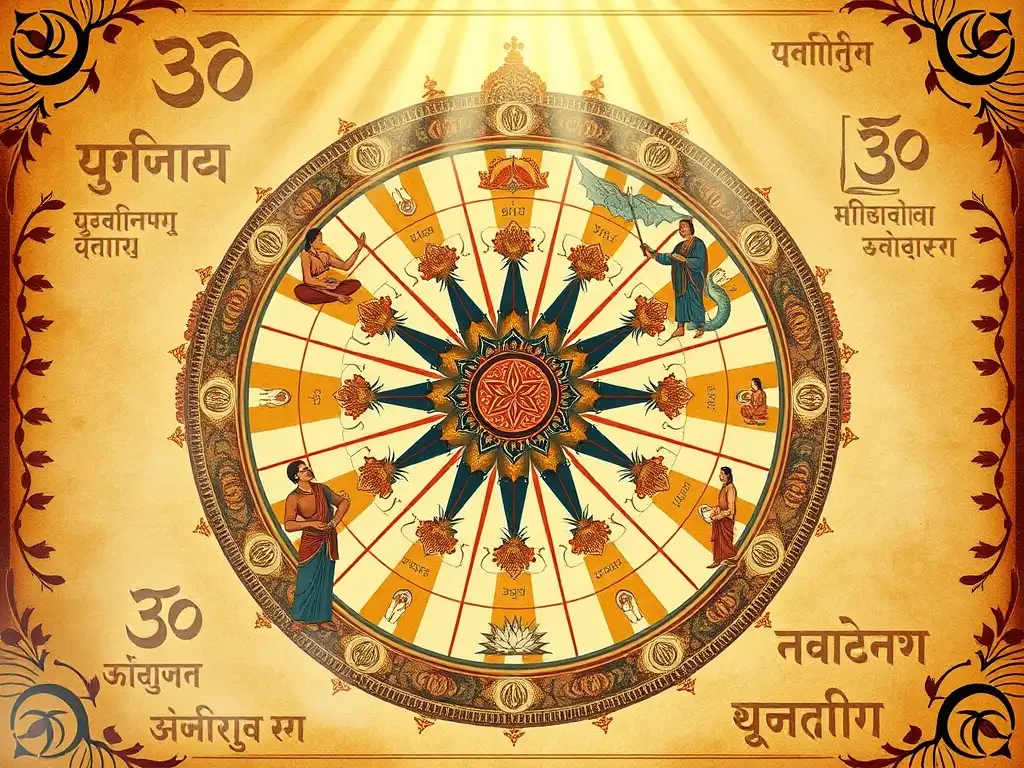
Dharma is not a monolithic concept; it encompasses various dimensions that reflect the complexity of human experiences. These dimensions can be categorized into personal, social, and universal aspects, each contributing to a comprehensive understanding of morality in Hindu philosophy.
Personal Dharma (Svadharma) and Its Significance
Svadharma refers to an individual's specific duty or responsibility based on their unique circumstances, such as their age, caste, gender, and personal inclinations. Each person's svadharma is essential for maintaining personal integrity and societal balance.
Key points about svadharma include:
- Individual Responsibility: Svadharma emphasizes the importance of recognizing and fulfilling one's specific duties, which may differ significantly from others.
- Authenticity: By adhering to svadharma, individuals can live authentically, aligning their actions with their values and beliefs.
- Social Harmony: When individuals fulfill their svadharma, it contributes to the collective well-being of society, fostering a sense of order and stability.
In this way, personal dharma plays a crucial role in understanding morality in Hinduism, emphasizing the importance of individual actions within the broader context of societal ethics.
Social Dharma (Sadharana Dharma) and Collective Morality
Sadharana Dharma refers to the collective moral responsibilities that apply to all individuals within a society. It encompasses universal ethical principles that promote social cohesion and harmony, transcending individual differences.
Key aspects of sadharana dharma include:
- Common Values: It embodies shared values such as truth, non-violence, and compassion, which are essential for maintaining societal order.
- Social Justice: Sadharana dharma encourages individuals to work towards justice and equality, ensuring that the rights and dignity of all members of society are upheld.
- Collective Responsibility: It emphasizes that individuals must not only pursue their personal goals but also contribute to the welfare of the community.
Understanding social dharma is vital for grasping the moral landscape of Hinduism, as it highlights the interplay between individual actions and collective ethical standards.
Universal Dharma (Rta): Cosmic Order and Ethics
Rta represents the cosmic order that governs the universe, serving as a fundamental principle of Hindu morality. It signifies the inherent orderliness of the universe and the ethical laws that sustain it.
Key features of rta include:
- Cosmic Order: Rta underscores the interconnectedness of all beings and the importance of adhering to natural laws and rhythms.
- Ethical Framework: It provides a universal ethical framework that transcends individual and societal norms, emphasizing harmony with the cosmos.
- Moral Responsibility: Adhering to rta encourages individuals to act in ways that preserve the balance of the universe, promoting sustainability and ethical living.
By understanding universal dharma, individuals can appreciate the broader implications of their actions, fostering a sense of responsibility that aligns personal morality with cosmic ethics in Hindu philosophy.
Contemporary Relevance of Dharma
The concept of Dharma, which encompasses duty, righteousness, and moral law, remains profoundly relevant in contemporary society, particularly within the framework of Hindu philosophy. In a world increasingly characterized by ethical ambiguity and moral dilemmas, the principles of Dharma offer a guiding framework for individuals seeking to navigate complex social and personal issues. This ancient wisdom encourages individuals to act in accordance with their true nature and societal roles, promoting harmony and balance in both personal and communal lives.
In modern contexts, the relevance of Dharma can be seen in various domains, including law, environmental ethics, and social justice. The teachings on Dharma inspire individuals to reflect on their responsibilities not only towards themselves but also towards the community and the environment. By grounding ethical decision-making in the principles of Dharma, individuals can cultivate a more compassionate and responsible approach to contemporary challenges.
Applying Historical Morality to Modern Ethical Dilemmas
Historical interpretations of Dharma provide valuable insights into addressing modern ethical dilemmas. The narratives and teachings within ancient texts, such as the Bhagavad Gita and the Manusmriti, underscore the importance of context in moral decision-making. For instance, the Gita presents Arjuna's moral crisis on the battlefield, illustrating the necessity of understanding one’s duty in relation to the greater good. This ancient dilemma resonates today as individuals face challenges in balancing personal interests with societal responsibilities.
Moreover, the application of Dharma encourages a nuanced approach to issues like climate change, gender equality, and economic disparities. By drawing parallels between historical moral frameworks and contemporary issues, individuals can develop a clearer understanding of their roles and responsibilities in fostering a just society. The adaptability of Dharma principles enhances their applicability, allowing individuals to interpret them in ways that align with modern ethical demands.
The Influence of Dharma on Indian Society Today
In contemporary Indian society, the influence of Dharma is palpable across various aspects of life, from family structures to community interactions. The concept continues to inform social norms, legal frameworks, and cultural practices. For instance, the emphasis on familial duty and respect for elders reflects the enduring impact of Dharma on interpersonal relationships and community cohesion.
Moreover, Dharma plays a pivotal role in shaping India's approach to social justice and governance. The principles of Dharma underscore the importance of fairness and equity, prompting movements that advocate for the rights of marginalized communities. As India grapples with the complexities of modernity, the continued relevance of Dharma serves as a moral compass, guiding individuals and leaders in their quest for ethical governance and social harmony.
Challenges to Understanding Morality in Hinduism
Despite the rich and nuanced understanding of morality within Hindu philosophy, several challenges hinder a comprehensive grasp of Dharma. The intricacies of ancient texts and the diverse interpretations of moral principles can lead to confusion and misinterpretation. Moreover, the dynamic nature of society and cultural shifts contribute to evolving understandings of what constitutes moral behavior, often resulting in conflicting perspectives.
Misinterpretations and Misconceptions of Dharma
One of the primary challenges in understanding morality in Hinduism is the widespread misinterpretation of Dharma. Often, individuals conflate Dharma with rigid dogma, overlooking its foundational emphasis on flexibility and context. For example, the principle of "Svadharma" encourages individuals to adhere to their personal duties, which can vary significantly based on one's stage in life, social status, and personal circumstances. This personalized approach can sometimes be misrepresented as a justification for unjust practices, leading to misconceptions about the ethical foundations of Hinduism.
Furthermore, the portrayal of Dharma in popular culture and media often oversimplifies its complexities, leading to a superficial understanding that fails to capture its depth. Engaging with primary texts and scholarly interpretations is crucial to dispelling these misconceptions and fostering a more accurate understanding of Dharma as a dynamic and context-sensitive moral framework.
The Role of Cultural Variations in Moral Understanding
Cultural differences across regions and communities in India significantly influence the interpretation and application of Dharma. Variations in traditions, practices, and societal norms contribute to diverse moral understandings, which can sometimes lead to conflicts in interpretation. For instance, while certain communities may emphasize communal responsibility and sacrifice, others might prioritize individual rights and freedoms.
These cultural variations highlight the need for a comprehensive approach to studying Dharma that respects regional differences while seeking common moral ground. By acknowledging the richness of cultural contexts, scholars and practitioners can better appreciate the multifaceted nature of morality in Hinduism and its relevance in addressing contemporary ethical challenges. Understanding these variations is essential for fostering a more inclusive dialogue about morality within the diverse tapestry of Hindu philosophy.
Conclusion: The Lasting Impact of Dharma on Morality
The concept of Dharma, which translates to righteousness or moral duty, serves as a cornerstone of Hindu philosophy and significantly informs the understanding of morality within the religion. Rooted in ancient texts such as the Vedas, Upanishads, and the epics of Ramayana and Mahabharata, Dharma encompasses a wide array of ethical principles that guide individual behavior and societal norms. Its emphasis on duty, virtue, and the interconnectedness of all life highlights the moral responsibilities of individuals towards their families, communities, and the universe at large.
The lasting impact of Dharma on morality is evident not only in ancient India but also in contemporary society. It shapes social structures, legal systems, and personal conduct, urging individuals to act in accordance with their roles and responsibilities. By adhering to these moral principles, individuals contribute to the harmony and stability of society, fostering a sense of duty and ethical obligation that transcends personal desires. This profound influence continues to resonate, as modern discussions on morality often draw upon the teachings and interpretations of Dharma to address ethical dilemmas in diverse contexts.
Summary of Key Insights on Understanding Morality in Hinduism
Understanding morality in Hinduism through the lens of Dharma reveals several key insights:
- Interconnectedness: Dharma emphasizes the interconnected nature of life, encouraging individuals to recognize their responsibilities towards others and the environment. This perspective fosters compassion and ethical behavior.
- Contextual Morality: Hindu philosophy asserts that morality is not absolute but rather context-dependent. The application of Dharma varies according to circumstances, emphasizing the importance of situational ethics in moral decision-making.
- Role of Intention: In Hindu thought, the intention behind an action is as significant as the action itself. A righteous intention is fundamental to fulfilling one's Dharma and achieving moral integrity.
- Cultural and Historical Influence: The interpretation and application of Dharma have evolved over time, influenced by historical events, cultural exchanges, and philosophical debates. This dynamic nature allows Hindu morality to adapt to changing societal needs while retaining its core principles.
- Spiritual Dimensions: Dharma is intrinsically linked to spiritual growth. Fulfilling one's moral duties is seen as a pathway to self-realization and liberation (moksha), highlighting the spiritual significance of ethical living.
Future Perspectives on Dharma in a Global Context
As the world becomes increasingly interconnected, the relevance of Dharma in addressing contemporary moral challenges gains prominence. Globalization brings diverse ethical frameworks into dialogue, and the principles of Dharma can provide valuable insights into fostering mutual respect and understanding among cultures.
- Interfaith Dialogue: The principles of Dharma can act as a bridge for interfaith conversations, promoting shared values of compassion, justice, and responsibility. This dialogue can help cultivate a more harmonious global society.
- Sustainable Development: The Hindu emphasis on duty towards the environment and future generations aligns with contemporary sustainability efforts. By integrating Dharma into environmental ethics, societies can promote responsible stewardship of the planet.
- Social Justice: The moral imperatives within Dharma can guide movements for social justice, advocating for equity and the protection of marginalized communities. This can enhance efforts toward building inclusive societies that honor human dignity.
- Ethical Leadership: In the realms of governance and business, the application of Dharma can inspire ethical leadership, emphasizing accountability and the welfare of the community over individual gain.
- Cultural Preservation: As global cultures converge, understanding and preserving the essence of Dharma can help maintain the rich moral fabric of Hinduism while allowing it to contribute positively to global ethical discussions.
The exploration of Dharma presents a rich tapestry of insights that not only elucidate the foundations of morality in Hinduism but also offer pathways for addressing contemporary moral dilemmas in a globalized world.
- Introduction to Morality in Hinduism
- Historical Background of Dharma in Hinduism
- Core Principles of Dharma
- The Different Dimensions of Dharma
- Contemporary Relevance of Dharma
- Challenges to Understanding Morality in Hinduism
- Conclusion: The Lasting Impact of Dharma on Morality
- Summary of Key Insights on Understanding Morality in Hinduism
- Future Perspectives on Dharma in a Global Context
Frequently Asked Questions
What is Dharma in Hindu philosophy?
Dharma refers to the moral law combined with spiritual discipline that guides an individual's actions and duties. It plays a central role in maintaining harmony and order in society.
How does morality manifest in Hindu texts?
Hindu texts like the Vedas and Upanishads outline various moral principles, emphasizing virtues such as truthfulness, non-violence, and compassion. These texts serve as a guide for ethical living.
What are the four aims of life in Hinduism?
The four aims of life—Dharma (duty), Artha (prosperity), Kama (pleasure), and Moksha (liberation)—provide a framework for achieving a balanced and fulfilling life while adhering to moral principles.
How does Understanding morality in Hinduism differ from Western philosophies?
Unlike many Western philosophies that may prioritize individual rights, Hinduism emphasizes the interconnectedness of all beings, placing a strong emphasis on social responsibilities and the greater good.
What role do gods and deities play in Hindu morality?
In Hinduism, gods and deities exemplify ideal moral behavior. They serve as role models for humans, guiding them through their actions and decisions in accordance with Dharma.
Final Reflection: Embracing the Essence of Dharma in Our Lives
In today's rapidly changing world, understanding morality in Hinduism has never been more crucial. As we navigate the complexities of modern life, the timeless principles of dharma offer a guiding light, reminding us of our responsibilities to ourselves and to others. The essence of dharma transcends cultural boundaries, urging us to cultivate a moral compass that aligns with the greater good. In a society often fraught with ethical dilemmas, the teachings of Hindu philosophy resonate profoundly, inviting us to reflect on our actions and their impact on the world around us.
The influence of dharma extends beyond individual conduct; it shapes the very fabric of our cultural and social landscape. As we engage with the principles of dharma, we find ourselves part of a larger narrative that emphasizes interconnectedness and collective well-being. The wisdom of Hindu philosophy encourages us to act with integrity and compassion, fostering a sense of community and shared purpose. Dharma is not just a set of rules; it is the path to harmony and balance in life.
This perspective invites us to consider how our choices contribute to the greater tapestry of existence, urging us to uphold values that promote peace and understanding.
As we conclude this exploration of dharma, I invite you to reflect on how you can incorporate these teachings into your daily life. Consider the ways in which your actions align with your moral beliefs and the impact they have on those around you. Let the essence of dharma inspire you to live with intention, fostering a sense of responsibility and compassion in all that you do. Together, we can create a more harmonious world, guided by the timeless wisdom of Hindu philosophy.
Embrace Your Path: Live Your Dharma Today!
Thank you for taking the time to explore the profound concept of Dharma in Hindu philosophy. By delving into these insights, you’ve taken a meaningful step toward enhancing your understanding of morality and its role in your life. Now, let’s put this knowledge into action!
Here are a few ways you can actively embrace your Dharma:
- Identify and reflect on your personal values: Take a moment to consider what Dharma signifies in your life. Write down your thoughts and keep them visible as a daily reminder.
- Share your insights with others: Discuss your newfound understanding of Dharma with friends or family. Encourage them to contemplate their own values and moral beliefs!
- Engage in community service: Seek opportunities to serve your community that align with your values. Remember, every small act can create a significant impact!
What steps will you take today to align your actions with your Dharma and create a positive impact in your life and the lives of those around you?