
From Sari to Streetwear: Modern Takes on Classic Indian Garments

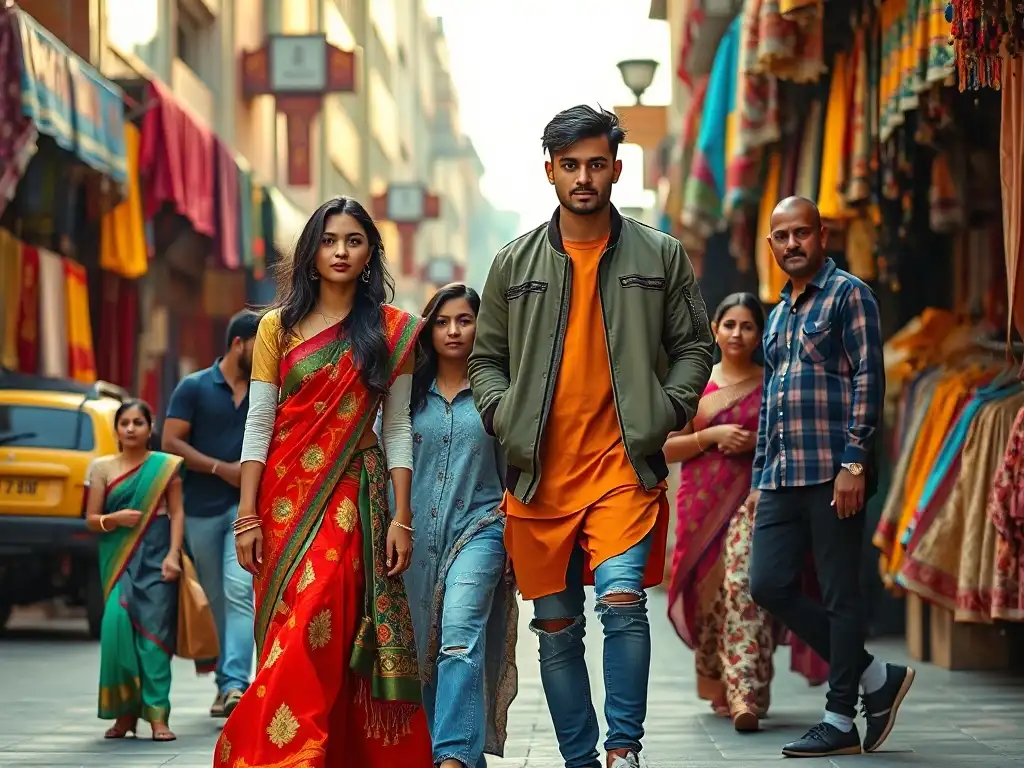
Welcome to Ancient India History, where we embark on a fascinating journey through the rich tapestry of India's past. In this exploration, we delve into the evolution of fashion and textiles, spotlighting how the timeless elegance of traditional garments has inspired modern Indian garment trends. From the iconic sari to contemporary streetwear, discover how ancient styles continue to shape today's fashion landscape. Prepare to be intrigued as we unravel the threads connecting history and modernity—each stitch tells a story waiting to be uncovered!
- Introduction to Modern Indian Garment Trends
- Historical Significance of Classic Indian Garments
- Modern Indian Garment Trends: A Fusion of Tradition and Innovation
- Key Features of Modern Indian Garments
- Best Options for Embracing Modern Indian Garment Trends
- How to Incorporate Modern Indian Garments into Your Wardrobe
- Case Studies: Successful Modern Adaptations
- Conclusion: The Future of Modern Indian Garment Trends
- Call to Action: Explore Modern Indian Fashion
-
Frequently Asked Questions
- What are the main influences on modern Indian garment trends?
- How have classic garments like the sari evolved?
- What role does streetwear play in modern Indian fashion?
- Are there any notable designers focusing on modern Indian garment trends?
- How can one incorporate modern trends into traditional attire?
- Final Reflection: Embracing Change in Modern Indian Garment Trends
- Embrace the Fusion of Tradition and Style!
Introduction to Modern Indian Garment Trends
The evolution of fashion is a dynamic reflection of cultural shifts, economic changes, and artistic expressions, and nowhere is this more apparent than in the realm of modern Indian garment trends. From the intricate weaves of the Indus Valley civilization to the vibrant textiles of the Gupta Empire, India has a rich legacy of clothing that speaks to its diverse history and cultural heritage.
Today, designers and fashion enthusiasts are reinterpreting these traditional garments, blending age-old techniques with contemporary aesthetics. This exploration not only honors the past but also highlights the innovative spirit of modern Indian fashion, as it adapts to global trends while maintaining its unique identity.
The Evolution of Traditional Indian Fashion
Traditional Indian fashion is characterized by a variety of garments, each with its own history and significance. The sari, a timeless piece, has adorned women for centuries, showcasing the artistry of regional textiles and craftsmanship. Over time, garments like the kurta, lehenga, and dhoti have also evolved, adapting to the changing societal norms and preferences.
- Historical Context:
- The Indus Valley Civilization (c. 2500-1500 BCE) showcased early forms of clothing, primarily made from cotton and wool.
- The Maurya and Gupta Empires (c. 322 BCE - 550 CE) saw the emergence of more structured garments, with an emphasis on draping techniques.
- Modern Influences:
- In recent years, the sari has been reimagined in various styles, such as the pre-draped sari and sari gowns, making it more accessible for younger generations.
- Streetwear is increasingly incorporating traditional motifs, fabrics, and cuts, leading to a fusion of styles that reflect both cultural pride and modern sensibilities.
Importance of Modern Adaptations in Indian Textiles
The adaptation of traditional garments into contemporary fashion is crucial for several reasons:
- Cultural Preservation: By weaving ancient techniques into modern designs, artisans and designers preserve the rich textile heritage of India.
- Sustainability: Many modern adaptations emphasize sustainable practices, such as using organic materials and supporting local craftsmanship.
- Global Appeal: As Indian fashion finds its place on international runways, these adaptations allow traditional garments to resonate with global audiences, making them relevant and desirable.
The rise of modern Indian garment trends also reflects a broader movement towards inclusivity and diversity, where fashion becomes a medium for storytelling, cultural exchange, and identity.
Overview of the Article's Structure
This article will delve deeper into the various aspects of modern adaptations of traditional Indian garments. Here’s a brief overview of what to expect:
- Emerging Trends: An exploration of the latest trends in Indian fashion, focusing on how designers are innovating traditional pieces.
- Case Studies: Profiles of designers who are at the forefront of this movement, showcasing their unique contributions and creative processes.
- Cultural Significance: A discussion on the impact of these trends on Indian society and how they reflect the evolving identity of modern India.
- Future Directions: Insights into where the future of Indian fashion is headed, considering both global influences and indigenous practices.
By examining these elements, we can better understand how ancient Indian garments are being transformed to meet the tastes and needs of today's fashion landscape, bridging the gap between tradition and modernity.
Historical Significance of Classic Indian Garments
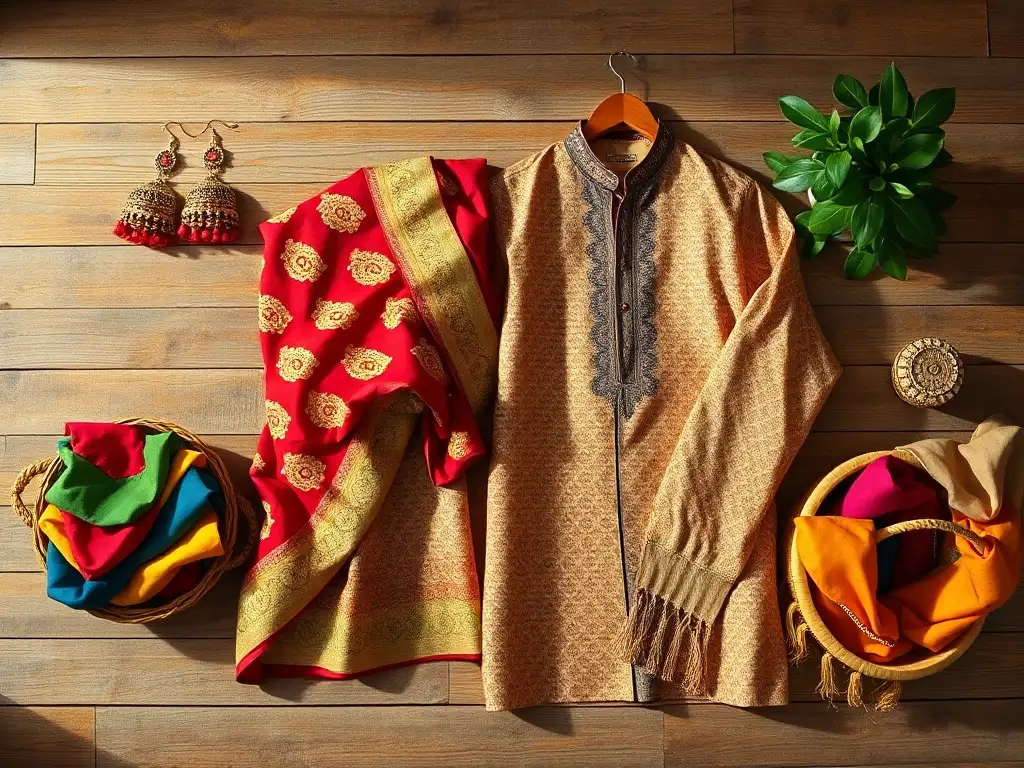
The Sari: A Timeless Symbol of Indian Culture
The sari, a quintessential garment of Indian heritage, has transcended time and remains a significant symbol of femininity and grace. Originating in the Indus Valley civilization around 2800-1800 BCE, the sari has evolved in style, fabric, and draping techniques, reflecting regional identities and cultural narratives.
The traditional sari is typically a long piece of cloth, ranging from 5 to 9 yards, that is draped elegantly around the body. It is often paired with a blouse (choli) and a petticoat. The fabric of the sari can vary widely, from luxurious silks to lightweight cottons, showcasing intricate weaves and patterns. Each region in India brings its unique flair – for example, the Banarasi silk from Varanasi, the Kanjeevaram from Tamil Nadu, and the Chanderi from Madhya Pradesh.
Modern adaptations of the sari have emerged, blending traditional aesthetics with contemporary trends. Designers now experiment with innovative draping styles, materials, and embellishments, making the sari accessible and appealing to younger generations. From vibrant prints to minimalist designs, the modern sari is a versatile piece that can be styled for both formal and casual occasions.
The Evolution of the Kurta and its Modern Variations
The kurta, a staple of Indian attire, has its roots in ancient times, possibly tracing back to the Mughal era in the 16th century. Originally worn by men, the kurta has undergone significant transformations and has now become a popular garment for all genders.
Traditionally, the kurta is a long, loose-fitting tunic made from cotton, silk, or linen, characterized by its straight cut and side slits. Its simplicity and comfort have made it a preferred choice for daily wear in many Indian households.
In contemporary fashion, the kurta has seen a revival, with designers infusing modern elements into its design. Variations include asymmetrical cuts, cropped lengths, and the fusion of Western styles, such as pairing it with jeans or skirts. Moreover, the use of bold colors and contemporary patterns, such as abstract prints and digital designs, has expanded its appeal. The kurta now represents a blend of tradition and modernity, allowing individuals to express their cultural roots while embracing current fashion trends.
The Influence of Ancient Textiles on Contemporary Fashion
Ancient Indian textiles are renowned for their rich textures, intricate patterns, and vibrant colors. The techniques developed over centuries, such as weaving, dyeing, and embroidery, have left an indelible mark on contemporary fashion.
One of the most notable influences is the use of natural dyes derived from plants, minerals, and insects, a practice that is gaining renewed interest in the modern fashion landscape. Sustainable fashion advocates are turning to these ancient methods to create eco-friendly garments that are both stylish and environmentally conscious.
Moreover, traditional weaving techniques, such as ikat and block printing, are being reinterpreted by modern designers. These methods not only celebrate craftsmanship but also connect contemporary garments to their historical roots. The integration of ancient motifs and patterns into modern designs serves as a tribute to India’s rich textile heritage.
As fashion continues to evolve, the influence of ancient textiles remains a cornerstone in the quest for authenticity and individuality in modern Indian garment trends. The merging of historical techniques with contemporary aesthetics not only preserves cultural identity but also showcases the dynamic evolution of fashion in India.
Modern Indian Garment Trends: A Fusion of Tradition and Innovation
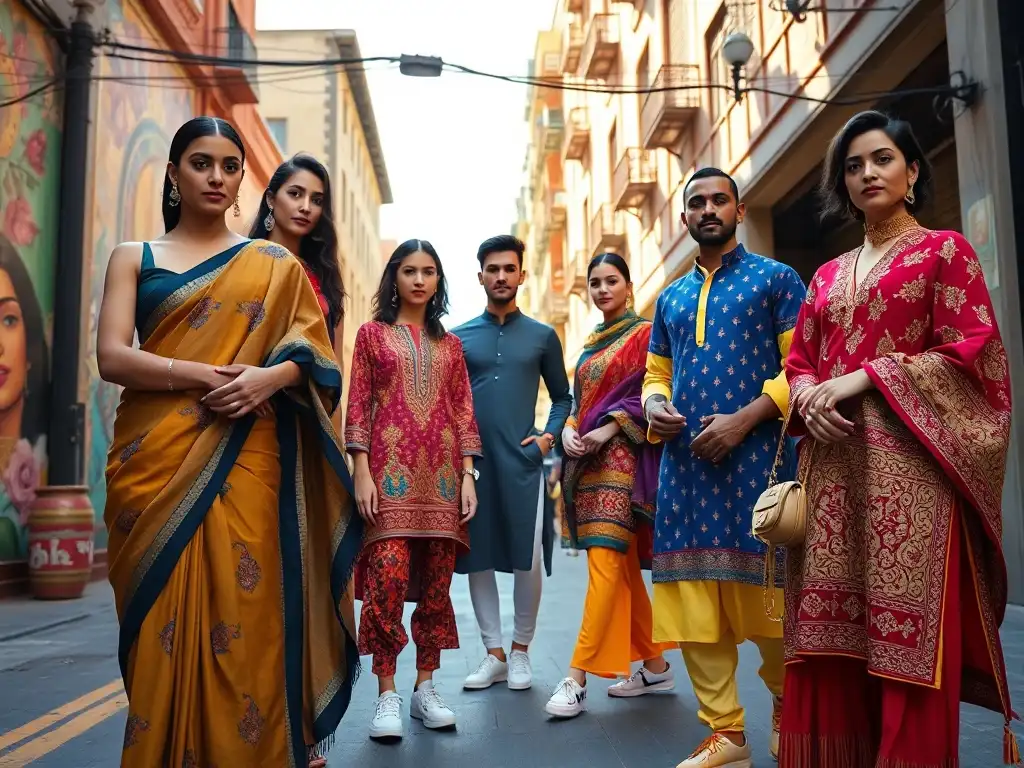
The landscape of modern Indian garment trends is a vibrant tapestry woven from the threads of tradition and innovation. As the world becomes more interconnected, fashion is experiencing a metamorphosis that blends ancient styles with contemporary sensibilities. This fusion not only honors India's rich textile heritage but also pushes the boundaries of what constitutes modern attire.
Streetwear Meets Tradition: The Rise of Indo-Western Styles
The intersection of streetwear and traditional Indian garments has led to a fascinating evolution in fashion. Designers are increasingly embracing Indo-Western styles, which seamlessly blend elements from both worlds. This trend is characterized by:
- Casual Elegance: Traditional garments like kurtas and lehengas are being reimagined in casual fabrics and contemporary cuts. For instance, a classic kurta might be paired with distressed jeans, creating a laid-back yet stylish look.
- Creative Prints and Patterns: Graphic prints, often inspired by traditional motifs, are making their way into modern streetwear. Designers like Anita Dongre and Manish Malhotra are incorporating block prints and intricate embroidery into everyday clothing.
- Layering Techniques: The art of layering has gained popularity, with traditional shawls and dupattas being used as statement pieces over modern silhouettes. This not only adds depth to the outfit but also preserves cultural significance.
As a result, Indo-Western styles have gained traction among youth, reflecting a desire to express individuality while staying connected to cultural roots.
Sustainable Fashion: Eco-Friendly Materials in Modern Indian Garments
The rise of sustainable fashion is reshaping the way modern Indian garments are produced and consumed. With increasing awareness of environmental issues, designers are turning to eco-friendly materials and practices. Key elements of this trend include:
- Organic Fabrics: Cotton, linen, and silk sourced from sustainable farms are becoming popular choices. These materials not only reduce the carbon footprint but also maintain the luxurious feel associated with Indian textiles.
- Recycling and Upcycling: Many designers are adopting practices that involve transforming old garments into new pieces. This innovative approach not only reduces waste but also adds a unique character to each item.
- Natural Dyes: The use of natural dyes derived from plants and minerals is on the rise. These dyes are not only environmentally friendly but also impart a soft, earthy aesthetic to garments, resonating with modern consumers' desire for authenticity.
This shift towards sustainable fashion is not just a trend; it represents a profound change in how the fashion industry operates, aligning with the values of a conscientious consumer base.
Celebrity Influences on Modern Indian Fashion Trends
Celebrities play a pivotal role in shaping modern Indian garment trends, often serving as the bridge between traditional aesthetics and contemporary style. Their influence can be seen in several ways:
- Red Carpet Appearances: High-profile events provide a platform for celebrities to showcase modern adaptations of traditional garments. For example, Bollywood actresses like Deepika Padukone and Priyanka Chopra often don fusion outfits that blend Western silhouettes with Indian textiles, inspiring fans and fashion enthusiasts alike.
- Social Media Impact: The rise of social media platforms has allowed celebrities to share their personal style and collaborations with designers, making fashion more accessible. Their ability to reach a vast audience has made them trendsetters in the realm of modern Indian fashion.
- Fashion Collaborations: Many celebrities are now launching their own clothing lines that reflect modern Indian garment trends. By collaborating with established designers, they help to create pieces that resonate with both tradition and modernity, fueling the demand for innovative fashion.
As celebrities continue to embrace and promote these modern adaptations, they play a crucial role in redefining what it means to wear Indian fashion today, making it relevant and appealing to a global audience.
Key Features of Modern Indian Garments
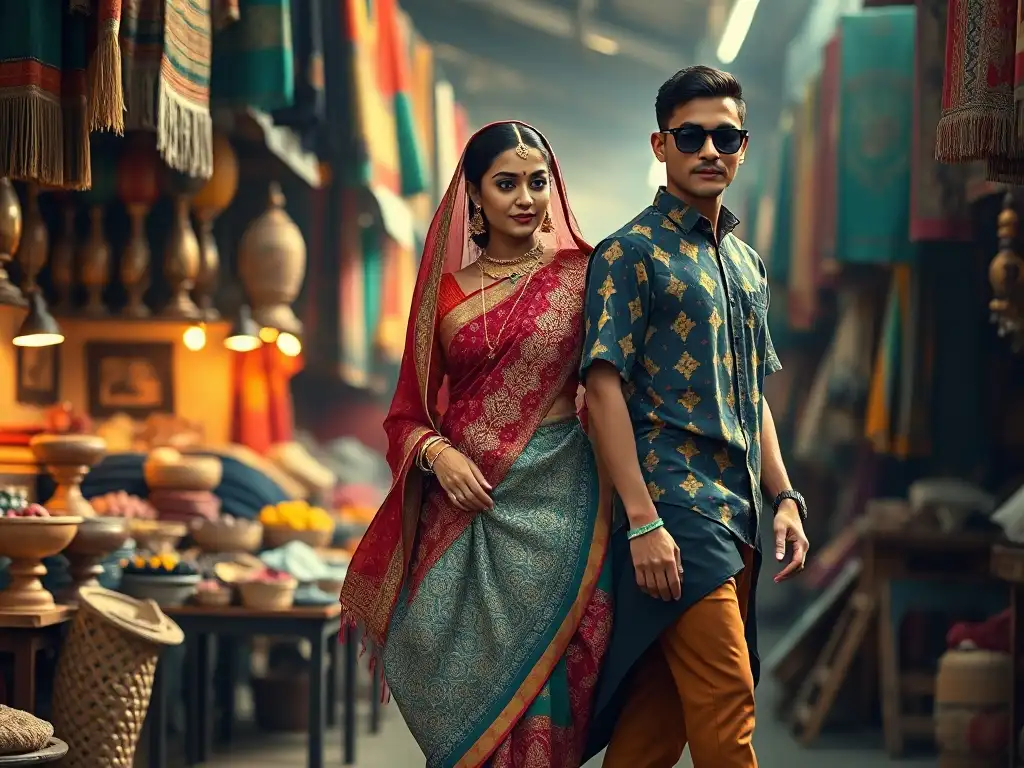
Modern Indian garments are a vibrant blend of traditional aesthetics and contemporary sensibilities. As trends evolve, these garments continue to reflect India's rich heritage while embracing innovation. Here, we explore the key features that define modern Indian garment trends, focusing on the fabrics, patterns, colors, and styles that are shaping this dynamic landscape.
Fabrics and Textiles: From Handlooms to High Fashion
In recent years, the revival of handloom fabrics has gained significant momentum in the fashion industry. Designers are increasingly turning to traditional textiles such as khadi, silk, and cotton, which are not only sustainable but also embody India's artisanal legacy.
- Sustainable Practices: Many modern designers prioritize eco-friendly fabrics, opting for organic cotton and natural dyes to minimize environmental impact.
- Technological Integration: Innovations in textile technology allow for the blending of traditional techniques with modern manufacturing processes. For example, digital printing techniques enable intricate designs that resonate with contemporary tastes while preserving the essence of traditional motifs.
- Luxury Fashion Collaborations: High-end brands are collaborating with local artisans to create exclusive collections that showcase traditional craftsmanship in a modern context.
This fusion of heritage and innovation positions handloom fabrics at the forefront of modern Indian garment trends, appealing to both domestic and international consumers.
Patterns and Embellishments: Bridging the Past with the Present
Patterns and embellishments play a crucial role in modern Indian garments, reflecting a seamless integration of historical influences with contemporary designs.
- Traditional Motifs: Elements such as paisleys, florals, and geometric designs, which have been integral to Indian textiles for centuries, are reimagined in modern silhouettes.
- Embellishments: Techniques like zardozi, mirror work, and block printing are being adapted for casual wear and street style, making them accessible to a broader audience.
- Digital Artistry: With the rise of digital design, patterns can be customized and printed on-demand, allowing for unique, personalized garments that cater to individual tastes.
The combination of traditional patterns with modern styling has resulted in a new category of fashion that pays homage to the past while embracing the present.
Colors and Styles: Current Trends in Modern Indian Fashion
Color palettes and styles in modern Indian fashion showcase an exciting evolution, where vibrant hues and minimalist designs coexist.
- Eclectic Color Palettes: From earthy tones to bold, vibrant colors, the modern Indian wardrobe is characterized by versatility. Designers often draw inspiration from nature, resulting in collections that emphasize seasonal palettes.
- Fusion Styles: The amalgamation of Western silhouettes with traditional Indian garments has led to innovative styles such as kurti dresses, saree gowns, and indo-western ensembles. This trend appeals to a younger generation seeking comfort without compromising on cultural identity.
- Athleisure Influence: The rise of athleisure has also impacted modern Indian fashion, with many designers incorporating elements such as stretchable fabrics and sporty cuts into traditional garments. This shift caters to the contemporary lifestyle while maintaining a connection to heritage.
Overall, the current trends in modern Indian fashion reflect a dynamic interplay between color, style, and cultural significance, allowing for a rich expression of identity in today's world.
Modern Indian garment trends illustrate a vibrant dialogue between tradition and innovation, creating a unique fashion narrative that resonates with diverse audiences.
Best Options for Embracing Modern Indian Garment Trends
Top Brands Redefining Indian Fashion
The landscape of modern Indian garment trends is continually evolving, with several brands leading the charge in redefining traditional Indian apparel for contemporary audiences. These brands leverage the rich heritage of Indian textiles and craftsmanship while incorporating modern design sensibilities, making traditional garments appealing to today's consumers. Below are some of the most influential brands making waves in this space:
- Fusion of Styles: Many brands are blending traditional Indian designs with Western silhouettes, creating a unique fusion that appeals to a global market.
- Sustainability Focus: A growing number of brands are adopting sustainable practices, using eco-friendly materials and ethical production methods.
- Inclusivity in Fashion: Modern Indian garment trends are becoming more inclusive, catering to various body types and cultural backgrounds.
Brand Spotlight: FabIndia - Fusing Tradition with Trend
FabIndia stands out in the realm of modern Indian garment trends due to its commitment to preserving traditional crafts while adapting them for contemporary wear. Established in 1960, FabIndia sources its products from rural artisans across India, promoting fair trade and sustainable livelihoods.
- Product Range: The brand offers a diverse range of products, from ethnic wear like kurtas and sarees to modern garments such as dresses and casual wear. Their collections often feature handwoven textiles and intricate embroidery, reflecting India's rich craftsmanship.
- Cultural Relevance: By collaborating with local artisans, FabIndia not only provides employment but also ensures that traditional techniques are passed down through generations. This commitment to cultural heritage resonates with consumers looking for authenticity in their fashion choices.
- Innovative Designs: FabIndia continually updates its collections to align with modern trends, incorporating vibrant colors, contemporary cuts, and versatile styles that can be worn for various occasions.
Brand Spotlight: Chandon - Sustainable Choices for Modern Consumers
Chandon takes a unique approach to modern Indian garment trends by emphasizing sustainability without sacrificing style. Known for its use of organic materials and environmentally friendly practices, Chandon appeals to the eco-conscious consumer.
- Sustainable Practices: The brand's commitment to sustainability includes using organic cotton, natural dyes, and ethical manufacturing processes. This not only reduces environmental impact but also supports local communities involved in textile production.
- Minimalist Aesthetic: Chandon’s designs often embrace a minimalist aesthetic, focusing on clean lines and subtle elegance. This approach allows traditional Indian garments to be transformed into chic, everyday wear suitable for a modern wardrobe.
- Community Engagement: By partnering with artisans and promoting local craftsmanship, Chandon fosters a sense of community and connection to India's rich textile heritage.
Recommended Online Stores for Modern Indian Garments
For those looking to explore modern Indian garment trends, several online platforms offer a curated selection of contemporary Indian fashion. These stores provide access to a variety of styles that blend tradition with modernity, making it easier for consumers to find garments that resonate with their personal style.
Ajio: A Hub for Modern Indian Streetwear
Ajio has emerged as a go-to destination for modern Indian streetwear, featuring a vast array of contemporary styles inspired by traditional Indian garments. With its user-friendly interface and trend-driven collections, Ajio caters to a diverse audience.
- Trendy Collections: Ajio's offerings include everything from casual wear to formal attire, with a strong emphasis on street style. Their collections often highlight innovative designs that incorporate traditional elements in a fresh way.
- Affordability: The platform provides affordable pricing options, making modern Indian fashion accessible to a broader audience. Regular sales and discounts further enhance the shopping experience.
- Diverse Selection: Ajio features a range of brands, ensuring shoppers can find everything from ethnic wear to fusion outfits, all in one place.
WeaveinIndia: Traditional Garments with a Contemporary Twist
WeaveinIndia specializes in traditional Indian garments, reimagined for the modern consumer. The brand focuses on showcasing the beauty of Indian textiles while ensuring that the designs appeal to contemporary tastes.
- Handcrafted Excellence: Each piece sold by WeaveinIndia is handcrafted, with an emphasis on quality and craftsmanship. Their collections include sarees, dupattas, and kurtas that honor traditional weaving techniques.
- Modern Interpretations: The brand creatively integrates modern elements into traditional designs, allowing consumers to wear their heritage with pride while staying stylish. This includes updated silhouettes, vibrant color palettes, and innovative styling.
- Cultural Storytelling: By promoting the stories behind each garment, WeaveinIndia connects consumers to the rich history and culture of Indian textiles, making each purchase meaningful.
With these brands and online platforms, embracing modern Indian garment trends has never been easier. Shoppers can find a variety of styles that resonate with their personal tastes while celebrating the rich heritage of Indian fashion.
How to Incorporate Modern Indian Garments into Your Wardrobe
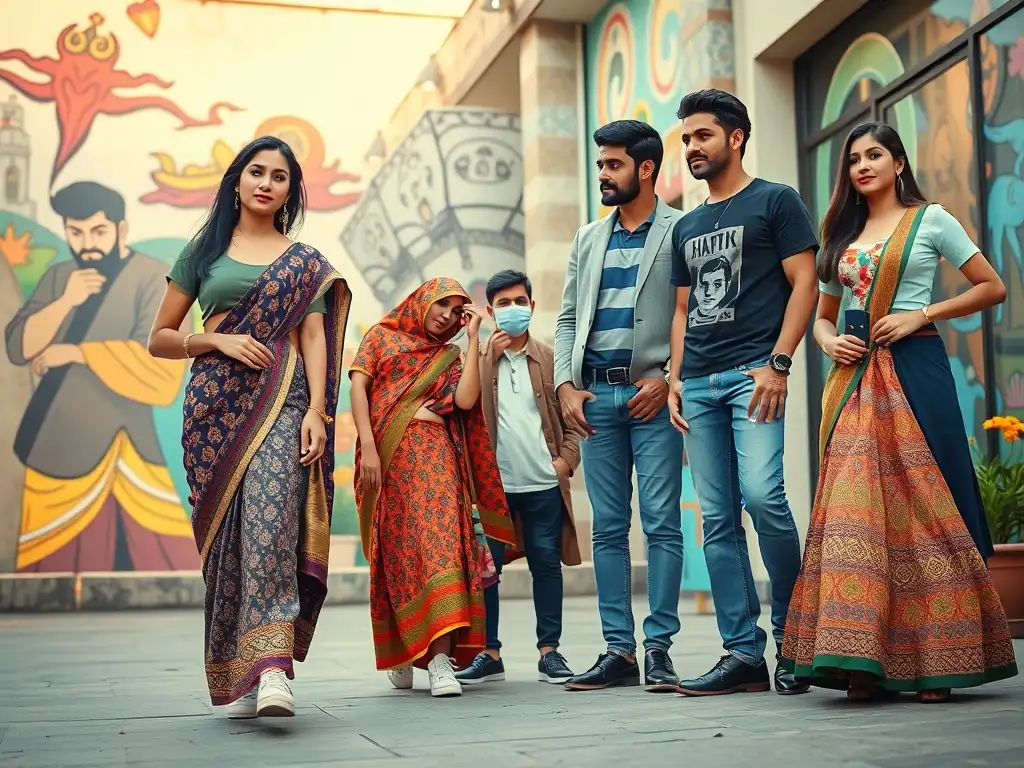
Incorporating modern Indian garments into your wardrobe can be a delightful way to celebrate cultural heritage while embracing contemporary fashion trends. The rich history of Indian textiles and designs offers a vast array of options to experiment with. Here are some effective strategies to seamlessly blend traditional and modern styles.
Styling Tips for Sari in Modern Settings
Saris, a timeless symbol of Indian culture, have been reimagined for modern aesthetics. Here are some tips to style a sari for contemporary occasions:
- Choose Lighter Fabrics: Opt for fabrics like chiffon, georgette, or cotton blends that provide comfort and ease of movement. These materials are perfect for daily wear or casual outings.
- Experiment with Draping Styles: Traditional draping methods can be modified. Try the Nivi drape, which is popular for its simplicity, or the Bengali drape, which adds flair with its distinctive pleats.
- Mix and Match Blouses: Pair your sari with trendy blouses. Consider off-shoulder, halter-neck, or crop tops to add a modern twist.
- Layer with Modern Outerwear: Incorporating a denim jacket or a structured blazer can elevate your sari look, making it suitable for both formal events and casual outings.
- Footwear Choices: Opt for stylish footwear like block heels or embellished sandals, which add a contemporary edge to the traditional attire.
Pairing Kurtas with Western Attire: A Guide
Kurtas are versatile garments that can be effortlessly integrated into Western wardrobes. Here are some pairing strategies:
- Kurtas with Jeans: A classic combination, pairing a long kurta with skinny jeans creates a balanced silhouette. Choose lighter colors for a fresh look or darker shades for a more sophisticated vibe.
- Layer with Jackets: Adding a tailored blazer or a longline vest can transform the kurta into a chic outfit suitable for office wear or evening events.
- Skirts and Kurtas: A-line or pleated skirts paired with short kurtas can create a fashionable, bohemian look. This combination works well for festive occasions.
- Accessorizing: Use statement belts to cinch the waist of loose kurtas, enhancing your figure while adding interest to the outfit.
- Footwear: Ankle boots or stylish sneakers can create a trendy contrast, allowing for comfort without compromising on style.
Accessorizing Modern Indian Outfits: Jewelry, Footwear, and More
Accessories play a crucial role in enhancing modern Indian garments. Here’s how to accessorize effectively:
- Jewelry:
- Statement Pieces: Bold necklaces or oversized earrings can elevate a simple outfit. Consider materials like terracotta or metal for a contemporary touch.
- Layered Necklaces: Combine shorter and longer necklaces to create depth and interest.
- Footwear:
- Ethnic Footwear: Juttis and mojaris can add a traditional element while maintaining comfort. Opt for designs with modern prints or embellishments.
- Contemporary Styles: Pair Indian outfits with modern sandals or wedges for an updated look.
- Bags:
- Clutch Bags: Choose embellished clutches for formal occasions. For casual settings, opt for crossbody bags in vibrant colors or patterns.
- Tote Bags: Large bags with ethnic prints can be both functional and stylish for everyday use.
- Dupattas and Stoles: Experiment with different draping styles for dupattas or opt for stoles with unique prints to add layers to your outfit.
By following these styling tips and pairing strategies, you can effortlessly incorporate modern Indian garment trends into your wardrobe, showcasing the beauty and versatility of traditional attire in contemporary settings.
Case Studies: Successful Modern Adaptations
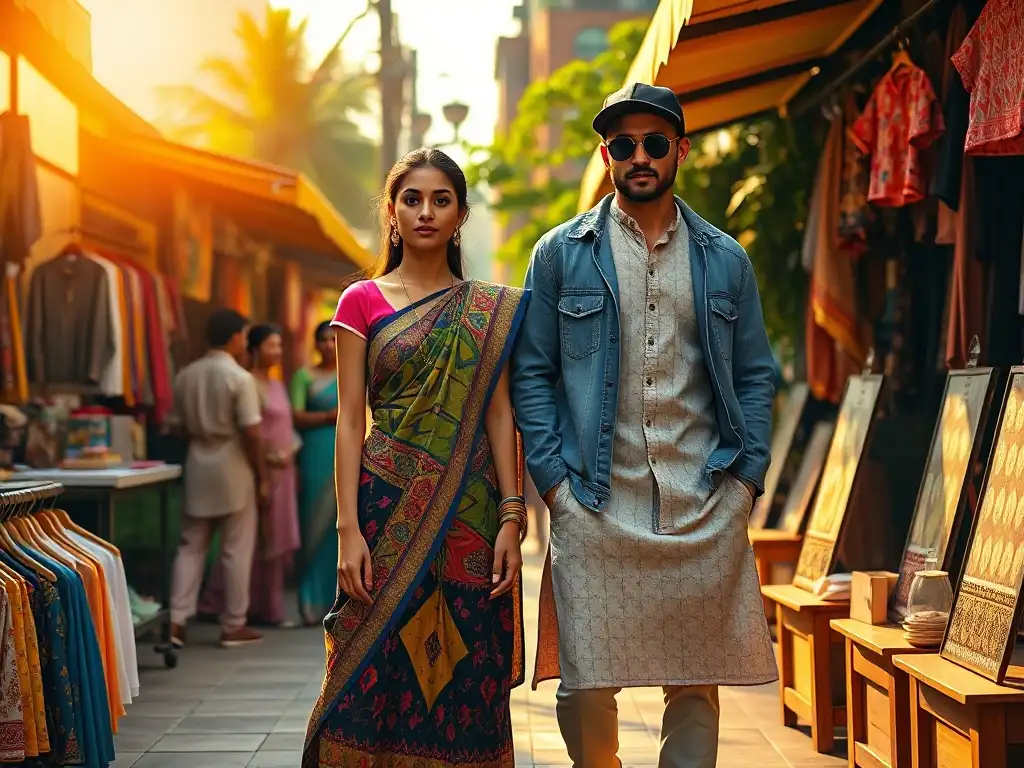
The evolution of Indian fashion has witnessed a fascinating confluence of ancient traditions and modern interpretations. Various case studies highlight the successful adaptation of classic Indian garments into contemporary fashion, showcasing how these transformations not only preserve cultural heritage but also resonate with current trends.
The Impact of Bollywood on Indian Fashion Trends
Bollywood, the vibrant and influential film industry of India, plays a pivotal role in shaping modern Indian garment trends. The portrayal of characters in films often sets the stage for fashion statements that resonate with the masses.
- Cinematic Influence: Iconic films like "Devdas" and "Lagaan" have reintroduced traditional attire such as saris and lehengas, not just as costumes but as aspirational fashion. The opulence displayed in these films has led to a resurgence in the popularity of handloom textiles and intricate embroidery.
- Celebrity Endorsements: Bollywood celebrities are often seen wearing modern adaptations of traditional garments, which further popularizes these styles. For instance, actress Deepika Padukone has been instrumental in bringing back the classic sari, often pairing it with contemporary blouses or jackets, making it relevant for modern occasions.
- Fashion Collaborations: Designers frequently collaborate with Bollywood stars to create exclusive collections that blend traditional elements with modern aesthetics. Such collaborations often lead to the introduction of new fabrics, cuts, and styles that appeal to a younger audience.
Fashion is not just about clothes; it's an expression of culture and identity.
- Fashion Designer Anita Dongre
Street Style Icons and Their Influence on Modern Indian Garments
In recent years, street style has emerged as a significant influence on modern Indian garment trends, showcasing a blend of comfort, creativity, and cultural heritage. Street style icons have played a crucial role in redefining how traditional Indian garments are perceived and worn.
- Fusion Wear: Many fashion-forward individuals are now experimenting with fusion wear, combining traditional pieces like kurtas or dhotis with contemporary elements such as jeans or sneakers. This has created a new aesthetic that appeals to urban youth seeking comfort while retaining a connection to their roots.
- Sustainable Fashion: Street style has also embraced sustainability, with many influencers advocating for slow fashion and the use of eco-friendly fabrics. Brands that focus on ethical production and use of traditional crafts are gaining popularity, reflecting a modern consciousness toward garment sourcing.
- Social Media Influence: Platforms like Instagram and TikTok have amplified the visibility of street style, allowing everyday fashion enthusiasts to showcase their unique adaptations of traditional garments. This democratization of fashion enables a diverse range of styles to emerge, encouraging others to explore their cultural heritage in new ways.
| Street Style Element | Description | Example |
|---|---|---|
| Layering | Combining different fabrics and textures | A cotton kurta layered over a denim jacket |
| Accessorizing | Using modern accessories with traditional outfits | Chunky sneakers with a traditional saree |
| Color Play | Experimenting with vibrant hues and patterns | Bold prints on contemporary silhouettes |
The fusion of traditional and modern styles reflects the dynamic nature of Indian fashion, illustrating how ancient garments can find a place in contemporary wardrobes. These case studies exemplify the innovative spirit of designers and influencers who celebrate India's rich textile heritage while embracing modern garment trends.
Conclusion: The Future of Modern Indian Garment Trends
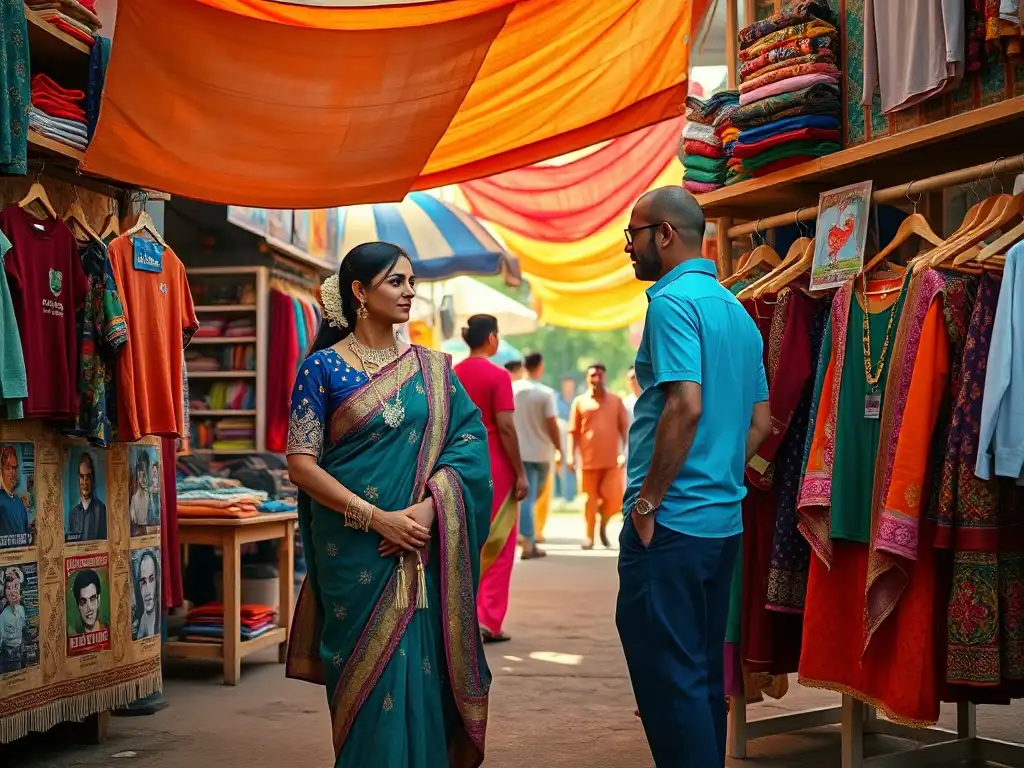
As we reflect on the journey of modern Indian garment trends, it becomes evident that the fusion of tradition and contemporary fashion is not merely a passing phase but a significant transformation in the fashion landscape. The embrace of ancient Indian textiles, techniques, and styles speaks volumes about the cultural heritage that underpins these garments.
Embracing Cultural Heritage through Contemporary Fashion
The resurgence of traditional Indian garments, such as the sari, lehenga, and kurta, in modern contexts showcases a heartfelt connection to cultural roots. Designers are increasingly drawing inspiration from the rich tapestry of Indian history, blending traditional craftsmanship with modern aesthetics. This trend not only preserves age-old techniques but also elevates them to new heights.
- Sustainable Practices: Many contemporary designers are focusing on sustainable practices, utilizing natural dyes and handloom fabrics to create garments that tell a story. This not only honors the artisans but also promotes eco-friendly fashion.
- Inclusivity: The modern adaptations of these garments cater to diverse demographics, ensuring that traditional wear is accessible and appealing to a younger audience. This inclusivity fosters a sense of pride in cultural identity.
Furthermore, the incorporation of regional motifs and patterns into streetwear reflects a growing appreciation for local craftsmanship. For instance, the use of Batik, Ajrakh, and Block Printing in modern collections demonstrates how these traditional techniques can be seamlessly integrated into everyday wear, making them relevant in today’s fashion scene.
The Role of Innovation in Shaping Future Trends
Innovation plays a pivotal role in shaping the future of modern Indian garment trends. With the advent of technology and digital platforms, designers are now able to reach a global audience, allowing for cross-cultural exchanges that enrich the fashion dialogue.
- Tech-Driven Design: The use of technology in design processes, such as 3D printing and digital textiles, offers a new canvas for designers to experiment with. This can lead to unique interpretations of traditional garments, bringing them into the 21st century.
- Fashion Tech Collaborations: Collaborations between fashion designers and tech innovators can result in smart textiles that respond to environmental changes, enhancing the functionality of traditional garments without compromising their aesthetic appeal.
Moreover, social media has become a powerful tool in promoting modern Indian garment trends. Influencers and fashion bloggers showcase how to style traditional garments in contemporary ways, inspiring their followers to embrace these styles in their daily lives.
As we look to the future, the integration of cultural heritage with innovative practices will continue to define modern Indian garment trends. This harmonious blend not only honors the past but also paves the way for a vibrant and dynamic fashion industry that respects tradition while innovating for the future.
Call to Action: Explore Modern Indian Fashion
The evolution of Indian garments from ancient times to the present day is a fascinating journey that reflects the rich tapestry of India’s culture, traditions, and craftsmanship. As you delve into the world of modern Indian garment trends, consider how these styles not only preserve the essence of traditional attire but also adapt to contemporary aesthetics. Discover how the sari, lehenga, and kurta are reimagined to fit the fashion-forward landscape of today.
Discover the Latest in Modern Indian Garments
Modern Indian garments are experiencing a renaissance, blending traditional techniques with innovative designs. Designers are now experimenting with fabrics, cuts, and styles, resulting in unique pieces that cater to the tastes of a global audience. Here are some of the key trends shaping modern Indian fashion:
- Sustainable Fashion: There is a growing emphasis on eco-friendly fabrics and ethical production methods. Designers are incorporating organic cotton, linen, and recycled materials to create stylish yet sustainable garments.
- Fusion Wear: The combination of traditional Indian elements with Western silhouettes is gaining popularity. For example, crop tops paired with sarees or palazzos with ethnic prints create a refreshing look that appeals to younger generations.
- Statement Accessories: Modern Indian fashion is not just about the garment itself but also about how it is accessorized. Bold jewelry, handbags, and footwear are being used to enhance the overall aesthetic, making each outfit stand out.
- Digital Fashion: The rise of e-commerce and digital platforms has revolutionized how Indian garments are marketed and sold. Virtual fashion shows and online boutiques allow designers to reach a wider audience, showcasing their creations in an interactive manner.
| Trend | Description | Example |
|---|---|---|
| Sustainable Fashion | Eco-friendly fabrics and ethical production | Organic cotton sarees |
| Fusion Wear | Blending traditional and Western styles | Crop tops with lehengas |
| Statement Accessories | Bold jewelry and accessories | Chunky necklaces with kurta sets |
| Digital Fashion | E-commerce and virtual showcases | Online fashion shows by Indian designers |
Engage with Online Communities and Fashion Influencers
The digital landscape is teeming with vibrant communities and fashion influencers who celebrate modern Indian garment trends. Engaging with these platforms can provide you with inspiration, insights, and connections. Here are some ways to immerse yourself in this dynamic world:
- Follow Influencers: Many fashion influencers showcase their takes on modern Indian garments through social media platforms like Instagram and TikTok. By following these influencers, you can stay updated on the latest trends and styling tips.
- Join Online Forums: Participate in online fashion forums and groups that discuss Indian fashion. These communities often share advice, reviews, and recommendations, making them valuable resources for anyone interested in modern Indian garments.
- Attend Virtual Events: Fashion shows, webinars, and live sessions hosted by designers can provide an inside look into the world of modern Indian fashion. Attending these events allows you to learn directly from industry experts and gain insights into upcoming trends.
- Engage with Brands: Many brands now have interactive platforms where they encourage customers to share their own outfits and styling ideas. Engaging with these brands can create a sense of community and allow you to discover unique pieces that resonate with your personal style.
By exploring these aspects of modern Indian garment trends, you not only celebrate the heritage of Indian fashion but also play a role in its continuous evolution. Embrace the blend of tradition and modernity that characterizes this vibrant field, and let your style reflect the rich history of ancient Indian textiles.
Frequently Asked Questions
What are the main influences on modern Indian garment trends?
Modern Indian garment trends are heavily influenced by traditional textiles, global fashion, and cultural fusion. This blend allows for a unique expression of both heritage and contemporary style.
How have classic garments like the sari evolved?
The sari has evolved into various styles and drapes, incorporating modern fabrics and design elements. This transformation allows it to remain relevant in today's fashion landscape.
What role does streetwear play in modern Indian fashion?
Streetwear has become a significant aspect of modern Indian fashion, merging urban aesthetics with traditional motifs. This trend reflects the youth's desire for comfort and individuality while celebrating their roots.
Are there any notable designers focusing on modern Indian garment trends?
Yes, several notable designers are at the forefront of modern Indian garment trends, blending heritage styles with contemporary design. They are redefining traditional wear to appeal to a global audience.
How can one incorporate modern trends into traditional attire?
Incorporating modern trends into traditional attire can be achieved through mixing fabrics, accessorizing, and experimenting with layering techniques. This approach creates a fresh look while respecting cultural heritage.
Final Reflection: Embracing Change in Modern Indian Garment Trends
The evolution of Indian garments from traditional to contemporary styles is not just a fashion statement; it is a powerful reflection of our society's dynamic nature. In today’s world, where cultural boundaries are increasingly blurred, the fusion of classic Indian attire with modern streetwear exemplifies how tradition can coexist with innovation. This transformation highlights the resilience and adaptability of Indian fashion, showcasing its relevance in a globalized context.
The impact of modern Indian garment trends extends beyond mere aesthetics; it influences cultural identity and social narratives. As we embrace new styles, we also celebrate the rich heritage that informs them. The blending of the sari with streetwear elements encourages a dialogue about identity, self-expression, and the importance of honoring our roots while exploring new horizons. Fashion is the armor to survive the reality of everyday life.
– Bill Cunningham. This quote resonates deeply as it encapsulates the spirit of modern Indian fashion, where garments serve as both a shield and a canvas for personal storytelling.
As you reflect on the journey from sari to streetwear, consider how you can incorporate these modern trends into your own wardrobe. Challenge yourself to blend tradition with contemporary flair, and let your clothing be a testament to your unique identity. By embracing these evolving styles, you not only celebrate the rich tapestry of Indian fashion but also contribute to a narrative that honors the past while looking forward to the future.
Embrace the Fusion of Tradition and Style!
Thank you for diving into the vibrant world of Indian fashion with us. You've explored how modern streetwear breathes new life into classic garments like the sari. Now it’s your turn to actively embrace and celebrate this fusion of styles!
Here’s how you can take the next steps:
- Experiment with Your Wardrobe: Incorporate a modern twist on traditional pieces—try pairing your vintage sari with stylish sneakers or a trendy jacket.
- Share Your Style: Post a picture of your unique outfit on social media with the hashtag #SariToStreetwear to inspire others and join the conversation!
- Join a Local Fashion Community: Seek out fashion events or workshops that focus on Indian textiles and contemporary styling to connect with like-minded enthusiasts.
What does your perfect fusion outfit look like, and how do you plan to showcase the beauty of tradition in your personal style? Let’s discuss in the comments!