
The Role of Cultural Heritage in Indian Jewelry: Buying with Purpose

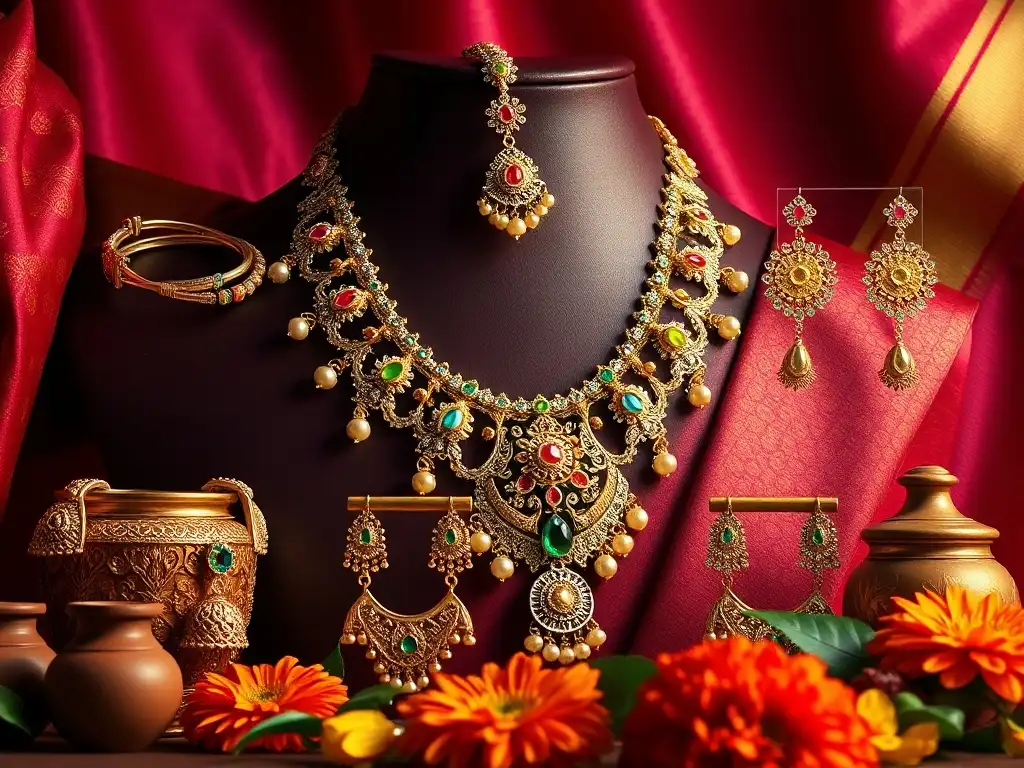
Welcome to Ancient India History, where we invite you to embark on a fascinating journey through the vibrant tapestry of ancient Indian civilizations. Today, we delve into the captivating world of cultural heritage in Indian jewelry, exploring how the intricate designs and timeless craftsmanship reflect the profound history of a nation. Discover how each piece tells a story, connecting us to our past while guiding our future purchases. Prepare to be inspired as we uncover the significance of buying with purpose—your exploration begins now!
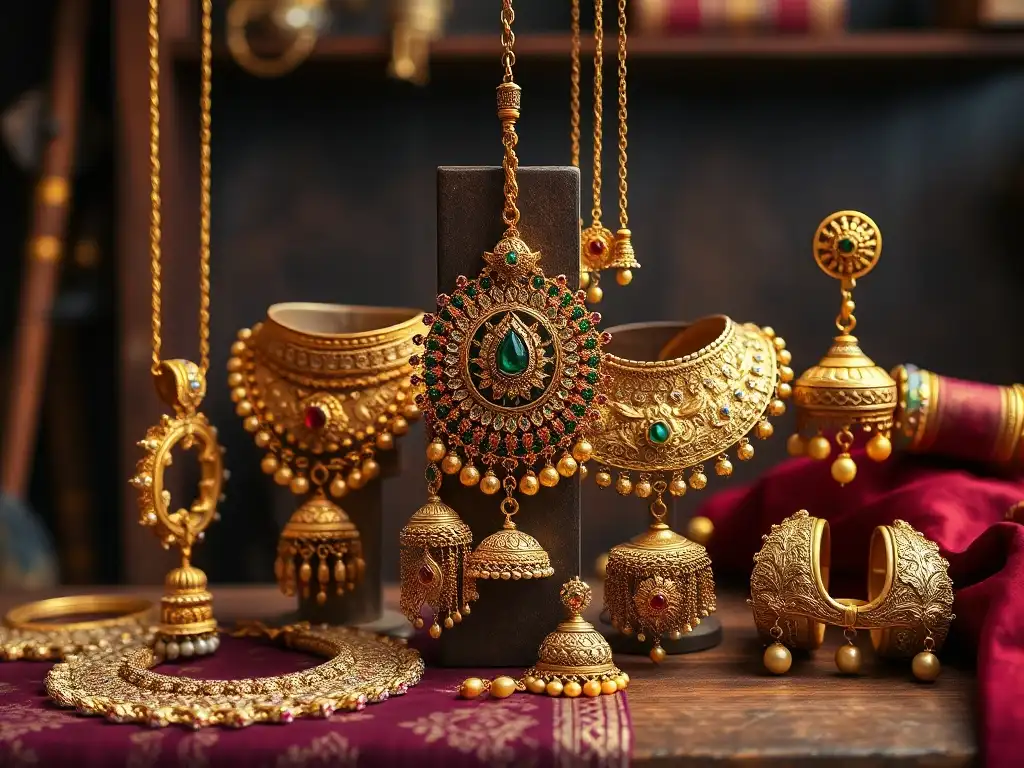
In the vibrant tapestry of Indian history, jewelry has played a crucial role not only as adornment but also as a reflection of the country’s rich cultural heritage. The intricate designs, materials used, and the symbolism embedded in Indian jewelry speak volumes about the traditions and values of the civilizations that have flourished on this subcontinent.
As we navigate the contemporary jewelry market, understanding the significance of cultural heritage in Indian jewelry becomes essential for consumers seeking authenticity and meaning in their purchases. This article delves into how cultural heritage shapes the art of jewelry making in India and guides buyers towards making informed choices that honor the legacy of the past while celebrating the artistry of the present.
Understanding Cultural Heritage in Indian Jewelry
Cultural heritage in Indian jewelry encompasses a vast array of traditions, stories, and craftsmanship passed down through generations. It reflects the diverse influences of various dynasties, regional practices, and the socio-economic contexts of the time.
The Significance of Cultural Heritage in Jewelry Design
The significance of cultural heritage in jewelry design cannot be overstated. Each piece of jewelry tells a story, often rooted in the cultural practices of the community it originates from. Key elements include:
- Symbolism: Many designs incorporate symbols that represent fertility, prosperity, and protection.
- Ritualistic Uses: Jewelry is often used in ceremonies and rituals, marking important life events such as weddings and festivals.
- Artisan Techniques: Traditional methods, such as filigree, engraving, and enameling, showcase the skills of artisans and their connection to cultural practices.
Historical Influences on Indian Jewelry Styles
The historical influences on Indian jewelry styles are vast and complex. Key periods that shaped these styles include:
- Indus Valley Civilization: The earliest known jewelry pieces, made of beads and semi-precious stones, reflect the sophistication of ancient craftsmanship.
- Maurya and Gupta Empires: These eras saw an evolution in designs, with gold becoming a dominant material and intricate motifs emerging.
- Mughal Era: The influence of Persian aesthetics led to the use of gemstones and elaborate designs, creating opulent pieces that are still cherished today.
Key Elements of Indian Jewelry Reflecting Cultural Heritage
Several key elements are integral to understanding the cultural heritage embedded in Indian jewelry:
- Materials: Gold, silver, and gemstones each carry specific cultural significance and are often used in traditional designs.
- Techniques: Various regional techniques, such as Kundan and Meenakari, highlight the artisanal skills unique to different areas.
- Design Motifs: Nature-inspired themes, deities, and geometric patterns often appear in designs, connecting jewelry to cultural narratives.
The Impact of Cultural Heritage on Modern Indian Jewelry
The impact of cultural heritage on modern Indian jewelry is profound, influencing both design and consumer behavior.
Reviving Traditional Techniques in Contemporary Designs
In recent years, there has been a resurgence of interest in traditional techniques among contemporary jewelry designers. The blending of old methods with modern aesthetics allows for unique pieces that honor heritage while appealing to modern tastes. This revival not only preserves traditional craftsmanship but also encourages sustainable practices within the industry.
The Role of Regional Variations in Indian Jewelry
India's vast geography leads to significant regional variations in jewelry styles. Each region boasts its unique materials, techniques, and design philosophies:
- Punjab: Known for its intricate gold jewelry and vibrant designs.
- Rajasthan: Famous for its colorful gemstone pieces and traditional Kundan work.
- South India: Renowned for temple jewelry, often depicting deities and motifs from mythology.
How Cultural Heritage Shapes Consumer Preferences
Today, consumers are increasingly aware of the stories and cultural significance behind their jewelry purchases. Many seek to buy pieces that not only reflect personal style but also honor the rich heritage of Indian craftsmanship. This shift in consumer preferences emphasizes the importance of authenticity and connection to cultural roots in the jewelry market. By choosing jewelry that represents cultural heritage, buyers contribute to the preservation of traditional techniques and support local artisans.
By understanding the profound impact of cultural heritage on Indian jewelry, consumers can make informed decisions that celebrate the artistry and significance of these timeless pieces, ensuring that their purchases carry meaning and respect for the traditions that shaped them.
Identifying Authentic Indian Jewelry: A Cultural Perspective
Understanding the role of cultural heritage in Indian jewelry is crucial for discerning authenticity. Authentic Indian jewelry is not merely a decorative item; it embodies centuries of tradition, craftsmanship, and cultural significance. When purchasing jewelry, recognizing its cultural roots can enrich your experience and ensure that you are buying a piece that has genuine value.
What Makes Jewelry Authentic in the Context of Cultural Heritage?
Authenticity in Indian jewelry can be defined by several key factors:
- Craftsmanship: Authentic pieces are often handcrafted by skilled artisans using traditional techniques passed down through generations. This craftsmanship reflects the cultural heritage of specific regions, such as Kundan from Rajasthan or Meenakari from Gujarat.
- Materials: The use of genuine materials—such as gold, silver, and precious stones—adds to the authenticity of the jewelry. Additionally, the sourcing of these materials often has cultural implications, reflecting local mining practices and traditions.
- Design Elements: Each piece carries design motifs that tell stories or symbolize aspects of Indian culture, religion, and history. Authentic jewelry often incorporates these design elements, which can vary significantly from region to region.
- Provenance: A piece’s history and the story behind its creation can affirm its authenticity. Jewelry with a known origin from a reputable artisan or craft community is generally more valuable.
Recognizing Cultural Symbols and Their Meanings
Cultural symbols in Indian jewelry are deeply rooted in tradition and can convey various meanings. Here are some common symbols found in authentic Indian jewelry:
- Lotus: Symbolizing purity and beauty, the lotus is frequently depicted in jewelry designs, representing spiritual enlightenment.
- Peacock: As India's national bird, the peacock is often used to represent grace and beauty. Its presence in jewelry signifies a connection to nature and elegance.
- Om: This sacred symbol in Hinduism is often incorporated into jewelry, representing the essence of the ultimate reality or consciousness.
- Navratna: The nine gems in Navratna jewelry represent the nine planets and are believed to bring health, wealth, and prosperity.
Understanding these symbols can help buyers appreciate the cultural significance of their jewelry and ensure they choose pieces that resonate with them personally.
Tips for Spotting Genuine Artisan-Made Jewelry
When shopping for authentic Indian jewelry, consider the following tips to spot genuine artisan-made pieces:
- Inspect Craftsmanship: Look for intricate details and quality finishes. Genuine artisan jewelry will often showcase unique imperfections, a hallmark of handcrafted items.
- Verify Artisanship: Research the artisan or brand to ensure they are recognized for their craftsmanship and adherence to traditional methods. Seek information about their background and the techniques they use.
- Ask About Materials: Inquire about the materials used. Genuine artisans will provide details about stone quality, metal purity, and ethical sourcing.
- Check for Certifications: Look for authenticity certificates or labels that indicate the jewelry’s origin and craftsmanship standards.
Buying Indian Jewelry with Purpose: A Cultural Approach
Purchasing Indian jewelry with an understanding of its cultural heritage can elevate the buying experience. This approach not only helps in acquiring authentic pieces but also fosters appreciation for the art and traditions behind them.
Factors to Consider When Purchasing Cultural Heritage Jewelry
When buying cultural heritage jewelry, consider the following factors to ensure a meaningful purchase:
- Cultural Significance: Understand the cultural context of the piece and its symbolism. This adds depth to your purchase and connects you to its heritage.
- Ethical Sourcing: Opt for brands that prioritize ethical sourcing and fair trade practices. This ensures that artisans receive a fair wage and that the materials used are obtained responsibly.
- Personal Connection: Choose pieces that resonate with you personally, whether through symbolism, design, or the story behind the piece. This connection can make your jewelry more meaningful.
- Sustainability: Consider the environmental impact of your purchase. Look for brands that focus on sustainable practices in their production processes.
Recommended Authentic Indian Jewelry Brands
Here are some renowned brands that specialize in authentic Indian jewelry, known for their commitment to cultural heritage:
| Brand Name | Specialty | Region |
|---|---|---|
| Tanishq | High-quality gold and diamond jewelry | Nationwide |
| Amrapali | Traditional designs and craftsmanship | Rajasthan |
| Kundan | Kundan and Meenakari jewelry | Rajasthan |
| Suhani Pittie | Contemporary designs with traditional roots | Nationwide |
| Banjara | Ethnic and tribal jewelry | Various regions |
These brands not only provide authentic jewelry but also support artisans, preserving the rich cultural heritage of Indian craftsmanship.
The Role of Cultural Heritage in Pricing Indian Jewelry
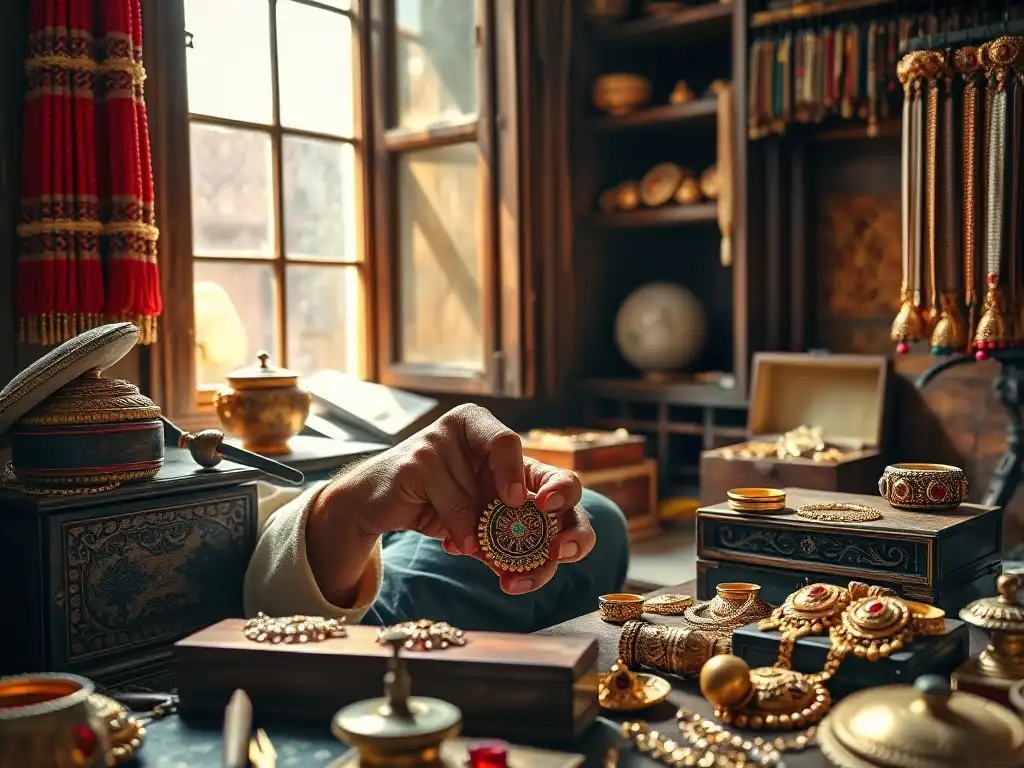
Cultural heritage plays a pivotal role in determining the pricing of Indian jewelry. This intricate relationship stems from the deep-rooted traditions and historical significance that each piece embodies. When consumers purchase jewelry, they are not merely acquiring an ornament; they are investing in a story, a legacy, and a connection to India's rich cultural past. Consequently, the pricing often reflects the craftsmanship, materials used, and the cultural narratives encapsulated within the design.
The variety of styles across different regions of India, influenced by local customs and historical events, adds to the complexity of pricing. For instance, jewelry from Rajasthan may feature elaborate designs influenced by royal patronage, while South Indian jewelry often showcases temple motifs and intricate gold work. Understanding these regional nuances can help buyers appreciate why certain pieces command higher prices, as they are not just products but representations of cultural identity.
How Cultural Significance Affects Jewelry Pricing
Cultural significance greatly influences the pricing of Indian jewelry, as it encapsulates the beliefs, traditions, and artistry of various communities. Pieces that are tied to specific rituals or festivals typically carry a premium due to their importance in cultural practices. For example, bridal jewelry, which often includes intricate designs and valuable gemstones, is priced higher because of its significance in ceremonies and its representation of status and heritage.
Moreover, jewelry that features symbolic motifs—such as the peacock, lotus, or sacred symbols—often commands higher prices due to the rich cultural meanings ascribed to them. These motifs are not arbitrary; they are steeped in history and often tell stories of ancient beliefs and practices, making them more valuable to collectors and connoisseurs alike.
The Value of Artisan Skills and Traditional Knowledge
The skills of artisans and the traditional knowledge passed down through generations significantly contribute to the pricing of Indian jewelry. Each artisan brings a unique set of skills that are honed over years of practice, often within families or communities that have specialized in specific techniques. This craftsmanship is not easily replicated, which adds to the exclusivity and value of the jewelry.
Artisan techniques such as Kundan, Meenakari, and Jadau involve meticulous processes that require patience and expertise. For instance, Kundan jewelry is known for its intricate gem-setting technique, while Meenakari involves the delicate art of enameling. The mastery of these techniques is a testament to the cultural heritage of the region, and pieces that showcase this traditional craftsmanship are often priced higher due to the labor-intensive processes involved and the skill required.
Understanding the Investment in Cultural Heritage Jewelry
Investing in cultural heritage jewelry goes beyond mere aesthetics; it is a commitment to preserving traditions and supporting local artisans. Buyers who appreciate the cultural background of their jewelry are often willing to pay a premium, recognizing that their purchase helps sustain traditional crafts and the livelihoods of artisans.
Moreover, cultural heritage jewelry often appreciates in value over time. As globalization threatens to dilute traditional practices, pieces that embody cultural significance and craftsmanship become even more sought after. Collectors and enthusiasts increasingly view these items as investments, understanding that they possess both tangible and intangible value that transcends the material.
Conclusion: Embracing Cultural Heritage in Your Jewelry Choices
Incorporating cultural heritage into jewelry choices allows consumers to connect with the rich history and artistry of Indian jewelry. When purchasing, it is crucial to consider not only the aesthetic appeal but also the cultural narratives that each piece represents. By doing so, buyers can make more meaningful and informed decisions that honor the traditions and skills of the artisans.
Making Informed Choices: Supporting Artisans and Their Heritage
Choosing cultural heritage jewelry means supporting local artisans and their communities. By opting for authentic pieces that reflect traditional craftsmanship, consumers contribute to the preservation of these art forms. Understanding the stories behind the jewelry fosters a deeper appreciation and encourages responsible purchasing practices that benefit the artisans who dedicate their lives to these crafts.
The Long-Term Value of Investing in Cultural Heritage Jewelry
The long-term value of investing in cultural heritage jewelry is multifaceted. Not only do these pieces often appreciate in financial value, but they also carry emotional and cultural significance. As more people recognize the importance of preserving cultural heritage, the demand for authentic, artisan-crafted pieces is likely to grow. This trend ensures that investing in such jewelry is not merely a purchase but a contribution to sustaining a rich cultural legacy for future generations.
Additional Resources for Purchasing Indian Jewelry
When looking to purchase authentic Indian jewelry, it is essential to equip yourself with knowledge and resources that highlight its rich cultural heritage. Understanding the intricacies of design, craftsmanship, and historical significance will enable you to make informed decisions. Below, we present a variety of resources that can enhance your purchasing experience, ensuring you appreciate the stories behind each piece.
Recommended Books on Indian Jewelry and Cultural Heritage
- "Indian Jewelry: The New Collection" by David A. McCarthy
- This book explores the evolution of Indian jewelry through vibrant illustrations and detailed descriptions, providing insights into the craftsmanship that defines various regional styles.
- "The Art of Indian Jewelry" by Anand K. Sharma
- An in-depth analysis of traditional techniques and cultural contexts of Indian jewelry, this book also highlights the significance of jewelry in different ceremonies and festivals.
- "Jewels of the Maharajas" by Kalyan Kumar
- A beautiful compilation that showcases the opulent jewelry worn by Indian royalty, this book delves into the historical anecdotes surrounding these exquisite pieces, enriching the reader's understanding of cultural heritage.
- "Heritage of Indian Jewelry" by Ramesh Chandra
- This resource provides a comprehensive overview of the historical significance and evolving styles of Indian jewelry, making it an essential guide for collectors and enthusiasts alike.
Online Courses on Jewelry Making and Cultural Significance
- Coursera: "Jewelry Design and Creation"
- This course offers a blend of practical techniques and theoretical knowledge about jewelry making, with modules that focus on Indian designs and their cultural contexts.
- Udemy: "Understanding Indian Traditional Jewelry"
- Designed for beginners, this course dives deep into the various forms of Indian jewelry, exploring their meanings, historical backgrounds, and craftsmanship techniques.
- Skillshare: "The Art of Jewelry Making"
- A hands-on class that teaches jewelry making while emphasizing the significance of traditional Indian styles, helping participants appreciate their cultural heritage while creating.
Trusted Online Marketplaces for Authentic Indian Jewelry
- Craftsvilla
- A reputable marketplace that specializes in traditional Indian crafts and jewelry, offering a wide range of authentic products sourced directly from artisans.
- Jaypore
- Known for its curated selection of handcrafted jewelry, Jaypore connects buyers with skilled artisans, ensuring that each piece reflects genuine cultural heritage.
- Amazon India: Handcrafted Jewelry
- A section dedicated to authentic Indian handcrafted jewelry, where you can find products from various artisans and brands, all verified for authenticity.
- Etsy: Indian Jewelry Section
- A platform for independent sellers offering unique, handmade jewelry pieces, Etsy features many artisans who specialize in traditional Indian styles.
Call to Action: Start Your Journey in Purchasing Cultural Heritage Jewelry
Embarking on the journey to purchase cultural heritage jewelry is not just about acquiring beautiful pieces; it's about connecting with the history and artistry that defines Indian culture. As you explore the intricate designs and craftsmanship, remember that each piece tells a story, weaving together the past and present.
Explore Our Recommended Products and Links for Authentic Jewelry
We invite you to check out our carefully curated selection of authentic Indian jewelry that reflects the rich cultural heritage of India. Each product is chosen for its quality, craftsmanship, and significance, allowing you to own a piece of history. Visit our recommendations to start your journey today!
Join Our Community in Celebrating Indian Cultural Heritage Through Jewelry
Become a part of our vibrant community dedicated to celebrating Indian cultural heritage through jewelry. Share your experiences, insights, and discoveries with fellow enthusiasts who appreciate the beauty and significance of these timeless pieces. Engage with us on social media, participate in discussions, and contribute to a collective appreciation of Indian craftsmanship and traditions!
- Understanding Cultural Heritage in Indian Jewelry
- The Impact of Cultural Heritage on Modern Indian Jewelry
- Identifying Authentic Indian Jewelry: A Cultural Perspective
- Buying Indian Jewelry with Purpose: A Cultural Approach
- The Role of Cultural Heritage in Pricing Indian Jewelry
- Conclusion: Embracing Cultural Heritage in Your Jewelry Choices
- Additional Resources for Purchasing Indian Jewelry
- Call to Action: Start Your Journey in Purchasing Cultural Heritage Jewelry
- What is the significance of cultural heritage in Indian jewelry?
- How does Indian jewelry illustrate the diversity of cultures?
- What are some common symbols found in Indian jewelry?
- How can one ensure they are buying authentic Indian jewelry?
- Why is it important to buy jewelry with a sense of purpose?
Frequently Asked Questions
What is the significance of cultural heritage in Indian jewelry?
The cultural heritage in Indian jewelry reflects the historical craftsmanship and unique traditions of various regions, showcasing symbolism and artistry that enrich the country's identity.
How does Indian jewelry illustrate the diversity of cultures?
Indian jewelry varies greatly across regions, with each area showcasing its own styles and materials that represent local customs, beliefs, and historical influences, highlighting the diversity of cultures in India.
What are some common symbols found in Indian jewelry?
Common symbols include the lotus, representing purity, and the peacock, symbolizing beauty, which not only enhance the aesthetic but also carry cultural significance tied to Indian heritage.
How can one ensure they are buying authentic Indian jewelry?
To buy authentic Indian jewelry, look for certifications from recognized bodies, inquire about the origin and craftsmanship, and choose trusted artisans or reputable stores that emphasize their cultural heritage.
Why is it important to buy jewelry with a sense of purpose?
Buying jewelry with a sense of purpose supports traditional artisans, preserves cultural heritage, and promotes sustainable practices, ensuring that the rich history of Indian jewelry continues to thrive.
Final Reflection: Embracing Cultural Heritage in Indian Jewelry
The intricate relationship between cultural heritage and Indian jewelry is more relevant today than ever, as consumers increasingly seek to buy with purpose. In a world where fast fashion dominates, understanding the significance behind each piece of jewelry allows us to appreciate not just its aesthetic value but also its historical and cultural context. The revival of interest in traditional craftsmanship and sustainable practices highlights a growing awareness of our purchasing power and its impact on preserving cultural identities.
Cultural heritage in Indian jewelry is not merely a relic of the past; it continues to shape our social landscape and personal identities. From the vibrant colors and intricate designs to the stories woven into each piece, jewelry serves as a bridge connecting generations.
As we adorn ourselves with these treasures, we carry forward the legacies of artisans who poured their heart and soul into their craft. > “Jewelry is like the perfect spice—it always complements what’s already there.” This quote encapsulates the essence of how jewelry enhances our lives while honoring the rich tapestry of culture that surrounds us.
As you reflect on the significance of cultural heritage in Indian jewelry, I invite you to consider how your choices can contribute to a more meaningful and sustainable future. Let each piece you wear be a testament to the stories and traditions it represents. By embracing the values of craftsmanship and cultural significance, you not only enrich your own life but also support the artisans and communities that keep these traditions alive. Together, let us celebrate and preserve the beauty of our cultural heritage through the jewelry we choose to wear.
Embrace Your Legacy: Buy Jewelry with Purpose!
Thank you for diving into the fascinating world of Indian jewelry and its rich cultural heritage! Your interest highlights the significance of connecting with history through your purchases. Now that you understand the deeper meaning behind these timeless pieces, it’s time to turn that knowledge into action.
Here’s how you can make a meaningful impact:
- Choose a piece that tells a story: Select jewelry that resonates with your cultural background and supports local artisans.
- Share your newfound knowledge: Discuss the importance of cultural heritage in jewelry with your friends and family—your passion can inspire them as well!
- Explore local markets or reputable online platforms: Seek out sustainable and ethically sourced jewelry to help promote artisan communities.
What story will your next piece of jewelry tell about your unique cultural heritage?