
Ancient Indian Sweets and Desserts: The Sweet Side of Culinary Heritage

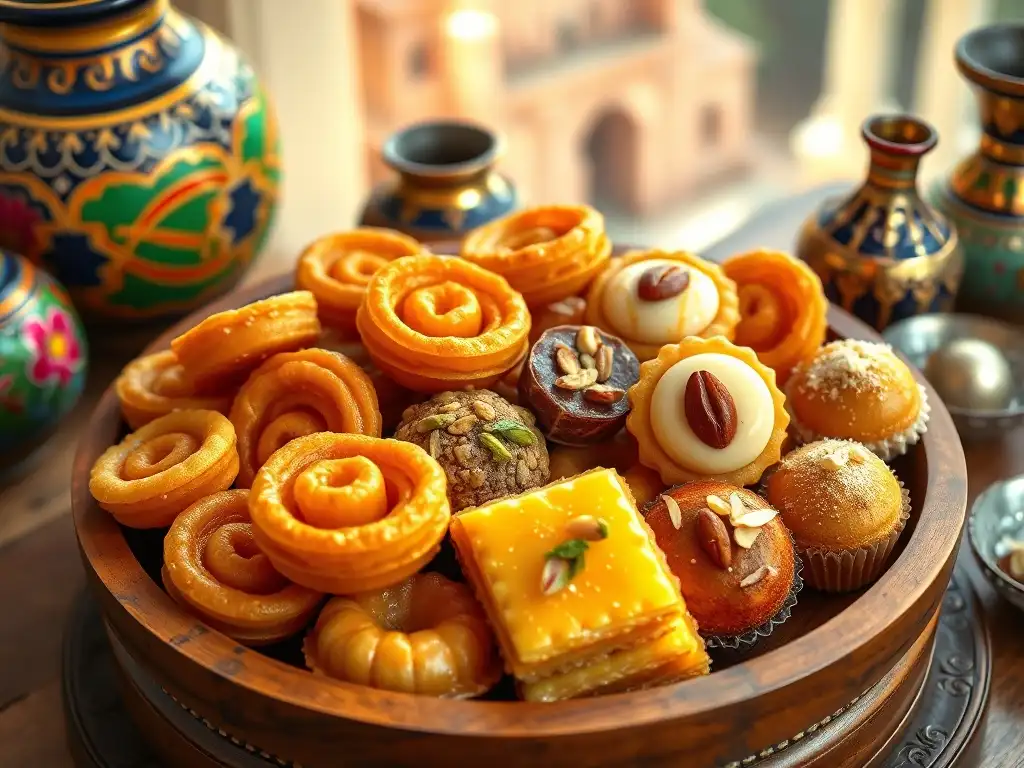
Welcome to Ancient India History, where we invite you to journey through the fascinating tapestry of India's past! Today, we delve into the sugar-coated narratives of Ancient Indian sweets history—a delectable exploration that reveals not only the flavors but also the rich cultural significance behind these cherished culinary traditions. From the delicate textures of traditional desserts to the vibrant festivals that celebrate them, discover how these sweet treats have shaped the very essence of Indian heritage. Are you ready to uncover the sweet side of history? Keep reading to indulge in this sumptuous tale!
-
Ancient Indian Sweets History: A Journey Through Time
- The Significance of Sweets in Ancient Indian Culture
- Origins of Ancient Indian Sweets
- Key Ingredients in Ancient Indian Sweets
- Famous Ancient Indian Sweets and Their Histories
- Regional Variations in Ancient Indian Desserts
- The Evolution of Ancient Indian Sweets
- The Cultural Exchange of Sweets in Ancient India
- Conclusion: The Enduring Legacy of Ancient Indian Sweets
- Exploring Ancient Indian Sweets: Recipes and Resources
- References and Further Reading on Ancient Indian Sweets History
- Call to Action: Discover the Sweet Side of Ancient India
- Frequently Asked Questions
- Final Reflection: Embracing the Sweet Legacy of Ancient Indian Sweets
- Indulge in the Sweetness of Tradition!
Ancient Indian Sweets History: A Journey Through Time
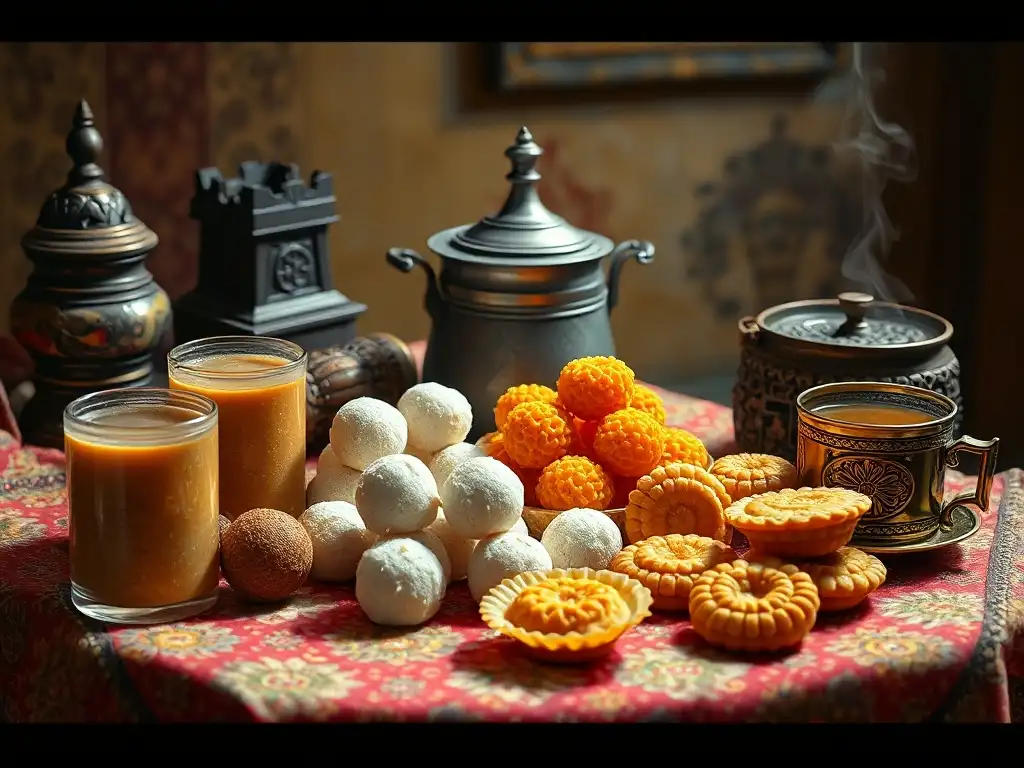
The culinary heritage of ancient India is as rich and diverse as its history, with sweets and desserts playing a vital role in the cultural fabric of society. Ancient Indian sweets, often crafted with great artistry, not only tantalize the taste buds but also reflect the traditions, rituals, and social customs of the time.
From the opulent courts of kings to humble village homes, these delectable treats signify celebration, hospitality, and the essence of Indian festivals. As we embark on a journey to explore the ancient Indian sweets history, we will uncover the significance of these confections in the cultural landscape, trace their origins, and delve into the key ingredients that have shaped their unique flavors.
The Significance of Sweets in Ancient Indian Culture
Sweets have held a prominent place in ancient Indian culture, symbolizing joy, prosperity, and auspiciousness. They are integral to various rituals and celebrations, such as weddings, religious festivals, and family gatherings. The act of offering sweets is often seen as a gesture of goodwill and blessings, reinforcing social bonds within communities.
- Cultural Rituals:
- During festivals like Diwali and Holi, it is customary to prepare and share sweets among friends and family.
- Sweets are used in religious offerings (prasad), signifying devotion and gratitude.
- Symbol of Affection:
- Gifting sweets during festivals and special occasions is a way to express love and affection.
- The phrase "Meetha (sweet) is a sign of goodwill" is deeply ingrained in Indian ethos.
Origins of Ancient Indian Sweets
The origins of ancient Indian sweets can be traced back to the Indus Valley Civilization, where archaeological findings suggest the use of sugarcane and honey in various culinary preparations. Over the centuries, the art of sweet-making evolved significantly, influenced by regional ingredients, trade routes, and cultural exchanges.
- Indus Valley Civilization:
- Evidence of sugarcane cultivation and honey usage indicates early sweet-making practices.
- Vedic Period:
- Texts from this era highlight the significance of milk and dairy products, paving the way for sweets like khoya and paneer-based desserts.
- Medieval Influence:
- The arrival of Central Asian cuisines during the medieval period introduced new techniques and flavors, leading to the creation of iconic sweets like halwa and barfi.
Key Ingredients in Ancient Indian Sweets
The delightful taste and texture of ancient Indian sweets are attributed to a variety of key ingredients that have been used for centuries. These ingredients not only add flavor but also embody the traditions and agricultural practices of the regions.
- Dairy Products:
- Milk: A primary ingredient in many sweets, used to make khoya, paneer, and various puddings.
- Ghee: Clarified butter that enhances flavor and richness in desserts.
- Sweeteners:
- Sugar: Derived from sugarcane, it became a staple in sweet-making.
- Jaggery: A traditional unrefined sugar that adds depth and character to many sweets.
- Nuts and Spices:
- Almonds and Pistachios: Commonly used for garnishing and enhancing texture.
- Cardamom and Saffron: Essential spices that impart a unique aroma and flavor.
As we delve deeper into the fascinating world of ancient Indian sweets, we will uncover specific recipes, regional variations, and the evolution of these delightful treats throughout history.
Famous Ancient Indian Sweets and Their Histories
Ancient Indian sweets, often referred to as "mithai," have a rich historical tapestry that reflects the diverse cultures and traditions of the subcontinent. One of the most renowned sweets is Halwa, which has roots tracing back to the Mughal era. Initially made with semolina and ghee, Halwa has evolved into numerous regional variations. It is said that the Mughals introduced this sweet to India, where it quickly became a staple in royal kitchens.
Another iconic sweet is Rasgulla, which hails from the eastern part of India, particularly Bengal. The origins of Rasgulla date back to the 19th century when it was popularized by the famous Bengali sweet maker, Nobin Chandra Das. The soft, spongy balls of chhena (fresh cheese) soaked in sugar syrup symbolize the culinary ingenuity of the region.
Barfi, a fudge-like confection, has been enjoyed since ancient times. Historical texts suggest that Barfi was offered to deities during religious ceremonies. With its origins in the Mughal kitchens, this sweet is typically made from condensed milk and sugar, and it has numerous variations, including Kaju Barfi made with cashews.
Regional Variations in Ancient Indian Desserts
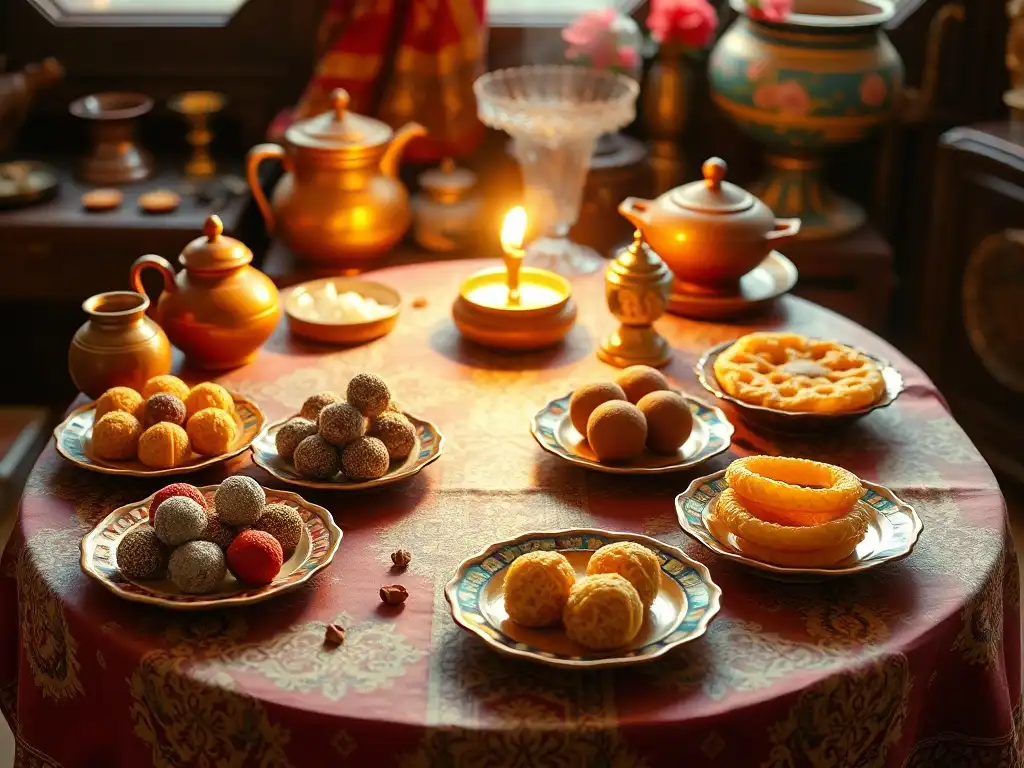
The vast geographical landscape of India has given rise to a multitude of regional variations in ancient sweets, each with its own unique ingredients and preparation methods.
- North India: In regions like Punjab and Uttar Pradesh, sweets such as Gulab Jamun (deep-fried dough balls soaked in rose-flavored syrup) and Jalebi (spiral-shaped fried batter dipped in sugar syrup) are popular. These desserts often reflect the influence of Mughal cuisine.
- West India: Gujarat and Maharashtra boast Puran Poli, a sweet flatbread stuffed with a mixture of jaggery and lentils. This dessert is often prepared during festivals and family gatherings, showcasing the region's rich agricultural heritage.
- South India: In Tamil Nadu and Andhra Pradesh, Payasam, a rice pudding made with milk, sugar, and cardamom, is a favorite during festivals and celebrations. Mysore Pak, a sweet made of ghee, sugar, and chickpea flour, is another notable dessert that originated in Mysore.
- East India: Apart from Rasgulla, Bengali cuisine features Sandesh, a delicate sweet made from fresh chhena, often flavored with cardamom or fruits. The artistry in shaping and presenting these sweets is a testament to the region's culinary craftsmanship.
The Evolution of Ancient Indian Sweets
The evolution of ancient Indian sweets is a fascinating journey that reflects the cultural exchanges and historical developments within the subcontinent. Initially, desserts were simple and made from locally available ingredients such as fruits, nuts, and honey. The arrival of different dynasties, including the Mughals and the Portuguese, introduced new flavors and techniques that transformed Indian sweets.
During the medieval period, sugar became more accessible, leading to a proliferation of sweet dishes. The Mughal influence brought about the use of milk-based ingredients and the incorporation of aromatic spices like cardamom and saffron, which are now hallmarks of many traditional sweets.
In modern times, the increasing globalization and fusion of cuisines have led to innovative adaptations of ancient recipes. While traditional sweets remain cherished, contemporary interpretations often feature healthier ingredients or novel presentations, ensuring that the legacy of ancient Indian sweets continues to thrive.
As we explore the rich history of ancient Indian sweets, it becomes evident that they are not just culinary delights but also significant cultural artifacts that tell the story of India's diverse heritage.
The Cultural Exchange of Sweets in Ancient India
The history of ancient Indian sweets is deeply intertwined with the cultural exchanges that took place over centuries. As trade routes expanded and kingdoms flourished, the culinary practices of different regions began to blend, creating a rich tapestry of flavors and techniques. For instance, the spice trade brought exotic ingredients from the Middle East and Southeast Asia, which influenced Indian cooking, including the preparation of sweets.
One of the most significant influences on Indian sweets came from Persian invaders and traders. The introduction of sugar, refined from sugarcane, revolutionized the way sweets were prepared. Dishes like gulab jamun and barfi showcase this blending of Persian techniques with Indian flavors. These sweets not only became popular within Indian culture but also found their way into neighboring regions, demonstrating the shared culinary heritage.
Furthermore, festivals and rituals played a crucial role in the cultural exchange of sweets. Celebrations like Diwali and Eid encouraged the sharing of sweets among communities, fostering a sense of unity and cultural appreciation. The diverse regional specialties, such as peda from Maharashtra and rasgulla from Bengal, reflect the local ingredients and traditions, yet they also echo the influences from other cultures, creating a dynamic and evolving sweet landscape.
Conclusion: The Enduring Legacy of Ancient Indian Sweets
The legacy of ancient Indian sweets extends far beyond their delightful flavors. These confections are a testament to the rich history and cultural diversity of India. They encapsulate stories of trade, migration, and the fusion of culinary practices, serving as edible artifacts that offer insight into the social and cultural fabric of ancient Indian society.
Today, many of these traditional sweets remain popular, not only during festivals and special occasions but also in everyday life. The recipes have been passed down through generations, often with personal twists that reflect contemporary tastes while honoring their historical roots. This enduring legacy highlights the importance of sweets in Indian culture, where they symbolize joy, prosperity, and the celebration of life.
As we indulge in these ancient delights, we connect with the past and appreciate the intricate narratives that shaped them. The continued love for ancient Indian sweets serves as a reminder of the timeless appeal of culinary heritage, bridging the gap between history and modernity.
Exploring Ancient Indian Sweets: Recipes and Resources
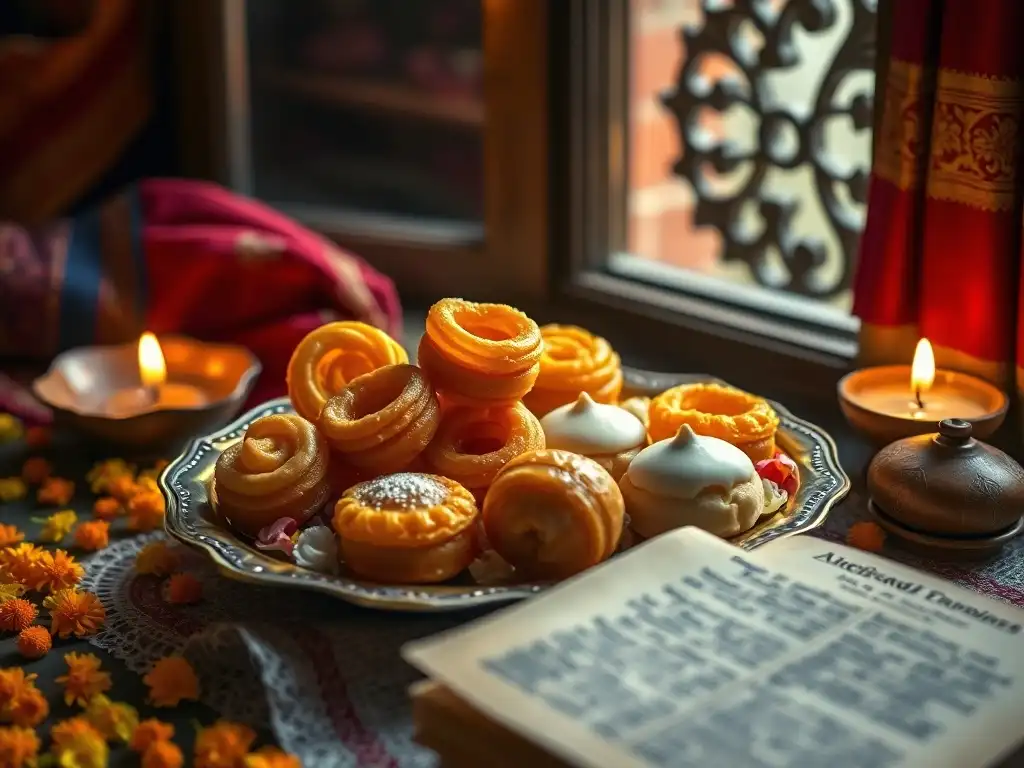
For those interested in delving deeper into the world of ancient Indian sweets, there is a wealth of resources available. From cookbooks that explore traditional recipes to online platforms that share culinary histories, enthusiasts can easily access the knowledge needed to recreate these delightful treats at home.
Here are some popular ancient Indian sweets to explore:
- Gulab Jamun: Soft, syrup-soaked balls made from khoya (milk solids) and flavored with cardamom.
- Barfi: A dense, sweet confection made from condensed milk and sugar, often garnished with nuts.
- Rasgulla: Spongy cheese balls soaked in sugar syrup, originating from Bengal.
- Ladoo: Round sweets made from various flours and ingredients, such as besan (gram flour) or coconut.
To start your culinary journey, consider checking out the following resources:
- Cookbooks: Look for titles focused on traditional Indian desserts or regional cuisines.
- Online Cooking Classes: Many chefs offer courses specifically on Indian sweets, providing step-by-step guidance.
- Culinary Blogs: Numerous food bloggers share authentic recipes and stories behind each sweet, enriching your understanding of their significance.
By exploring these sweets through recipes and resources, one can not only appreciate their flavors but also gain insight into the cultural heritage they represent, ensuring that the sweet traditions of ancient India continue to thrive.
References and Further Reading on Ancient Indian Sweets History
To delve deeper into the rich tapestry of ancient Indian sweets, it is beneficial to explore a variety of sources that provide insights into their history, preparation methods, and cultural significance. Here are some suggested readings and resources:
- Books:
- Indian Sweets and Desserts by Sangeeta Bhatia: This book offers a comprehensive overview of traditional Indian sweets, including recipes and historical contexts that date back centuries.
- The Food of India: A Journey for Food Lovers by Priya Wickramasinghe: This book explores Indian culinary traditions, including sweets, and their evolution through various dynasties.
- Academic Journals:
- The Journal of Indian Cuisine: This publication often features articles on the historical aspects of Indian food, including traditional sweets and their cultural implications.
- Culinary Histories of India: A scholarly journal that discusses the evolution of Indian culinary practices, including the development of sweets through ancient times.
- Online Resources:
- Websites and blogs dedicated to Indian cuisine, such as Indian Food Forever, frequently post articles that touch on the history and recipes of ancient sweets.
- Documentaries and cooking shows that focus on Indian culinary heritage can provide visual and narrative context to the role of sweets in ancient Indian culture.
By engaging with these resources, readers can gain a greater appreciation for the historical significance and regional variations of ancient Indian sweets, enriching their understanding of this delectable aspect of Indian heritage.
Call to Action: Discover the Sweet Side of Ancient India
Are you ready to embark on a delicious journey through the sweet traditions of ancient India? Whether you’re a culinary enthusiast, history buff, or simply someone with a sweet tooth, exploring the legacy of ancient Indian sweets offers a unique perspective on the country’s rich cultural heritage.
- Try Your Hand at Making Traditional Sweets: Gather some ingredients and recipes from the resources mentioned above and experiment with making classics like Gulab Jamun, Jalebi, or Kheer. These sweets are not just desserts; they hold stories of celebrations and festivals throughout history.
- Visit Local Indian Sweet Shops: If you're unable to make these delicacies at home, visiting local Indian sweet shops can provide you with authentic tastes and flavors that have been passed down through generations.
- Participate in Cultural Events: Attend festivals or events that celebrate Indian culture, where traditional sweets are often showcased. This is a wonderful opportunity to experience the flavors and stories behind these treats firsthand.
Indulging in the sweet side of ancient India is not just about the flavors; it's about connecting with a rich history that spans thousands of years. So go ahead, explore, taste, and share the joy of ancient Indian sweets! 🍬✨
Frequently Asked Questions
What are some traditional ancient Indian sweets?
Ancient Indian sweets include Mysore Pak, Gulab Jamun, and Ladoo. These dishes have been enjoyed for centuries and are often made with natural ingredients like jaggery and ghee.
How did ancient Indian sweets evolve over time?
The evolution of ancient Indian sweets is influenced by various regional ingredients, cultural exchanges, and trade routes. This has led to a diverse range of flavors and techniques used in their preparation.
What is the significance of sweets in ancient Indian culture?
Sweets play a vital role in ceremonies and festivals, symbolizing joy and prosperity. They are often offered to deities and shared among family and friends to enhance social bonds.
Are there any health benefits associated with traditional Indian sweets?
Many traditional Indian sweets utilize natural sweeteners and ingredients like nuts and spices, which can offer nutritional benefits. However, moderation is key due to their high sugar content.
How are ancient Indian desserts linked to historical events?
Many ancient Indian desserts have stories tied to historical events or figures, reflecting the region's cultural heritage. These narratives enrich the culinary experience and showcase the diversity of Indian history.
Final Reflection: Embracing the Sweet Legacy of Ancient Indian Sweets
The rich tapestry of ancient Indian sweets and desserts is not merely a culinary delight; it serves as a testament to the cultural and historical evolution of a civilization. Today, as we navigate a fast-paced world, the significance of these traditional sweets resonates more than ever, reminding us of our roots and the stories that shape our identities. The intricate flavors and methods of preparation reflect a heritage that deserves to be celebrated and preserved, for they are a sweet reminder of our past.
Culinary traditions have a profound impact on our social fabric, and ancient Indian sweets are no exception. They have transcended generations, fostering connections among families and communities during festivals and celebrations. The nostalgia tied to these desserts evokes memories of shared moments and cultural rituals, reinforcing the idea that food is a powerful medium for storytelling. Food is not just what we eat; it is a reflection of who we are.
This ongoing influence of ancient sweets in contemporary society highlights the importance of preserving these culinary treasures, ensuring that future generations can savor the flavors of their heritage.
As we conclude this exploration of ancient Indian sweets, I invite you to reflect on your own culinary heritage and the stories that accompany it. Consider how you can incorporate these traditional recipes into your life, whether by preparing them for loved ones or sharing their history with others. Let us honor the past while savoring the sweetness of the present, ensuring that the legacy of ancient Indian sweets continues to thrive in our kitchens and hearts for years to come.
Indulge in the Sweetness of Tradition!
Thank you for exploring the delightful world of ancient Indian sweets and desserts with us! By delving into these culinary treasures, you've uncovered the rich history and flavors that have delighted generations. Now, it's time to take that newfound knowledge and savor the sweet experience for yourself.
Here’s how you can indulge in the magic of these desserts:
- Try Your Hand at Making a Classic: Choose one of the traditional sweets and give it a go in your kitchen! Whether it's the beloved Gulab Jamun or the creamy Kheer, enjoy the process of creating something truly special.
- Share the Love: Host a small gathering with friends or family and serve them your homemade sweet! This experience is not just about tasting; it’s about sharing a piece of culture and creating lasting memories.
- Join a Community: Connect with online forums or local groups dedicated to Indian cuisine. Share your experiences, discover new recipes, and learn about the fascinating stories behind each dessert.
What’s your favorite ancient Indian sweet, and how do you plan to bring its tradition to life in your own kitchen?