
The Mahabharata and Its Influence on Yoga and Meditation Practices

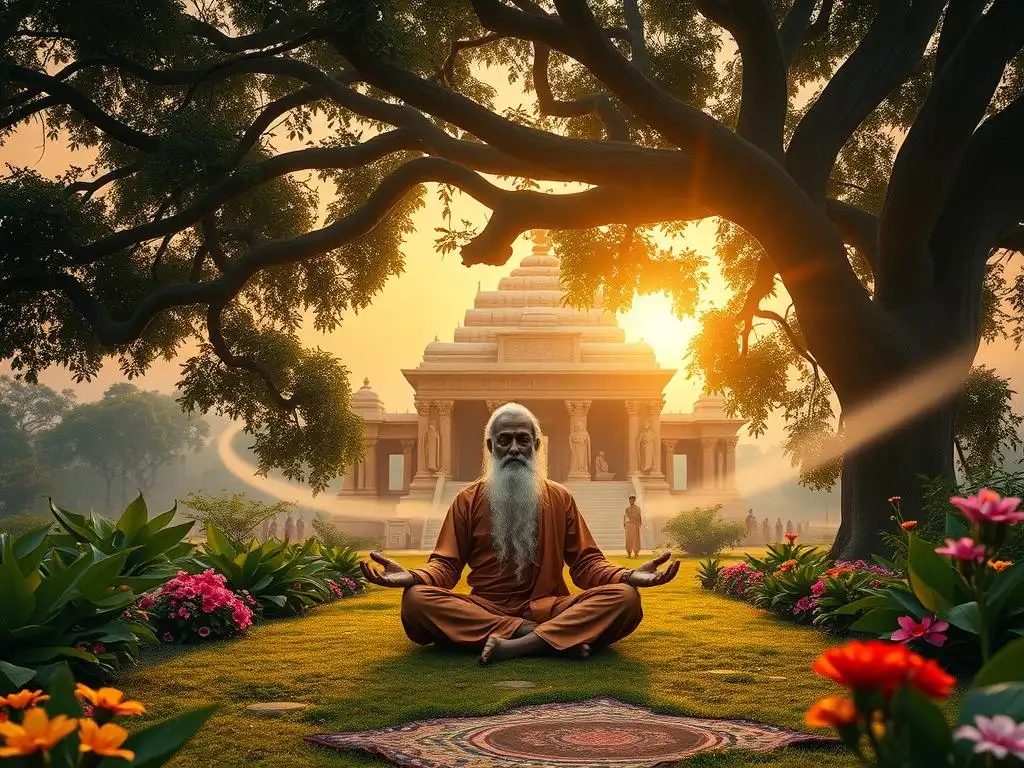
Welcome to Ancient India History, where we embark on a fascinating journey through the rich tapestry of India's past! Dive deep into the Mahabharata, an epic that not only narrates the tales of valor and virtue but also profoundly influences yoga and meditation practices that resonate to this day. Have you ever wondered how the philosophies woven into this grand narrative shaped spiritual traditions? Join us as we unravel the connections between epic literature and the transformative power of yoga, inviting you to explore the depths of ancient wisdom that continue to guide seekers on their paths today.
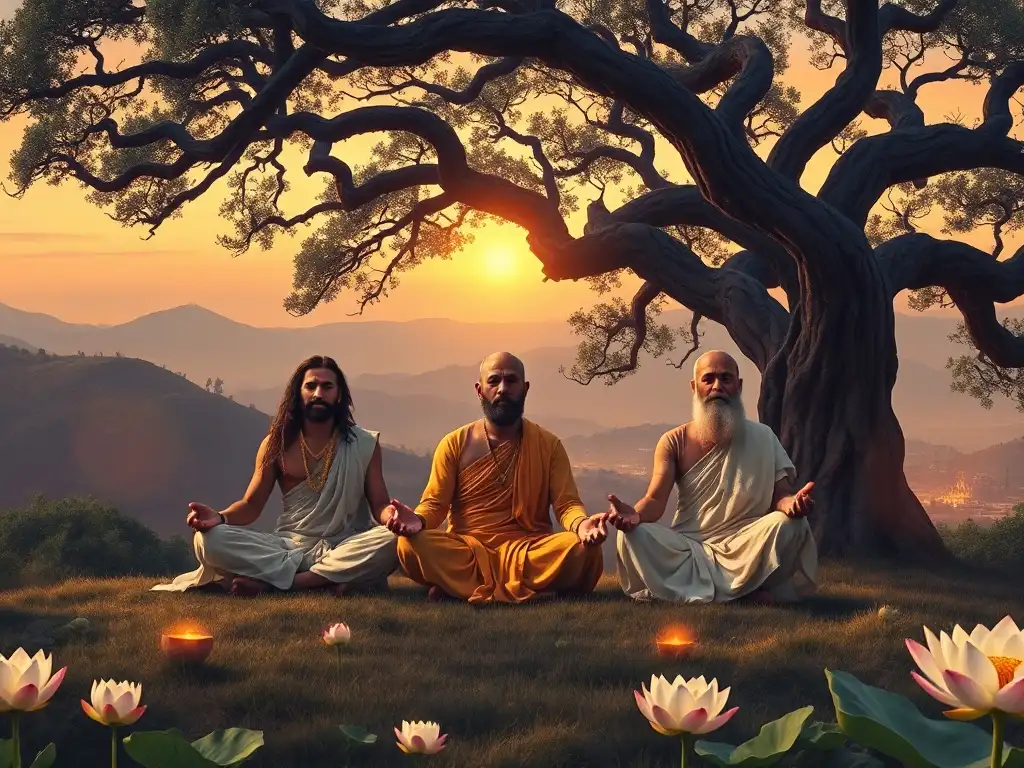
The Mahabharata, one of the longest epic poems in the world, is not just a tale of war and valor; it is a profound text that has deeply influenced various aspects of Indian philosophy, including yoga and meditation. This epic explores the complexities of human nature through its characters and narratives, making it a treasure trove of moral dilemmas and philosophical discourses.
As we delve into the Mahabharata's influence on yoga practices, we uncover how its teachings extend beyond the battlefield to the inner realms of the mind and spirit, offering guidance on achieving balance, self-realization, and enlightenment. This article aims to illuminate the intricate connections between the Mahabharata and the evolving practices of yoga and meditation, highlighting their historical significance and the rich cultural heritage of ancient India.
Introduction to the Mahabharata
Overview of the Mahabharata Epic
The Mahabharata, traditionally attributed to the sage Vyasa, is an epic narrative that recounts the dynastic struggle between the Pandavas and the Kauravas. Spanning over 100,000 verses, it includes stories, parables, and philosophical dialogues that reflect the ethos of ancient Indian society. Notably, it encompasses the Bhagavad Gita, a revered text that serves as a spiritual guide and addresses the moral dilemmas faced by its characters.
Significance in Ancient Indian Culture
The Mahabharata is more than just an epic; it is a cultural cornerstone for millions and provides insights into ancient Indian values, ethics, and social norms. Its themes of dharma (righteousness), karma (action), and moksha (liberation) resonate with various aspects of Indian philosophy and religion. The narratives within the Mahabharata have inspired countless works of art, literature, and performance, making it a vital part of India's cultural and spiritual heritage.
The Mahabharata's Role in Shaping Spiritual Practices
The epic's rich philosophical content has had a lasting impact on spiritual practices in India, particularly in the realms of yoga and meditation. The dilemmas faced by its characters often reflect the inner struggles individuals face on their spiritual journeys, allowing readers and practitioners to draw parallels between the text and their own lives. The teachings found within the Mahabharata encourage self-reflection and a deeper understanding of one's purpose, thereby influencing the spiritual practices that evolved in the centuries that followed.
The Concept of Yoga in the Mahabharata
Definition and Types of Yoga Mentioned
Yoga, derived from the Sanskrit word "yuj," meaning to unite or join, is a central theme in the Mahabharata. It encompasses various forms and practices aimed at achieving spiritual, mental, and physical harmony. The epic references different types of yoga, including:
- Karma Yoga: The path of selfless action, emphasizing duty and service without attachment to the results.
- Bhakti Yoga: The path of devotion and love towards a personal deity, fostering a deep emotional connection to the divine.
- Jnana Yoga: The path of knowledge and wisdom, encouraging seekers to engage in self-inquiry and philosophical contemplation.
The Mahabharata’s Philosophical Underpinnings of Yoga
The philosophical foundations of yoga, as presented in the Mahabharata, align closely with its overarching themes of duty, righteousness, and the quest for truth. Characters such as Arjuna undergo significant transformations on their paths to understanding their responsibilities, often drawing from the principles of yoga to navigate their inner conflicts. The dialogues, particularly in the Bhagavad Gita, illustrate how yoga serves as a means to overcome dualities, achieve self-realization, and ultimately attain liberation. Through these teachings, the Mahabharata not only influences yoga practices but also enriches the spiritual discourse within ancient Indian civilization.
Meditation Practices Derived from the Mahabharata
The Mahabharata, one of the longest epic poems in history, serves not only as a foundational text of Indian spirituality but also as a significant source for meditation practices. The narrative interweaves intricate philosophical discussions and spiritual teachings, offering insights that transcend mere storytelling. Within its verses, various meditation practices are illustrated, emphasizing the importance of inner reflection, concentration, and self-realization.
The epic presents meditation as a means of achieving clarity, wisdom, and a deeper understanding of one's duty (dharma). The multifaceted nature of the characters and their dilemmas often showcases meditation as a tool for overcoming internal conflicts and attaining peace. This rich tapestry of meditation practices encourages practitioners to explore their thoughts and emotions while connecting with the universe.
Meditation Techniques Taught in the Mahabharata
The Mahabharata outlines several meditation techniques that are integral to its narrative. One prominent method is Dhyana, or concentrated meditation, which is often depicted through the practices of characters like Arjuna. When faced with moral dilemmas on the battlefield, Arjuna turns inward, seeking guidance and clarity through meditation. This technique emphasizes focused attention and the contemplation of one’s responsibilities.
Another technique is Pranayama, or breath control. The epic illustrates the significance of breath in achieving a state of calm and focus. Characters engage in breath regulation as a means to enhance their mental clarity and emotional stability, underscoring the connection between breath, mind, and body.
Additionally, Mantra meditation is implied throughout the text, where reciting specific phrases or sounds aids in centering the mind. This technique reflects the power of sound and vibration in spiritual practices, promoting a sense of unity with the divine.
The Role of Meditation in the Lives of Mahabharata Characters
Meditation plays a crucial role in the lives of many characters in the Mahabharata, often acting as a catalyst for transformation and enlightenment. For instance, the character of Bhishma epitomizes the meditative ideal. His ability to remain detached and wise amidst conflict is a testament to his deep meditation practices, which allow him to transcend personal desires and uphold dharma.
Similarly, the teachings of Krishna to Arjuna during the Bhagavad Gita section emphasize the necessity of meditation for self-realization and understanding one's path. Krishna elucidates that meditation leads to equanimity and insight, guiding Arjuna through his moral crisis.
Furthermore, the portrayal of sages and ascetics throughout the epic highlights the importance of meditation for spiritual development. These characters often retreat into solitude to practice deep meditation, symbolizing the quest for higher knowledge and the attainment of spiritual goals.
Influence of the Mahabharata on Modern Yoga and Meditation
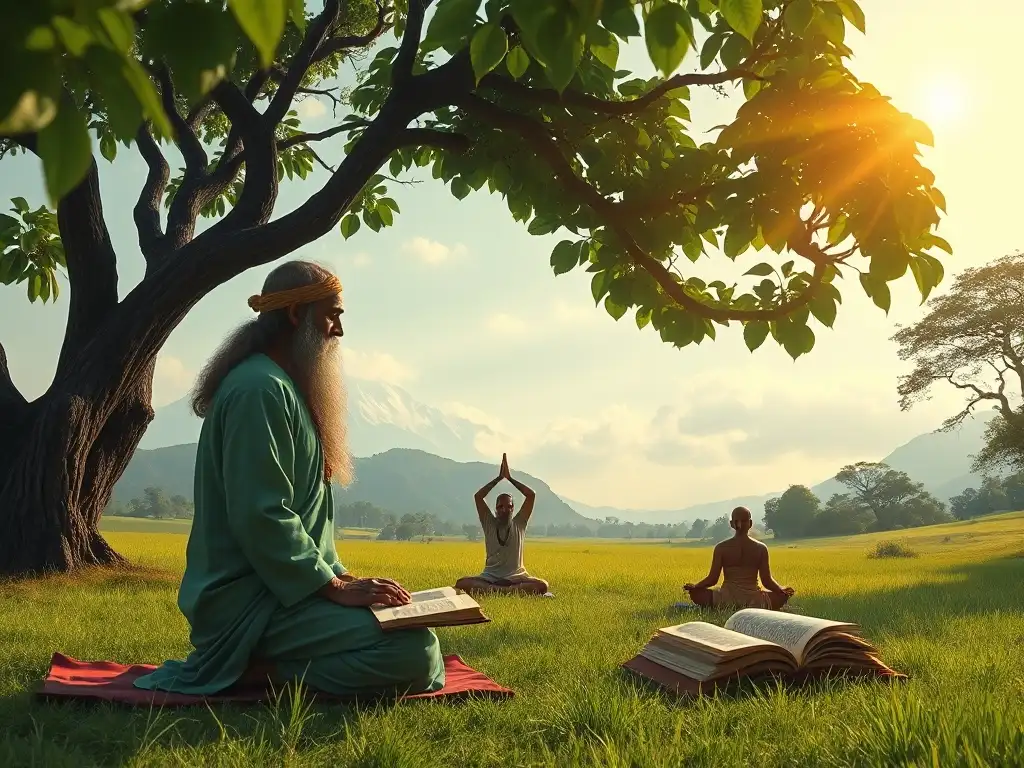
The influence of the Mahabharata extends beyond ancient practices, significantly shaping modern yoga and meditation. Its teachings resonate with contemporary practitioners, offering timeless wisdom that promotes personal growth and spiritual awakening.
How the Mahabharata Shapes Contemporary Yoga Practices
In modern yoga, the principles derived from the Mahabharata are evident in various styles and teachings. The concepts of dharma and selflessness, championed by characters like Arjuna, are integrated into yoga philosophy, reminding practitioners of their ethical responsibilities. Many yoga schools emphasize the importance of intention or Sankalpa, which echoes Arjuna’s quest for purpose throughout the epic.
Moreover, the idea of balance and harmony in relationships, as portrayed in the Mahabharata, influences yoga practices that focus on connecting with oneself and others. This holistic approach fosters a sense of community, mirroring the epic’s themes of unity and interconnectedness.
Integration of Mahabharata Principles in Modern Meditation Techniques
Modern meditation techniques are increasingly incorporating the principles found in the Mahabharata. Techniques emphasizing mindfulness and awareness resonate with the epic's teachings on self-reflection and understanding one's inner conflicts. For example, the practice of self-inquiry, derived from the dialogues in the Mahabharata, encourages individuals to explore their motivations and desires, fostering personal insight and growth.
Additionally, the emphasis on ethical living and right action (dharma) from the epic aligns with modern mindfulness practices that promote compassion and ethical behavior. This integration enriches meditation experiences, allowing practitioners to cultivate a deeper connection to their values and the world around them.
The Global Impact of Mahabharata-Inspired Yoga
The global impact of Mahabharata-inspired yoga is profound, as it has transcended cultural boundaries and become a cornerstone of spiritual practices worldwide. The epic's teachings have found their way into yoga studios, wellness retreats, and meditation centers across the globe, where they inspire individuals to seek balance and harmony in their lives.
Moreover, the Mahabharata's narratives resonate with people facing modern dilemmas, providing a framework for navigating life's challenges through the lens of yoga and meditation. This accessibility has allowed the teachings to flourish internationally, fostering a deeper appreciation for Indian philosophical traditions and their relevance in contemporary society.
The Mahabharata's influence on yoga and meditation practices is both profound and enduring, offering a rich legacy that continues to inspire and guide practitioners today.
Conclusion
Summary of the Mahabharata's Influence on Yoga and Meditation
The Mahabharata serves as a foundational text that intricately weaves the principles of yoga and meditation into its narrative. Central to this epic are the concepts of dharma (duty), karma (action), and the pursuit of knowledge, which are essential themes that inform various yoga philosophies.
The teachings of the Bhagavad Gita, a revered section of the Mahabharata, exemplify this connection by presenting yoga not merely as a physical practice, but as a holistic approach to life that includes mental discipline and spiritual growth. The Gita's discourse on selfless action and devotion has shaped modern interpretations of yoga, emphasizing the importance of intention and mindfulness.
Moreover, the Mahabharata's characters often embody the struggles inherent in the journey towards self-realization, providing rich narratives that inspire practitioners of yoga and meditation. For instance, Arjuna's internal conflict on the battlefield is a profound metaphor for the challenges faced on the spiritual path, illustrating the necessity of overcoming doubt and confusion through focused practice and self-inquiry. Thus, the epic's influence permeates the practice of yoga, encouraging individuals to seek balance and harmony within themselves and with the world around them.
Final Thoughts on the Relevance of the Mahabharata Today
The relevance of the Mahabharata in contemporary society cannot be overstated. As modern practitioners of yoga and meditation seek deeper understanding and connection, the timeless teachings found within this epic resonate with the challenges of daily life. The Mahabharata encourages individuals to reflect on their roles and responsibilities, fostering a sense of awareness and mindfulness that is essential in today's fast-paced world.
Furthermore, the epic's exploration of ethical dilemmas and moral choices serves as a guide for navigating personal and societal conflicts, reinforcing the need for compassion, empathy, and justice. In this way, the Mahabharata not only enriches the practice of yoga and meditation but also invites individuals to engage with their own life stories, encouraging a journey of self-discovery and transformation that remains profoundly relevant.
References
Suggested Readings on the Mahabharata and Yoga
- The Mahabharata: A Modern Rendering: by Ramesh Menon - A contemporary retelling that brings the epic's themes to life, making it accessible to modern readers.
- The Bhagavad Gita: As It Is: by A.C. Bhaktivedanta Swami Prabhupada - A classic translation that emphasizes the spiritual teachings related to yoga and meditation.
- Mahabharata: An Inquiry in the Human Condition: by K.L. Bhardwaj - A scholarly exploration of the philosophical dimensions of the Mahabharata.
Key Texts and Commentaries on Yoga and Meditation Practices
- The Yoga Sutras of Patanjali - A foundational text on yoga philosophy that complements the teachings found in the Mahabharata.
- The Heart of Yoga: Developing a Personal Practice: by T.K.V. Desikachar - A guide that integrates the principles of yoga with practical applications for meditation.
- Light on Yoga by B.K.S. Iyengar - An authoritative work that discusses the physical and philosophical aspects of yoga, reflecting its roots in ancient texts like the Mahabharata.
- Introduction to the Mahabharata
- The Concept of Yoga in the Mahabharata
- Meditation Practices Derived from the Mahabharata
- Influence of the Mahabharata on Modern Yoga and Meditation
- Conclusion
- References
Frequently Asked Questions
What is the Mahabharata?
The Mahabharata is an ancient Indian epic that narrates the story of the Kurukshetra War and the fates of the Kaurava and Pandava princes, emphasizing moral dilemmas and ethical questions.
How does the Mahabharata influence yoga practices?
The Mahabharata contains philosophical teachings that underpin many yoga principles, particularly through its exploration of dharma (duty) and the pursuit of spiritual growth.
Are there specific yoga techniques mentioned in the Mahabharata?
While the Mahabharata does not detail specific yoga techniques, it emphasizes the importance of meditation and self-discipline, which are foundational to various yoga practices today.
How does the Mahabharata relate to meditation?
The epic illustrates the significance of meditation as a means to attain inner peace and self-realization, showcasing characters who engage in deep contemplation and spiritual practices.
Can the teachings of the Mahabharata be applied to modern yoga?
Yes, the Mahabharata's teachings on balance, self-awareness, and ethical living can greatly enhance modern yoga practices, making them more relevant to contemporary practitioners.
Final Reflection: The Enduring Legacy of the Mahabharata on Yoga and Meditation
The Mahabharata's teachings resonate profoundly in today's world, reminding us that the pursuit of self-awareness and inner peace is as relevant now as it was in ancient times. In an era marked by chaos and distraction, the epic's insights into yoga and meditation serve as a guiding light, illuminating the path toward a more harmonious existence. The timeless wisdom embedded in its verses encourages us to cultivate mindfulness and resilience, making the Mahabharata's influence on yoga a crucial aspect of our contemporary spiritual journey.
The Mahabharata has not only shaped individual practices but has also woven itself into the very fabric of our cultural and social landscape. Its narratives and philosophies continue to inspire countless practitioners and seekers, fostering a deeper understanding of the self and the universe. As we engage with these teachings, we find ourselves part of a larger tapestry of human experience. The greatest warrior is not the one who wins battles, but the one who conquers himself.
This quote encapsulates the essence of the Mahabharata's influence, reminding us that true victory lies in mastering our inner world through the practices of yoga and meditation.
As you reflect on the lessons drawn from the Mahabharata, I invite you to embrace the transformative power of yoga and meditation in your own life. Consider how these practices can help you navigate the complexities of modern existence, fostering a deeper connection with yourself and those around you. Let the wisdom of this ancient epic guide you toward a more mindful and balanced life, as you embark on your own journey of self-discovery and inner peace.
Unfold Your Journey: Embrace the Wisdom of The Mahabharata
Thank you for exploring the profound teachings of The Mahabharata and their impact on yoga and meditation. Your interest in this ancient epic not only enriches your knowledge but also opens pathways to deeper self-discovery and mindfulness. Now, it’s time to take those valuable insights and turn them into action!
Here’s how you can continue your journey:
- Start a Daily Meditation Practice: Dedicate just 10 minutes each day to a meditation routine, focusing on themes of balance and self-awareness inspired by the teachings of The Mahabharata.
- Explore Yoga Styles Influenced by the Epic: Look into yoga practices that integrate storytelling and philosophical insights—such as Bhakti or Karma Yoga—to embody the lessons you have learned.
- Join a Community: Connect with local or online groups that study The Mahabharata, participating in discussions or workshops to deepen your understanding of its teachings.
How will you weave the teachings of The Mahabharata into your daily routine to enhance your yoga and meditation practices? We invite you to share your thoughts below!