
The Mahabharata's Depictions of Friendship and Rivalry

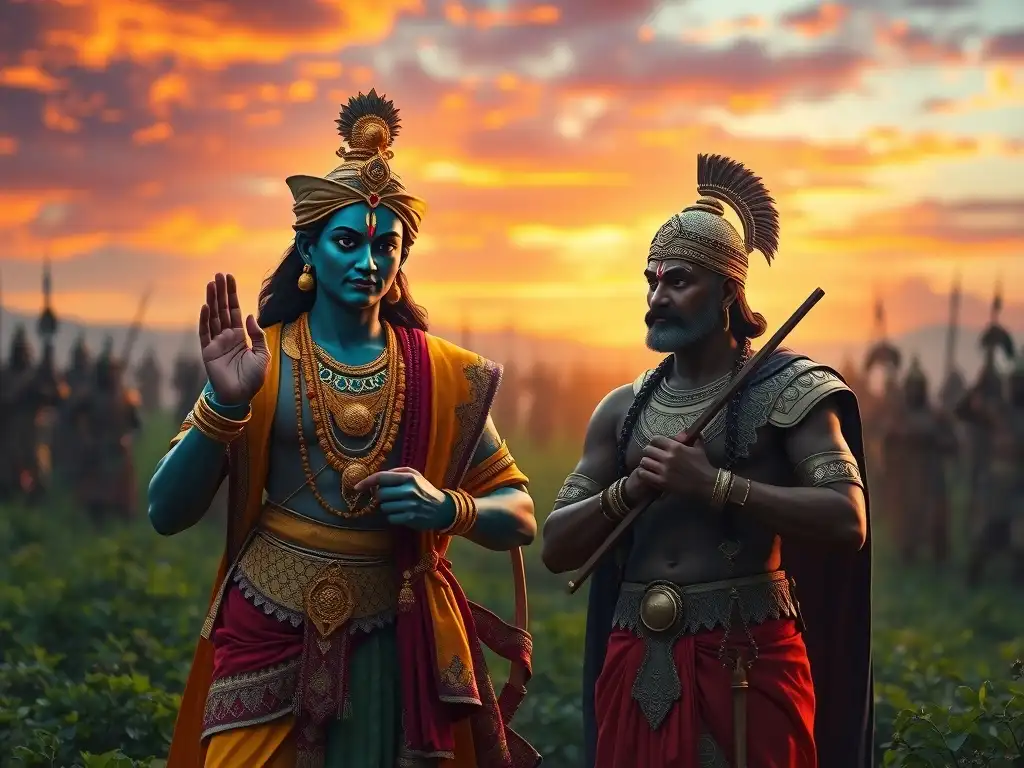
Welcome to Ancient India History, where we embark on an extraordinary journey through the rich tapestry of India's past. Dive into the world of epic literature as we unravel the profound themes of friendship and rivalry depicted in the Mahabharata. What drives the bonds between its iconic characters, and how do these relationships reflect the complexities of human nature? Prepare to explore the intricate dynamics that shaped one of the most significant epics in history, and discover how these ancient narratives continue to resonate today. Your adventure into the heart of ancient Indian civilization begins here!
Introduction to the Mahabharata
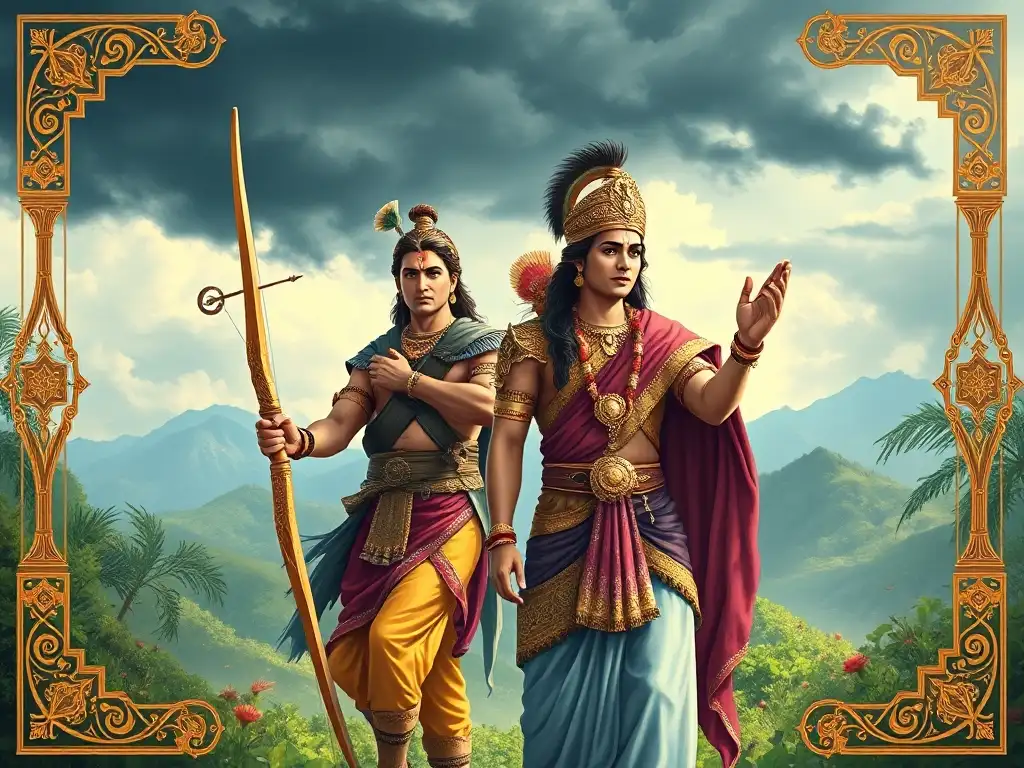
The Mahabharata, one of the most significant epics in ancient Indian literature, intricately weaves themes of friendship and rivalry throughout its narrative. This monumental text not only tells the story of the Kurukshetra War but also explores the complexities of human relationships, revealing how bonds of friendship can coexist with deep-seated rivalries.
The Mahabharata serves as a profound reflection on the moral dilemmas faced by its characters, ultimately providing timeless insights into the nature of loyalty, betrayal, and the consequences of interpersonal conflicts. As we delve into the themes of friendship and rivalry within this epic, we uncover the rich tapestry of emotions that define the relationships among its legendary figures.
Overview of the Mahabharata Epic
The Mahabharata is attributed to the sage Vyasa and is composed of approximately 100,000 shlokas (verses), making it one of the longest epic poems in the world. It narrates the story of the Pandavas and Kauravas, two branches of the Kuru dynasty, who vie for the throne of Hastinapura. Central to this epic are the intricate relationships among its characters, particularly the friendships and rivalries that drive the plot and shape the lives of those involved.
The narrative includes a myriad of sub-stories and philosophical discourses, including the Bhagavad Gita, which is a dialogue between Krishna and Arjuna on the battlefield, addressing profound ethical and moral questions. The Mahabharata's exploration of friendship and rivalry is not just a backdrop for the conflict; it is a crucial element that impacts decisions, alliances, and the eventual outcomes of the war.
Importance of Friendship and Rivalry in Indian Literature
Friendship and rivalry are recurring motifs in Indian literature, serving as essential components for character development and plot progression. In the context of the Mahabharata, these themes are pivotal, illustrating the duality of human nature and the complexities of relationships.
The interplay of friendship and rivalry showcases how personal bonds can lead to loyalty and betrayal, shaping the destinies of individuals and their communities. These themes resonate with audiences, inviting readers to reflect on their own relationships and the moral choices they face. The Mahabharata stands as a testament to the rich tradition of storytelling in ancient India, where the nuances of friendship and rivalry are examined through the lens of cultural and philosophical ideals.
Themes of Friendship in the Mahabharata
Key Friendships in the Mahabharata
The Mahabharata is replete with significant friendships that highlight the depth of human connections. Notable among these is the bond between Krishna and Arjuna, which exemplifies loyalty, trust, and the importance of guidance in times of crisis. Krishna's unwavering support for Arjuna during the Kurukshetra War not only underscores the theme of friendship but also illustrates the moral dilemmas faced by individuals in pursuit of righteousness.
Another poignant friendship is that between Draupadi and the Pandavas, particularly her relationship with Yudhishthira, who embodies the ideals of honor and sacrifice. Draupadi's unwavering loyalty to her husbands and her role as a catalyst for their actions further enrich the narrative, showcasing the complexities of friendship interwoven with duty and honor.
Lessons on Loyalty and Sacrifice in Friendships
The Mahabharata imparts valuable lessons on loyalty and sacrifice within friendships. The characters often face dilemmas where they must choose between personal attachments and greater responsibilities. For instance, the friendship between Drona and the Kauravas and Pandavas leads to tragic consequences when loyalty to one’s teacher conflicts with familial ties.
Through these narratives, the epic teaches that true friendship often requires sacrifice and that loyalty must be tempered with wisdom. These lessons resonate across cultures and time periods, offering insights into the nature of human relationships that remain relevant today.
The Role of Friendship in the Kurukshetra War
The Kurukshetra War, central to the Mahabharata, serves as a dramatic backdrop for the exploration of friendship and rivalry. As former allies become adversaries, the war illustrates how friendships can be tested under extreme circumstances. The dynamics between the Pandavas and Kauravas reveal the painful reality that even the strongest bonds may fracture when ambition and duty come into play.
Moreover, the epic emphasizes that friendship is not solely about camaraderie; it also encompasses the moral responsibilities that friends hold toward each other. The decisions made during the war reflect the weight of these relationships, as characters grapple with the consequences of their choices in the face of conflict. The Mahabharata's depiction of friendship amidst rivalry ultimately serves as a powerful commentary on the human condition, highlighting the complexities and challenges inherent in our relationships.
Themes of Rivalry in the Mahabharata
The Mahabharata intricately weaves themes of rivalry throughout its narrative, showcasing how ambition, jealousy, and the struggle for power can lead to devastating consequences. Central to the epic is the conflict between the Pandavas and the Kauravas, which encapsulates the essence of rivalry. This theme manifests not only in the physical battles but also in the psychological and emotional struggles of the characters. The rivalry is often portrayed as a reflection of human nature, illustrating how personal motives can escalate into widespread conflict.
Rivalry in the Mahabharata also serves as a vehicle for exploring deeper philosophical questions about duty (dharma), justice, and morality. Characters are often faced with dilemmas that force them to choose between their friendships and their obligations, further complicating the theme of rivalry. The narrative demonstrates that rivalry can lead to tragic outcomes, as the quest for revenge and supremacy overshadows the values of compassion and kinship.
Major Rivalries in the Mahabharata
Several prominent rivalries define the Mahabharata, with the most notable being between the Pandavas and the Kauravas. This rivalry stems from their lineage and the inheritance of the kingdom of Hastinapura. The Kauravas, led by Duryodhana, embody the darker aspects of rivalry, marked by envy and a desire to eliminate the Pandavas, who represent righteousness and virtue.
Other significant rivalries include:
- Bhima vs. Duryodhana: This enmity is fueled by Bhima's strength and Duryodhana's jealousy, culminating in fierce confrontations during the Kurukshetra war.
- Arjuna vs. Karna: Their rivalry is complicated by friendship and loyalty, as Arjuna is unaware of Karna's true identity as his elder brother.
- Shakuni vs. Pandavas: Shakuni's cunning and manipulative nature drives the rivalry, as he seeks to destroy the Pandavas through deceit and treachery.
These rivalries not only drive the plot but also reflect the complexities of human emotions and relationships, highlighting the multifaceted nature of conflict.
The Impact of Rivalry on Characters and Plot Development
Rivalry profoundly influences the character development and plot progression within the Mahabharata. The characters are often shaped by their rivalries, leading to personal growth, moral dilemmas, and ultimately, their fates. For instance, Duryodhana's unwavering ambition and refusal to reconcile with the Pandavas lead to his downfall, showcasing how rivalry can corrupt and destroy.
Moreover, the rivalry affects alliances and friendships, often forcing characters to choose sides. This division creates tension and escalates the conflict, driving the narrative toward the climactic battle of Kurukshetra. The impact of rivalry extends beyond individual characters, affecting entire families and the state of Hastinapura, as loyalty becomes a matter of life and death.
The Mahabharata illustrates that rivalry is not merely a backdrop; it is a catalyst for action and a lens through which the moral fabric of society is examined. Characters are pushed to their limits, revealing their true nature as they navigate the complexities of rivalry.
Analyzing the Moral Consequences of Rivalry
The Mahabharata serves as a moral commentary on the consequences of rivalry, urging readers to reflect on its implications. The text suggests that unchecked rivalry can lead to destruction and suffering, as seen in the aftermath of the Kurukshetra war, where familial bonds are shattered, and countless lives are lost.
Key moral lessons include:
- The Importance of Dharma: Characters who stray from their dharma in pursuit of rivalry often face tragic outcomes. For example, Duryodhana's refusal to adhere to ethical conduct results in his demise.
- The Cycle of Vengeance: Rivalry breeds vengeance, creating a cycle that perpetuates conflict. The Mahabharata warns against allowing personal grievances to escalate into larger battles.
- The Value of Forgiveness: The narrative emphasizes the need for reconciliation and understanding, suggesting that overcoming rivalry through compassion can lead to a more harmonious existence.
Ultimately, the Mahabharata highlights that while rivalry can be a powerful motivator, it is the moral choices made in its wake that determine the course of one's life and the fate of society.
The Interplay Between Friendship and Rivalry
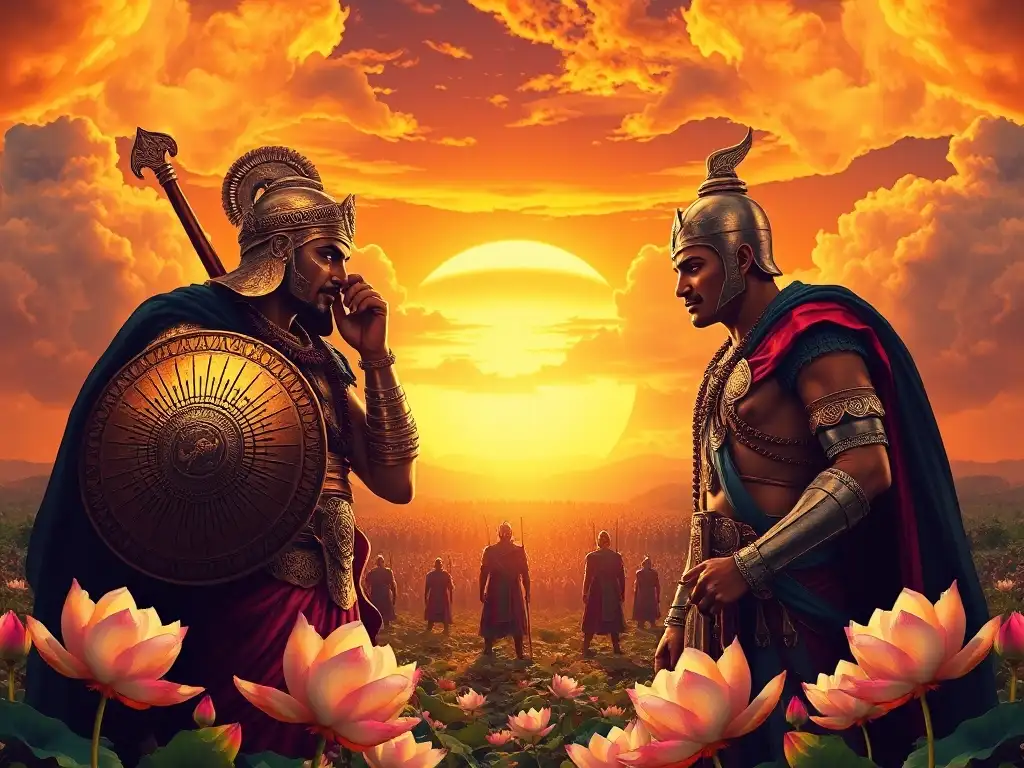
The Mahabharata intricately explores the interplay between friendship and rivalry, revealing how these seemingly opposing forces can coexist within relationships. The text delves into how friendships can evolve into rivalries and the complexities that arise from such transformations.
How Friendship Can Lead to Rivalry
Friendship and rivalry are often intertwined in the Mahabharata, as personal bonds can become strained under the weight of competition and jealousy. Characters who initially share camaraderie may find themselves at odds when faced with conflicting interests. For instance, the friendship between Arjuna and Karna is deeply affected by their respective alliances, leading to a tragic rivalry that underscores the duality of human relationships.
This dynamic is also evident in the relationship between the Pandavas and Kauravas, who were raised together as cousins. The initial bonds of kinship are overshadowed by Duryodhana's jealousy towards the Pandavas' successes and virtues, illustrating how friendship can crumble under the pressure of rivalry.
The Duality of Relationships: Friends as Rivals
The Mahabharata presents the concept of friends becoming rivals, highlighting the duality inherent in human relationships. Characters often find themselves torn between loyalty to friends and the demands of rivalry. This duality is poignantly illustrated in the conflict between Arjuna and Karna, where their brotherly bond is ultimately overshadowed by their roles in the rival factions.
Additionally, the friendship between Krishna and Arjuna serves as a counterpoint, showcasing how true friendship can transcend rivalry. Krishna's guidance and support for Arjuna during the war emphasize that genuine friendships can foster understanding and help navigate the complexities of rivalry.
Case Studies of Friendship and Rivalry Dynamics
Several case studies within the Mahabharata exemplify the dynamics of friendship and rivalry:
- Arjuna and Karna: Their relationship encapsulates the tragic potential of friendships turning into rivalries. Despite their brotherly bond, they are pitted against each other on the battlefield due to their differing allegiances.
- Duryodhana and Shakuni: Duryodhana's friendship with Shakuni is rooted in shared ambitions, showcasing how alliances can form out of the desire to defeat common foes. However, this friendship ultimately leads to destruction.
- Bhima and Duryodhana: Their rivalry, marked by Bhima's unwavering strength and Duryodhana's jealousy, highlights how competitive friendships can escalate into fierce enmity, culminating in personal vendettas during the war.
Through these case studies, the Mahabharata illustrates the intricate and often tumultuous relationship between friendship and rivalry, emphasizing that both can coexist and influence the paths of individuals and the course of destiny.
Conclusion
The Mahabharata, an epic that intricately weaves the themes of friendship and rivalry, serves as a profound exploration of human relationships and moral quandaries. Central to its narrative are the bonds that tie characters together, often juxtaposed against the backdrop of conflict and betrayal.
The friendships depicted—such as the legendary camaraderie between Krishna and Arjuna—exemplify loyalty and support, while the rivalries, particularly between the Pandavas and Kauravas, highlight the destructive potential of envy, ambition, and desire for power. This intricate interplay between friendship and rivalry not only drives the plot forward but also provides timeless lessons on the complexities of human nature.
The Enduring Legacy of Friendship and Rivalry in the Mahabharata
The legacy of friendship and rivalry in the Mahabharata extends far beyond its textual confines. These themes resonate deeply within Indian culture and philosophy, influencing countless works of art, literature, and drama. The friendships portrayed in the epic often serve as models for loyalty, sacrifice, and ethical conduct, while the rivalries prompt reflections on the consequences of conflict, the morality of choices, and the impact of fate.
Moreover, the Mahabharata encourages readers to reflect on the dualities present in their own lives: the capacity for both love and hatred, cooperation and conflict. The characters' struggles and triumphs serve as allegories for the human experience, reinforcing the idea that friendship can be both a source of strength and a potential vulnerability in the face of rivalry.
Reflection on Modern Interpretations of These Themes
In contemporary discourse, the themes of friendship and rivalry in the Mahabharata continue to inspire various interpretations. Modern adaptations often explore these dynamics through new lenses, emphasizing the relevance of these ancient narratives in today's world. For instance, in literature and cinema, characters' relationships are frequently reexamined to reflect current societal values and conflicts, showcasing how timeless these themes remain.
Additionally, scholars and artists alike engage with the Mahabharata to discuss issues such as loyalty in personal relationships, ethical dilemmas in competitive settings, and the balance between ambition and friendship. These modern interpretations invite audiences to connect deeply with the text, recognizing the nuances of friendship and rivalry as they navigate their own lives.
Further Reading
Recommended Texts on Mahabharata Themes
- Mahabharata (translated by Ramesh Menon) - A comprehensive retelling that captures the essence of the original epic while making it accessible to modern readers.
- The Mahabharata: A Modern Rendering: (by Rajagopalachari) - A simplified version that highlights the key themes and characters, suitable for readers new to the epic.
- The Great Indian Epic: The Mahabharata: (by Kamala Subramaniam) - Offers a detailed exploration of the Mahabharata’s themes, focusing on its moral and ethical implications.
Related Articles on Epic Literature and Indian Culture
- Exploring the Narrative Structure of the Mahabharata
- The Role of Dharma in the Mahabharata: A Path to Understanding:
- Friendship in Ancient Texts: Parallels with the Mahabharata:
- Rivalry and Power Dynamics in Indian Mythology
These readings and articles provide further insights into the complexities of the Mahabharata and its enduring relevance in the discourse on friendship and rivalry. They serve as valuable resources for anyone looking to deepen their understanding of this monumental work and its impact on both ancient and modern interpretations of human relationships.
- Introduction to the Mahabharata
- Themes of Friendship in the Mahabharata
- Themes of Rivalry in the Mahabharata
- The Interplay Between Friendship and Rivalry
- Conclusion
- Further Reading
- What is the Mahabharata primarily about?
- How do friendship and rivalry manifest in the Mahabharata?
- Who are the key characters involved in the themes of friendship and rivalry?
- What lessons regarding friendship can be drawn from the Mahabharata?
- How does the Mahabharata influence modern interpretations of friendship and rivalry?
Frequently Asked Questions
What is the Mahabharata primarily about?
The Mahabharata is an ancient Indian epic that narrates the story of the Kurukshetra War and the fates of the Kaurava and Pandava princes, highlighting themes of friendship, rivalry, and dharma (duty).
How do friendship and rivalry manifest in the Mahabharata?
The Mahabharata intricately weaves friendship and rivalry, particularly through the relationships of Krishna and Arjuna as well as the intense enmity between the Kauravas and Pandavas, showcasing the complexities of human emotions.
Who are the key characters involved in the themes of friendship and rivalry?
Key characters include Arjuna, who represents the ideals of friendship, and Duryodhana, who embodies rivalry. Their interactions demonstrate how loyalty and competition can shape destinies.
What lessons regarding friendship can be drawn from the Mahabharata?
The epic teaches that true friendship often requires sacrifice and loyalty, as seen in Bhishma's commitment to the throne of Hastinapura, despite personal conflicts and rivalries.
How does the Mahabharata influence modern interpretations of friendship and rivalry?
The Mahabharata continues to resonate today, influencing literature and discussions about friendship and rivalry, reminding us of the moral dilemmas faced in relationships and the consequences of our choices.
Final Reflection: The Enduring Legacy of Friendship and Rivalry in the Mahabharata
The themes of friendship and rivalry in the Mahabharata resonate profoundly in today's world, where interpersonal relationships are often marked by both camaraderie and competition. As we navigate our own lives, the lessons embedded in this ancient epic remind us that the bonds we forge can be both our greatest strengths and our most significant challenges. The Mahabharata illustrates that the complexities of human relationships are timeless, revealing how alliances can shape destinies and rivalries can lead to both conflict and growth.
The Mahabharata's exploration of these themes has significantly influenced our cultural and social landscapes, offering a mirror through which we can examine our own interactions. The intricate dynamics between characters like Krishna, Arjuna, and Duryodhana highlight the delicate balance between loyalty and ambition. As we witness these relationships unfold, we are reminded of the words of the great philosopher Aristotle: Friendship is a single soul dwelling in two bodies.
This notion echoes through the ages, emphasizing that the essence of friendship can often be intertwined with rivalry, pushing us to reflect on our own connections and the motivations that drive them.
As we conclude our exploration of the Mahabharata's themes, I invite you to reflect on the friendships and rivalries in your own life. Consider how these dynamics shape your experiences and influence your decisions. Are there lessons from the Mahabharata that you can apply to foster deeper connections or navigate conflicts? Embrace the complexity of your relationships, and let the wisdom of this ancient text guide you toward a more profound understanding of the ties that bind us all.
Unleash the Power of Friendship and Rivalry in Your Life!
Thank you for exploring the fascinating world of friendship and rivalry through the lens of the Mahabharata! You've gained valuable insights into the complexities of relationships that shaped this epic. Now, it's time to bring these lessons into your own life.
Here’s how you can take action:
- Reflect on Your Relationships: Identify a significant friendship or rivalry in your life and analyze it. Consider the lessons from the Mahabharata that might apply to your situation.
- Join a Discussion Group: Connect with others who share your interest in ancient epics. Engage in discussions about the dynamics of friendship and rivalry and how they continue to influence our lives today.
- Share Your Insights: Express your thoughts on social media or in the comments below! Which character from the Mahabharata do you feel a connection with, and what aspects resonate with you?
Which lessons from the Mahabharata do you think are most relevant to modern friendships and rivalries? Let’s start a conversation!