
The Yajurveda: Rituals and Sacrifices in Vedic Tradition

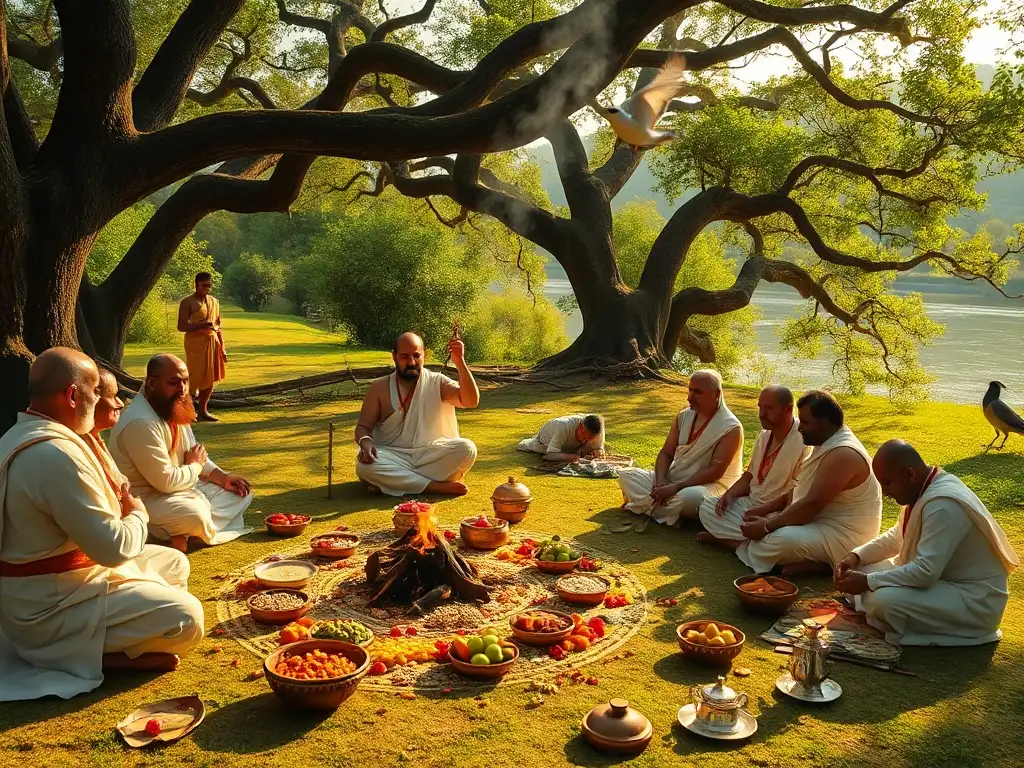
Welcome to Ancient India History, where we embark on a captivating journey through the rich tapestry of India's past. In this exploration, we delve into the profound significance of the Yajurveda, uncovering the rituals and sacrifices that shaped the Vedic tradition. What secrets do these ancient practices hold? How did they influence the cultural and spiritual fabric of civilizations from the Indus Valley to the Gupta Empire? Prepare to unravel the mysteries behind these sacred rites and discover the enduring legacy of ancient Indian wisdom. Join us as we illuminate the path of history, one ritual at a time!
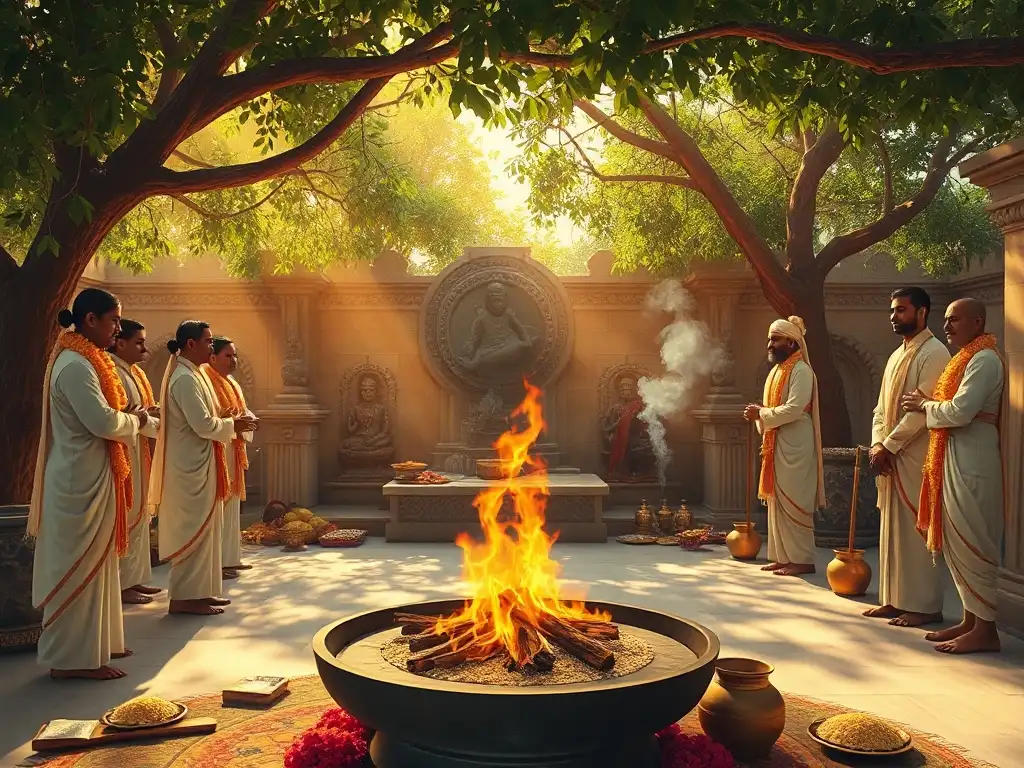
Introduction to the Yajurveda
The Yajurveda, one of the four Vedas that form the foundation of ancient Indian scripture, holds a crucial place in the study of Vedic traditions. It serves as a guide for conducting rituals and sacrifices, providing detailed instructions for the performance of these sacred rites.
This text not only encapsulates the spiritual and philosophical essence of Vedic culture but also highlights the significance of rituals and sacrifices in maintaining cosmic order and harmony. As we explore the Yajurveda and its intricate relationship with rituals and sacrifices, we uncover the rich tapestry of beliefs and practices that have shaped the spiritual landscape of ancient India.
Overview of the Yajurveda
The Yajurveda is divided into two primary sections: the Shukla Yajurveda (White Yajurveda) and the Krishna Yajurveda (Black Yajurveda). Each of these sections includes a collection of mantras, hymns, and prose that provide instructions for various ceremonial practices. While the Shukla Yajurveda focuses on the ritualistic aspects and clarity of expression, the Krishna Yajurveda presents a more complex structure, intertwining prose and poetic elements.
- Key Features of the Yajurveda:
- Ritual Instructions: Detailed guidelines for performing yajnas (sacrificial rites).
- Mantras: Sacred chants that invoke deities and cosmic forces.
- Philosophical Insights: Reflections on the nature of existence and the universe.
The Yajurveda is not merely a manual for rituals; it is a profound expression of the Vedic worldview, emphasizing the interconnectedness of the universe and the importance of maintaining balance through sacrificial acts.
Significance of Yajurveda in Vedic Tradition
The Yajurveda plays a pivotal role in Vedic traditions, serving as a bridge between the spiritual and the material realms. Its significance can be understood through several key aspects:
- Cultural Heritage: The Yajurveda is integral to the rituals that define Hindu cultural practices, influencing everything from marriage ceremonies to festivals.
- Spiritual Connection: The rituals outlined in the Yajurveda facilitate a connection between practitioners and the divine, allowing for the expression of devotion and reverence.
- Preservation of Knowledge: By codifying rituals and sacrifices, the Yajurveda has helped preserve ancient wisdom and practices across generations.
Through its teachings, the Yajurveda contributes to a deeper understanding of the role that rituals and sacrifices play in spiritual life, highlighting their importance in achieving personal and collective harmony.
Understanding Yajurveda Rituals
The rituals prescribed in the Yajurveda are not merely performative acts; they embody a rich tradition of spiritual significance and communal identity. Understanding these rituals requires a closer examination of their definitions and key components.
Definition of Yajurveda Rituals
Yajurveda rituals, or yajnas, are ceremonial sacrifices performed to appease deities and uphold dharma (cosmic order). These rituals typically involve offerings of food, herbs, and other sacred items into a fire, accompanied by specific mantras and prayers. The act of sacrifice symbolizes the individual's commitment to the divine and the community, emphasizing the reciprocal relationship between humans and the cosmos.
- Types of Yajurveda Rituals:
- Daily Sacrifices (Nitya Yajnas): Performed regularly to maintain spiritual purity.
- Occasional Sacrifices (Naimittika Yajnas): Conducted for specific purposes or occasions.
Key Components of Yajurveda Rituals
Yajurveda rituals consist of several essential components that work together to create a meaningful spiritual experience:
- Mantras: The invocation of divine powers through specific sounds and syllables.
- Offerings: Materials such as ghee, grains, and flowers that are symbolically offered to the deities.
- Fire (Agni): The sacred element that serves as a medium between the earthly and the divine, transforming offerings into spiritual energy.
- Priestly Conduct: The role of the priest in executing the rituals, ensuring that each step is performed with precision and reverence.
By understanding these components, we can appreciate how Yajurveda rituals function as a microcosm of the larger Vedic worldview, where each act is imbued with meaning and purpose. Through this exploration, we invite readers to delve deeper into the fascinating world of Yajurveda rituals and their enduring legacy in ancient Indian civilization.
Types of Sacrifices in the Yajurveda
The Yajurveda, one of the four sacred texts of Hinduism, elaborates on various types of sacrifices, referred to as "yajnas." These rituals serve not only spiritual purposes but also function as a means of sustaining cosmic order (Rta). The sacrifices prescribed in the Yajurveda are diverse and can be categorized based on their purpose, significance, and the materials used. Understanding these types provides insight into the cultural and religious practices of ancient Indian society.
Major Categories of Sacrifices
The sacrifices in the Yajurveda can be broadly classified into several major categories:
- Nitya Yajnas (Daily Sacrifices): These are routine offerings performed daily to appease deities and maintain harmony in the universe. They include rituals like Agnihotra, which involves the offering of milk and ghee into the sacred fire.
- Naimittika Yajnas (Occasional Sacrifices): Performed for specific occasions or events, such as birth, marriage, or other significant life milestones. These sacrifices are often more elaborate and involve various offerings to invoke blessings.
- Kamya Yajnas (Desire-Fulfilling Sacrifices): These are performed with the intent to fulfill specific desires or aspirations, such as wealth, health, or success. The rituals often involve invoking particular deities to grant these wishes.
- Soma Yajnas: A significant category involving the preparation and offering of soma, a sacred plant believed to bestow immortality and divine knowledge. These rituals were particularly important during Vedic times for their spiritual and medicinal significance.
- Rajasuya and Ashvamedha Yajnas: These grand sacrifices were performed by kings to establish their authority and legitimacy. The Rajasuya was a royal consecration, while the Ashvamedha involved the release of a consecrated horse that roamed freely, symbolizing the king's dominion.
The Role of Sacrifices in Vedic Society
Sacrifices in Vedic society held profound cultural and social significance. They served as a means of:
- Spiritual Connection: Sacrifices were seen as a way to connect with the divine, ensuring that the natural and supernatural realms remained in harmony. Rituals were believed to invoke blessings, protection, and guidance from the gods.
- Social Cohesion: Many rituals were community events, fostering a sense of belonging and cooperation among participants. They reinforced social hierarchies and roles within the community, as different classes participated in different types of yajnas.
- Economic Exchange: Sacrifices often involved offerings of livestock, grains, and other resources, which stimulated trade and economic interactions. The preparation and execution of these rituals required resources, thereby influencing the economic landscape of Vedic society.
- Cultural Preservation: The meticulous nature of the rituals contributed to the preservation of Vedic texts and oral traditions. Each sacrifice was accompanied by specific chants (mantras) and procedures, ensuring that knowledge was passed down through generations.
Ritual Practices in the Yajurveda
Ritual practices within the Yajurveda are characterized by their structured and detailed nature. These rituals not only emphasize the importance of the precise performance of rites but also the spiritual mindset of the practitioners.
The Process of Performing Yajurveda Rituals
The performance of Yajurveda rituals involves several key steps:
- Preparation: Rituals begin with purification rites (shuddhi) where participants cleanse themselves physically and mentally. This step is essential to align the practitioners with the spiritual energies involved.
- Setting Up the Altar: An altar is constructed, often using specific materials and symbols that represent various deities. The configuration of the altar is crucial as it serves as the focal point for the rituals.
- Invocation of Deities: Practitioners chant specific mantras to invoke the presence of deities. This step is vital for establishing a connection with the divine and ensuring that the offerings are received.
- Offering: The actual act of sacrifice involves the offering of various materials, including grains, ghee, and sometimes animals, into the sacred fire (Agni). Each offering is accompanied by chants that describe its significance and purpose.
- Concluding Rituals: Rituals typically conclude with a prayer of thanks and a final offering to the deities, ensuring the completion of the ritual and the return of spiritual energy to the participants.
Timing and Seasonal Variations of Rituals
Timing plays a crucial role in the performance of Yajurveda rituals, as many are aligned with specific seasons or lunar phases.
- Seasonal Rituals: Certain sacrifices are performed during agricultural seasons to invoke blessings for good harvests. For instance, the Ashvamedha is often associated with the onset of spring when new life flourishes.
- Lunar Calendar: The Vedic calendar is intricately tied to the lunar cycle, influencing the timing of rituals. Full moons and new moons are considered particularly auspicious for performing sacrifices.
- Life Cycle Events: Rituals are also performed at significant life events, such as births, marriages, and deaths, marking transitions and seeking divine favor during these pivotal moments.
Understanding these timing nuances provides deeper insight into the interconnectedness of nature, spirituality, and societal practices in the Vedic tradition.
Symbolism and Meaning Behind Yajurveda Rituals and Sacrifices
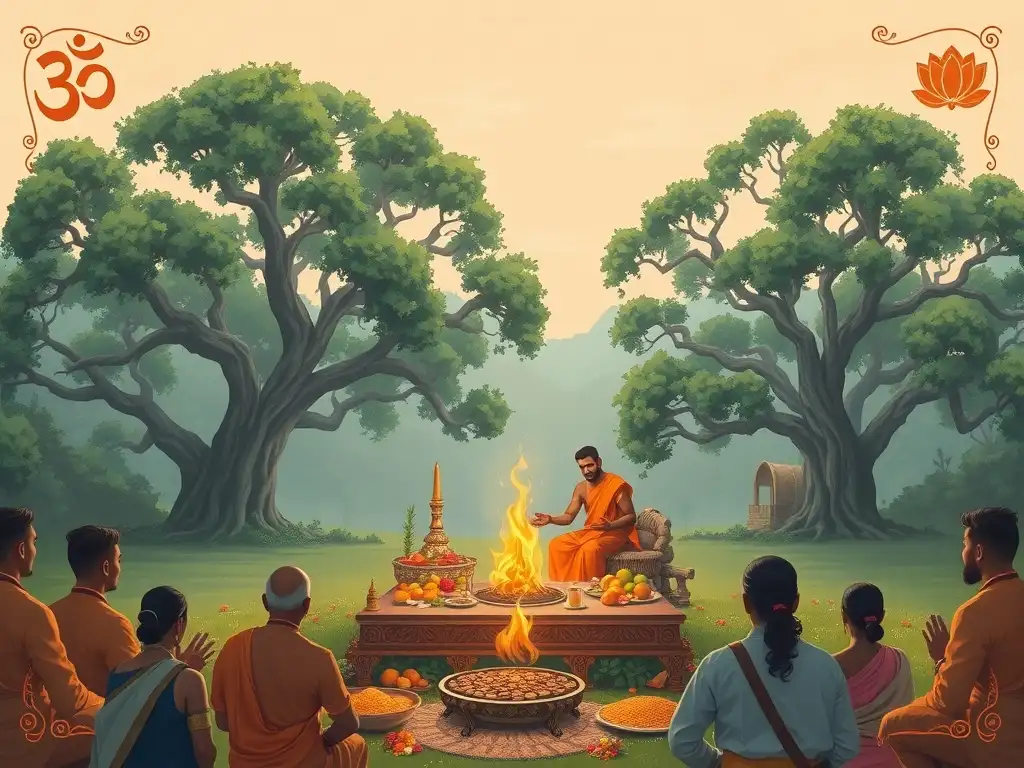
The Yajurveda, one of the four primary Vedas in ancient Indian literature, serves as a crucial text for understanding the spiritual and ritualistic practices of Vedic society. The rituals and sacrifices outlined in the Yajurveda are rich in symbolism and imbued with deep meanings that reflect the beliefs and values of ancient Indian civilization. Each ritual serves not only as a means of worship but also as a way to connect with the divine, nature, and the cosmos.
The act of performing yajnas (sacrifices) is symbolic of the cosmic order, or rita, which signifies the maintenance of harmony in the universe. Every element involved in these rituals—from the fire to the offerings—carries specific meanings and purposes. For instance, the sacred fire (Agni) is seen as a medium that facilitates communication between humans and the gods. The oblations offered into the fire are not merely physical offerings but are regarded as a way to invoke divine blessings, prosperity, and health, reinforcing the belief that human actions can impact the cosmic balance.
Spiritual Significance of Rituals
The spiritual significance of Yajurveda rituals extends far beyond mere ceremonial acts; they are integral to the spiritual evolution of practitioners. These rituals are designed to cultivate discipline, devotion, and a sense of community among participants. The structured nature of the rituals encourages adherence to dharma (moral duty), guiding individuals towards a righteous path.
Moreover, the chanting of mantras during these rituals plays a pivotal role in invoking spiritual energies. Each mantra is believed to resonate with specific frequencies that can influence the spiritual atmosphere, thus enhancing the efficacy of the sacrifices. The Yajurveda emphasizes the importance of intention and purity of heart in performing these rituals, suggesting that the spiritual outcome is significantly determined by the devotee's mindset.
Connection to Nature and Cosmos in Sacrifices
The Yajurveda establishes a profound connection between its rituals and the natural world. Nature is revered as a manifestation of the divine, and sacrifices are often made to honor various natural elements, such as earth, water, and fire. This recognition of nature’s sanctity reflects the agrarian lifestyle of ancient Indian society, where natural cycles governed daily life.
In these rituals, the alignment with cosmic cycles—such as solstices and lunar phases—underscores the relationship between earthly practices and celestial events. The timing of sacrifices is critical, as it is believed that performing rituals in harmony with cosmic rhythms can magnify their effects. This connection illustrates an ancient understanding of ecology, where the well-being of humanity is seen as intricately linked to the health of the environment.
The Influence of Yajurveda on Later Traditions
The Yajurveda has significantly influenced various aspects of later Indian religious practices and texts. Its teachings and rituals have permeated Hinduism, shaping its philosophy and ceremonial practices. The detailed instructions on sacrifice and ritual found in the Yajurveda laid the groundwork for subsequent developments in Vedic literature and Hindu theology.
Legacy of Yajurveda Rituals in Hinduism
The legacy of Yajurveda rituals is vividly evident in contemporary Hindu practices. Many of the rituals prescribed in the Yajurveda, such as the homa (fire offerings) and samskaras (sacraments), continue to be performed in modern Hindu worship. These rituals have evolved but retain their foundational elements, showcasing the enduring relevance of Vedic traditions.
In addition, the Yajurveda’s teachings have influenced the development of various schools of thought within Hinduism. The philosophical concepts surrounding sacrifice, duty, and the relationship between the individual and the cosmos can be traced back to the insights provided by the Yajurveda, reinforcing its significance in the spiritual landscape of India.
Comparisons with Other Vedic Texts and Rituals
When compared to other Vedic texts, the Yajurveda stands out for its systematic presentation of rituals and sacrifices. While the Rigveda largely focuses on hymns and praises, the Yajurveda offers detailed procedural guidelines for conducting rituals, making it more practical in nature.
Moreover, the Samaveda complements the Yajurveda by providing melodies for the chants used in rituals, indicating a collaborative interplay among the Vedas. The Atharvaveda, on the other hand, incorporates more folk and healing practices, which can be seen as a divergence from the structured rituals of the Yajurveda. This comparison highlights the diversity within Vedic literature, reflecting the multifaceted approaches to spirituality and ritualism in ancient India.
The Yajurveda's detailed rituals and sacrifices not only played a crucial role in ancient Indian society but also laid a foundation for the religious practices that continue to thrive today. Its influence pervades Hinduism and showcases the intricate relationship between rituals, spirituality, and the cosmic order.
Conclusion
The Yajurveda stands as a critical text within the Vedic tradition, encapsulating the essence of rituals and sacrifices that are foundational to ancient Indian spiritual practice. As one of the four Vedas, it serves not just as a liturgical guide but also as a repository of cultural and philosophical wisdom that has shaped the religious landscape of India.
Recap of Yajurveda's Importance in Vedic Rituals and Sacrifices
The Yajurveda is significant for several reasons:
- Liturgical Framework: The text provides the essential mantras and procedures for conducting various sacrifices, known as Yajnas. These rituals are designed to invoke divine blessings and maintain cosmic order, which were paramount in Vedic society.
- Philosophical Insights: Beyond practical instructions, the Yajurveda offers profound insights into the relationship between humans and the divine. It emphasizes the importance of intention and purity in performing rituals, reflecting a deeper understanding of spiritual practice.
- Cultural Legacy: The rituals detailed in the Yajurveda influenced subsequent religious practices, including Hinduism. Its teachings on sacrifice and devotion continue to be relevant, demonstrating the text’s lasting impact on Indian culture and spirituality.
- Preservation of Knowledge: Through oral transmission and later written forms, the Yajurveda has preserved a wealth of knowledge about ancient Indian rituals, providing scholars and practitioners with insights into the beliefs and practices of early civilizations.
Final Thoughts on the Continuing Influence of Yajurveda in Contemporary Practices
In contemporary times, the Yajurveda remains a source of inspiration for various religious and cultural practices in India. Its rituals are still performed during important life events such as weddings, housewarming ceremonies, and religious festivals.
- Revival of Interest: There is a growing interest in Vedic rituals among modern practitioners and scholars, leading to a resurgence in the study and performance of Yajurveda ceremonies. This revival is often accompanied by a renewed appreciation for the philosophical underpinnings of these ancient practices.
- Integration with Modern Spirituality: Many contemporary spiritual movements draw from the teachings of the Yajurveda, incorporating its principles into new frameworks that resonate with today’s seekers of spirituality. The emphasis on intention, mindfulness, and community service found in Yajurveda rituals aligns with the values of modern holistic practices.
- Cultural Celebrations: The Yajurveda's influence can be seen in various cultural celebrations, where traditional rituals are performed to honor the past while fostering a sense of community and continuity.
The Yajurveda not only plays a pivotal role in the historical context of Vedic rituals and sacrifices but continues to shape contemporary practices, ensuring that its teachings remain relevant and influential in the spiritual landscape of modern India.
- Introduction to the Yajurveda
- Understanding Yajurveda Rituals
- Types of Sacrifices in the Yajurveda
- Ritual Practices in the Yajurveda
- Symbolism and Meaning Behind Yajurveda Rituals and Sacrifices
- The Influence of Yajurveda on Later Traditions
- Conclusion
Frequently Asked Questions
What is the Yajurveda?
The Yajurveda is one of the four Vedas in ancient Indian literature, focusing on rituals and sacrifices. It serves as a guide for performing Vedic ceremonies and contains hymns and instructions for rituals.
What role do rituals play in the Yajurveda?
Rituals in the Yajurveda are essential for spiritual and material benefits. They are designed to invoke deities and ensure harmony between the human and divine realms through precise ceremonies and sacrifices.
How are sacrifices depicted in the Yajurveda?
Sacrifices in the Yajurveda are elaborate ceremonies intended to please the gods and secure blessings. They often involve offerings of food, flowers, and sacred fire, highlighting the importance of devotion and ritual purity.
What is the significance of the Yajurveda in Vedic tradition?
The Yajurveda is significant as it encapsulates the ritualistic aspects of Vedic tradition, providing a framework for spiritual practices. It emphasizes the importance of observing rituals to maintain cosmic order and personal well-being.
How does the Yajurveda compare to other Vedas?
While the Yajurveda focuses on rituals and sacrifices, the Rigveda emphasizes hymns, and the Samaveda concentrates on melodies. Together, they form a comprehensive guide to Vedic traditions and practices, each serving a unique purpose in ancient Indian spirituality.
Final Reflection: The Enduring Legacy of Yajurveda Rituals and Sacrifices
The exploration of Yajurveda rituals and sacrifices reveals not only the intricate tapestry of Vedic traditions but also their profound relevance in today's world. As we navigate a rapidly changing society, the ancient practices encapsulated in the Yajurveda remind us of the importance of ritual and intention in our lives. These rituals, steeped in history, serve as a bridge connecting us to our ancestors and their wisdom, emphasizing that the act of sacrifice is not merely about loss but about transformation and renewal.
The impact of Yajurveda rituals extends beyond the confines of religious practice; they have woven themselves into the cultural and social fabric of communities. These rituals foster a sense of belonging and continuity, allowing individuals to connect with their heritage. As we witness a resurgence of interest in traditional practices, it becomes evident that the Yajurveda's teachings resonate with contemporary values of mindfulness and community. Rituals are the poetry of the people, a way to express the inexpressible.
This sentiment underscores the ongoing relevance of these ancient practices in fostering a deeper understanding of ourselves and our place in the world.
As we reflect on the significance of Yajurveda rituals and sacrifices, I invite you to consider how these teachings can enrich your own life. Embrace the opportunity to engage with rituals that resonate with you, whether they are rooted in tradition or adapted to your personal journey. Let the essence of sacrifice inspire you to cultivate gratitude, mindfulness, and connection in your daily life. In doing so, you not only honor the legacy of the Yajurveda but also contribute to a more intentional and harmonious existence for yourself and those around you.
Embrace the Wisdom of the Yajurveda Today!
Thank you for exploring the fascinating rituals and sacrifices of the Vedic tradition with us! Your interest in the Yajurveda demonstrates a passion for deepening your understanding of ancient wisdom. Now, let’s turn this knowledge into action!
- Start your own ritual practice: Dive into the teachings of the Yajurveda and incorporate simple rituals into your daily routine. You may find that these practices bring about a remarkable transformation in your life!
- Join a community: Connect with others who share your interest in Vedic traditions. Engage in discussions online or participate in local workshops to enhance your learning experience.
- Share the knowledge: Help spread the word about the Yajurveda! Share this article with friends or on social media to inspire others to embark on their own journey of discovery.
Which aspect of the Yajurveda are you most excited to explore further in your everyday life?