
How Monsoons Influenced Internal Trade Patterns in Ancient India


Welcome to Ancient India History, where we take you on a journey through the mesmerizing tapestry of India's past! Today, we dive into the intriguing interplay between nature and commerce, exploring how the monsoons impacted internal trade patterns in ancient India. Uncover the vital role these seasonal rains played in shaping trade routes, economic prosperity, and cultural exchanges.
As you delve deeper into this fascinating topic, prepare to be captivated by the stories of resilience and innovation that emerged from the heart of ancient civilizations. Join us as we unravel the significance of monsoons in the intricate web of trade and economy!
- Introduction to Monsoons and Ancient Trade in India
- Understanding the Monsoon Climate
- Monsoons Impact on Ancient Trade
- Case Studies: Trade Centers Affected by Monsoons
- The Cultural Impact of Monsoon Trade
- Challenges Faced by Traders Due to Monsoons
- Conclusion: The Lasting Legacy of Monsoons on Trade Patterns
- Further Reading and Resources
-
Frequently Asked Questions
- What role did monsoons play in ancient trade in India?
- How did monsoon patterns affect agricultural productivity?
- Were there specific trade routes influenced by the monsoon season?
- Did monsoons impact the urbanization of ancient Indian cities?
- How did ancient civilizations adapt to the challenges posed by monsoons?
- Final Reflection: The Enduring Legacy of Monsoons on Ancient Trade
- Unveil the Secrets of Ancient Trade!
Introduction to Monsoons and Ancient Trade in India
The monsoon season, characterized by heavy rainfall and fluctuating winds, has profoundly shaped the climate, agriculture, and trade dynamics of ancient India. This seasonal phenomenon not only provided essential water resources for farming but also played a pivotal role in shaping internal trade networks across various regions. Understanding the monsoons' impact on ancient trade offers valuable insights into how civilizations adapted to their environment and thrived economically.
From the bustling markets of the Indus Valley to the thriving trade routes during the Gupta Empire, the influence of monsoon patterns on trade practices was significant. This article delves into the intricate relationship between monsoons and internal trade in ancient India, illuminating how these natural rhythms dictated economic activities and cultural exchanges.
Overview of Monsoons in Ancient India
The monsoon season in India typically occurs from June to September, driven by the southwest winds. This climatic phenomenon is divided into two main phases:
- Southwest Monsoon: This phase brings heavy rains to the western coast and the northern plains, crucial for the agricultural cycles of crops like rice and wheat.
- Northeast Monsoon: Occurring from October to December, this phase primarily affects southern India, providing additional rainfall that supports secondary agricultural activities.
The predictability of these monsoon patterns allowed ancient civilizations to plan agricultural activities and, consequently, trade. The abundance of crops during and after the monsoon season created surplus goods that were vital for trade. Additionally, the rivers swollen with rainwater facilitated transportation, further enhancing trade routes. The significance of monsoons can be summarized as follows:
- Agricultural Productivity: Higher yields provided a surplus for trade.
- Transportation: Flooded rivers allowed for easier movement of goods.
- Market Expansion: Increased agricultural output led to the growth of local and regional markets.
Importance of Internal Trade Networks in Ancient Civilizations
Internal trade networks in ancient India were crucial for the economic stability and cultural exchange of its civilizations. The interconnectivity fostered by these trade routes allowed for:
- Distribution of Resources: Regions with surplus goods could trade with those in need, leading to a balanced distribution of resources.
- Cultural Exchange: Trade routes facilitated the exchange of ideas, art, and cultural practices among diverse communities.
- Economic Growth: The flourishing of markets and trade centers contributed to the overall wealth of civilizations, which in turn supported advancements in technology, infrastructure, and governance.
Several prominent trade routes emerged during different periods, including:
- The Silk Road: Connecting India with Central Asia, this route facilitated not only trade in silk and spices but also cultural exchanges.
- The Grand Trunk Road: This ancient route connected various regions of India, promoting trade and communication between the North and South.
The interplay between monsoons and internal trade networks was fundamental in shaping the socio-economic landscape of ancient India. Understanding these dynamics provides a clearer picture of how natural forces influenced human activities and contributed to the rich tapestry of Indian history.
Understanding the Monsoon Climate

The monsoon climate is a defining feature of the Indian subcontinent, playing a crucial role in shaping agricultural practices, trade routes, and economic structures throughout history. The term "monsoon" refers to the seasonal wind patterns that bring heavy rainfall, primarily influenced by differential heating between land and sea. Understanding the characteristics and seasonal patterns of monsoons is essential to grasp their impact on ancient trade networks in India.
Definition and Characteristics of Monsoons
Monsoons are characterized by a shift in wind patterns that result in distinct wet and dry seasons. This phenomenon occurs due to the intense heating of the Indian landmass during the summer months, which creates a low-pressure area that attracts moisture-laden winds from the surrounding oceans.
Key characteristics of the monsoon include:
- Seasonal Variation: Monsoons typically have two primary phases: the southwest monsoon (June to September) and the northeast monsoon (October to December).
- Heavy Rainfall: The southwest monsoon is responsible for about 75% of India's annual rainfall, critical for agriculture.
- Temperature Changes: Monsoons lead to significant temperature drops during the rainy season, alleviating the heat of summer.
The variability in monsoon intensity and timing can significantly affect agricultural yields and, consequently, trade activities.
Seasonal Patterns of Monsoons in India
The seasonal patterns of monsoons in India are pivotal in determining the timing and volume of internal trade.
- Southwest Monsoon (June to September): This is the primary rainy season, characterized by heavy rainfall, particularly in the western and central regions of India. The onset of the southwest monsoon is closely monitored, as it marks the beginning of the agricultural cycle.
- Northeast Monsoon (October to December): This phase primarily affects southeastern regions, such as Tamil Nadu. The rainfall during this period is critical for post-harvest activities and can also influence the availability of goods for trade.
- Impact on Trade Timing: The monsoons dictated when goods could be harvested, transported, and traded. For instance, during the peak of the southwest monsoon, movement of goods would be limited due to flooded roads and rivers. Consequently, traders had to plan their activities around these seasonal patterns, leading to cyclical trade practices.
Understanding these seasonal patterns provides insight into how ancient traders strategically navigated the weather to optimize their trade routes and schedules.
Geographic Influence on Trade Routes
Geography played a significant role in determining the impact of monsoons on trade routes in ancient India. The varied landscapes influenced how goods were transported and where trade hubs developed.
- River Systems: Major river systems such as the Indus, Ganges, and Brahmaputra acted as natural highways for trade, allowing merchants to move goods efficiently. The monsoon rains replenished these rivers, enhancing their navigability.
- Coastal Trade: The western coast, particularly regions like Gujarat and Maharashtra, experienced intense monsoon activity, which facilitated maritime trade. Monsoons allowed for seasonal sailing patterns, crucial for trade with regions such as Africa and the Middle East.
- Trade Hubs: Key cities, such as Taxila and Pataliputra, emerged as important trade centers, strategically located to take advantage of monsoon patterns for both land and river trade. These hubs thrived on the influx of goods during the post-monsoon harvest period.
The geographic influence of monsoons not only dictated the routes taken by traders but also shaped the economic landscape of ancient India, ensuring that trade was closely intertwined with climatic conditions. Understanding these elements is vital for comprehending the broader implications of the "monsoons impact on ancient trade."
Monsoons Impact on Ancient Trade

The monsoon season played a pivotal role in shaping the internal trade patterns of ancient India. The predictable cycle of monsoon rains, typically occurring from June to September, not only influenced agricultural production but also affected the transportation of goods and the timing of trade activities. This section delves into the multifaceted relationship between monsoons and trade, illustrating how this natural phenomenon was integral to the economic framework of ancient Indian civilizations.
How Monsoons Shaped Agricultural Production
The monsoon rains were the lifeblood of agriculture in ancient India, directly impacting crop yields and, consequently, internal trade. The following points highlight the influence of monsoons on agricultural production:
- Irrigation and Soil Fertility: The heavy rainfall replenished rivers and groundwater, which were essential for irrigation. This allowed for the cultivation of staple crops such as rice, wheat, and pulses, contributing to food security.
- Crop Diversity: Different regions experienced varying monsoon patterns, enabling the cultivation of diverse crops. For instance:
- Eastern India: Known for rice cultivation due to abundant rainfall.
- Western India: Focused on millet and pulses, suited for drier conditions.
- Harvest Seasons: The timing of monsoon rains dictated the agricultural calendar, with the Kharif season (sown with the onset of monsoon) yielding crops ready for harvest by late autumn. This seasonal rhythm was crucial for trade, as surplus produce could be exchanged.
The correlation between monsoon patterns and agricultural output thus laid the groundwork for vibrant trade networks, as regions with agricultural surpluses could trade with those facing shortages or different crop demands.
Monsoons and the Flow of Goods
The monsoons not only influenced what was produced but also how goods were transported across ancient India. The following factors were crucial in determining the flow of goods:
- River Navigation: Major rivers like the Ganges and the Indus swelled during the monsoon, enhancing navigability. This facilitated the movement of bulk goods such as grains, textiles, and pottery.
- Land Routes: Monsoon rains improved the condition of certain trade routes, making them more accessible for caravans. However, there were also challenges, such as flooding and landslides, which could disrupt trade.
- Regional Markets: Cities and settlements that emerged along trade routes became vital market hubs. For example, towns like Pataliputra thrived due to their strategic locations along riverways and proximity to agricultural production areas.
As the monsoons dictated the flow of goods, traders had to adapt to the seasonal changes, often relying on local knowledge of weather patterns to optimize their routes and trade strategies.
The Role of Monsoons in Trade Timing and Planning
Understanding the monsoon cycle was crucial for effective trade planning in ancient India. This involved strategic considerations that traders and merchants had to account for:
- Timing of Shipments: Traders often timed their shipments to ensure that goods reached markets during peak demand periods, which coincided with harvest seasons. This necessitated a keen awareness of the monsoon calendar.
- Stockpiling and Scarcity: Regions prone to erratic monsoon patterns learned to stockpile essential goods during favorable seasons to prepare for potential shortages during dry spells. This practice was vital for maintaining economic stability.
- Trade Agreements: Monsoons influenced trade agreements between different regions, as merchants would negotiate terms based on expected yields and transportation feasibility during the rainy season.
The impact of monsoons on ancient trade in India was profound and complex. By shaping agricultural production, influencing the flow of goods, and dictating the timing of trade activities, the monsoon season was a key factor in the development of internal trade networks. Understanding these dynamics provides valuable insight into the economic history of ancient Indian civilizations and their remarkable adaptability to environmental factors.
Case Studies: Trade Centers Affected by Monsoons
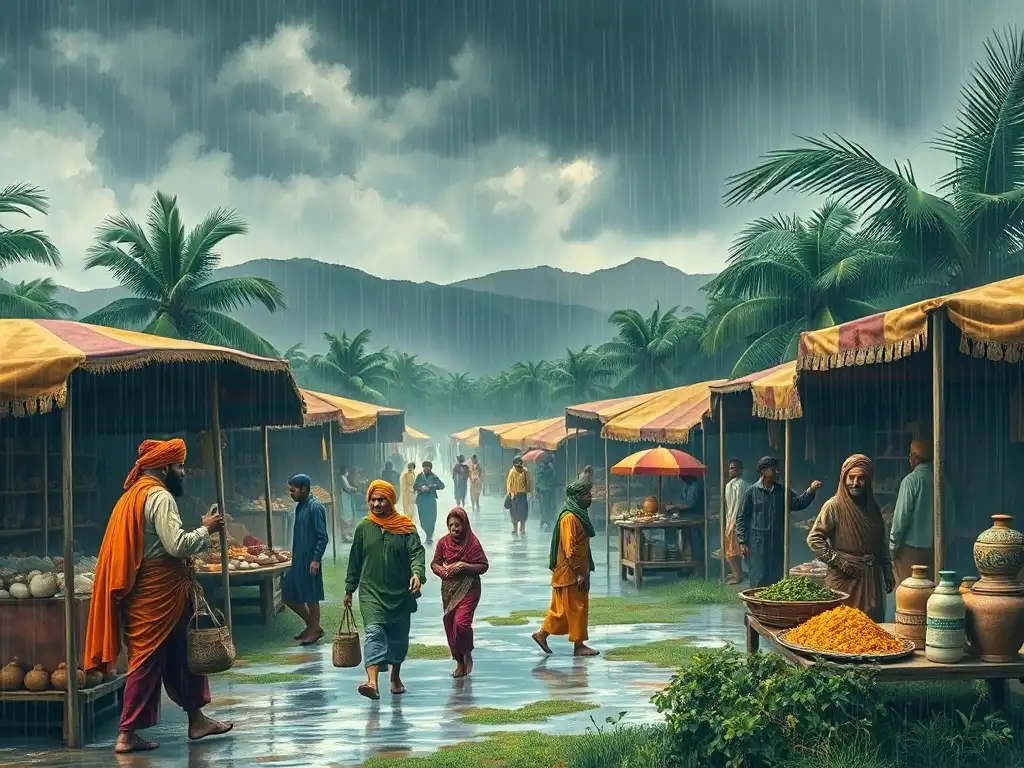
The impact of monsoons on ancient trade in India cannot be overstated. This section delves into specific case studies of trade centers that were significantly influenced by the seasonal rains, examining how these climatic patterns affected their economic activities, trade dynamics, and overall growth.
Ports and Trade Hubs: Key Locations
Ancient Indian trade was heavily reliant on a network of ports and trade hubs, many of which thrived due to favorable monsoon conditions. These locations facilitated not only internal trade but also international commerce, particularly with regions such as Southeast Asia, the Middle East, and Africa.
- Lothal: Located in the western part of India, Lothal was one of the prominent ports of the Indus Valley Civilization. The monsoon season played a vital role in making its dockyard accessible, enhancing maritime trade with Mesopotamia and beyond. The seasonal rains allowed for the replenishment of waterways, crucial for navigation and transport.
- Kaveripattinam: This port city in Tamil Nadu was a significant trade hub during the early historic period. The monsoon rains contributed to the growth of agriculture in the hinterland, which in turn supported trade by providing surplus produce for export.
- Tamralipta: Situated in present-day West Bengal, Tamralipta served as a major trading port connecting inland regions with maritime routes. The monsoon season ensured that rivers were navigable, facilitating the movement of goods such as spices and textiles.
These ports exemplify how strategic geographical locations, paired with the seasonal monsoons, created vibrant trade networks that were pivotal to the economic landscape of ancient India.
The Indus Valley: Monsoons and Trade Dynamics
The Indus Valley Civilization, which flourished from approximately 3300 to 1300 BCE, relied heavily on the monsoon rains for both agriculture and trade. The seasonal rains not only dictated agricultural cycles but also influenced trade dynamics within the region.
- Agricultural Surplus: The monsoon rains ensured a reliable agricultural output, leading to surplus production. This surplus was essential for trade, as it allowed communities to exchange goods such as grains and textiles for luxury items like lapis lazuli and silver from distant lands.
- Trade Networks: The civilization established extensive trade networks that were intricately linked to the monsoon patterns. The rivers, which swelled during the monsoon, served as vital trade routes facilitating the movement of goods. This network extended from the Indus Valley to the Arabian Sea, promoting exchange with civilizations such as the Mesopotamians.
- Urban Centers: Major urban centers like Harappa and Mohenjo-Daro benefited from the monsoons. These cities became bustling trade hubs, where merchants traded commodities that reflected the agricultural bounty of the region, showcasing how monsoons directly impacted the economic foundation of the Indus Valley.
The interdependence between agriculture and trade during the monsoon season highlights the significant role of climatic patterns in shaping the economy of the Indus Valley Civilization.
The Gupta Empire: Economic Growth and Monsoon Influence
The Gupta Empire (circa 320 to 550 CE) is often regarded as a golden age in ancient India, marked by significant advancements in science, arts, and trade. The monsoons played a pivotal role in fostering this economic growth.
- Agricultural Innovation: The Guptas implemented agricultural innovations that relied on the predictable monsoon patterns. Improved irrigation techniques capitalized on the rains, leading to increased crop yields, which supported a burgeoning population and fueled trade.
- Trade Expansion: The monsoon winds facilitated maritime trade, particularly during the summer months when ships could easily navigate to Southeast Asia. This expansion of trade routes allowed for the exchange of Indian spices, textiles, and other goods, significantly enhancing the empire’s wealth.
- Cultural Exchange: As trade flourished, so did cultural interactions. The stability brought about by the monsoon patterns encouraged traders from various regions to converge in Gupta territories, leading to a vibrant exchange of ideas, art, and technology.
The Gupta Empire's economic prosperity was intricately linked to the monsoon season, illustrating how climatic factors can shape and enhance trade practices, leading to a flourishing civilization.
The case studies of these trade centers underline the crucial impact of monsoons on ancient trade, highlighting their role in shaping the economic landscapes of different civilizations across time. Understanding these dynamics is essential for comprehending the broader context of trade and economy in ancient India.
The Cultural Impact of Monsoon Trade
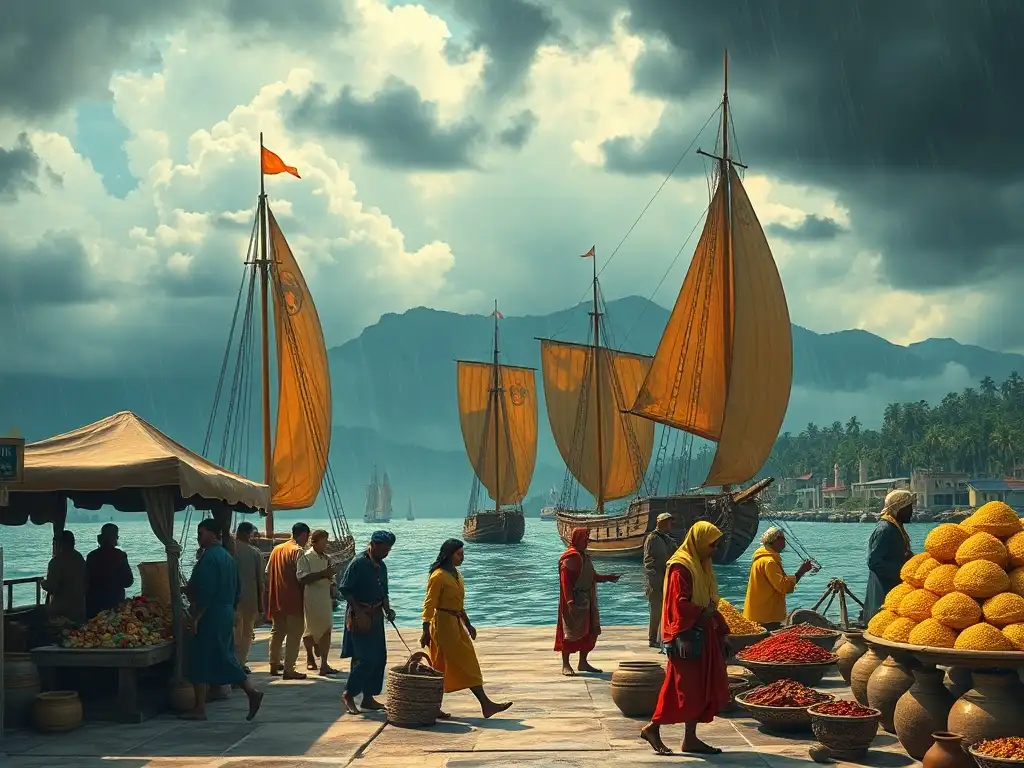
Exchange of Goods and Cultural Artifacts
The monsoon season played a pivotal role in shaping the trade routes of ancient India, facilitating the exchange of not just goods but also cultural artifacts. As the southwest monsoon arrived, it transformed the landscape, making waterways navigable and land routes more accessible. This seasonal shift allowed merchants to transport a diverse array of products across regions, including textiles, spices, and precious metals, which were highly sought after in both local and international markets.
Key Goods Traded:
- Spices: Black pepper, cardamom, and turmeric were among the most valuable commodities traded, often referred to as the "black gold" of the ancient world.
- Textiles: Cotton and silk fabrics, renowned for their quality, were woven into intricate designs and patterns that reflected local cultures.
- Metals: Gold, silver, and copper were extensively traded, contributing to the wealth of various kingdoms.
The exchange of these goods not only enhanced the economic landscape but also served as a medium for cultural interactions. Merchants and traders, who traveled along these routes, brought with them stories, traditions, and practices that enriched the local cultures they encountered. This cultural diffusion is evident in the art, architecture, and religious practices that emerged during this period, showcasing a blend of influences shaped by monsoon trade.
Influence of Monsoons on Local Economies
The annual monsoon rains were crucial for agriculture and, by extension, local economies in ancient India. The timing of the monsoon directly impacted crop yields, which constituted the backbone of local economies. Regions that experienced bountiful rains saw a surge in agricultural production, leading to surplus goods that were essential for trade.
Economic Benefits:
- Increased Agricultural Output: The monsoon facilitated the growth of staples such as rice, wheat, and barley, which were vital for sustaining the population and generating tradeable surplus.
- Market Expansion: With the availability of surplus goods, local markets flourished, attracting traders from distant lands. This expansion led to the establishment of trade hubs in cities like Harappa, Mohenjo-Daro, and later, Pataliputra during the Mauryan period.
In addition, the predictability of the monsoon cycle allowed traders to plan their journeys effectively. This reliability fostered a sense of security in trade, encouraging investments in long-distance commerce. As a result, local economies became more intertwined, leading to the development of complex trade networks that spanned across the subcontinent.
Trade Relationships Across Regions
The monsoons significantly influenced trade relationships not just within India but also with neighboring regions. The seasonal winds and rains dictated the timing and methods of transportation, which in turn affected the dynamics of trade partnerships.
Regional Trade Dynamics:
- Western Trade with the Arabian Peninsula: Coastal cities like Surat and Bharuch became significant ports, facilitating trade with the Arabian Peninsula. Goods such as textiles were exchanged for precious stones and aromatic resins.
- Eastern Trade with Southeast Asia: The monsoon winds enabled maritime trade routes that connected the eastern coastal towns like Kalinga with Southeast Asia. This relationship promoted the exchange of goods and cultural practices, profoundly influencing the development of early Indian diaspora communities.
The establishment of these trade relationships fostered a sense of interconnectedness among diverse cultures. The flow of goods, ideas, and technologies through these networks not only enriched local economies but also contributed to the emergence of a shared cultural identity across regions influenced by monsoon trade.
By understanding the impact of monsoons on ancient trade, we gain insight into how these natural phenomena shaped economic, cultural, and social landscapes in ancient India, leaving a lasting legacy that continued to influence subsequent generations.
Challenges Faced by Traders Due to Monsoons

Natural Disasters and Trade Disruptions
The impact of monsoons on ancient trade in India was profound, characterized by both opportunities and challenges. While these seasonal rains were crucial for agriculture and the overall economy, they also posed significant risks to traders navigating the intricate networks of internal commerce. During the monsoon season, heavy rainfall could lead to several natural disasters, including:
- Flooding: Rivers often overflowed their banks, inundating nearby trade routes and cities. This not only damaged goods but also made transportation perilous.
- Landslides: In hilly regions, excessive rain could trigger landslides, obstructing critical paths and halting trade.
- Storms: Violent storms could disrupt maritime trade routes along the coasts, affecting ports and harbors essential for the exchange of goods.
These disruptions had a cascading effect on trade dynamics, leading to delays in the delivery of goods and a potential escalation in prices due to scarcity.
Risk Management Strategies in Ancient Trade
In response to the uncertainties posed by the monsoon season, ancient traders developed various risk management strategies to safeguard their interests:
- Seasonal Planning: Traders often timed their journeys to coincide with favorable weather conditions. They would typically embark on trade expeditions just before the onset of the monsoon, ensuring that their operations were completed before the worst of the rains.
- Diversification of Routes: To mitigate the risk of being stranded due to flooding or landslides, traders would often use multiple routes. This strategy allowed them to maintain trade continuity, as they could switch to alternative paths when necessary.
- Storage Facilities: Establishing warehouses in strategic locations helped traders stockpile goods before the monsoon season. This ensured that they had enough supply to meet demand in the event of trade disruptions.
- Insurance Practices: Some traders engaged in informal insurance agreements, where they would share risks with fellow merchants. This cooperative approach helped distribute potential losses due to unforeseen circumstances.
These strategies reflect the adaptability of ancient Indian traders to the challenges posed by monsoons, showcasing their resilience and ingenuity in maintaining trade networks.
Adaptation of Trade Practices to Monsoon Cycles
The monsoon season was not merely a challenge but also a factor that shaped trade practices in ancient India. Traders adapted their operations in several ways to align with the seasonal cycles:
- Seasonal Markets: Certain markets flourished during specific seasons, often coinciding with the monsoon. For instance, agricultural produce saw a surge in trade immediately after the rains, leading to the establishment of seasonal bazaars to cater to increased demand.
- Commodity Shifts: Traders adjusted the types of goods they transported based on seasonal availability. For example, during the monsoon, the focus might shift from perishable goods to more durable items that could withstand the weather.
- Cultural Integration: The monsoon season also influenced cultural practices, with various festivals and events aligned with agricultural cycles. These gatherings often served as trade opportunities, where merchants could showcase their goods while the community celebrated.
- Infrastructure Development: Over time, the need to adapt to monsoon conditions led to improved infrastructure, such as better road construction techniques and the development of flood-resistant docks and warehouses.
Through these adaptations, ancient Indian traders not only coped with the challenges posed by monsoons but also leveraged them to enhance their trading strategies, ensuring the sustainability of their internal trade networks.
Conclusion: The Lasting Legacy of Monsoons on Trade Patterns
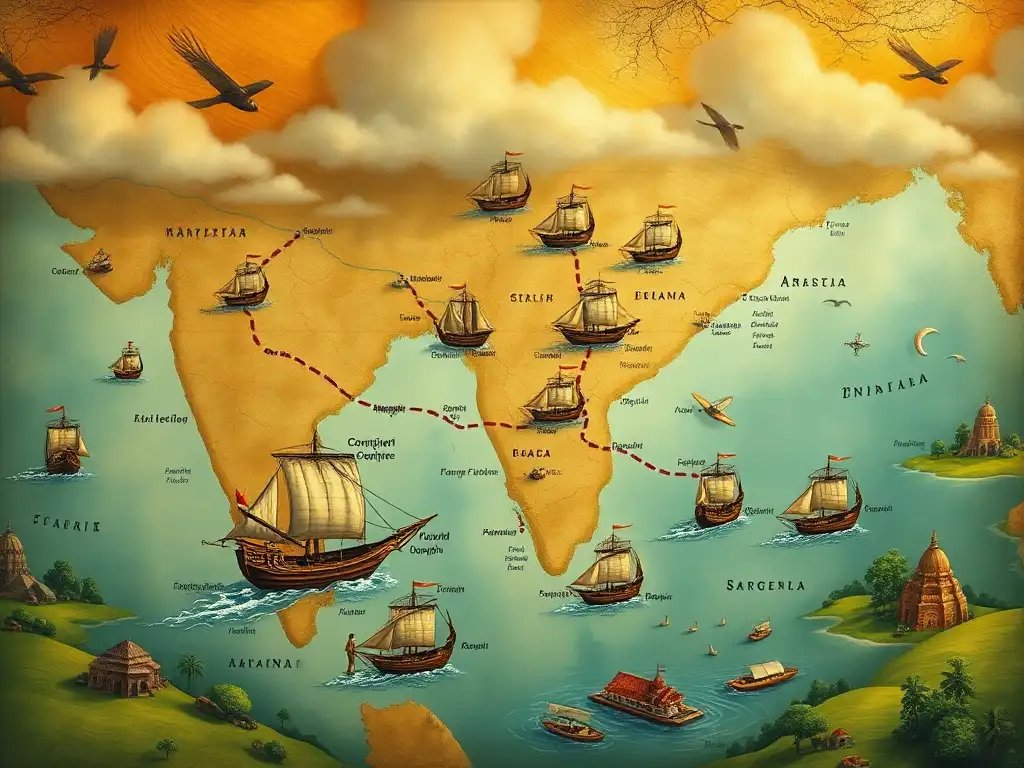
Summary of Monsoons' Influence on Ancient Trade
The monsoons played a pivotal role in shaping the internal trade networks of ancient India. Their predictable seasonal patterns greatly influenced agricultural cycles, enabling farmers to plan their sowing and harvesting effectively. The fertile lands, particularly in river valleys, thrived during the monsoon season, leading to surplus production of essential crops like rice, wheat, and pulses. This agricultural bounty not only fed local populations but also facilitated trade with neighboring regions.
- Seasonal Trade Dynamics:
- Harvest Time: Following the monsoon, traders would transport surplus grains and goods to markets, contributing to bustling trade activities.
- Transportation Routes: The monsoons determined the best times for navigation along rivers and coastal areas, making certain routes more favorable during specific seasons.
- Market Expansion:
- With the availability of diverse agricultural products, markets expanded, allowing for a broader exchange of goods, including textiles, spices, and metals.
- The surplus also encouraged the rise of urban centers, acting as hubs for trade and commerce.
- Cultural Exchange:
- The influx of goods led to cultural interactions between different regions, enriching local cultures with new ideas, technologies, and practices. This included the spread of writing systems, crafts, and religious beliefs.
Reflection on the Importance of Understanding Historical Trade Networks
Understanding the impact of monsoons on ancient trade not only reveals the complexity of economic interactions but also highlights the resilience and adaptability of ancient Indian civilizations. The monsoons' influence on trade networks offers valuable insights into how natural phenomena can shape human activities and societal developments.
- Historical Perspective:
- The study of these trade patterns showcases how ancient societies responded to environmental challenges, fostering innovation in trade practices and logistics.
- Lessons for Modern Trade:
- Modern economies can draw parallels from ancient practices, recognizing the importance of seasonal variations in planning agricultural and trade activities. This historical context can inform contemporary strategies for agriculture, trade, and economic resilience.
The lasting legacy of monsoons on trade patterns offers a rich tapestry of interaction, adaptation, and cultural exchange that continues to resonate in the understanding of ancient Indian history. Embracing this knowledge allows for a deeper appreciation of the intricate web of connections that formed the foundation of India's diverse and vibrant past.
Further Reading and Resources
Suggested Books on Ancient Indian Trade
-
"Trade in Ancient India" by R. S. Sharma
This book provides a comprehensive overview of trade practices in ancient India, delving into the intricacies of both internal and external trade networks. Sharma explores how geographical factors influenced trade routes and the role of monsoons in facilitating economic exchanges.
-
"The Economy of Early India: From the Indus to the Gupta" by T. A. G. Raghavan
Raghavan analyzes the economic structures of ancient Indian civilizations, with a focus on agricultural practices and trade. This book includes a detailed examination of how monsoon patterns affected agricultural yields and, consequently, trade dynamics.
-
"Mercantile Networks in Ancient India" by R. S. Nigam
This work highlights the various merchant communities in ancient India and their trading practices. Nigam emphasizes the significance of monsoon seasons in shaping trade routes and market accessibility.
-
"The Role of Monsoons in the Development of Trade in Ancient India" by K. N. Puri
Puri's book specifically addresses the climatic influences on trade, detailing how monsoon rains were integral to the agrarian economy and internal trade routes.
Articles and Journals on Monsoons and Economy
-
"The Economic Impact of Monsoon Patterns on Indian Agriculture"
This article, published in the Journal of Ancient Indian History, discusses the relationship between monsoon patterns and agricultural productivity. It highlights how fluctuations in rainfall directly impacted trade.
-
"Monsoons and Maritime Trade in Ancient India"
Found in the Indian Journal of Historical Studies, this article explores how monsoon winds facilitated maritime trade along the coasts of India, connecting various internal trade networks.
-
"Climate Change and Historical Trade Routes in Ancient India"
Published in the International Journal of Climate and History, this piece examines the broader implications of climate variations, including monsoon intensity, on trade routes across ancient Indian civilizations.
Additional Resources on Internal Trade Networks in Ancient India
-
Online Manuscript Archives
Several digital archives host ancient texts that discuss trade practices. These include the Digital South Asia Library and the Indus Valley Civilization Texts, which provide primary source materials for researchers.
-
Podcasts and Lectures
Platforms like Ancient History Podcast and The History of India Podcast offer episodes focused on trade in ancient India, including discussions on the impact of monsoons on trade.
-
University Courses and Lectures
Many universities offer online courses on ancient Indian history that cover trade networks. Look for courses on platforms like Coursera or edX that focus on ancient economies, which often include modules on climate impacts.
By exploring these resources, readers can gain a deeper understanding of the monsoons' impact on ancient trade and the complexities of internal trade networks in ancient India.
Frequently Asked Questions
What role did monsoons play in ancient trade in India?
Monsoons were crucial for internal trade as they determined the timing and routes of trade, facilitating the movement of goods and people across regions.
How did monsoon patterns affect agricultural productivity?
The seasonal rains brought by monsoons were vital for agricultural success, ensuring a surplus of crops that supported trade and local economies.
Were there specific trade routes influenced by the monsoon season?
Yes, ancient traders often relied on predictable monsoon winds to navigate maritime routes, effectively linking coastal cities and enhancing trade with distant lands.
Did monsoons impact the urbanization of ancient Indian cities?
Absolutely, the reliability of monsoons contributed to the growth of cities near riverbanks and coastal areas, where trade and commerce thrived due to agricultural abundance.
How did ancient civilizations adapt to the challenges posed by monsoons?
Civilizations developed water management systems and infrastructure to harness monsoonal rains, ensuring stability in agriculture and trade during the wet season.
Final Reflection: The Enduring Legacy of Monsoons on Ancient Trade
The impact of monsoons on ancient trade in India is not merely a historical footnote; it is a testament to the intricate relationship between nature and commerce that continues to shape our world today. As we delve into the past, we uncover how these seasonal winds not only dictated the rhythms of agricultural cycles but also forged connections between distant regions, creating a vibrant tapestry of trade that laid the groundwork for economic systems that persist in various forms.
The monsoons were not just weather patterns; they were the lifeblood of trade, illustrating how environmental factors can profoundly influence human activity.
The legacy of monsoons extends far beyond the ancient marketplaces of India; it resonates in our contemporary understanding of trade dynamics and cultural exchange. As we reflect on the historical significance of these weather patterns, we recognize their role in shaping social structures, fostering community ties, and facilitating the flow of ideas and goods. Trade is a bridge that connects cultures, and the monsoons were the winds that carried those bridges across the seas.
This observation underscores the ongoing influence of monsoons, reminding us that the past is not a distant memory but a living narrative that informs our present and future.
As we conclude our exploration of how monsoons influenced internal trade patterns in ancient India, I invite you to consider the lessons we can draw from this rich history. Reflect on the interconnectedness of our own lives with the natural world and the ways in which environmental factors continue to shape our economies and societies.
Let us embrace the wisdom of the past and recognize our responsibility to foster sustainable practices that honor this delicate balance. In doing so, we not only pay homage to the ancient traders who navigated the monsoons but also pave the way for a more harmonious future.
Unveil the Secrets of Ancient Trade!
Thank you for diving into the fascinating world of monsoons and their impact on internal trade patterns in ancient India! We hope you gained valuable insights into how these natural phenomena shaped thriving commerce and cultural exchanges. Now, it's time to take your curiosity to the next level!
Consider taking these actionable steps to deepen your understanding and engage with this rich history:
- Explore more: Delve into additional resources, such as books or documentaries, about ancient Indian trade routes and their significance.
- Join the conversation: Share your thoughts and insights on social media or in the comments below, connecting with others who are passionate about ancient history.
- Visit a museum: Explore a local museum featuring artifacts from ancient trade, or plan a trip to a historical site related to this captivating era.
What aspect of monsoon-driven trade surprises you the most, and how do you believe it has influenced the culture we recognize today?