
The Legacy of Sanskrit Theater: A Bridge to Global Dramatic Traditions

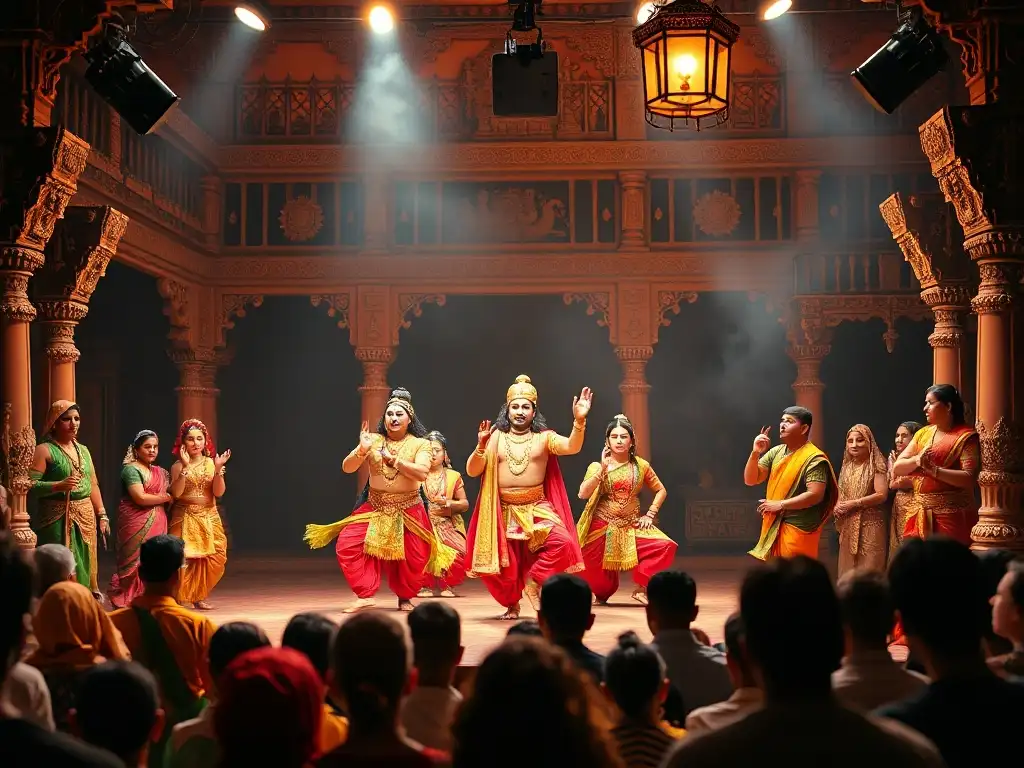
Welcome to Ancient India History, where we embark on a fascinating journey through the rich tapestry of Indian civilization. In our exploration today, we delve into the captivating world of Sanskrit theater and its global influence, a profound art form that not only shaped Indian culture but also left an indelible mark on dramatic traditions across the world.
Discover how this vibrant theatrical heritage serves as a bridge connecting diverse narratives and artistic expressions. Join us as we unravel the legacy of Sanskrit theater and its enduring impact on the global stage, igniting your curiosity to learn more about this remarkable facet of history.
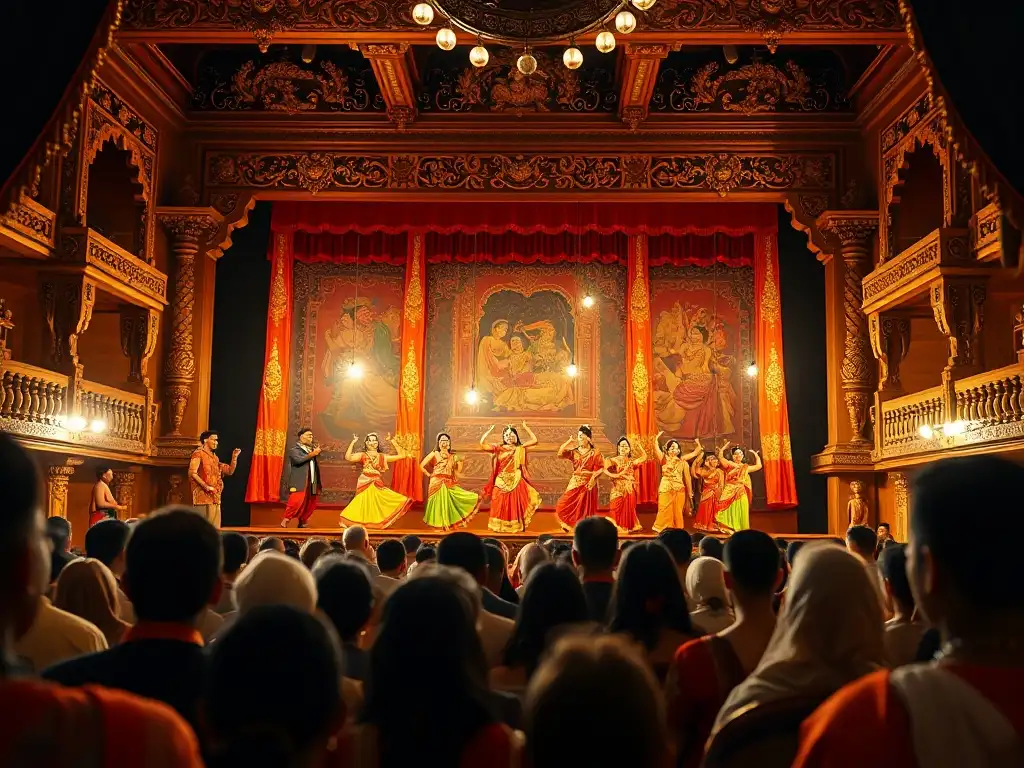
Introduction to Sanskrit Theater and Its Global Influence
Sanskrit theater, a vibrant and multifaceted art form, holds a significant place in the annals of world drama. Emerging from the rich cultural tapestry of ancient India, it serves as a testament to the country's artistic and intellectual heritage. As we explore the legacy of Sanskrit theater, we will uncover its profound impact on global dramatic traditions, revealing how its themes, techniques, and philosophies have transcended geographical boundaries.
This exploration not only highlights the creativity of ancient Indian playwrights but also illustrates the interconnectedness of world cultures through the lens of performance art. Understanding this legacy positions Sanskrit theater not merely as an ancient art form but as a vital contributor to the global narrative of drama and performance.
Understanding the Roots of Sanskrit Theater
Sanskrit theater can trace its origins back to the Vedic period, where the seeds of performance were sown through ritualistic practices and storytelling traditions. The renowned Natya Shastra, attributed to the sage Bharata Muni, serves as a foundational text, outlining the principles of drama, music, and dance.
- Key Components:
- Ritualistic Origins: Early performances were often intertwined with religious rituals, celebrating deities and narrating epics.
- Textual Foundations: The Natya Shastra provides detailed insights into various aspects of theater, such as genres, performance styles, and the significance of rasa (emotional flavors).
This rich heritage laid the groundwork for the sophisticated theatrical traditions that would follow, influencing not just Indian culture but also global dramatic practices.
The Historical Context of Sanskrit Drama
The flourishing of Sanskrit drama primarily occurred between the 1st century BCE and the 6th century CE, marked by notable playwrights such as Kalidasa, Bhasa, and Ashvaghosha.
- Cultural Influences:
- The interactions with neighboring cultures and the patronage from royal courts played a crucial role in the development of theater.
- The exchange of ideas and artistic practices across regions led to a synthesis of styles, enriching the overall theatrical landscape.
- Notable Works:
- Kalidasa's "Shakuntala" is a seminal work that not only exemplifies the beauty of Sanskrit theater but has also inspired adaptations in various international contexts.
This period of intense creativity and cultural exchange marks a pivotal moment in the evolution of theater, setting the stage for its global resonance.
Importance of Sanskrit Theater in Ancient Indian Culture
In ancient India, theater was not merely a form of entertainment; it was a medium for social commentary, moral instruction, and the exploration of human emotions.
- Social Functions:
- Sanskrit theater served as a platform for discussing societal issues, reflecting the ethos of the time while engaging audiences in thought-provoking narratives.
- It played a vital role in the preservation and dissemination of cultural values and traditions.
- Artistic Expression:
- Through its intricate blend of poetry, music, and dance, Sanskrit theater provided a holistic sensory experience that captivated audiences and fostered a deep appreciation for the arts.
The significance of Sanskrit theater in ancient Indian society underscores its enduring legacy, shaping not only local cultural practices but also influencing theatrical expressions worldwide.
Key Characteristics of Sanskrit Theater
Sanskrit theater is characterized by its unique language, poetic forms, and a wide array of performance techniques, each contributing to its distinctiveness and appeal.
Language and Poetics in Sanskrit Drama
The use of Sanskrit as the language of theater adds a layer of complexity and beauty to the performances.
- Poetic Forms:
- Theatrical works often employ various poetic devices, including shlokas and prabandhas, enhancing the lyrical quality of dialogues.
- Rasa Theory:
- Central to Sanskrit drama is the concept of rasa, which refers to the emotional experience evoked in the audience. This theoretical framework guides the creation of characters and narratives, ensuring a rich engagement with the audience.
The linguistic and poetic richness of Sanskrit theater not only elevates the aesthetic experience but also deepens the emotional resonance of the stories being told.
Performance Techniques and Styles
Sanskrit theater showcases a range of performance techniques and styles that contribute to its unique identity.
- Physical Expression:
- The use of mudras (hand gestures) and abhinaya (expressive acting) allows performers to convey complex emotions and narratives without relying solely on dialogue.
- Musical Accompaniment:
- Music plays a critical role in enhancing the dramatic experience, with traditional instruments accompanying performances to create an immersive atmosphere.
These techniques create a dynamic interplay between the performers and the audience, fostering a shared emotional journey.
Themes and Motifs in Sanskrit Theater
The themes explored in Sanskrit theater often reflect the complexities of human experience, drawing from mythology, morality, and social issues.
- Common Themes:
- Love and Relationships: Many plays explore romantic entanglements, showcasing the intricacies of love through various lenses.
- Duty and Dharma: The concept of dharma (duty) is frequently examined, presenting moral dilemmas faced by characters.
- Symbolism and Metaphor:
- Sanskrit theater employs rich symbolism, using metaphors to convey deeper meanings and invite introspection among audiences.
These themes not only resonate within the context of ancient Indian society but also possess universal appeal, enabling Sanskrit theater to connect with diverse audiences across time and cultures.
Evolution of Sanskrit Theater Through the Ages
Sanskrit theater, with its roots deep in the cultural soil of ancient India, has undergone significant evolution from its inception to the contemporary stage. This evolution reflects the dynamic interplay between tradition and innovation, as well as the socio-political changes that influenced artistic expression.
The earliest forms of Sanskrit theater can be traced back to the Vedic period, where performances were closely tied to religious rituals and ceremonies. As time progressed, particularly during the Classical period (approximately 200 BCE to 1200 CE), Sanskrit drama began to take a more structured form, characterized by distinct genres, sophisticated narrative techniques, and an emphasis on aesthetics. The contributions of playwrights such as Kalidasa and Bhasa laid the groundwork for the rich tapestry of themes and styles that would define this art form.
During the post-classical era, the influences of regional languages and local traditions began to permeate Sanskrit theater, leading to a hybridization that enriched its narrative and performance styles. The advent of modernity brought new challenges and opportunities, prompting a revival of interest in classical texts and performances. Today, Sanskrit theater continues to inspire contemporary artists, who draw upon its themes, structures, and philosophies, ensuring its relevance in a globalized world.
The Classical Period: Foundations of Dramatic Art
The Classical period of Sanskrit theater, spanning from roughly 200 BCE to 1200 CE, represents a pivotal era in the development of dramatic art in India. This period witnessed the formulation of foundational concepts in theater, including aspects of performance, narrative techniques, and the aesthetic principles that continue to resonate today.
Key texts such as Natya Shastra, attributed to Bharata Muni, codified the principles of drama, including the structure of plays, types of characters, and the use of music and dance. The Natya Shastra also introduced the concept of rasa (aesthetic flavor), a core principle that defines the emotional experience of the audience. This text not only served as a manual for practitioners of the art but also established a theoretical framework that influenced subsequent generations.
Playwrights like Kalidasa, whose works such as Shakuntala and Vikramorvasiyam exemplified the classical tradition, explored complex human emotions and relationships, often intertwining mythological narratives with contemporary themes. The use of elaborate stagecraft, intricate costumes, and the incorporation of music and dance further enriched the dramatic experience, setting a high standard for theatrical performance.
Influence of Sanskrit Theater During the Post-Classical Era
In the post-classical era, from around 1200 CE to the 19th century, Sanskrit theater experienced a significant transformation influenced by regional languages and local cultural practices. This period saw the emergence of new forms and adaptations that reflected the changing socio-political landscape of India.
With the decline of centralized empires and the rise of regional kingdoms, Sanskrit theater began to interact more profoundly with local traditions. New vernacular languages emerged as mediums for theatrical expression, leading to the creation of hybrid forms that combined elements of Sanskrit drama with local narratives and performance styles. This cultural amalgamation not only preserved the essence of Sanskrit theater but also made it more accessible to broader audiences.
The influence of Sanskrit theater during this era is evident in various forms such as Natyasastra-inspired folk performances and regional adaptations of classical texts. The themes of love, valor, and dharma continued to resonate, while new social issues began to find expression on stage. As a result, Sanskrit theater maintained its relevance and vitality, adapting to the needs and sensibilities of its audiences.
Modern Adaptations and Revivals of Sanskrit Drama
The 20th and 21st centuries have witnessed a resurgence of interest in Sanskrit theater, marked by both adaptations of classical works and original compositions that draw inspiration from traditional themes. Modern adaptations often seek to reinterpret ancient texts in contemporary contexts, exploring issues such as gender, identity, and social justice.
Various theater companies and cultural organizations in India and abroad have dedicated themselves to reviving and performing Sanskrit plays. These endeavors often involve innovative staging techniques, incorporating modern technology while respecting the essence of classical performance. Productions of Kalidasa's works, for instance, have been reimagined to resonate with contemporary audiences, showcasing the timelessness of their themes.
Moreover, educational institutions have played a crucial role in fostering a new generation of artists and scholars who are passionate about Sanskrit theater. Workshops, seminars, and performances contribute to a vibrant discourse surrounding the art form, ensuring its continued evolution and relevance in the global theater landscape.
Sanskrit Theater's Influence on Global Dramatic Traditions
Sanskrit theater has significantly influenced global dramatic traditions, establishing connections that transcend geographical boundaries. Its principles and aesthetics have been embraced and adapted by various cultures, contributing to a richer understanding of performance arts worldwide.
Cross-Cultural Exchanges: Sanskrit Theater and the West
The interaction between Sanskrit theater and Western dramatic traditions can be traced back to the colonial period when scholars and artists began to explore the texts and performances of ancient India. Early translations of Sanskrit plays introduced Western audiences to the unique narrative structures and thematic depth of these works.
In the 20th century, the interest in Eastern philosophies and art forms, including Sanskrit theater, catalyzed a series of cultural exchanges. Influential playwrights and directors, such as Peter Brook and Richard Schechner, incorporated elements of Sanskrit drama into their own works, enriching the theatrical landscape. These exchanges have fostered a deeper appreciation of the diverse ways in which theater can express human experience.
Contributions of Sanskrit Theater to Global Performance Arts
The contributions of Sanskrit theater to global performance arts are manifold. Its emphasis on rasa (aesthetic experience) and bhava (emotional expression) has inspired artists worldwide to explore the emotional dimensions of their work. The intricate use of symbolism, gesture, and movement in Sanskrit performances has influenced various theatrical forms, including modern dance and physical theater.
Additionally, the storytelling techniques employed in Sanskrit plays, such as non-linear narratives and the interplay of multiple characters, have found resonance in contemporary global dramaturgy. The exploration of complex human emotions and moral dilemmas in Sanskrit theater continues to inspire playwrights and performers across cultures, demonstrating its enduring legacy.
Comparative Analysis: Sanskrit Theater and Other Global Traditions
A comparative analysis of Sanskrit theater and other global traditions reveals both unique characteristics and shared themes. Similar to Greek tragedies and Elizabethan dramas, Sanskrit plays often delve into profound philosophical questions, exploring the nature of existence, morality, and human relationships.
Moreover, the use of music, dance, and elaborate staging can be seen in various cultures, from Japanese Noh theater to African tribal performances. However, Sanskrit theater's distinct focus on rasa sets it apart, as it emphasizes the aesthetic experience of the audience as a critical component of the performance.
In examining these parallels, it becomes evident that while Sanskrit theater possesses its own unique identity, it also contributes to a larger dialogue within the global theatrical tradition, fostering cross-cultural understanding and appreciation for the diverse ways in which stories can be told and experienced.
Case Studies of Global Influence from Sanskrit Theater
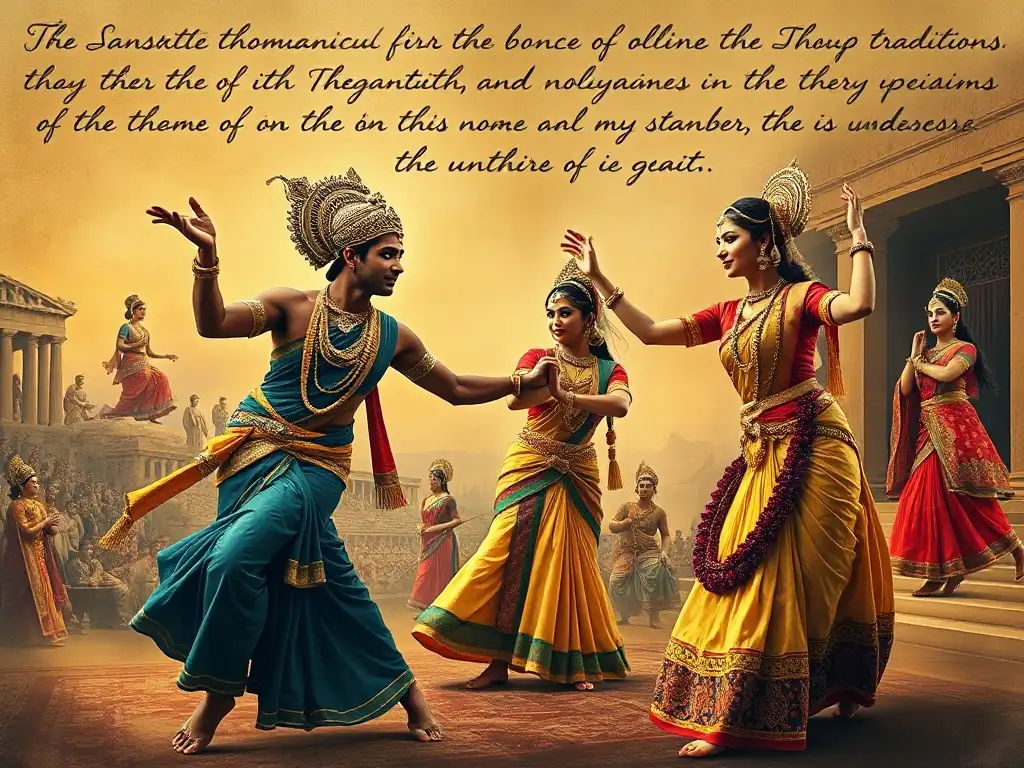
Sanskrit theater has profoundly influenced various dramatic traditions around the globe, serving as a rich source of inspiration for playwrights and performers across different cultures. This influence can be seen through specific case studies that highlight the connections between ancient Indian theatrical forms and contemporary theater practices worldwide.
Historical Examples of Influence in Western Theater
The historical influence of Sanskrit theater on Western drama can be traced back to the 19th century when scholars and theater practitioners began to explore non-Western theatrical traditions. One notable example is the work of the renowned playwright and director, Peter Brook, who adapted the ancient Indian epic "Mahabharata" into a play that premiered in the 1980s. Brook's interpretation drew heavily from the narrative techniques and performance styles found in Sanskrit drama, showcasing the emotional depth and complexity of the story.
Additionally, the translation of "Natyashastra," an ancient Indian treatise on the performing arts authored by Bharata Muni, played a pivotal role in bridging Eastern and Western theatrical practices. This text not only outlined the principles of drama but also provided insights into stagecraft, character portrayal, and the use of music and dance, which have found echoes in various Western theatrical movements.
Modern Productions Inspired by Sanskrit Drama
In recent years, several modern productions have drawn inspiration from Sanskrit theater, reflecting its enduring legacy. For instance, the acclaimed Indian theater company, "Rangakarmee," often incorporates elements of Sanskrit drama in their performances, blending traditional storytelling methods with contemporary themes. Their adaptation of "Shakuntala," based on Kalidasa's classic play, is a prime example, where innovative staging techniques and contemporary dialogues bring the ancient narrative to life for modern audiences.
Moreover, international theater festivals have featured works that reinterpret Sanskrit texts, such as the "Katha Upanishad" and "Vikramorvasiyam," showcasing their relevance in the context of global storytelling. These productions emphasize universal themes of love, loss, and morality, making them accessible and relatable to diverse audiences.
Analysis of Adaptations in Contemporary Performance Arts
The adaptations of Sanskrit theater in contemporary performance arts reveal a fascinating interplay between tradition and innovation. Many modern artists are experimenting with the traditional forms of Sanskrit drama, reimagining them through various media, including dance, multimedia performances, and digital storytelling.
For example, the use of traditional Kathakali dance in contemporary theater has gained popularity, as artists incorporate its elaborate gestures and facial expressions to convey emotions and narratives in a modern context. This fusion not only preserves the essence of Sanskrit theatrical forms but also allows for a fresh interpretation that resonates with today's audiences.
Furthermore, the thematic exploration of social issues within the framework of Sanskrit drama has led to powerful commentaries on contemporary society, thereby bridging the gap between ancient texts and modern realities.
Challenges and Misconceptions about Sanskrit Theater
Despite its rich heritage and global influence, Sanskrit theater faces several challenges and misconceptions that hinder its recognition and appreciation in the contemporary arts landscape.
Common Misunderstandings of Sanskrit Theater’s Role
One prevalent misunderstanding is the perception that Sanskrit theater is solely a historical artifact, limited to academic circles and traditional performances. Many people believe that its relevance has diminished in the face of modern theatrical forms. However, this view overlooks the adaptability and vitality of Sanskrit drama, which continues to inform and inspire contemporary artists.
Another common misconception is that Sanskrit theater is exclusive to Indian culture, failing to acknowledge its universal themes and narratives that resonate across cultures. The intricate storytelling, character development, and moral dilemmas presented in Sanskrit plays are not confined to a single cultural context; rather, they reflect human experiences that transcend geographical boundaries.
Addressing the Limited Global Awareness of Sanskrit Drama
The limited global awareness of Sanskrit drama can be attributed to various factors, including lack of access to original texts, translations, and performance opportunities. Many influential works remain untranslated or underrepresented in major theater festivals, which restricts their exposure to international audiences.
To address this challenge, initiatives aimed at promoting translations and adaptations of Sanskrit plays are crucial. Collaborative projects between Indian and international theater companies can foster cross-cultural exchanges, allowing for a broader understanding of Sanskrit theater's significance.
Additionally, educational programs that emphasize the importance of Sanskrit drama in the global theatrical canon can help cultivate interest and appreciation among new generations of artists and audiences. By raising awareness of its rich legacy, we can ensure that Sanskrit theater continues to thrive as a vital component of world drama.
Conclusion: The Enduring Impact of Sanskrit Theater on Global Arts
The legacy of Sanskrit theater extends far beyond its origins in ancient India, intricately woven into the fabric of global dramatic traditions. Its influence can be observed in various theatrical forms and performance arts around the world, marking a significant contribution to the evolution of storytelling and theatrical expression.
The aesthetics, themes, and philosophical underpinnings of Sanskrit theater have inspired countless playwrights and performers, fostering a deep appreciation for the art of drama that transcends geographical boundaries. By studying and celebrating Sanskrit theater, we not only preserve a vital part of Indian heritage but also acknowledge its role as a bridge connecting diverse cultures through the universal language of performance.
The Legacy of Sanskrit Theater in Today's Cultural Landscape
Today, Sanskrit theater is experiencing a renaissance, as contemporary artists and scholars strive to revive and reinterpret classical texts. Modern productions often fuse traditional elements with avant-garde techniques, creating innovative performances that resonate with today's audiences. Festivals dedicated to Sanskrit drama are becoming increasingly popular, showcasing works like Kalidasa's "Shakuntala" and Bhasa's plays, which are performed globally, demonstrating their timeless relevance and appeal. This revival underscores the importance of Sanskrit theater in contemporary cultural dialogues, as it invites audiences to explore themes of love, morality, and the human condition through a lens that is both ancient and modern.
Future Prospects for Sanskrit Theater and Its Global Influence
The future of Sanskrit theater looks promising, with increasing collaborations between Indian and international theater practitioners. Workshops, exchange programs, and cross-cultural projects are emerging, allowing for a richer dialogue between different theatrical traditions. Furthermore, as more scholars and artists delve into the nuances of Sanskrit texts, we can anticipate a growth in adaptations that cater to diverse audiences.
Technology plays a crucial role in this evolution, with digital platforms facilitating the dissemination of performances and scholarship, thus broadening the reach of Sanskrit theater. This global embrace promises to further amplify its influence, ensuring that the essence of Sanskrit theater continues to inspire and engage future generations.
References and Further Reading on Sanskrit Theater and Global Influence
For those interested in deepening their understanding of Sanskrit theater and its global impact, a variety of texts and resources are available. These materials encompass both historical analyses and contemporary interpretations, offering insights into the art form's rich heritage.
Suggested Texts on Sanskrit Drama
- "The Natyashastra" by Bharata Muni: A foundational text on Indian theater, discussing various aspects of performance, including acting, music, and stagecraft.
- "Kalidasa: The Loom of Time" by A.N. D. H. R.: A comprehensive exploration of the works of Kalidasa, one of the most celebrated playwrights in Sanskrit literature.
- "Sanskrit Drama in Performance" by K. A. B.: An examination of how classical Sanskrit plays are adapted and performed in contemporary settings.
- "The Art of Indian Theatre" by S. K. B.: This book discusses the historical context and evolution of Indian theater, highlighting the contributions of Sanskrit drama.
Online Resources for Exploring Sanskrit Theater
- Digital Library of India: A rich repository of ancient texts, including many classical Sanskrit dramas that can be accessed for free.
- Sanskrit Theater Online Archive: An extensive collection of recorded performances, interviews with artists, and scholarly articles pertaining to Sanskrit theater.
- YouTube Platforms: Various channels featuring performances of Sanskrit plays and discussions on their significance in modern contexts.
- University Theater Departments: Many academic institutions provide access to research papers, lectures, and live-streamed performances centered around Sanskrit theater.
These resources serve as gateways to engage with the art form, fostering a deeper appreciation for its historical significance and ongoing global influence.
- Introduction to Sanskrit Theater and Its Global Influence
- Key Characteristics of Sanskrit Theater
- Evolution of Sanskrit Theater Through the Ages
- Sanskrit Theater's Influence on Global Dramatic Traditions
- Case Studies of Global Influence from Sanskrit Theater
- Challenges and Misconceptions about Sanskrit Theater
- Conclusion: The Enduring Impact of Sanskrit Theater on Global Arts
- References and Further Reading on Sanskrit Theater and Global Influence
Frequently Asked Questions
What is the significance of Sanskrit theater in ancient Indian culture?
Sanskrit theater served as a vital form of artistic expression, reflecting cultural values and social norms of ancient India while influencing later dramatic traditions.
How did Sanskrit theater contribute to global dramatic traditions?
Through its narrative techniques, character development, and themes, Sanskrit theater laid the groundwork for various global dramatic forms, impacting storytelling worldwide.
What are the key features of Sanskrit theater?
Sanskrit theater is characterized by its use of elaborate poetry, musical elements, and dance, creating a multi-dimensional experience that captivated audiences.
Who were some prominent figures in Sanskrit theater?
Notable figures include Bhasa, considered the father of Sanskrit drama, and Kalidasa, whose works remain influential in understanding the aesthetic principles of ancient Indian theater.
How is Sanskrit theater relevant today?
Today, Sanskrit theater continues to inspire modern playwrights and performers, highlighting the timeless themes of human experience and the cultural exchange between East and West.
Final Reflection: The Enduring Legacy of Sanskrit Theater in a Global Context
The exploration of Sanskrit theater reveals its profound relevance in today's interconnected world, showcasing how ancient narratives continue to resonate across cultures. As we navigate a global landscape increasingly shaped by diverse artistic expressions, the timeless themes and innovative storytelling techniques of Sanskrit theater serve as a vital bridge, connecting audiences and artists alike. This enduring legacy reminds us that the roots of our cultural identities are deeply intertwined, creating a rich tapestry of shared human experiences.
Sanskrit theater has not only influenced the development of dramatic traditions worldwide but also fostered a deeper appreciation for cultural diversity. The intricate interplay of performance, language, and philosophy found in these ancient texts invites us to reflect on our own artistic practices and the stories we choose to tell. As the renowned playwright Peter Brook once said, The theater is a place where we can explore the human condition, transcending boundaries and connecting with one another.
This sentiment underscores the importance of Sanskrit theater as a catalyst for dialogue and understanding in our contemporary society.
As we contemplate the lessons imparted by Sanskrit theater, I invite you to embrace the richness of your own cultural heritage while remaining open to the influences of others. Consider how the stories you share and the art you create can contribute to a more inclusive narrative that honors the past while inspiring future generations. By engaging with the legacy of Sanskrit theater, we not only celebrate its historical significance but also empower ourselves to become active participants in the ongoing dialogue of global artistic traditions.
Unveil the Timeless Art of Sanskrit Theater!
Thank you for diving into the captivating world of Sanskrit theater with us! You’ve discovered not only its rich legacy but also its deep connections with global dramatic traditions. Now, let’s take that inspiration and turn it into action.
Here are a few ways you can further enrich your understanding and appreciation of this timeless art:
- Explore a classic Sanskrit play: Choose a foundational text and immerse yourself in its language and themes by reading or watching a performance.
- Join a local theater group or online community: Connect with individuals who share your interest. Engaging in discussions can lead to deeper conversations and inspire new ideas.
- Share your newfound knowledge: Consider writing a blog post, creating a social media update, or starting a discussion group to inspire others to appreciate the beauty and significance of Sanskrit theater!
As you continue your journey into the world of dramatic traditions, reflect on the unique insights you have gained that can help bridge cultural gaps.