
The Artistic Collaboration of Dance and Music in Ancient Indian Theater

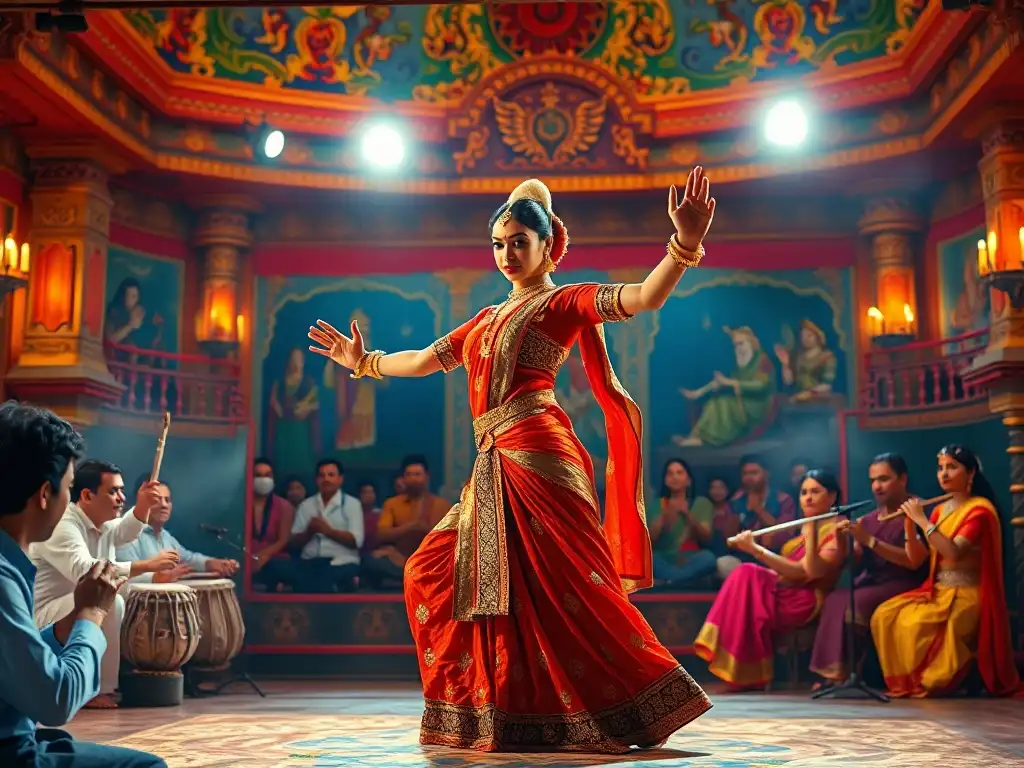
Welcome to Ancient India History, where we embark on a captivating journey through the rich tapestry of India's past! In this space, we delve into the intricate artistic collaboration of dance and music that flourished in ancient Indian theater, revealing the profound cultural contributions that continue to resonate today. Have you ever wondered how these art forms intertwined to create mesmerizing performances? Join us as we explore the vibrant world of Ancient Indian dance and music, and uncover the secrets behind their enduring legacy. Your adventure into the past begins now!
- Introduction to Ancient Indian Dance and Music
- Historical Context of Ancient Indian Dance and Music
- Forms of Dance in Ancient Indian Theater
- Role of Music in Ancient Indian Theater
- Interrelation of Dance and Music in Ancient Indian Theater
- Case Studies of Notable Ancient Indian Theatrical Works
- Conclusion: The Legacy of Ancient Indian Dance and Music
- Additional Resources on Ancient Indian Dance and Music
-
Frequently Asked Questions
- What is the significance of dance and music in ancient Indian theater?
- How did ancient Indian civilizations influence modern dance and music?
- What are some notable forms of dance and music from ancient India?
- How were social themes reflected in ancient Indian dance and music?
- What role did religious rituals play in ancient Indian dance and music?
- Final Reflection: The Timeless Harmony of Ancient Indian Dance and Music
- Unveil the Rhythm of Ancient Arts!
Introduction to Ancient Indian Dance and Music
The artistic collaboration of dance and music has played a pivotal role in shaping the cultural landscape of ancient India. As integral components of theater, these art forms not only entertained audiences but also conveyed profound narratives and spiritual themes. From the harmonious rhythms of classical music to the intricate movements of traditional dance, the synergy between these disciplines reflects the rich tapestry of ancient Indian civilization. This article delves into the historical context, significance, and evolution of dance and music within ancient Indian theater, highlighting their interdependence and cultural importance.
Overview of Ancient Indian Theater
Ancient Indian theater, a vibrant and multifaceted art form, emerged as a significant medium of storytelling and expression. Rooted in sacred traditions, it utilized various performance styles, including Natya Shastra, a foundational text attributed to the sage Bharata Muni. This comprehensive work outlines the principles of drama, music, and dance, establishing a framework that continues to influence contemporary performances.
Key features of ancient Indian theater include:
- Dramatic Forms: Various genres, such as Khyal, Kathakali, and Bharatanatyam, showcased the diversity of storytelling techniques.
- Performative Spaces: Theatrical performances were often held in temples, courtyards, and open-air venues, integrating community participation.
- Symbolism and Themes: Stories from epics like the Mahabharata and Ramayana were commonly depicted, often embodying moral lessons and philosophical insights.
Through the seamless integration of dance and music, ancient Indian theater created a sensory experience that transcended mere entertainment, inviting audiences into a world of divine narratives and human emotions.
Importance of Dance and Music in Ancient Indian Culture
Dance and music were not merely performing arts in ancient India; they were vital expressions of cultural identity and spiritual devotion. Their significance can be understood through several key aspects:
- Spiritual Connection:
- Dance and music often served as offerings to deities, with performances dedicated to worship and rituals.
- The Bharatanatyam dance form, for instance, incorporates bhava (emotion), raga (melody), and tala (rhythm) to create a meditative experience.
- Cultural Transmission:
- These art forms were instrumental in preserving and transmitting cultural narratives, folklore, and historical events across generations.
- The Gharana system in music, representing various styles and schools of thought, highlights the regional diversity within ancient Indian culture.
- Social Cohesion:
- Dance and music fostered community bonds, often performed during festivals, celebrations, and communal gatherings.
- They provided a platform for social commentary, addressing contemporary issues within a cultural context.
In essence, the dance and music of ancient India were intertwined with the fabric of daily life, embodying the philosophical, spiritual, and communal values of the civilization. Their enduring legacy continues to inspire modern artistic expressions, making them an essential area of exploration for those interested in the vast history of ancient Indian art forms.
Historical Context of Ancient Indian Dance and Music
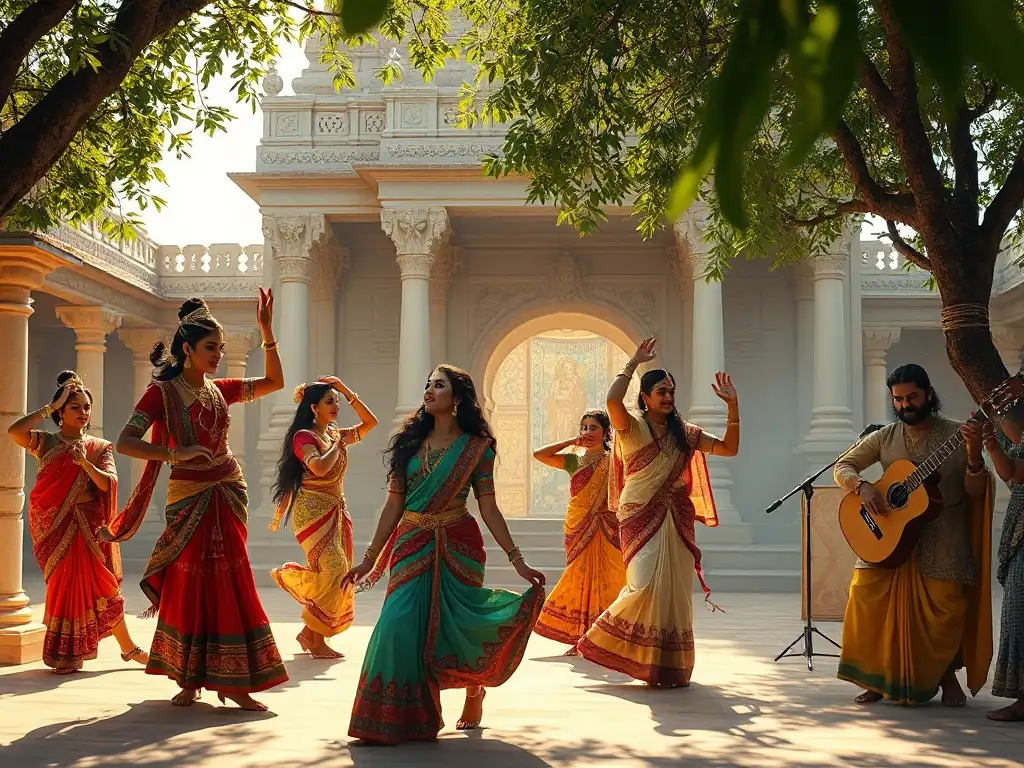
The historical context of ancient Indian dance and music is deeply intertwined with the civilization's socio-cultural development. Rooted in the Vedic period (around 1500 BCE), ancient Indian dance and music evolved through various influences, including religious beliefs, regional variations, and artistic expressions. These art forms not only served as entertainment but also played a crucial role in rituals, ceremonies, and storytelling.
The earliest references to dance and music in India can be traced back to the Vedas, where they were often associated with religious rituals. The Natyashastra, a foundational text attributed to Bharata Muni, codified the principles of drama, dance, and music around the 2nd century BCE, emphasizing their importance in the cultural fabric of ancient India. This treatise laid the groundwork for the integration of dance and music into theatrical performances, highlighting their collaborative nature.
As ancient Indian societies progressed, the regional diversity began to shape local dance forms and musical traditions. This resulted in a rich tapestry of performances that reflected the uniqueness of various communities while maintaining a cohesive connection to the overarching themes of spirituality and storytelling.
Evolution of Dance Styles in Ancient India
The evolution of dance styles in ancient India can be traced through various historical periods, each contributing distinct characteristics and techniques. Early dance forms were primarily ritualistic, with movements that conveyed religious fervor and devotion. Over time, these evolved into more structured styles, each with its own narrative and performance conventions.
- Sama Veda Influence: The Sama Veda (dating back to around 1000 BCE) is particularly significant as it emphasized the melodic aspects of music and its connection to dance. The rhythmic patterns in the Vedas influenced early dance movements, leading to the development of more intricate choreographies.
- Natya: With the establishment of the Natyashastra, dance became a more formalized art. This text classified various dance forms, elucidating the roles of gesture (mudra), expression (abhinaya), and rhythm (tala).
- Regional Variations: As ancient Indian civilization expanded, diverse regional styles emerged. For instance, Bharatanatyam from Tamil Nadu, Kathak from North India, and Odissi from Odisha each developed unique techniques, costumes, and narratives, all while adhering to the foundational principles outlined in the Natyashastra.
Each of these styles encapsulated the cultural essence of their respective regions, often incorporating elements of local folklore and mythology.
Development of Musical Traditions in Ancient India
The development of musical traditions in ancient India is marked by a rich interplay between vocal and instrumental forms, reflecting the complexities of human emotion and spirituality. Ancient texts highlight that music was not merely an art form but a pathway to connect with the divine.
- Vedic Chanting: The earliest musical traditions in India were linked to Vedic chanting, which utilized specific intonations to invoke deities during rituals. The tonal variations and rhythmic structures of these chants laid the groundwork for later musical forms.
- Ragas and Talas: The concept of ragas (melodic frameworks) and talas (rhythmic cycles) began to take shape in this period. These elements allowed musicians to express a wide array of emotions and themes, facilitating a deep connection with the audience.
- Instruments: Various instruments such as the veena, flute, and mridangam played pivotal roles in ancient performances. The craftsmanship of these instruments evolved, leading to a rich tradition of instrumental music that complemented vocal performances.
The integration of these musical elements into dance performances enriched both art forms, creating a holistic theatrical experience.
Influence of Religion and Philosophy on Dance and Music
Religion and philosophy significantly influenced the development of ancient Indian dance and music, shaping their thematic content and performance styles.
- Spiritual Expression: Dance and music were often used as forms of worship, embodying devotion and reverence towards various deities. Many performances were conducted within temple precincts, where the audience engaged in a shared spiritual experience.
- Philosophical Underpinnings: The philosophical concepts of bhakti (devotion) and rasa (aesthetic experience) played crucial roles in shaping the narrative and emotional depth of performances. Artists aimed to evoke specific emotions, or rasa, within their audience through both music and dance.
- Integration of Mythology: Mythological stories from epics like the Mahabharata and Ramayana were frequently depicted through dance and music, allowing performers to narrate complex tales that conveyed moral and spiritual lessons.
In essence, the interplay of religion and philosophy with ancient Indian dance and music created a rich cultural legacy that continues to resonate in contemporary practices, highlighting the enduring importance of these art forms in Indian society.
Forms of Dance in Ancient Indian Theater
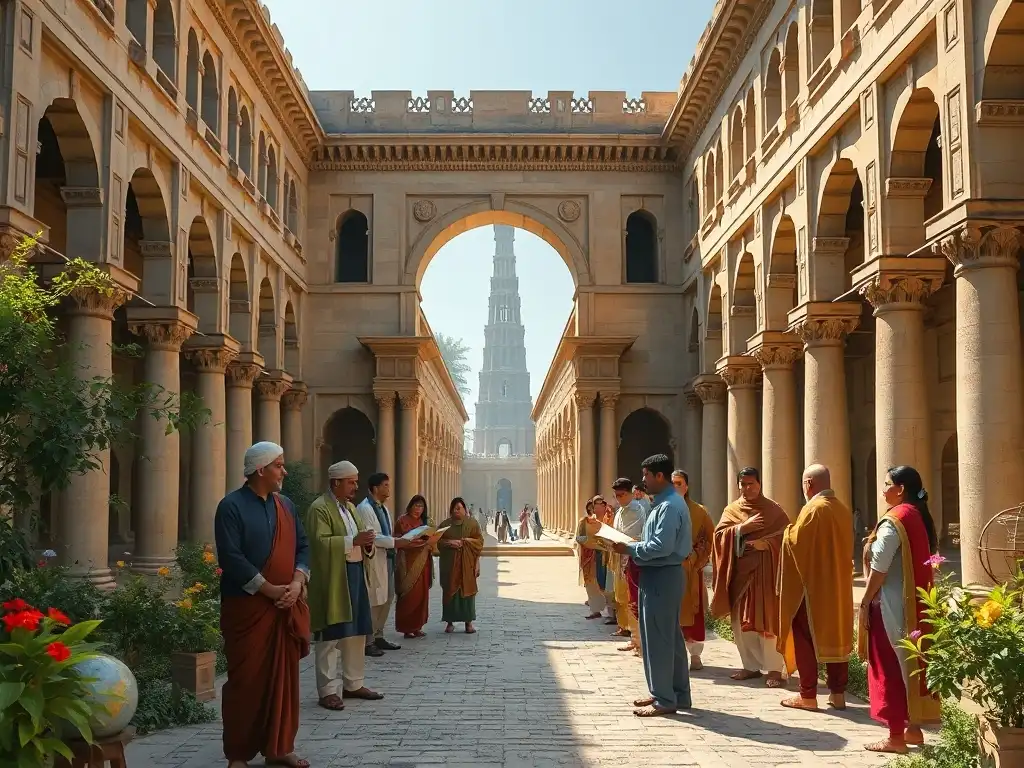
Classical Dance Forms Originating from Ancient India
Ancient Indian theater is renowned for its rich and diverse dance forms, each embodying the cultural essence and spiritual beliefs of the regions they originate from. The classical dance forms that have evolved over centuries are not merely performances but are deeply intertwined with the narratives, rituals, and traditions of ancient India. These dance forms serve as vital expressions of storytelling, often accompanied by intricate music that enhances their emotive power.
Bharatanatyam: The Dance of the South
Bharatanatyam, one of the oldest classical dance forms of India, traces its roots back over 2,000 years to the temples of Tamil Nadu. This dance is characterized by its fixed upper torso, bent legs, intricate footwork, and expressive hand gestures (mudras).
- Themes and Expressions: Bharatanatyam often portrays themes from Hindu mythology, particularly stories of gods and goddesses. The expressive facial movements (abhinaya) play a crucial role in conveying emotions and narratives.
- Music and Rhythm: Accompanied by Carnatic music, Bharatanatyam incorporates traditional instruments such as the mridangam (drum) and veena (string instrument), creating a rich auditory experience.
- Cultural Significance: Historically performed by Devadasis (temple dancers), Bharatanatyam has transitioned into a respected art form, symbolizing grace and spirituality in South Indian culture.
Kathak: The Dance of Storytelling
Kathak, originating from Northern India, is distinct for its narrative storytelling style, often depicting tales from mythological epics. With its roots in the temples and later in the courts, Kathak has evolved into a sophisticated dance form.
- Techniques and Styles: Kathak is marked by intricate footwork (tatkar), spins (chakkars), and expressive gestures. The dancers often narrate stories through a combination of dance and verbal narration (bol).
- Musical Accompaniment: The dance is typically accompanied by Hindustani classical music, featuring instruments like the tabla and harmonium, enhancing the storytelling aspect with rhythm and melody.
- Cultural Context: Kathak reflects the syncretic culture of India, incorporating influences from Persian and Mughal traditions, making it a unique art form that celebrates both heritage and innovation.
Odissi: The Dance of the East
Odissi, hailing from the eastern state of Odisha, is known for its graceful movements and intricate sculpturesque poses. It is one of the oldest surviving dance forms, with historical references found in ancient texts and sculptures.
- Postures and Movements: Odissi features unique body movements, including the tribhangi (three bends of the body), which create a delicate and fluid form of expression.
- Musical Elements: The dance is accompanied by Odissi music, which includes traditional instruments such as the mardala (drum) and flute, creating a harmonious blend of rhythm and melody.
- Spiritual Connections: Often performed in temples, Odissi is deeply linked to the worship of Lord Jagannath and embodies the spiritual essence of devotion and love.
Folk Dance Traditions and Their Cultural Significance
Folk dance traditions in ancient India are vibrant expressions of local culture and community life. Each region boasts its own unique folk dances, which reflect the customs, festivals, and rituals of the people.
- Diversity of Styles: Folk dances such as Bhangra from Punjab, Garba from Gujarat, and Tamasha from Maharashtra showcase the regional diversity of dance in India. Each dance form tells its own story, often relating to agricultural cycles, seasonal festivals, or historical events.
- Community Engagement: These dances are often performed during communal celebrations and serve as a means to foster community bonding. They are inclusive, allowing participation from all age groups, and often involve simple steps that can be easily learned.
- Cultural Heritage: Folk dances preserve the oral traditions and heritage of communities, acting as a living record of history. They embody the values, beliefs, and narratives of the people, ensuring that cultural identities are passed down through generations.
The artistic collaboration of dance and music in ancient Indian theater not only enriches the performance but also serves as a vital conduit for cultural expression, spirituality, and storytelling, making ancient Indian dance and music an invaluable part of the nation’s heritage.
Role of Music in Ancient Indian Theater
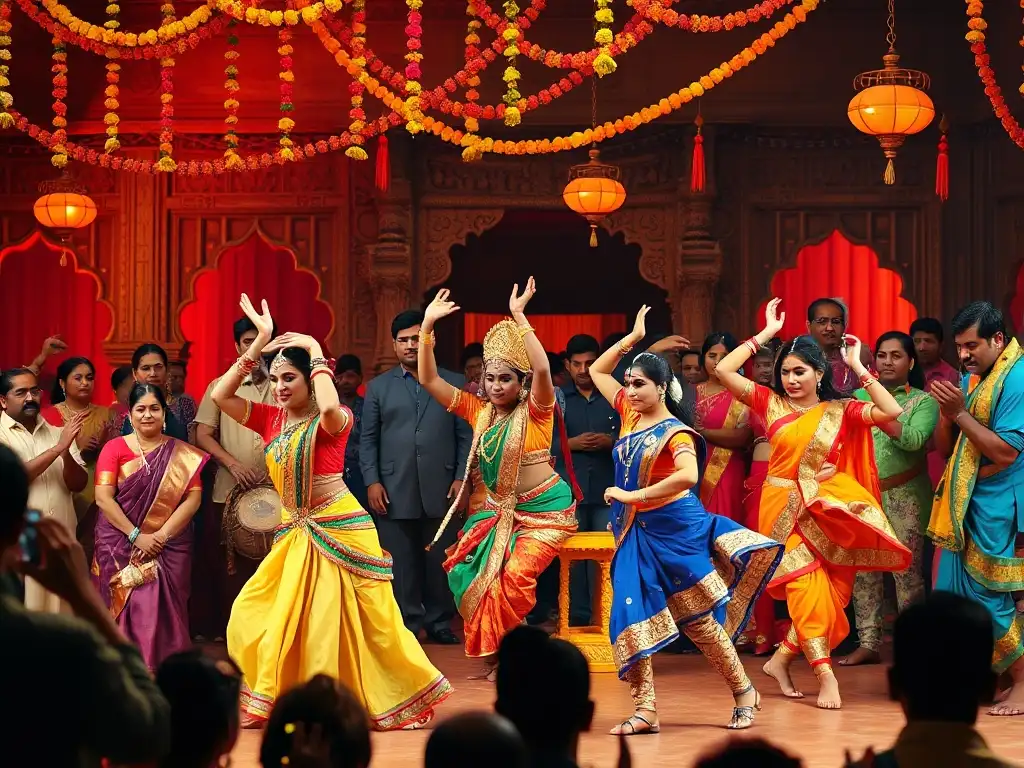
Music played a vital role in ancient Indian theater, serving as a fundamental element that enhanced the emotional depth and storytelling aspect of performances. The integration of music with dance created a harmonious blend that captivated audiences and provided a rich sensory experience. Music not only set the mood for scenes but also conveyed the emotions of characters, helping to elevate the narrative and engage the viewers on multiple levels.
In ancient Indian theater, music was intricately woven into various forms, including classical dances and folk performances. The rhythmic patterns and melodic structures were designed to resonate with the themes of the plays, allowing the audience to connect more profoundly with the unfolding drama. Additionally, music served as a means of cultural expression, reflecting the societal values and traditions of the time.
The relationship between dance and music in ancient Indian theater was symbiotic; while dance provided visual storytelling through movement, music offered an auditory canvas that enriched the overall experience. This collaboration laid the groundwork for various classical dance forms that emerged over centuries, each with its unique musical accompaniment.
Instruments Used in Ancient Indian Music
Ancient Indian music was characterized by a diverse range of instruments, which were crucial in shaping the soundscapes of performances. These instruments can be categorized into two main types: string instruments and percussion instruments.
String Instruments: Veena and Sarangi
- Veena:
- The veena is one of the oldest string instruments in India, traditionally associated with classical music. It has a unique construction, typically featuring a long neck and a resonating body. The veena's melodic capabilities make it a favorite in both vocal and instrumental music.
- Common types of veena:
- Saraswati Veena
- Rudra Veena
- Sarangi:
- The sarangi is a bowed string instrument, known for its ability to mimic the human voice. Its rich, expressive tones were often used to accompany vocal performances, enhancing emotional delivery.
- The sarangi's unique tonal qualities made it indispensable in ancient theater, where conveying nuanced feelings was essential.
| Instrument | Type | Characteristics |
|---|---|---|
| Veena | String | Long neck, resonating body, melodic versatility |
| Sarangi | String | Bowed instrument, expressive, mimics human voice |
Percussion Instruments: Tabla and Mridangam
- Tabla:
- The tabla is a pair of hand-played drums that originated in North India. It is known for its intricate rhythms and versatility, allowing for a wide range of musical expressions. The tabla plays an essential role in accompanying dance performances, providing a dynamic rhythmic foundation.
- Impact on performance: The tabla's complex patterns can elevate the energy of the performance, keeping the audience engaged.
- Mridangam:
- The mridangam is a barrel-shaped drum, commonly used in South Indian music. It has a deep, resonant sound and is often played in classical concerts and dance performances. The mridangam complements other instruments, creating a rich tapestry of rhythms that enhances the overall performance.
- Role in theater: The mridangam provides a steady beat that supports the dancers, allowing them to synchronize their movements with the music.
| Instrument | Type | Region | Characteristics |
|---|---|---|---|
| Tabla | Percussion | North India | Hand-played, intricate rhythms, dynamic versatility |
| Mridangam | Percussion | South India | Barrel-shaped, deep sound, steady rhythmic support |
Vocal Styles and Their Importance in Performance
Vocal music in ancient Indian theater was not merely an accompaniment but a fundamental aspect that conveyed emotions, narratives, and character development. Different vocal styles were employed, each with its unique techniques and applications in performances.
- Dhrupad:
- Dhrupad is one of the oldest forms of Hindustani classical vocal music, characterized by its serious and meditative nature. It is known for its slow and deliberate delivery, allowing for deep emotional expression. In theater, Dhrupad was often used during intense dramatic moments, enhancing the gravity of the performance.
- Thumri:
- Thumri is a lighter and more romantic style of vocal music, often associated with love themes. Its playful and expressive nature made it suitable for lighter theatrical performances, where the focus was on emotional nuance rather than narrative depth.
- Khayal:
- Khayal is another prominent style in Hindustani music, known for its improvisational nature. This flexibility allowed performers to adapt their singing to the context of the play, making it a dynamic element within theater performances. The capacity for improvisation encouraged creativity and spontaneity, resonating well with audiences.
Vocal styles in ancient Indian theater were crucial for storytelling, character portrayal, and emotional engagement. The combination of instrumental music, vocal techniques, and dance movements created a cohesive artistic experience that celebrated the richness of ancient Indian culture.
By exploring the intricate relationship between music and performance, we gain insight into the profound cultural significance of ancient Indian dance and music, highlighting their enduring legacy in the arts.
Interrelation of Dance and Music in Ancient Indian Theater
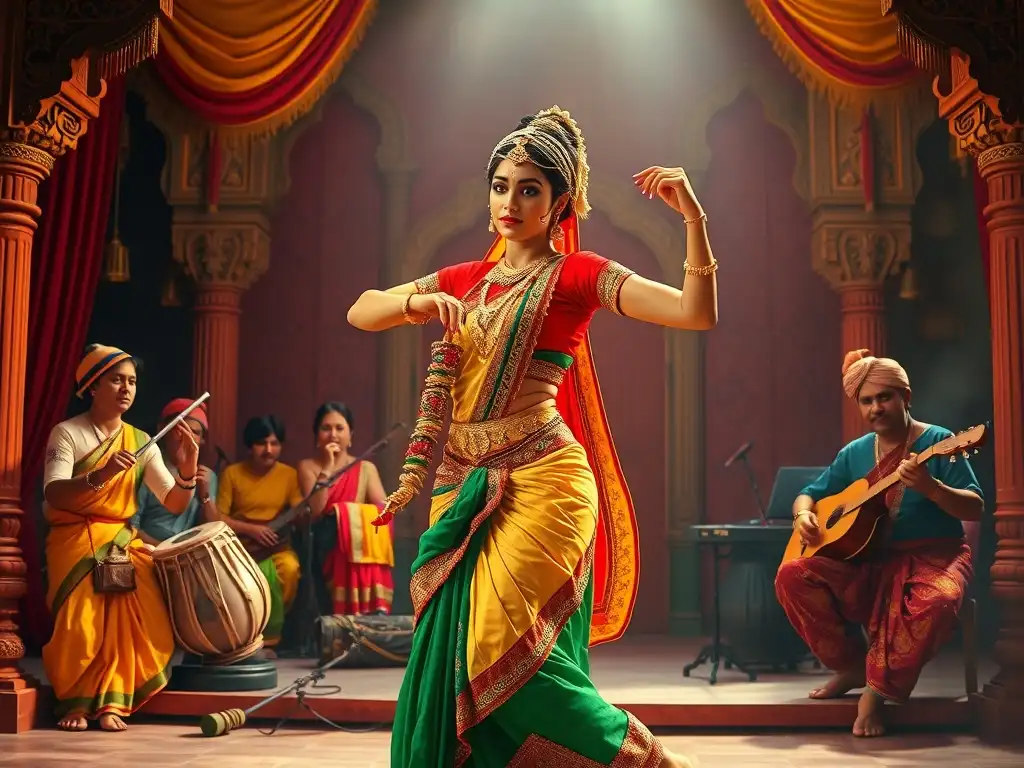
The Symbiotic Relationship Between Dance and Music
In ancient Indian theater, dance and music were not merely accompanying elements; they formed a symbiotic relationship that elevated performances to a spiritual and cultural experience. This interconnection can be traced back to the Vedic period, where the roots of both art forms emerged. The ancient texts, such as the Natya Shastra by Bharata Muni, highlight that dance (nritya) and music (sangeet) are intertwined, each enhancing the other’s expressive capabilities.
- Narrative Enhancement: Dance often tells a story, and music provides the emotional backdrop, enriching the narrative. For instance, in classical dance forms like Bharatanatyam and Kathak, the narrative is conveyed through intricate footwork and expressive hand gestures (mudras), while the accompanying music underscores the emotional tone with its melodies and rhythms.
- Cultural Significance: The combination of dance and music reflects the cultural ethos of their time, often associated with religious and spiritual rituals. For example, during temple performances, dancers would embody deities, while musicians played compositions that were believed to invoke divine presence, creating a holistic experience.
How Rhythm and Melody Enhance Dance Expressions
Rhythm and melody play crucial roles in shaping the aesthetics of ancient Indian dance. The intricate interplay between these two elements not only enhances the visual appeal but also deepens the emotional impact of the performances.
- Rhythmic Structures: Each dance form in ancient India is defined by its specific tala (rhythmic cycle). The precision of footwork in Kathak, for instance, aligns perfectly with the mathematical intricacies of the tala, creating a mesmerizing spectacle that captivates the audience.
- Common talas include:
- Teentaal (16 beats)
- Dhamar (14 beats)
- Rupak (7 beats)
- Common talas include:
- Melodic Frameworks: The ragas (melodic frameworks) used in ancient Indian music serve to evoke specific emotions and atmospheres during performances. Each raga is associated with a time of day or season, allowing dancers to express related moods through their movements. For example, Raga Yaman, often performed in the evening, is known to evoke feelings of devotion and longing, which dancers incorporate into their expressions.
- Emotional Resonance: The combination of rhythm and melody creates an emotional resonance that enhances the storytelling aspect of dance. Dancers often utilize their body language in conjunction with musical cues to convey complex emotions, thus deepening the audience's connection to the performance. This technique is exemplified in the use of abhinaya, where the dancer's expressions and movements translate the lyrics of the song into visual storytelling.
Through this intricate relationship between rhythm, melody, dance, and music, ancient Indian theater not only entertained but also served as a medium for spiritual and cultural expression, leaving a lasting legacy in the art forms we appreciate today.
Case Studies of Notable Ancient Indian Theatrical Works
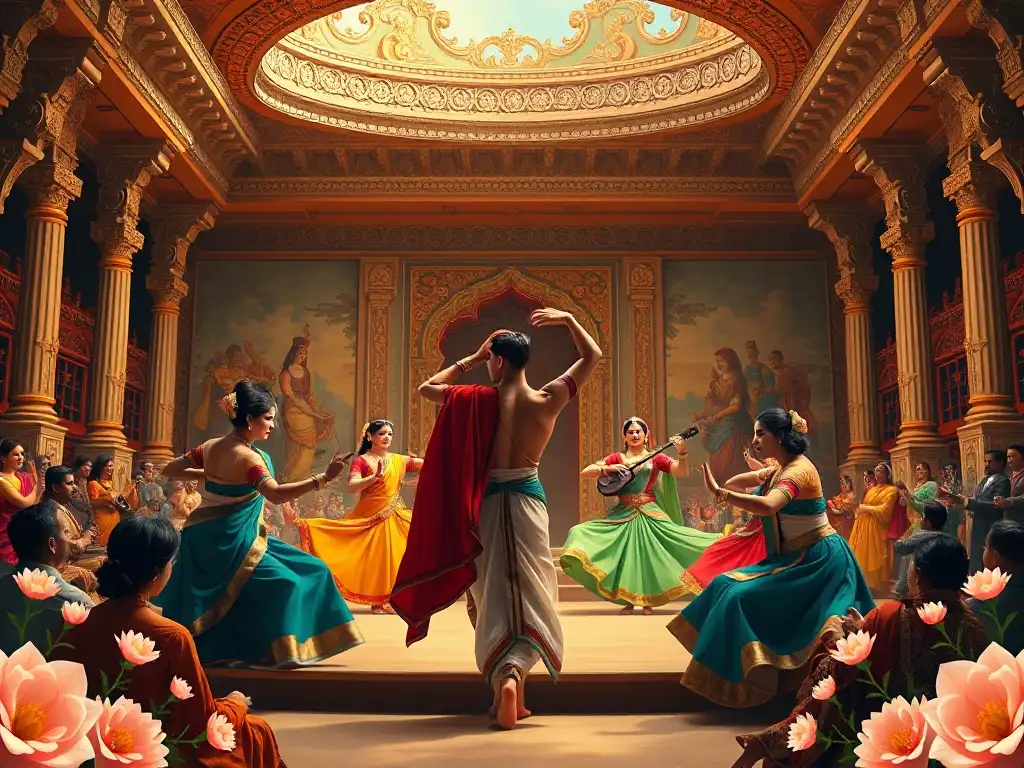
Examining Historical Texts and Their Performative Aspects
Ancient Indian theater is deeply rooted in historical texts that not only document narrative forms but also prescribe performance styles. One of the most significant texts is the Natyashastra, attributed to the sage Bharata Muni, which serves as a foundational treatise on the arts of drama, dance, and music. This work outlines the principles of performance, character portrayal, and the integration of dance and music, establishing a comprehensive framework for ancient Indian theater.
- Key Elements of the Natyashastra:
- Rasa (Emotional Flavor): The Natyashastra emphasizes the importance of rasa, which is the aesthetic experience that an audience derives from a performance. It delineates eight primary rasas, such as shringara (love) and veer (heroism), which performers must evoke through their artistry.
- Abhinaya (Expression): The text categorizes abhinaya into four types— angika (physical), vachika (verbal), aharya (costume and makeup), and sattvika (emotional)—each playing a crucial role in conveying the character's emotions and intentions.
The examination of ancient scripts like the Mahabharata and Ramayana also reveals how these texts influenced theatrical performances. For instance, the Ramayana has been a pivotal source for many traditional dance-drama forms, such as Kathakali, where the vibrant portrayal of characters is intricately linked to the lyrical music that accompanies the performance.
The Role of Dance and Music in Epics and Mythology
Dance and music are not merely ornamental in ancient Indian theater; they are fundamental to storytelling and character development within epics. The integration of these art forms enriches the narrative, adding layers of meaning and emotional depth.
- Dance Forms in Theatrical Narratives:
- Kathak: Originating in northern India, Kathak is characterized by intricate footwork and expressive gestures. This dance style often depicts mythological stories, integrating musical rhythms that reflect the emotional narrative.
- Bharatanatyam: Hailing from Tamil Nadu, Bharatanatyam combines storytelling with rhythmic footwork and expressive hand gestures ( mudras). It often portrays scenes from Hindu mythology, bringing to life tales of gods and heroes through both dance and music.
- Music's Influence:
- The role of traditional instruments, such as the mridangam (a percussion instrument) and veena (a string instrument), is vital in setting the tone and rhythm for performances. The use of ragas (melodic frameworks) and talas (rhythmic cycles) creates a dynamic atmosphere that enhances the emotional experience.
- Vocal music, often in the form of dhrupad or khayal, provides a narrative backdrop, engaging the audience in the unfolding drama. The interplay between voice and movement creates a harmonious synergy essential for captivating performances.
Ancient Indian theater exemplifies an intricate relationship between dance and music, especially within the context of epics and mythology. The performative aspects drawn from historical texts not only shaped the artistic expressions of the time but continue to influence contemporary interpretations of ancient Indian dance and music, reflecting a rich cultural legacy that thrives across generations.
Conclusion: The Legacy of Ancient Indian Dance and Music
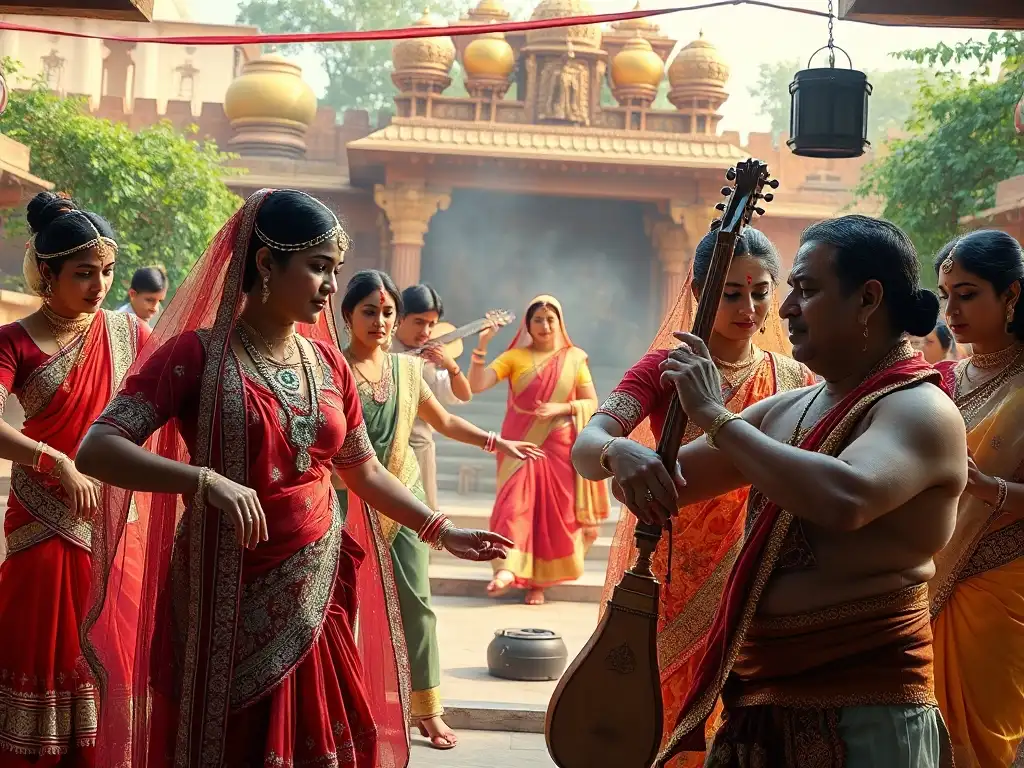
The artistic collaboration of dance and music in ancient Indian theater has left an indelible mark on the cultural landscape of India. The intricate interplay between these two art forms not only enriched the theatrical experience but also served as a medium through which stories, philosophies, and emotions were conveyed. The legacy of ancient Indian dance and music is evident in various aspects of modern Indian performing arts, where traditional elements continue to thrive and evolve.
Enduring Influence on Modern Indian Performing Arts
The influence of ancient Indian dance and music is profoundly embedded in contemporary Indian performing arts. Various classical dance forms such as Bharatanatyam, Kathak, Odissi, and Manipuri have their roots in ancient traditions. These forms maintain the aesthetic principles and narrative techniques of their ancestors, often utilizing traditional music that has been passed down through generations.
- Bharatanatyam: Originating from Tamil Nadu, this dance form integrates expressive hand gestures (mudras), intricate footwork, and emotive facial expressions (abhinaya) with Carnatic music. The historical context can be traced back to the Natya Shastra, an ancient treatise on the performing arts.
- Kathak: With influences from both Hindu and Mughal traditions, Kathak showcases a blend of storytelling through dance with the rhythmic intricacies of Hindustani classical music. The link to ancient practices can be seen in its emphasis on narrative and improvisation.
- Odissi: This dance from Odisha is notable for its sculptural poses and lyrical movements, which are often accompanied by traditional Odissi music. The form's roots can be traced back to ancient temple rituals and sculptures that depict dance.
The integration of these forms into modern performances often reflects a dialogue between tradition and innovation, where contemporary themes are explored while honoring ancient practices.
Preservation of Ancient Traditions in Contemporary Culture
The preservation of ancient traditions in contemporary culture is crucial for maintaining the rich heritage of ancient Indian dance and music. Various initiatives have been undertaken to ensure that these art forms continue to flourish:
- Educational Institutions: Numerous dance schools and universities have been established to teach classical dance and music, ensuring that students learn from masters who have inherited these traditions. Institutions like the Kalakshetra Foundation and the Sangeet Natak Akademi play a pivotal role in this effort.
- Festivals and Competitions: Cultural festivals, such as the Khajuraho Dance Festival and the Konark Dance Festival, celebrate ancient performing arts, providing a platform for artists to showcase their skills. These events also serve as a means to attract younger generations to the rich traditions of their heritage.
- Digital Preservation: With the advent of technology, many performances are now recorded and shared online, making ancient dance and music accessible to a global audience. This digital footprint helps in preserving the nuances of these art forms for future generations.
- Community Engagement: Grassroots initiatives that involve local communities in preserving dance and music traditions have emerged. These programs often focus on reviving folk traditions and integrating them with classical forms, thus enriching the cultural tapestry of India.
The artistic collaboration of dance and music in ancient Indian theater not only shaped the cultural narrative of its time but continues to resonate through modern practices. By recognizing and nurturing the legacy of ancient Indian dance and music, contemporary society ensures that these art forms remain vibrant and relevant in an ever-evolving cultural landscape.
Additional Resources on Ancient Indian Dance and Music
Recommended Readings and References
For those looking to dive deeper into the intricate relationship between ancient Indian dance and music, a wealth of literature exists. These recommended readings encompass scholarly works, historical texts, and contemporary analyses that provide valuable insights into the performance arts of ancient India.
-
"Indian Classical Dance: Tradition in Transition" by Leela Venkataraman
This book explores the evolution of classical dance forms in India, examining how traditional practices have adapted over time while retaining their core elements. It provides a comprehensive overview of the different styles and their musical accompaniments.
-
"The Natya Shastra" by Bharata Muni
As one of the foundational texts of Indian performing arts, this ancient treatise discusses the principles of drama, dance, and music. It is essential for understanding the theoretical underpinnings of ancient Indian theater.
-
"Dance and Music in Ancient India" by R. S. Sharma
This work delves into the historical context of dance and music, highlighting their roles in cultural and religious practices. Sharma provides in-depth analysis backed by archaeological evidence.
-
"The Art of Indian Music and Dance" by R. K. Sharma
Focusing on the technical aspects of music and dance, this book offers insights into the rhythmic and melodic structures that define ancient Indian performance arts.
-
"The Performing Arts in Ancient India" by M. A. Dhaky
A critical examination of various performing arts, this book emphasizes the symbiotic relationship between dance and music, enriched by historical examples and illustrations.
Online Archives and Collections for Further Exploration
In addition to printed resources, several online platforms offer extensive collections and archives dedicated to ancient Indian dance and music. These digital repositories provide access to a variety of materials, including manuscripts, recordings, and visual arts, facilitating further exploration of this rich cultural heritage.
-
Digital Library of India
An extensive archive that features rare books, manuscripts, and other materials related to Indian history, including sections on ancient dance and music.
-
Indira Gandhi National Centre for the Arts (IGNCA)
This institution hosts an impressive collection of audio-visual materials, documentation, and research on Indian performing arts. Their online resources include recorded performances and scholarly articles.
-
Sangeet Natak Akademi
The premier institution for the promotion of performing arts in India, the Sangeet Natak Akademi provides access to a wealth of resources, including publications, research papers, and performance archives.
-
Archive of Folk Culture
A dedicated online resource showcasing various forms of folk dance and music, reflecting the broader spectrum of India's artistic traditions. This archive includes videos, photographs, and sound recordings.
-
YouTube Channels on Indian Classical Arts
Several channels are devoted to showcasing ancient and contemporary performances of Indian dance and music, offering visual representations and interpretations of traditional art forms.
These resources serve as vital tools for anyone interested in understanding the profound impact of ancient Indian dance and music on the theater and performance arts, as well as their enduring legacy in contemporary culture.
Frequently Asked Questions
What is the significance of dance and music in ancient Indian theater?
Dance and music were essential components of ancient Indian theater, serving not only as entertainment but also as a means to convey cultural narratives and spiritual expressions.
How did ancient Indian civilizations influence modern dance and music?
The rich traditions of dance and music from ancient Indian civilizations laid the foundation for contemporary art forms, preserving techniques and themes that continue to inspire artists today.
What are some notable forms of dance and music from ancient India?
Notable forms include Bharatanatyam, Kathak, and Odissi for dance, along with classical music styles like Hindustani and Carnatic, each with its own unique characteristics and historical significance.
Ancient Indian dance and music often depicted mythological stories, social values, and cultural practices, enabling audiences to connect with their heritage and identity through performance.
What role did religious rituals play in ancient Indian dance and music?
Dance and music were integral to religious rituals, often performed in temples to honor deities, foster spirituality, and create a sense of community among worshippers.
Final Reflection: The Timeless Harmony of Ancient Indian Dance and Music
**The intricate relationship between dance and music in ancient Indian theater continues to resonate in today's cultural landscape, reminding us that artistic collaboration is a powerful force for expression and connection. As we explore the depths of this rich tradition, we uncover not only the beauty of the performances but also the profound impact they have on our understanding of identity, community, and creativity. The echoes of ancient rhythms and movements still inspire contemporary artists, proving that the essence of these art forms transcends time and remains relevant in our modern world.
The legacy of ancient Indian dance and music is woven into the fabric of our cultural identity, influencing not just performers but also audiences who seek to connect with their heritage. The collaborative spirit of these art forms fosters a sense of unity and shared experience, reminding us of the power of creativity to bridge divides. As the renowned dancer and choreographer Uday Shankar once said, Dance is the hidden language of the soul,
emphasizing how these artistic expressions communicate emotions and stories that words often cannot convey. This ongoing influence shapes our cultural narratives and encourages us to embrace the richness of our artistic heritage.
As we reflect on the lessons from ancient Indian dance and music, let us invite ourselves to engage with these art forms in our own lives. Consider how you can incorporate the spirit of collaboration and creativity into your daily experiences, whether through movement, music, or other artistic endeavors. By embracing the timeless harmony of these traditions, we not only honor the past but also enrich our present and future, creating a vibrant tapestry of cultural expression that continues to inspire generations to come.
Unveil the Rhythm of Ancient Arts!
Thank you for diving into the fascinating world of artistic collaboration in ancient Indian theater! We've explored how the seamless blend of dance and music created a dynamic expression of culture and emotion. Now, it's time to take that inspiration and make it your own!
- Explore local dance or music workshops to experience these art forms firsthand and connect with your community.
- Share this article with friends or family who appreciate the beauty of the arts, and inspire them to discover the rich history behind it.
- Consider writing a short piece or creating a visual project inspired by the themes discussed—let your creativity flow!
How do you envision the fusion of dance and music influencing contemporary artistic expressions today?