
From Temples to Theaters: The Venues of Ancient Indian Performances

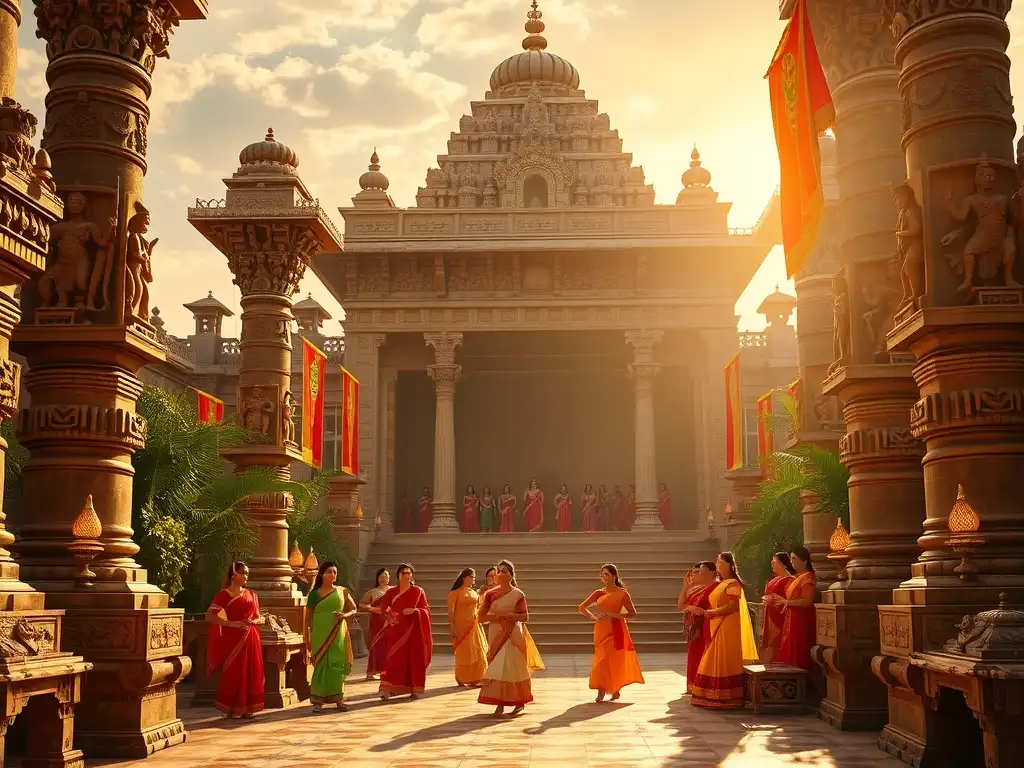
Welcome to Ancient India History! Here, we embark on a captivating journey through the vibrant tapestry of ancient Indian civilizations, where art, culture, and history intertwine. In our featured article, "From Temples to Theaters: The Venues of Ancient Indian Performances," we delve into the fascinating world of ancient Indian performance venues.
Discover how these sacred spaces not only served as stages for artistic expression but also played a pivotal role in the spiritual and social fabric of their time. Prepare to be intrigued as we uncover the stories behind these remarkable venues and their enduring legacy. Your exploration into the heart of ancient India starts now!
- Introduction to Ancient Indian Performance Venues
- Types of Ancient Indian Performance Venues
- Historical Context of Performance Venues
- Cultural Significance of Venues in Ancient Indian Performances
- Preservation and Legacy of Ancient Indian Performance Venues
- Conclusion: The Enduring Influence of Ancient Indian Performance Venues
- References
-
Frequently Asked Questions
- What were the primary performance venues in ancient India?
- How did temples contribute to performance arts in ancient India?
- What role did the Gupta Empire play in the evolution of performance venues?
- Were there any notable performances associated with ancient Indian festivals?
- How do ancient Indian performance venues influence modern Indian arts?
- Final Reflection: The Enduring Legacy of Ancient Indian Performance Venues
- Unveil the Legacy of Ancient Indian Performances!
Introduction to Ancient Indian Performance Venues
The history of ancient Indian performance venues is a fascinating journey that reveals not only the artistic expressions of the time but also the cultural, social, and religious dimensions that shaped them. From the majestic temples of the Indus Valley Civilization to the intricately designed theaters of the Gupta Empire, these venues served as crucial spaces for communal gatherings, spiritual rituals, and artistic showcases.
This article delves into the rich tapestry of ancient Indian performance venues, exploring their architectural significance, the types of performances they hosted, and their role in the broader context of Indian history and culture. By understanding these venues, we gain insight into how performance arts flourished in ancient India, reflecting the values, beliefs, and creativity of its people.
Overview of Ancient Indian Performance Arts
Ancient Indian performance arts encompass a diverse array of traditions, including dance, music, drama, and storytelling. Each of these forms played a vital role in society, often intertwined with religious practices and cultural rituals. Key performance arts included:
- Dance: Classical forms such as Bharatanatyam, Kathak, and Odissi often took place in temple settings, where dancers would pay homage to deities through intricate movements and expressions.
- Music: Instrumental and vocal music were integral to various ceremonies and festivities, with venues ranging from royal courts to open-air festivals.
- Drama: Theatrical performances, particularly those influenced by Sanskrit drama, were often staged in specially designed structures that facilitated interaction between performers and audiences.
These art forms not only entertained but also served as vehicles for philosophical and spiritual teachings, making the venues where they were performed central to cultural life.
Importance of Venues in Ancient Indian Culture
Performance venues in ancient India were more than mere physical spaces; they were cultural epicenters that fostered community engagement and spiritual connection. The significance of these venues can be understood through several key aspects:
- Architectural Marvels: Many ancient performance venues were designed with architectural precision, using acoustic principles that enhanced the auditory experience. For instance, the theaters of the Gupta Empire featured tiered seating and elaborate backdrops that complemented the performances.
- Community Gathering Spaces: Venues such as temples and open-air stages served as communal hubs where people gathered to celebrate festivals, witness performances, and engage in social discourse.
- Spiritual Significance: The intertwining of performance and spirituality is evident in many ancient Indian venues. Temples often hosted dance and music performances as offerings to the gods, thereby elevating the art forms to sacred levels.
- Cultural Transmission: These venues played a critical role in the transmission of culture and traditions from one generation to the next, preserving stories, myths, and historical narratives through performances.
Ancient Indian performance venues were pivotal in shaping the cultural landscape of their time, influencing not only the arts but also the very fabric of society. Understanding these venues allows us to appreciate the depth and richness of ancient Indian performance arts.
Types of Ancient Indian Performance Venues
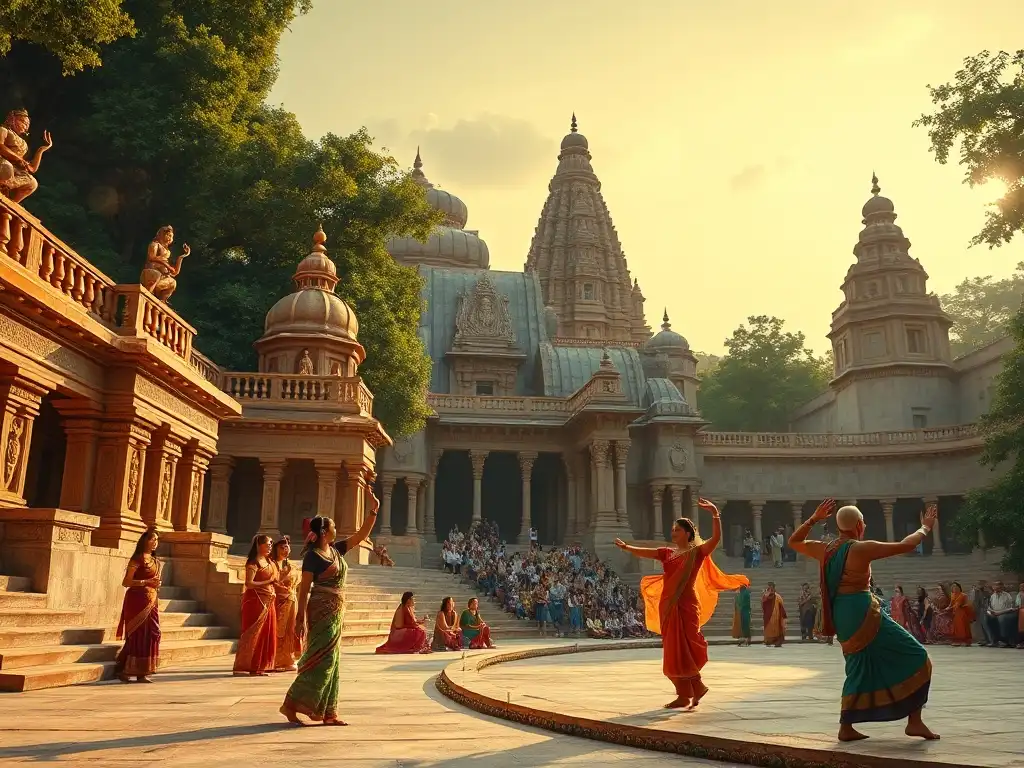
Ancient Indian performance venues were characterized by their diversity and adaptability, often reflecting the cultural and religious ethos of their time. These venues were integral to the expression of art forms, serving not only as stages for performances but also as spaces for community gathering, spiritual engagement, and cultural transmission. The two most prominent types of ancient Indian performance venues are temples and theaters, each with its distinct characteristics and significance.
Temples as Performance Spaces
Temples in ancient India were not merely places of worship; they also served as vibrant centers for artistic expression, particularly through performances that were deeply intertwined with religious practices.
Religious Significance of Temple Performances
Performances conducted in temples often held a sacred significance. These events were typically linked to rituals and festivals, where dance and music were employed to honor deities and seek their blessings. For instance:
- Dance as Devotion: Classical dance forms such as Bharatanatyam and Odissi were performed in temple precincts as offerings to the gods. The movements and expressions were believed to convey devotion and spiritual narratives.
- Music in Worship: Instrumental and vocal music accompanied many temple ceremonies, enhancing the spiritual atmosphere. The recitation of hymns, known as bhajans, played a crucial role in worship, enriching the overall experience.
Architectural Features Supporting Performances
The design and architecture of ancient temples were often conducive to performances. Key features included:
- Open Courtyards: Many temples featured large courtyards, allowing for gatherings and performances. These spaces enabled audiences to engage closely with the artists.
- Sculptural Reliefs: The walls of temples were adorned with intricate carvings depicting scenes from mythology, which provided visual narratives that complemented the performances.
- Acoustic Design: Some temples were constructed with acoustic considerations, enhancing the sound quality for musical performances, allowing the voices to resonate beautifully.
Theaters in Ancient India
Theaters emerged as distinct performance spaces, allowing for more secular and dramatic forms of storytelling. They evolved over time, reflecting changes in society and culture.
Evolution of Theatrical Venues
Theatrical venues in ancient India evolved from informal gatherings to more structured spaces. Key phases included:
- Village Gatherings: Initially, performances took place in open spaces, such as village squares, where local artists would present folk dramas and dance.
- Royal Patronage: With the establishment of kingdoms, royal courts began to sponsor theatrical performances, leading to the development of dedicated performance venues known as natya shalas.
- Influence of Sanskrit Drama: The emergence of Sanskrit drama in the 1st millennium CE marked a significant evolution, leading to the construction of more formalized theaters that adhered to specific architectural standards.
Key Examples of Ancient Theaters
Several notable ancient theaters across India highlight the cultural importance of dramatic arts:
- Theater of the Gupta Empire: During the Gupta period, theaters reached their zenith, with notable examples such as the Sankaranarayan Theater, known for its elaborate staging and performances of Natya Shastra texts.
- Jain Temples of Rajasthan: Some Jain temples served dual purposes, acting as both places of worship and performance venues, where theatrical events were staged alongside religious ceremonies.
- Cave Temples: The rock-cut cave temples of Ajanta and Ellora included spaces designated for performances, illustrating the integration of art and architecture.
Ancient Indian performance venues, from temples to theaters, played a vital role in the cultural and artistic landscape of the time. They not only hosted performances but also contributed to the spiritual and communal life of ancient Indian society, leaving a lasting legacy that continues to influence contemporary art forms.
Open-Air Venues and Public Gatherings
Open-air venues played a crucial role in ancient Indian performance arts, providing spaces that fostered community engagement and cultural exchange. These venues, often set in natural surroundings or public squares, were designed to accommodate large audiences and facilitate various forms of entertainment, including dance, music, drama, and rituals. The architectural features of these spaces were typically simple yet effective, allowing for optimal acoustics and visibility.
Public gatherings at these open-air venues were not just about entertainment; they served as a platform for social interaction and communal bonding. Festivals, fairs, and religious ceremonies often took place in these settings, where performances would attract diverse groups of people from different backgrounds. This inclusivity helped to cultivate a rich tapestry of cultural expressions, showcasing the regional variations in dance and music styles.
Moreover, the significance of open-air venues extended beyond mere performance; they were integral to the cultural identity of ancient Indian societies. For instance, the Kumbh Mela, a major pilgrimage and festival, featured grand performances in open spaces, highlighting the intertwining of spirituality and the arts. Such events were pivotal in preserving and transmitting cultural heritage across generations.
Role of Public Spaces in Performance Arts
Public spaces in ancient India provided a dynamic backdrop for performance arts, acting as more than just venues but as vital components of cultural life. These spaces facilitated interactions between performers and audiences, bridging the gap between the arts and everyday life. The accessibility of public venues allowed for a democratization of performance, where all social classes could participate and enjoy the arts.
In addition, public spaces often served as stages for storytelling, where oral traditions were passed down through generations. Storytellers, dancers, and musicians would engage the audience with performances that reflected societal values, historical narratives, and moral lessons. This function of public spaces reinforced the importance of performance arts not only as entertainment but also as an educational tool deeply embedded in the cultural fabric.
Furthermore, the communal aspect of public performance venues nurtured a sense of belonging and identity among participants. Events held in these spaces often celebrated local traditions, thus fostering pride in cultural heritage. The shared experience of attending performances in these venues helped to strengthen community ties and promote social cohesion.
In essence, ancient Indian performance venues were vital public spaces that nurtured the arts, facilitated social interaction, and contributed significantly to the cultural landscape of the time. Their enduring legacy continues to influence contemporary performance practices in India today.
Historical Context of Performance Venues
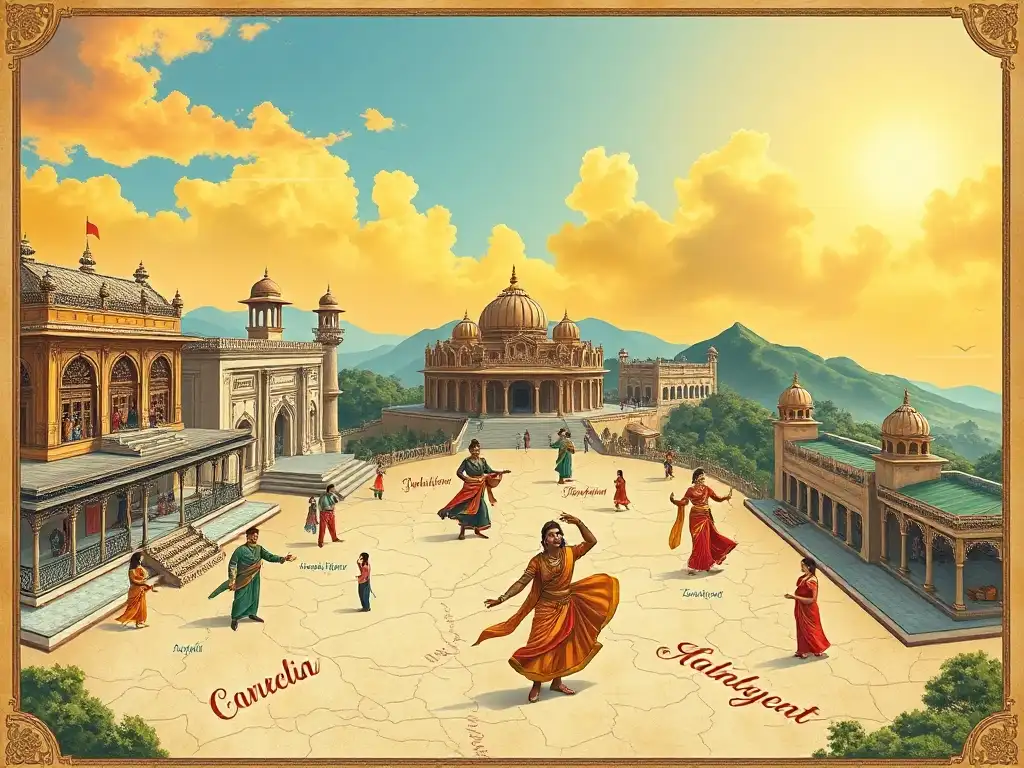
Ancient Indian Performance Venues in Different Eras
The performance venues of ancient India reflect the rich tapestry of cultural evolution across various eras. From the sophisticated city structures of the Indus Valley Civilization to the grand halls of the Maurya and Gupta periods, each era contributed uniquely to the development of performance arts. These venues not only served as spaces for artistic expression but also as critical social and religious centers, facilitating gatherings that reinforced community bonds and cultural narratives.
Indus Valley Civilization Venues
During the Indus Valley Civilization (circa 3300–1300 BCE), performance venues were primarily informal and closely tied to the domestic and communal spaces. Archaeological findings indicate that large public baths and open plazas served as potential gathering spots for communal activities, which may have included music and dance. The presence of figurines depicting dancers and musicians suggests that performance was an integral part of social life, although the exact nature of these performances remains speculative due to limited written records.
Key characteristics of Indus Valley performance venues include:
- Open Air Spaces: Likely used for community gatherings.
- Religious Contexts: Potentially linked to rituals and celebrations.
- Artifacts: Terracotta figurines and seals depicting musical instruments.
Maurya and Gupta Period Performance Spaces
The Maurya (322–185 BCE) and Gupta (c. 240–550 CE) periods marked a significant evolution in ancient Indian performance venues. This era saw the construction of more formal and elaborate spaces, such as theatres and temples specifically designed for performances.
- Theatres: The introduction of open-air theatres, often circular or semicircular, facilitated dramatic performances. These venues were typically adorned with intricate carvings and could accommodate large audiences.
- Temples: Temples became central to the cultural landscape, often featuring performance spaces where dance and music were integral to religious rituals. Notable temples, such as those at Khajuraho, showcase elaborate sculptures depicting dancers and musicians.
- Court Performances: The royal courts became prominent venues for performances, showcasing the talents of artists in front of kings and nobility, further elevating the status of performance arts in society.
Influence of Regional Variations on Venue Types
The diversity of ancient Indian performance venues was greatly influenced by regional variations, which shaped the architectural styles and cultural practices associated with performances.
South Indian Temples and Their Unique Features
In South India, temples served as the epicenter of cultural and artistic activities. These grand structures were not only places of worship but also venues for classical dance forms such as Bharatanatyam and music performances.
Key features include:
- Natya Mandapas: Specific halls within temples designed for performances, often featuring elaborate sculptures and intricate carvings.
- Annual Festivals: Temples hosted vibrant festivals that included dance and music, attracting large crowds and fostering community spirit.
- Sacred Space: The integration of performance with religious rituals added a spiritual dimension, enhancing the cultural significance of the venue.
North Indian Theatrical Traditions
In contrast, North India exhibited a different approach to performance venues, with a strong emphasis on folk traditions and storytelling.
- Open-air Gatherings: Villages held performances in open spaces, allowing for community participation. These gatherings often included folk dramas, music, and dance, reflecting local traditions and narratives.
- Kothi and Haveli: The mansions of wealthy patrons often served as venues for performances, where artists could showcase their talents in more intimate settings.
- Influence of Mughal Culture: The Mughal Empire also influenced North Indian performance venues, with the introduction of Persian arts and aesthetics, leading to the emergence of hybrid forms of theater and dance.
The performance venues of ancient India evolved significantly across different eras and regions, reflecting the cultural richness and diversity of the subcontinent. Understanding these venues provides insight into the broader context of ancient Indian performance arts and their lasting legacy.
Cultural Significance of Venues in Ancient Indian Performances
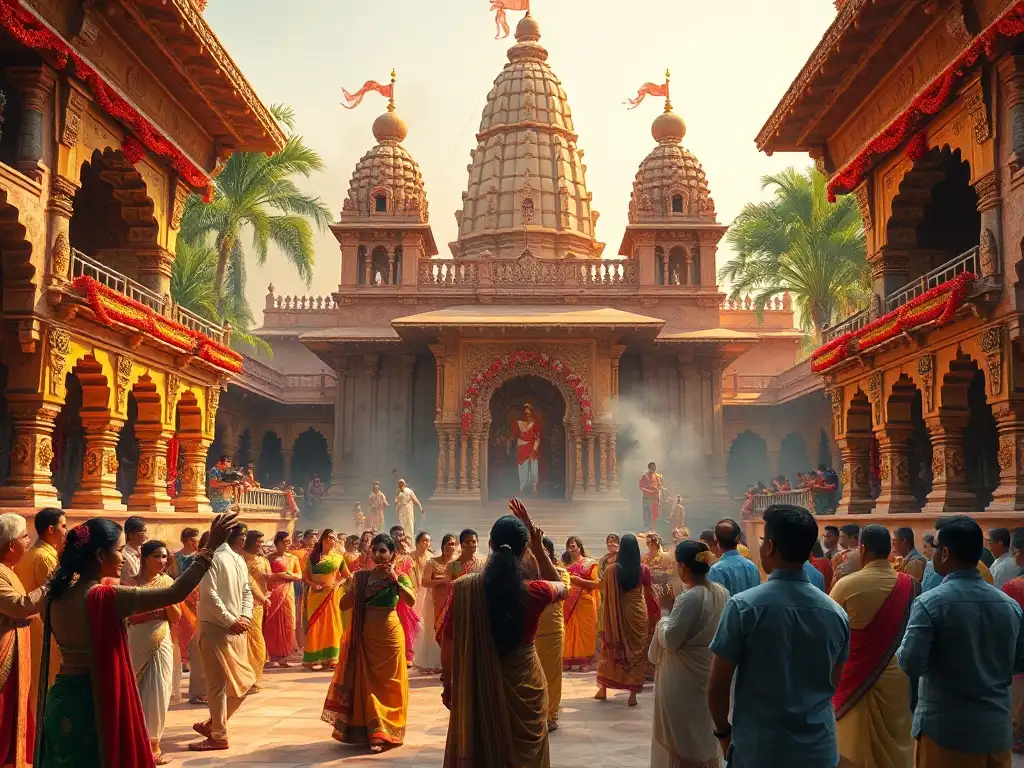
The cultural significance of venues in ancient Indian performances cannot be overstated. These spaces were not mere backdrops for artistic expression; they were integral to the very essence of the performances that took place within them. Each venue, whether a temple, an open-air amphitheater, or a royal court, contributed to the narrative and emotional impact of the performances.
Connection Between Venue and Performance Style
The architectural design and cultural context of ancient Indian performance venues greatly influenced the style of the performances themselves. For instance:
- Temples: Many performances were held in temple courtyards or sanctuaries, where the sacred space enhanced the spiritual experience of the audience. The use of intricate sculptures and carvings created a visual feast, complementing the dance and music. This connection between the divine and the performance often led to ritualistic presentations, where the art form was seen as a form of worship.
- Open-Air Amphitheaters: These venues were designed for grand spectacles, accommodating larger audiences. The performances here were typically more theatrical, engaging the audience through dramatic storytelling, elaborate costumes, and vibrant music. The open setting allowed for the use of natural acoustics and incorporated elements of nature into performances.
- Royal Courts: In the courts of kings and nobles, performances were often a display of power and prestige. The style was more formal, with an emphasis on classical dance and music forms like Bharatanatyam or Kathak. Here, the performances served not only as entertainment but also as a medium for political commentary and social reflection.
This relationship between venue and performance style illustrates how the physical space can shape the artistic expression, allowing for different interpretations and experiences of the same art form.
Audience Interaction and Experience in Ancient Venues
Audience interaction was a vital aspect of ancient Indian performance venues, influencing the overall experience of the spectators. Various elements contributed to this interactive dynamic:
- Proximity to Performers: In smaller venues, such as temple courtyards, the audience often sat close to the performers, which fostered a sense of intimacy. This closeness allowed for direct engagement, where spectators could respond with applause, chants, or even participate in the performance itself.
- Participatory Elements: Many performances invited audience participation, whether through clapping, singing along, or following specific rhythms. This interaction made the audience feel like co-creators of the experience, enhancing their emotional investment in the performance.
- Cultural Context: The cultural significance of the performance venue also shaped how audiences interacted with the events. For instance, performances during festivals in temple settings were often communal celebrations, reinforcing social bonds and collective cultural identity.
- Atmosphere and Ritual: The ambiance of a venue played a crucial role in shaping the audience's experience. Sacred spaces imbued with spirituality created a unique atmosphere that elevated the performance from mere entertainment to an immersive spiritual experience.
The venues of ancient Indian performances were not only physical locations but also cultural hubs that shaped the art forms and influenced audience experiences. Their significance continues to resonate in contemporary discussions about performance arts and their role in society.
Preservation and Legacy of Ancient Indian Performance Venues
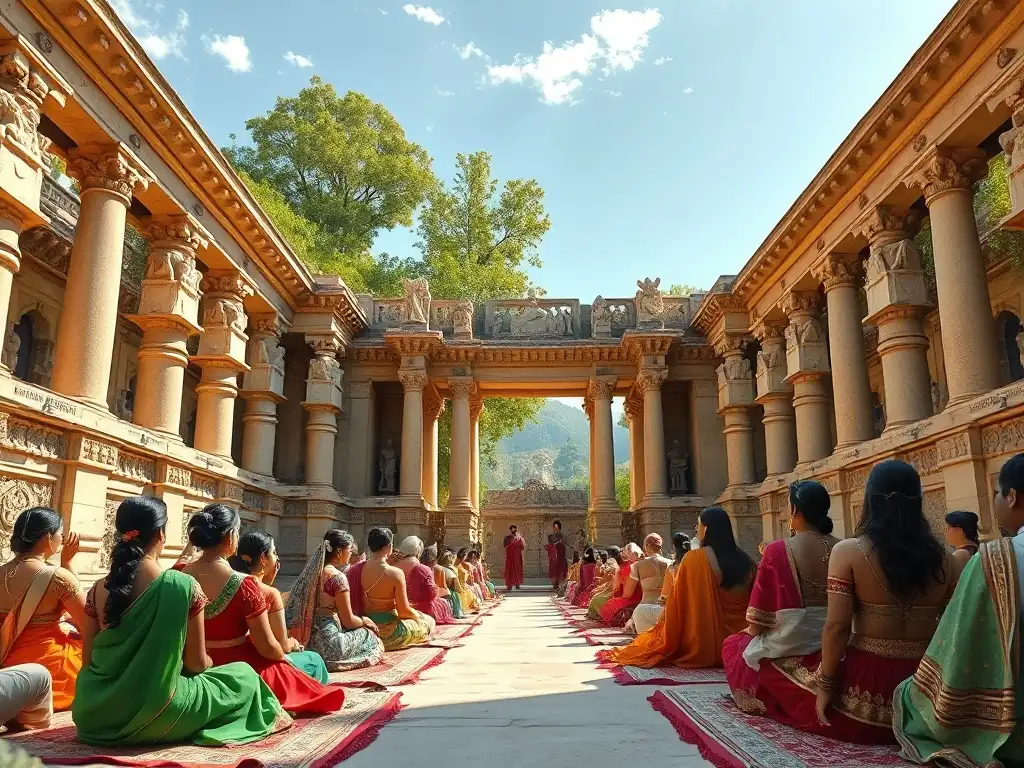
The preservation and legacy of ancient Indian performance venues reflect the enduring cultural significance of these sites in India's historical narrative. From grand temples to open-air theaters, these venues not only hosted performances but also contributed to the socio-cultural fabric of their time. The architectural brilliance, artistic expressions, and the narratives embedded in these spaces have left an indelible mark on India's cultural landscape.
Archaeological Discoveries and Their Impact
Archaeological discoveries play a crucial role in understanding the ancient Indian performance venues. Sites like the Indus Valley Civilization reveal evidence of public gathering places, often associated with ritualistic performances. The excavation of Mohenjo-Daro and Harappa has uncovered structures that suggest the existence of performance spaces likely used for both entertainment and religious ceremonies.
- Examples of Key Discoveries:
- The Great Bath of Mohenjo-Daro: This structure might not be a performance venue per se, but its communal aspect hints at rituals that could have involved performance elements.
- Cave Temples of Ajanta and Ellora: These caves not only served as places of worship but also as venues for dance and drama, evidenced by the intricate carvings and frescoes depicting performances.
The impact of these discoveries extends beyond mere historical understanding; they serve as a foundation for modern interpretations of ancient practices. The study of these sites has led to a resurgence in interest in traditional performance arts, inspiring contemporary artists to revive ancient forms and techniques.
- Impact on Contemporary Culture:
- Reviving traditional dance forms like Kathak and Odissi in venues modeled after ancient spaces.
- Incorporating ancient storytelling techniques into modern theatrical performances.
Modern Interpretations of Ancient Performance Venues
Modern interpretations of ancient Indian performance venues often aim to recreate the ambience and spirit of the original spaces while adapting them to contemporary needs. This can be seen in the following aspects:
- Architectural Revival:
- Many modern theaters incorporate elements of ancient Indian architecture, such as ornate pillars and open-air designs, reminiscent of traditional venues. This blend of old and new creates a unique viewing experience that pays homage to the past.
- Cultural Festivals:
- Events like the Khajuraho Dance Festival celebrate ancient dance forms in the backdrop of historical temples, reviving the legacy of performance venues. This integration of historical sites with cultural performances fosters a deeper appreciation for ancient arts.
- Educational Initiatives:
- Institutions are now focusing on the educational aspects of ancient performance venues by organizing workshops and seminars that explore the history and significance of these sites. Programs that teach traditional performance arts in the context of their historical venues encourage a holistic understanding of the cultural heritage.
The journey from ancient performance venues to modern interpretations highlights a rich tapestry of continuity and change. The archaeological discoveries not only provide insight into the past but also inspire current and future generations to engage with the vibrant legacy of ancient Indian performance arts. With ongoing efforts to preserve and reinterpret these venues, ancient Indian performance continues to thrive, ensuring that the narratives of the past resonate within contemporary culture.
Conclusion: The Enduring Influence of Ancient Indian Performance Venues
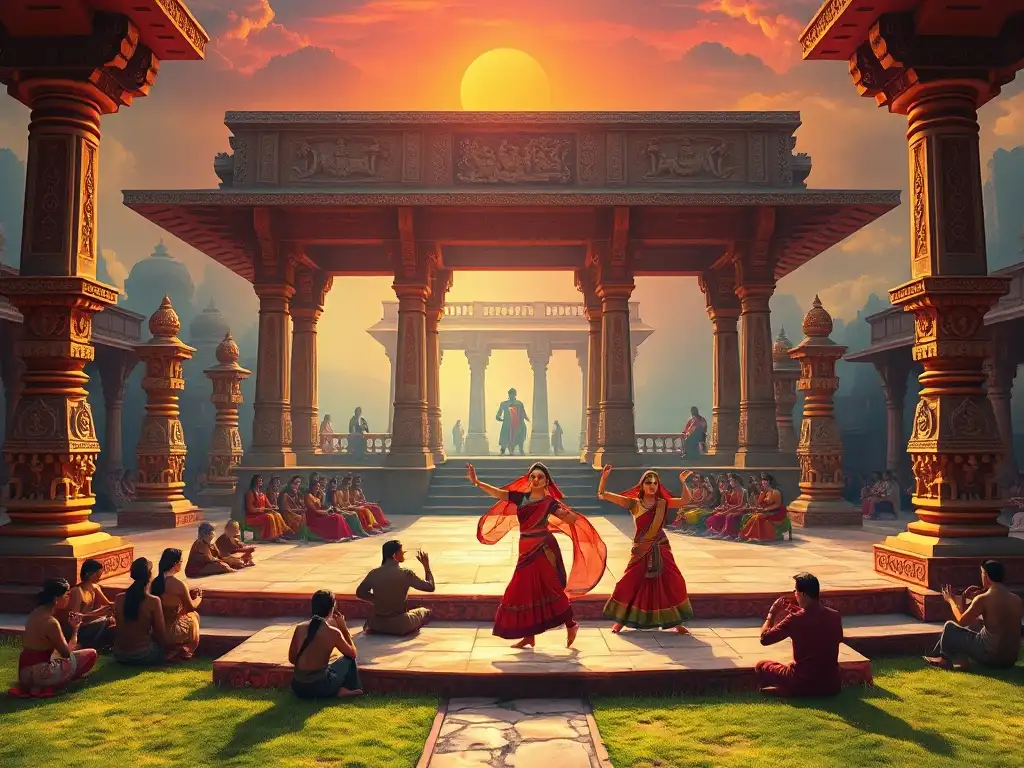
The legacy of ancient Indian performance venues is a testament to the rich tapestry of cultural expression that has shaped Indian civilization. From the intricate designs of temples to the grandeur of open-air theaters, these spaces were not merely stages but vital components of the social and spiritual life of their times. Ancient Indian performance venues facilitated the convergence of art, religion, and community, allowing for the flourishing of various performance arts, including dance, drama, and music.
The architectural styles and design principles of these venues have influenced modern performance spaces, underscoring the enduring impact of ancient traditions on contemporary artistic expressions. Understanding the significance of these spaces offers insights into the cultural dynamics of ancient India and highlights the importance of preserving such historical sites for future generations.
Reflection on the Transformation of Performance Spaces
The transformation of performance spaces in ancient India reflects the evolving nature of artistic expression and societal values. During the Vedic period, performances were held in open fields and sacred groves, emphasizing a close connection to nature and spirituality. As civilizations progressed, particularly during the Maurya and Gupta periods, dedicated venues like theaters and temples emerged, showcasing the sophistication of ancient Indian architecture and stagecraft.
This evolution can be categorized into several phases:
- Early Performance Venues:
- Open fields and natural settings were the primary locations for performances.
- Ritualistic and religious performances dominated, with an emphasis on community participation.
- Temple Theaters:
- Temples became central to both worship and performance, with sculptures and carvings depicting various dance forms and plays.
- The integration of performance arts within religious contexts provided a platform for storytelling and cultural expression.
- Classical Theaters:
- The establishment of formal theaters allowed for more structured performances, often with specific genres such as Sanskrit drama.
- Notable playwrights like Kalidasa contributed to this transformation, elevating the theatrical experience to new heights.
The reflection on these transformations reveals not only the adaptability of performance arts but also their ability to mirror the socio-political contexts of their time. Each shift in venue type has brought forth new styles, themes, and audiences, enriching the heritage of ancient Indian performance arts.
Future of Ancient Indian Performance Arts
As we look to the future, the preservation and revitalization of ancient Indian performance arts remain crucial. Contemporary artists and scholars are increasingly recognizing the importance of these traditions, often seeking to merge them with modern forms of expression. This fusion presents unique opportunities for innovation while honoring the rich history of ancient performance venues.
Key trends shaping the future of ancient Indian performance arts include:
- Revival of Traditional Practices:
- There is a growing movement to revive classical dance forms and theater styles that draw inspiration from ancient traditions.
- Workshops and festivals dedicated to ancient arts help educate new generations about their cultural heritage.
- Integration with Modern Technologies:
- Technology is being harnessed to create immersive experiences that bring ancient performances to life, such as virtual reality presentations and digital storytelling.
- This blend of tradition and modernity can attract younger audiences and broaden the reach of ancient performance arts.
- Cultural Exchanges:
- International collaborations are fostering a dialogue between ancient Indian performance arts and global artistic practices.
- Such exchanges promote a deeper understanding of cultural diversity and inspire new creative expressions.
The future of ancient Indian performance arts is bright, characterized by a dynamic interplay between tradition and innovation. By recognizing the value of ancient performance venues and nurturing their legacy, we can ensure that the rich cultural heritage of ancient India continues to thrive in contemporary society.
References
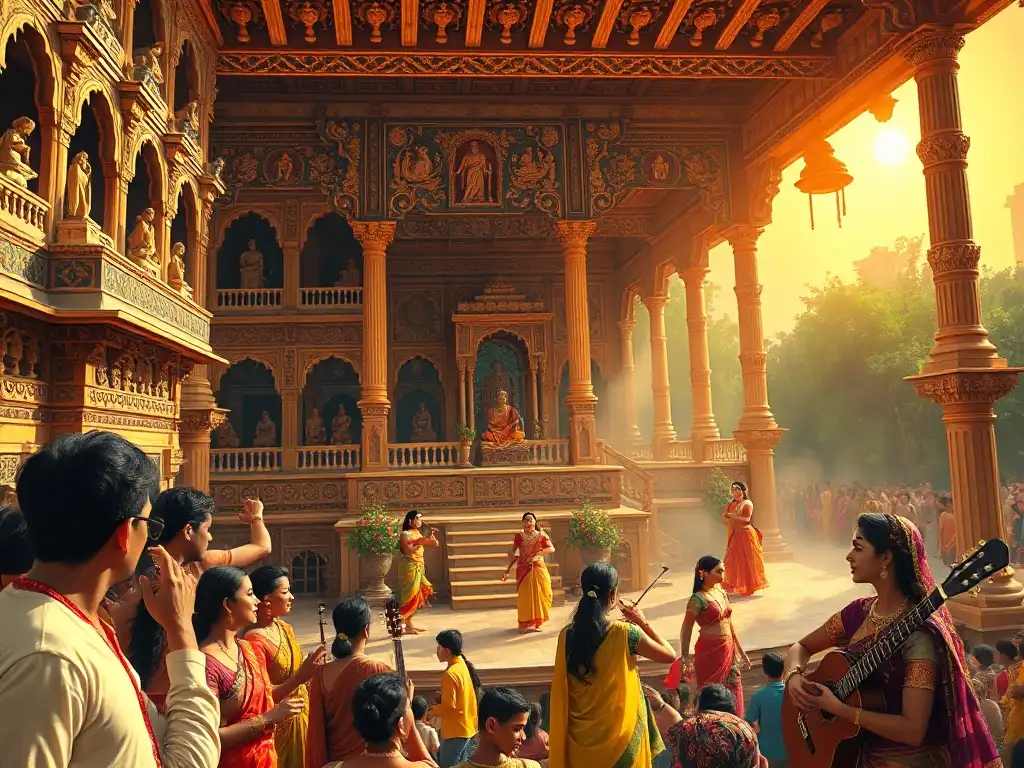
Ancient Indian performance venues are critical in understanding the cultural and artistic landscape of historical India. These venues were not merely physical spaces; they were vibrant hubs of artistic expression, community engagement, and spiritual significance. Below, we delve into suggested readings and key scholarly works that provide a deeper insight into this fascinating aspect of ancient Indian history.
Suggested Reading on Ancient Indian Performance Venues
- "The Art of Indian Theatre" by V. Raghavan
- This work explores the historical development of performance arts in India, with a special focus on various venues from ancient times, including temples and open-air stages.
- "Dancing in the Dark: A History of Indian Performance" by R. K. Sharma
- Sharma provides a comprehensive overview of Indian performance styles, emphasizing the different types of venues that supported these art forms.
- "Sacred Spaces: Theaters of the Ancient Indian World" by Meera Das
- This book investigates the intersection of sacred and secular spaces in ancient Indian performance, detailing how venues were integral to community rituals and artistic activities.
- "Ancient Indian Performance Venues: An Archaeological Perspective" edited by Sudhir K. Roy
- A collection of essays that examine archaeological findings related to performance venues, shedding light on their structure, purpose, and historical significance.
- "The Playwright's Path: Traditional Indian Theatre" by Anjali Mehta
- Mehta's work discusses the evolution of theaters in India, analyzing how the physical spaces shaped the narratives and performances of various playwrights.
Key Scholars and Works in the Field
- K. S. Shukla: Renowned for his research on ancient Indian theater, Shukla's studies often highlight the architectural elements of performance venues and their cultural implications.
- N. S. Rajaram: His analytical approach to ancient texts provides insights into the types of performances that took place and the social conditions surrounding these events.
- S. P. Kundu: Kundu's extensive fieldwork in regions known for historical performance venues has uncovered valuable information about their physical characteristics and use in ancient times.
- "The Role of Architecture in Indian Performance" by Priya Iyer
- This scholarly article examines how architectural features of ancient venues influenced the performance styles and audience engagement.
- "Ritual and Performance in Ancient India" by Arun S. Patil
- Patil explores the relationship between ritual practices and performance venues, emphasizing their multifunctional roles in society.
By exploring these readings and scholars, one can gain a comprehensive understanding of ancient Indian performance venues and their significance in the broader context of Indian art and culture.
Frequently Asked Questions
What were the primary performance venues in ancient India?
Ancient Indian performance venues included temples, theaters, and open-air stages, each serving as a space for various art forms and cultural expressions.
How did temples contribute to performance arts in ancient India?
Temples were not just places of worship; they served as cultural hubs where dance, music, and drama were performed as part of religious and social rituals, enhancing the spiritual experience.
What role did the Gupta Empire play in the evolution of performance venues?
The Gupta Empire is known for its patronage of arts, leading to the establishment of more sophisticated theaters and performance spaces that encouraged the growth of classical dance and drama.
Were there any notable performances associated with ancient Indian festivals?
Yes, many festivals featured dramatic performances, music concerts, and dance, often held in public squares or temples, reflecting the rich cultural heritage of ancient Indian civilizations.
How do ancient Indian performance venues influence modern Indian arts?
Ancient Indian performance venues laid the foundation for contemporary theaters and cultural spaces, continuing to inspire performance traditions and artistic expressions in modern India.
Final Reflection: The Enduring Legacy of Ancient Indian Performance Venues
The exploration of ancient Indian performance venues reveals a profound connection between culture and community that resonates powerfully today. As we navigate a world increasingly dominated by digital experiences, the significance of physical spaces that foster artistic expression and cultural exchange remains as vital as ever. The legacy of temples and theaters as centers of performance not only enriches our understanding of history but also underscores the importance of preserving such venues for future generations.
The influence of these ancient venues extends far beyond their historical context; they continue to shape our cultural landscape and inspire contemporary art forms. The intricate dance forms, theatrical performances, and musical traditions that originated in these sacred and communal spaces have evolved yet remain deeply rooted in their origins. As noted by the renowned scholar Rukmini Devi Arundale, Art is the expression of the human spirit, and it finds its most profound voice in the spaces that nurture it.
This sentiment captures the essence of how ancient performance venues have laid the groundwork for the vibrant artistic expressions we witness today.
As we reflect on the rich tapestry of ancient Indian performance venues, let us embrace the lessons they impart about community, creativity, and cultural heritage. I invite you to seek out and support local performance spaces, engage with the arts, and honor the traditions that have shaped our collective identity. By doing so, we not only celebrate the past but also contribute to a thriving cultural future, ensuring that the spirit of these ancient venues continues to inspire and uplift generations to come.
Unveil the Legacy of Ancient Indian Performances!
Thank you for taking the time to explore the captivating world of ancient Indian performance venues with us! Your curiosity about how spaces like temples and theaters shaped cultural expressions is invaluable. Now, it’s time to dive deeper into this rich heritage.
Take these actionable steps to further your journey:
- Visit a local exhibition or museum that highlights the art and performances of ancient India. Immerse yourself in the vibrant history of these cultural spaces.
- Engage with local performance groups or theater clubs that celebrate traditional styles. Witness how these age-old traditions continue to thrive today!
- Share your newfound insights with friends or on social media. Ignite discussions about the significance of preserving these ancient art forms!
What aspect of ancient Indian performances inspires you the most, and how will you integrate it into your life today?