
The Role of Patronage in the Flourishing of Ancient Indian Theater

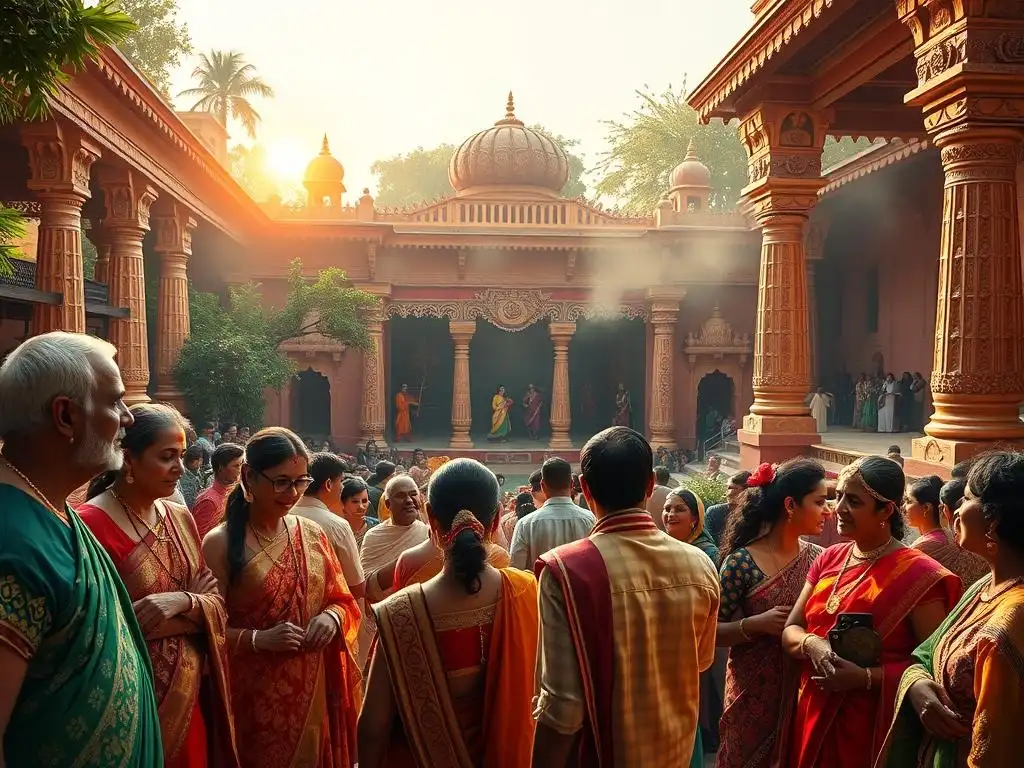
Welcome to Ancient India History, where we embark on a fascinating journey through the vibrant tapestry of ancient Indian civilizations. Have you ever wondered how the enchanting world of theater flourished against the backdrop of royal courts and cultural exchanges?
In our featured article, "The Role of Patronage in the Flourishing of Ancient Indian Theater," we delve into the intricate history of theater patronage and its profound impact on artistic expression during this remarkable era. Join us as we uncover the stories, influences, and legacies that shaped one of the most captivating art forms in ancient India, inviting you to explore the depths of this rich cultural heritage.
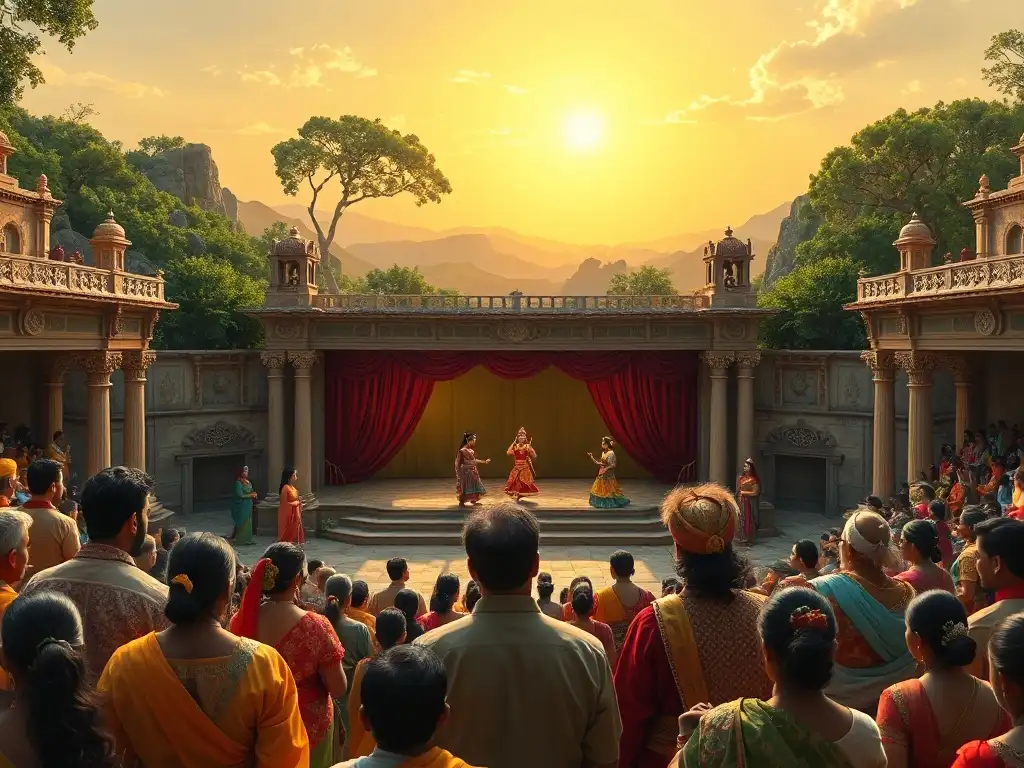
Introduction to Ancient Indian Theater Patronage
The interplay between patronage and the arts has been a significant factor in the development of cultural expressions throughout history. In the context of Ancient Indian theater, this relationship is particularly noteworthy. The flourishing of theater in ancient India was not merely a spontaneous phenomenon; it was deeply influenced by the patronage of various dynasties and influential individuals.
This article delves into the intricate history of ancient Indian theater patronage, exploring how different rulers and social elites cultivated the arts, thereby shaping the theatrical landscape from the early Indus Valley civilization through to the Gupta Empire. Understanding this dynamic not only highlights the importance of patronage in fostering artistic endeavors but also sheds light on the cultural richness and diversity of ancient Indian society.
Overview of Ancient Indian Theater
Ancient Indian theater was characterized by its multifaceted nature, encompassing various forms such as dance, drama, and music. It served not only as a form of entertainment but also as a medium for storytelling, religious expression, and moral instruction. Theatrical performances often drew from epic tales like the Mahabharata and Ramayana, as well as from local folklore and historical events.
Key features of ancient Indian theater include:
- Dramatic texts: Works such as Natya Shastra, attributed to the sage Bharata Muni, laid down the foundational principles of dramatic arts, including performance techniques, stagecraft, and the emotional expressions of actors.
- Diverse performances: Theatrical forms varied widely across regions, integrating local traditions and customs.
- Religious significance: Many performances were associated with rituals and festivals, reinforcing the connection between theater and spirituality.
Definition of Patronage in the Cultural Context
In the cultural context, patronage refers to the support, encouragement, and sponsorship given by individuals, institutions, or governments to artists and performers. This support can manifest in various forms, including financial assistance, the provision of venues, or the granting of social status and recognition. In ancient India, patronage played a crucial role in the survival and growth of theater, as it provided the necessary resources for artists to innovate and produce their work.
Notable aspects of patronage in ancient Indian theater include:
- Economic support: Funding for productions, including costumes, sets, and actors’ livelihoods.
- Social endorsement: Rulers and aristocrats often publicly endorsed theatrical performances, elevating their cultural significance.
- Cultural exchange: Patronage facilitated the blending of different regional styles and traditions, enriching the theater landscape.
Historical Context of Ancient Indian Theater Patronage
The history of ancient Indian theater patronage is marked by distinct phases, each influenced by the prevailing political and social structures. Understanding this historical context is essential to appreciate the evolution of theater in ancient India.
The Indus Valley Civilization and Early Performative Arts
The Indus Valley Civilization, one of the world's earliest urban cultures (circa 2500–1900 BCE), laid the groundwork for performative arts in India. While specific evidence of theater is scarce, archaeological findings suggest that ritualistic and communal performances were integral to their cultural expression.
Key points to note:
- Artifacts: Terracotta figurines and seals depict dancers and musicians, indicating that performance arts were valued.
- Ritual practices: Early forms of drama might have emerged from religious rituals and ceremonies, fostering community bonds.
Patronage Dynamics during the Mauryan Empire
The Mauryan Empire (circa 322–185 BCE) marked a significant shift in the patronage of the arts, particularly under the reign of Ashoka the Great. Ashoka's commitment to Buddhism and the arts led to the flourishing of various cultural forms, including theater.
Highlights of this era include:
- Royal sponsorship: Ashoka’s patronage of Buddhist plays facilitated the integration of moral and spiritual themes into theater.
- Cultural exchange: The Mauryan Empire's extensive trade networks allowed for the introduction of diverse theatrical influences from neighboring regions.
The Gupta Empire: A Golden Era for Theater and Arts
The Gupta Empire (circa 240–550 CE) is often referred to as the Golden Age of India, where arts and culture thrived under the auspices of powerful rulers like Chandragupta II. This period witnessed unprecedented advancements in theater, literature, and performance arts.
Key characteristics of this golden era include:
- Increased patronage: Rulers actively supported various art forms, leading to the production of significant works such as Shakuntala by Kalidasa.
- Institutionalization of theater: The establishment of formal theater companies and performance venues contributed to the professionalization of the arts.
The role of patronage in ancient Indian theater is a testament to the intricate relationship between power and culture. As we explore this history further, we will uncover the specific contributions of various dynasties and the lasting impact of their support on the theatrical traditions of ancient India.
Key Patrons of Ancient Indian Theater
The flourishing of ancient Indian theater can be largely attributed to the various patrons who supported and nurtured the art form. These patrons played a crucial role in creating an environment where theater could thrive, providing not only financial backing but also resources and venues necessary for productions. The patrons of ancient Indian theater can be broadly categorized into three main groups: royal patrons, religious institutions, and wealthy merchants and artisans.
Royal Patronage: Kings and Rulers Supporting the Arts
Throughout ancient Indian history, kings and rulers played a vital role in the patronage of theater. Monarchs such as Chandragupta II and Harsha are well-documented for their support of various art forms, including theater. These rulers often organized grand performances at their courts, inviting renowned playwrights and actors to showcase their talents. This royal patronage not only provided a platform for theatrical expressions but also set a precedent for the significance of theater in the cultural life of the time.
Moreover, the royal courts served as centers of artistic innovation, where new plays were commissioned, and traditional forms were adapted to reflect contemporary societal themes. This dynamic interaction between rulers and artists fostered a vibrant theatrical culture, encouraging the exploration of diverse narratives and performance styles.
Religious Institutions as Patrons of Theater
Religious institutions also played a significant role in the patronage of ancient Indian theater. Temples and monasteries often hosted theatrical performances as part of religious festivals and rituals. These performances were not only meant for entertainment but also served to convey religious teachings and moral lessons. The intertwining of theater and spirituality highlighted the importance of drama in communicating complex philosophical and ethical ideas.
In many cases, the patronage from religious institutions involved the sponsorship of specific theatrical troupes, which would perform plays that depicted stories from sacred texts like the Mahabharata and Ramayana. This symbiotic relationship between religion and theater enriched both fields, allowing for a deeper exploration of cultural narratives and sacred traditions.
The Role of Wealthy Merchants and Artisans
Wealthy merchants and artisans also contributed significantly to the patronage of ancient Indian theater. As trade flourished in various regions, particularly during the Gupta period, affluent individuals began to recognize the cultural value of supporting the arts. These patrons provided financial resources for theatrical productions, enabling playwrights and performers to create and showcase their work.
In addition to funding, these merchants often facilitated the construction of performance venues, such as open-air theaters and temporary stages for festivals. Their involvement not only helped sustain theater as an art form but also established a broader audience base, as performances became accessible to the general public rather than being limited to royal courts or religious ceremonies.
Forms of Patronage in Ancient Indian Theater
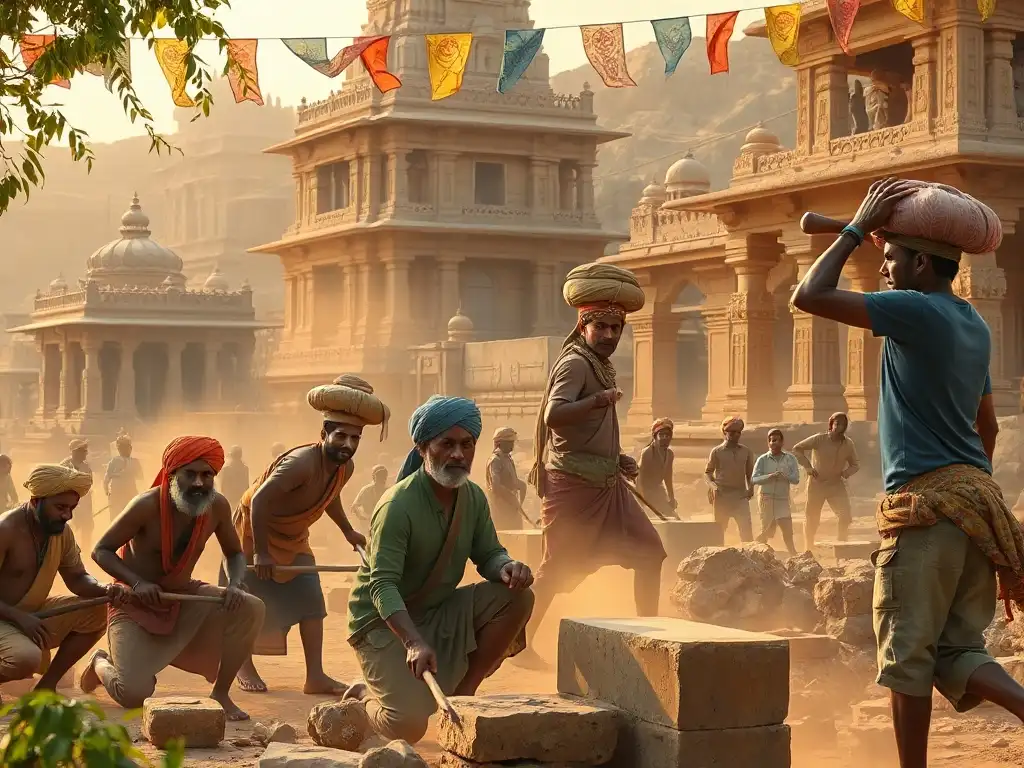
The patronage of ancient Indian theater took various forms, each contributing uniquely to the development and sustainability of the art form. Understanding these forms helps illuminate the mechanisms through which theater flourished in ancient India.
Financial Support: Funding Productions and Performances
Financial support was one of the most critical aspects of patronage in ancient Indian theater. Patrons provided the necessary funds for the production of plays, covering costs such as costumes, props, and stage construction. This financial backing allowed playwrights to experiment with new themes and styles, leading to a rich diversity of theatrical works.
Moreover, the patronage often included funding for the training of actors and musicians, ensuring that the quality of performances remained high. By investing in the arts, patrons not only enhanced their own status but also contributed to the cultural legacy of their time.
Providing Venues: Theatres and Performance Spaces
Providing appropriate venues for theatrical performances was another essential form of patronage. Access to well-constructed theaters, often adorned with intricate carvings and artistic embellishments, allowed for larger audiences and more elaborate productions. Many of these venues were strategically located near temples or in bustling marketplaces, attracting both local and traveling spectators.
The support of patrons in establishing these performance spaces was crucial in fostering a vibrant theatrical community. In addition to theaters, informal performance spaces, such as village squares or courtyards, also played a significant role in making theater accessible to wider audiences, promoting a culture of public engagement with the arts.
Sponsorship of Artists: Supporting Playwrights and Actors
The sponsorship of individual artists, including playwrights, actors, and musicians, was a key component of patronage in ancient Indian theater. By providing stipends or commissions, patrons ensured that talented individuals could dedicate their time and skills to the craft of theater. This support often extended beyond financial assistance to include mentorship and career development opportunities.
Such sponsorship not only helped artists hone their craft but also facilitated the creation of lasting works that would influence future generations. The legacy of playwrights like Bhasa and Kalidasa, for instance, can be traced back to the patronage they received, which allowed them to produce some of the most celebrated plays in ancient Indian literature. This nurturing of talent was instrumental in the evolution and richness of ancient Indian theater.
Impact of Patronage on the Development of Ancient Indian Theater
Patronage played a pivotal role in the evolution of ancient Indian theater, shaping its themes, styles, and regional diversity. The support of rulers, wealthy patrons, and religious institutions not only provided the necessary financial resources for performances but also influenced the content and presentation of theatrical works. This patronage led to a vibrant theatrical culture that was integral to the social and political life of ancient India, allowing artists and playwrights to thrive while exploring complex narratives and artistic expressions.
The backing of patrons often meant that theater was no longer just an entertainment medium but a significant cultural phenomenon intertwined with the political and spiritual dimensions of society. This relationship between theater and patronage fostered an environment where innovative ideas flourished, leading to the formation of distinct theatrical traditions across various regions of India.
Influence on Themes and Content of Plays
The themes and content of ancient Indian plays were deeply influenced by the socio-political landscape and the preferences of patrons. Rulers often commissioned works that glorified their reigns, depicted historical events, or celebrated religious myths. For instance, the famous playwright Kalidasa crafted plays that highlighted royal virtues and divine connections, such as in "Shakuntala," which explores themes of love and destiny.
Moreover, the patron's faith or ideology often dictated the subject matter of the plays. Theater became a medium for conveying moral lessons, cultural values, and religious beliefs. For example, Buddhist patrons encouraged the incorporation of spiritual themes into performances, often depicting stories from the Jataka tales, which emphasized moral teachings and the path to enlightenment.
Enhancement of Artistic Techniques and Styles
Patronage not only facilitated the financial sustainability of theater but also spurred the enhancement of artistic techniques and styles. Wealthy patrons invested in the training of performers, the development of elaborate sets, and the refinement of musical accompaniment, which collectively elevated the theatrical experience.
The patronage of the Gupta period, for instance, saw significant advancements in the use of dramatic techniques, such as the integration of dance, music, and elaborate costumes into theatrical performances. This period is marked by a flourishing of artistic expression, where the interplay of various art forms created a rich tapestry of performance that captivated audiences.
Additionally, the competition among patrons to host grand performances led to a continual evolution of styles, with playwrights experimenting with different narrative forms and dramatic structures. As a result, the theater became a dynamic and ever-changing art form, reflecting the tastes and aspirations of its supporters.
Growth of Regional Variations in Theater
The diverse patronage across different regions contributed to the growth of regional variations in ancient Indian theater. Each region cultivated its unique theatrical traditions, influenced by local customs, languages, and cultural practices. For instance, the influence of Tamil patrons during the Chola dynasty led to the emergence of distinct forms of theater, such as "Kavadi Chindhu," which integrated traditional music and dance, showcasing local narratives and folklore.
Similarly, in the northern regions, the patronage of Mughal emperors fostered the development of Persian-influenced theatrical forms, blending elements of Indian storytelling with Persian aesthetics. This regional diversification enriched the overall landscape of ancient Indian theater, allowing it to evolve into a multifaceted art form that appealed to various audiences.
Case Studies of Notable Patronage in Ancient Indian Theater
The Role of King Harsha in Promoting Theater Arts
King Harsha, who ruled during the 7th century CE, was a prominent patron of the arts, including theater. His court attracted numerous poets, playwrights, and artists who contributed to the flourishing of cultural life. Harsha himself was a playwright and is credited with works like "Nagananda," which showcased the intertwining of drama and spirituality.
Under Harsha's patronage, elaborate theatrical performances became a staple of royal courts, often involving grand spectacles that combined storytelling, dance, and music. His support not only provided the necessary resources for artistic endeavors but also legitimized theater as a respectable and significant form of cultural expression.
Patronage by Buddhist Monasteries: An Example from Nalanda
Buddhist monasteries, particularly those like Nalanda, played a crucial role in the patronage of theater during ancient times. These establishments served as centers of learning and culture, where theatrical performances were often organized to disseminate Buddhist teachings and engage the community.
The performances held at Nalanda often included moral narratives, utilizing drama as a vehicle for education and spiritual reflection. The monks and patrons recognized the potential of theater to convey complex philosophical ideas, making it an integral part of the monastery's cultural repertoire. This blend of education and entertainment helped to foster a vibrant theatrical tradition that resonated with both monks and lay audiences.
The Influence of the Chola Dynasty on Performing Arts
The Chola dynasty, which flourished in southern India from the 9th to the 13th centuries, is renowned for its significant contributions to the performing arts, particularly theater. Chola rulers actively supported various forms of artistic expression, including dance dramas and folk performances, which were often performed during temple festivals and royal ceremonies.
The Chola dynasty's patronage led to the development of classical forms of theater, such as "Natyashastra," which combined dance, music, and drama into cohesive performances. This era also saw the rise of temple-based performances, where theatrical art became intertwined with religious rituals, further enriching the cultural fabric of ancient Indian theater.
The Chola dynasty's commitment to the arts not only preserved ancient traditions but also inspired future generations of artists and performers, ensuring the continuity and evolution of theater in the region.
Challenges Faced by Ancient Indian Theater Patronage
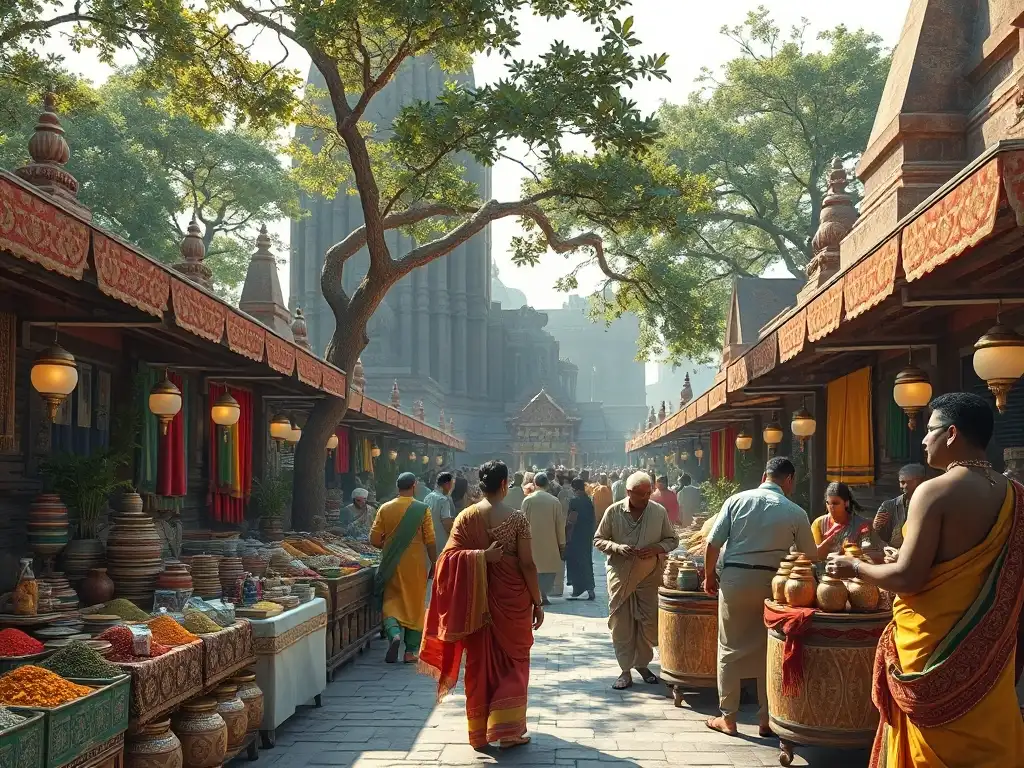
Ancient Indian theater patronage encountered several significant challenges that influenced its development and sustainability. These challenges were not only political but also cultural and economic, shaping the trajectory of theater arts in various regions.
Changes in Political Power and Their Impact on Arts
The political landscape of ancient India was marked by frequent changes in power due to the rise and fall of dynasties. Each new ruler brought with them different ideologies and priorities, which directly affected the patronage of the arts. For instance, during the Gupta Empire, there was a flourishing of cultural activities, including theater, supported by royal patronage.
However, with the decline of the Gupta rule, the fragmentation of power led to a decrease in consistent support for the arts. Local chieftains and regional kings often had varying levels of interest in theater, leading to an inconsistent patronage system that made it difficult for artists to thrive.
The Decline of Patronage with the Advent of Colonialism
The arrival of colonial powers in India marked a significant turning point for ancient theater patronage. The British colonial rule prioritized Western forms of education and entertainment, leading to a neglect of traditional Indian theater forms. This shift not only diminished financial support but also threatened the very survival of indigenous theatrical practices. Many patronage systems that had previously supported local artists were dismantled or redirected towards Western-style performances. Consequently, numerous traditional forms of theater struggled to maintain their relevance in a rapidly changing socio-political landscape.
Preservation of Theater Traditions Amidst Changing Times
Despite the challenges posed by political changes and colonial influences, many ancient Indian theater traditions found ways to persist and adapt. Artists and playwrights often drew upon their rich cultural heritage to reinvent their performances, integrating contemporary themes while retaining traditional narratives. Local communities played a vital role in preserving these art forms, often supporting theater through informal patronage and community gatherings. Additionally, the establishment of cultural organizations and the revival of interest in indigenous arts during the late 19th and early 20th centuries helped to safeguard the legacy of ancient Indian theater.
Conclusion: The Legacy of Patronage in Ancient Indian Theater
The role of patronage in ancient Indian theater was multifaceted, leaving a lasting legacy that continues to influence the arts today. The patronage system was pivotal in not only fostering the development of theatrical forms but also in shaping the cultural narratives of the time.
Summary of Patronage's Role in Cultural Flourishing
Patronage was essential for the cultural flourishing of ancient Indian theater, facilitating the creation of diverse forms of performance art. Royal patrons, local chieftains, and community support collectively contributed to a vibrant theatrical landscape that celebrated mythology, history, and social issues. This interplay between patronage and performance not only enriched the art form but also served as a reflection of societal values and beliefs throughout different periods.
Continuing Influence of Ancient Indian Theater Patronage on Modern Arts
The influence of ancient Indian theater patronage is still evident in contemporary Indian performing arts. Modern theater practitioners often draw inspiration from their ancestral roots, utilizing themes, narratives, and styles that originated centuries ago. Additionally, the concept of patronage has evolved, with state and private organizations now stepping in to support the arts, echoing the historical significance of patronage in fostering cultural expression. As a result, the legacy of ancient Indian theater continues to inspire a new generation of artists, ensuring that the rich traditions of the past resonate in the present and future.
References
The study of ancient Indian theater and its patronage is enriched by a variety of texts and scholarly works that delve into the intricacies of this vibrant art form. These resources provide a comprehensive understanding of the historical context, influential figures, and the societal frameworks that facilitated the growth of theater in ancient India.
Key Texts on Ancient Indian Theater Patronage History
-
"Natyashastra" by Bharata Muni
This foundational text on performing arts is believed to have been composed between 200 BCE and 200 CE. It outlines various aspects of theater, including performance techniques, the role of actors, and the importance of patronage in sustaining artistic endeavors. Bharata Muni emphasizes the relationship between the ruler and the artist, highlighting how royal patronage was essential for the flourishing of theater.
-
"The History of Indian Theatre" by Suresh Chandra
This book provides a detailed overview of the evolution of theater in India, focusing on the different eras and their respective cultural influences. It discusses the patronage by various kings and emperors, illustrating how their support shaped theatrical practices and the arts during specific periods.
-
"Plays of Ancient India" by R. C. Dhere
Dhere’s work examines some of the most significant plays and playwrights of ancient India. It delves into the socio-political factors that influenced theater and the patronage systems that allowed for the preservation and performance of these works. The text provides insights into the dynamics between playwrights, performers, and their patrons.
-
"Indian Classical Theatre: A Historical Perspective" by A. K. Ramanujan
This scholarly text offers an analytical perspective on classical Indian theater, exploring how patronage from aristocratic and royal families influenced theatrical traditions. Ramanujan highlights the interplay between theater and other art forms, emphasizing the importance of cultural patronage.
Suggested Further Reading on Ancient Indian Arts and Culture
-
"Art and Culture in Ancient India" by S. K. Sharma
This book provides a broad overview of the artistic expressions in ancient India, including theater, sculpture, and painting. It contextualizes how patronage played a crucial role in the development of various art forms, including their connection to religious and cultural practices.
-
"The Influence of Buddhism on Indian Art and Culture" by J. C. Harle
This text examines the impact of Buddhism on various aspects of Indian culture, including theater. It discusses how Buddhist patrons supported artistic endeavors, leading to a unique blend of spiritual and artistic expressions in ancient performances.
-
"Rasa: A Historical Study of Indian Aesthetics" by R. S. Sharma
Focusing on the concept of 'rasa' (emotional essence) in Indian aesthetics, this book explores its relevance in theater and performance arts. It also addresses the role of patrons in shaping these aesthetic principles and their application in various forms of artistic expression.
-
"The Cultural History of India" edited by V. S. Raghavan
This anthology covers a wide range of topics related to Indian culture, including theater, music, and dance. Through various essays, it highlights the significance of patronage in the arts and the ways in which cultural heritage has been preserved and evolved over time.
- Introduction to Ancient Indian Theater Patronage
- Historical Context of Ancient Indian Theater Patronage
- Key Patrons of Ancient Indian Theater
- Forms of Patronage in Ancient Indian Theater
- Impact of Patronage on the Development of Ancient Indian Theater
- Case Studies of Notable Patronage in Ancient Indian Theater
- Challenges Faced by Ancient Indian Theater Patronage
- Conclusion: The Legacy of Patronage in Ancient Indian Theater
- References
- What was the significance of patronage in ancient Indian theater?
- Which civilizations were known for their contributions to ancient Indian theater?
- How did royalty influence ancient Indian theater?
- What are some notable forms of theater that emerged in ancient India?
- How did ancient Indian theater contribute to cultural identity?
Frequently Asked Questions
What was the significance of patronage in ancient Indian theater?
Patronage played a crucial role in the development of ancient Indian theater by providing financial support and resources necessary for artists and performances to thrive.
Which civilizations were known for their contributions to ancient Indian theater?
The Indus Valley Civilization and the Gupta Empire are prominent examples, showcasing rich cultural expressions through theater, dance, and drama.
How did royalty influence ancient Indian theater?
Royalty often served as primary patrons, commissioning plays and performances that reflected their values, thereby shaping the theatrical landscape of the time.
What are some notable forms of theater that emerged in ancient India?
Ancient India saw the rise of various forms such as Natya Shastra and Sanskrit drama, which laid the foundation for classical Indian theater traditions.
How did ancient Indian theater contribute to cultural identity?
Theater in ancient India was instrumental in expressing and preserving cultural narratives, fostering a sense of community and identity through storytelling and performance.
Final Reflection: The Enduring Legacy of Ancient Indian Theater Patronage
The intricate relationship between patronage and the flourishing of ancient Indian theater is not merely a historical curiosity; it is a testament to the profound impact of cultural support on artistic expression. Today, as we navigate a world where the arts often struggle for funding and recognition, the lessons from ancient Indian theater patronage resonate more than ever. The vibrant tapestry of creativity woven through the support of kings, nobles, and communities serves as a powerful reminder of the vital role that patrons play in nurturing the arts.
The echoes of ancient Indian theater can still be felt in our contemporary cultural landscape, where the interplay between art and patronage continues to shape our artistic endeavors. The stories, performances, and traditions that emerged from this rich history remind us that art thrives when it is embraced and supported. As noted by the renowned scholar R. S. Sharma, Cultural patronage has always been the backbone of artistic innovation, fostering a spirit of creativity that transcends time.
This enduring influence highlights the importance of recognizing and valuing the contributions of patrons, both past and present, in the evolution of artistic forms.
As we reflect on the significance of ancient Indian theater patronage, let us consider our own roles in supporting the arts today. How can we become patrons of creativity in our communities? Whether through attending performances, funding local artists, or simply advocating for the importance of the arts, each of us has the power to contribute to a vibrant cultural ecosystem. Embrace the spirit of patronage, and let us ensure that the legacy of artistic flourishing continues to thrive for generations to come.
Unveil the Legacy of Ancient Indian Theater!
Thank you for diving into the rich world of Ancient Indian theater with us! We hope you found inspiration in learning about the vital role of patronage that allowed this cultural gem to flourish. Now, it's your turn to keep this legacy alive and explore further!
Here are some actionable steps you can take right now:
- Join a local theater group or participate in a workshop to experience the magic of the performing arts firsthand.
- Share this article with friends or on social media to spark conversations about the impact of patronage on culture.
- Research a notable patron from ancient times and discover how their support influenced artistic expressions.
As you reflect on the captivating history of theater, consider this: how can you contribute to nurturing the arts in your community today?