
Chandragupta Maurya: A Revolutionary Leader for His Time

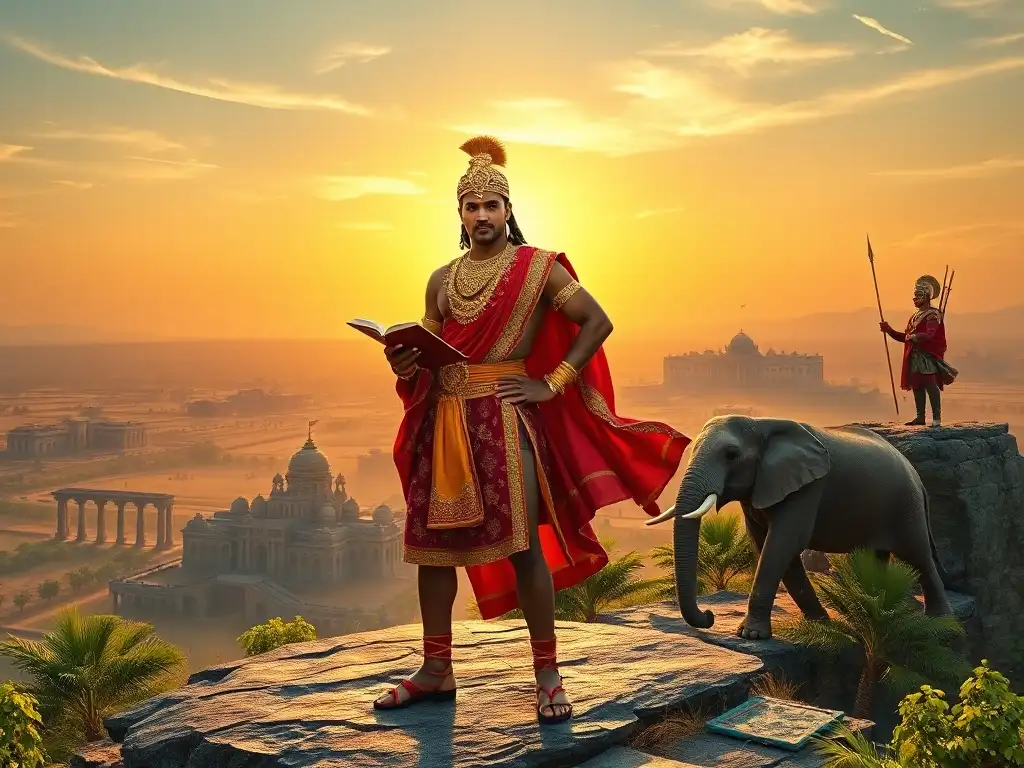
Welcome to Ancient India History, where we delve into the rich tapestry of civilization that shaped one of the world's oldest cultures. Our journey begins with an exploration of Chandragupta Maurya, a revolutionary leader whose contributions not only transformed his time but also laid the groundwork for future empires. Discover how his strategic brilliance and visionary governance influenced the course of history in ancient India. Are you ready to unlock the secrets of his legacy? Dive into our detailed examination of Chandragupta Maurya's contributions and uncover the profound impact he had on the world as we know it today!
- Introduction to Chandragupta Maurya
- Early Life of Chandragupta Maurya
- Rise to Power: Chandragupta Maurya's Journey
- Chandragupta Maurya's Contributions to History
- Cultural Contributions of Chandragupta Maurya
- Legacy of Chandragupta Maurya
- Conclusion: The Revolutionary Leader in Ancient India
- References
-
Frequently Asked Questions
- What are the key contributions of Chandragupta Maurya?
- How did Chandragupta Maurya impact the political landscape of ancient India?
- What role did Chanakya play in Chandragupta Maurya's success?
- How did Chandragupta Maurya contribute to trade and economy?
- What legacy did Chandragupta Maurya leave behind?
- Final Reflection: The Enduring Legacy of Chandragupta Maurya
- Unleash Your Inner Leader and Inspire Change!
Introduction to Chandragupta Maurya
Chandragupta Maurya stands as a monumental figure in the annals of ancient Indian history, representing a transformative force that shaped the very foundations of Indian civilization. As the founder of the Maurya Empire, he not only established one of the largest empires in ancient India but also initiated a series of political and administrative reforms that set the stage for future governance in the region. His contributions have left an indelible mark on the cultural and historical landscape of India, making him a pivotal character in the narrative of the subcontinent's past.
This article aims to delve into the life, achievements, and historical significance of Chandragupta Maurya, exploring how his leadership and vision revolutionized governance, culture, and society during his time. By examining his contributions, we can better understand the legacy he left behind and the broader context of his era, paving the way for the subsequent golden age of Indian civilization.
Overview of Chandragupta Maurya's Historical Significance
Chandragupta Maurya's historical significance is multifaceted, encompassing his role as a unifier of fragmented kingdoms, a strategic military leader, and a visionary ruler. He is credited with the following key contributions:
- Establishment of the Maurya Empire: Through a combination of military prowess and political acumen, Chandragupta successfully overthrew the Nanda Dynasty, thereby laying the groundwork for the Maurya Empire, which would later flourish under his grandson, Ashoka.
- Innovation in Governance: He implemented administrative reforms that enhanced the efficiency of governance. His approach to centralization and bureaucracy served as a model for future Indian rulers.
- Cultural Integration: Chandragupta's empire was notable for its cultural diversity, which he managed to integrate through policies promoting tolerance and the exchange of ideas.
- Military Strategies: His military campaigns, particularly against the Persian satraps, demonstrated his strategic brilliance and contributed to the expansion and stability of his empire.
These contributions illustrate not just the achievements of one leader, but the beginning of an era that would influence the course of Indian history for centuries to come.
The Era of Chandragupta Maurya: Context and Background
To fully appreciate the impact of Chandragupta Maurya, it is essential to understand the socio-political landscape of his time. The 4th century BCE was characterized by:
- Fragmented Kingdoms: India was divided into numerous small kingdoms and republics, often engaged in conflicts. This fragmentation created a power vacuum that Chandragupta capitalized on.
- Foreign Invasions: The incursions by Alexander the Great had destabilized the region, leading to a shift in power dynamics and creating opportunities for local leaders to assert control.
- Economic Conditions: The decline of the Nanda Dynasty left a significant economic void, which Chandragupta aimed to fill with effective resource management and trade expansion.
In this context, Chandragupta Maurya emerged not just as a conqueror, but as a reformer whose vision transcended mere territorial expansion. His leadership marked the beginning of a unified Indian state, fostering a sense of identity and culture that resonated throughout the subcontinent. The legacy of his era continues to be a focal point for historians, emphasizing the critical role he played in shaping ancient Indian civilization.
Early Life of Chandragupta Maurya
Birth and Family Background
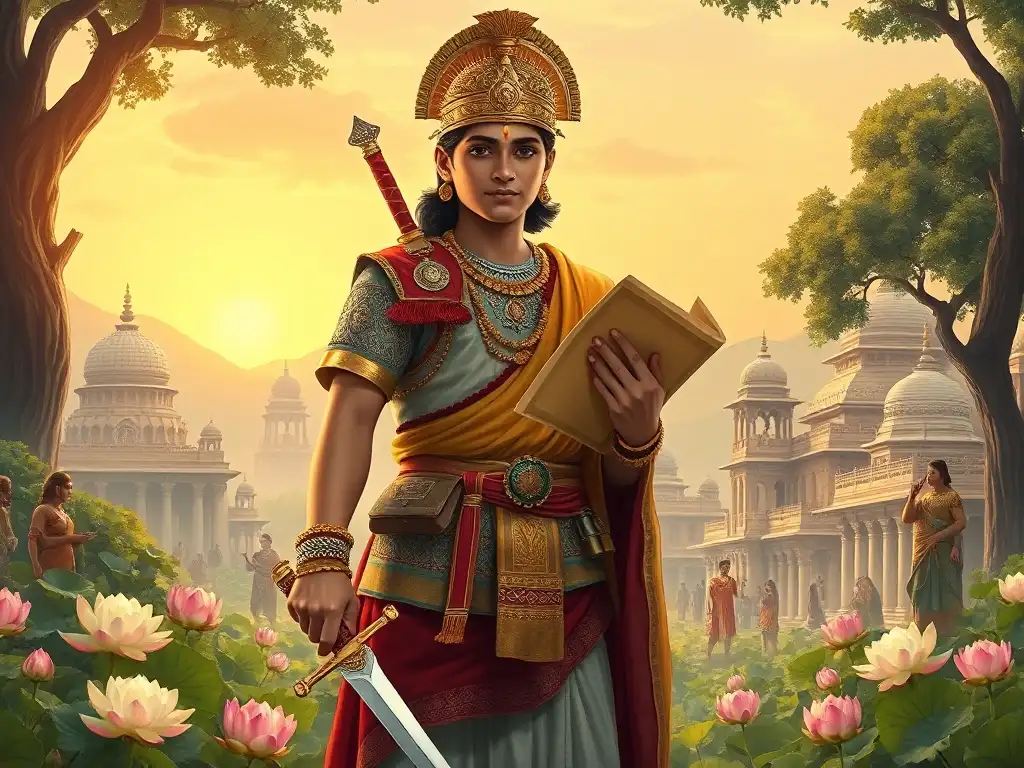
Chandragupta Maurya was born around 340 BCE in a humble family, possibly of the Kshatriya varna, in the region of present-day Bihar, India. His exact birthplace is still debated among historians, with some suggesting that he hailed from the village of Pataliputra, while others propose locations such as the town of Vaishali. His lineage is often linked to the Maurya dynasty, though there are varying accounts regarding his ancestry.
Chandragupta's family background was marked by modest means, but his family lineage is considered significant, as it would later play a crucial role in his ascent to power. The Mauryan family was believed to have connections to local rulers, which likely provided Chandragupta with early exposure to the dynamics of governance and conflict.
Despite the lack of extensive records regarding his childhood, it is known that Chandragupta was raised during a tumultuous period in Indian history, marked by the decline of the Nanda Empire and the growing influence of Alexander the Great in the region. This environment would profoundly shape his ambitions and aspirations.
Influences on His Early Life and Leadership Skills
Chandragupta's formative years were influenced by several key factors that developed his leadership skills and strategic mindset. Among these influences were:
- Mentorship by Chanakya: Perhaps the most significant influence in Chandragupta's early life was his encounter with Chanakya (Kautilya), a renowned Brahmin scholar and strategist. Disillusioned by the Nanda rule, Chanakya recognized Chandragupta's potential and took him under his wing. He provided not only military training but also guidance in statecraft and diplomacy, shaping Chandragupta into a formidable leader.
- Military Skills and Strategy: Growing up in a period of frequent conflicts, Chandragupta honed his military skills through practical experience. He learned the intricacies of warfare and army organization, which would later prove vital in his campaigns against the Nandas and foreign invaders.
- Inspiration from Historical Predecessors: Chandragupta was likely influenced by the stories of great Indian rulers and warriors who came before him, including the legendary King Ashoka and the heroic figures of the Mahabharata. These narratives instilled in him a sense of purpose and a desire to unify the fragmented Indian states.
- Socio-Political Environment: The socio-political landscape of ancient India, marked by disunity and instability, further motivated Chandragupta. He recognized the potential for a strong centralized rule and aimed to fill the power vacuum left by the Nanda Empire.
These influences combined to create a leader capable of ambitious vision and effective execution. Chandragupta's early life laid the foundation for his future as the founder of the Maurya Empire, setting the stage for significant contributions to Indian history.
Rise to Power: Chandragupta Maurya's Journey
The Formation of the Maurya Empire
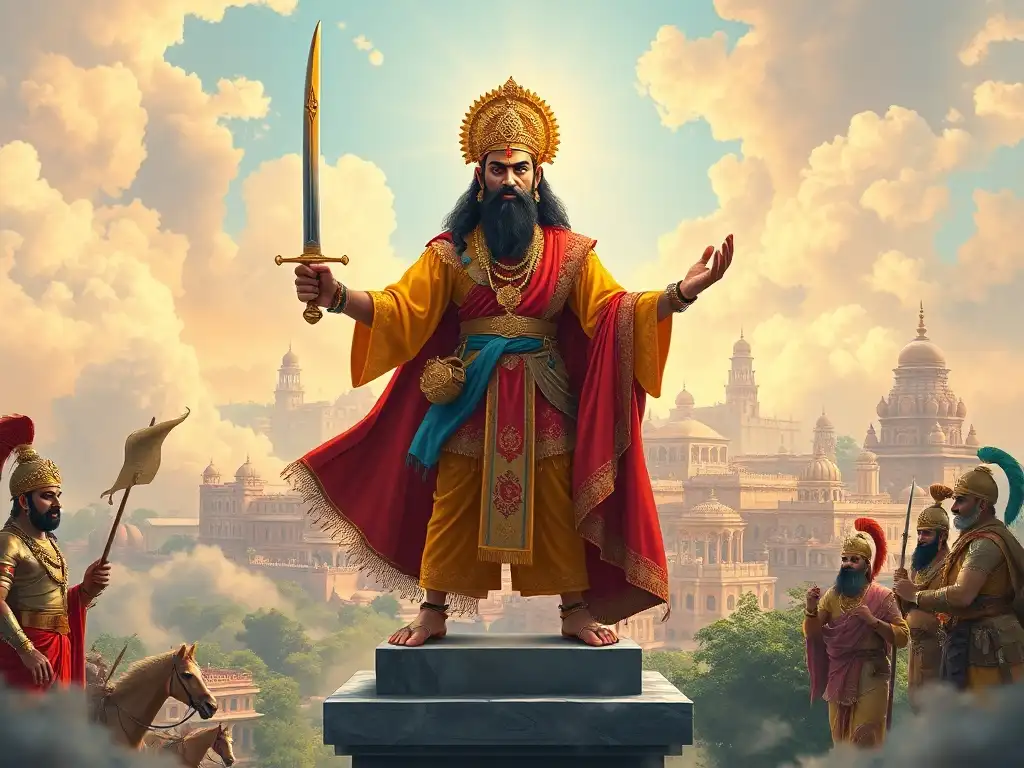
Chandragupta Maurya's rise to power marked the beginning of one of the most significant empires in ancient India, the Maurya Empire. This empire was notable for its vast territorial expansion and administrative sophistication. Chandragupta's journey began in the late 4th century BCE, a time characterized by political fragmentation and invasion from foreign powers, including the Macedonian armies of Alexander the Great.
Chandragupta, originally from the ancient kingdom of Magadha, capitalized on the weakened state of regional powers after Alexander's campaigns. He was influenced by the teachings of the great strategist Chanakya (Kautilya), who became his mentor and chief advisor. Chanakya's vision was to establish a unified Indian state and free the region from foreign influences. Together, they strategized to overthrow the ruling Nanda dynasty, which was seen as corrupt and inefficient.
Through a combination of guerrilla warfare and strategic alliances, Chandragupta and Chanakya gathered a formidable army. They utilized the discontent among the local population and factions within the Nanda dynasty, which enabled them to successfully challenge and defeat the Nandas. By 321 BCE, Chandragupta had secured his position as the ruler of Magadha, marking the official formation of the Maurya Empire.
Key Events Leading to His Ascension
Several key events played a critical role in Chandragupta Maurya's ascension to power:
- The Influence of Chanakya:
- Mentorship: Chanakya, who had been insulted by the Nanda king, became a pivotal figure in Chandragupta's rise. His strategic acumen and knowledge of political machinations provided Chandragupta with the necessary tools for leadership.
- Political Strategy: Chanakya's famous treatise, the Arthashastra, laid the groundwork for statecraft and military strategy, influencing Chandragupta's approach to governance.
- Guerrilla Warfare Tactics:
- Utilization of Resources: Chandragupta employed guerrilla tactics to weaken the Nanda forces, leveraging the terrain and local support to his advantage.
- Local Alliances: He formed alliances with various local rulers and tribal leaders, gaining essential support and resources that bolstered his military campaign.
- Defeating the Nandas:
- Battle Strategies: The decisive battles against the Nanda forces showcased Chandragupta's military prowess. Utilizing superior tactics and the element of surprise, he was able to dismantle the Nanda army effectively.
- Consolidation of Power: After the defeat of the Nandas, Chandragupta focused on consolidating his power by establishing a centralized administration that facilitated governance across his newly acquired territories.
- Engagement with Alexander’s Successors:
- Diplomatic Maneuvering: After Alexander's death, Chandragupta seized the opportunity to expand his influence. He engaged with the satraps left by Alexander, negotiating and sometimes confronting them to assert his dominance.
- Territorial Expansion: This period saw Chandragupta expand his empire beyond Magadha, incorporating parts of present-day Punjab and Bengal.
Chandragupta Maurya's contributions to history are not only marked by his military successes but also by his visionary leadership that laid the foundation for one of ancient India's most powerful empires. His methods and principles of governance would influence successive rulers and play a significant role in shaping the Indian subcontinent's political landscape.
Chandragupta Maurya's Contributions to History
Political Innovations and Administration
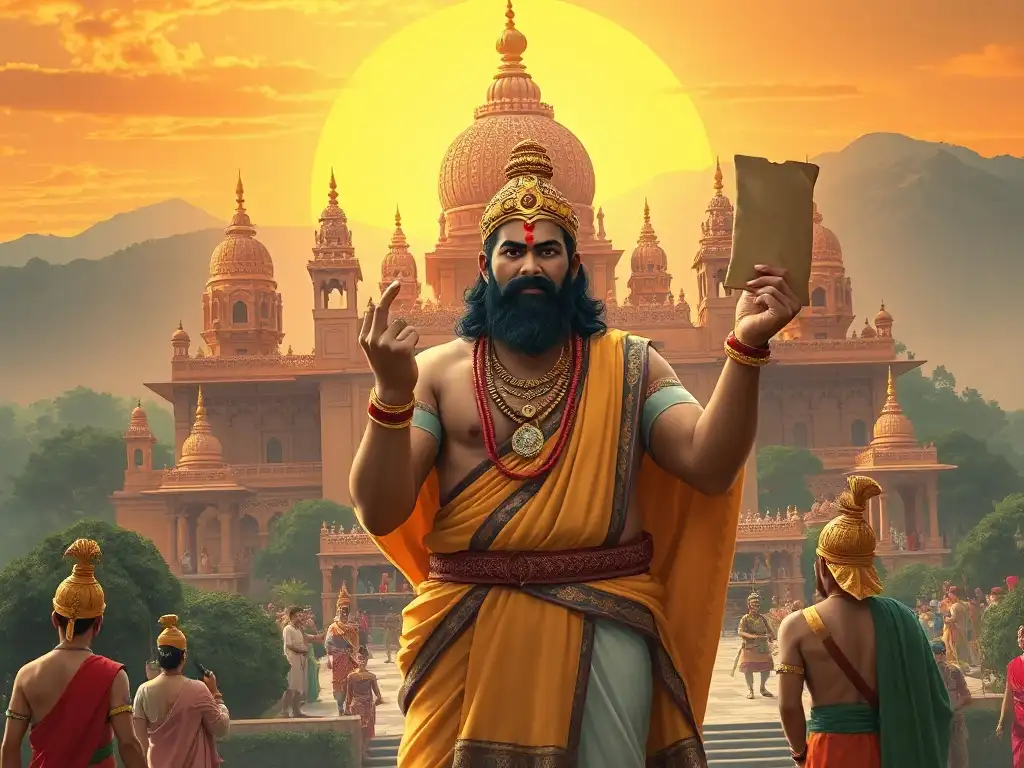
Chandragupta Maurya is renowned for his groundbreaking political innovations that fundamentally transformed the governance of ancient India. Upon establishing the Maurya Empire around 321 BCE, he implemented a centralized form of administration that brought together diverse regions under a unified governance structure. This was a significant shift from the fragmented states that characterized the period before his reign.
One of his major contributions was the creation of a bureaucratic system that allowed for efficient administration. He established various departments responsible for tax collection, law enforcement, and public works. This system enabled him to maintain control over vast territories, which stretched from modern-day Afghanistan to Bengal.
Additionally, Chandragupta introduced a codified set of laws, which were instrumental in standardizing governance across his empire. These laws, known as the "Arthashastra," were compiled by his advisor, Kautilya (Chanakya), and focused on statecraft, economic policy, and military strategy. The Arthashastra remains a vital source for understanding ancient Indian political philosophy and administrative practices.
Military Strategies and Conquests
Chandragupta Maurya's rise to power was marked by a series of military strategies and conquests that showcased his prowess as a military leader. His initial ascent began with the overthrow of the Nanda Dynasty, which had ruled much of northern India. Utilizing guerrilla warfare tactics, he capitalized on the element of surprise and local support to defeat the Nanda forces.
One of his most significant military achievements was the conquest of the northwestern territories, which included parts of present-day Pakistan and Afghanistan. Chandragupta engaged in strategic alliances with local rulers and employed a well-trained army that utilized elephants, cavalry, and infantry effectively. This not only expanded his empire but also secured trade routes that were crucial for economic prosperity.
His military campaigns culminated in a strategic peace treaty with Seleucus I Nicator, a general of Alexander the Great. This treaty not only solidified territorial gains but also facilitated cultural and economic exchanges between the Maurya Empire and the Hellenistic world.
Economic Reforms and Trade Expansion
Chandragupta Maurya understood the importance of a robust economy in sustaining his empire. His economic reforms played a pivotal role in enhancing trade and agricultural productivity. One of his key initiatives was the establishment of state-controlled trade routes, which facilitated the movement of goods across vast distances. This was crucial for connecting regions within his empire and promoting commerce with neighboring territories.
He also implemented agricultural reforms that encouraged increased production. This included the introduction of new farming techniques and the establishment of irrigation systems, which significantly improved crop yields. As a result, the Maurya Empire became a significant contributor to the agricultural economy of ancient India.
Furthermore, Chandragupta's reign marked the beginning of extensive trade with foreign lands. His empire engaged in trade with regions as far as the Mediterranean and Central Asia, exchanging spices, textiles, and precious metals. The economic stability fostered under his rule laid the groundwork for future prosperity and development during the subsequent reigns of his successors, particularly his grandson, Ashoka the Great.
Chandragupta Maurya's contributions to history not only shaped the political landscape of ancient India but also influenced military tactics and economic practices that would resonate throughout subsequent generations. His legacy as a revolutionary leader remains significant in the annals of Indian history.
Cultural Contributions of Chandragupta Maurya
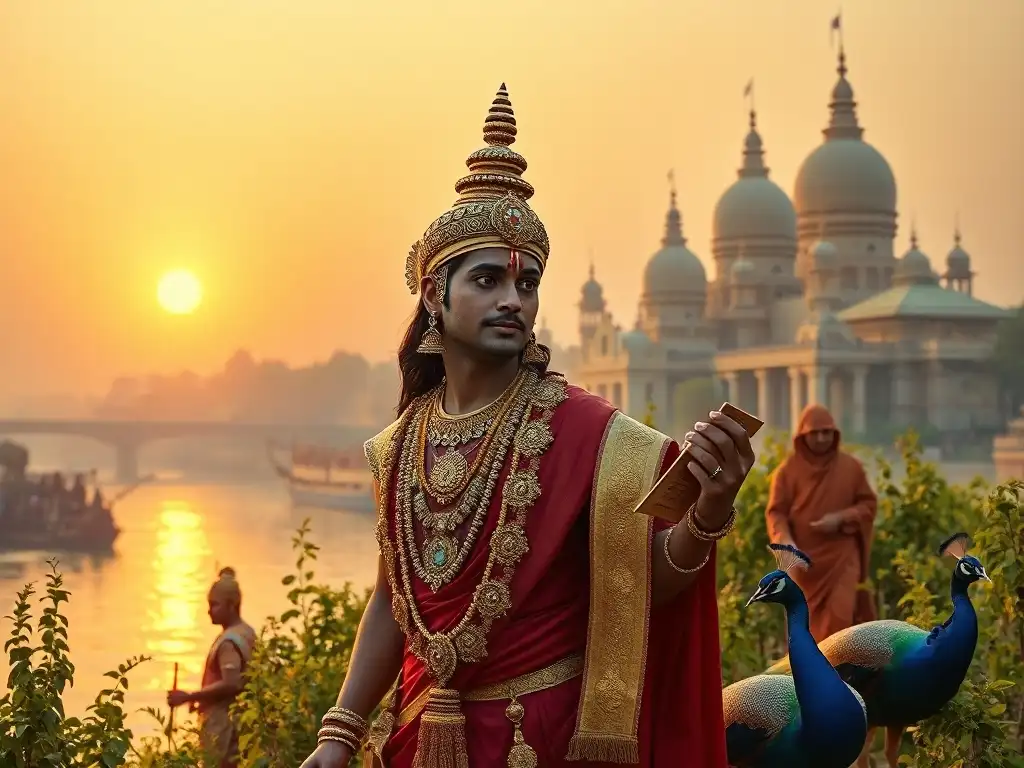
Chandragupta Maurya, the founder of the Maurya Empire, was not only a formidable military leader but also a visionary who made significant cultural contributions that shaped the history of ancient India. His reign marked a pivotal moment in Indian history, characterized by advancements in art, architecture, religion, and philosophy. These contributions played a crucial role in the evolution of Indian civilization and left an enduring legacy that would influence generations to come.
Promotion of Art and Architecture
Under Chandragupta Maurya's rule, the Maurya Empire witnessed a remarkable flourishing of art and architecture. This period saw the emergence of distinct styles that combined various regional influences, leading to a rich tapestry of artistic expression.
- Stupas and Pillars: One of the most notable architectural achievements of this era was the construction of stupas and pillars. The Ashoka Pillars, commissioned by Chandragupta's grandson Ashoka, were monumental stone structures that featured intricate carvings and inscriptions. These pillars not only served religious purposes but also acted as edicts conveying moral and ethical messages to the populace.
- Urban Planning: Chandragupta's capital, Pataliputra, is a testament to advanced urban planning. The city was strategically designed with administrative buildings, residential quarters, and market areas, reflecting an organized approach to governance. This emphasis on urban infrastructure facilitated trade and cultural exchange, promoting economic prosperity.
- Influence of Persian and Greek Art: The interactions with Persian and Greek civilizations, particularly after Alexander the Great's invasion, greatly influenced the artistic styles in India. This cross-cultural exchange led to the incorporation of new motifs, techniques, and materials in sculpture and architecture, enriching the Indian artistic landscape.
- Religious Architecture: The Maurya period also saw the establishment of various religious structures, including temples dedicated to Hindu deities and monasteries for Buddhist monks. This blend of religious architecture highlighted the coexistence of different faiths during Chandragupta's reign, fostering a culture of tolerance and diversity.
Influence on Religion and Philosophy
Chandragupta Maurya's reign significantly impacted the religious and philosophical landscape of ancient India, setting the stage for profound transformations in thought and practice.
- Patronage of Buddhism: Although Chandragupta is often associated with Hindu traditions, he played a pivotal role in the spread of Buddhism. His conversion to Buddhism later in life, influenced by the teachings of Jain monk Bhadrabahu, encouraged the establishment of monasteries and the promotion of Buddhist principles. This patronage contributed to Buddhism's growth as a major religion in India and beyond.
- Philosophical Thought: The Mauryan period was marked by a flourishing of philosophical discourse. Chandragupta's administration was known for supporting scholars and thinkers who engaged in debates on ethics, governance, and the nature of reality. This intellectual environment laid the groundwork for future philosophical schools, including those that emerged during the Gupta period.
- Integration of Diverse Beliefs: Chandragupta's policies promoted an atmosphere of religious pluralism. By recognizing and accommodating various beliefs, including Jainism and early forms of Hinduism, he fostered a society that valued diversity in thought and practice. This approach not only strengthened social cohesion but also enriched the cultural tapestry of the empire.
- Legal Framework and Ethics: Chandragupta’s governance, influenced by the principles of Arthashastra authored by Kautilya (Chanakya), emphasized ethical governance and justice. This philosophical underpinning shaped the legal framework of the empire, blending practical governance with moral considerations, which resonated with the populace and established a legacy of just rule.
The cultural contributions of Chandragupta Maurya were instrumental in shaping the identity of ancient Indian civilization. His promotion of art and architecture, coupled with his influence on religion and philosophy, not only defined his era but also laid a foundation for future developments in Indian culture and society. Through these contributions, Chandragupta Maurya remains a pivotal figure in the history of ancient India.
Legacy of Chandragupta Maurya
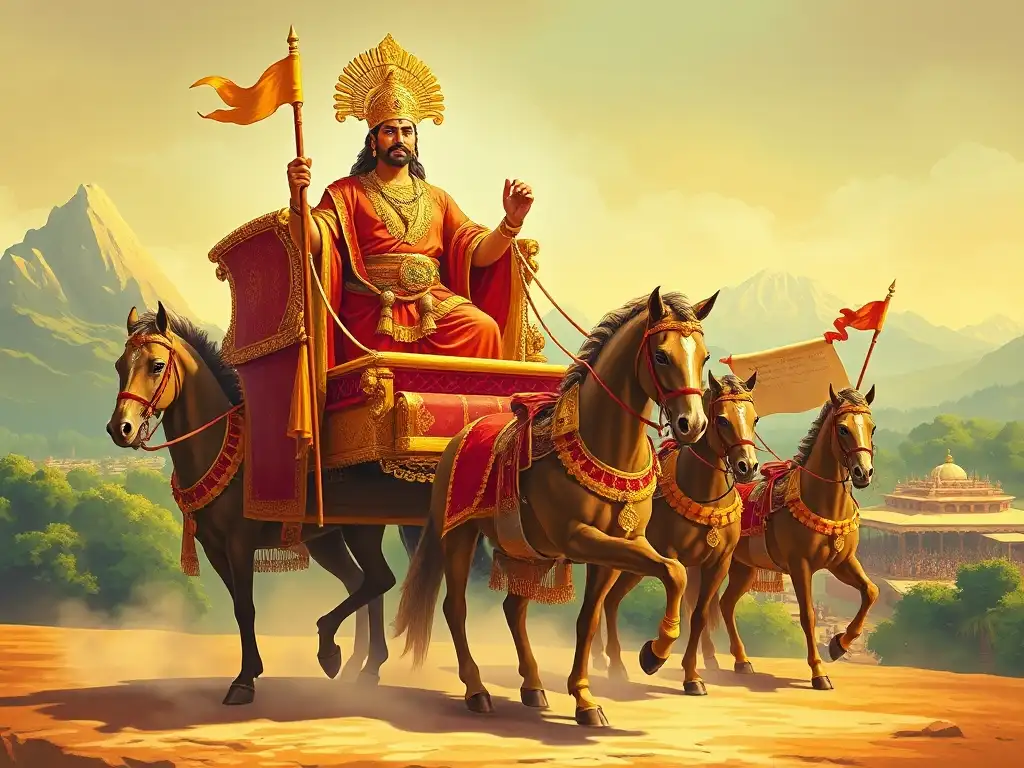
Impact on Successors and Future Dynasties
Chandragupta Maurya's contributions to Indian history and governance were profound, establishing a foundation that would influence numerous successors and future dynasties. His reign marked the beginning of a new political era, characterized by centralized governance and administration.
- Establishment of the Mauryan Empire: Chandragupta's unification of the Indian subcontinent under the Mauryan Empire not only set a precedent for future rulers but also created a model of governance that emphasized strong leadership and bureaucratic efficiency.
- Influence on Ashoka the Great: As Chandragupta's grandson, Ashoka became one of the most celebrated emperors in Indian history, largely due to the groundwork laid by his grandfather. Ashoka expanded the empire and promoted the spread of Buddhism, reflecting the Mauryan ideals of governance that Chandragupta had established.
- Administrative Innovations: Chandragupta's implementation of a structured administration with a network of officials and local governors served as a blueprint for subsequent dynasties, such as the Gupta Empire. The emphasis on a well-organized bureaucracy allowed for effective tax collection and law enforcement, ensuring stability and growth.
- Cultural Synthesis: The Mauryan Empire under Chandragupta fostered a rich cultural synthesis that would influence dynasties such as the Kushan and Gupta. The promotion of art, architecture, and literature during his reign encouraged a thriving cultural environment that future rulers would emulate.
Chandragupta's legacy was not just political; it was deeply ingrained in the cultural and social fabric of India, shaping the ideological underpinnings of governance and society for centuries.
Historical Interpretations and Modern Perceptions
The historical interpretations of Chandragupta Maurya have evolved significantly over time, reflecting changing perspectives on leadership, governance, and empire-building.
- Ancient Texts and Accounts: Ancient historians, such as Chanakya (Kautilya), who was both a mentor and advisor to Chandragupta, described him as a shrewd and strategic leader. In Arthashastra, Chanakya outlines the principles of statecraft that Chandragupta implemented, emphasizing realpolitik and pragmatic governance.
- Colonial Perspectives: During the British colonial period, interpretations of Chandragupta's reign were often colored by the colonial narrative, which viewed Indian history through a Eurocentric lens. His achievements were sometimes downplayed in favor of highlighting foreign invasions and disruptions to Indian society.
- Modern Scholarship: Contemporary historians have re-evaluated Chandragupta's contributions, recognizing him as a pivotal figure in the establishment of a unified Indian state. Modern interpretations often highlight his role as a national hero, celebrating his efforts to resist foreign rule and promote indigenous governance.
- Cultural Representation: In modern culture, Chandragupta has been depicted in various forms of media, including literature, television, and film, often symbolizing strength, resilience, and strategic acumen. These representations contribute to a growing appreciation of his historical significance and the complexities of his character.
Chandragupta Maurya's legacy is multifaceted, influencing not only his immediate successors but also shaping the course of Indian history. His contributions are increasingly recognized and celebrated, reflecting a broader understanding of his role in the development of ancient Indian civilization.
Conclusion: The Revolutionary Leader in Ancient India
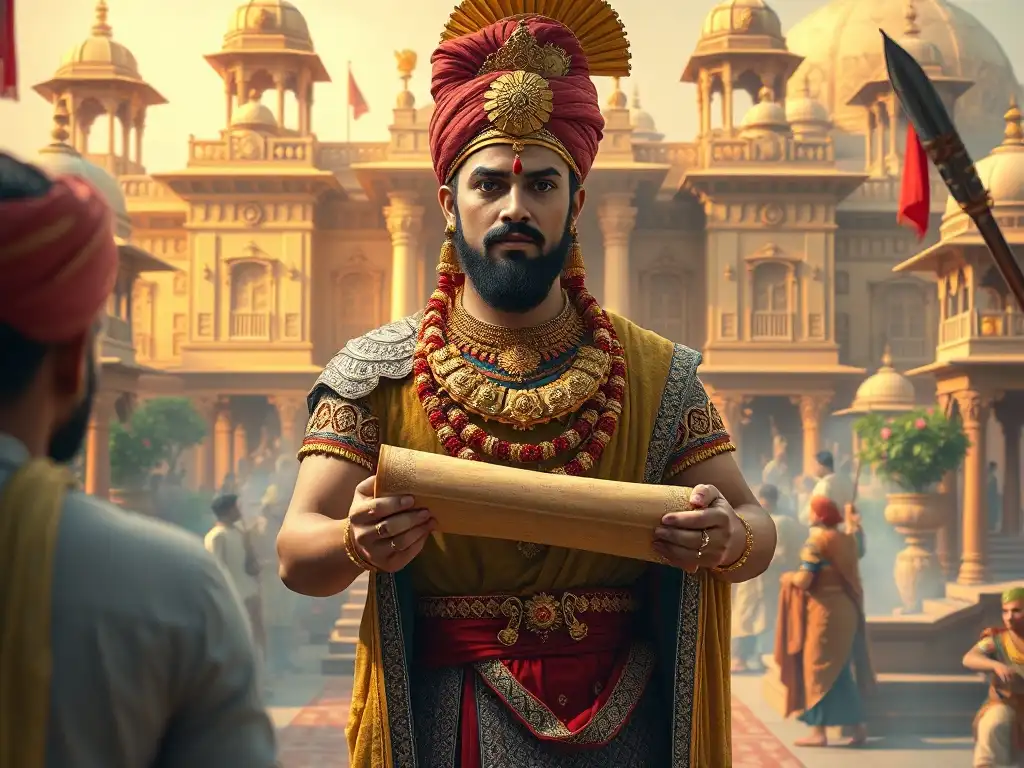
Summary of Chandragupta Maurya's Contributions to History
Chandragupta Maurya stands as a pivotal figure in ancient Indian history, renowned for his remarkable contributions that reshaped the sociopolitical landscape of India. His reign marked the beginning of the Maurya Empire, which was characterized by significant advancements in administration, economy, and culture. Here are some key contributions:
- Unification of India: One of Chandragupta's most notable achievements was the unification of various Indian states under a single empire. This unification not only fostered a sense of identity among the diverse populations but also facilitated trade and communication across the region.
- Establishment of a Centralized Administration: Chandragupta implemented a centralized administrative system that laid the groundwork for future governance in India. He established a bureaucracy that included provincial governors and a network of officials who oversaw taxation, law enforcement, and public works.
- Promotion of Trade and Economy: Under his rule, trade flourished due to improved infrastructure, including roads and trade routes. This economic revival was critical in enhancing the prosperity of the empire and integrating various regions economically.
- Military Innovations: Chandragupta was known for his military strategies, which included the use of war elephants and a well-trained infantry. His military prowess enabled him to conquer territories and protect the empire from external threats.
- Cultural Patronage: Beyond military and administrative achievements, Chandragupta also played a crucial role in promoting arts and culture. His patronage led to the flourishing of literature and architecture, which enriched India's cultural heritage.
Chandragupta Maurya's contributions to history not only established a powerful empire but also influenced the governance and societal structures of future Indian civilizations.
Final Thoughts on His Leadership and Influence
Chandragupta Maurya's leadership was characterized by a blend of vision, military acumen, and administrative skill. His ability to unify disparate kingdoms into a cohesive empire speaks volumes about his strategic thinking and diplomatic prowess. Moreover, his legacy continued through his grandson, Ashoka, who further expanded and enriched the Mauryan Empire.
Chandragupta's influence extends beyond his time; he set a precedent for future leaders in terms of governance and statecraft. His establishment of a centralized authority and a structured administration became a model for subsequent empires in India and influenced the political landscape for centuries.
Chandragupta Maurya's remarkable contributions to history are a testament to his revolutionary leadership. He not only transformed ancient India but also left an indelible mark on its historical trajectory, making him a significant figure in the annals of Indian history. His story continues to inspire and enlighten those who seek to understand the complexities of ancient Indian civilization.
References
Ancient India’s history is rich and complex, with numerous sources documenting the contributions of its key figures, including Chandragupta Maurya. The following references are pivotal for understanding his life and impact:
- Arthashastra by Kautilya (Chanakya):
- This ancient treatise on statecraft, economics, and military strategy, attributed to Chanakya, provides deep insights into the governance and political strategies employed during Chandragupta's reign. It serves as a primary source for understanding Mauryan administration and military organization.
- Indica by Megasthenes:
- Written by the Greek ambassador to the Mauryan court, this work offers an external perspective on Chandragupta's empire, detailing the cultural and social aspects of ancient India. Megasthenes' observations are invaluable for reconstructing the Mauryan era's historical context.
- Puranas:
- These ancient texts, particularly the Vishnu Purana and the Brahmanda Purana, contain genealogies and narratives about the Maurya dynasty. They highlight the mythological and religious significance attributed to Chandragupta and his successors.
- Jain Texts:
- The Jain accounts, such as the "Parishishtaparvan," recount the life of Chandragupta as he embraced Jainism towards the end of his life. These texts provide a unique perspective on his personal evolution and contributions to religious thought in India.
- Historical Studies and Journals:
- Several modern historians and archaeologists have published extensive research on the Mauryan period, analyzing archaeological findings and historical narratives. Works by scholars such as Romila Thapar and R.S. Sharma are particularly noteworthy for their scholarly rigor.
Suggested Reading on Chandragupta Maurya
To delve deeper into the life and contributions of Chandragupta Maurya, the following suggested readings provide substantial insights:
- "Chandragupta Maurya and His Times" by R.C. Majumdar: This book offers a comprehensive overview of Chandragupta's life, including his rise to power, governance, and legacy.
- "The Mauryan Empire" by Michael A. D. R. B.: A detailed analysis of the socio-economic and political structures of the Mauryan Empire, exploring the contributions of Chandragupta and his administration.
- "The Rise and Fall of the Mauryan Empire" by Dr. S. S. Sharma: This work discusses the historical context of the Mauryan Empire's rise, focusing on Chandragupta's strategic prowess and contributions.
- "Chanakya: The Master Strategist" by R. K. Gupta: A biography that intertwines the lives of Chandragupta and Chanakya, examining their synergistic relationship and its impact on Indian history.
- "Ancient India: Culture and Civilization" by N. K. Sahu: This book places Chandragupta's contributions within the broader cultural and civilizational developments of ancient India.
Key Historical Texts and Sources on Ancient Indian History
Understanding the historical context of Chandragupta Maurya’s contributions requires engaging with essential historical texts and sources from ancient India:
| Text/Source | Description |
|---|---|
| Arthashastra | An authoritative treatise on statecraft and politics attributed to Chanakya. |
| Indica | A firsthand account of India by a Greek ambassador, providing external observations. |
| Puranas | Mythological texts that document the genealogy and stories of the Maurya dynasty. |
| Jain Texts | Religious texts highlighting Chandragupta's later life and conversion to Jainism. |
| Archaeological Findings | Excavations and artifacts from the Mauryan period, shedding light on its culture and economy. |
These texts and sources collectively illustrate the multifaceted nature of Chandragupta Maurya's contributions and their lasting impact on India's historical trajectory. They serve as foundational materials for scholars, historians, and enthusiasts seeking to explore the intricacies of ancient Indian civilization.
Frequently Asked Questions
What are the key contributions of Chandragupta Maurya?
Chandragupta Maurya is known for uniting ancient India, establishing the Mauryan Empire, and implementing a centralized administration that laid the groundwork for future governance.
How did Chandragupta Maurya impact the political landscape of ancient India?
His reign marked the end of regional fragmentation and the beginning of a unified political structure, influencing subsequent Indian rulers and empires.
What role did Chanakya play in Chandragupta Maurya's success?
Chanakya, also known as Kautilya, was a pivotal advisor who provided strategic guidance and political wisdom, helping Chandragupta rise to power and consolidate his empire.
How did Chandragupta Maurya contribute to trade and economy?
Chandragupta's policies promoted trade routes across his empire, enhancing economic prosperity and facilitating cultural exchanges with neighboring regions.
What legacy did Chandragupta Maurya leave behind?
His establishment of the Mauryan Empire marked a turning point in Indian history, influencing governance, culture, and trade, with lasting effects on future generations.
Final Reflection: The Enduring Legacy of Chandragupta Maurya
Chandragupta Maurya's contributions to history are not merely relics of the past; they resonate profoundly in our contemporary world. His revolutionary leadership and strategic acumen laid the foundation for a unified India, showcasing the power of vision and determination in overcoming adversity. Today, as we navigate complex societal challenges, his story serves as a powerful reminder of the impact one individual can have on the course of history.
The influence of Chandragupta Maurya extends far beyond his era, shaping the cultural and political landscape of India for centuries to come. His establishment of the Mauryan Empire not only unified diverse regions but also fostered advancements in governance, trade, and culture that continue to inspire modern leaders. The greatest glory in living lies not in never falling, but in rising every time we fall.
This quote encapsulates the essence of Chandragupta's journey, emphasizing resilience and the importance of learning from our experiences.
As we reflect on the lessons from Chandragupta Maurya's life, I invite you to consider how his principles of leadership, unity, and perseverance can be applied in your own life. What challenges do you face, and how can you channel the spirit of Chandragupta to overcome them? Embrace the opportunity to be a revolutionary leader in your own right, fostering change and inspiring those around you, just as he did in his time.
Unleash Your Inner Leader and Inspire Change!
Thank you for exploring the remarkable journey of Chandragupta Maurya, a true revolutionary leader of Ancient India! His story offers us powerful insights into leadership and resilience that can still inspire us today. Ready to embark on your own journey of leadership? Here are some actionable steps you can take:
- Reflect on Your Leadership Style: Take a moment to write down the qualities you admire in great leaders like Chandragupta. What attributes do you aspire to embody?
- Engage with Your Community: Organize a local discussion group or book club focused on leadership and governance throughout history. Connect with like-minded individuals and share your ideas!
- Spread the Word: Share this article with your friends and family. Encourage them to explore how historical leaders have shaped our modern society!
What leadership qualities do you believe are most crucial for inspiring change in today’s world? We invite you to share your thoughts in the comments!