
The Religious Landscape of Northern India: A Tapestry of Beliefs and Practices

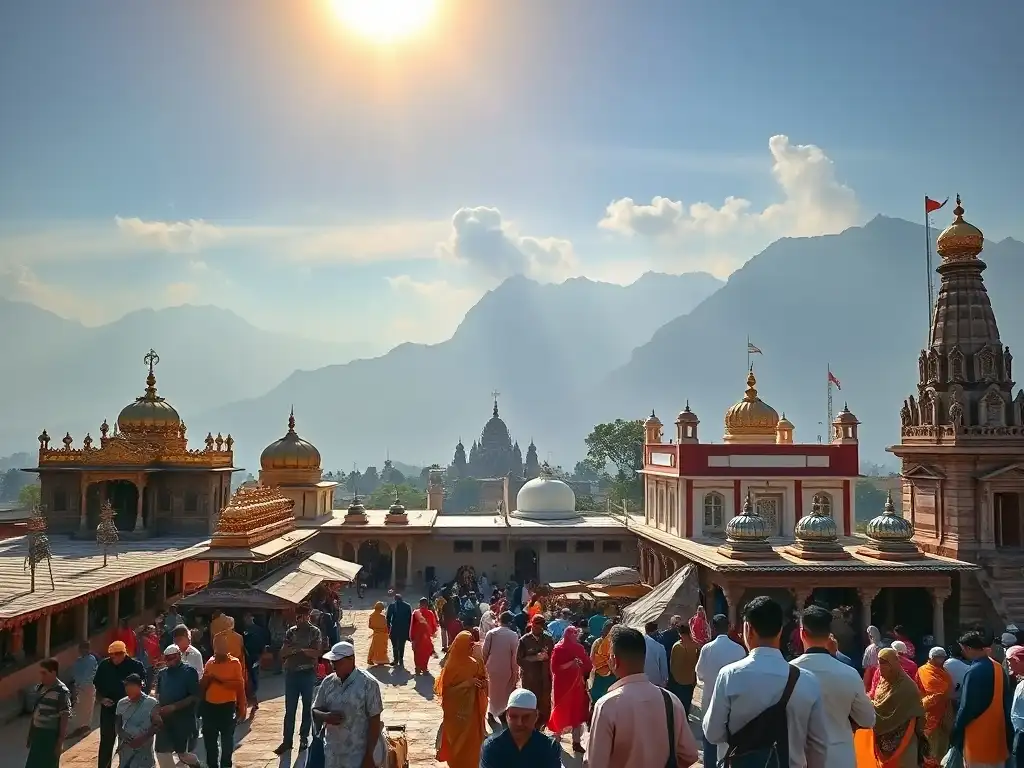
Welcome to Ancient India History, where we invite you to embark on a journey through the rich tapestry of beliefs and practices that shaped one of the world's most diverse regions. In our feature article, "The Religious Landscape of Northern India: A Tapestry of Beliefs and Practices," we delve into the fascinating topic of religious diversity in Northern India. Uncover the intricate layers of faith that have coexisted and influenced each other throughout the ages.
Prepare to be captivated by the stories of ancient civilizations and their enduring legacies that continue to resonate today. Dive deeper with us, and let the exploration of this vibrant history ignite your curiosity!
Introduction to Religious Diversity in Northern India
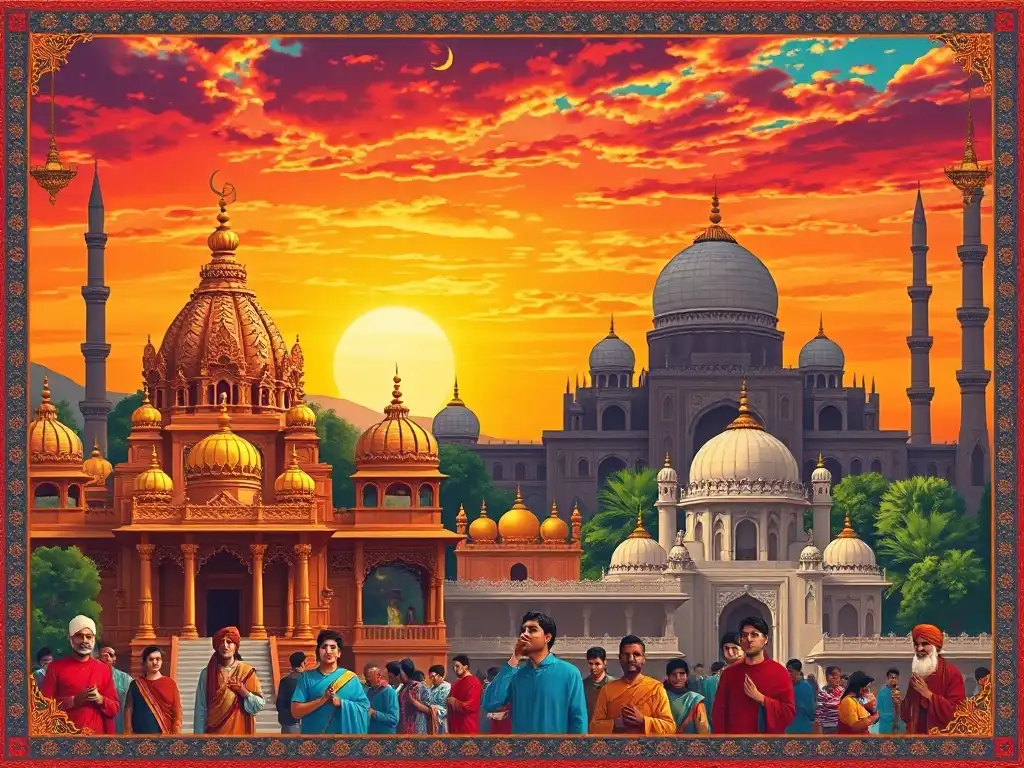
The religious landscape of Northern India is a vibrant tapestry woven from centuries of beliefs and practices that reflect the region's complex history. From the ancient rituals of the Indus Valley Civilization to the philosophical traditions of Hinduism, Buddhism, Jainism, and the more recent influences of Islam and Sikhism, Northern India stands as a testament to the rich religious diversity that has flourished over millennia.
This diversity is not merely a backdrop to the region's history; it is a defining characteristic that has shaped the social, cultural, and political dynamics of its civilizations. Understanding the religious diversity in Northern India allows us to appreciate the myriad ways in which faith has influenced daily life, art, architecture, and governance throughout the ages.
Significance of Religion in Northern Indian History
Religion in Northern India has played a crucial role in shaping societal values and community structures. It has been a source of inspiration for artistic expression, influencing everything from temple architecture to classical music and dance. Furthermore, the intermingling of different faiths has fostered a culture of dialogue and syncretism, where ideas and practices often blend and evolve. This interplay of beliefs contributed to the emergence of rich philosophical traditions and ethical frameworks that continue to resonate in contemporary society.
- Cultural Identity: Religion has been pivotal in forming cultural identities among various communities.
- Social Structure: Many religious beliefs are intricately linked to the social hierarchies and customs that govern daily life.
- Political Influence: Religious institutions often held power, influencing political decisions and leadership.
Overview of Major Religions in Northern India
Northern India is home to a multitude of religions, each with its unique beliefs and practices. The major religions include:
- Hinduism: The predominant religion, with a vast array of gods, rituals, and philosophies.
- Buddhism: Founded in the 6th century BCE, it emphasizes enlightenment through ethical living.
- Jainism: Known for its principles of non-violence and asceticism, it has a significant historical presence.
- Islam: Introduced in the 7th century, it has deeply influenced the region's culture and architecture.
- Sikhism: Emerging in the 15th century, it promotes equality and community service.
This diversity is evident not only in the variety of religious practices but also in the festivals, languages, and art forms that characterize Northern India's cultural heritage.
Historical Context of Religious Diversity
Ancient Civilizations and Their Beliefs
The roots of religious diversity in Northern India can be traced back to its ancient civilizations. The beliefs of early societies were often intertwined with nature, fertility, and ancestral worship. As these civilizations evolved, so too did their religious practices, leading to a rich amalgamation of ideas and traditions.
The Influence of the Indus Valley Civilization on Religious Practices
The Indus Valley Civilization (c. 3300–1300 BCE) is one of the earliest urban cultures in the region and provides critical insights into early religious practices. Archaeological findings, such as seals depicting deities and ritualistic bath structures, suggest a complex belief system that may have included elements of proto-Hinduism. These early practices laid the groundwork for future religious developments in Northern India.
Vedic Traditions and the Birth of Hinduism
With the arrival of the Indo-Aryans around 1500 BCE, the Vedic traditions emerged, marking a significant turning point in the religious landscape. The Vedas, ancient texts composed in Sanskrit, serve as the foundational scriptures of Hinduism. They introduced concepts such as dharma (duty), karma (action), and moksha (liberation), which have profoundly influenced Indian thought and spirituality. This period also saw the formation of rituals and ceremonies that are still practiced today, showcasing the enduring legacy of Vedic traditions in shaping the religious identity of Northern India.
Major Religions in Northern India
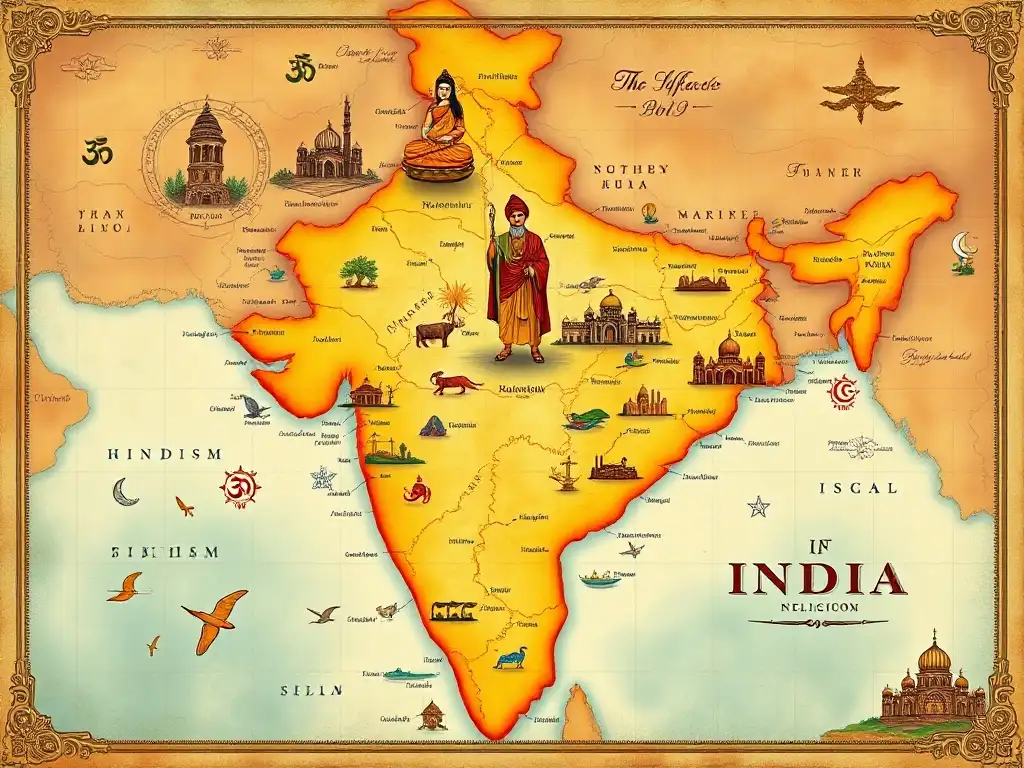
Northern India is a vibrant crucible of diverse religious traditions, each contributing to the region's rich cultural tapestry. The major religions that have flourished in this area include Hinduism, Buddhism, Sikhism, and Jainism. Each of these faiths has its unique beliefs, practices, and historical significance, shaping the spiritual landscape of Northern India. This religious diversity is not merely an array of competing beliefs; rather, it showcases a complex interplay of philosophies and practices that have evolved and adapted over centuries, often overlapping and influencing one another.
Hinduism: Core Beliefs and Practices
Hinduism, the predominant religion in Northern India, is characterized by its diversity of beliefs and practices. Central to Hindu thought is the concept of Dharma (duty/righteousness), Karma (action and consequence), and Moksha (liberation from the cycle of rebirth). The religion encompasses a vast array of deities, rituals, and scriptures, with the Vedas and Upanishads serving as foundational texts.
Practices such as yoga, meditation, and various forms of worship (puja) are integral to Hindu life. Temples adorned with intricate sculptures and carvings can be found throughout Northern India, reflecting the region's architectural heritage. Festivals like Diwali, Holi, and Navaratri are celebrated with great fervor, signifying the deep-rooted cultural significance of Hinduism in everyday life.
Moreover, the caste system, although officially abolished, still influences social dynamics in many areas, impacting religious practices and community interactions.
Buddhism: Roots and Spread
Buddhism originated in Northern India during the 6th century BCE with the teachings of Siddhartha Gautama, known as the Buddha. At its core, Buddhism emphasizes the Four Noble Truths and the Eightfold Path as a means to achieve enlightenment and liberation from suffering.
The religion spread rapidly across Northern India, supported by the Mauryan Emperor Ashoka, who embraced Buddhism and played a crucial role in its propagation. Ashoka's edicts, inscribed on pillars throughout the region, promoted Buddhist values and ethics, furthering the faith's reach beyond India to Central and East Asia.
Buddhist monasteries, known as viharas, became centers of learning and cultural exchange. Despite facing challenges and decline in later centuries, Buddhism's legacy remains significant, influencing art, philosophy, and spirituality in Northern India.
Sikhism: Origins and Core Principles
Sikhism emerged in the 15th century in the Punjab region, founded by Guru Nanak Dev Ji. It is distinguished by its emphasis on the oneness of God, equality of all humans, and the importance of community service. The teachings of the ten Sikh Gurus, compiled in the Guru Granth Sahib, serve as the central religious scripture.
Sikhs practice the concept of seva (selfless service) and langar (community kitchen) as expressions of their faith. The Golden Temple in Amritsar stands as a symbol of Sikh identity and a site of pilgrimage for millions.
The principles of justice, humility, and devotion underpin Sikh philosophy, promoting a lifestyle rooted in ethics and social responsibility. Sikhism, while relatively young compared to other faiths, has made a profound impact on the religious landscape of Northern India.
Jainism: Philosophy and Influence
Jainism, one of the oldest religions in India, emphasizes non-violence ( ahimsa), truth, and asceticism as core principles. Founded by Mahavira in the 6th century BCE, Jain philosophy advocates for the liberation of the soul through strict ethical living and self-discipline.
The Tirthankaras, or spiritual teachers, are revered figures in Jainism, with Mahavira being the most significant. Jain temples, often adorned with intricate carvings and sculptures, reflect the faith's artistic contributions and its emphasis on spiritual purity.
Jainism has influenced various aspects of Indian culture, including literature, art, and social customs. Its commitment to non-violence has notably impacted ethical discussions in contemporary contexts, emphasizing the importance of compassion in society.
Interactions Between Different Faiths
The interactions between various religious traditions in Northern India have been marked by both harmony and conflict, creating a dynamic religious landscape.
Syncretism in Northern India: Blending of Beliefs
Syncretism, the blending of different religious beliefs and practices, is a hallmark of Northern India's spiritual heritage. Historical interactions among Hinduism, Buddhism, Sikhism, and Islam have led to the emergence of unique cultural expressions.
For instance, the Bhakti movement, which emphasized personal devotion to God, saw a fusion of Hindu and Islamic ideals, promoting inclusivity and tolerance. Festivals such as Eid and Diwali are celebrated together in some communities, illustrating the spirit of coexistence.
The architectural styles of temples and gurdwaras often incorporate elements from different faiths, symbolizing a shared heritage. This syncretic culture highlights the importance of dialogue and understanding among diverse religious communities.
Historical Conflicts and Resolutions Among Religions
While Northern India is renowned for its religious diversity, it has also been a site of historical conflicts. These disputes often arose from political power struggles, economic competition, and cultural differences.
However, many of these tensions have led to resolutions through dialogue and mutual respect. Historical figures, including leaders from various faiths, have played a vital role in fostering peace and understanding. The establishment of communal harmony initiatives in contemporary times further illustrates the ongoing efforts to bridge divides.
The resilience of Northern Indian communities in overcoming conflicts serves as a testament to their commitment to coexistence and understanding.
The Role of Sufism in Promoting Religious Tolerance
Sufism, the mystical branch of Islam, has had a profound influence on promoting religious tolerance in Northern India. Sufi saints, such as Nizamuddin Auliya and Baba Farid, emphasized love, devotion, and the pursuit of a personal connection with the divine, transcending rigid dogmas.
The Sufi practice of qawwali, music that invokes divine love, has resonated across cultural boundaries, appealing to followers of various faiths. Sufi shrines, often open to people of all backgrounds, have become centers of communal worship and dialogue.
Through their teachings and inclusive practices, Sufi mystics have significantly contributed to the religious harmony that characterizes much of Northern India's spiritual landscape today. Their legacy continues to inspire interfaith dialogue and understanding, reinforcing the idea that love and compassion are universal values.
Contemporary Religious Practices
The religious landscape of Northern India today is a vibrant mosaic, reflecting the rich tapestry of beliefs, rituals, and traditions that have evolved over centuries. Contemporary religious practices in this region are marked by a blending of ancient customs with modern influences, showcasing a unique interplay between tradition and innovation. Major religions such as Hinduism, Islam, Sikhism, Buddhism, and Jainism continue to thrive alongside newer faiths and practices, creating a dynamic environment where multiple belief systems coexist.
Religious festivals play a significant role in contemporary practices, with events like Diwali, Eid, Baisakhi, and Buddha Purnima celebrated with fervor. These festivals not only provide an opportunity for spiritual reflection and community bonding but also attract tourists, thereby contributing to the local economy. Temples, mosques, gurdwaras, and monasteries frequently host cultural programs, interfaith dialogues, and community service activities, facilitating a shared space for dialogue and understanding.
Modern-Day Expressions of Faith in Northern India
In Northern India, modern-day expressions of faith are characterized by a diverse array of practices that reflect the region's historical depth. Pilgrimages to sacred sites, such as the Ganges River, Amritsar's Golden Temple, and the ancient ruins of Varanasi, remain paramount, drawing millions of devotees seeking spiritual solace and enlightenment.
Additionally, the rise of digital spirituality has transformed how faith is practiced. Online platforms enable believers to participate in virtual rituals, attend live-streamed sermons, and engage in discussions about their faith, thereby expanding the reach of religious teachings beyond geographical limitations. Social media also serves as a tool for religious leaders to disseminate messages of peace and unity, promoting interfaith harmony amidst a backdrop of diversity.
Impact of Globalization on Religious Diversity
Globalization has significantly impacted the religious diversity in Northern India, leading to both opportunities and challenges. Increased connectivity has facilitated cross-cultural exchanges, allowing for the sharing of religious ideas and practices. This cross-pollination has enriched local traditions, introducing new forms of worship and spiritual practices that resonate with younger generations.
However, globalization has also led to a dilution of traditional practices, as some communities adopt globalized versions of their faith that may overlook local nuances. The commercialization of religious festivals, for example, can sometimes overshadow their spiritual significance. Despite these challenges, the overall effect of globalization has been to highlight Northern India as a hub of religious diversity, drawing attention to its unique practices and beliefs on the global stage.
The Role of Religion in Social Cohesion and Community Building
Religion plays a crucial role in fostering social cohesion and community building in Northern India. Religious communities often serve as support networks, providing assistance in times of need and promoting social welfare initiatives. Shared religious beliefs and practices can create a sense of belonging and identity, which is particularly important in a region characterized by its diversity.
Interfaith initiatives, such as community service projects and dialogues between different religious groups, have emerged as vital platforms for promoting understanding and cooperation. These efforts not only help to bridge divides but also reinforce the idea that, despite differing beliefs, common values such as compassion, charity, and respect for others unite people across religious lines.
Challenges to Religious Diversity
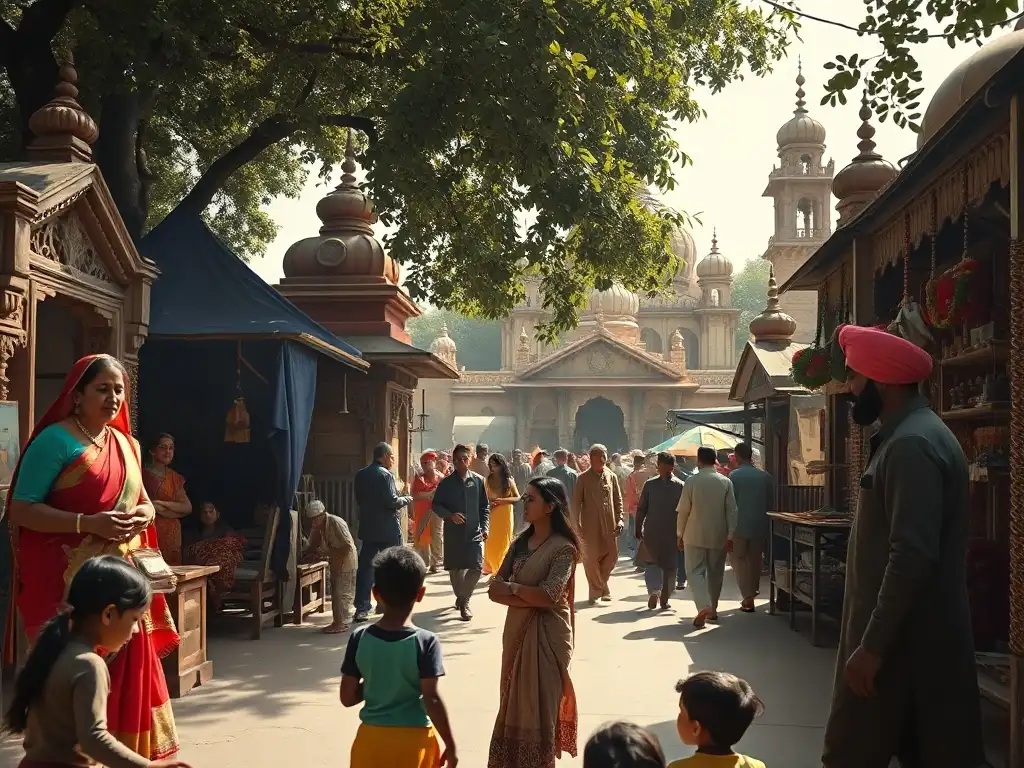
Despite the rich diversity of religious practices in Northern India, several challenges persist that threaten this delicate balance. Factors such as political tensions, social inequalities, and economic disparities often exacerbate existing divides, leading to conflicts and tensions that can undermine the region's pluralistic ethos.
Religious Conflicts and Tensions in Recent History
In recent history, Northern India has witnessed episodes of religious conflict that highlight the fragility of its diversity. Events such as communal riots and sectarian violence have arisen from a variety of factors, including political manipulation, socio-economic disparities, and historical grievances. These conflicts often result in loss of life and property, further entrenching divisions within communities.
Efforts to address these tensions have included peacebuilding initiatives and interfaith dialogues, aimed at fostering understanding and reconciliation. However, the path to lasting harmony is complex, requiring sustained commitment from all sectors of society, including government, civil society, and religious leaders.
Preservation of Cultural Heritage and Practices
The preservation of cultural heritage and religious practices is crucial for maintaining the rich diversity of Northern India's religious landscape. Traditional rituals, languages, and art forms are at risk of being overshadowed by modern influences and globalization. Efforts to document and revitalize these practices are essential for ensuring that future generations have access to their cultural roots.
Organizations and communities are increasingly recognizing the importance of preserving their heritage through festivals, educational programs, and cultural exchanges. By fostering a greater appreciation for their own traditions, communities can strengthen their identities and promote a more inclusive understanding of religious diversity.
The Role of Education in Promoting Understanding
Education is a powerful tool in promoting understanding and appreciation of religious diversity in Northern India. By incorporating comprehensive curricula that include the study of various religions, values, and cultural practices, educational institutions can foster an environment of respect and tolerance.
Programs that focus on interfaith dialogue and community engagement can also help students develop empathy and critical thinking skills, enabling them to navigate the complexities of a diverse society. As future leaders, educated individuals equipped with a deep understanding of their community's religious landscape can contribute to a more harmonious coexistence among different faiths.
Conclusion: The Future of Religious Diversity in Northern India
The future of religious diversity in Northern India is poised at a critical juncture, shaped by both historical legacies and contemporary dynamics. As globalization continues to influence local cultures and beliefs, the synthesis of traditional practices with modern ideologies will play a significant role in shaping the religious landscape. The ability to maintain and celebrate this diversity hinges on the collective efforts of communities, policymakers, and educational institutions to foster an environment of inclusivity and respect.
In addition, the challenge of religious intolerance and communal tensions must be addressed proactively to ensure that Northern India remains a tapestry woven from various faiths and traditions. As the region grapples with these complexities, the commitment to interfaith dialogue and cooperation will be essential for nurturing a harmonious coexistence among its diverse religious groups.
Importance of Preserving Religious Practices
Preserving the rich tapestry of religious practices is vital for maintaining the cultural heritage of Northern India. These practices not only reflect the historical narratives of the region but also contribute to the identity and sense of belonging for its people. The rituals, festivals, and rites that have been passed down through generations serve as a bridge connecting the past to the present.
Moreover, the preservation of religious practices fosters a sense of community and promotes social cohesion. In a rapidly changing world, where modernization often threatens traditional ways of life, it becomes crucial to document and celebrate these practices as they embody the wisdom and teachings of ancient civilizations. Educational programs and cultural initiatives that emphasize the significance of these practices can help raise awareness and appreciation among younger generations.
The Role of Younger Generations in Shaping Beliefs
Younger generations hold a pivotal role in shaping the future of religious beliefs and practices in Northern India. As digital natives, they are exposed to a plethora of ideas and philosophies, which can lead to a re-evaluation of traditional beliefs. This generation's engagement with technology and social media offers new platforms for dialogue and expression, influencing how religious identities are formed and expressed.
Furthermore, the younger demographic can act as catalysts for change, advocating for inclusivity and tolerance within their communities. By embracing and celebrating diversity, they can help to challenge stereotypes and promote a more comprehensive understanding of different faiths. Educational institutions can play a significant role in this by incorporating teachings on religious diversity, fostering environments where pluralism is not only acknowledged but celebrated.
References
Suggested Readings on Religious Diversity in Northern India
- "Religious Diversity in India: A Historical Perspective" by R. S. Sharma
- "The Pluralistic Tradition in Indian Religion" by S. K. Sharma
- "Faiths in Conflict: A Study of Religious Diversity in India" by M. N. Desai
Historical Texts and Resources for Further Exploration
- "The Rigveda" – A key text offering insights into early Indian religious practices.
- "The Upanishads" – Philosophical texts that explore the nature of spirituality and existence.
- "The Mahabharata" – An epic that reflects the complex interplay of various religions and cultural beliefs in ancient India.
- Introduction to Religious Diversity in Northern India
- Significance of Religion in Northern Indian History
- Overview of Major Religions in Northern India
- Historical Context of Religious Diversity
- Major Religions in Northern India
- Interactions Between Different Faiths
- Contemporary Religious Practices
- Challenges to Religious Diversity
- Conclusion: The Future of Religious Diversity in Northern India
- References
- What is the significance of religious diversity in Northern India?
- Which major religions originated or flourished in Northern India?
- How did historical events shape the religious practices in Northern India?
- What role do festivals play in the religious diversity of Northern India?
- How does the religious landscape impact contemporary society in Northern India?
Frequently Asked Questions
What is the significance of religious diversity in Northern India?
The religious diversity in Northern India reflects the region's rich cultural heritage and historical interactions among various communities, making it a unique tapestry of beliefs and practices.
Which major religions originated or flourished in Northern India?
Northern India is known as the birthplace of Hinduism, Buddhism, and Jainism, while also being home to significant populations of Sikhism and Islam, showcasing its multifaceted religious landscape.
How did historical events shape the religious practices in Northern India?
Historical events, such as the invasions, trade routes, and the establishment of various empires, played a crucial role in shaping the religious practices and syncretism observed in Northern India.
What role do festivals play in the religious diversity of Northern India?
Festivals in Northern India serve as a means to celebrate various religious traditions, fostering cultural exchange and community bonding among different faiths, highlighting the region's pluralism.
How does the religious landscape impact contemporary society in Northern India?
The religious landscape of Northern India continues to influence social dynamics, politics, and interpersonal relationships, reflecting a complex interplay of tradition, modernity, and coexistence among diverse communities.
Final Reflection: Embracing the Tapestry of Religious Diversity in Northern India
The intricate web of beliefs and practices that defines the religious landscape of Northern India is not just a historical account; it is a living testament to the resilience and adaptability of human spirituality. In today's increasingly polarized world, understanding the religious diversity in Northern India serves as a powerful reminder of the beauty that arises from coexistence and mutual respect. The rich tapestry of faiths, from Hinduism and Islam to Sikhism and Buddhism, showcases how diverse beliefs can harmoniously intertwine, creating a vibrant cultural mosaic that enriches the lives of millions.
The ongoing influence of this religious diversity is palpable in the social fabric of Northern India, where festivals, rituals, and communal gatherings foster a sense of unity amidst differences. The coexistence of various faiths has not only shaped regional identities but has also inspired movements for peace and understanding. As Mahatma Gandhi once said, "> The essence of all religions is one. Only their approaches are different." This profound observation underscores the importance of recognizing and celebrating our shared humanity, even in the face of divergent beliefs.
As we reflect on the lessons drawn from the rich religious landscape of Northern India, let us carry forward the spirit of inclusivity and understanding in our own lives. I invite you to explore the diverse beliefs around you, engage in open dialogues, and seek to learn from one another. By embracing the tapestry of religious diversity, we can contribute to a more harmonious world, where differences are not just tolerated but celebrated as vital threads in the fabric of our shared existence.
Unveil the Diversity of Northern India's Spiritual Heritage!
Thank you for exploring the rich tapestry of beliefs and practices that define the religious landscape of Northern India. We hope you found inspiration in the vibrant cultures and traditions that shape this region. Now, it's your turn to dive deeper and take action!
Here are some steps you can take to further your understanding and appreciation of this unique spiritual panorama:
- Explore a Local Temple or Shrine: Experience the meditative power of Northern Indian spirituality by visiting a nearby temple or shrine. Embrace the ambiance and reflect on the beliefs that resonate with you.
- Share Your Discoveries: Spread the word about the fascinating traditions you’ve learned! Share your insights on social media or discuss them with friends who would appreciate this rich cultural heritage.
- Join or Start a Discussion Group: Connect with like-minded individuals by initiating a discussion group focused on the religious practices you’re passionate about. Exchange thoughts and experiences to enrich everyone's understanding!
As you reflect on your journey of discovery, consider this: How can understanding the diverse religious practices of Northern India influence your own spiritual journey or worldview? We’d love to hear your thoughts!