
The Rise and Fall of the Mauryan Empire: Northern India's Impact on Ancient Politics

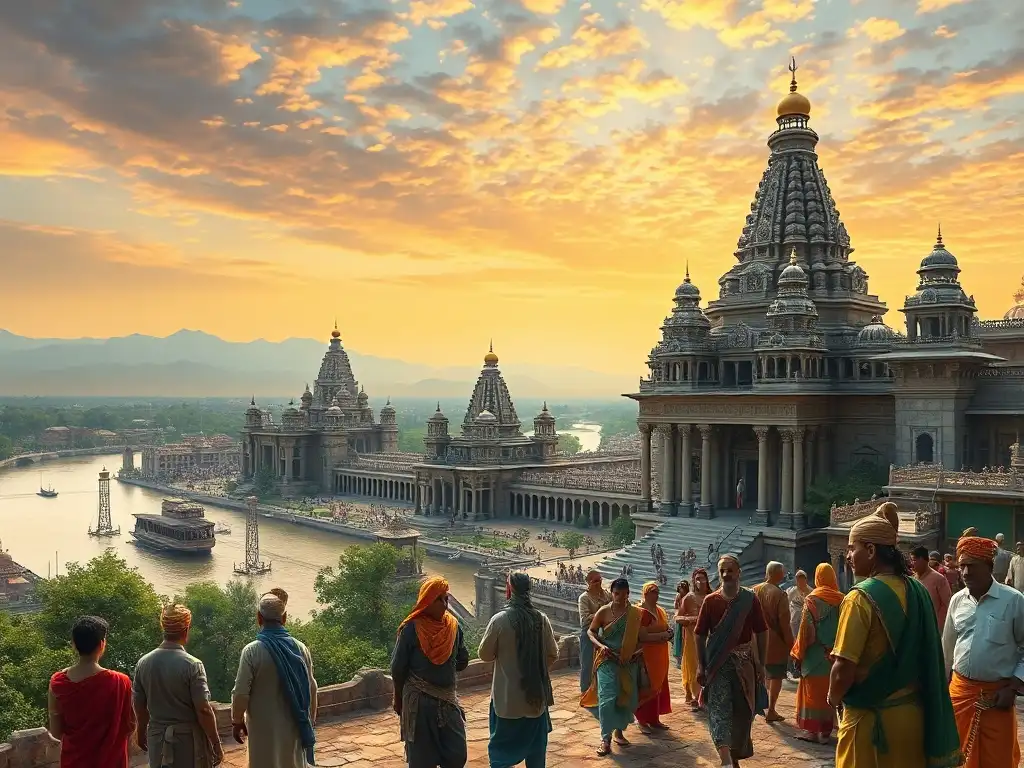
Welcome to Ancient India History, where we embark on a captivating journey through the rich tapestry of India's past. Here, you will uncover the remarkable impact of the Mauryan Empire—a pivotal force that shaped the political landscape of Northern India and beyond. Delve into the rise and fall of this extraordinary empire, exploring how its legacies continue to influence our understanding of governance and society.
Get ready to ignite your curiosity and deepen your knowledge as you explore the intricate connections between ancient civilizations and their enduring contributions. Join us in uncovering the secrets of the Mauryan Empire and its fascinating role in the grand narrative of Indian history!
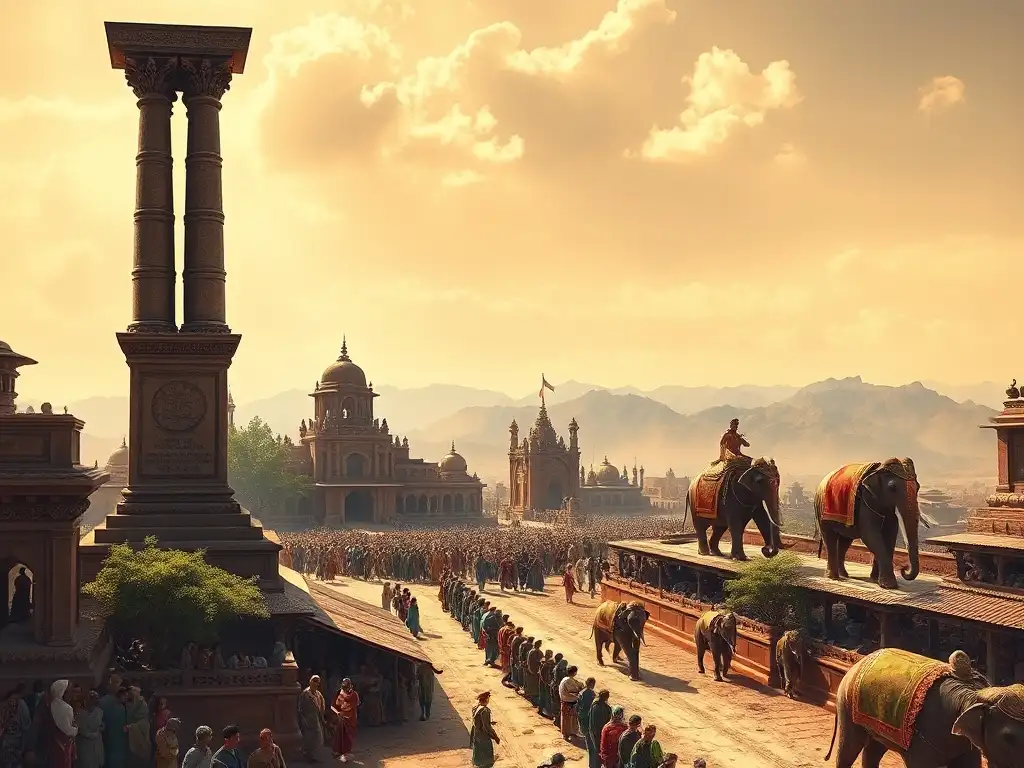
The Mauryan Empire, one of the most significant empires in ancient Indian history, provides a fascinating glimpse into the complex tapestry of political, social, and cultural evolution in Northern India. Spanning from 322 BCE to 185 BCE, the Mauryan Empire not only marked a pivotal point in the region's history but also laid the groundwork for future political structures and governance in India.
Its impact on ancient politics was profound, influencing various aspects of administration, law, and culture that shaped the subcontinent for centuries to come. This article will explore the rise and fall of this remarkable empire, highlighting its key figures, the significance of Northern India, and the factors that contributed to its emergence and expansion.
Introduction to the Mauryan Empire
The Mauryan Empire emerged as a powerful political entity in the wake of the fragmentation that followed the decline of the Magadha kingdom. Established by Chandragupta Maurya, the empire represented a unification of various smaller states under a centralized authority. This unification was not merely a political feat; it heralded a new era in governance and administration that would leave a lasting legacy. The Mauryan period is often characterized by its innovative approaches to statecraft, economic regulation, and social order, all of which were significantly influenced by the geographical and cultural dynamics of Northern India.
Overview of the Mauryan Empire’s Establishment
The establishment of the Mauryan Empire can be traced back to the strategic maneuvers of Chandragupta Maurya, who, with the guidance of his mentor Chanakya, overthrew the Nanda dynasty. The empire’s foundation was marked by military conquests, but it also relied heavily on diplomacy and alliances. Spanning across much of Northern India, the Mauryan Empire showcased a remarkable blend of diverse cultures, languages, and traditions, which were essential in shaping its political framework.
Key Figures in Mauryan Politics
Several key figures played a crucial role in the political landscape of the Mauryan Empire. Notably, Chandragupta Maurya and Ashoka the Great are recognized for their transformative leadership. While Chandragupta was instrumental in establishing the imperial structure, Ashoka expanded the empire and enacted policies that emphasized governance through moral and ethical frameworks. Their leadership styles and policies significantly influenced the political dynamics of Northern India, setting precedents for future rulers.
Significance of Northern India in the Empire's Development
Northern India served as the heartland of the Mauryan Empire, providing a fertile ground for economic growth and cultural exchange. The region's strategic location facilitated trade routes that connected it with other parts of the Indian subcontinent and beyond. This connectivity not only bolstered the empire's wealth but also contributed to the dissemination of ideas, religions, and administrative practices that would define the Mauryan political ethos.
The Rise of the Mauryan Empire
The rise of the Mauryan Empire was not an isolated phenomenon; rather, it was the culmination of various factors that converged to create a favorable environment for its emergence.
Factors Contributing to the Emergence of the Mauryan Empire
Several factors contributed to the rise of the Mauryan Empire, including:
- Political Instability: The decline of the Nanda dynasty led to a power vacuum that Chandragupta was able to exploit.
- Economic Prosperity: The region's agricultural wealth provided the resources necessary for military campaigns and state administration.
- Cultural Integration: The diverse cultures within Northern India facilitated a rich tapestry of ideas that influenced governance and societal norms.
The Role of Chandragupta Maurya in Founding the Empire
Chandragupta Maurya is often hailed as the architect of the Mauryan Empire. His strategic prowess and the political acumen of Chanakya allowed him to rally support and effectively dismantle the Nanda rule. Chandragupta's establishment of a centralized administration marked a significant shift in governance, emphasizing the importance of a strong and organized state apparatus.
Ashoka the Great: Leadership and Expansion
Following Chandragupta, his grandson Ashoka ascended to the throne and became one of the most celebrated rulers in Indian history. Ashoka's reign was characterized by significant territorial expansion and a commitment to spreading Buddhism. His policies reflected a shift from militaristic expansion to a focus on moral governance, which greatly influenced the political landscape of Northern India and established a model of ethical leadership that was emulated by subsequent rulers.
Through this exploration, we can appreciate the profound impact of the Mauryan Empire on ancient politics, particularly in Northern India, and understand how its legacy continues to resonate in modern governance and cultural identity.
The Impact of the Mauryan Empire on Northern India
The Mauryan Empire, which thrived from 322 to 185 BCE, significantly influenced the political landscape of Northern India. This empire not only unified a vast territory under a centralized government but also set precedents in administration, trade, and culture that would resonate throughout subsequent Indian history. The political unification facilitated by the Mauryans created a foundation for governance that promoted stability and order, allowing for economic growth and cultural exchanges across diverse regions.
The Mauryan Empire's impact on Northern India is evident in its lasting legacy in political structures, governance, and cultural traditions. Following the empire's decline, many of its administrative practices and cultural influences persisted, shaping the evolution of future states and empires in the region. The robust framework established by the Mauryans allowed for the flourishing of subsequent powers, which built upon the foundations laid during this golden age of Indian civilization.
Political Innovations Introduced by the Mauryan Empire
The Mauryan Empire introduced several political innovations that transformed governance in Northern India. One of the most notable advancements was the establishment of a centralized bureaucracy. This structured system included various administrative departments that managed everything from taxation to law enforcement, ensuring efficient governance across the vast territory.
Additionally, the Mauryan rulers implemented a system of provincial governance, dividing the empire into several provinces (known as Mahajanapadas), each overseen by a governor. This decentralization allowed for local governance while maintaining a strong central authority. The Mauryan political framework also emphasized meritocracy, where officials were appointed based on their capabilities rather than solely on noble birth, a practice that encouraged skilled governance.
Moreover, the Mauryan Empire's legal system was revolutionary. The introduction of codified laws, such as the Edicts of Ashoka, promoted justice and ethical governance. These edicts not only outlined legal principles but also reflected the moral responsibilities of rulers towards their subjects, influencing the political philosophy of future Indian leaders.
Economic Growth and Trade in the Mauryan Era
The Mauryan Empire was instrumental in promoting economic growth and trade, significantly impacting Northern India’s prosperity. Under Chandragupta Maurya and, subsequently, Ashoka, trade routes expanded, connecting various regions and facilitating commerce. The empire utilized its strategic location to become a hub for trade between the East and West, enhancing the exchange of goods, ideas, and cultural practices.
Agricultural advancements also played a crucial role in economic development. The Mauryan administration encouraged agricultural productivity through irrigation projects and improved farming techniques, leading to surplus production. This surplus not only supported a growing population but also allowed for increased trade.
Moreover, the Mauryan Empire established a standardized currency, which simplified trade transactions and contributed to a more sophisticated economy. The presence of markets and trade centers, particularly in cities like Pataliputra, further stimulated economic activities, promoting both local and long-distance trade that would have enduring impacts on the region's economic landscape.
Cultural and Religious Contributions of the Mauryan Empire
The Mauryan Empire left an indelible mark on the cultural and religious fabric of Northern India. Under Ashoka, the empire became a significant proponent of Buddhism, promoting its teachings and principles throughout the region. Ashoka's conversion to Buddhism led to the establishment of stupas and monasteries, which served as centers for learning and spiritual growth. His efforts in spreading Buddhism contributed to its establishment as a major religion in India and beyond.
In addition to Buddhism, the Mauryan period saw the flourishing of arts and architecture. The construction of grand structures, including the Ashoka Pillars and the Great Stupa at Sanchi, showcased advanced engineering and artistic skills. These monuments not only served religious purposes but also acted as symbols of the empire's power and cultural sophistication.
The Mauryan Empire also fostered a climate of cultural exchange by promoting tolerance and respect among various religious communities. The Edicts of Ashoka emphasized ethical conduct and social harmony, which encouraged diverse cultural expressions. This cultural synthesis laid the groundwork for the rich tapestry of Indian civilization that continued to evolve in the centuries following the Mauryan era.
The Governance Structure of the Mauryan Empire
The governance structure of the Mauryan Empire was a complex and sophisticated system that allowed for effective control and administration across a vast territory. The centralization of power under a single ruler, combined with a well-organized bureaucracy, enabled the Mauryans to maintain stability and implement their policies efficiently.
Administrative Systems and Regional Governance
At the heart of the Mauryan governance structure was a robust administrative system that divided the empire into several provinces, each managed by a governor. This division facilitated localized governance while ensuring that the central authority retained control over the entire empire. The provincial capitals served as administrative hubs, allowing for the implementation of policies tailored to regional needs.
The Mauryan administration also included a hierarchy of officials who managed various aspects of governance, such as revenue collection, law enforcement, and public works. This bureaucratic framework ensured accountability and efficiency, as officials were responsible for reporting to higher authorities.
Additionally, the Mauryan Empire's emphasis on a well-trained military was crucial for maintaining order and security. The army not only defended the empire's borders but also played a role in suppressing internal dissent, further stabilizing the governance structure.
The Role of the Edicts of Ashoka in Politics
The Edicts of Ashoka represent a significant political tool that shaped governance in the Mauryan Empire. These inscriptions, carved on rocks and pillars across the empire, communicated Ashoka's policies and ethical guidelines to the populace. They emphasized principles such as non-violence, tolerance, and the welfare of subjects, reflecting a moral approach to governance.
The edicts served as a means of direct communication between the ruler and the ruled, reinforcing the idea that the king was responsible for the well-being of his subjects. This practice of public proclamations not only solidified Ashoka's authority but also helped to instill a sense of unity and shared values among the diverse populations of the empire.
Furthermore, the Edicts of Ashoka played a crucial role in the promotion of Buddhism as a state-supported religion, enhancing its influence throughout the region. By integrating religious principles into governance, Ashoka set a precedent for future rulers in India, who would also seek to align their political authority with religious legitimacy.
Influence of Mauryan Governance on Future Indian Empires
The governance model established by the Mauryan Empire had a profound influence on subsequent Indian empires, including the Gupta Empire and the later regional kingdoms. The principles of centralized administration, provincial governance, and the emphasis on ethical rulership became foundational elements in the political landscape of Northern India.
Moreover, the Mauryan emphasis on a structured bureaucracy and codified laws served as a template for future administrations. The incorporation of local governance within a broader imperial framework allowed succeeding empires to effectively manage diverse populations and regions.
Additionally, the cultural and religious policies initiated during the Mauryan period, particularly the promotion of Buddhism and inscriptions like the Edicts of Ashoka, continued to resonate in later empires. The Mauryan legacy of integrating governance with moral and ethical considerations set a standard for rulers who sought to gain legitimacy and maintain stability in their realms. The impact of the Mauryan Empire thus extends far beyond its temporal existence, shaping the political, cultural, and religious trajectory of Northern India for centuries to come.
The Decline of the Mauryan Empire
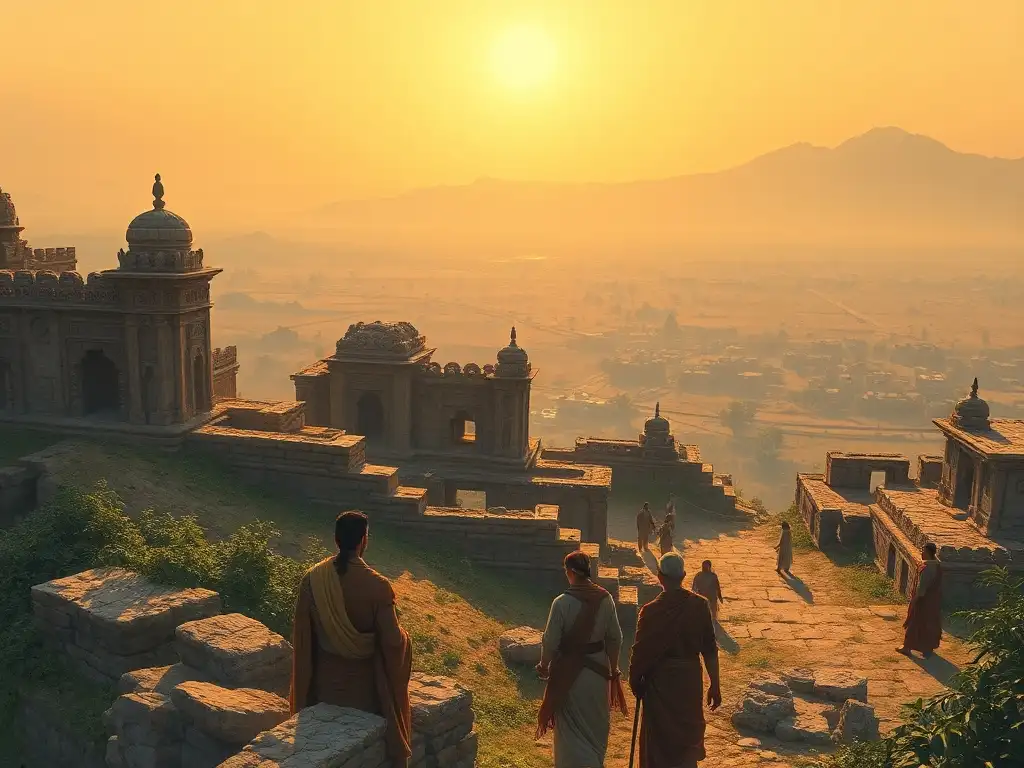
The decline of the Mauryan Empire, which reached its zenith under Emperor Ashoka, was a complex process influenced by various internal and external factors. Following Ashoka's death in 232 BCE, the empire began to unravel, leading to its eventual fragmentation and fall by the end of the 2nd century BCE. Understanding these factors provides insight into the broader political landscape of ancient Northern India.
Internal Struggles and Political Fragmentation
Internal strife played a significant role in the disintegration of the Mauryan Empire. After Ashoka’s reign, the lack of a strong successor led to a power vacuum and subsequent succession disputes. The empire's vast territory became challenging to govern effectively.
- Leadership Issues: Several rulers who followed Ashoka lacked his administrative skills and vision, leading to inefficient governance. This decline in leadership quality resulted in weakened central authority.
- Regional Power Struggles: As central power waned, regional governors and local chieftains began asserting their independence, leading to the rise of competing powers within the empire. This fragmentation of authority fostered a climate of rivalry and conflict among different factions.
- Economic Decline: Economic instability, partly due to overextension of resources and administrative inefficiencies, further exacerbated internal dissent. The decline in trade and agricultural productivity weakened the empire's economic foundation.
These internal struggles contributed significantly to the political fragmentation that marked the Mauryan Empire's decline, ultimately paving the way for the rise of smaller kingdoms in Northern India.
External Threats and Invasions
While internal issues were paramount, external threats also played a crucial role in the decline of the Mauryan Empire.
- Invasions by Foreign Powers: The empire faced invasions from external forces, notably the Greco-Bactrian kingdoms and later the Indo-Greeks. These incursions destabilized the already weakened political structure.
- Rise of Local Powers: Concurrently, local rulers and emerging dynasties such as the Shunga and Kanva took advantage of the Mauryan Empire's decline, asserting their dominance over various regions. Their military campaigns further fragmented the political landscape.
- Cultural Assimilation: The influx of new cultures and ideas from invaders also led to shifts in political allegiances and the erosion of Mauryan influence, making it difficult for the empire to maintain its unity.
These external pressures, combined with internal fragmentation, ultimately contributed to the swift decline and fall of the Mauryan Empire.
The Legacy of the Mauryan Empire in Northern India
Despite its decline, the Mauryan Empire left a lasting legacy that shaped the history and culture of Northern India.
- Administrative Innovations: The Mauryans introduced advanced administrative practices, including a bureaucratic system and standardized taxation, which influenced subsequent Indian empires.
- Cultural and Religious Influence: The promotion of Buddhism, particularly by Ashoka, significantly impacted Indian society and culture. The spread of Buddhist philosophy and art can be traced back to this period, influencing later dynasties.
- Infrastructure Development: The Mauryan Empire is credited with extensive road networks and trade routes that facilitated economic growth and cultural exchanges in Northern India. These infrastructural developments set a precedent for future empires.
The legacy of the Mauryan Empire is evident in various aspects of Northern India's historical trajectory, influencing political, cultural, and economic developments for centuries to come.
The Lasting Impact of the Mauryan Empire on Ancient Politics
The Mauryan Empire's impact on ancient politics in Northern India was profound and multifaceted. It helped establish foundational political structures and governance models that would influence future dynasties.
Comparison with Other Ancient Indian Empires
When compared to other ancient Indian empires, the Mauryan Empire stands out for its sheer scale and administrative sophistication.
- Size and Influence: Unlike the earlier Indus Valley Civilization, which was more fragmented, the Mauryan Empire unified a vast territory under a centralized authority. This marked a significant shift in governance in ancient India.
- Comparative Governance: The Mauryan bureaucratic system was more advanced than that of its predecessors, incorporating structured administrative divisions and a legal framework that influenced later empires like the Gupta Empire, which sought to emulate and expand upon Mauryan governance.
This comparison highlights the Mauryan Empire's role as a model of governance that shaped the political landscape of ancient India.
Influence on Subsequent Political Structures in Northern India
The political structures established during the Mauryan Empire had a lasting influence on subsequent dynasties in Northern India.
- Bureaucratic Framework: The administrative practices developed by the Mauryas set a standard for future rulers, who adopted similar bureaucratic systems and governance strategies.
- Legal and Taxation Systems: The legal codes and taxation methods instituted during the Mauryan period became benchmarks for subsequent empires, ensuring a degree of continuity in governance.
- Political Ideologies: The Mauryan emphasis on ethical governance and welfare, particularly under Ashoka, influenced political ideologies in later Indian states, advocating for a ruler's responsibility towards their subjects.
These influences created a political foundation that shaped the governance of Northern India for centuries to come.
Reflection on the Mauryan Empire’s Role in Shaping Indian History
The Mauryan Empire's contributions to Indian history cannot be overstated.
- Catalyst for Change: Its rise marked a pivotal moment in Indian history, transitioning from small kingdoms to a centralized empire, which influenced political organization for generations.
- Cultural Integration: The empire facilitated cultural exchanges among diverse populations, promoting unity in diversity, a theme that resonates in Indian history even today.
- Philosophical Contributions: The Mauryan promotion of Buddhism and Dharma as guiding principles for governance left an indelible mark on Indian philosophy and ethics, shaping societal values.
In reflection, the Mauryan Empire's role in shaping the political, cultural, and ethical dimensions of ancient India underscores its significance in the broader narrative of Indian history. The impact of the Mauryan Empire remains a crucial chapter in understanding the evolution of Northern India's politics and society.
Conclusion
The Mauryan Empire, which flourished from 322 to 185 BCE, represents a pivotal chapter in the history of Northern India. Its influence extends beyond mere territorial conquests; it laid the foundational framework for governance, economics, and culture that shaped subsequent Indian civilizations. Understanding the impact of the Mauryan Empire on ancient politics is essential to appreciate how it influenced the sociopolitical landscape of Northern India and its legacy in the broader context of Indian history.
Summary of the Mauryan Empire’s Impact on Northern India
The Mauryan Empire's impact on Northern India can be summarized through several key contributions:
- Political Centralization: The Mauryan rulers, particularly Chandragupta Maurya and his grandson Ashoka, established a centralized form of governance that was unprecedented in Indian history. This political structure allowed for efficient administration over vast territories, setting a standard for future empires.
- Legal Reforms: The introduction of a comprehensive legal system, including the famous edicts of Ashoka, promoted justice and ethical governance. These edicts emphasized moral conduct and social welfare, influencing local governance and the rule of law in subsequent dynasties.
- Cultural Flourishing: The Mauryan Empire was a melting pot of cultures, which facilitated the spread of Buddhism and the arts. Ashoka’s patronage of Buddhism not only transformed religious practices in Northern India but also prompted the establishment of stupas and monastic complexes, which became centers of learning and culture.
- Economic Development: The Mauryan Empire significantly boosted trade and agriculture, laying down roads and infrastructure that enhanced connectivity within Northern India and beyond. This economic network enabled the exchange of goods, ideas, and cultural practices, fostering a more integrated regional economy.
Overall, the Mauryan Empire established a model of governance and cultural integration that would resonate throughout subsequent periods in Indian history.
Final Thoughts on the Importance of Studying the Mauryan Era
Studying the Mauryan era is crucial for several reasons. Firstly, it provides insights into the evolution of political thought and governance in ancient India, showcasing the complexities of managing a diverse empire. The strategies employed by the Mauryan rulers in diplomacy and administration serve as valuable lessons for contemporary governance.
Secondly, the Mauryan period exemplifies the interplay between religion and politics, particularly through Ashoka’s conversion to Buddhism. This transformation not only influenced religious practices but also altered the moral fabric of society, showcasing the power of belief systems in shaping governance.
Lastly, understanding the Mauryan Empire's impact enriches our comprehension of Indian history as a whole. By examining this foundational period, historians and scholars can trace the lineage of political concepts, cultural practices, and economic frameworks that continued to evolve in later dynasties. The legacy of the Mauryan Empire is not just a historical footnote but a critical element in the narrative of Northern India's development and its enduring influence on the Indian subcontinent.
- Introduction to the Mauryan Empire
- The Rise of the Mauryan Empire
- The Impact of the Mauryan Empire on Northern India
- The Governance Structure of the Mauryan Empire
- The Decline of the Mauryan Empire
- The Lasting Impact of the Mauryan Empire on Ancient Politics
- Conclusion
Frequently Asked Questions
What was the Mauryan Empire known for?
The Mauryan Empire is renowned for its political unification of most of ancient India, significant advancements in administration and infrastructure, and the promotion of Buddhism under Emperor Ashoka.
How did the Mauryan Empire influence ancient politics?
The empire set a precedent for centralized governance, establishing a model of administration and law that influenced subsequent kingdoms and empires in the region.
What contributions did the Mauryan Empire make to culture?
The Mauryan Empire contributed significantly to art, architecture, and literature, including the construction of stupas and the promotion of Buddhist teachings that shaped the cultural landscape of India.
What led to the decline of the Mauryan Empire?
The decline was attributed to internal strife, lack of strong leadership after Ashoka, and the fragmentation of power, which made it difficult to maintain control over such a vast territory.
What is the lasting legacy of the Mauryan Empire?
The lasting legacy includes the establishment of trade routes, advancements in political philosophy, and the spread of Buddhism, which continues to impact cultures beyond India today.
Final Reflection: The Enduring Impact of the Mauryan Empire
The impact of the Mauryan Empire resonates profoundly in today's world, reminding us of the intricate tapestry of political and cultural evolution that shapes our societies. As we explore the rise and fall of this ancient powerhouse, we uncover lessons that remain relevant in our contemporary political landscape. The Mauryan Empire, with its sophisticated governance and unification of diverse cultures, serves as a compelling reminder of how strong leadership and visionary policies can forge a lasting legacy, even in the face of inevitable decline.
The influence of the Mauryan Empire extends far beyond its historical timeline, shaping the cultural and social fabric of Northern India and beyond. Its emphasis on governance, justice, and social welfare continues to inspire modern political thought. The principles established during this era echo through time, influencing contemporary leaders and thinkers. The greatest gift of the Mauryan Empire was its ability to unite diverse peoples under a common vision, a lesson that remains vital in our increasingly fragmented world.
This enduring legacy invites us to reflect on the importance of unity and inclusivity in our own societies, as we navigate the complexities of modern governance.
As we conclude our exploration of the Mauryan Empire, I invite you to reflect on how the lessons from this ancient civilization can be applied to your life and community. Consider how the values of leadership, unity, and social responsibility can guide your actions today. Embrace the opportunity to contribute positively to your surroundings, fostering a sense of belonging and purpose. By drawing inspiration from the past, we can shape a future that honors the profound impact of the Mauryan Empire and its timeless lessons.
Unveil the Legacy of the Mauryan Empire!
Thank you for diving deep into the fascinating world of the Mauryan Empire! You've gained valuable insights into its profound impact on ancient politics in Northern India. Now, it's time to take that knowledge and discover how it can shape your understanding of history even further.
Here are some actionable steps you can take right now:
- Explore further: Delve into our collection of articles on various ancient empires. Experience how they compare to the Mauryan Empire in terms of governance and culture.
- Join the conversation: Share your thoughts or insights about the Mauryan Empire in the comments section below. Your unique perspective could spark intriguing discussions!
- Engage with history: Consider visiting a local museum that features artifacts from ancient India. Witness the legacy of the Mauryan Empire firsthand!
What aspect of the Mauryan Empire fascinates you the most, and how do you think its influence can be seen in today's political landscapes?