
Revolutionary Surgical Techniques from the Indus Valley Civilization

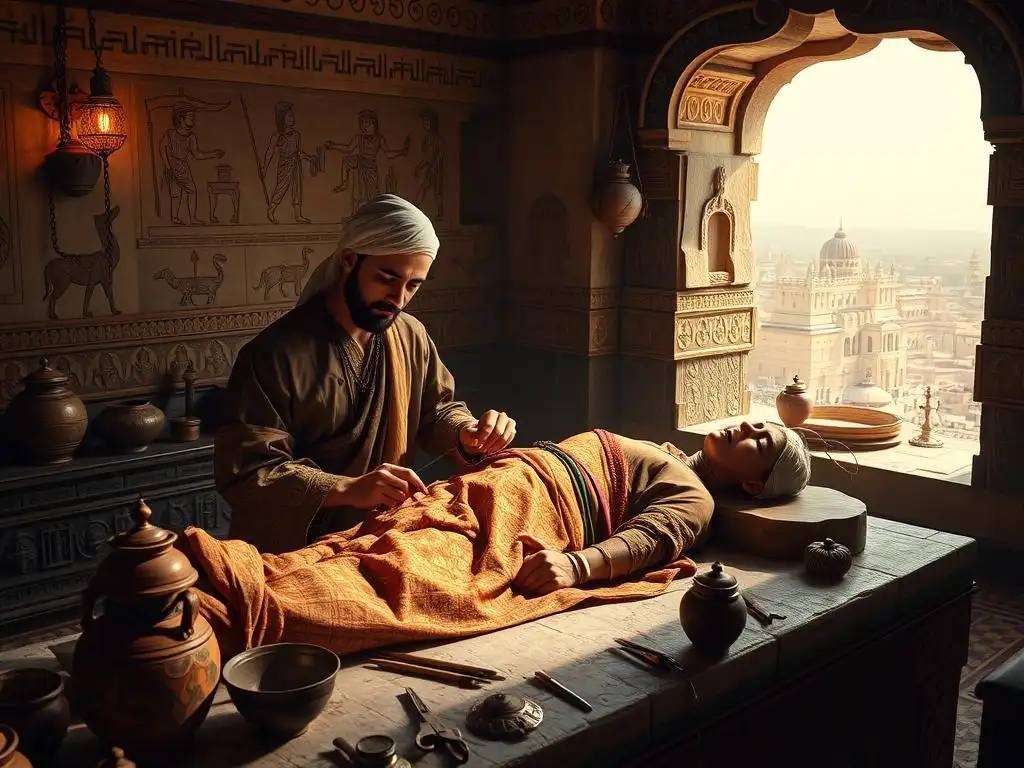
Welcome to Ancient India History, where we embark on a fascinating journey through the vibrant tapestry of India's past. Have you ever wondered about the revolutionary surgical techniques from the Indus Valley Civilization? This remarkable era not only laid the groundwork for modern medicine but also showcased innovations that continue to amaze historians and scientists alike.
Join us as we unravel the secrets of ancient practices that shaped health and healing in ways you might never have imagined. Dive deeper into the legacy of a civilization that thrived long before modern advancements, and discover how their wisdom resonates even today!
- Introduction to Indus Valley Surgical Techniques
- Historical Context of Indus Valley Surgical Techniques
- Key Indus Valley Surgical Techniques
- Significance of Indus Valley Surgical Techniques
- Archaeological Evidence of Surgical Techniques
- Legacy of Indus Valley Surgical Techniques
- Ongoing Research and Discoveries in Ancient Surgery
- Conclusion: The Impact of Indus Valley Surgical Techniques on Medicine
-
Frequently Asked Questions
- What were the surgical techniques used in the Indus Valley Civilization?
- How did the Indus Valley contribute to modern medicine?
- What materials were used by Indus Valley surgeons?
- Are there any written records of surgical practices from the Indus Valley?
- How did the Indus Valley Civilization influence later Indian medical traditions?
- Final Reflection: Embracing the Legacy of Indus Valley Surgical Techniques
- Unveil the Secrets of Ancient Surgery!
Introduction to Indus Valley Surgical Techniques
The Indus Valley Civilization, one of the world's oldest urban cultures, flourished between 3300 and 1300 BCE in what is now modern-day Pakistan and northwest India. Renowned for its advanced city planning, sophisticated drainage systems, and vibrant trade networks, this civilization also made significant strides in various fields, particularly in medicine and surgery.
The surgical techniques developed during this period are not only remarkable for their complexity and effectiveness but also provide invaluable insights into the medical practices of ancient civilizations. In this article, we will explore the innovative surgical techniques from the Indus Valley Civilization, shedding light on their significance and impact on the evolution of medicine.
Overview of the Indus Valley Civilization
The Indus Valley Civilization, also known as the Harappan Civilization, emerged around 2500 BCE and is characterized by its well-planned cities such as Harappa and Mohenjo-Daro. Key features of this civilization include:
- Urban Planning: Cities were constructed with a grid layout, featuring advanced drainage systems and public baths.
- Trade and Economy: The civilization engaged in extensive trade with neighboring regions, which contributed to its wealth and cultural exchange.
- Art and Culture: The people of the Indus Valley produced intricate pottery, jewelry, and sculptures, reflecting their artistic prowess.
Archaeological discoveries, including medical tools and surgical instruments, suggest that the Indus Valley people possessed a sophisticated understanding of health and medicine. These findings indicate that they had developed various surgical techniques long before many other cultures, showcasing their advanced medical knowledge.
Importance of Surgical Techniques in Ancient Medicine
The surgical techniques practiced in the Indus Valley Civilization hold immense historical significance for several reasons:
- Foundation of Medical Practices: The innovative approaches to surgery laid the groundwork for subsequent medical practices in ancient India and beyond. These techniques influenced later civilizations, including those in ancient Greece and Rome.
- Holistic Understanding of Health: The Indus Valley practitioners recognized the importance of both physical and mental health, integrating surgical practices with holistic approaches that emphasized overall well-being.
- Preservation of Knowledge: The surgical techniques and medical knowledge of the Indus Valley were likely preserved through oral traditions and practical applications, contributing to the richness of ancient medical literature.
The exploration of these ancient surgical techniques not only highlights the ingenuity of the Indus Valley Civilization but also underscores the importance of preserving and understanding historical medical practices that continue to inform modern medicine today.
Historical Context of Indus Valley Surgical Techniques
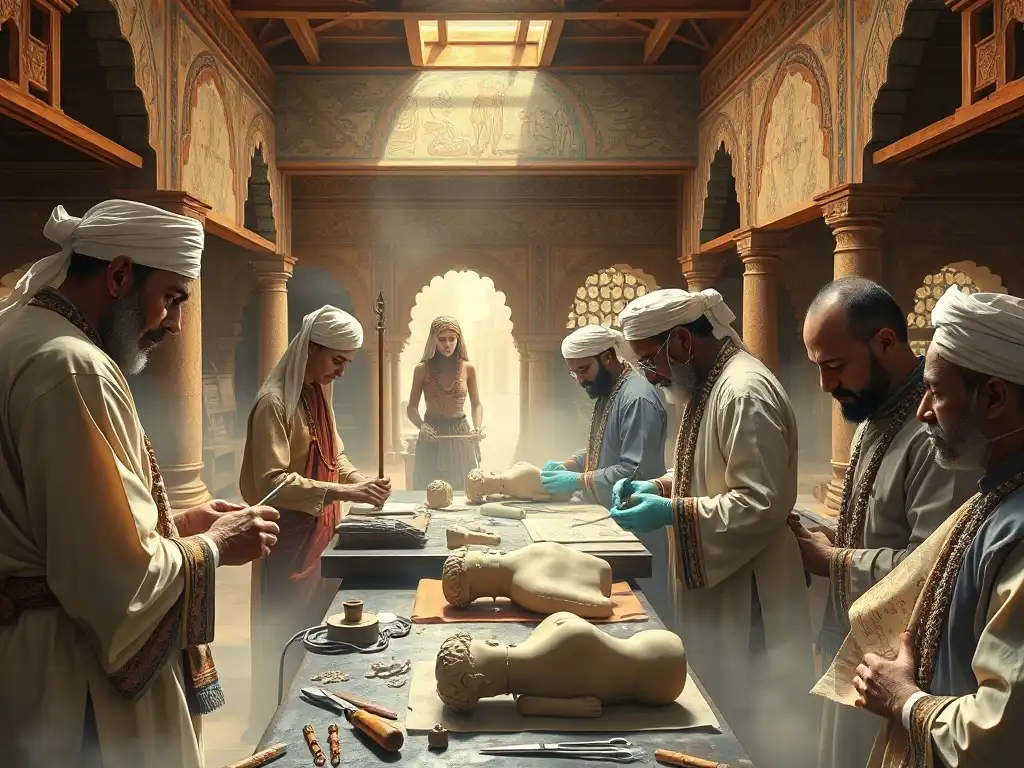
The Indus Valley Civilization, one of the world's earliest urban cultures, flourished around 2500 BCE in what is now Pakistan and northwest India. This civilization is renowned for its advanced urban planning, architecture, and social organization. However, one of its lesser-known yet significant contributions is in the field of medicine, particularly surgical techniques.
The medical practices of the Indus Valley are evident from archaeological findings, including surgical instruments, medical texts, and the remains of individuals who had undergone surgical procedures. These findings suggest a sophisticated understanding of anatomy and surgical practices, indicating that the people of the Indus Valley Civilization engaged in various medical interventions, including surgery.
Timeline of Medical Practices in the Indus Valley
The timeline of medical practices in the Indus Valley can be traced through various archaeological discoveries and historical texts.
- 2500-1900 BCE: The height of the Indus Valley Civilization saw the first evidence of surgical tools, made from materials like copper and bronze. These tools, which include scalpels and forceps, suggest that surgical operations were conducted with a degree of precision.
- 1500 BCE: With the decline of the Indus Valley Civilization, medical knowledge began to blend with the emerging Vedic traditions. Texts like the Atharva Veda indicate the continued practice of surgery, emphasizing the importance of herbs and rituals alongside surgical techniques.
- 600 BCE: The compilation of the "Sushruta Samhita," attributed to Sushruta, a physician from ancient India, marks a significant advancement in surgical knowledge. This text draws upon earlier practices from the Indus Valley and expands them, detailing over 300 surgical procedures and the use of over 120 surgical instruments, many of which have their origins in the Indus Valley surgical techniques.
Influence of Indus Valley Culture on Medicine
The culture of the Indus Valley Civilization had a profound influence on the development of medical practices in ancient India.
- Holistic Approach: The Indus Valley people believed in a holistic approach to health, integrating physical, mental, and spiritual well-being. This perspective laid the groundwork for later Ayurvedic practices, emphasizing balance and harmony in health.
- Surgical Techniques: The surgical techniques developed during the Indus Valley period included procedures such as trepanation (the drilling of holes into the skull) and wound suturing. Evidence from skeletal remains shows that individuals survived complex surgical procedures, showcasing the skill of ancient surgeons.
- Material Innovation: The use of metals like bronze and copper for surgical instruments demonstrates advanced metallurgical knowledge, which facilitated the creation of sharper and more durable tools. This innovation was crucial for the effectiveness of Indus Valley surgical techniques.
- Documentation and Education: The existence of seals and inscriptions suggests that medical knowledge was documented and possibly taught, leading to an organized approach to medical education. This tradition continued and evolved into the more formalized medical texts of subsequent periods.
- Cultural Exchange: The trade networks established by the Indus Valley Civilization facilitated cultural exchanges that likely influenced neighboring civilizations. As ideas and practices spread, the surgical techniques developed in the Indus Valley contributed to the broader medical landscape of ancient India and beyond.
The surgical techniques of the Indus Valley Civilization represent a remarkable fusion of cultural values, innovative practices, and advanced knowledge of medicine, paving the way for future developments in the field. The legacy of these techniques is evident in the rich tapestry of ancient Indian medicine, which continues to inspire contemporary practices.
Key Indus Valley Surgical Techniques
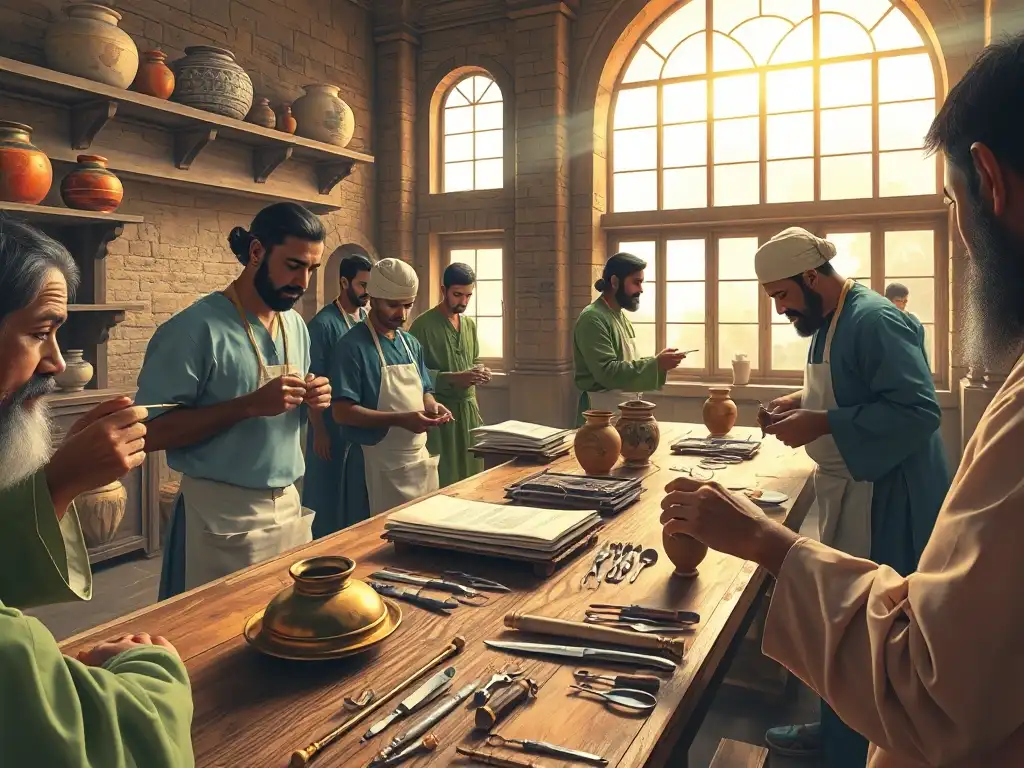
The Indus Valley Civilization, one of the world's earliest urban societies, exhibited remarkable advancements in various fields, including medicine and surgery. Among the many contributions of this civilization, the Indus Valley surgical techniques stand out for their innovation and effectiveness. Historical evidence suggests that practitioners employed a variety of surgical methods that laid the groundwork for modern medical practices.
Descriptions of Surgical Procedures
Surgical procedures in the Indus Valley were sophisticated and diverse, reflecting a deep understanding of human anatomy and the nature of injuries. Some key procedures included:
- Trepanation: This technique involved drilling or scraping a hole in the skull, believed to alleviate pressure, treat head injuries, or even manage mental health conditions. Archaeological findings indicate successful trepanation practices, with evidence of patients surviving the procedure.
- Laparotomy: Evidence suggests that early surgeons performed laparotomies to access internal organs. This invasive technique was critical in treating abdominal injuries, showcasing a remarkable understanding of internal anatomy.
- Abscess Drainage: The practice of draining abscesses was common in the Indus Valley. Surgeons used incisions to release pus, employing techniques that minimized infection and promoted healing.
- Amputation: Indications of limb amputation have been found, suggesting that surgeons were skilled in managing traumatic injuries or infections that posed a threat to life. Archaeological studies show that some individuals survived amputations, likely due to effective post-operative care.
These procedures not only highlight the surgical expertise of ancient practitioners but also reflect a holistic approach to healing that integrated both physical and spiritual well-being.
Tools and Instruments Used in Indus Valley Surgery
The success of surgical techniques in the Indus Valley was partly due to the development and use of specialized tools and instruments. Some notable instruments include:
| Instrument | Description |
|---|---|
| Scalpels | Sharp cutting tools made from stone or metal, used for incisions during surgical procedures. |
| Forceps | Tools for grasping and holding tissues, essential for delicate surgeries and wound care. |
| Needles | Surgical needles crafted from bone or metal, utilized for suturing wounds and closing incisions. |
| Surgical Saws | Used for amputations and cutting through bone, indicating advanced knowledge of surgical anatomy. |
| Cautery Instruments | Tools used for cauterizing wounds to control bleeding and prevent infection, demonstrating foresight in surgical practices. |
The craftsmanship of these instruments reflects a high degree of skill and an understanding of the materials available, which facilitated various surgical interventions.
Techniques for Wound Care and Suturing
Effective wound care was crucial in the healing process, and the Indus Valley civilization developed several techniques that are still relevant today. Key aspects of their wound care included:
- Cleansing and Antisepsis: Ancient surgeons applied natural antiseptics derived from plants to clean wounds, reducing the risk of infections. Knowledge of medicinal herbs played a vital role in this process.
- Suturing Techniques: The use of sutures, made from natural materials like animal sinew or plant fibers, was common. Various suturing techniques, including interrupted and continuous sutures, were employed to secure skin edges and promote healing.
- Dressing Techniques: The application of dressings made from cloth or leaves helped protect wounds and absorb discharge. These dressings were regularly changed to maintain hygiene and promote recovery.
- Post-operative Care: Patients received comprehensive post-operative care, focusing on nutrition and rest, which significantly aided in recovery. Records indicate the use of herbal concoctions to support healing.
Through these methods, the Indus Valley surgical techniques not only addressed immediate medical needs but also emphasized the importance of holistic patient care, setting a precedent for future medical practices.
Significance of Indus Valley Surgical Techniques

The Indus Valley Civilization, flourishing between 3300 BCE and 1300 BCE in what is now modern-day Pakistan and northwest India, exhibited remarkable advancements in various fields, including medicine and surgery. The significance of Indus Valley surgical techniques lies not only in their innovative practices but also in their lasting impact on the medical knowledge of subsequent civilizations. This section delves into the contributions of this ancient civilization to surgical techniques and their relevance in the broader context of medical history.
Contributions to Ancient Medical Knowledge
The surgical practices of the Indus Valley Civilization showcase a sophisticated understanding of anatomy and medical procedures, which is evident in various archaeological findings. Notable contributions include:
- Surgical Instruments: Excavations at sites like Mohenjo-Daro and Harappa have uncovered a variety of surgical tools made from bronze and copper. These include scalpels, forceps, and probes, which indicate a developed approach to surgical interventions.
- Surgical Procedures: Evidence suggests that ancient physicians performed complex surgeries such as trepanation, a procedure involving drilling a hole into the skull to treat ailments like head injuries or epilepsy. The presence of healed skulls indicates successful outcomes and a deep understanding of cranial anatomy.
- Medical Texts: While direct textual evidence is scarce, the Indus Valley’s systematic approach to health and surgery may have influenced later medical texts. The continuity of surgical techniques in subsequent cultures suggests a transfer of knowledge from the Indus Valley practitioners to later Indian and global medical traditions.
- Pharmacology and Herbal Medicine: The civilization’s knowledge of medicinal plants and their applications in healing practices complements its surgical techniques. Many herbs used during this period are still relevant in Ayurvedic medicine today.
The Indus Valley surgical techniques laid a foundation for ancient medical practices, highlighting their role as pioneers in the field of surgery.
Comparison with Other Ancient Civilizations’ Surgical Methods
When comparing Indus Valley surgical techniques to those of other ancient civilizations, several distinctions and similarities emerge:
- Ancient Egypt:
- Techniques: Egyptian surgeons utilized methods such as suturing wounds and setting fractures, similar to the Indus Valley approach. However, their surgical knowledge was often intertwined with mystical beliefs and religious practices.
- Instruments: While both civilizations used metal tools, Egyptian instruments were often more ornate and ritualistic, reflecting their cultural emphasis on the afterlife.
- Ancient Greece:
- Techniques: Greek physicians like Hippocrates and Galen advanced surgical techniques further, incorporating anatomy lessons from dissection, which was less common in the Indus Valley. While trepanation was also practiced in Greece, the Greeks had a more systematic approach to medical training.
- Instruments: Greek surgical tools were well-documented, and their medical texts influenced later European practices, highlighting a more structured academic approach to surgery.
- Ancient China:
- Techniques: Chinese medicine included acupuncture and herbal remedies as primary treatments, with surgery being less emphasized compared to the Indus Valley. However, like the Indus Valley, they also practiced trepanation.
- Instruments: Chinese surgical instruments were often designed for specific ailments, showcasing specialization not as prominently seen in the Indus Valley tools.
While the Indus Valley surgical techniques share similarities with those of other ancient civilizations, they were distinguished by their unique combination of practical application and holistic health approaches. This integration not only enriched their medical practices but also significantly influenced the development of surgery in various cultures that followed.
Archaeological Evidence of Surgical Techniques
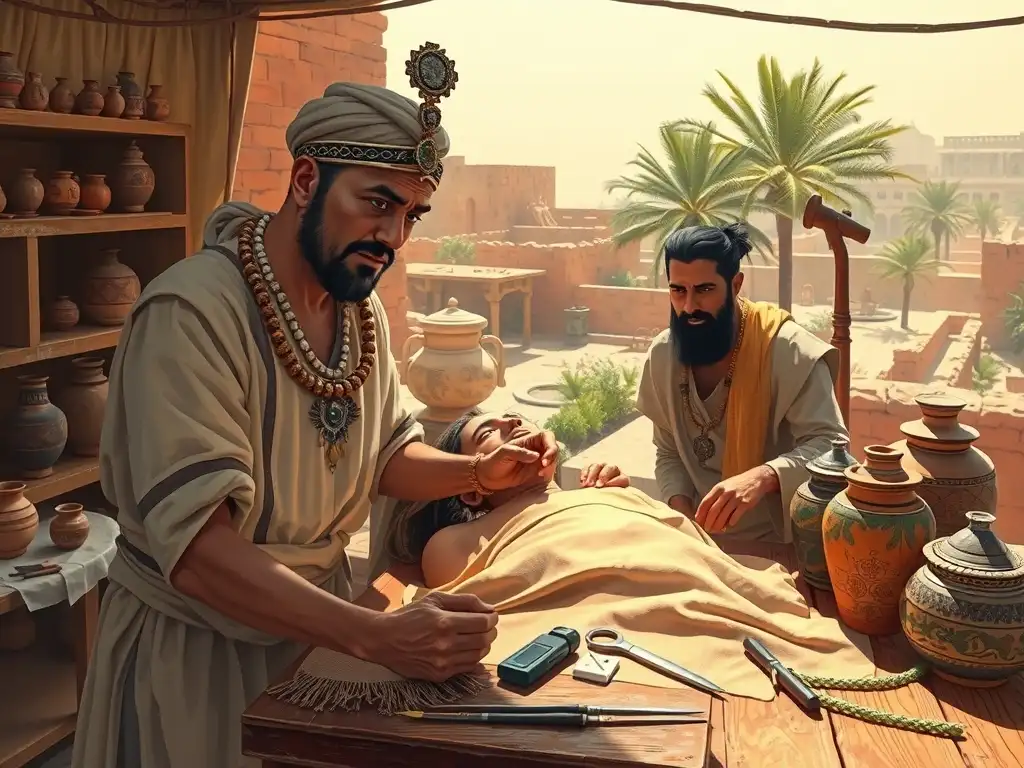
The Indus Valley Civilization, flourishing between 3300 BCE and 1300 BCE, is renowned for its advanced urban planning, sophisticated social organization, and remarkable achievements in various fields, including medicine and surgery. Archaeological excavations have uncovered compelling evidence suggesting that surgical techniques were practiced during this era, reflecting the civilization's significant contributions to ancient medical science.
Findings from Indus Valley Sites
Recent excavations at key Indus Valley sites, such as Harappa and Mohenjo-Daro, have revealed a variety of artifacts that point towards advanced surgical practices. Among these findings are:
- Surgical Instruments: Archaeologists have discovered tools that closely resemble modern surgical implements. These include:
- Scalpels: Made from polished stone, these tools suggest an understanding of precision in incisions.
- Forceps: Used for grasping tissues, indicating knowledge of delicate procedures.
- Needles: Found in various sizes, likely used for suturing wounds.
- Medical Texts: While not directly inscribed, some seals depict figures that may represent medical practitioners, hinting at a system of medical knowledge and its practitioners.
- Human Remains: Analysis of skeletal remains from burial sites has revealed signs of surgical intervention, such as trepanation (the act of drilling a hole in the skull) and healed fractures, demonstrating successful surgical outcomes.
These findings collectively suggest that ancient practitioners possessed a remarkable degree of skill and knowledge regarding human anatomy and surgical techniques, which were crucial for treating injuries and diseases.
Interpretation of Surgical Tools and Implements
The interpretation of surgical tools from the Indus Valley provides critical insights into the medical practices of this ancient civilization. The variety and sophistication of the instruments indicate a well-developed understanding of surgical procedures. Here are key aspects to consider:
- Material Composition: The surgical tools were primarily made from:
- Bronze: Indicating an advanced metallurgy that allowed for sharper and more durable instruments.
- Stone: Signifying tradition and the use of naturally available materials, showcasing a blend of innovation and practicality.
- Design and Functionality: The design of these instruments suggests they were not only functional but also ergonomically tailored for ease of use. For instance, the curved blades of certain scalpels imply they were intended for specific surgical techniques, such as excising tissue.
- Cultural Context: The presence of surgical tools alongside other medical artifacts, such as bowls that may have been used for medicinal preparations, suggests a holistic approach to health that integrated surgery, herbal medicine, and perhaps spiritual practices.
- Comparative Analysis: When compared with surgical practices in other ancient cultures, such as those of ancient Egypt and Greece, the Indus Valley techniques appear to be unique yet share similarities in their foundational principles. This highlights the interconnectedness of ancient medical knowledge across civilizations.
The archaeological evidence of surgical techniques from the Indus Valley Civilization reveals a sophisticated understanding of medicine that has significantly influenced the history of surgical practices. The discovery of various surgical tools and the examination of human remains provide clear indications of advanced medical procedures, establishing a foundation for the evolution of surgery in subsequent cultures.
Legacy of Indus Valley Surgical Techniques
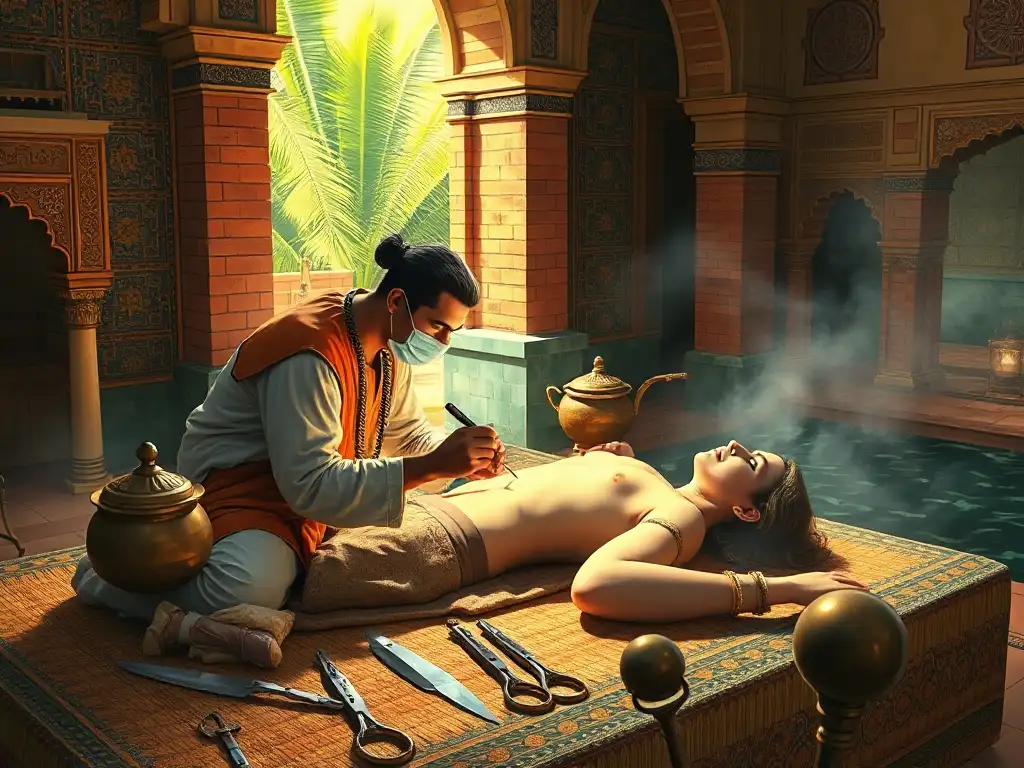
The Indus Valley Civilization (IVC), flourishing around 2500 BCE in what is now Pakistan and northwest India, is renowned for its advanced urban planning and innovative technologies. Among its many contributions, the surgical techniques employed by the people of this civilization stand out as particularly revolutionary. The legacy of these techniques has not only shaped the medical practices of subsequent Indian civilizations but also influenced broader medical knowledge.
Influence on Later Indian Medical Practices
The surgical techniques of the Indus Valley Civilization laid the groundwork for the development of Ayurveda and other medical systems in ancient India. Evidence suggests that practitioners of the time utilized a variety of surgical methods, including:
- Suturing and Wound Treatment: Archaeological findings indicate that the Indus Valley surgeons had knowledge of suturing techniques, using materials such as plant fibers and animal sinew to close wounds effectively.
- Use of Surgical Instruments: Excavations have uncovered terracotta models and tools that resemble scalpels, forceps, and even rudimentary surgical saws. This indicates that early surgeons had a sophisticated understanding of anatomy and the tools required for surgical procedures.
- Trepanation: Evidence of trepanation, the procedure of drilling or scraping a hole in the skull, has been found in skeletal remains. This practice demonstrates an early understanding of cranial surgery, likely used to treat head injuries or ailments.
The influence of these techniques is evident in later texts such as the Sushruta Samhita, attributed to the ancient Indian surgeon Sushruta, who is often referred to as the "father of surgery." The Sushruta Samhita describes over 300 surgical procedures and 120 surgical instruments, many of which reflect the foundational practices established during the Indus Valley period.
The legacy of Indus Valley surgical techniques highlights the remarkable advancements in medical knowledge and practice that were present during this era. The integration of these techniques into later medical practices underscores the importance of the IVC in the history of medicine.
Ongoing Research and Discoveries in Ancient Surgery
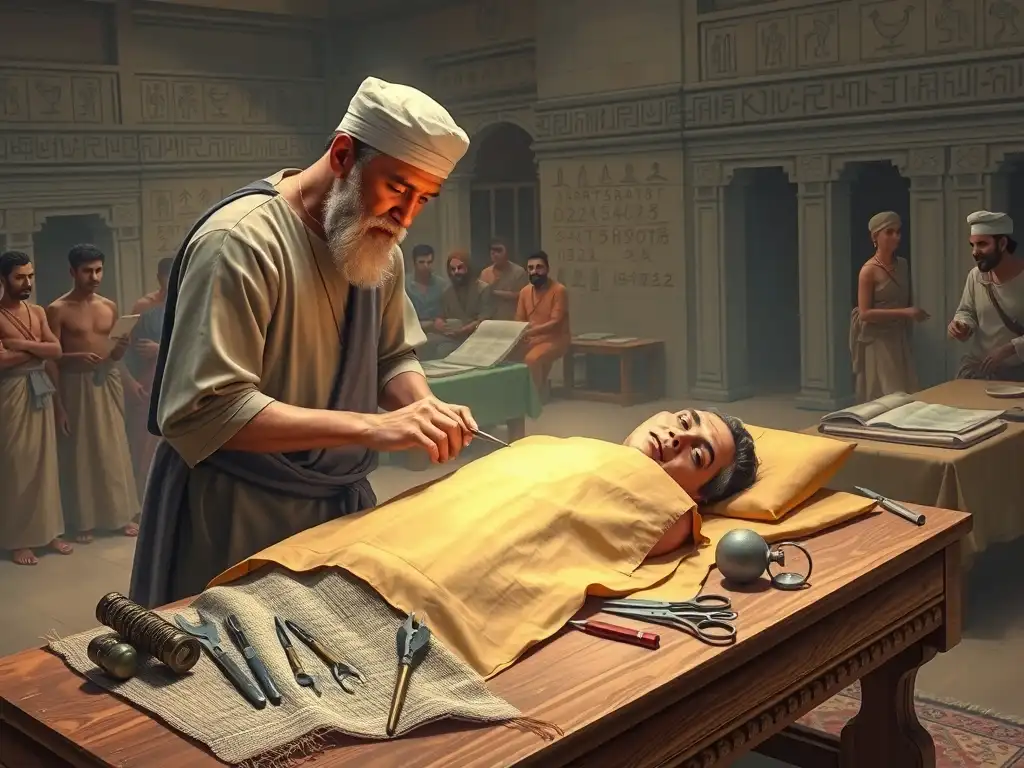
The study of ancient surgical techniques, particularly those from the Indus Valley Civilization, remains an active field of research. Archaeologists, historians, and medical experts continue to uncover new evidence that sheds light on the sophistication of medical practices in ancient India. Recent discoveries include:
- Excavation of Medical Tools: Ongoing excavations at sites like Harappa and Mohenjo-Daro have revealed additional surgical instruments, which help researchers better understand the capabilities and methods used by ancient surgeons.
- Analysis of Skeletal Remains: Modern forensic techniques allow researchers to analyze skeletal remains for signs of surgical intervention. This research provides insights into the types of surgeries performed and the outcomes for patients.
- Interdisciplinary Studies: Collaborative efforts between archaeologists, medical professionals, and historians have led to a deeper understanding of the context in which these surgical practices were developed. Such interdisciplinary studies are crucial for reconstructing the medical landscape of ancient civilizations.
As new technologies and methodologies emerge, the potential for groundbreaking discoveries in the field of ancient surgery is immense. The ongoing research not only enriches our understanding of the Indus Valley's contributions to medical science but also highlights the civilization's role in the larger narrative of surgical history.
The Indus Valley surgical techniques are a testament to the advanced medical knowledge of the time, and their legacy continues to inspire contemporary studies in ancient medicine. The interplay of ongoing research and historical analysis ensures that the contributions of the Indus Valley Civilization will not be forgotten but will continue to inform our understanding of ancient surgical practices.
Conclusion: The Impact of Indus Valley Surgical Techniques on Medicine
The surgical techniques developed during the Indus Valley Civilization stand as a testament to the advanced medical knowledge and practices of ancient Indian societies. These techniques not only reflect a sophisticated understanding of human anatomy but also reveal a holistic approach to health and wellness that was prevalent in the region. The legacy of these practices has had a lasting influence on both traditional and modern medicine, paving the way for future advancements.
Summary of Key Contributions
The Indus Valley Civilization, flourishing around 2500 BCE, made significant strides in various fields, including medicine. Some of the key contributions in surgical techniques include:
- Surgical Instruments: Archaeological findings have revealed an array of surgical tools, such as scalpels and forceps, crafted from materials like bronze and copper. These instruments indicate a high level of craftsmanship and an understanding of the tools necessary for surgical procedures.
- Surgical Procedures: Texts and seals from the Indus Valley suggest that procedures like trepanation (drilling holes into the skull) were performed. This technique was likely used to treat head injuries or ailments, showcasing an early understanding of neurosurgery.
- Public Health Systems: The advanced drainage systems and public baths of the Indus Valley not only highlight their commitment to hygiene but also the preventive aspect of medicine. This emphasis on sanitation played a crucial role in reducing infections, which is a foundational principle of modern surgical practices.
- Pharmacology: Knowledge of herbal medicine was also evident, as many plants with medicinal properties were utilized to treat various ailments. This intersection of surgery and pharmacology points to a comprehensive approach to healthcare.
These contributions collectively indicate that the Indus Valley Civilization possessed a progressive understanding of surgical techniques that influenced subsequent generations in the Indian subcontinent and beyond.
Future Directions for Research in Ancient Indian Surgery
Despite the wealth of information already uncovered, there remains a significant scope for research into the Indus Valley surgical techniques. Future studies could focus on the following areas:
- Archaeological Excavations: Continued archaeological efforts in the Indus Valley region might uncover more surgical instruments and medical texts, providing further insights into the techniques and practices of the time.
- Comparative Analysis: Research could also involve comparing the surgical techniques of the Indus Valley with those from contemporaneous civilizations, such as Mesopotamia and Ancient Egypt, to better understand the exchange of medical knowledge and techniques across cultures.
- Interdisciplinary Approaches: Collaborations between historians, archaeologists, and medical professionals could yield a more nuanced understanding of ancient surgical practices and their evolution over time. By combining perspectives, researchers can create a more comprehensive picture of the medical landscape in ancient India.
- Impact on Modern Practices: Analyzing how these ancient techniques have influenced modern surgical practices in India and their implications for contemporary medicine could provide valuable insights into the continuity of medical knowledge.
The exploration of Indus Valley surgical techniques is not only a journey into the past but also an opportunity to enrich our understanding of the evolution of medicine. As we delve deeper into this fascinating field, we can uncover the profound impact that ancient practices have had on modern healthcare systems.
Frequently Asked Questions
What were the surgical techniques used in the Indus Valley Civilization?
The Indus Valley Civilization is known for its advanced surgical techniques, including trepanation and procedures for treating wounds, indicating a significant understanding of human anatomy.
How did the Indus Valley contribute to modern medicine?
The surgical techniques developed in the Indus Valley laid the groundwork for many medical practices today, showcasing an early blend of science and art in healing.
What materials were used by Indus Valley surgeons?
Indus Valley surgeons utilized sharp tools made of stone, bronze, and other materials, reflecting their innovative approach to surgery and medical treatment.
Are there any written records of surgical practices from the Indus Valley?
While the Indus Valley Civilization left behind few written records, archaeological findings, such as medical instruments, provide insight into their surgical practices.
How did the Indus Valley Civilization influence later Indian medical traditions?
The surgical techniques and medical knowledge from the Indus Valley significantly influenced later Indian medical traditions, particularly during the Ayurvedic period, enhancing overall healthcare practices.
Final Reflection: Embracing the Legacy of Indus Valley Surgical Techniques
The Indus Valley surgical techniques represent a remarkable intersection of ancient wisdom and modern medical practices, showcasing how historical innovations continue to resonate in today's healthcare landscape. As we navigate an era of rapid advancements in medicine, it is essential to recognize that the foundations laid by civilizations like the Indus Valley not only inform our understanding of surgical procedures but also inspire a deeper appreciation for the ingenuity of our ancestors. The legacy of these techniques is a testament to the enduring human spirit of inquiry and innovation.
The impact of these ancient surgical practices is profound, shaping not only the medical field but also our cultural narratives around health and healing. As we reflect on the sophistication of the Indus Valley civilization, we can see how their contributions have influenced contemporary surgical methodologies and patient care. The reverberations of their knowledge remind us that the quest for healing is timeless. The greatest medicine of all is teaching people how not to need it.
This quote encapsulates the essence of the Indus Valley's approach to health, emphasizing prevention and holistic care that we can still learn from today.
As we look to the future, let us take a moment to reflect on how we can integrate the lessons from the Indus Valley surgical techniques into our own lives and practices. Consider how the principles of innovation, adaptability, and respect for ancient wisdom can guide us in our personal and professional journeys. I invite you to explore these themes further, to engage with the past, and to carry forward the spirit of inquiry that has defined humanity's pursuit of knowledge and healing. Together, we can honor this rich legacy and inspire a new generation of thinkers and healers.
Unveil the Secrets of Ancient Surgery!
Thank you for diving into the fascinating world of revolutionary surgical techniques from the Indus Valley Civilization! You've uncovered remarkable insights into how ancient practices continue to influence modern medicine. Now, it's time to take action and deepen your understanding even further.
Here’s what you can do next:
- Explore more about ancient medical practices by visiting reputable resources or reading books that focus on the history of surgery.
- Join online forums or communities dedicated to discussing ancient history, where you can share your thoughts on these surgical advancements.
- Consider volunteering with local historical societies or museums to help promote the significance of ancient techniques in today's medical field.
Which ancient surgical technique do you believe would have the most significant impact if reintroduced in modern medicine? Let's discuss your thoughts!