
Ancient Indian Surgery: Balancing Tradition and Innovation

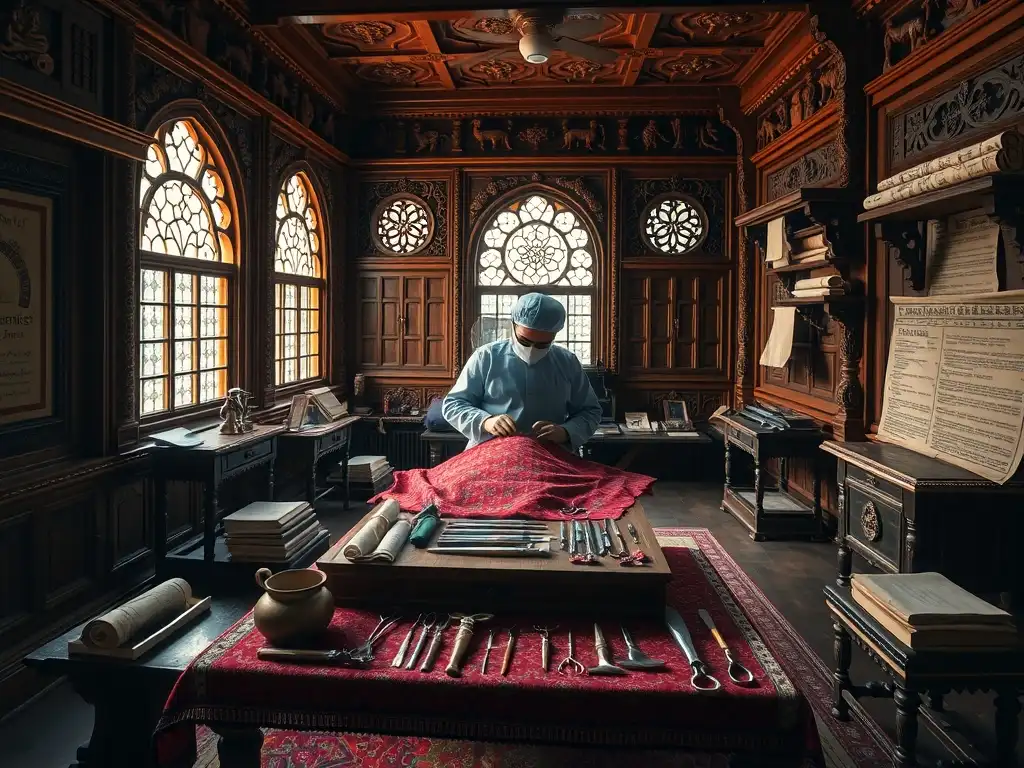
Welcome to Ancient India History, where we embark on a fascinating journey through the rich tapestry of India's past. In this corner of our site, we invite you to delve into the intriguing world of Ancient Indian surgical practices. Discover how the wisdom of ancient healers balanced tradition and innovation, laying the groundwork for modern medicine.
As you explore our latest article, "Ancient Indian Surgery: Balancing Tradition and Innovation," prepare to uncover the remarkable techniques and philosophies that shaped the health practices of one of civilization's greatest eras. Your adventure into the depths of history awaits—read on to unveil the secrets of ancient healers!
- Introduction to Ancient Indian Surgical Practices
- Historical Context of Ancient Indian Surgery
- Core Principles of Ancient Indian Surgical Techniques
- Major Surgical Techniques in Ancient India
- Common Surgical Procedures in Ancient Indian Medicine
- Balancing Tradition and Innovation in Ancient Indian Surgery
- Legacy of Ancient Indian Surgical Practices
- Conclusion: The Enduring Relevance of Ancient Indian Surgical Practices
- Frequently Asked Questions
- Final Reflection: Embracing the Legacy of Ancient Indian Surgical Practices
- Unveil the Secrets of Ancient Healing!
Introduction to Ancient Indian Surgical Practices
The exploration of ancient Indian surgical practices reveals a rich tapestry of medical knowledge and techniques that have contributed significantly to the field of medicine. From the early days of the Indus Valley Civilization to the sophisticated Gupta Empire, ancient Indian surgeons developed a variety of methods that combined empirical observation, practical experience, and philosophical understanding.
This article delves into the intricate world of ancient Indian surgery, shedding light on how tradition and innovation intermingled to create a profound legacy in healing practices. By examining the historical context and significance of these surgical techniques, we can appreciate the ingenuity and expertise that ancient Indian civilizations exhibited in the realm of health and medicine.
Overview of Ancient Indian Medicine
Ancient Indian medicine is rooted in a deep understanding of the human body, which was often viewed through the lens of holistic health. The foundations of this medical system can be traced back to significant texts, such as the Sushruta Samhita and Charaka Samhita, which outline not only surgical techniques but also the principles of Ayurveda.
Key Elements of Ancient Indian Medicine:
- Ayurveda: A comprehensive system of medicine that emphasizes balance among the body, mind, and spirit. It incorporates preventive measures, diet, and herbal remedies alongside surgical practices.
- Surgery: Known as Shalya Tantra, surgery in ancient India included various invasive techniques for treating ailments, ranging from minor procedures to complex surgeries.
- Empirical Observation: Ancient Indian surgeons relied on meticulous observation and hands-on experience, leading to the documentation of numerous surgical techniques and methodologies.
The integration of these elements marked ancient Indian medicine as one of the earliest and most advanced medical systems, with surgical practices playing a crucial role in its evolution.
Significance of Surgical Techniques in Ancient India
The surgical techniques developed in ancient India were not merely practical solutions to medical issues; they held significant cultural and philosophical implications.
Notable Aspects of Surgical Significance:
- Innovative Techniques: Ancient Indian surgeons, particularly Sushruta, are credited with innovations such as rhinoplasty and cataract surgery, showcasing an advanced understanding of anatomy and surgical procedures.
- Cultural Impact: Surgical practices were often intertwined with religious and cultural beliefs, reflecting the civilization's broader worldview regarding health and wellness.
- Legacy and Influence: The methodologies and knowledge generated by ancient Indian surgical practices influenced not only the Indian subcontinent but also impacted surgical practices in other cultures, particularly through translations and adaptations in the Islamic Golden Age.
The significance of ancient Indian surgical techniques lies in their innovative nature and the holistic approach to health that characterized ancient Indian civilization. Understanding these practices provides valuable insights into the rich history of medicine in India and underscores the legacy of ancient Indian surgeons who balanced tradition with innovation.
Historical Context of Ancient Indian Surgery
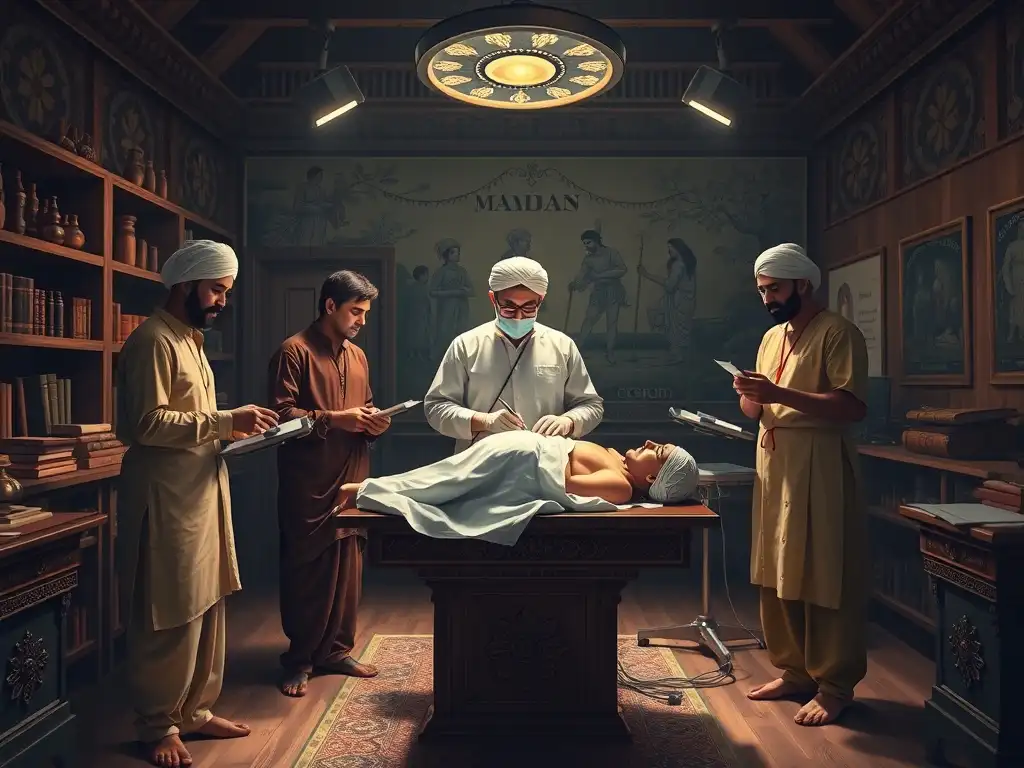
Development of Surgical Practices in Ancient Civilizations
The evolution of ancient Indian surgical practices can be traced back to the sophisticated cultures of the Indus Valley Civilization (circa 3300–1300 BCE). Archaeological findings suggest an advanced understanding of urban planning, drainage systems, and possibly even rudimentary medical practices. This period laid the groundwork for later surgical innovations that would be formalized in texts such as the Sushruta Samhita.
By the time of the Vedic period (circa 1500–500 BCE), surgery began to be recognized as a distinct field of medicine. The ancient Indian texts from this era indicate an increasing specialization in healthcare, with practitioners known as "Vaidyas" who were skilled in various medical disciplines, including surgery. This period saw the introduction of various surgical techniques, particularly those related to wound treatment and the management of injuries, influenced by the need for effective medical practices in warfare and agriculture.
As Indian civilization progressed through the Mauryan and Gupta empires, surgical techniques became more refined. The Gupta period (circa 320–550 CE) is often considered a golden age for medicine in India, with advancements in both theoretical and practical aspects of surgery. Notably, the techniques and instruments used during this time were often documented and disseminated, contributing significantly to the broader understanding of medicine across ancient cultures.
Key Texts and Literature on Ancient Indian Surgery
The legacy of ancient Indian surgical practices is encapsulated in various texts that provide insight into the techniques, philosophies, and methodologies employed by ancient surgeons. These texts are crucial for understanding the balance between tradition and innovation in ancient Indian medicine.
Sushruta Samhita: The Foundation of Surgical Knowledge
The Sushruta Samhita, attributed to the ancient surgeon Sushruta, is a seminal text in the field of surgery and is often regarded as the foundational work of ancient Indian surgical practices. Composed around the 6th century BCE, this text meticulously outlines various surgical techniques and instruments, detailing procedures such as:
- Rhinoplasty: Reconstruction of the nose, which highlights the advanced understanding of human anatomy.
- Cataract Surgery: Techniques for dealing with cataracts that showcased early forms of eye surgery.
- Surgical Instruments: A comprehensive list of over 120 surgical instruments, including scalpels, forceps, and suction devices.
The text adopts a holistic approach, emphasizing the importance of patient care, hygiene, and the ethical responsibilities of surgeons. Sushruta's contributions extend beyond technical skills to include considerations of patient psychology and the social aspects of healing.
Other Influential Texts on Surgery in Ancient India
Apart from the Sushruta Samhita, several other texts contributed to the body of knowledge surrounding ancient Indian surgical practices:
- Charaka Samhita: While primarily focused on Ayurveda, it includes significant insights into surgical practices and the management of diseases that require surgical intervention.
- Ashtanga Hridaya: A medical classic that synthesizes surgical knowledge with a broader understanding of health and disease, emphasizing the interconnectedness of different medical disciplines.
- Bhava Prakash: This text addresses the practical applications of surgical techniques and herbal medicine, integrating traditional knowledge with practical surgery.
These texts collectively illustrate a rich tapestry of medical knowledge that not only advanced surgical techniques but also emphasized the ethical and spiritual dimensions of healing in ancient India. They serve as invaluable resources for understanding the complexities of ancient Indian surgical practices and their enduring legacy in the field of medicine.
Core Principles of Ancient Indian Surgical Techniques
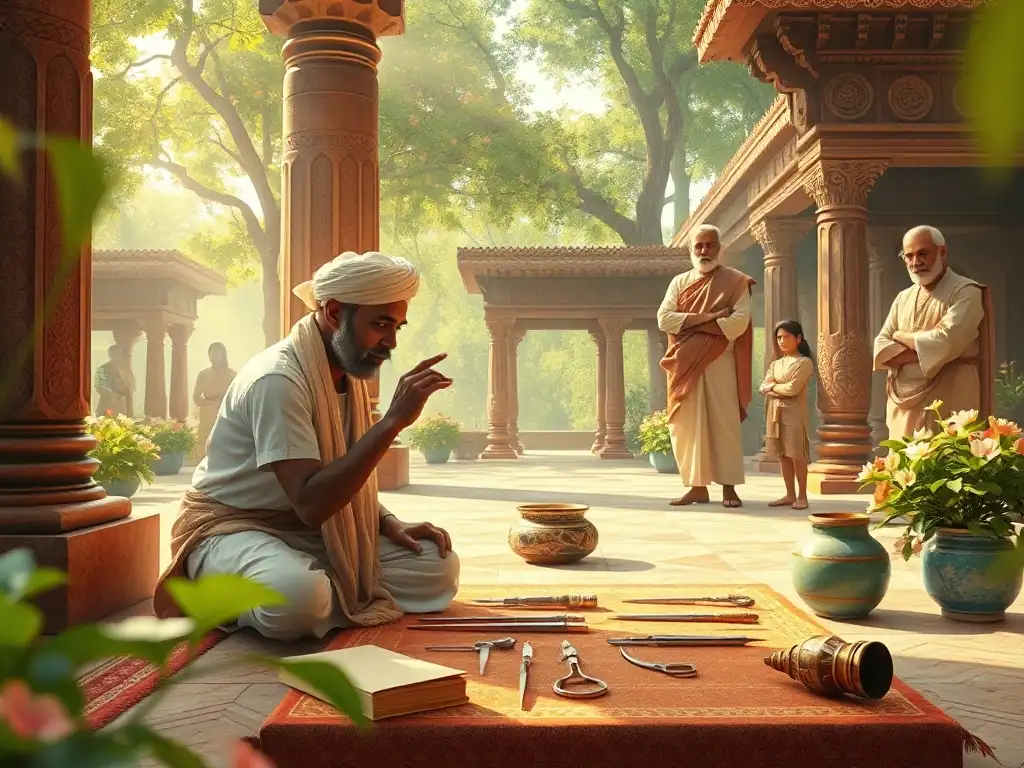
Ancient Indian surgical practices are deeply rooted in a combination of theoretical knowledge, practical experience, and a holistic understanding of health. The core principles of these techniques reflect a unique blend of spirituality, philosophy, and empirical observation that characterized ancient Indian medicine.
Theoretical Foundations of Ancient Indian Surgery
The theoretical underpinnings of ancient Indian surgery can be traced back to classical texts, primarily the Sushruta Samhita, attributed to the sage Sushruta, who is often referred to as the "father of surgery." This text, composed around the 6th century BCE, is a comprehensive treatise on surgical techniques and practices.
- Five Fundamental Principles:
- Anatomical Knowledge: Ancient Indian surgeons possessed extensive knowledge of human anatomy, which was critical for performing complex surgical procedures. This understanding came from meticulous dissections and observations.
- Diagnosis and Prognosis: The ability to diagnose conditions accurately and predict outcomes was paramount. Techniques included pulse diagnosis and examination of bodily fluids.
- Pre-operative Care: Emphasis was placed on preparing patients physically and mentally for surgery to minimize risks and enhance recovery.
- Surgical Techniques: Ancient surgery included procedures such as incision, excision, and suturing, with tools crafted from metals like iron and bronze.
- Post-operative Management: Recovery was closely monitored, with practices in place to prevent infection and promote healing.
The Sushruta Samhita also categorizes surgeries into various types, ranging from minor procedures to major interventions, showcasing a progressive approach to surgical care.
Importance of Ayurveda in Surgical Practices
Ayurveda, the ancient Indian system of medicine, plays a pivotal role in shaping surgical practices. Its holistic approach integrates physical, mental, and spiritual health, influencing how surgeons approached treatment.
- Key Principles of Ayurveda:
- Tridosha Theory: This foundational concept categorizes health into three doshas (Vata, Pitta, and Kapha), guiding surgeons in understanding individual patient needs and tailoring interventions accordingly.
- Panchakarma: This detoxification process was often utilized prior to surgery to prepare the body, ensuring it was in optimal condition for healing.
- Herbal Remedies: Post-operative care often included the use of herbal concoctions to enhance recovery, reduce inflammation, and prevent infections.
The synergy between Ayurveda and surgical practices in ancient India highlights a sophisticated understanding of the body and the importance of a comprehensive approach to health care. By combining surgical skill with Ayurvedic principles, ancient Indian surgeons were able to deliver effective treatments that resonated with the cultural and spiritual beliefs of their time.
Ancient Indian surgical practices were not merely technical procedures; they were part of a broader framework of health that emphasized balance, prevention, and holistic care. This fusion of tradition and innovation continues to inspire modern medicine, illustrating the enduring legacy of ancient Indian contributions to the field of surgery.
Major Surgical Techniques in Ancient India
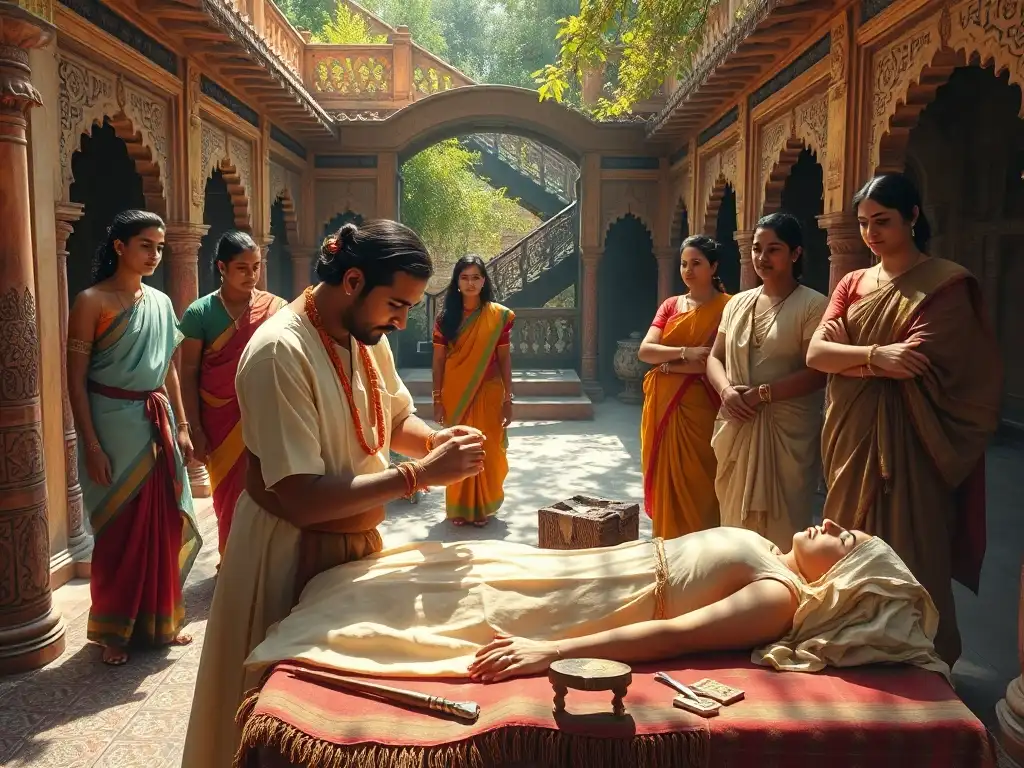
In ancient India, surgical practices were a blend of traditional knowledge and innovative techniques, reflecting a deep understanding of human anatomy and the principles of healing. The surgical techniques employed during this time were documented extensively in ancient texts, notably the Sushruta Samhita, attributed to the ancient physician Sushruta, often referred to as the "father of surgery." This text outlines various surgical techniques, instruments, and medicinal practices, revealing the sophistication of ancient Indian surgical practices.
One of the most notable aspects of these techniques is the emphasis on aseptic methods and the understanding of the importance of cleanliness during surgical procedures. Ancient Indian surgeons recognized that infections could severely hinder recovery, leading to the development of methods to minimize contamination.
Surgical Instruments Used in Ancient Practices
The surgical instruments used in ancient Indian practices were meticulously designed for specific procedures, showcasing the ingenuity of ancient craftsmen. The Sushruta Samhita describes a variety of tools that were utilized, each serving crucial roles in surgical interventions.
Types of Tools and Their Functions
Some of the most prominent surgical instruments included:
- Scalpels (Shalaka): Sharp blades used for making incisions in the skin.
- Curettes (Chhedaka): Tools designed for scraping tissue or debris from wounds.
- Forceps (Vamsha): Used to grasp and hold tissues during surgery.
- Needles (Suvarna): Specialized needles for suturing wounds.
- Cauterizing Instruments (Agni): Tools heated to burn tissue for various therapeutic purposes.
These instruments were often crafted from materials such as gold, silver, and bronze, reflecting both their functional and aesthetic importance.
Common Surgical Procedures in Ancient Indian Medicine
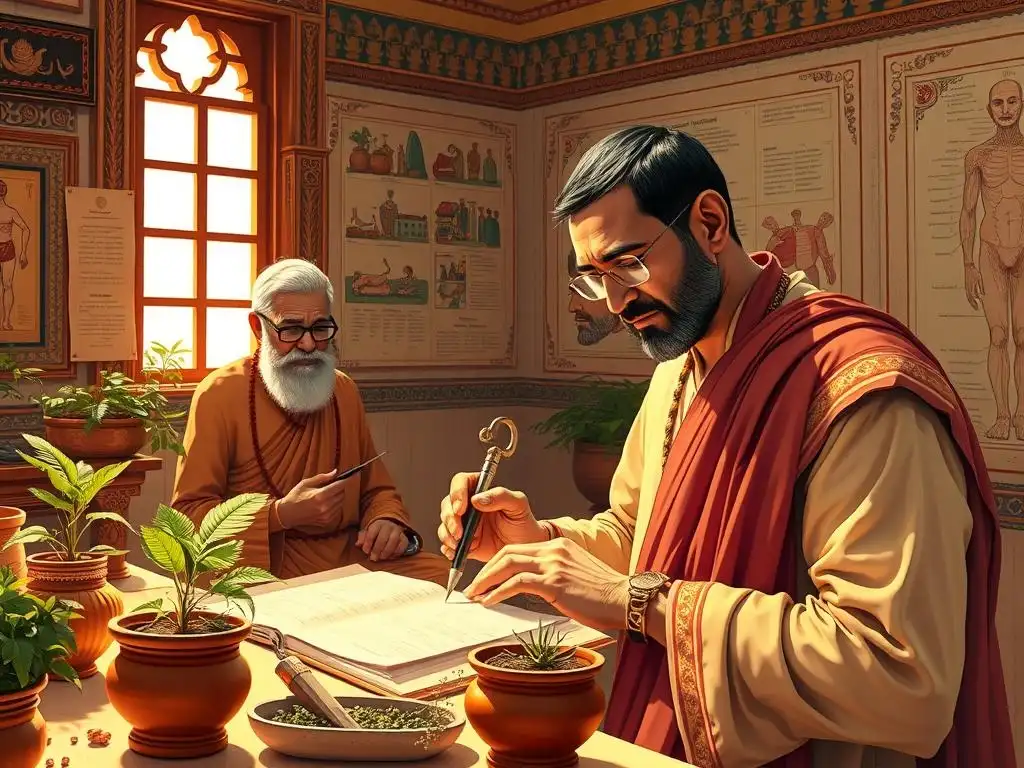
Ancient Indian medicine encompassed a wide range of surgical procedures that addressed various ailments. The techniques were advanced for their time and included both invasive and non-invasive methods, showcasing the skill of ancient surgeons.
Cauterization and Its Applications
Cauterization, a technique used to burn tissue to stop bleeding or remove abnormal growths, was a common practice in ancient Indian surgery. Surgeons utilized heated instruments or chemicals to achieve this effect, effectively treating conditions such as:
- Hemorrhages: Cauterization was applied to control excessive bleeding during surgeries.
- Tumors and Warts: The technique was employed to remove unwanted growths through controlled burning.
- Ulcers: Cauterization helped in treating chronic ulcers by destroying unhealthy tissue and promoting healing.
This method, while painful, was considered effective, and its applications were meticulously documented in surgical texts.
Suturing Techniques and Innovations
The art of suturing was another significant aspect of ancient Indian surgical practices. Ancient surgeons developed various suturing techniques to ensure proper wound closure and minimize scarring. Key innovations included:
- Continuous Sutures: A technique that allowed for quicker closure of wounds, reducing time under anesthesia.
- Interrupted Sutures: Individual stitches that provided additional security to the wound, especially in areas subject to movement.
- Cosmetic Sutures: Techniques aimed at minimizing visible scarring, reflecting a sophisticated understanding of aesthetics.
The precision in suturing not only facilitated healing but also showcased the skill and training of ancient Indian surgeons, emphasizing their commitment to patient care.
Ancient Indian surgical practices demonstrate a remarkable blend of tradition and innovation, laying the groundwork for modern surgical techniques and highlighting the advanced medical knowledge of ancient civilizations.
Balancing Tradition and Innovation in Ancient Indian Surgery
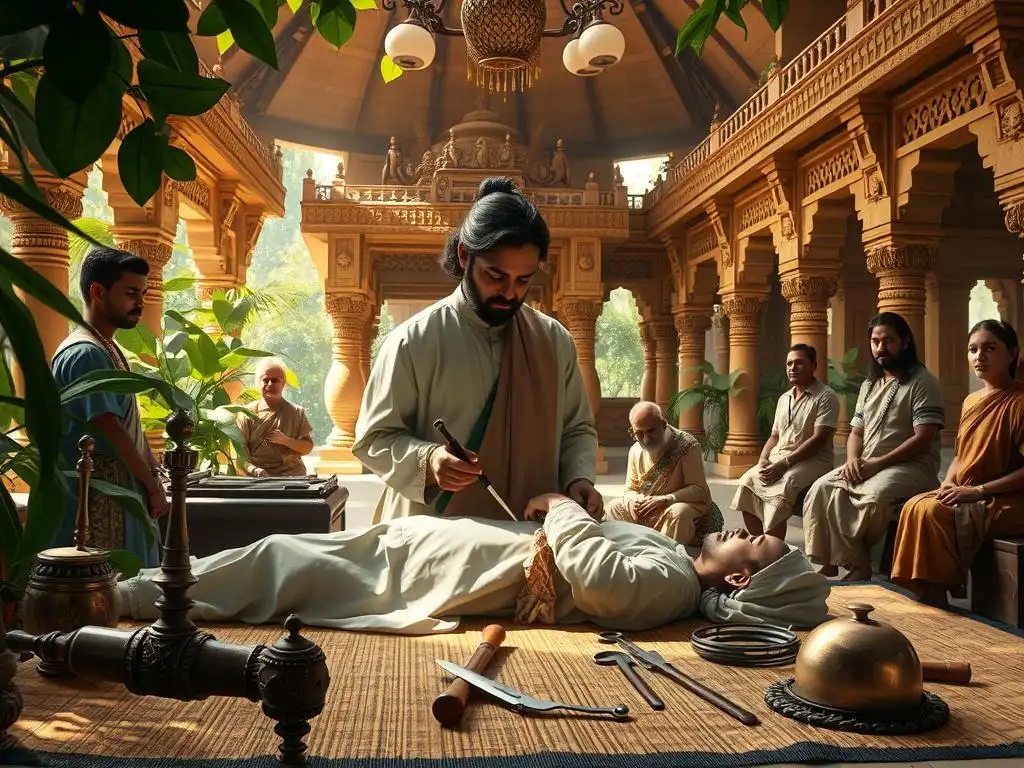
Ancient Indian surgery represents a fascinating interplay between traditional knowledge and innovative practices. This unique synthesis not only showcases the advanced medical understanding of ancient Indian physicians but also highlights the importance of cultural beliefs, philosophical principles, and empirical observations in the development of surgical techniques. The ancient texts, particularly the Sushruta Samhita, serve as a testament to the rich legacy of surgical practices in India, where tradition and innovation coexisted harmoniously.
Integration of Traditional Knowledge with New Techniques
The foundation of ancient Indian surgical practices is built upon centuries of accumulated knowledge, primarily documented in texts like the Sushruta Samhita and the Charaka Samhita. These texts not only describe surgical techniques but also encompass a holistic understanding of health, disease, and the human body.
- Philosophical Foundations: Ancient Indian medicine was deeply rooted in Ayurveda, which emphasizes balance among bodily systems. This philosophical approach influenced surgical practices by integrating diet, lifestyle, and herbal medicine with surgical interventions.
- Hands-on Training: Surgeons, known as Shalya-vaidya, underwent rigorous training, often learning through apprenticeships. This practical knowledge was crucial in honing their skills and understanding complex surgical procedures.
- Innovative Techniques: Ancient Indian surgeons were not merely practitioners of traditional techniques; they continuously adapted and innovated. For example, the use of sutures and anesthesia (extracted from herbs) were advanced practices that reflected a blend of traditional wisdom and innovative thinking.
The integration of these elements allowed ancient Indian surgeons to perform complex procedures with a level of sophistication that was remarkable for their time.
Case Studies of Successful Surgical Practices
Several documented cases from ancient Indian texts illustrate the successful application of surgical techniques. These examples serve as an important reminder of the skill and innovation present in ancient Indian surgery.
Examples of Innovations in Ancient Indian Surgery
- Rhinoplasty: The Sushruta Samhita contains detailed instructions on rhinoplasty, a procedure to reconstruct the nose. The technique involved using a flap of skin from the forehead, showcasing a deep understanding of human anatomy and surgical reconstruction.
- Cataract Surgery: Ancient texts describe the method of couching for cataract treatment, which involved displacing the opaque lens. This early form of cataract surgery laid the groundwork for more advanced techniques in later centuries.
- Surgical Instruments: The creation and use of specialized surgical instruments, such as scalpels, forceps, and probes, demonstrate an innovative approach to surgery. These tools were often crafted from gold, silver, or steel, reflecting both functionality and artistry.
- Anesthetic Practices: The use of soma and other herbal concoctions as anesthetics indicates an advanced understanding of pain management, allowing surgeons to operate with greater efficacy and patient comfort.
Influence on Modern Surgical Practices
The legacy of ancient Indian surgical practices extends far beyond their time. Many techniques, principles, and instruments have influenced modern surgery:
- Surgical Techniques: Many surgical techniques detailed in ancient texts have been refined and adapted into modern practices. For instance, the principles of suturing and wound management continue to be fundamental in contemporary surgery.
- Holistic Approaches: The Ayurvedic emphasis on holistic healing is increasingly relevant today, as modern medicine seeks to integrate complementary therapies with conventional treatments.
- Research and Development: Contemporary medical research often revisits ancient practices, exploring their efficacy and potential applications in current surgical methods. This resurgence of interest highlights the timelessness of ancient knowledge.
The balance of tradition and innovation in ancient Indian surgery not only shaped the medical landscape of its time but also laid a foundation that continues to influence modern surgical practices. The remarkable achievements of ancient Indian surgeons reflect an enduring legacy that speaks to the importance of integrating traditional wisdom with innovative techniques.
Legacy of Ancient Indian Surgical Practices
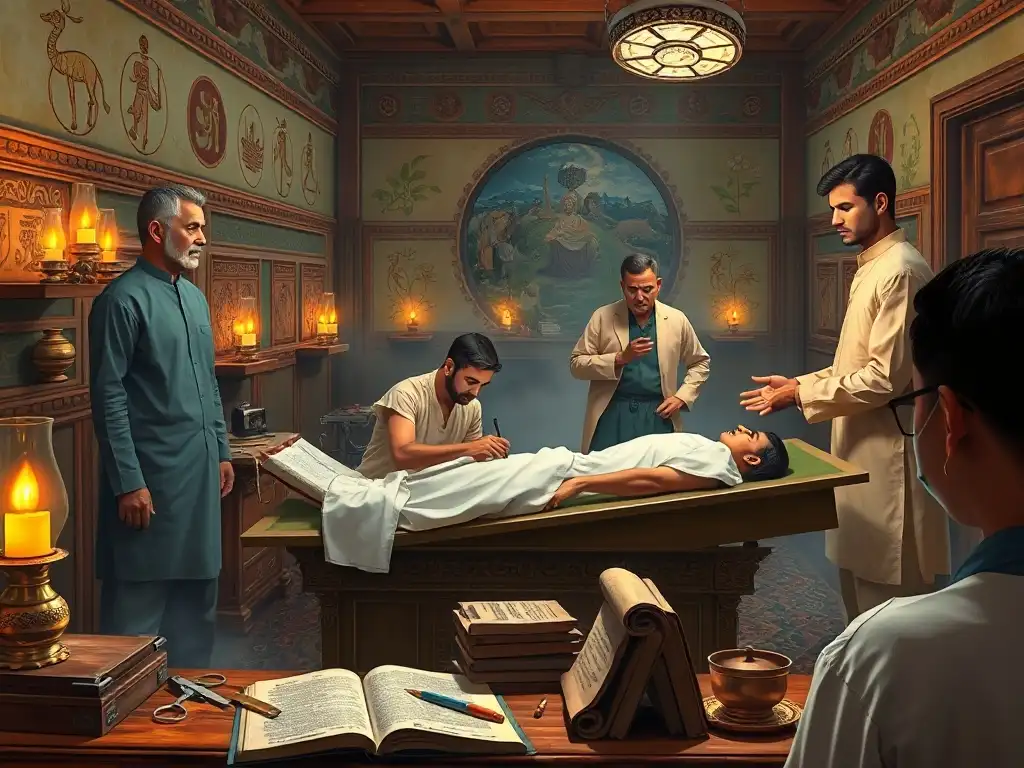
Ancient Indian surgical practices are a testament to the advanced medical knowledge and techniques that flourished in India thousands of years ago. The most notable figure in this field is Sushruta, often referred to as the "Father of Surgery." His seminal work, the Sushruta Samhita, is one of the earliest texts on surgery and medicine, providing detailed descriptions of surgical procedures, instruments, and postoperative care. This ancient text not only highlights the surgical expertise of the time but also emphasizes the ethical considerations surrounding surgical practices.
Impact on Global Medicine and Surgery
The influence of ancient Indian surgical practices extends far beyond the subcontinent. Sushruta's teachings were later translated and disseminated throughout the world, significantly impacting medical practices in other regions, particularly in Greco-Roman medicine. Several key contributions include:
- Advanced Surgical Techniques: Sushruta introduced numerous surgical procedures, including rhinoplasty (reconstruction of the nose), cataract surgery, and the treatment of wounds and fractures. These techniques laid the groundwork for modern surgical practices.
- Instruments and Tools: The Sushruta Samhita describes over 120 surgical instruments, many of which were made from materials like iron and copper. The design and use of these tools influenced surgical instrument development globally.
- Holistic Approach: Ancient Indian surgery encompassed a holistic understanding of the human body, emphasizing the importance of preoperative and postoperative care, hygiene, and patient management. This approach resonates with contemporary practices that prioritize patient well-being and care continuity.
The global dissemination of these techniques was aided by trade routes and cultural exchanges, leading to the integration of Indian surgical knowledge into various medical traditions.
Preservation of Ancient Knowledge in Modern India
Today, the legacy of ancient Indian surgical practices is preserved and celebrated in various ways:
- Medical Education: Institutions in India continue to teach the principles of ancient medicine alongside modern practices, ensuring that students appreciate the rich heritage of surgical knowledge. Courses often include lessons on Sushruta Samhita and its relevance to contemporary medicine.
- Ayurveda and Surgery: The integration of Ayurveda, which incorporates surgical techniques, is still prevalent in India. Ayurvedic practitioners often employ traditional surgical methods, maintaining a connection to ancient practices while adapting them to modern contexts.
- Research and Documentation: Ongoing research into ancient texts and surgical techniques is crucial for understanding their historical significance and potential applications in modern medicine. Scholars are working to document and analyze these practices to ensure they are not lost to time.
The preservation and revitalization of these ancient practices not only honor the contributions of ancient Indian civilization but also inspire innovation in contemporary surgical techniques. By recognizing the significance of these historical practices, modern medicine can integrate valuable insights from the past while continuing to advance into the future.
Conclusion: The Enduring Relevance of Ancient Indian Surgical Practices
Ancient Indian surgical practices, notably documented in texts such as the Sushruta Samhita, continue to influence modern medicine significantly. These practices, blending rigorous training with innovative techniques, showcase a profound understanding of human anatomy and the intricacies of surgical procedures. The holistic approach of ancient Indian surgeons, emphasizing patient care and the importance of a healthy lifestyle, serves as a reminder of the timeless values that underpin effective medical practices.
Reflection on the Contribution of Ancient Indian Surgery to Modern Medicine
The surgical techniques developed in ancient India have laid foundational principles still relevant today. For instance, the concept of surgical instruments, described in detail by Sushruta, resonates with contemporary surgical toolkits. The meticulous categorization of surgical procedures, such as plastic surgery (particularly rhinoplasty) and cataract surgery, highlights an advanced understanding of surgical intervention.
- Innovative Techniques: Ancient texts introduced techniques like excision and suturing, which are integral to current surgical practices.
- Understanding of Anatomy: The detailed descriptions of human anatomy in the Sushruta Samhita demonstrate a sophisticated grasp of bodily functions, comparable to modern anatomical studies.
- Ethics and Patient Care: The emphasis on ethical practices and patient welfare in ancient Indian surgery reflects values that are increasingly prioritized in current medical education and practice.
This historical context not only enriches the narrative of medical evolution but also serves as an inspiration for contemporary practitioners, encouraging a blend of tradition and innovation in surgery.
Future of Research in Ancient Surgical Techniques
The exploration of ancient Indian surgical practices holds immense potential for future research, particularly in understanding the integration of traditional knowledge into modern healthcare systems. Scholars and practitioners are increasingly recognizing the relevance of ancient texts, prompting a resurgence in academic interest.
- Interdisciplinary Studies: Collaborations between historians, archaeologists, and medical professionals can facilitate a deeper understanding of ancient techniques and their potential applications today.
- Revival of Techniques: Investigating ancient methods such as herbal anesthesia or wound healing practices can lead to the development of holistic treatment protocols that complement modern medicine.
- Cultural Preservation: Researching ancient surgical practices also contributes to the preservation of cultural heritage, ensuring that this invaluable knowledge is not lost to time.
With the growing interest in integrating traditional and modern medical practices, the future of research in ancient surgical techniques promises exciting developments that could enhance healthcare delivery while honoring the wisdom of past civilizations.
Frequently Asked Questions
What were the key surgical practices in ancient India?
Ancient India showcased advanced surgical practices that included techniques for wound treatment, fracture management, and even plastic surgery. Notably, the Sushruta Samhita is a crucial text documenting these practices.
Who is considered the father of surgery in ancient India?
Sushruta, often referred to as the father of surgery, made significant contributions to surgical techniques and instruments. His work in the Sushruta Samhita laid the foundation for many modern surgical practices.
What instruments were used in ancient Indian surgeries?
Ancient Indian surgeons utilized a variety of surgical instruments such as scalpels, forceps, and probes. These tools were crafted from metals and were designed for both precision and effectiveness.
How did ancient Indian surgical practices influence modern medicine?
The innovative techniques and medical knowledge documented in ancient Indian texts have influenced modern surgical practices worldwide. Concepts like asepsis and anesthesia can trace their roots back to these ancient practices.
What role did herbal medicine play in ancient Indian surgery?
Herbal medicine played a crucial role in ancient Indian surgery, providing anesthetics, antiseptics, and healing agents. Many herbal formulations were used to enhance recovery and manage pain during surgical procedures.
Final Reflection: Embracing the Legacy of Ancient Indian Surgical Practices
The exploration of ancient Indian surgical practices reveals a profound connection between tradition and innovation that remains relevant today. As we navigate the complexities of modern medicine, the wisdom embedded in these age-old techniques offers invaluable insights into holistic healing and patient care. The remarkable achievements of ancient surgeons not only showcase their ingenuity but also challenge us to reconsider the boundaries of medical knowledge and practice in our contemporary world.
The influence of ancient Indian surgical practices extends far beyond the operating table; it resonates within our cultural and social frameworks. These practices remind us of the importance of integrating traditional wisdom with modern advancements, fostering a more comprehensive approach to health and wellness. As the renowned surgeon Sushruta once stated, The physician must be able to distinguish the nature of the disease and the condition of the patient.
This timeless principle underscores the need for a balanced perspective that honors both historical practices and current innovations, encouraging a dialogue that enriches our understanding of medicine.
As we reflect on the lessons drawn from ancient Indian surgical practices, I invite you to consider how these insights can inform your own life and choices. Embrace the wisdom of the past while remaining open to new ideas and advancements in your personal and professional journey. Let us honor the legacy of those who came before us by fostering a spirit of curiosity and integration, ensuring that the art of healing continues to evolve while remaining rooted in the rich traditions that have shaped our understanding of health for centuries.
Unveil the Secrets of Ancient Healing!
Thank you for diving into the fascinating world of ancient Indian surgery with us! You've uncovered the remarkable balance between tradition and innovation that has shaped medical practices over centuries. Now, it’s time to take that knowledge and transform your curiosity into action.
Here’s how you can continue your journey:
- Explore further: Read more about specific ancient surgical practices by visiting our dedicated section on surgery .
- Share your thoughts: Discuss what you've learned with friends or on social media — you never know who might be inspired by the stories of ancient healers!
- Join the community: Sign up for our newsletter to receive deeper insights and updates on the rich tapestry of ancient Indian history.
What aspect of ancient Indian surgery intrigues you the most, and why? Let's spark a conversation in the comments below!