
The Transformation of Surgical Practices Through Ancient Indian Innovations

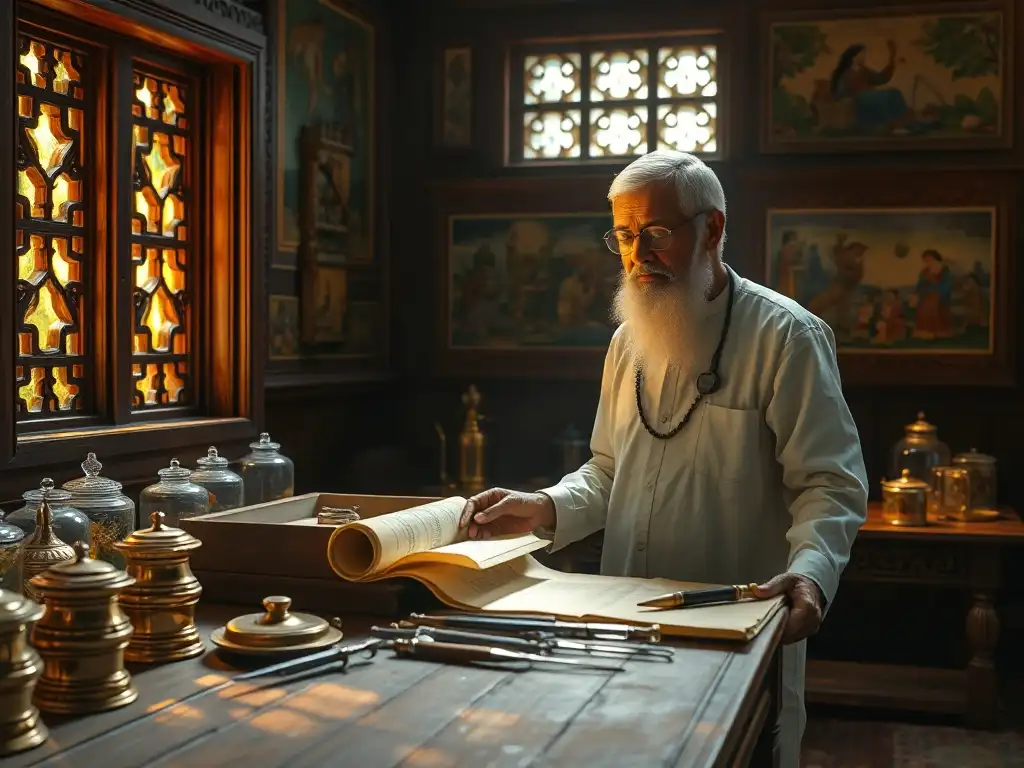
Welcome to Ancient India History, where we embark on an enlightening journey through the rich tapestry of civilization that shaped today’s world. In this exploration, we delve into the remarkable ancient Indian surgical innovations that revolutionized medical practices well ahead of their time. Discover how the wisdom of ancient practitioners laid the foundation for modern surgery, sparking curiosity and challenging our understanding of the past. Prepare to be captivated as we unveil the profound contributions of ancient Indian civilizations, inviting you to explore further and uncover the secrets of their transformative practices.
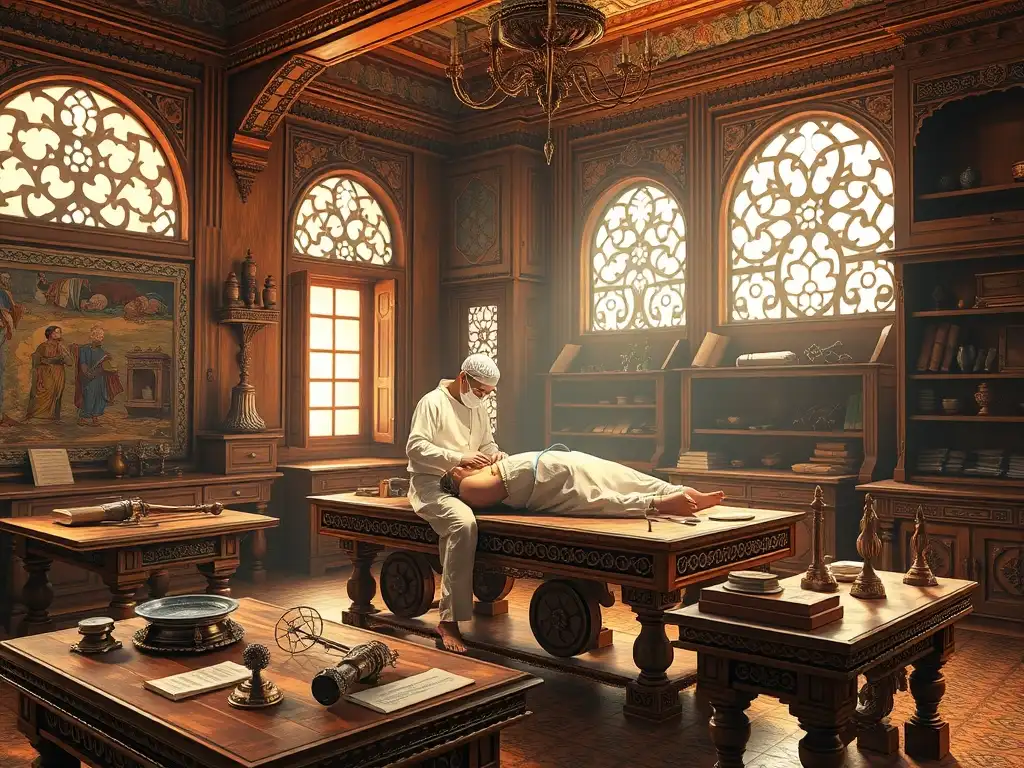
Introduction to Ancient Indian Surgical Innovations
The rich tapestry of ancient Indian history reveals a profound understanding of science and medicine, particularly in the field of surgery. Ancient Indian surgical innovations laid the groundwork for practices that would evolve significantly over the centuries, influencing not only the Indian subcontinent but also the broader medical world.
From the meticulous techniques of the Indus Valley civilization to the advanced surgical methods described in classical texts, ancient Indian practices offer a compelling narrative of medical evolution. This article delves into the transformative surgical practices that emerged in ancient India, exploring their historical context, significance, and enduring impact on modern medicine.
Overview of Ancient Indian Medicine and Surgery
Ancient Indian medicine, often referred to as Ayurveda, is a holistic approach that emphasizes balance and harmony within the body. It encompasses various fields, including surgery, which was known as "Shalya Tantra." Key features of ancient Indian surgical practices included:
- Use of herbal anesthetics: Natural substances were employed to alleviate pain during surgical procedures.
- Innovative techniques: Practices such as suturing, excision, and even plastic surgery were documented.
- Focus on hygiene: Ancient texts emphasized cleanliness, which contributed to successful surgical outcomes.
These foundational principles reflect a sophisticated understanding of the human body and its ailments, showcasing the advanced nature of ancient Indian surgical practices.
Importance of Surgical Innovations in Ancient India
The significance of surgical innovations in ancient India cannot be overstated. They provided essential solutions to various medical conditions and laid the groundwork for future advancements. Key points include:
- Pioneering surgical techniques: Innovations in surgical methods, such as cataract surgery, demonstrated remarkable skill and knowledge.
- Influence on global practices: Many techniques documented in ancient Indian texts were later adopted and adapted by other cultures, particularly in the Islamic Golden Age.
- Integration with holistic practices: Surgical procedures were often combined with other forms of treatment, showcasing a comprehensive approach to health.
These innovations not only addressed immediate health issues but also contributed to a broader understanding of human anatomy and surgical principles.
Historical Context of Surgical Practices in Ancient India
Understanding the historical context of surgical practices in ancient India provides insight into the evolution of medical techniques. The development of surgery was influenced by various civilizations, philosophies, and texts that shaped medical knowledge.
The Indus Valley Civilization: Early Medical Practices
The Indus Valley Civilization (c. 2500–1900 BCE) is one of the earliest urban cultures in India, revealing evidence of advanced medical practices. Archaeological findings suggest:
- Surgical tools: Excavations have uncovered tools that resemble scalpels and forceps, indicating a level of sophistication in surgical procedures.
- Public health systems: The presence of well-planned drainage systems and baths suggests a strong emphasis on hygiene, which is crucial for successful surgical outcomes.
These early practices laid the foundation for subsequent developments in medicine and surgery in ancient India.
Vedic Contributions to Medicine and Surgery
The Vedic period (c. 1500–500 BCE) further enriched the field of medicine, with texts such as the Rigveda and Atharvaveda mentioning various medical practices. Notable contributions include:
- Philosophical foundations: Vedic texts introduced concepts of health, disease, and the importance of balance in life, influencing later medical practices.
- Herbal remedies: The use of herbs for healing became prominent, establishing a tradition of natural medicine that complemented surgical techniques.
These contributions highlight the intertwining of philosophy and medicine in ancient Indian culture.
The Influence of Ancient Texts: Sushruta Samhita and Charaka Samhita
Two monumental texts, the Sushruta Samhita and Charaka Samhita, emerged during the classical period, significantly shaping the landscape of ancient Indian medicine and surgery. Key aspects include:
- Sushruta Samhita: Often regarded as the "father of surgery," Sushruta's work details over 300 surgical procedures and techniques, including rhinoplasty and cataract surgery. His emphasis on precision and care set high standards for surgical practices.
- Charaka Samhita: Focused more on internal medicine, this text complements surgical practices by discussing holistic approaches to health, including diet and lifestyle management.
Together, these texts not only document surgical techniques but also provide a comprehensive understanding of ancient Indian medicine, underscoring its sophistication and innovation.
The transformation of surgical practices in ancient India is rooted in a rich historical context characterized by early innovations, philosophical contributions, and influential texts. Understanding this evolution offers valuable insights into the foundations of modern surgical techniques and the enduring legacy of ancient Indian medicine.
Key Ancient Indian Surgical Innovations
Ancient India is often recognized as a cradle of surgical innovation, especially through the contributions of figures like Sushruta. His seminal work, the Sushruta Samhita, is one of the earliest texts on surgery and medicine, providing insights into surgical techniques and practices that were remarkably advanced for their time. Innovations from this era included techniques such as rhinoplasty, cataract surgery, and methods for treating wounds and fractures. These practices not only reflect a deep understanding of human anatomy but also demonstrate the integration of philosophy, ethics, and empirical observation in medical treatment.
The surgical instruments developed during this period were also noteworthy. Sushruta described a variety of tools made from metals, such as knives, forceps, and scalpels, which were used for various surgical procedures. The meticulous documentation of these innovations laid the groundwork for future surgical advancements and emphasized the importance of sterilization and proper techniques in reducing surgical complications.
Introduction to Sushruta: The Father of Surgery

Sushruta, often hailed as the "Father of Surgery," lived around 600 BCE and is credited with pioneering surgical techniques that have left a lasting impact on the field of medicine. His work, the Sushruta Samhita, is considered one of the foundational texts of Ayurveda, systematically detailing surgical procedures, anatomy, and medical ethics. Sushruta's approach combined practical experience with philosophical principles, emphasizing the need for a surgeon to possess both skill and ethical responsibility.
Sushruta’s teachings covered a wide range of surgical procedures, including plastic surgery, orthopedic surgery, and the management of trauma. He emphasized the importance of patient care and the need for a surgeon to be well-versed in anatomy and pathology. His legacy is not only evident in the practices of ancient Indian surgery but also in the influence it has had on global medical traditions.
Innovative Surgical Techniques in Ancient India
The surgical techniques developed in ancient India were groundbreaking and diverse, showcasing a sophisticated understanding of the human body. Among the most notable was the practice of rhinoplasty, or nose reconstruction, which was performed using advanced suturing techniques. Sushruta detailed the process of using a flap of skin from the forehead to reconstruct a nose, illustrating the innovative use of local tissues in surgery.
Another significant technique was cataract surgery, known as couching, where the lens of the eye was dislodged to restore vision. This method required precision and skill, demonstrating the high level of expertise possessed by ancient Indian surgeons. Additionally, methods for treating wounds included the use of antiseptic substances derived from herbs, highlighting an early understanding of infection control.
The Role of Herbs and Natural Remedies in Surgery
Herbs and natural remedies played a crucial role in ancient Indian surgical practices, serving both as treatments and preventative measures. The ancient texts emphasize the use of various medicinal plants that were believed to possess healing properties, which were integral to surgical procedures. These natural remedies were often used to prepare patients for surgery, manage pain, and promote healing post-surgery.
The holistic approach of ancient Indian medicine intertwined physical, mental, and spiritual health, with herbal treatments forming a fundamental part of patient care. This integration of natural remedies into surgical practices demonstrates a comprehensive understanding of health that is often overlooked in contemporary medicine.
Medicinal Plants Used in Ancient Surgical Practices
A variety of medicinal plants were employed in ancient Indian surgical practices, each chosen for their unique healing properties. Some of the most notable include:
- Turmeric (Curcuma longa): Known for its anti-inflammatory and antiseptic properties, turmeric was commonly used to treat wounds and prevent infections.
- Neem (Azadirachta indica): Renowned for its antibacterial properties, neem leaves were used in poultices and pastes to heal skin ailments and surgical wounds.
- Aloe Vera: Frequently applied to soothe burns and promote skin healing, aloe vera was a staple in surgical aftercare.
- Brahmi (Bacopa monnieri): This herb was valued for its cognitive-enhancing properties and was used to calm patients pre-surgery.
These plants were often combined in various formulations to enhance their efficacy, reflecting the sophisticated understanding of pharmacology possessed by ancient Indian physicians.
Herbal Anesthetics and Their Applications
The use of herbal anesthetics in ancient Indian surgery was a remarkable innovation that facilitated complex surgical procedures. One of the most commonly used anesthetics was soma, a sacred plant believed to induce a state of bliss and numbness. Other herbs such as cannabis and opium poppy were also utilized for their analgesic properties, allowing surgeons to perform intricate operations with reduced pain for the patient.
In addition to these, fragrant oils and pastes made from various plants were applied to induce sedation. The techniques for administering these anesthetics were carefully documented, demonstrating a profound understanding of the effects of these substances on the human body. This early use of herbal anesthetics highlights the innovative spirit of ancient Indian medicine and its contributions to the field of surgical practices.
Comparative Analysis: Ancient Indian Surgical Innovations vs. Other Ancient Civilizations
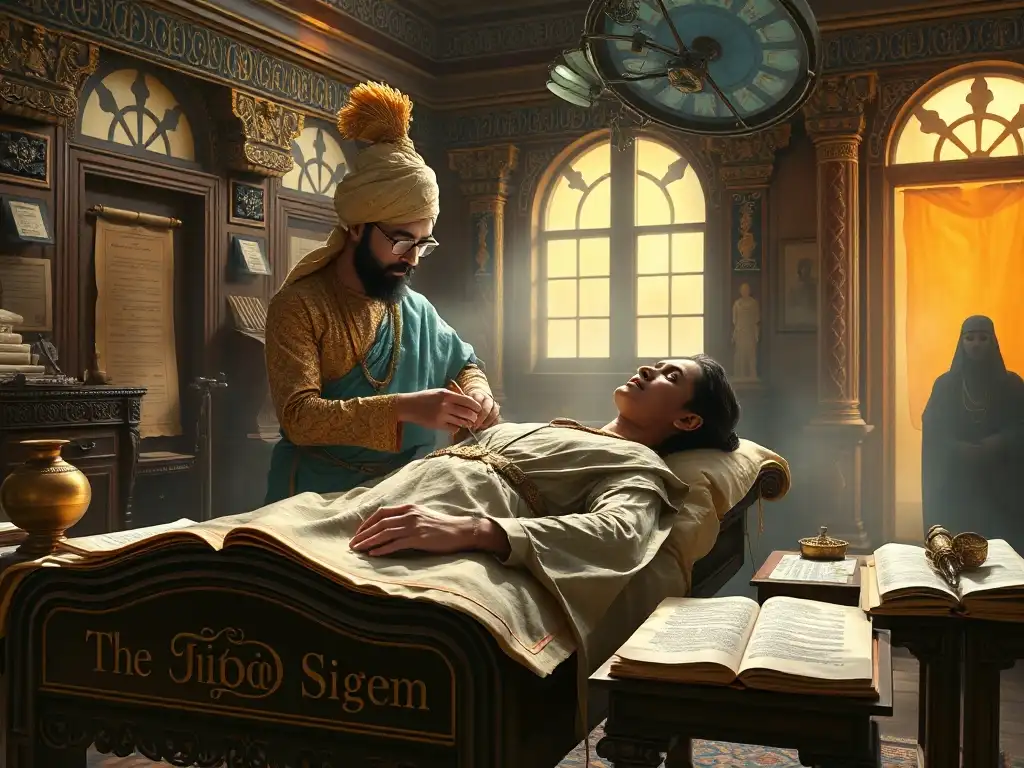
The surgical practices of ancient India are notable for their advanced techniques and comprehensive medical understanding, which often stood in contrast to those of other ancient civilizations. While cultures such as the Egyptians, Greeks, and Chinese made significant strides in medicine and surgery, ancient Indian innovations showcased a unique blend of practical knowledge and philosophical inquiry.
One of the most significant aspects of ancient Indian surgical practices was the emphasis on holistic health, which integrated surgery with other medical practices, including herbal medicine and spiritual healing. For instance, texts like the Sushruta Samhita not only catalog surgical techniques but also outline the ethical and moral considerations of a physician's role in society. This comprehensive approach sets ancient Indian surgery apart from the more compartmentalized practices seen in other civilizations.
Similarities and Differences with Greek Surgical Techniques
When comparing ancient Indian surgical techniques with those of the Greeks, several similarities and differences emerge. Both civilizations recognized the importance of anatomy, though their approaches varied. Greek physicians, such as Hippocrates and Galen, focused heavily on observational studies and theoretical underpinnings of medicine, primarily based on the humoral theory. In contrast, ancient Indian surgeons like Sushruta emphasized practical application and hands-on experience, which led to the development of precise surgical instruments and techniques such as rhinoplasty and cataract surgery.
Additionally, while both cultures utilized similar surgical procedures, such as trepanation, ancient Indian texts documented a wider variety of surgical methods, including the use of anesthesia derived from plant extracts. This broader scope of surgical practice illustrates the advanced understanding of human physiology that ancient Indian surgeons possessed compared to their Greek counterparts, who often lacked access to such diverse medicinal resources.
Influence on Future Medical Practices in Other Cultures
The surgical innovations of ancient India significantly influenced medical practices in various cultures, particularly in the Islamic Golden Age. Scholars from the Islamic world translated and built upon the works of Indian surgeons, introducing techniques such as plastic surgery to Europe. The Sushruta Samhita was not only studied but also revered, leading to the dissemination of Indian surgical knowledge across different regions.
Furthermore, the incorporation of Indian surgical instruments into Islamic medicine emphasized the practical effectiveness of these tools, which were often more sophisticated than those used in contemporary Western practices. This cross-cultural exchange laid the groundwork for advancements in surgical techniques that would carry through to the Renaissance and beyond, highlighting the lasting impact of ancient Indian innovations on global medical practices.
The Legacy of Ancient Indian Surgical Innovations
The legacy of ancient Indian surgical innovations is profound, shaping not only the practices of subsequent civilizations but also laying the foundation for modern surgical techniques. The meticulous documentation of surgical procedures and the use of instruments in ancient Indian texts illustrate a level of sophistication that was ahead of its time, influencing the evolution of surgery as a discipline.
Impact on Modern Surgical Practices
Modern surgical practices bear the influence of ancient Indian techniques, particularly in areas such as reconstructive surgery and anesthesia. The principles of sterile technique and the importance of patient care, rooted in ancient Indian practices, are still emphasized in contemporary medicine. Techniques such as suturing, which were refined by ancient Indian surgeons, continue to be fundamental in surgical procedures today.
Moreover, the holistic perspective on health and wellness from ancient Indian medicine resonates in modern practices that prioritize patient-centered care, integrating both physical and psychological aspects of health. This connection underscores the relevance of ancient wisdom in today's surgical landscape, illustrating how historical innovations continue to inform and enhance contemporary medical practices.
Recognition of Ancient Indian Contributions in Contemporary Medicine
In recent years, there has been a growing recognition of the contributions of ancient Indian surgical innovations in contemporary medicine. Academic institutions and medical professionals are increasingly acknowledging the importance of texts like the Sushruta Samhita, which is now viewed as a foundational document in the history of surgery.
Various international medical conferences and symposiums have highlighted the significance of ancient Indian practices, promoting research into traditional techniques and their applications in modern healthcare. This revival of interest not only honors the legacy of ancient Indian surgeons but also encourages further exploration of the profound knowledge embedded in ancient medical traditions, paving the way for innovative approaches to modern surgical challenges.
The exploration of ancient Indian surgical innovations reveals a rich tapestry of knowledge that has profoundly influenced the trajectory of surgery and medicine across cultures, ensuring that the legacy of these pioneering practices continues to resonate in contemporary healthcare.
Conclusion: The Enduring Influence of Ancient Indian Surgical Innovations
The legacy of ancient Indian surgical innovations continues to resonate in modern medical practices. The techniques and principles developed by pioneers like Sushruta laid the groundwork for surgical methodologies that are still relevant today. The emphasis on precision, patient care, and ethical practices in surgery has had a lasting impact on how surgery is approached in contemporary medicine. Furthermore, the holistic understanding of health that ancient Indian medical texts promoted has led to a more integrative approach in modern healthcare, blending surgical techniques with Ayurveda and other traditional practices.
Summary of Key Contributions
Ancient Indian surgical innovations are marked by several key contributions that reflect a sophisticated understanding of human anatomy and surgical techniques:
- Sushruta Samhita: This foundational text of surgery outlined over 120 surgical instruments and techniques, including complex procedures such as rhinoplasty (reconstruction of the nose) and cataract surgery.
- Principles of Asepsis: Ancient Indian surgeons practiced concepts akin to aseptic techniques, emphasizing cleanliness and the importance of sterilization in surgery, which are critical in modern surgical practices.
- Anesthesia Techniques: The use of herbal anesthetics and the understanding of pain management in ancient texts demonstrate an advanced approach to patient comfort, paving the way for the development of anesthesia in contemporary medicine.
These contributions not only highlight the ingenuity of ancient Indian practitioners but also underscore the cultural significance of surgical practices in promoting health and well-being.
Reflection on the Importance of Preserving Ancient Medical Knowledge
Preserving ancient medical knowledge is vital for several reasons:
- Cultural Heritage: Ancient Indian surgical innovations are part of the rich tapestry of India's history. Maintaining this knowledge ensures that future generations appreciate and understand their cultural heritage.
- Medical Advancements: Many ancient techniques and philosophies can inform modern medical practices. By studying ancient texts, contemporary practitioners can discover alternative methods and insights that may enhance current medical procedures.
- Interdisciplinary Learning: The integration of ancient wisdom with modern science fosters interdisciplinary learning, encouraging innovation in fields such as regenerative medicine, surgical techniques, and patient care.
The preservation of ancient Indian surgical innovations is not just about safeguarding the past; it is also about enriching the future of medicine. The insights gleaned from these practices can lead to a more comprehensive understanding of health and wellness, benefiting society as a whole.
- Introduction to Ancient Indian Surgical Innovations
- Historical Context of Surgical Practices in Ancient India
- Key Ancient Indian Surgical Innovations
- Introduction to Sushruta: The Father of Surgery
- Innovative Surgical Techniques in Ancient India
- The Role of Herbs and Natural Remedies in Surgery
- Comparative Analysis: Ancient Indian Surgical Innovations vs. Other Ancient Civilizations
- The Legacy of Ancient Indian Surgical Innovations
- Conclusion: The Enduring Influence of Ancient Indian Surgical Innovations
Frequently Asked Questions
What are some key surgical innovations from ancient India?
Ancient Indian civilizations introduced significant surgical innovations such as plastic surgery, cataract surgery, and advanced techniques for treating wounds and fractures.
How did the Indus Valley Civilization contribute to surgery?
The Indus Valley Civilization laid the groundwork for medical practices, showcasing evidence of surgical instruments and advanced knowledge of anatomy through archaeological findings.
Who is Sushruta and why is he important?
Sushruta is often referred to as the "Father of Surgery" for his contributions to ancient Indian surgical practices, documented in the Sushruta Samhita, which outlines numerous surgical techniques and instruments.
What impact did the Gupta Empire have on surgical practices?
The Gupta Empire is noted for its advancements in medical science, including a structured approach to surgery that integrated theoretical knowledge with practical applications, influencing future generations.
How do ancient Indian surgical practices compare to modern techniques?
While ancient Indian surgical practices were innovative for their time, many techniques, such as aseptic methods, have evolved significantly in modern medicine, emphasizing safety and sterility in surgical procedures.
Final Reflection: Embracing the Legacy of Ancient Indian Surgical Innovations
The profound impact of ancient Indian surgical innovations on modern practices cannot be overstated. As we delve into the rich history of surgical techniques that originated in India, we uncover a treasure trove of knowledge that continues to shape contemporary medicine. The ingenuity and foresight of ancient practitioners remind us that the foundations of modern healthcare are often built upon the wisdom of those who came before us.
Cultural and social landscapes have been significantly influenced by these ancient practices, fostering a deeper appreciation for holistic healing and surgical precision. The integration of these innovations into modern medicine not only enhances our understanding of surgical techniques but also encourages a more inclusive approach to healthcare. As Mahatma Gandhi once said, “The best way to find yourself is to lose yourself in the service of others.” This sentiment resonates deeply as we recognize the enduring legacy of those ancient surgeons who dedicated their lives to the betterment of human health.
As we reflect on the lessons from ancient Indian surgical innovations, let us challenge ourselves to embrace this knowledge in our daily lives. Consider how you can incorporate the principles of innovation, compassion, and holistic care into your own journey, whether in personal health choices or in supporting the healthcare community. The past holds invaluable insights that can guide us toward a more enlightened future, and it is our responsibility to honor and continue this legacy.
Unveil the Secrets of Ancient Indian Surgery Today!
Thank you for diving into the fascinating world of ancient Indian surgical innovations! You've uncovered incredible insights into how these groundbreaking practices transformed medicine and continue to inspire modern techniques. Now, it's your turn to take action!
- Explore the Ancient Texts: Visit your local library or online archives to read original manuscripts like the Sushruta Samhita and discover the surgical wisdom of the past.
- Share What You’ve Learned: Engage in discussions about these ancient techniques with friends or on social media—spread the knowledge and spark interest in history and its influence on today's medical practices.
- Experiment with Mindfulness: Incorporate mindfulness practices such as yoga or meditation into your routine to connect with the holistic approach that ancient Indian physicians advocated.
What ancient innovation are you most excited to explore further, and how do you envision its potential impact on modern healthcare?