
How Ancient Indian Medical Schools Shaped Surgical Education

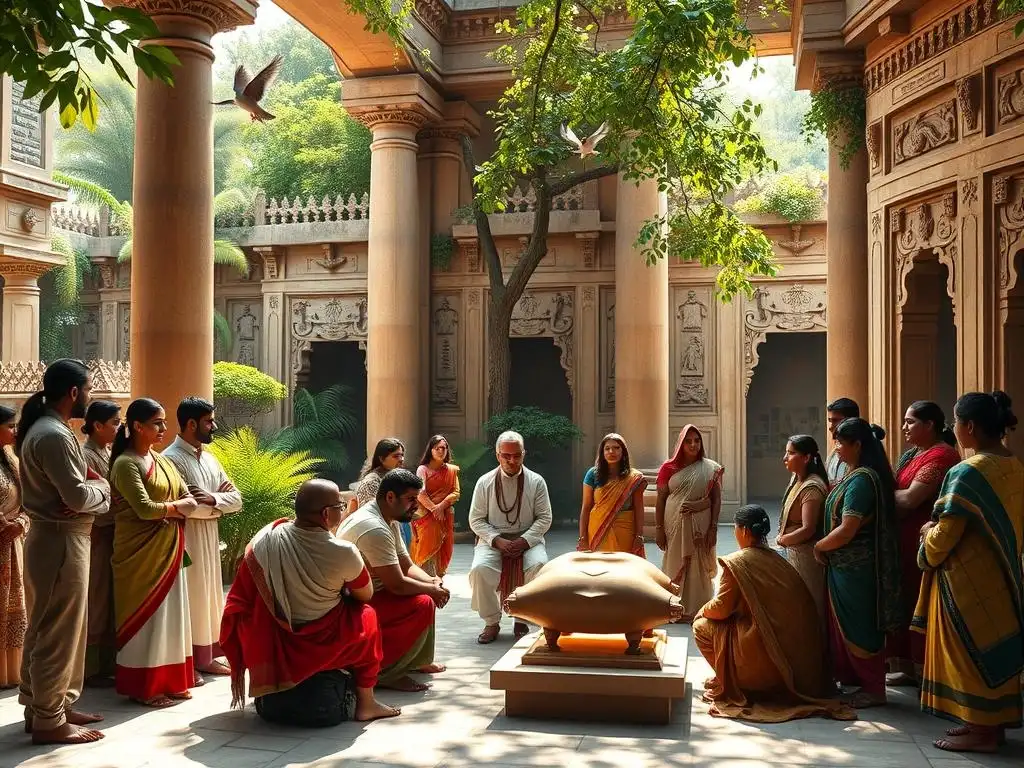
Welcome to Ancient India History, where we embark on a captivating journey through the rich tapestry of ancient Indian civilizations. From the remarkable advancements of the Indus Valley to the intellectual heights of the Gupta Empire, we delve into the profound contributions that have shaped the world. In today's featured article, we explore how ancient Indian medical schools shaped surgical education, uncovering the secrets of a system that laid the groundwork for modern medicine. Prepare to be amazed as we reveal the wisdom and innovation of a time long past—your exploration begins here!
- Introduction to Ancient Indian Medical Education
- Historical Context of Medical Education in Ancient India
- Key Ancient Indian Medical Schools
- Curriculum and Training in Ancient Indian Medical Education
- Prominent Figures in Ancient Indian Surgical Education
- Techniques and Tools Developed in Ancient Indian Surgery
- The Legacy of Ancient Indian Medical Education
- Conclusion: The Impact of Ancient Indian Medical Education on Modern Surgery
-
Frequently Asked Questions
- What were the main contributions of ancient Indian medical schools to surgical education?
- How did the curriculum of ancient Indian medical schools differ from modern medical education?
- Who were some notable figures in ancient Indian medical education?
- How did ancient Indian medical schools influence other cultures?
- What role did ancient texts play in the development of medical education?
- Final Reflection: The Enduring Legacy of Ancient Indian Medical Education
- Unveil the Wisdom of Ancient Medicine!
Introduction to Ancient Indian Medical Education
The evolution of medical education in ancient India is a remarkable reflection of the country's rich cultural and intellectual heritage. From the sophisticated methodologies of the Indus Valley Civilization to the advanced medical systems developed during the Gupta Empire, ancient Indian medical education laid the groundwork for many aspects of modern medical practices.
This exploration delves into the various medical schools that emerged in ancient India, their contributions to surgical education, and the holistic approaches they adopted for training practitioners. By understanding the historical context of these institutions, we can appreciate the profound impact they have had on the field of medicine and surgery that continues to resonate in contemporary practices.
Overview of Ancient Indian Medical Schools
Ancient Indian medical schools, such as those mentioned in texts like the Sushruta Samhita and Charaka Samhita, were pivotal in shaping the landscape of medical education. These institutions were often integrated within temples or monasteries, serving as centers for learning where students could engage in both theoretical study and practical training.
- Key Features of Ancient Medical Schools:
- Curriculum: The curriculum was comprehensive, covering various aspects of medicine, including anatomy, surgery, pharmacology, and ethics.
- Prominent Figures: Notable physicians like Sushruta and Charaka made significant contributions to medical texts that outlined surgical techniques, medicinal herbs, and holistic healing practices.
- Hands-On Training: Students were encouraged to participate in surgeries and medical procedures under the guidance of experienced practitioners, fostering a deep understanding of surgical techniques.
The legacy of these medical schools not only contributed to the advancement of surgical practices but also emphasized the importance of ethical considerations in medicine, which remains relevant today.
Importance of Surgical Education in Ancient India
Surgical education in ancient India was marked by an impressive blend of theory and practice, prioritizing not only the technical skills required for surgery but also the philosophical and ethical dimensions of medical care.
- Significance of Surgical Techniques:
- Innovations: Ancient surgeons developed techniques for complex procedures such as cataract surgery and cesarean sections, showcasing a high level of skill and knowledge.
- Holistic Approach: The integration of Ayurveda with surgical practices ensured that medical practitioners addressed the patient’s physical, emotional, and spiritual well-being.
- Cultural Impact: The emphasis on surgical education contributed to the societal respect for medical practitioners, elevating their status within the community.
Through rigorous training and a commitment to advancing surgical knowledge, ancient Indian medical schools played a crucial role in fostering a tradition of surgical excellence that has influenced generations of medical professionals across the globe.
Historical Context of Medical Education in Ancient India
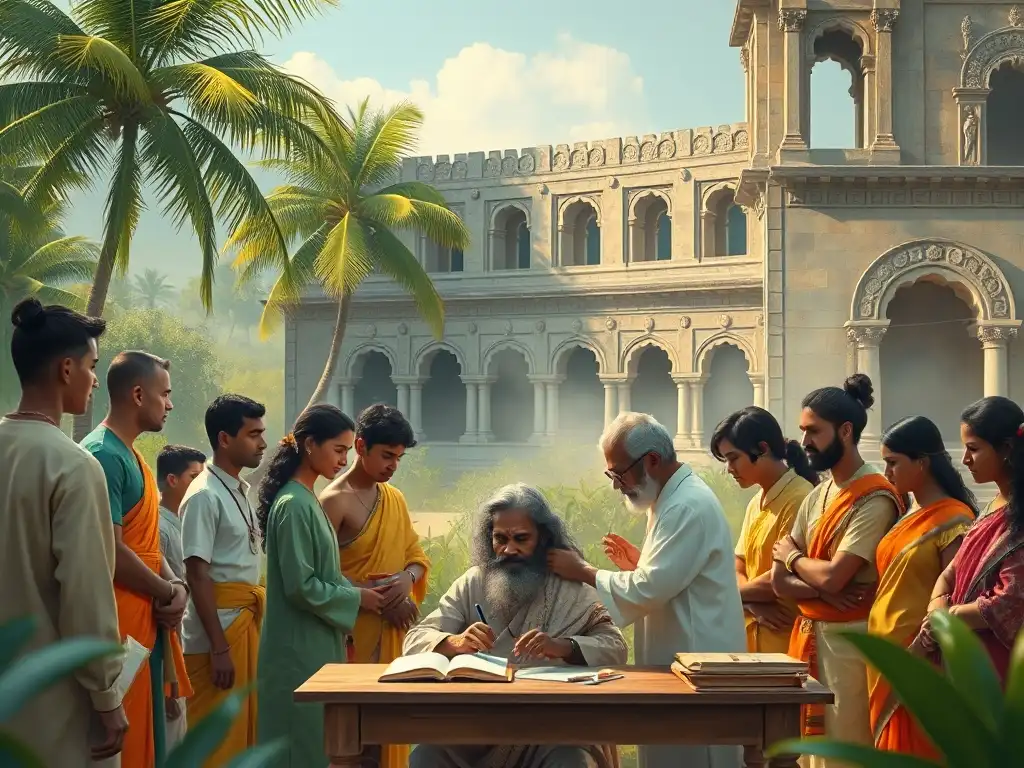
The Indus Valley Civilization and Early Medical Practices
The Indus Valley Civilization (IVC), which thrived around 2500 BCE, is one of the earliest urban cultures in the world. Evidence suggests that the people of this civilization possessed advanced knowledge of medicine and surgical practices. Archaeological discoveries, such as surgical instruments made of copper and bronze, indicate that early practitioners engaged in surgical procedures, including trepanation (the drilling of holes in the skull).
The Harappan society had a strong emphasis on hygiene and health, as evidenced by their sophisticated drainage systems and public baths. This focus on cleanliness and sanitation likely contributed to their understanding of disease prevention. The discovery of the Ayurvedic texts in later centuries can be traced back to these early practices.
Key aspects of medical practices during the Indus Valley period included:
- Natural Remedies: The use of medicinal plants, herbs, and minerals was prevalent. The IVC inhabitants likely utilized local flora for healing purposes.
- Surgical Techniques: Evidence of surgical tools suggests that procedures were not only theoretical but also practiced. The presence of seals depicting medical practices indicates a systematic approach to health care.
- Health and Well-being: The community's emphasis on public health is a testament to their medical awareness. They implemented preventive measures that laid the groundwork for future medical education.
Contributions of the Vedic Period to Medical Knowledge
The Vedic period, spanning from approximately 1500 BCE to 500 BCE, marked a significant advancement in ancient Indian medical education. The Vedas, particularly the Atharva Veda, contain hymns and verses that provide insight into the medical knowledge of the time. This era introduced a more structured approach to health, medicine, and surgery.
During this time, several important contributions emerged:
- Concept of Ayurveda: The foundational principles of Ayurveda were established, emphasizing balance among the body, mind, and spirit. Ayurveda classified diseases and treatments based on the three doshas: Vata, Pitta, and Kapha, which represented various bodily energies.
- Surgical Texts: The Sushruta Samhita, attributed to the sage Sushruta, is one of the oldest surgical texts in existence. It details over 300 surgical procedures, including complex operations like cataract surgery and plastic surgery. This text not only served as a manual for practitioners but also as a basis for medical education in ancient India.
- Medical Education: The Vedic period saw the establishment of Gurukulas, where students learned under the guidance of a guru. This system fostered a rigorous educational environment for aspiring physicians and surgeons, emphasizing practical skills alongside theoretical knowledge.
- Holistic Healing: The Vedic approach to medicine was holistic, considering psychological and environmental factors in diagnosis and treatment. This philosophy enriched medical practice and education, allowing for a more comprehensive understanding of health.
The advancements made during the Vedic period laid a robust foundation for future developments in ancient Indian medical education, influencing not only surgical techniques but also the overall approach to health and wellness in subsequent civilizations.
Key Ancient Indian Medical Schools
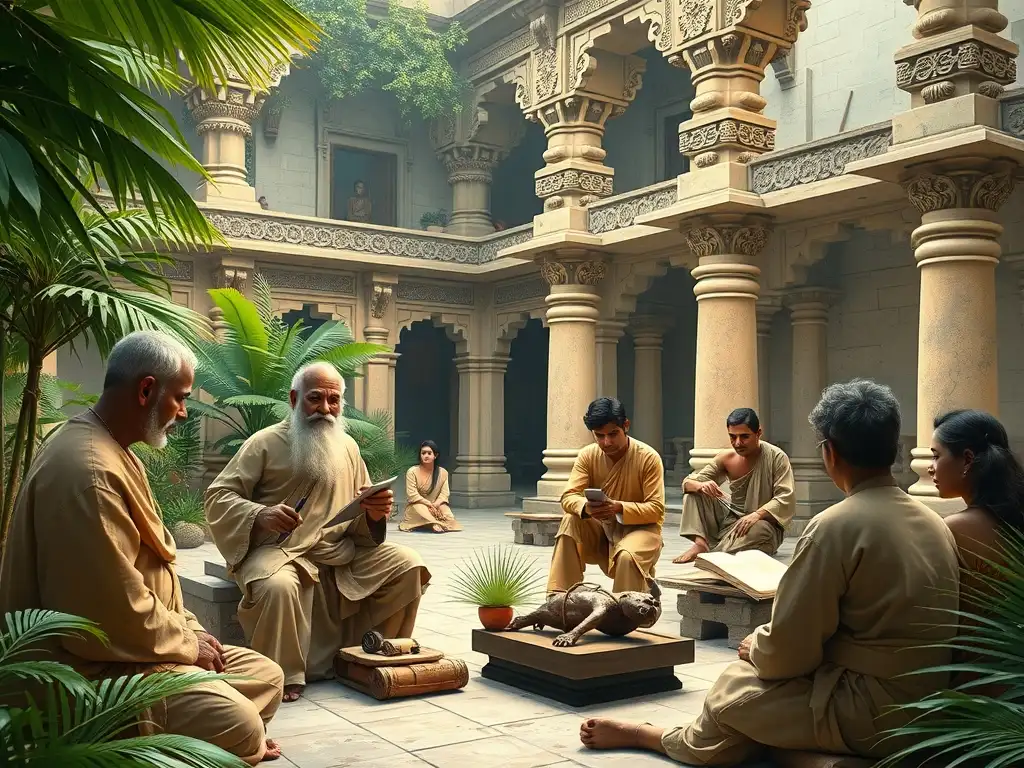
Ancient India was home to several renowned medical schools that played a pivotal role in shaping the foundations of surgical education. These institutions were not only centers for learning but also repositories of knowledge that influenced medical practices in India and beyond. Among them, Taxila and Nalanda stand out as prominent hubs of ancient Indian medical education, each contributing uniquely to the field of surgery and medicine.
The Role of Taxila in Ancient Indian Medical Education
Taxila, located in present-day Pakistan, is often regarded as one of the earliest and most significant centers of learning in the ancient world. Flourishing from around the 6th century BCE, it attracted students from various regions, including Persia, Greece, and Central Asia.
- Curriculum and Subjects: The curriculum at Taxila encompassed a wide range of subjects, including surgery, anatomy, pharmacology, and herbal medicine. It focused on practical training, enabling students to engage directly in surgical procedures.
- Notable Figures: One of the most prominent figures associated with Taxila is Sushruta, often referred to as the "father of surgery." His seminal work, the Sushruta Samhita, is a comprehensive text detailing surgical techniques, instruments, and case studies that laid the groundwork for future surgical practices.
- Surgical Techniques: Taxila was known for its advanced surgical techniques, including procedures like rhinoplasty, cataract surgery, and the treatment of fractures. The emphasis on hands-on experience allowed students to hone their skills under the guidance of experienced practitioners.
The legacy of Taxila in ancient Indian medical education is profound, influencing medical practices for centuries and establishing a standard for surgical education that would be emulated in other cultures.
Nalanda University: A Hub of Surgical Learning
Nalanda University, established in the 5th century CE, was another pivotal institution in ancient Indian medical education. Known for its vast library and diverse academic programs, Nalanda attracted scholars from across Asia.
- Interdisciplinary Approach: Unlike Taxila, which had a strong focus on surgery, Nalanda adopted an interdisciplinary approach, integrating philosophy, astronomy, and medicine. This holistic perspective enriched the understanding of medical practices and their philosophical underpinnings.
- Research and Innovation: Nalanda was a center for research and innovation in medical sciences. Scholars engaged in critical studies of texts, leading to advancements in surgical methods and the development of new medicinal formulations.
- Influence on Other Cultures: The teachings and practices developed at Nalanda extended beyond India, influencing medical education in regions such as Tibet, China, and Southeast Asia. The exchange of knowledge fostered a rich dialogue that contributed to the global understanding of medicine and surgery.
Nalanda's commitment to knowledge dissemination and its role as a melting pot of cultures significantly impacted ancient Indian medical education and surgical practices.
Other Notable Schools and Their Contributions
In addition to Taxila and Nalanda, several other medical schools contributed to the rich tapestry of ancient Indian medical education:
- Vallabhi University: Established in the 6th century CE, Vallabhi became known for its rigorous training in Ayurveda and surgery. Scholars here focused on the application of surgical techniques in the treatment of diseases and injuries.
- Kashi (Varanasi): Kashi was renowned for its emphasis on holistic healing practices, combining surgery with spiritual and psychological well-being. The integration of these elements highlighted the importance of a comprehensive approach to health.
- Kanyakubj: Known for its contributions to the field of obstetrics and gynecology, Kanyakubj produced texts that detailed surgical procedures related to childbirth, showcasing the specialization within ancient Indian medical education.
The collective contributions of these schools not only advanced surgical education but also laid the groundwork for future generations of medical practitioners. The legacy of ancient Indian medical education remains a testament to the innovative spirit and depth of knowledge that characterized these early institutions.
Curriculum and Training in Ancient Indian Medical Education
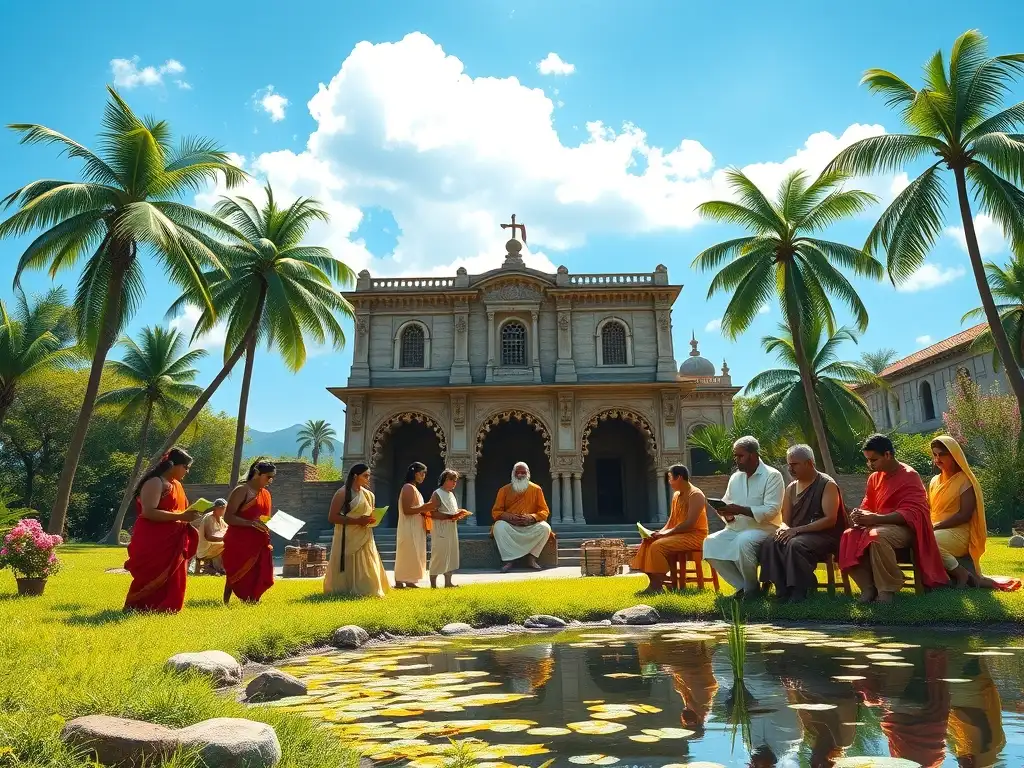
The curriculum of ancient Indian medical education was comprehensive, blending theoretical knowledge with practical skills, particularly in the field of surgery. Institutions such as the famous Taxila and Nalanda were pivotal in shaping the educational landscape, offering systematic training in various disciplines of medicine, including surgical techniques.
Subjects Covered in Surgical Education
The subjects taught in ancient Indian medical schools were vast and multifaceted, designed to prepare students for the complexities of medical practice. Here are some key areas of focus:
- Anatomy and Physiology: Students were instructed in the structure and function of the human body, often through dissection and observation. The ancient texts, such as the Sushruta Samhita, detailed anatomical knowledge that was crucial for surgical practice.
- Surgical Techniques: A significant part of the curriculum was dedicated to various surgical procedures. This included techniques for performing operations like suturing wounds, performing amputations, and treating fractures.
- Pharmacology: Knowledge of herbs and medicinal compounds was integral, as students learned about the properties of various plants and minerals used in treatments.
- Diagnosis: Aspiring surgeons were trained in diagnosing ailments based on symptoms, pulse examination, and other traditional methods that emphasized a holistic understanding of health.
- Ethics and Patient Care: Ethical considerations and patient management were also emphasized, instilling a sense of responsibility in practitioners.
The curriculum was not only focused on surgical skills but also aimed to cultivate a well-rounded physician capable of addressing a variety of health issues.
Methods of Teaching and Learning in Ancient Medical Schools
The pedagogical approaches used in ancient Indian medical education were innovative and interactive, fostering a deep understanding of surgical practices. Here are some key methods employed:
- Guru-Shishya Parampara: The traditional teacher-student relationship played a crucial role. Knowledge was imparted through direct mentorship, with students learning closely under the guidance of experienced practitioners. This hands-on approach allowed for personalized instruction and immediate feedback.
- Practical Apprenticeships: Students often engaged in apprenticeships, where they would assist in surgeries and learn through observation and participation. This method ensured that theoretical knowledge was effectively translated into practical skills.
- Textual Studies: Ancient texts like the Sushruta Samhita and Charaka Samhita served as foundational resources. Students would study these texts meticulously, which contained detailed descriptions of surgical procedures, anatomy, and medicinal practices.
- Clinical Exposure: Many medical schools incorporated clinical practice into their curriculum. Students would treat real patients under supervision, allowing them to apply their knowledge in real-world settings effectively.
- Discussions and Debates: Encouraging critical thinking, discussions, and debates were common, fostering a culture of inquiry and exploration of various medical philosophies and practices.
The methods of teaching in ancient Indian medical schools not only prioritized skill acquisition but also emphasized the importance of a strong ethical foundation, preparing students to become compassionate and competent medical practitioners.
Ancient Indian medical education presented a rich and diverse curriculum that combined rigorous academic study with practical experience. The emphasis on various subjects and innovative teaching methods contributed significantly to the development of surgical education in ancient India, leaving a lasting legacy that continues to influence medical practices today.
Prominent Figures in Ancient Indian Surgical Education
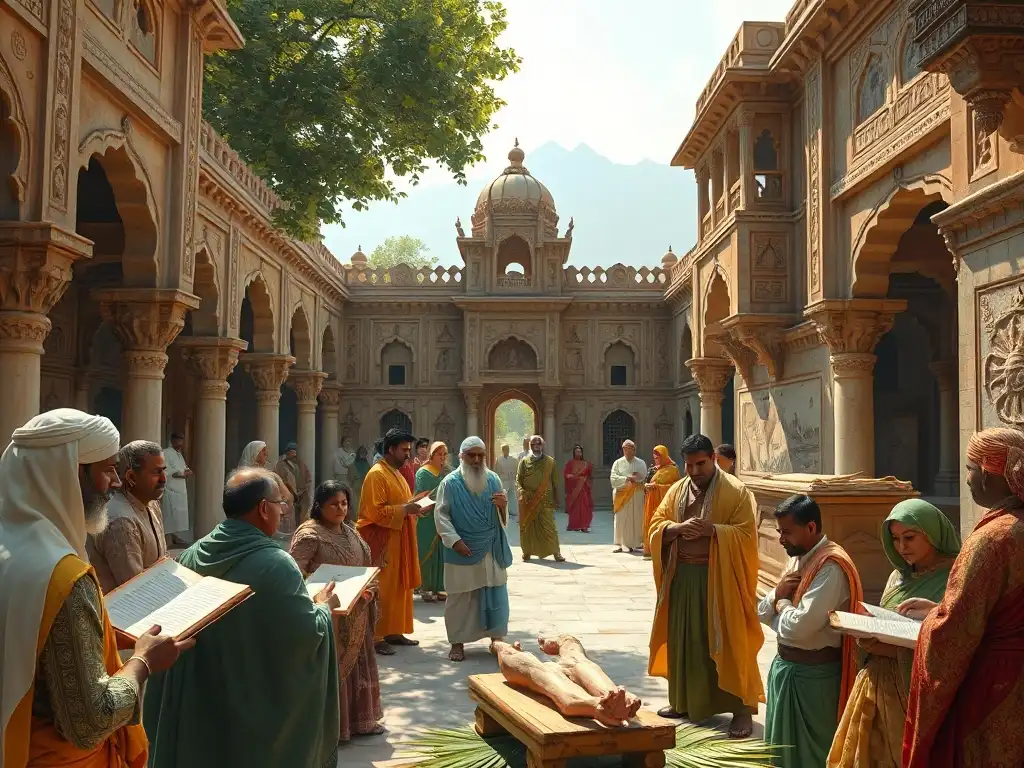
Ancient Indian medical education was profoundly influenced by several key figures whose teachings and practices laid the foundation for surgical techniques and medical philosophy. Among these prominent figures, Sushruta and Charaka stand out for their significant contributions, which continue to resonate in modern medical practices.
Sushruta: The Father of Surgery
Sushruta, often referred to as the "Father of Surgery," is a pivotal figure in ancient Indian medical education. His work, the Sushruta Samhita, is one of the earliest texts dedicated to surgical techniques and is considered a cornerstone of surgical education in ancient India.
- Surgical Techniques: Sushruta's text outlines more than 120 surgical instruments and over 300 surgical procedures. He meticulously described techniques for performing surgeries, including cataract surgery, plastic surgery, and procedures for treating wounds. His innovative approaches, such as the use of flaps for reconstructive surgery, are still relevant today.
- Anesthesia and Pain Management: Sushruta emphasized the importance of anesthesia in surgery. He advocated for the use of herbal concoctions and other methods to minimize pain during surgical procedures. This understanding of pain management was advanced for his time and laid the groundwork for future anesthetic practices.
- Ethical Considerations: In addition to surgical techniques, Sushruta's teachings included ethical guidelines for practitioners. He stressed the importance of a surgeon’s moral responsibility, advocating for patient welfare and the necessity of thorough training in surgical arts before performing operations.
Charaka: Contributions to Medical Philosophy
Charaka, another eminent figure in ancient Indian medical education, is often celebrated for his contributions to medical philosophy and the holistic approach to health. His seminal work, the Charaka Samhita, complements Sushruta's focus on surgery by emphasizing the principles of internal medicine.
- Holistic Approach: Charaka's teachings highlighted the importance of balance in bodily humors (doshas) and the interplay between physical, mental, and spiritual health. This holistic view not only shaped medical education but also influenced how practitioners approached patient care, encouraging a comprehensive understanding of health.
- Pharmacology and Treatments: The Charaka Samhita outlines numerous medicinal herbs and treatments, detailing their properties and applications. Charaka's systematic classification of drugs and emphasis on personalized medicine paved the way for future advancements in pharmacology.
- Training and Education: Charaka placed significant emphasis on the education of medical practitioners. He insisted that medical students should engage in rigorous training, including theoretical knowledge and hands-on practice, to ensure they were well-equipped to diagnose and treat ailments effectively.
Both Sushruta and Charaka played integral roles in shaping ancient Indian medical education. Their pioneering works not only laid the groundwork for surgical practices but also fostered a deeper understanding of health and medicine that influenced centuries of medical thought. The legacy of their contributions continues to be felt in contemporary medical education and practices worldwide.
Techniques and Tools Developed in Ancient Indian Surgery
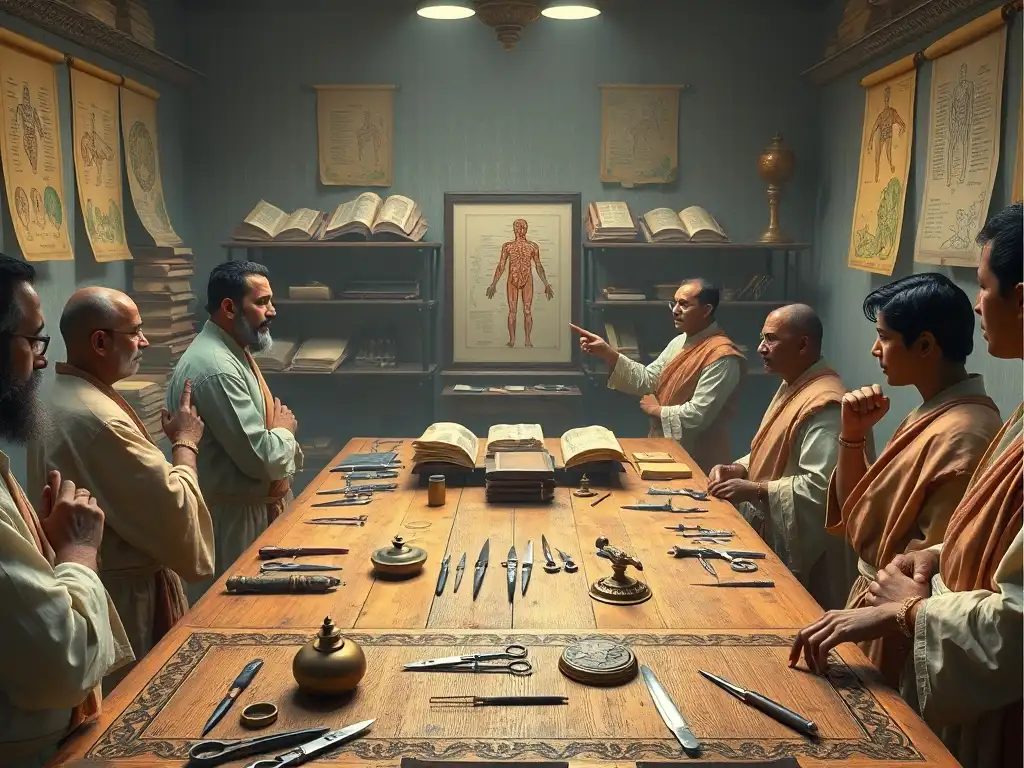
Surgical Instruments Used in Ancient Medicine
Ancient Indian medical education placed a significant emphasis on the development and utilization of surgical instruments, which were essential for various procedures. The texts from this period, particularly the Sushruta Samhita, provide extensive details about these instruments, showcasing the sophistication and precision of ancient Indian surgical practices.
Some of the notable surgical instruments included:
- Scalpels (Shastra): These were finely crafted blades used for incisions. They were made from various metals and designed for precision.
- Forceps (Praharana): Used to grasp and hold tissues during surgeries, forceps were crucial for delicate operations.
- Surgical Hooks (Dhanvantar): These instruments helped in retracting tissues or organs, providing better visibility and access to the surgical site.
- Curettes (Kshura): Employed for scraping tissues or removing abnormal growths, curettes were essential in procedures involving tissue excision.
- Needles (Akkhya): Used for suturing, these needles were often made from materials like bone or metal, demonstrating advanced crafting skills.
These tools were not only functional but also reflected the artistic skills of ancient Indian craftsmen. The materials used ranged from bronze to iron, with an emphasis on durability and sharpness.
Innovative Surgical Techniques Originating from Ancient India
The ancient Indian medical education system was instrumental in developing innovative surgical techniques that were groundbreaking for their time. These techniques laid the foundation for many modern surgical practices.
- Rhinoplasty (Nasal Reconstruction): One of the most notable contributions from ancient Indian surgery is the technique of rhinoplasty, as detailed in the Sushruta Samhita. Sushruta is often referred to as the "Father of Surgery" for his pioneering work in reconstructive surgery, particularly in the method of reconstructing noses using skin grafts from the forehead.
- Kshara Sutra Therapy: This method involved the use of a medicated thread (Kshara sutra) for the treatment of fistulas and hemorrhoids. The thread was coated with various herbal medicines and was inserted into the affected area, allowing for gradual healing.
- Surgical Procedures for Abscesses: Ancient Indian surgeons were adept at treating abscesses by employing techniques that involved incision and drainage, along with the application of herbal pastes to promote healing.
- Laparotomy: The practice of opening the abdominal cavity to explore and treat internal diseases was known in ancient India. This procedure demonstrated a deep understanding of human anatomy and the risks involved.
- Amputation Techniques: Sushruta provided guidelines for performing amputations, emphasizing sterile techniques to prevent infection—a concept that was revolutionary for its time.
Ancient Indian medical education not only produced skilled surgeons but also fostered a rich tradition of surgical techniques and tools that have influenced surgical practices worldwide. The meticulous documentation and transmission of this knowledge through texts ensured that these practices were preserved and refined over generations, highlighting the advanced state of medicine in ancient India.
The Legacy of Ancient Indian Medical Education
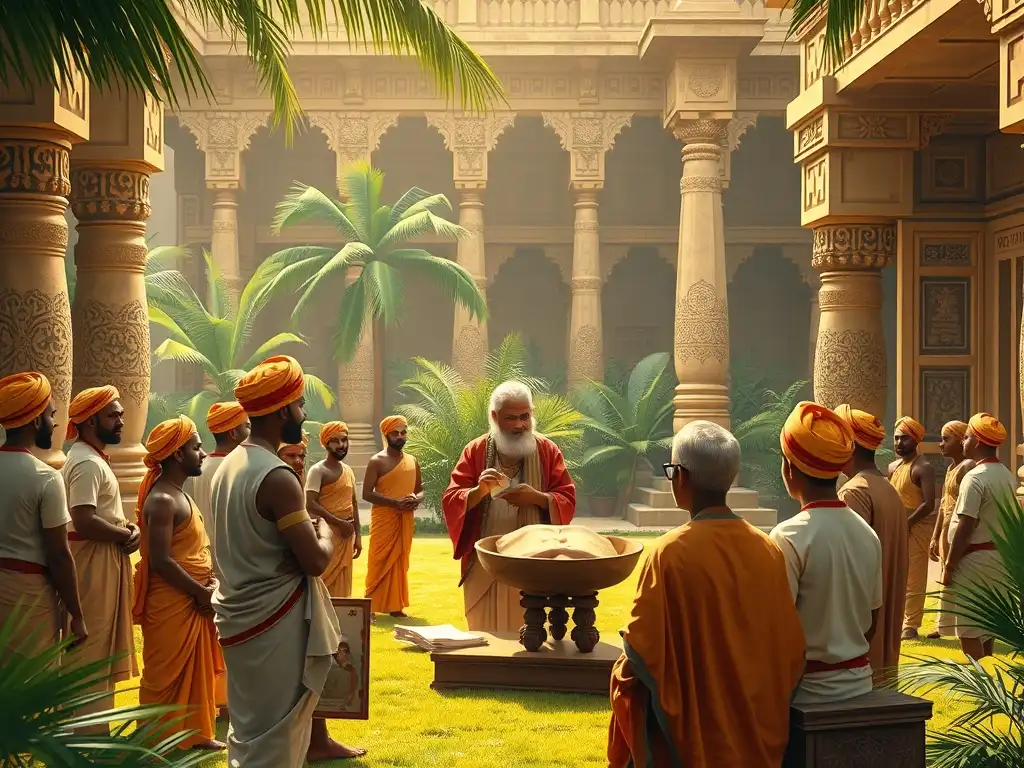
The legacy of ancient Indian medical education is a testament to the sophisticated understanding of medicine and surgery that flourished in the subcontinent. The roots of this education can be traced back to the Vedic period, where knowledge was transmitted orally through texts known as the Vedas. Over time, this knowledge evolved into structured systems, particularly with the emergence of institutions dedicated to medical training.
Ancient Indian medical education was not just about imparting knowledge; it was a holistic approach that encompassed various aspects of health, including physical, mental, and spiritual well-being. The integration of philosophy and ethics into medical training ensured that practitioners were not just skilled surgeons but also compassionate healers.
Prominent ancient medical texts, such as the Sushruta Samhita and the Charaka Samhita, laid the foundation for surgical techniques and medical practices. These texts were not mere compilations of knowledge; they were comprehensive manuals that guided practitioners in diagnosis, treatment, and surgical procedures. The influence of these texts endures, as they continue to be referenced in modern medical education and practice.
Influence on Modern Medical Practices
Ancient Indian medical education has significantly influenced modern medical practices in numerous ways. The surgical techniques and methodologies documented in ancient texts have been recognized for their pioneering nature. For example, the concept of plastic surgery, particularly in reconstructive procedures such as rhinoplasty, was first detailed by Sushruta, earning him the title of the "father of surgery."
The principles of observation and documentation, as emphasized in ancient Indian medical education, resonate with contemporary medical practices. Modern medical professionals often rely on meticulous patient records and evidence-based practices, a concept deeply rooted in the tradition of ancient Indian scholars, who meticulously documented their observations of ailments and treatments.
Moreover, the holistic approach of ancient Indian medicine, which combines physical treatment with mental and spiritual health, is gaining traction in modern integrative medicine. Practices such as Ayurveda, which originated from ancient teachings, are now recognized worldwide for their efficacy in promoting overall well-being.
To illustrate the impact of ancient techniques on modern practices, consider the following table:
| Ancient Technique | Modern Equivalent | Key Contributions |
|---|---|---|
| Rhinoplasty (Nasal Reconstruction) | Plastic Surgery | Detailed surgical methods in Sushruta Samhita |
| Herbal Medicine | Pharmacology | Early documentation of medicinal properties of plants |
| Suturing Techniques | Surgical Procedures | Foundational principles of wound closure and healing |
Preservation of Knowledge in Ancient Texts
The preservation of knowledge in ancient texts is a cornerstone of ancient Indian medical education. Texts like the Sushruta Samhita and Charaka Samhita not only served as educational resources but also as repositories of wisdom that transcended generations. These texts were meticulously compiled, often over centuries, by scholars who emphasized the importance of accuracy and comprehensiveness in medical knowledge.
The oral tradition of teaching was complemented by written documentation, ensuring that medical knowledge was preserved even as societal changes occurred. The establishment of educational institutions, known as Gurukuls, facilitated the training of new generations of medical practitioners. Students would learn directly from experienced teachers, engaging in practical demonstrations and discussions, which enriched their understanding.
In addition to these primary texts, commentaries and treatises by subsequent scholars played a vital role in preserving and expanding the knowledge base. The synthesis of ideas from various regions and cultures contributed to a robust medical education system that was continually evolving.
Despite challenges over the centuries, including invasions and colonial rule, the resilience of these texts has allowed ancient Indian medical education to endure. Today, efforts to digitize and translate these texts are making ancient knowledge more accessible, ensuring that future generations can continue to benefit from the rich heritage of ancient Indian medical education.
The wisdom of ancient Indian medical education continues to inspire and inform modern practices, bridging the past and the present in the pursuit of healing.
Conclusion: The Impact of Ancient Indian Medical Education on Modern Surgery
Reflection on the Evolution of Surgical Techniques
Ancient Indian medical education laid the groundwork for surgical practices that have evolved significantly over the centuries. The medical schools of ancient India, particularly during the time of the Ayurvedic texts, such as the Sushruta Samhita, introduced systematic surgical training that emphasized both theoretical knowledge and practical skills. Sushruta, often referred to as the "Father of Surgery," established a curriculum that included the study of anatomy, pathology, and surgical procedures, which not only influenced contemporaneous practices but also had a profound impact on later medical traditions across the globe.
The techniques described in these ancient texts were remarkably advanced for their time. For example, the methods of surgical suturing, cataract surgery, and plastic surgery showcased a sophisticated understanding of human anatomy and the principles of surgery. The use of instruments made from materials like bronze and steel indicates a focus on precision and the development of specialized tools.
Moreover, the emphasis on hands-on training in ancient Indian medical education meant that students learned through direct observation and practice under the guidance of experienced surgeons. This model of education laid a strong foundation for the competency-based medical education we see today. The integration of ethical considerations and the holistic approach to patient care in ancient Indian medical education also continues to resonate within modern surgical practices.
The Continuing Relevance of Ancient Indian Medical Education in Today's World
The principles and practices of ancient Indian medical education remain relevant today, not only in India but globally. The holistic approach to health and wellness emphasized in ancient texts encourages a comprehensive understanding of the patient, integrating physical, mental, and social health—a perspective increasingly recognized in modern medicine.
Furthermore, the surgical techniques developed and documented in ancient Indian texts have been rediscovered and validated through contemporary research. For instance, techniques for reconstructive surgery and minimally invasive procedures resonate with the ancient practices detailed by Sushruta. The meticulous descriptions of surgical methods serve as foundational knowledge for modern surgeons.
In addition, the revival of interest in traditional medicine and practices invites a reassessment of ancient Indian medical education's contributions to modern medical curricula. Programs that combine traditional knowledge with contemporary scientific understanding can enhance the training of medical professionals, fostering a richer, more diverse educational landscape.
Ancient Indian medical education not only shaped the evolution of surgical techniques but also continues to influence modern practices. Its emphasis on comprehensive care, ethical considerations, and practical skills remains a vital part of the discourse in medical education today. The legacy of these ancient schools serves as a reminder of the depth and richness of India's contributions to the field of medicine, inspiring future generations of medical practitioners to embrace a holistic and rigorous approach to surgical education.
Frequently Asked Questions
What were the main contributions of ancient Indian medical schools to surgical education?
Ancient Indian medical schools, particularly those in Nalanda and Taxila, played a crucial role in the development of surgical techniques and medical education, influencing practices in Asia and beyond.
How did the curriculum of ancient Indian medical schools differ from modern medical education?
The curriculum focused on holistic approaches, combining surgery, herbal medicine, and spirituality, contrasting with today's more specialized and scientific methods.
Who were some notable figures in ancient Indian medical education?
Sushruta, often referred to as the father of surgery, and Charaka, a prominent physician, made significant contributions to medical texts and practices, shaping the foundations of ancient Indian medical education.
How did ancient Indian medical schools influence other cultures?
The teachings and texts from ancient Indian medical schools were translated and integrated into Chinese, Persian, and Greek medical practices, showcasing the global impact of their educational systems.
What role did ancient texts play in the development of medical education?
Classical texts like the Sushruta Samhita and Charaka Samhita served as essential resources that outlined surgical techniques and medical theory, forming the backbone of ancient Indian medical education.
Final Reflection: The Enduring Legacy of Ancient Indian Medical Education
The principles and practices established by ancient Indian medical schools continue to resonate in today's surgical education, highlighting the profound impact of historical knowledge on modern practices. As we navigate the complexities of contemporary medicine, it becomes increasingly clear that the foundations laid by these ancient institutions are not merely relics of the past but are vital components of our ongoing journey in healthcare. The wisdom and methodologies developed centuries ago remind us that innovation often springs from a deep understanding of tradition.
The influence of ancient Indian medical education extends beyond the classroom; it has permeated cultural and social norms surrounding health and healing. This rich heritage fosters a holistic approach to medicine that values the interconnectedness of body, mind, and spirit. As we reflect on this legacy, we recognize that the teachings of figures like Sushruta and Charaka are not just historical anecdotes but living philosophies that continue to shape our understanding of surgical practices today. The greatest medicine of all is teaching people how not to need it.
This quote encapsulates the essence of ancient wisdom, emphasizing prevention and education as cornerstones of health.
As we look to the future, I invite you to consider how the lessons from ancient Indian medical education can inform your own perspective on health and wellness. Reflect on the importance of integrating traditional wisdom with modern practices in your life and the lives of those around you. Whether you are a medical professional, a student, or simply someone interested in health, let the insights from this rich history inspire you to cultivate a more holistic approach to well-being. Embrace the legacy of ancient teachings and allow them to guide you toward a healthier future.
Unveil the Wisdom of Ancient Medicine!
Thank you for embarking on this journey through the fascinating world of Ancient Indian medical schools and their impact on surgical education! Your curiosity has uncovered valuable insights into the pioneering practices that shaped modern medicine. Now, let’s take the next steps to deepen your understanding and engagement!
- Dive Deeper: Explore further resources on ancient surgical techniques documented in texts like the Sushruta Samhita. You'll uncover knowledge that can revolutionize your perspective on medicine today.
- Share the Knowledge: Discuss your findings with friends or colleagues who share a passion for medical history. A simple conversation can spark new ideas and insights!
- Connect with the Community: Join forums or social media groups dedicated to the study of ancient medicine. Engage with like-minded enthusiasts to expand your network and share your newfound passion.
By committing to these actions, you not only enrich your understanding but also help preserve the wisdom of our past.
What surprising insights about ancient surgical practices do you think could influence modern medicine today? Let’s discuss!