
Ancient Indian Universities: Centers of Knowledge and Culture

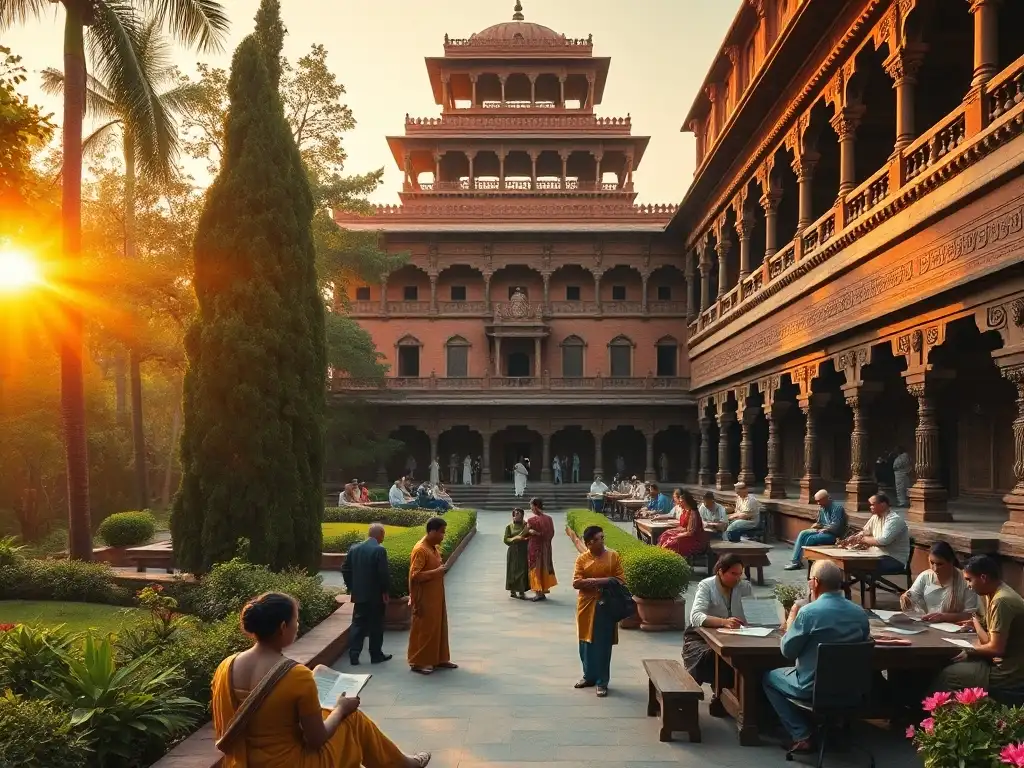
Welcome to Ancient India History, where we embark on a captivating journey through the rich tapestry of ancient Indian civilizations. Delve into the fascinating history of ancient Indian universities, remarkable centers of knowledge and culture that nurtured some of the greatest minds of their time. What secrets and innovations did these institutions hold? Join us as we unravel the stories behind their enduring legacy, and prepare to be inspired by the profound contributions they made to education and society. Your exploration begins here—read on to discover the wisdom of the past!
-
Ancient Indian Universities History: Centers of Knowledge and Culture
- Introduction to Ancient Indian Universities
- The Evolution of Ancient Indian Universities
- Notable Ancient Indian Universities
- The Role of Teachers and Scholars in Ancient Indian Universities
- The Impact of Ancient Indian Universities on Society and Culture
- Decline of Ancient Indian Universities
- The Legacy of Ancient Indian Universities in Modern Education
- Conclusion: The Enduring Influence of Ancient Indian Universities
-
Frequently Asked Questions
- What were the significant contributions of ancient Indian universities?
- How did ancient Indian universities operate?
- What were the admission requirements for ancient Indian universities?
- How did ancient Indian universities influence modern education?
- What role did ancient Indian universities play in cultural exchange?
- Final Reflection: The Enduring Legacy of Ancient Indian Universities
- Unearth Your Journey to Knowledge!
Ancient Indian Universities History: Centers of Knowledge and Culture
Introduction to Ancient Indian Universities
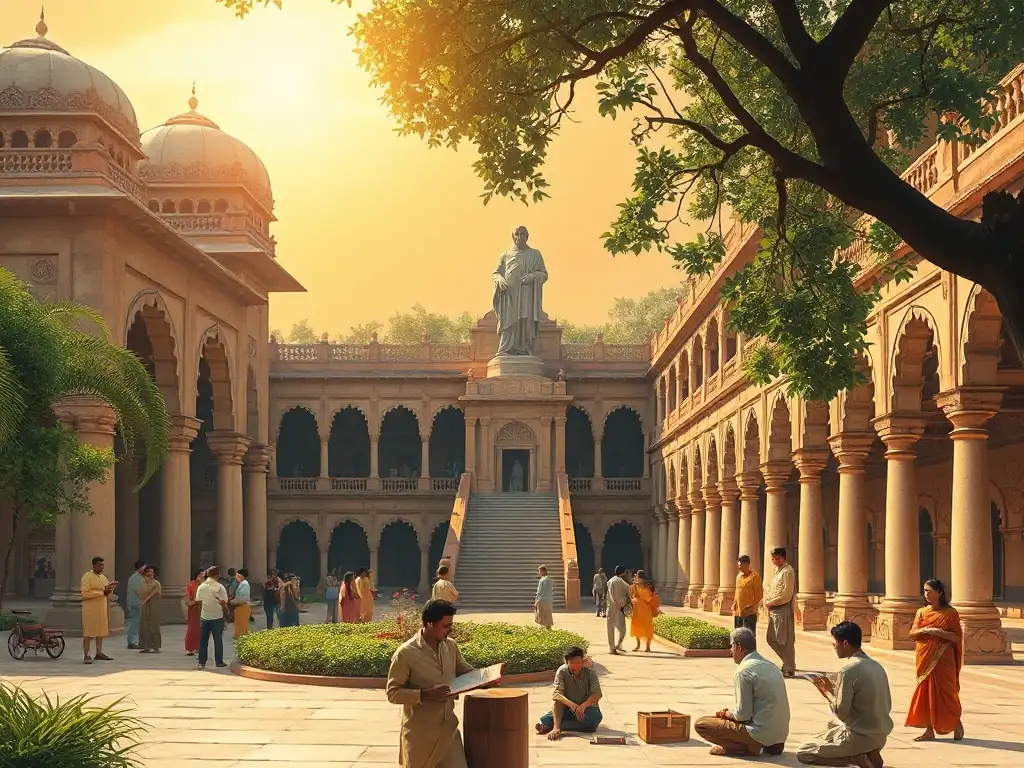
The history of ancient Indian universities is a testament to the profound intellectual and cultural advancements achieved by Indian civilizations over millennia. These institutions were not merely places of education; they were vibrant centers of knowledge that nurtured various fields including philosophy, mathematics, astronomy, medicine, and literature. As we delve into the ancient Indian universities history, we will uncover how these establishments shaped societal values, contributed to the dissemination of knowledge, and influenced educational systems across the globe.
From the esteemed halls of Nalanda to the scholarly pursuits at Taxila, ancient Indian universities played a pivotal role in fostering an environment of inquiry and scholarship. Their legacy continues to resonate today, as they laid the groundwork for contemporary educational practices and institutions worldwide.
The Significance of Ancient Indian Universities in History
Ancient Indian universities were monumental in promoting learning and critical thought. They were characterized by:
- Diversity of Subjects: Students engaged in a wide array of disciplines, including:
- Philosophy
- Mathematics
- Medicine
- Astronomy
- Arts and Literature
- International Influence: Scholars from distant lands, such as China, Tibet, and Southeast Asia, traveled to these universities, leading to a rich exchange of ideas and cultures.
- Societal Impact: The teachings and discoveries made in these institutions significantly influenced Indian society, contributing to advancements in various fields and shaping cultural norms.
The importance of these universities cannot be overstated; they were foundational in developing a rich intellectual tradition that emphasized inquiry, debate, and the pursuit of knowledge.
Overview of Educational Systems in Ancient India
The educational systems in ancient India were diverse and evolved over time. Key features included:
- Gurukul System:
- A traditional form of education where students lived with their teacher (guru) and learned various subjects through oral transmission.
- Focused on holistic development, including physical, mental, and spiritual education.
- Formal Universities:
- Institutions like Nalanda and Takshashila emerged, offering structured curricula and advanced studies.
- These universities operated on a residential model, where students and scholars lived on campus.
- Curriculum and Pedagogy:
- Emphasis was placed on dialectics, logic, and philosophical discussions.
- Education was often free of charge for students, promoting accessibility.
The Evolution of Ancient Indian Universities
The evolution of ancient Indian universities can be traced through significant periods, each contributing uniquely to the educational landscape.
Early Centers of Learning: From the Vedic Period to the Mauryan Empire
The foundations of higher education in ancient India were laid during the Vedic Period (circa 1500 – 500 BCE). Key developments during this time included:
- Vedic Literature: The oral transmission of hymns and philosophies laid the groundwork for formal education.
- Brahmanas and Upanishads: Texts that expanded on Vedic knowledge and emphasized metaphysical inquiry.
- Mauryan Empire: The rise of the Mauryan Empire (322 – 185 BCE) saw the establishment of early centers of learning, where scholars congregated to study and debate.
These early institutions set the stage for more structured educational systems, paving the way for the emergence of renowned universities.
The Rise of Prominent Universities During the Gupta Period
The Gupta Period (circa 320 – 550 CE) is often regarded as the Golden Age of India, particularly in the realm of education. Notable features included:
- Nalanda University:
- Established in the 5th century CE, it became one of the world’s first residential universities, attracting thousands of students and scholars.
- Subjects covered included logic, medicine, mathematics, and philosophy.
- Taxila:
- An earlier institution that flourished during the Gupta period, known for its comprehensive curriculum and scholarly contributions.
- It played a vital role in the education of students from various regions.
These universities exemplified the pinnacle of ancient Indian educational excellence, fostering a culture of inquiry and scholarship that would influence generations to come.
As we continue exploring the rich tapestry of ancient Indian universities history, we will uncover more about the contributions and legacies of these remarkable institutions.
Notable Ancient Indian Universities
Ancient India was home to several prestigious universities that served as centers of excellence in education and scholarship. These institutions attracted students and scholars from various regions, promoting a rich exchange of ideas and knowledge. Among the most notable universities were Nalanda, Taxila, and Vikramshila, each contributing uniquely to the intellectual landscape of the time.
Nalanda University: A Beacon of Learning
Nalanda University, established in the 5th century CE in present-day Bihar, is often regarded as one of the world's first residential universities. It flourished as a major center for Buddhist studies, attracting scholars from diverse backgrounds, including China, Korea, Japan, Tibet, Mongolia, and Southeast Asia. The university boasted a remarkable curriculum that included subjects such as philosophy, theology, medicine, mathematics, and astronomy.
The architectural grandeur of Nalanda included numerous temples, monasteries, and stupas, fostering an environment conducive to learning and spiritual growth. Notable scholars like Nagarjuna, Aryabhata, and Xuanzang were associated with Nalanda, contributing significantly to various fields of study. The university thrived for several centuries until it faced decline due to invasions, culminating in its destruction in the 12th century CE.
Taxila University: A Hub of Multidisciplinary Learning
Taxila, located in modern-day Pakistan, dates back to around the 6th century BCE and is one of the oldest universities in the world. It served as a vital hub for education, particularly in the fields of medicine, philosophy, and military science. Taxila attracted students from not only the Indian subcontinent but also from Persia and Greece, reflecting its cosmopolitan nature.
The university's curriculum was diverse, encompassing subjects such as grammar, logic, rhetoric, and the arts. Famous figures like Chanakya (Kautilya), the author of the Arthashastra, and the physician Charaka were among its distinguished alumni. Taxila's significance lay in its ability to integrate various branches of knowledge, fostering a holistic approach to education.
Vikramshila University: A Center for Buddhist Studies
Founded in the 8th century CE by the Indian emperor Dharmapala, Vikramshila University was another prominent institution dedicated to Buddhist studies. Located in Bihar, it was established as a response to the growing influence of Tibetan Buddhism. Vikramshila became a leading center for the study of Mahayana Buddhism, philosophy, and logic.
The university's curriculum emphasized critical thinking and debate, with a strong focus on the texts of Mahayana Buddhism. Scholars such as Atisha, who played a crucial role in the transmission of Buddhism to Tibet, were associated with Vikramshila. Despite its importance, Vikramshila met a similar fate as Nalanda, suffering destruction in the 12th century due to external invasions.
The Role of Teachers and Scholars in Ancient Indian Universities
The significance of ancient Indian universities cannot be overstated, particularly regarding the role of teachers and scholars. These educators were not only repositories of knowledge but also facilitators of critical thinking and intellectual discourse. Their influence shaped the educational landscape, contributing to the rich tapestry of ancient Indian culture.
Contributions of Renowned Scholars in Ancient India
Renowned scholars such as Aryabhata, Brahmagupta, and Panini made groundbreaking contributions in various fields, including mathematics, astronomy, and linguistics. Aryabhata, for instance, introduced concepts of zero and the decimal system, revolutionizing mathematics. Brahmagupta's work on arithmetic and algebra laid the foundation for future mathematical developments.
Moreover, scholars like Patanjali and Bhasa made significant advancements in linguistics and theatre, respectively. Their works continue to inspire and influence contemporary thought, showcasing the enduring legacy of ancient Indian scholarship.
The Guru-Shishya Tradition: Teacher-Student Relationships
The Guru-Shishya tradition was a cornerstone of ancient Indian education, emphasizing a close, personal relationship between teachers (gurus) and their students (shishyas). This mentorship model fostered an environment of respect, learning, and spiritual growth. Students would often live with their gurus, immersing themselves in the learning process through direct instruction and practical experience.
This tradition not only facilitated the transmission of knowledge but also instilled values such as discipline, dedication, and reverence for learning. The Guru-Shishya relationship played a vital role in shaping the moral and ethical framework of society, ensuring that the wisdom of the past was preserved and passed down through generations.
The Impact of Ancient Indian Universities on Society and Culture
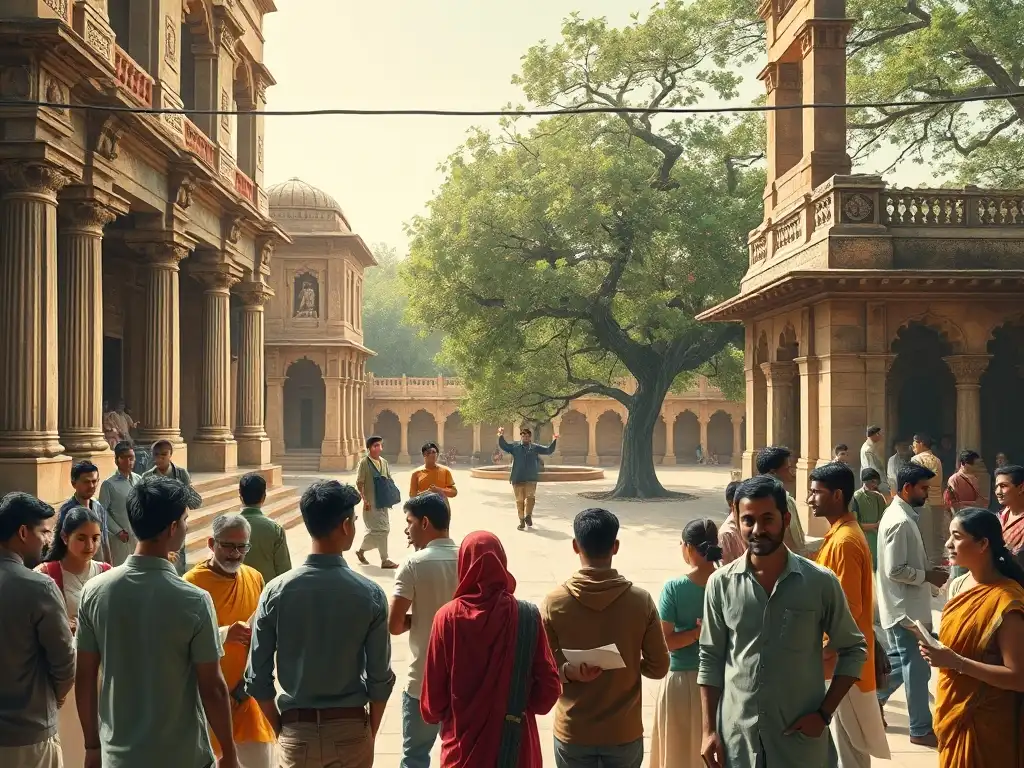
Ancient Indian universities played a pivotal role in shaping society and culture during their time. These institutions, such as Nalanda and Takshashila, were not only centers of learning but also hubs of cultural exchange and intellectual discourse. They attracted scholars and students from various parts of the world, fostering a spirit of inquiry and collaboration. The curriculum offered at these universities spanned a wide array of subjects, including science, mathematics, philosophy, and the arts, which contributed to the overall intellectual and cultural fabric of ancient India.
The social impact of these universities was profound. They promoted values such as critical thinking, debate, and the pursuit of truth, which encouraged a culture of learning and scholarship. Additionally, the universities often served as melting pots of diverse cultures, where students from different backgrounds could engage and share their knowledge. This exchange of ideas not only enriched the academic experience but also cultivated a sense of unity and understanding among people from various regions and traditions.
Furthermore, the influence of these universities extended beyond their immediate surroundings. The knowledge produced and disseminated by ancient Indian scholars had far-reaching effects, inspiring future generations and influencing educational systems in neighboring regions. The legacy of these institutions is evident in the continued reverence for education and intellectual pursuits in Indian culture today.
Contributions to Science, Mathematics, and Philosophy
Ancient Indian universities were renowned for their contributions to various fields of knowledge, particularly in science, mathematics, and philosophy. Scholars at these institutions made significant advancements that laid the groundwork for future scientific inquiry. For example, the concept of zero as a numeral was developed in ancient India, which revolutionized mathematics and paved the way for modern arithmetic.
In the realm of science, ancient universities produced notable figures like Aryabhata, who made groundbreaking contributions to astronomy and mathematics. His work on the rotation of the Earth and the calculation of the circumference of the Earth was centuries ahead of its time. Similarly, the contributions of scholars like Charaka and Sushruta in the field of medicine and surgery established foundational principles that are still respected in medical practices today.
Philosophy was another area where ancient Indian universities excelled. The teachings of various philosophical schools, such as Vedanta and Buddhism, were explored and debated within the walls of these universities. The emphasis on logical reasoning and ethical inquiry fostered a rich philosophical tradition that influenced not only Indian thought but also had a significant impact on other cultures and religions.
Influence on Art, Literature, and Religion
The ancient Indian universities significantly influenced art, literature, and religion through their vibrant intellectual environments. Students and scholars engaged in the study of various literary forms, including poetry, drama, and prose, which led to the creation of timeless works. Notable literary figures, such as Kalidasa, emerged from these institutions, whose works continue to be celebrated for their artistic excellence and profound themes.
In addition to literature, the universities served as centers for artistic expression. They facilitated the exchange of ideas and techniques across different artistic disciplines, leading to the development of unique styles in sculpture, painting, and architecture. The intricate carvings and elaborate designs of ancient temples often reflect the philosophical and spiritual teachings that were prominent in the curriculum of these universities.
Religiously, ancient Indian universities played a crucial role in the dissemination of various philosophies and spiritual practices. They were places where diverse religious traditions coexisted, allowing for dialogue and synthesis between Hinduism, Buddhism, Jainism, and other belief systems. This exchange not only enriched the spiritual landscape of ancient India but also contributed to the evolution of religious thought throughout the region.
Decline of Ancient Indian Universities
The decline of ancient Indian universities marked a significant turning point in the educational landscape of India. Several factors contributed to this decline, leading to the eventual loss of these esteemed centers of knowledge and culture.
Factors Leading to the Decline of Educational Centers
One of the primary factors contributing to the decline of ancient Indian universities was the changing political landscape of the region. The fragmentation of empires and the rise of regional powers resulted in instability and a decline in patronage for educational institutions. As rulers shifted their focus towards military conquests and local governance, funding for universities diminished, leading to a decrease in the quality of education and resources available to scholars.
Additionally, internal strife and sectarian conflicts weakened the unity of intellectual communities. The divisions among various philosophical and religious groups often resulted in disputes that hampered scholarly collaboration. This fragmentation further eroded the vibrant academic culture that had once flourished within these institutions.
The Impact of Foreign Invasions and Political Changes
Foreign invasions had a profound impact on the decline of ancient Indian universities. The invasions by various groups, including the Huns and later the Muslim conquests, disrupted the social and political order, leading to widespread destruction and instability. Many universities were either destroyed or abandoned during these tumultuous periods, resulting in the loss of invaluable texts and knowledge.
The subsequent political changes also played a crucial role in the decline of these educational centers. With the establishment of new dynasties, such as the Delhi Sultanate and later the Mughal Empire, the focus shifted towards centralized governance and military expansion. The patronage for traditional education systems dwindled, and many scholars were compelled to seek refuge or migrate to other regions, further contributing to the decline of ancient Indian universities.
As a result of these factors, the rich legacy of ancient Indian universities began to fade, leading to a significant transformation in the landscape of education and knowledge in India.
The Legacy of Ancient Indian Universities in Modern Education
The ancient Indian universities, particularly Nalanda and Takshashila, laid the foundational principles of higher education that continue to influence modern educational systems. These institutions were not merely centers of learning; they were vibrant hubs where scholars from diverse backgrounds converged to exchange knowledge, ideas, and cultures. The legacy of these universities is evident in various aspects of contemporary education, including curriculum structure, pedagogy, and the emphasis on holistic learning.
The comprehensive nature of studies in ancient Indian universities encompassed a wide array of subjects—ranging from philosophy and astronomy to medicine and mathematics. This interdisciplinary approach is increasingly recognized in modern education systems, which aim to produce well-rounded individuals capable of critical thinking and innovation. The ancient emphasis on debate and dialogue as methods of learning has also found resonance in contemporary educational practices, fostering an environment where inquiry and discussion are encouraged.
Revival of Ancient Educational Traditions
In recent years, there has been a resurgence of interest in the educational models of ancient India, prompting initiatives to revive these traditions. Institutions are starting to incorporate ancient texts and teachings into their curriculums, recognizing the value of indigenous knowledge systems. This revival not only honors the rich heritage of ancient Indian education but also provides alternative perspectives on learning that can complement modern methodologies.
Moreover, there is a growing movement to establish new universities inspired by the principles of ancient Indian institutions. These initiatives aim to create environments that prioritize critical thinking, ethical reasoning, and a connection to cultural roots. By integrating ancient wisdom with contemporary educational practices, these universities seek to cultivate a new generation of scholars who are grounded in their heritage while being equipped to address modern challenges.
Lessons from Ancient Indian Universities for Contemporary Education Systems
Ancient Indian universities offer numerous lessons for today's educational landscape. One significant takeaway is the importance of inclusivity and diversity in learning environments. Nalanda, for instance, attracted students from various regions and backgrounds, fostering a rich tapestry of ideas and perspectives. Modern educational institutions can benefit from embracing diversity, as it enhances creativity and broadens understanding.
Additionally, the ancient focus on mentorship and guru-shishya relationships underscores the value of personalized education. The bond between teacher and student facilitated deep learning and engagement, a model that contemporary educational systems can adapt to cultivate meaningful relationships and foster academic growth.
Finally, the holistic approach to education, which included physical, mental, and spiritual development, serves as a reminder that education should not be limited to academic excellence alone. Integrating life skills, emotional intelligence, and ethical values into modern curricula can lead to the development of well-rounded individuals who contribute positively to society.
Conclusion: The Enduring Influence of Ancient Indian Universities
The impact of ancient Indian universities extends far beyond their historical context; it resonates deeply within the framework of modern education. These institutions not only shaped the intellectual landscape of their time but also established enduring principles that continue to guide educational philosophy and practice today. The holistic, inclusive, and interdisciplinary nature of learning espoused by these ancient centers of knowledge remains crucial as we navigate the complexities of the modern world.
Reflection on the Cultural and Historical Significance
Reflecting on the cultural and historical significance of ancient Indian universities reveals their role as beacons of knowledge and cultural exchange. They served as platforms for the synthesis of diverse ideas, promoting a culture of intellectual curiosity and respect for different viewpoints. The vibrant intellectual debates and discussions that characterized these institutions are a testament to their commitment to fostering critical thought and understanding.
As we delve into the rich tapestry of ancient Indian educational traditions, it becomes clear that these universities were more than just places of learning; they were vital components of the cultural fabric that shaped Indian civilization. Their legacy invites us to appreciate the depth and richness of our educational heritage while recognizing its relevance in contemporary society.
Call to Explore and Honor Ancient Educational Legacies
There is a profound need to explore and honor the legacies of ancient Indian universities. By revisiting their principles and practices, we can enrich our educational systems and foster a deeper connection to our cultural heritage. It is imperative that we celebrate these historical institutions, not only as relics of the past but as sources of inspiration for future generations.
As we strive to create educational environments that are inclusive, interdisciplinary, and holistic, let us draw from the wisdom of our ancient scholars. By doing so, we can cultivate a new era of learning that honors the past while preparing for the future, ensuring that the legacy of ancient Indian universities continues to thrive in the modern world. 🌟
Frequently Asked Questions
What were the significant contributions of ancient Indian universities?
Ancient Indian universities, such as Nalanda and Taxila, were centers of knowledge that contributed to various fields, including mathematics, astronomy, and medicine. They attracted students from all over the world, promoting cultural exchange.
How did ancient Indian universities operate?
These universities operated under a guru-shishya (teacher-student) system, where students received personal guidance. The curricula included philosophy, grammar, and law, reflecting a holistic approach to education.
What were the admission requirements for ancient Indian universities?
Admission to ancient Indian universities was often based on merit and intellectual capability. Students typically had to demonstrate proficiency in relevant subjects and a strong desire to learn and contribute to society.
How did ancient Indian universities influence modern education?
Ancient Indian universities laid the foundation for modern educational practices by emphasizing critical thinking, debate, and interdisciplinary studies. Their legacy continues to inspire contemporary educational models.
What role did ancient Indian universities play in cultural exchange?
These universities served as vital hubs for cultural exchange, attracting scholars from various regions, including China and Greece. This interaction fostered the sharing of ideas, languages, and scientific knowledge, enriching both local and global cultures.
Final Reflection: The Enduring Legacy of Ancient Indian Universities
The history of ancient Indian universities is not just a relic of the past; it is a testament to the profound impact that centers of knowledge and culture have on society today. As we navigate an increasingly complex world, the principles of inquiry, debate, and holistic education that these institutions championed remain crucial. The ancient universities of India, such as Nalanda and Takshashila, were not merely places of learning but vibrant hubs where diverse ideas converged, fostering innovation and wisdom that resonate even in our modern educational frameworks.
The influence of these ancient institutions extends far beyond their historical context, shaping the cultural and intellectual landscape of contemporary society. Their commitment to interdisciplinary learning and critical thinking continues to inspire educational reforms and initiatives worldwide. As the philosopher and educator John Dewey once said, "> Education is not preparation for life; education is life itself." This sentiment echoes the ethos of ancient Indian universities, reminding us that the pursuit of knowledge is a lifelong journey that enriches our understanding of the world.
As we reflect on the lessons from ancient Indian universities, let us embrace the spirit of curiosity and open-mindedness that they embodied. I invite you to consider how you can incorporate these values into your own life, whether through lifelong learning, engaging in meaningful discussions, or exploring diverse perspectives. By doing so, we honor the legacy of these remarkable institutions and contribute to a culture of knowledge that transcends time and geography. Together, we can cultivate a future where education remains a powerful force for personal and societal transformation.
Unearth Your Journey to Knowledge!
Thank you for exploring the incredible legacy of ancient Indian universities with us! Your interest in this rich history not only highlights the brilliance of these centers of learning but also inspires a deeper appreciation for the cultural heritage they represent. Now, let’s take the next step on this enlightening journey.
- Dive Deeper: Explore more about a specific ancient university that fascinates you. Research its impact on education and culture—perhaps even visit a local library or an online resource for rare manuscripts.
- Share Your Insights: Discuss the significance of these universities with friends or family. Start a conversation about how ancient teachings can inspire modern education!
- Join a Community: Connect with fellow history enthusiasts by joining forums or social media groups dedicated to the study of ancient Indian history. Share knowledge and learn from others who share your passion.
What aspect of ancient Indian universities inspires you the most, and how can you incorporate that inspiration into your life today?