
Bridging Tradition and Innovation: Investing in India's Handicraft Revolution

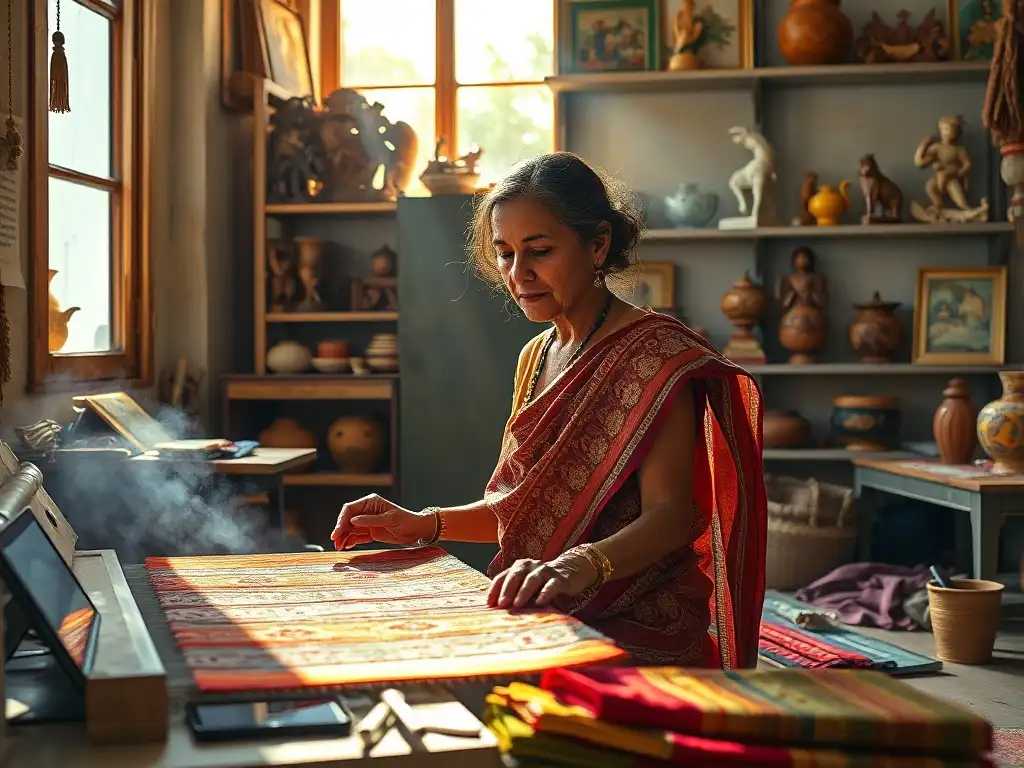
Welcome to Ancient India History, where we embark on a fascinating journey through time to uncover the rich tapestry of India's past. In this article, we delve into the India handicraft tradition and innovation—a vibrant testament to the creativity and craftsmanship that have flourished throughout the ages. How have ancient techniques evolved to meet modern demands?
Join us as we explore the seamless blend of tradition and innovation, revealing the untold stories of artisans who are not just preserving history, but also shaping the future of India's handicraft revolution. Your adventure into the heart of ancient Indian culture starts here!
Introduction to India's Handicraft Tradition and Innovation
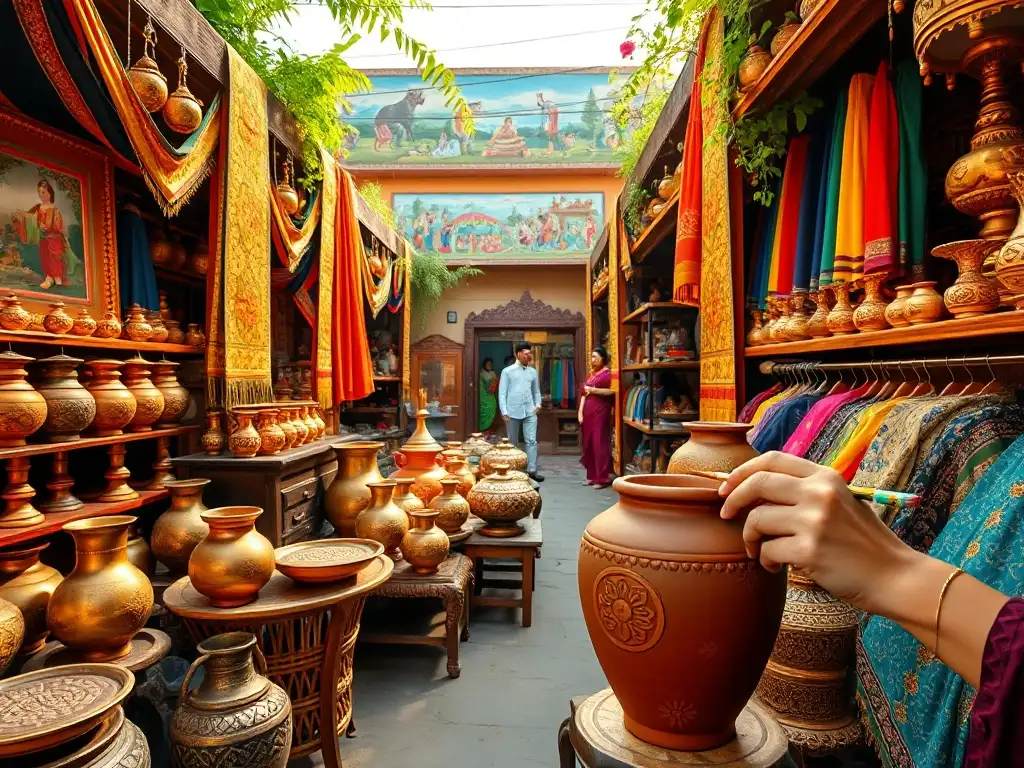
India's handicraft tradition is a vibrant tapestry woven through millennia, reflecting the rich cultural heritage and artistic ingenuity of its diverse civilizations. From the intricate designs of textiles to the detailed craftsmanship of pottery and woodwork, the art of handicrafts has flourished across the subcontinent, serving not only as a means of livelihood but also as a vital expression of cultural identity. In contemporary times, this traditional craftsmanship is experiencing a renaissance, driven by a blend of innovation and the resurgence of interest in sustainable and artisanal products.
As global markets increasingly lean towards unique, handcrafted items, the potential for investment in India's handicraft sector is immense. By bridging the gap between tradition and modernity, investors can contribute to the preservation of age-old techniques while also fostering economic growth and empowerment within local communities.
The Historical Context of Indian Handicrafts
Indian handicrafts have a rich history that dates back thousands of years, intricately tied to the social, economic, and cultural developments of the region. The evolution of these crafts can be traced through various historical periods, each contributing to the diverse range of techniques and styles that define Indian handicrafts today. Understanding this historical context is essential for appreciating the depth and breadth of India's handicraft tradition, as well as the opportunities it presents for innovation and investment.
Evolution of Handicraft Techniques in Ancient India
The origins of Indian handicrafts can be traced back to the Indus Valley Civilization (c. 2500–1900 BCE), where advanced techniques in bead-making, pottery, and textile production were developed. Over the centuries, various dynasties and empires, including the Mauryas, Guptas, and Mughals, have left their mark on the craft landscape.
- Indus Valley Civilization:
- Known for its bead-making and cotton textiles.
- Use of natural dyes and intricate motifs.
- Mauryan and Gupta Periods:
- Flourished in metalwork, particularly bronze and gold.
- Emergence of sculptural arts and stone carvings.
- Mughal Era:
- Introduction of Persian motifs and influence of Islamic art.
- Development of miniature paintings and intricate inlay work.
These historical roots not only highlight the technical prowess of Indian artisans but also showcase the adaptability of these crafts through various cultural influences, setting the stage for the modern handicraft revolution.
Cultural Significance of Handicrafts in Indian Society
Handicrafts in India are more than mere products; they embody the cultural narratives and traditions of diverse communities. Each piece tells a story, representing the skills and heritage of the artisans who create them.
- Community Identity:
- Many handicrafts are specific to particular regions or ethnic groups, fostering a sense of identity and belonging.
- Ritual and Tradition:
- Handcrafted items often play a crucial role in religious and ceremonial practices, connecting the past with the present.
- Economic Empowerment:
- The handicraft sector provides livelihoods for millions of artisans, particularly women and marginalized groups, thereby promoting social equity.
As we delve deeper into the specifics of India's handicraft tradition and its innovative potential, it becomes clear that investing in this sector is not just about profit; it is about preserving cultural heritage and empowering communities.
Current Trends in India's Handicraft Market
India's handicraft market is experiencing a significant transformation, blending traditional craftsmanship with modern consumer demands. As global consumers increasingly seek unique, sustainable, and ethically sourced products, Indian artisans are adapting their techniques to meet these expectations. This shift is evident in the rise of eco-friendly materials, innovative designs, and the incorporation of technology in production processes.
The e-commerce boom is also reshaping the landscape of the handicraft market. Online platforms are providing artisans with access to a broader audience, enabling them to showcase their products beyond local markets. This digital shift is not just about sales; it also facilitates meaningful connections between artisans and consumers, fostering appreciation for the craftsmanship involved.
Moreover, there is a growing emphasis on preserving heritage while innovating. Collaborations between traditional artisans and modern designers are resulting in unique products that reflect India's rich cultural tapestry while appealing to contemporary tastes. This fusion of tradition and innovation is a hallmark of the current trends in India's handicraft market.
The Rise of Innovation in Traditional Crafts
Innovation is at the forefront of India's handicraft evolution. Artisans are increasingly experimenting with new materials and techniques, redefining traditional crafts in the process. For instance, the use of sustainable materials, such as bamboo and recycled textiles, is gaining traction, responding to the global demand for environmentally friendly products.
Furthermore, technology is playing a pivotal role in this innovation. Digital tools are being employed for design and production, improving efficiency and precision. This not only enhances the quality of the products but also allows artisans to diversify their offerings. For example, traditional block printing now includes modern patterns and motifs, making these products relevant to contemporary consumers.
Artisanal cooperatives and organizations are also fostering innovation by providing training and resources to artisans. These initiatives empower craftsmen to explore new markets, develop unique product lines, and adopt innovative marketing strategies. The rise of social media platforms has further amplified their reach, allowing artisans to engage directly with consumers and showcase their unique stories.
Market Opportunities in Indian Handicrafts
The market for Indian handicrafts presents numerous opportunities for growth and investment. With an estimated market size of over $100 billion, there is considerable potential for both domestic and international players. The increasing popularity of handcrafted products, particularly among millennials and Gen Z, is driving demand for unique, artisanal items.
Several factors contribute to the lucrative nature of this market:
- Global Demand: The international market is increasingly favoring authentic, handmade products. Indian handicrafts, known for their artistry and cultural significance, can tap into this demand effectively.
- Export Potential: India has a rich export history in handicrafts, with significant export markets in the US, Europe, and the Middle East. There is room for growth in these sectors, particularly for niche products that highlight India's diverse cultural heritage.
- Cultural Tourism: As tourism in India grows, so does the interest in local handicrafts. Tourists often seek authentic, locally made products as souvenirs, creating a vibrant market for artisans.
- Government Initiatives: The Indian government is actively promoting the handicraft sector through various schemes and policies, providing financial assistance, training, and marketing support to artisans.
Investment Opportunities in India's Handicrafts Sector
The Indian handicraft sector, with its rich historical roots and contemporary relevance, offers a plethora of investment opportunities. Investors can engage in various avenues that not only promise financial returns but also contribute to sustainable development and the preservation of cultural heritage.
Why Invest in India’s Handicraft Tradition and Innovation?
Investing in India's handicraft sector is not only a financially sound decision but also a socially responsible one. Here are several compelling reasons to consider:
- Cultural Preservation: Investments contribute to the safeguarding of traditional crafts, ensuring that these age-old skills are passed down through generations.
- Economic Empowerment: By investing in local artisans and cooperatives, investors can play a crucial role in uplifting communities, providing stable employment, and improving living standards.
- Sustainability: Many artisanal products are crafted using sustainable practices, appealing to the growing market of environmentally conscious consumers. This aligns with global trends towards sustainability and ethical consumerism.
- Diverse Product Range: The diversity of Indian handicrafts—from textiles and pottery to jewelry and furniture—offers investors a wide array of products to choose from, catering to various market segments.
High-Potential Areas for Investment
Several specific areas within the Indian handicraft sector exhibit high potential for investment:
- Textiles and Apparel: Traditional textiles, such as handwoven fabrics and block-printed garments, are increasingly popular in both domestic and international markets. Investing in this area can yield high returns as consumer interest in sustainable fashion grows.
- Home Décor and Furnishings: Handcrafted home décor items, including furniture, ceramics, and decorative pieces, are in demand as consumers seek unique ways to personalize their living spaces.
- Jewelry and Accessories: The market for handmade jewelry is booming, particularly pieces that reflect cultural narratives and craftsmanship. Investing in this segment can tap into the growing appreciation for artisanal jewelry.
- Digital Platforms: Investing in digital marketplaces that connect artisans with consumers can facilitate market access and expand reach, driving sales and brand visibility.
By strategically targeting these high-potential areas, investors can contribute to the revival and growth of India's handicraft tradition while reaping the benefits of a burgeoning market.
Best Practices for Supporting Handicraft Innovation
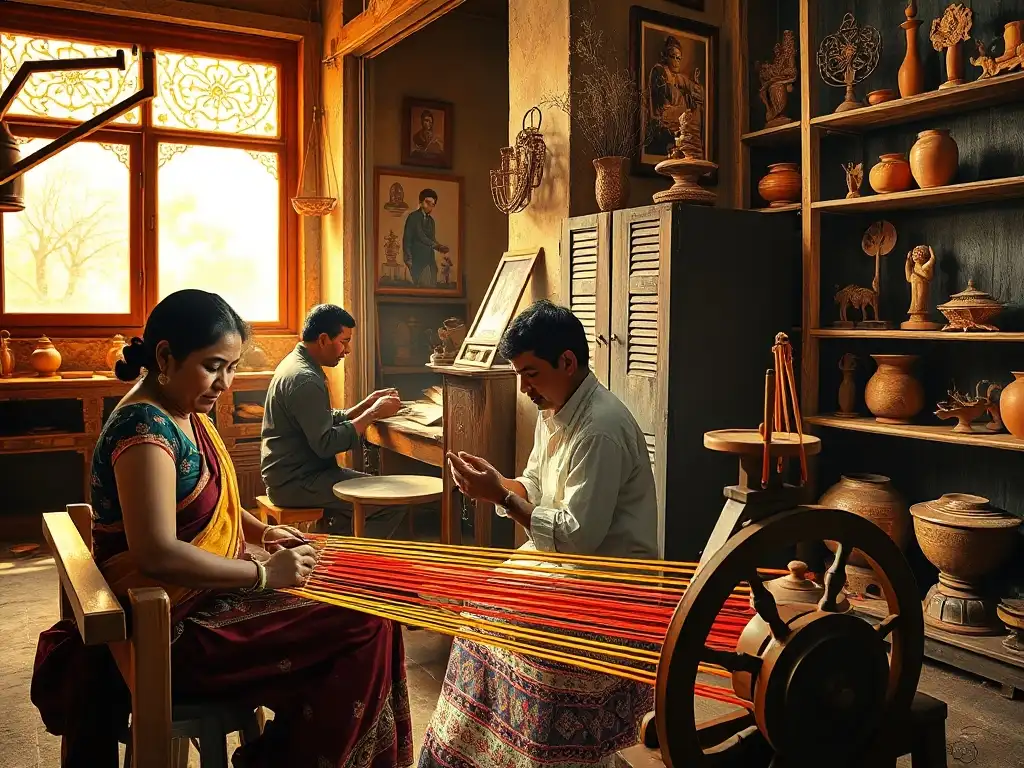
Investing in India's handicraft sector requires a thoughtful approach that balances respect for traditional practices with the integration of modern innovations. Here are some best practices that stakeholders can adopt to effectively support and enhance handicraft innovation:
- Empower Artisans with Skills Training: Providing artisans with workshops and training programs can help them enhance their skills, learn new techniques, and stay competitive. This can include both traditional craft skills and modern business practices, ensuring they are well-equipped to navigate the market.
- Encourage Sustainable Practices: Promoting environmentally friendly methods and materials can not only attract eco-conscious consumers but also preserve the cultural heritage tied to specific crafts. Techniques such as using organic dyes or sustainable sourcing of materials can be beneficial.
- Facilitate Access to Resources: Ensuring that artisans have access to necessary tools, materials, and financial resources is crucial. Collaborating with local governments and NGOs can help in providing these resources, enabling artisans to focus on their creations.
- Promote Cultural Storytelling: Highlighting the stories behind handicrafts creates a deeper connection between the product and the consumer. Investing in marketing that showcases the heritage, skills, and cultural significance of crafts can enhance their value in the marketplace.
- Foster Collaborative Networks: Building networks among artisans, designers, and entrepreneurs can facilitate knowledge sharing and innovation. Collaborative projects can lead to unique product offerings that celebrate traditional craftsmanship while appealing to modern tastes.
Collaborating with Artisans and Communities
Collaboration with artisans and their communities is vital for the sustainable growth of the handicraft sector. Here are some strategies to enhance collaboration:
- Engage Local Communities: Direct engagement with local artisans helps in understanding their needs, challenges, and aspirations. Community meetings and participatory projects can foster trust and open avenues for collaboration.
- Support Cooperative Models: Encouraging artisans to form cooperatives can strengthen their bargaining power, provide access to better resources, and create a collective identity that enhances market visibility.
- Involve Artisans in Product Development: Including artisans in the design and decision-making process ensures that their skills and cultural insights shape the final product. This not only respects their craft but also leads to innovative outcomes that resonate with consumers.
- Build Long-term Partnerships: Establishing long-term relationships with artisans rather than one-off projects enhances stability and allows for continuous innovation. Such partnerships can lead to the development of sustainable business models that benefit both parties.
Leveraging E-Commerce and Digital Marketing
In today's digital age, leveraging e-commerce and digital marketing strategies is crucial for expanding the reach of Indian handicrafts. Here are key approaches:
- Create Online Marketplaces: Establishing or partnering with e-commerce platforms dedicated to handicrafts allows artisans to reach a global audience. Features like storytelling, artisan profiles, and detailed product descriptions can enhance customer engagement.
- Utilize Social Media for Promotion: Social media platforms like Instagram and Facebook are powerful tools for showcasing handicrafts. Engaging content, including videos of artisans at work and customer testimonials, can help create a vibrant online community.
- Implement SEO Strategies: Investing in Search Engine Optimization (SEO) can improve the visibility of handicraft products. Using relevant keywords, high-quality images, and engaging content can drive traffic to online stores.
- Leverage Influencer Marketing: Collaborating with influencers who appreciate craftsmanship can amplify the reach of handicraft products. Influencers can narrate the stories behind the crafts, making them more appealing to their followers.
Pros and Cons of Investing in Indian Handicrafts
Investing in Indian handicrafts presents both opportunities and challenges. Understanding these aspects is essential for making informed decisions.
Advantages of Investing in Handicrafts
Investing in the handicraft sector can yield significant benefits:
- Rich Cultural Heritage: Handicrafts are steeped in tradition and cultural significance, making them unique products that are highly sought after by consumers looking for authenticity.
- Growing Global Demand: There is a rising global trend towards sustainable and ethically produced goods. Handicrafts often meet this demand, attracting a diverse customer base.
- Support for Local Economies: Investing in handicrafts promotes local economies by creating jobs and supporting artisans’ livelihoods. This contributes to the overall economic development of communities.
- Potential for Innovation: The fusion of traditional techniques with modern design can lead to innovative products that appeal to contemporary markets, opening new avenues for growth.
Challenges Facing the Handicraft Sector
Despite the advantages, there are notable challenges in the handicraft sector:
- Market Competition: The proliferation of mass-produced goods poses a significant challenge to artisans who often struggle to compete on price and availability.
- Access to Financing: Many artisans face difficulties in obtaining funding or loans to expand their operations, limiting their ability to innovate and grow.
- Preserving Traditional Techniques: As younger generations migrate to cities for better opportunities, there is a risk of traditional skills and knowledge being lost over time.
- Quality Control Issues: Maintaining consistent quality can be a challenge, especially when scaling production. Ensuring that products meet market standards is crucial for building a reputable brand.
By navigating these pros and cons effectively, investors can play a pivotal role in fostering the growth and sustainability of India's rich handicraft tradition while driving innovation in the sector.
Conclusion: The Future of India’s Handicraft Tradition and Innovation
The future of India’s handicraft tradition and innovation is both promising and complex. As the world increasingly moves towards sustainable and ethical consumption, the demand for artisanal products is likely to grow. Indian handicrafts, steeped in rich cultural heritage, offer unique narratives that resonate with consumers seeking authenticity in their purchases. This growing interest provides artisans with a robust platform to showcase their skills and traditions while adapting to contemporary market dynamics.
Moreover, the integration of modern technology into traditional crafts is paving the way for innovative practices. From e-commerce platforms that connect artisans directly with global consumers to the use of digital tools that enhance design processes, the fusion of tradition and technology is vital. These developments not only preserve age-old techniques but also ensure that artisans can thrive in a competitive marketplace, thus contributing to the economic empowerment of rural communities.
Collaboration between government initiatives, NGOs, and private enterprises will be crucial in fostering an environment that supports the growth of handicrafts. By investing in training programs, marketing strategies, and sustainable practices, stakeholders can enhance the visibility and viability of India's handicraft sector. Ultimately, the continued evolution of India’s handicraft tradition will hinge on balancing the preservation of cultural heritage with the innovative practices that meet modern consumer demands.
References and Further Reading
- Government of India. (2021). Annual Report on Handicrafts and Handlooms. [Link pending]
- Craft Council of India. (2022). The Revival of Traditional Crafts in Modern India. [Link pending]
- Basu, A. (2019). Artisan Entrepreneur: Crafting a Sustainable Future. New Delhi: Craft India Press.
- World Crafts Council. (2020). Global Handicraft Market Trends and Opportunities. [Link pending]
- Sharma, R. (2021). The Role of E-commerce in Promoting Indian Handicrafts. Journal of Business and Management, 23(4), 45-58.
- Nayak, T. (2022). Sustainable Practices in Indian Handicrafts: A Path Forward. Craft and Culture Quarterly, 15(2), 14-30.
- Introduction to India's Handicraft Tradition and Innovation
- The Historical Context of Indian Handicrafts
- Current Trends in India's Handicraft Market
- Investment Opportunities in India's Handicrafts Sector
- Best Practices for Supporting Handicraft Innovation
- Pros and Cons of Investing in Indian Handicrafts
- Conclusion: The Future of India’s Handicraft Tradition and Innovation
- References and Further Reading
Frequently Asked Questions
What is the significance of India's handicraft tradition?
India's handicraft tradition is a vital part of its cultural heritage, showcasing the skills and creativity of artisans. It reflects the diversity of regional styles and techniques that have been passed down through generations.
How has innovation influenced Indian handicrafts?
Innovation has played a crucial role in transforming traditional handicrafts into contemporary products. By integrating modern techniques and designs, artisans can reach new markets while preserving their cultural identity.
What are some examples of traditional Indian handicrafts?
Examples include block printing, pottery, weaving, and metalwork. Each of these crafts has its own unique style and technique, reflecting the rich history and culture of different regions in India.
How can investment support India's handicraft sector?
Investment can provide artisans with access to modern tools, training, and marketing opportunities. This support can enhance the quality of products and expand their reach in both domestic and international markets.
Why is preserving handicraft traditions important?
Preserving handicraft traditions is essential for maintaining cultural identity and supporting local economies. It ensures that traditional skills are not lost and continues to promote sustainability within communities.
Final Reflection: Embracing the Harmony of Tradition and Innovation
The intricate dance between tradition and innovation is more relevant today than ever, as we witness a resurgence in appreciation for India's handicraft tradition. This revival not only highlights the rich cultural heritage of India but also emphasizes the potential for sustainable economic growth through innovative practices. As we navigate a rapidly changing world, the need to honor our roots while embracing new ideas is a powerful reminder of the resilience and creativity inherent in our society.
The impact of India's handicraft revolution extends far beyond the artisans themselves; it influences our cultural identity and social fabric. By investing in these traditional crafts, we are not only preserving age-old techniques but also fostering a sense of community and empowerment among artisans. As Mahatma Gandhi once said, "> The true measure of any society can be found in how it treats its most vulnerable members." This statement resonates deeply as we consider the role of handicrafts in uplifting marginalized communities and promoting sustainable livelihoods.
As you reflect on the themes of this article, I invite you to consider how you can contribute to the preservation and innovation of India's handicraft tradition in your own life. Whether through supporting local artisans, advocating for fair trade, or simply appreciating the stories behind handmade products, your actions can help bridge the gap between tradition and modernity. Let us all take a moment to celebrate the beauty of our heritage while actively participating in its evolution, ensuring that the legacy of India's handicraft tradition continues to thrive for generations to come.
Ignite Change: Support India's Handicraft Revolution!
Thank you for taking the time to explore the incredible world of India's handicrafts! Your interest not only enriches your understanding but also fuels a movement toward sustainability and cultural preservation. Now, let’s take that enthusiasm and turn it into action!
Here’s how you can make a meaningful impact:
- Support Local Artisans: **Explore online marketplaces or attend local craft fairs** where you can purchase handmade goods directly from artisans, ensuring they receive fair compensation for their work.
- Share the Journey: **Spread the word about the beauty of Indian handicrafts** through social media, encouraging others to appreciate and invest in this unique heritage.
- Join a Workshop: **Participate in a local handicraft workshop or an online class** to learn directly from artisans and gain a deeper appreciation for their skills.
What unique handicraft have you discovered recently that inspires you to support this vibrant community? Let’s discuss in the comments!