
How to Utilize Government Schemes for Exporting Indian Goods

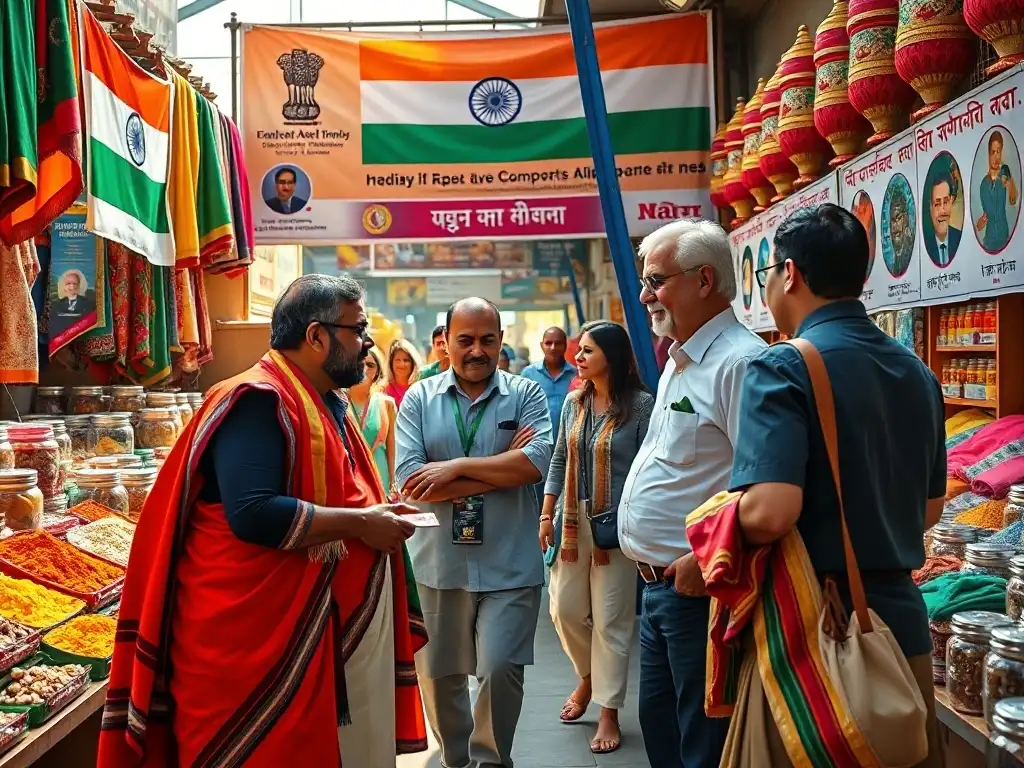
Welcome to Ancient India History, where we embark on a captivating journey through the rich tapestry of India's past. As we delve into the remarkable contributions of ancient Indian civilizations, you'll discover how the echoes of history resonate with today’s world. Our featured article, "How to Utilize Government Schemes for Exporting Indian Goods," unveils the strategic avenues available for modern entrepreneurs, bridging the legacy of trade from the Indus Valley to the Gupta Empire.
Join us as we explore how these historical foundations continue to shape today's business landscape, inviting you to unlock the potential of India's enduring heritage in the global marketplace. Dive in and uncover the secrets that await!

Introduction to Exporting Indian Goods
Exporting Indian goods has become a significant aspect of the country’s economic landscape, contributing to growth, job creation, and global trade integration. With a rich tapestry of products ranging from textiles and handicrafts to agricultural produce and technology, India boasts immense potential in the international market. However, navigating the complexities of exporting can be daunting for both new and established businesses. This is where government schemes play a crucial role.
The Indian government has introduced various schemes designed to support exporters in overcoming financial and operational barriers. These initiatives not only provide financial assistance but also facilitate knowledge sharing and market access. Understanding how to leverage these government schemes effectively can empower entrepreneurs to maximize their export potential, thereby fostering India's economic growth and enhancing its global trade footprint. In the following sections, we will delve into key government schemes that aid in exporting Indian goods, highlighting their benefits and applicability.
Key Government Schemes for Exporting Indian Goods
To streamline the process of exporting, the Indian government has established several schemes tailored to assist businesses in various sectors. Below are some of the most prominent initiatives available to exporters:
1. Merchandise Exports from India Scheme (MEIS)
The Merchandise Exports from India Scheme (MEIS) is designed to promote the export of goods from India by providing incentives to exporters. The key features of MEIS include:
- Incentives: Exporters can earn duty credit scrips based on the value of their exports, which can be used to pay customs duties on future imports.
- Eligibility: The scheme covers a wide range of products, including textiles, leather goods, engineering goods, and more.
- Implementation: MEIS aims to enhance the competitiveness of Indian goods in global markets and is applicable to all exporters who meet the prescribed criteria.
2. Service Exports from India Scheme (SEIS)
The Service Exports from India Scheme (SEIS) focuses on promoting the export of services from India, recognizing the growing significance of the service sector in the economy. Key aspects include:
- Incentives for Service Providers: Similar to MEIS, this scheme provides duty credit scrips to service exporters based on their foreign exchange earnings.
- Wide Coverage: SEIS covers numerous services, including professional services, tourism, and information technology.
- Objective: The aim is to boost the service export sector and position India as a global service hub.
3. Export Credit Guarantee Corporation (ECGC)
The Export Credit Guarantee Corporation (ECGC) is a pivotal institution that provides insurance support to exporters against payment risks. Its main features consist of:
- Risk Coverage: ECGC offers credit insurance to protect exporters against the risk of non-payment by foreign buyers.
- Financial Assistance: The corporation facilitates access to credit for exporters, ensuring that they can manage cash flow effectively.
- Support for Export Growth: By mitigating risks, ECGC encourages more businesses to engage in exporting, thereby contributing to India's trade expansion.
Understanding these schemes and how to utilize them effectively can significantly enhance the prospects of exporting Indian goods, providing businesses with the necessary tools to thrive in a competitive global market.
Steps to Utilize Government Schemes Effectively
Utilizing government schemes for exporting Indian goods can significantly enhance your business's growth and reach. Here are the key steps to effectively leverage these opportunities:
- Research Available Schemes: Start by identifying the various government schemes aimed at promoting exports. This may include schemes like the Merchandise Exports from India Scheme (MEIS) and the Export Promotion Capital Goods (EPCG) scheme.
- Assess Eligibility: Each scheme has specific eligibility criteria. Carefully review these requirements to ensure that your business qualifies for the schemes you are interested in.
- Develop a Comprehensive Export Plan: Before applying for any scheme, create a detailed export plan that outlines your target markets, product lines, and marketing strategies. This will not only help in the application process but also in implementing the scheme effectively.
- Stay Updated: Government policies and schemes can change frequently. Regularly check official government portals and notifications to stay informed about the latest updates.
- Seek Professional Guidance: If needed, consider consulting with experts or agencies specializing in government schemes to navigate the application process smoothly.
Identifying Suitable Government Schemes
Identifying the right government schemes is crucial for maximizing your export potential. Here are some strategies to assist in this process:
- Visit Official Websites: The Directorate General of Foreign Trade (DGFT) and the Ministry of Commerce and Industry provide comprehensive information on available schemes.
- Join Export Promotion Councils: These councils often have insights and updates on government initiatives and can guide you toward suitable schemes.
- Attend Workshops and Seminars: Engage in events organized by government bodies or trade associations to learn about available schemes and how to apply them effectively.
- Consult Industry Peers: Networking with other exporters can provide valuable firsthand information about which schemes have worked well for them.
Application Process for Government Schemes
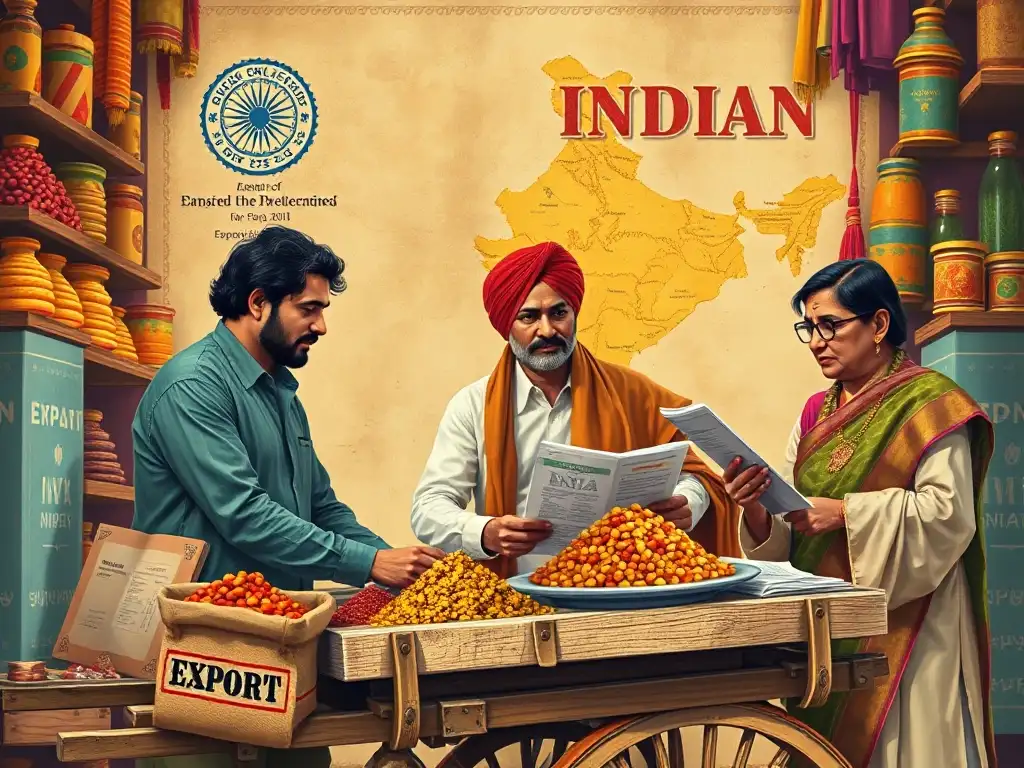
The application process for government schemes can vary based on the scheme itself; however, the general steps include:
- Gather Required Information: Collect all necessary details about your business, products, and export plans.
- Complete the Application Form: Fill out the application form accurately, providing all requested information.
- Submit Online or Offline: Depending on the scheme, applications can often be submitted online through the respective government portal or through designated offices.
- Follow-Up: After submission, keep track of the application status. This may involve responding to queries from the authorities or providing additional documentation.
Documentation Required for Exporting Indian Goods
Having the correct documentation is essential for the smooth export of goods. Key documents required include:
- Export License: Obtain an export license if required by the specific government scheme.
- Commercial Invoice: A detailed invoice that outlines the transaction between the exporter and importer.
- Packing List: This document details the specifics of the shipment, including dimensions and weight.
- Bill of Lading: A legal document between the shipper and carrier that outlines the goods being transported.
- Certificate of Origin: A document that certifies the country of origin of the exported goods, often required by importing countries.
Maximizing Benefits from Government Schemes
To truly benefit from government schemes for exporting Indian goods, consider the following strategies:
Leveraging Financial Assistance
Government schemes often provide financial assistance that can be pivotal for exporters. Here’s how to leverage this support:
- Understand the Financial Benefits: Familiarize yourself with the different types of financial support available, such as grants, subsidies, and low-interest loans.
- Utilize Export Credit: Many schemes offer export credit facilities that can help manage cash flow effectively.
- Maintain Financial Records: Keep meticulous records of all expenses and income related to exports to ensure compliance and maximize funding potential.
Networking and Collaboration Opportunities
Networking is a powerful tool that can enhance the benefits derived from government schemes. Consider these approaches:
- Engage with Trade Associations: Join associations related to your industry to gain access to resources, training, and networking opportunities.
- Participate in Trade Fairs: Attend national and international trade fairs to connect with potential buyers and other exporters.
- Collaborate with Other Exporters: Form partnerships with other businesses to share resources, knowledge, and access to new markets.
By following these strategies, exporters can effectively utilize government schemes to enhance their growth and success in the global marketplace.
Case Studies: Successful Utilization of Government Schemes
Understanding how businesses have effectively utilized government schemes can provide valuable insights for exporters looking to navigate the complexities of exporting Indian goods. The following case studies highlight notable success stories that exemplify the positive impact of these initiatives.
1. Success Story of ABC Exports
ABC Exports, a small-scale manufacturer based in Gujarat, has made significant strides in the international market by leveraging government schemes designed to promote exports. Established in 2015, the company specializes in handmade textiles. By participating in the Merchandise Exports from India Scheme (MEIS), ABC Exports was able to receive incentives that helped them maintain competitive pricing overseas.
The company utilized the financial support from government schemes to enhance their production capabilities, invest in quality control, and expand their marketing efforts. Within two years, their exports grew by 150%, with significant sales in the European and North American markets. The firm also benefitted from participation in trade fairs sponsored by the government, which provided them with exposure to potential buyers and partners.
ABC Exports' success illustrates how a strategic approach to government schemes can facilitate growth and sustainability in the global market. Their experience serves as a model for other small businesses aiming for international success.
2. Impact of MEIS on Textile Exports
The Merchandise Exports from India Scheme (MEIS) has played a pivotal role in boosting India’s textile exports. Launched in 2015, MEIS aims to promote the export of specified goods by providing incentives to exporters. The textiles sector, which is one of the largest contributors to India's export economy, has seen considerable benefits from this initiative.
For instance, in the fiscal year 2020-21, textile exports reached approximately $29 billion, largely attributed to the incentives provided under MEIS. Manufacturers and exporters were able to receive duty credit scrips, which could be utilized for payment of customs duties on imported goods or sold in the market, creating additional liquidity for businesses.
One of the notable outcomes of MEIS was the increase in participation of smaller textile units in the export market. With the financial backing and support from the government, these units could enhance their production quality, reach broader international markets, and ultimately contribute to the overall growth of Indian textile exports. This success story highlights the direct correlation between government support and the growth of a significant sector in India’s economy.
Conclusion: The Future of Exporting Indian Goods

The future of exporting Indian goods looks promising, especially with the continued support of government schemes tailored to boost international trade. As the global market evolves, Indian exporters must remain adaptable and proactive in utilizing these opportunities.
With the government’s focus on enhancing the ease of doing business, coupled with initiatives like MEIS and the Export Promotion Capital Goods (EPCG) scheme, exporters can expect increased financial and logistical support. Businesses that strategically engage with these schemes will not only enhance their competitiveness but also contribute to India's position as a key player in global trade.
The effective utilization of government schemes can empower Indian exporters to navigate challenges, optimize their operations, and ultimately thrive in the international market. As the landscape of global trade continues to change, those who leverage these government initiatives will be well-positioned to succeed in exporting Indian goods.
Call to Action
To successfully leverage the various government schemes aimed at exporting Indian goods, it is crucial for exporters to take proactive steps. Here’s how you can get started:
- Research Available Schemes: Begin by familiarizing yourself with the plethora of government schemes designed for exporters. This includes initiatives like the Merchandise Exports from India Scheme (MEIS), the Service Exports from India Scheme (SEIS), and the various financial assistance programs available.
- Consult with Experts: Engaging with export consultants or trade organizations can provide valuable insights into which schemes best suit your business needs. They can help you navigate the application processes and ensure that you meet all eligibility criteria.
- Attend Workshops and Seminars: Look for workshops or seminars hosted by government bodies or industry associations that focus on exporting. These events often provide in-depth knowledge about the schemes, application processes, and best practices in exporting.
- Stay Updated: Keep an eye on official announcements and updates from the government regarding changes or new initiatives in export promotion. Subscribe to newsletters or follow relevant government websites for the latest information.
- Network with Other Exporters: Join exporters' forums or associations to connect with other businesses in your field. Sharing experiences and strategies can enhance your understanding of how to benefit from government schemes effectively.
By taking these steps, you can maximize the benefits of government schemes, leading to greater efficiency and success in exporting Indian goods.
Additional Resources
For those looking to delve deeper into the topic of exporting Indian goods and the associated government schemes, the following resources can provide invaluable support:
- Government Websites: Explore the official sites of the Ministry of Commerce and Industry and the Directorate General of Foreign Trade. These platforms offer comprehensive information on schemes, regulations, and export procedures.
- Export Promotion Councils: Various councils focus on specific sectors (e.g., textiles, handicrafts, electronics). They provide guidance, support, and networking opportunities tailored to their industries.
- Industry Reports and Publications: Seek out reports from credible organizations like the Federation of Indian Export Organisations (FIEO), which publish insights on market trends, challenges, and opportunities in the export sector.
- Financial Institutions: Banks and financial institutions often have dedicated export finance departments. Consulting them can help you understand funding options available under government schemes.
- Online Courses and Webinars: Consider enrolling in online courses focused on international trade and exporting. Many organizations offer webinars that cover the nuances of utilizing government schemes effectively.
By utilizing these resources, you can enhance your knowledge and skills in exporting, ensuring that you make the most of the government schemes available to support your business.
- Introduction to Exporting Indian Goods
- Key Government Schemes for Exporting Indian Goods
- Steps to Utilize Government Schemes Effectively
- Identifying Suitable Government Schemes
- Application Process for Government Schemes
- Documentation Required for Exporting Indian Goods
- Maximizing Benefits from Government Schemes
- Case Studies: Successful Utilization of Government Schemes
- Conclusion: The Future of Exporting Indian Goods
- Call to Action
- Additional Resources
Frequently Asked Questions
What are the main government schemes for exporting Indian goods?
The Indian government has launched several schemes such as the Merchandise Exports from India Scheme (MEIS) and the Foreign Trade Policy to support exporters through financial incentives and facilitation.
How can I apply for these export schemes?
To apply for these schemes, exporters need to register on the DGFT website and submit the necessary documentation, including export invoices and product details, to avail the benefits.
Are there specific requirements for eligibility in government schemes?
Yes, eligibility requirements vary by scheme, but typically include being a registered exporter, possessing a valid IEC code, and conforming to quality standards set by the government.
What benefits do these schemes offer to exporters?
These schemes provide exporters with financial assistance, subsidies, and tax benefits, helping to reduce overall costs and improve competitiveness in the global market.
How do these schemes contribute to the growth of Indian exports?
By facilitating easier access to international markets and offering incentives, these schemes aim to enhance the volume and diversity of Indian goods exported globally, thus boosting the economy.
Final Reflection: Harnessing Government Schemes for Exporting Indian Goods
In today's global economy, the importance of exporting Indian goods through government schemes cannot be overstated. As businesses strive to expand their reach beyond borders, understanding and leveraging these schemes can be a game-changer. The opportunities presented by these initiatives not only foster economic growth but also empower entrepreneurs to compete on an international stage.
The influence of government schemes on the exporting landscape is profound and ongoing. These initiatives have transformed the way businesses operate, providing them with the necessary tools and resources to thrive. As we witness a surge in Indian products making their mark globally, it is essential to recognize the role these schemes play in this success. The future belongs to those who believe in the beauty of their dreams.
– Eleanor Roosevelt. This quote resonates deeply as it reflects the aspirations of countless entrepreneurs who, with the right support, can turn their dreams of exporting into reality.
As you reflect on the insights shared in this article, consider how you can actively engage with these government schemes to elevate your own business. Take the time to explore the resources available to you, connect with fellow exporters, and embrace the opportunities that lie ahead. The journey of exporting Indian goods is not just about commerce; it is about building a legacy and contributing to the nation's growth. Let this be your call to action—dare to dream, and take the steps necessary to turn those dreams into tangible success.
Unleash Your Export Potential Today!
Thank you for taking the time to explore how government schemes can empower your export journey! By enhancing your understanding of these valuable resources, you’re now poised to make informed decisions that can elevate your business to new heights.
Now, let’s put your newfound knowledge into action! Here are a few exciting steps to kickstart your export success:
- Dive into specific government schemes tailored for your industry! Research and identify which ones align best with your business objectives.
- Connect with fellow exporters and join online forums to share experiences and exchange tips on navigating government support.
- Consider attending workshops or webinars that focus on maximizing export opportunities—look for offerings from your local trade office!
What unique strategies will you implement to make the most of government support for your exports?